

Bangs are the quickest way to change your entire silhouette without sacrificing length. The current shift favors soft, lived-in fringes that blend into face-framing layers rather than a stark, disconnected line.
This collection of 35 Trendy Cutting Bangs ideas spans every length and texture, from blunt chin-length bobs to airy, wispy pixies. Whether your fine hair needs a light curtain fringe to add movement or your thick mane can handle a bold, statement blunt bang, there is a shape here that works with your natural texture and styling routine. No more fighting a fringe that falls flat or grows out awkwardly by week two.
Sleek Chin Length Bob With Blunt Bangs
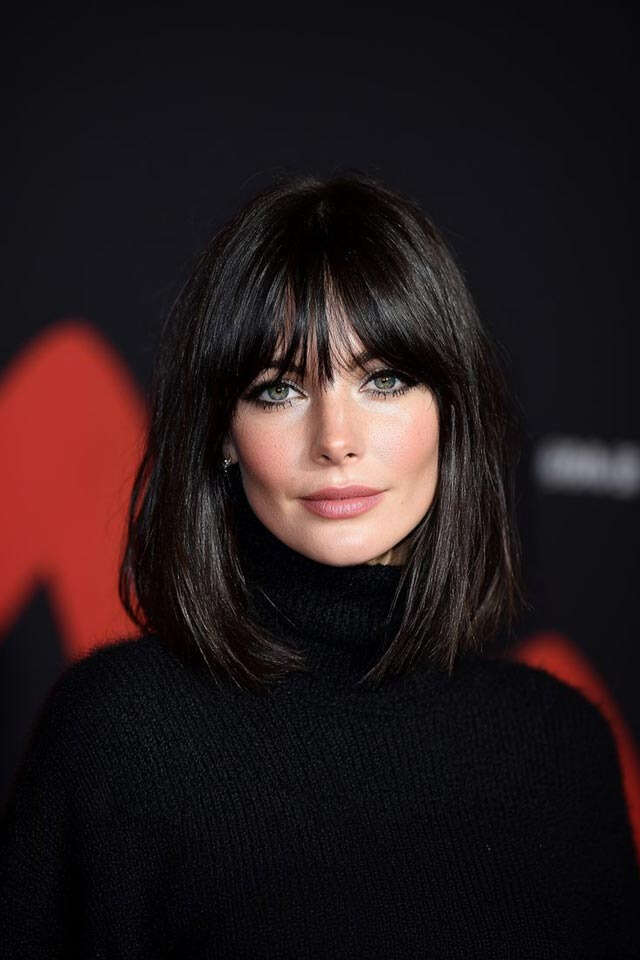
A chin-length bob with blunt bangs is a design built on contrast: the sharp horizontal line of the bangs meets the clean baseline of the bob, and there is nothing in between to soften it. Fine, straight hair makes that precision visible, so if your texture has any wave or volume at the roots, this cut will fight you. Solid dark brown color keeps the look graphic. Ask your stylist for a chin length bob with blunt bangs. It suits oval and long faces best, because the blunt line widens the visual midpoint rather than elongating it.
Chin Length Shag With Full Textured Bangs
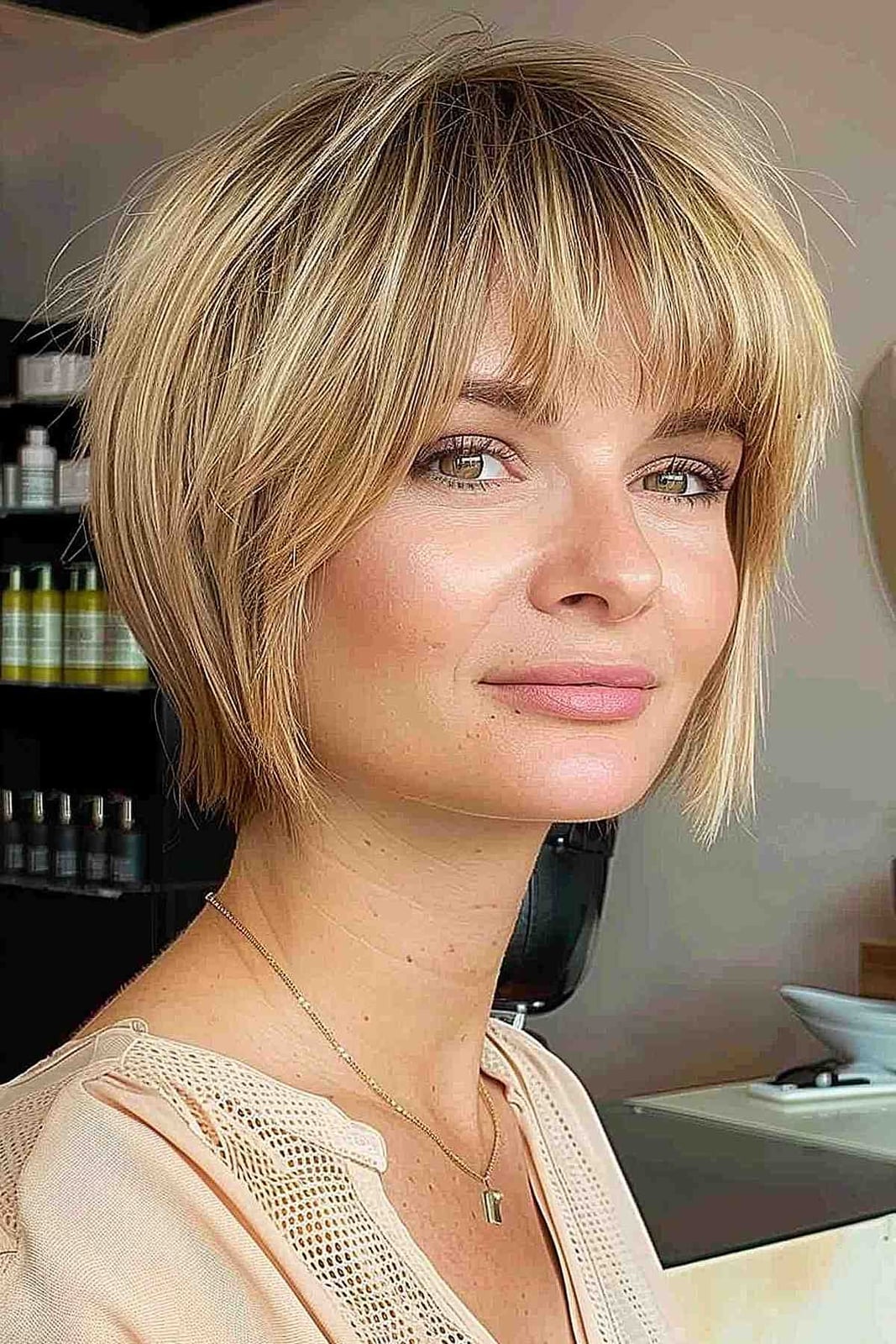
Where the blunt bob demands precision, the chin-length shag with full textured bangs asks for movement. The choppy layers and piecey finish create the kind of undone texture that fine wavy hair actually holds without product. The light blonde base with darker lowlights adds depth, so the layers read as distinct pieces rather than a single block. Ask your stylist for a chin length shag with full textured bangs. This version softens square and round faces, where the blunt bob can feel severe. It is the cut that looks best when you do not try too hard.
Blunt Bob With Classic Bangs
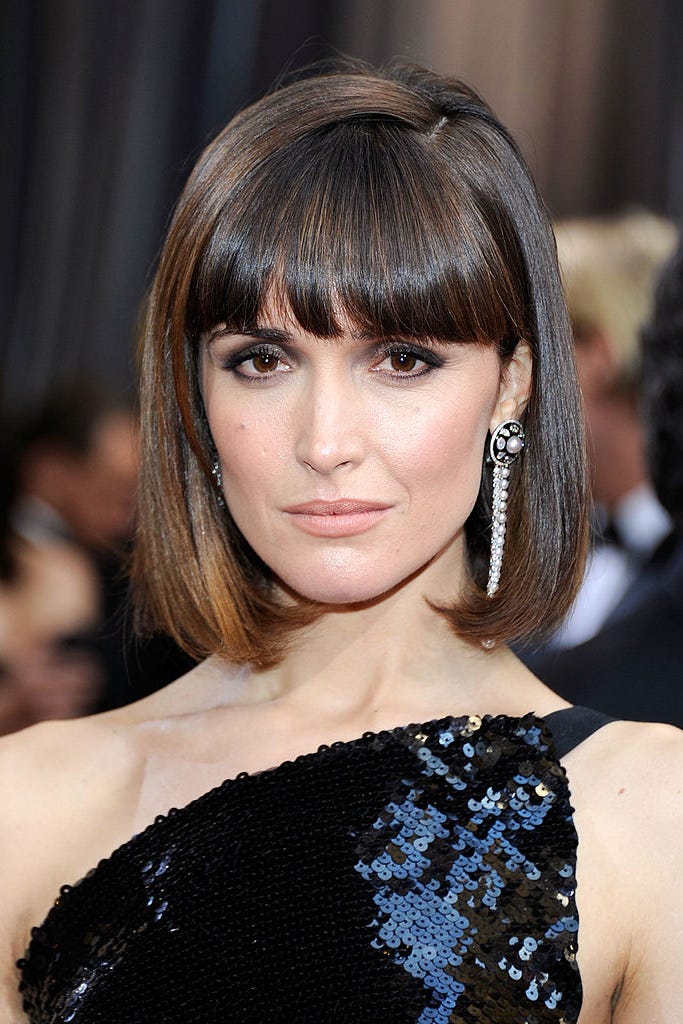
A blunt bob with classic bangs is built on two straight lines: the bangs cut straight across the forehead and the bob cut straight across the chin. On fine, straight dark brown hair, those lines become the whole statement. There are no layers to hide behind, so the cut lives or dies on the precision of the stylist’s shears. Ask your stylist for a chin length blunt bob with classic bangs. The middle parting keeps the symmetry intact. Oval and heart faces take the geometry best, because the bangs shorten the visual length of the face while the bob anchors the jawline.
Long Hair With Blunt Bangs

How do you add impact to long, thick straight hair without losing length? Blunt bangs. The contrast between the heavy black length and the crisp bang line is the whole point, and it works because the hair is straight enough to hold the shape. Subtle layers keep the ends from feeling like a single heavy curtain. Ask your stylist for long hair with blunt bangs. The bangs should fall just above the eyebrows, not grazing the lashes. Thick hair is the prerequisite here: fine hair would look sparse rather than graphic. Oval and long faces can wear the horizontal line without looking top-heavy.
Short Textured Cut With Blunt Bangs

An ear-length cut with blunt bangs is the shortest distance between classic and modern. The fine, straight dark brown hair keeps the silhouette clean, while the textured finish stops it from reading as severe. The blunt bangs anchor the forehead, and the short length keeps the whole shape compact. Ask your stylist for a short textured cut with blunt bangs. It suits oval and long faces for the same reason a longer blunt bob does: the horizontal bang line counteracts length. Fine hair benefits here because the short cut removes weight, so the texture stays visible rather than falling flat.
Grey Pixie With Soft Wispy Bangs
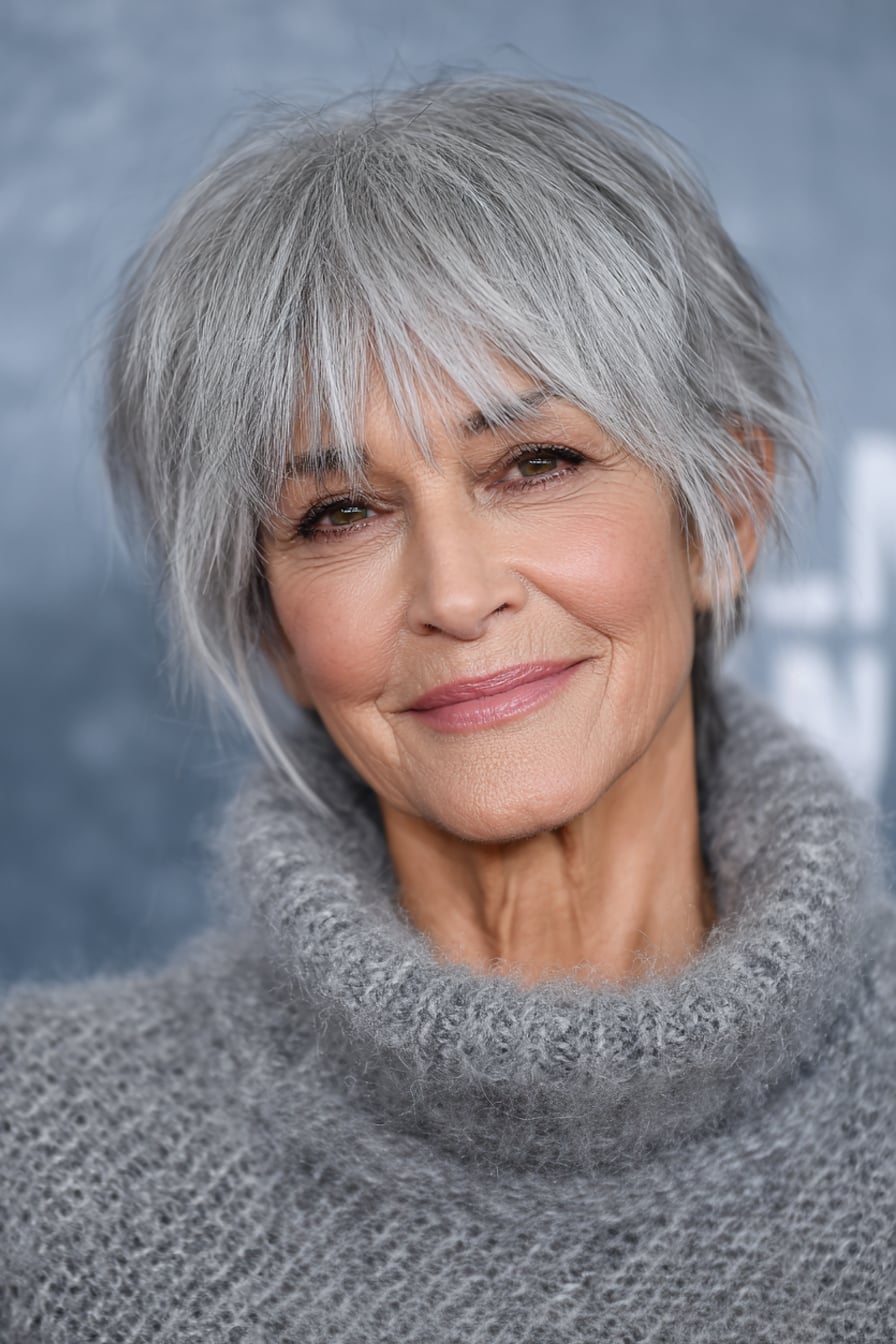
A grey pixie cut with full, wispy bangs is polished but not fussy. The fine, straight texture and soft blowout mean the bangs need daily attention with a small round brush and a hairdryer to sit just right. Ask your stylist for: pixie cut, soft wispy bangs. Plan on a trim every three to four weeks to keep the shape crisp and the bangs out of your eyes.
Platinum Pixie With Blunt Bangs
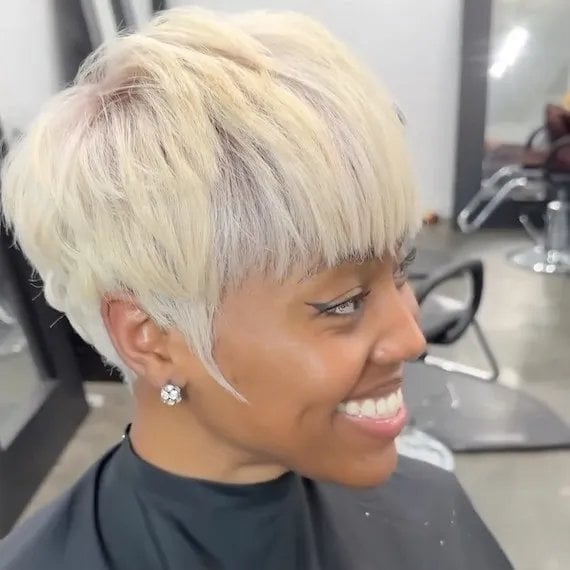
Where the wispy pixie fades softly, this one makes a statement. The platinum blonde pixie with blunt bangs uses a straight, sharp line across the forehead for immediate impact. Fine, straight texture is ideal here, the cut relies on clean geometry rather than volume. Ask your stylist for: platinum pixie, blunt bangs. This is a better pick for oval and long face shapes, where the horizontal line balances the vertical.
Textured Bixie With Choppy Bangs

To get a lived-in, tousled look that stays intentional, start with the right request. Ask your stylist for: textured bixie, choppy curtain bangs. The auburn shade with subtle highlights adds depth, while the side-swept, choppy curtain bangs keep the cut soft. Fine, wavy texture takes to the piecey finish naturally, no flat iron required.
Collarbone Shag With Torn Piecey Bangs
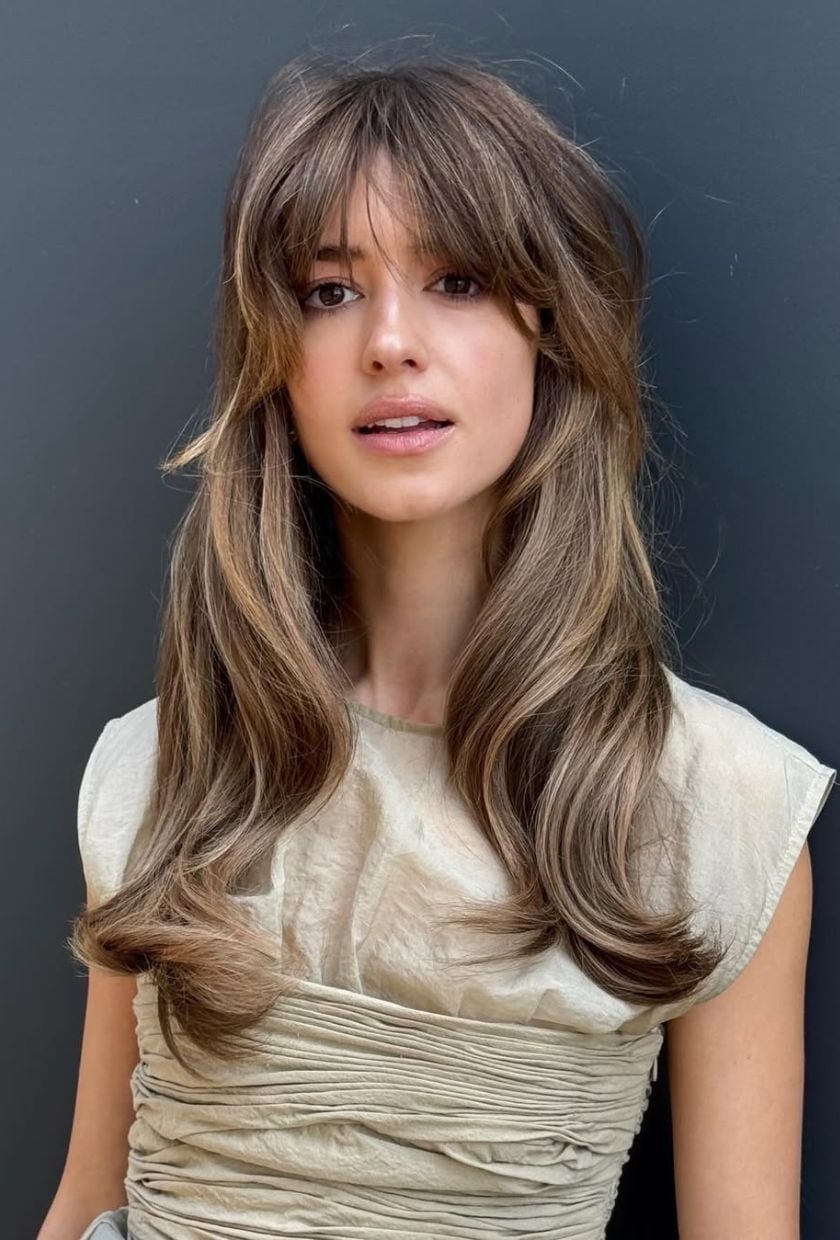
The torn, piecey bangs on this collarbone shag do exactly what they are supposed to: break up the line across the forehead and add a lived-in texture. The trade-off is that those separated ends lose their shape fast. Medium density wavy hair holds the definition longest, but expect a trim every six to eight weeks to keep the bangs looking intentional rather than overgrown. Ask your stylist for: collarbone shag, torn piecey bangs.
Copper Collarbone Shag With Wispy Bangs
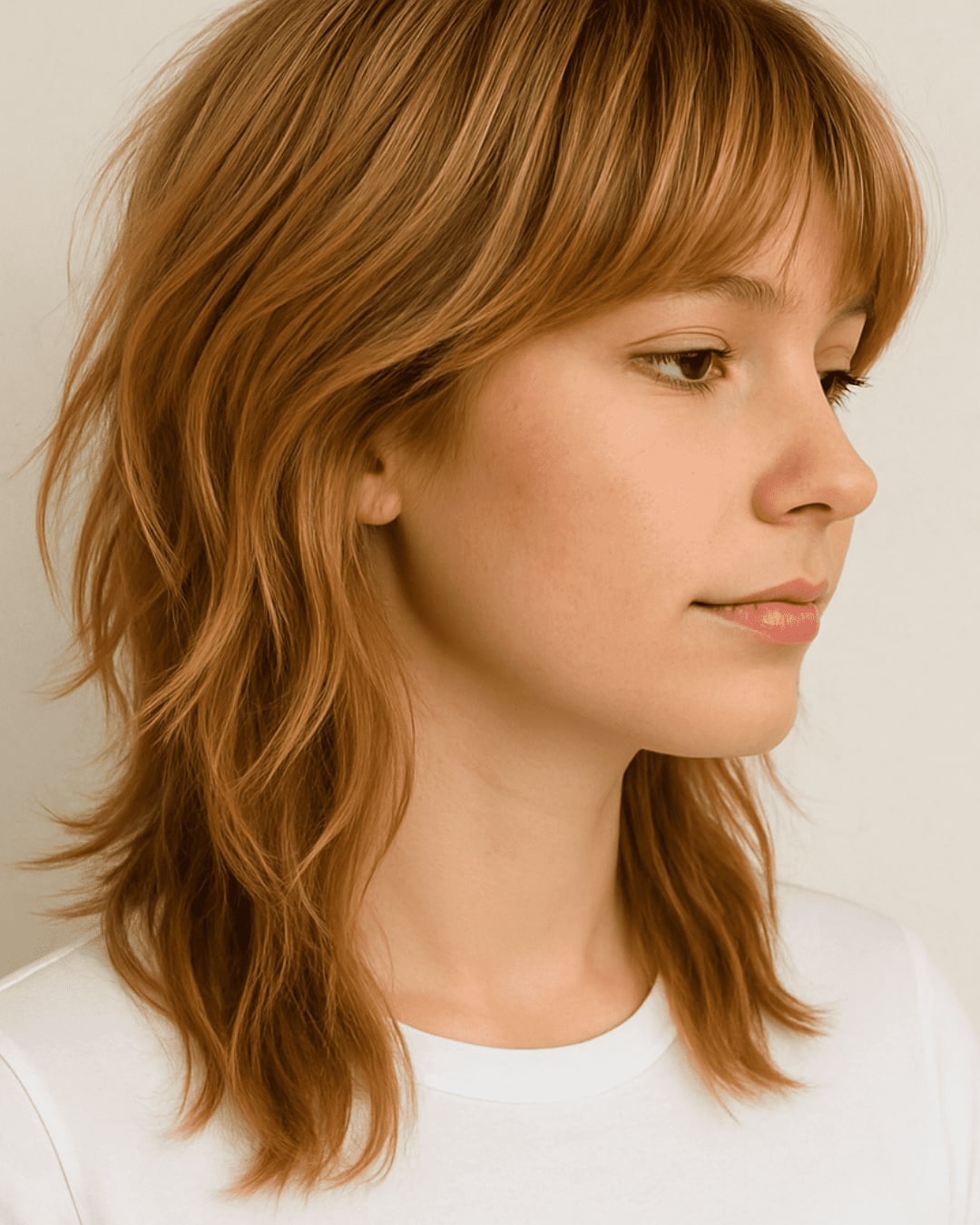
A copper collarbone shag with wispy bangs is lower maintenance than it looks. The shaggy layers create natural movement on wavy, medium density hair, so you can skip the hot tools most days. A sea salt spray encourages the texture without crunch. Ask your stylist for: collarbone shag, wispy bangs. The baseline needs a trim every six to eight weeks, but the wispy bangs grow out gracefully in between.
Collarbone Wolf Cut Bob With Wispy Bangs

The wolf cut earns its name by stacking choppy layers through the crown and tapering them toward the collarbone, which gives thick wavy hair a shape that moves without effort. The short, wispy bangs sit above the brow and blend into the layers, so the whole cut reads as one continuous piece rather than separate sections. Ask your stylist for: collarbone wolf cut bob, short wispy bangs. This suits thick wavy hair that starts at the collarbone, and the wispy bangs soften most face shapes.
To get the air-dried finish, skip the brush entirely. Apply a texturizing cream to damp hair, scrunch the layers upward, then let it dry naturally. A diffuser on low heat speeds things up without flattening the wave. The choppy layers do the styling work, so you are mostly hands-off. A trim every six to eight weeks keeps the bangs from turning into an accident.
Honey Blonde Shag With Curtain Bangs

The shag’s prominent layers and soft curtain bangs create a face-framing effect that suits wavy, medium textures best, because the waves give the layers something to grip. The collarbone length keeps the shape from feeling heavy, while the honey blonde balayage adds dimension by lightening the ends more than the roots. Ask your stylist for: collarbone shag, curtain bangs. This works for most face shapes, since the curtain bangs can be swept to either side to adjust the balance.
Collarbone Layered Lob With Curtain Bangs
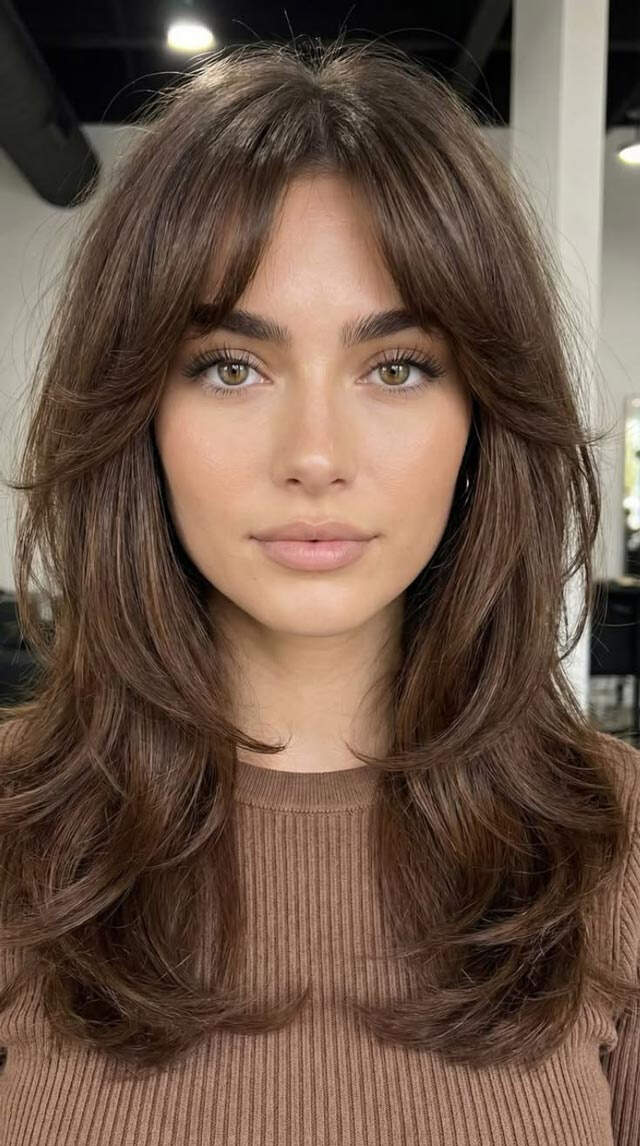
You want curtain bangs that actually blend into the lob, not a separate fringe that sits on its own. The trick is asking for the bangs to be cut with the face-framing layers, so they connect seamlessly when you wear the hair down. Ask your stylist for: collarbone layered lob, curtain bangs. The medium brown base with subtle lighter highlights gives the waves a little depth without a dramatic color change. This suits medium wavy hair that starts at the collarbone, and the bangs work for most face shapes. Blow-dry the bangs with a round brush to set the direction, then let the rest of the waves air-dry. Plan on a trim every eight to ten weeks to keep the shape honest.
Collarbone Blonde Bob With Wispy Bangs
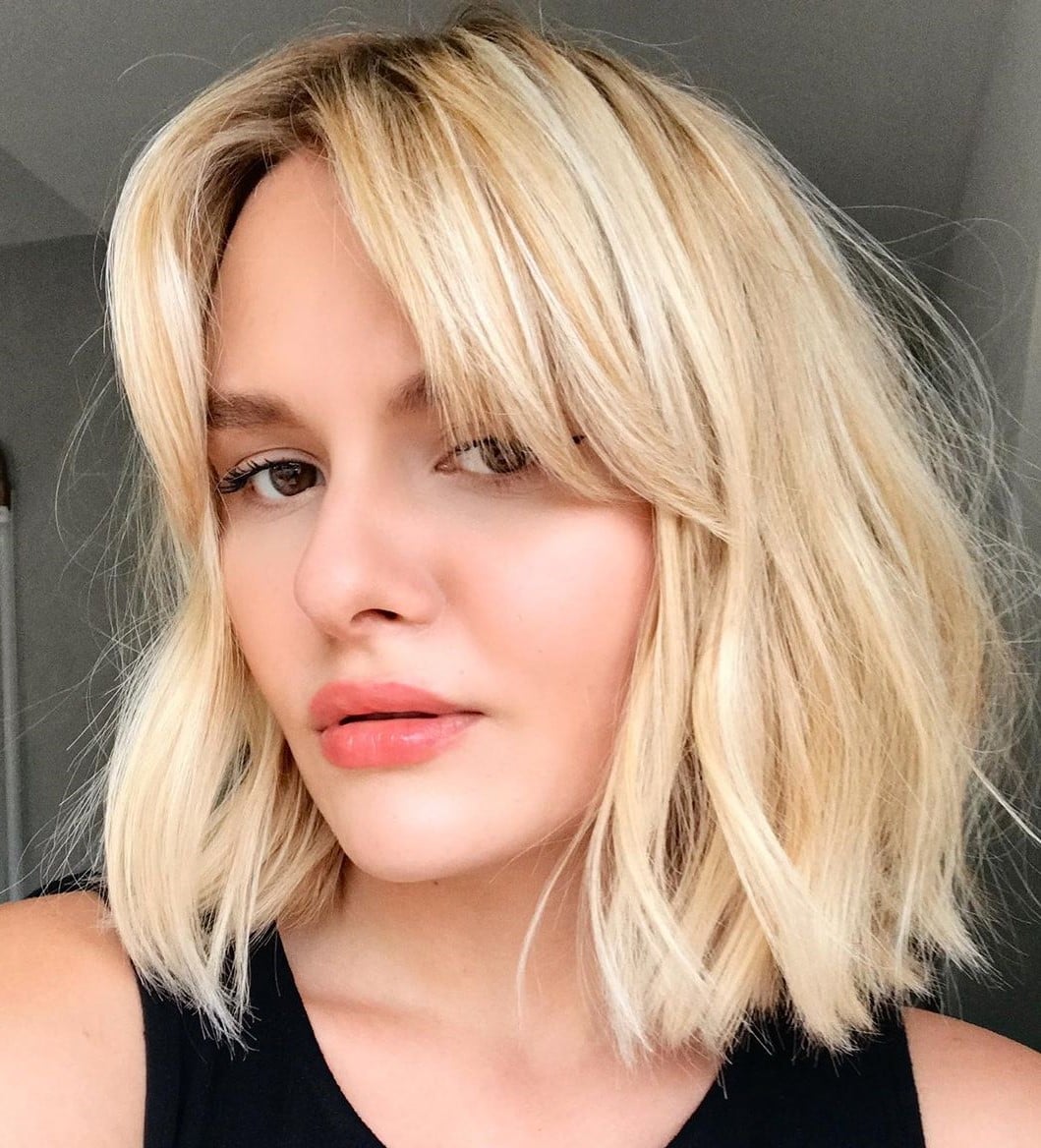
If you have fine wavy hair, this bob gives you more body than a straight-across cut would, because the textured layers add volume at the ends. The full, wispy bangs with a side parting frame the face without the heaviness of a blunt fringe. Ask your stylist for: collarbone bob, full wispy bangs. On straight hair, the same cut falls flatter, so you would need to reach for a curling wand to get the wavy blowout effect. The blonde color keeps the texture visible, since lighter shades catch the light better than darker ones. Use a texturizing spray at the roots for lift, and trim the bangs every three to four weeks because they grow fast.
Collarbone Layered Cut With Curtain Bangs, Dark Brown

A collarbone layered cut with curtain bangs relies on the face-framing layers to carry the shape, since the hair is fine and straight. The layers are cut to start around the cheekbones and blend down, which gives movement without sacrificing length. Ask your stylist for: collarbone layered cut, curtain bangs. To get the smooth blowout, use a round brush to direct the fringe outward and downward while drying, then switch to a flat brush for the rest. The dark brown color keeps the cut looking sleek, and the fine texture means the layers lie close rather than fluffing up. A trim every eight to ten weeks maintains the line, and the bangs will need a touch-up sooner if they start to poke your eyes.
Collarbone Layered Lob With Wispy Bangs, Wavy
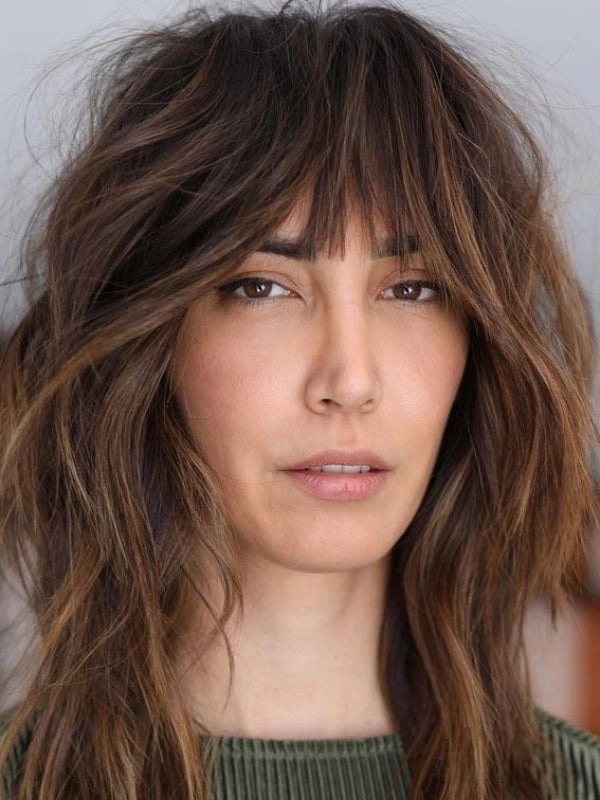
A collarbone layered lob with wispy bangs is a low-commitment way to frame the face. The loose waves and side parting soften the overall silhouette, while the medium brown base with subtle highlights adds depth. This cut suits medium wavy hair that already hits the collarbone, and the wispy bangs work with most face shapes because they don’t require a precise line. Ask your stylist for: collarbone layered lob, wispy bangs. The grow-out phase is forgiving: the face-framing layers blend into the length as they descend, so you can stretch a trim to eight or ten weeks. The bangs need a quick snip every three to four weeks to keep them clear of the eyes.
Collarbone Butterfly Cut With Wispy Bangs

The butterfly cut is a layered haircut that stacks volume at the crown and feathers out toward the ends. On a collarbone length with light brown and blonde highlights, the effect is full and dynamic, especially when the wispy bangs join the party. All those layers create more points for split ends to form, so this is not a set-it-and-forget-it shape. Medium wavy hair at the collarbone is the ideal starting point, and the wispy bangs soften the overall look without competing with the layers. Ask your stylist for: collarbone butterfly cut, wispy bangs. If you tend to skip trims for months at a time, the butterfly’s numerous layers will fray faster than a simpler cut, and the wispy bangs lose their shape first.
Mid-Back Layered Hair With Curtain Bangs
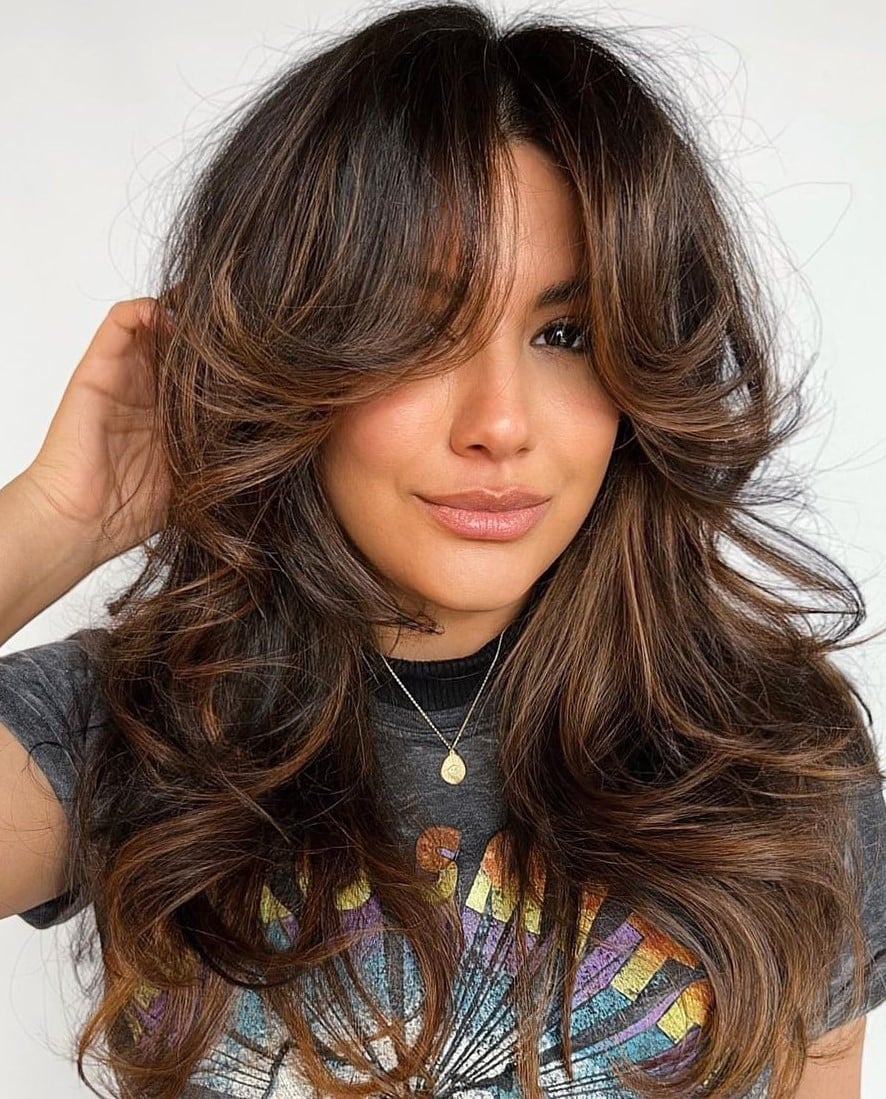
Curtain bangs blend into the rest of the hair when they are cut as part of the face-framing layers. On thick, dark brown hair with balayage that reaches mid-back, the curtain bangs should be cut so they sweep outward and merge into the longest layers, not stop abruptly at the cheekbone. A middle parting lets the bangs fall symmetrically and keeps the weight distributed. Ask your stylist for: mid-back layered hair, curtain bangs. Thick wavy hair at this length holds the shape well, and the balayage highlights add dimension without requiring a full color refresh every six weeks. The curtain bangs themselves need a trim every six to eight weeks to maintain that soft, blended arc.
Mid-Back Layered Hair Voluminous Blowout
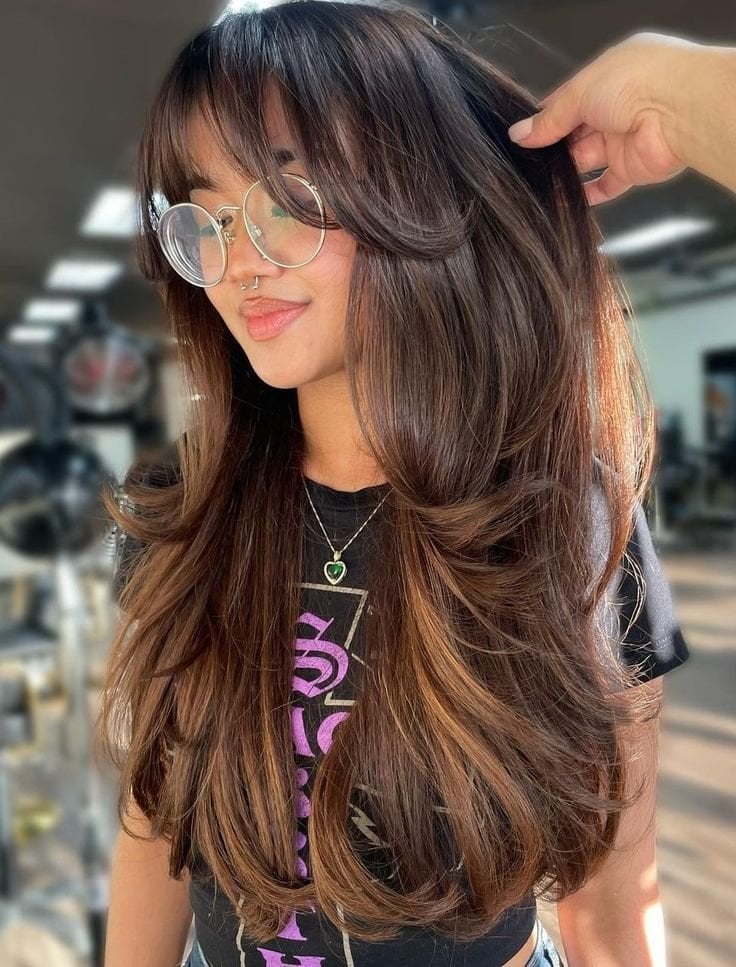
A voluminous blowout on mid-back layered hair is the polished cousin of air-dried waves. Where air-drying gives you texture, a blowout with a large round brush delivers lift at the roots and a smooth, bouncy curve through the ends. The brown balayage shifts with each bend, and the curtain bangs get their own swoop instead of lying flat. Thick wavy hair at mid-back length is the obvious candidate here, since it has the density to hold the volume past lunchtime. Ask your stylist for: mid-back long layered hair, curtain bangs. The styling takes about twenty minutes with a blow-dryer and a round brush, but the result is a shape that looks polished and deliberate.
Mid-Back Dark Brown Layers With Curtain Bangs
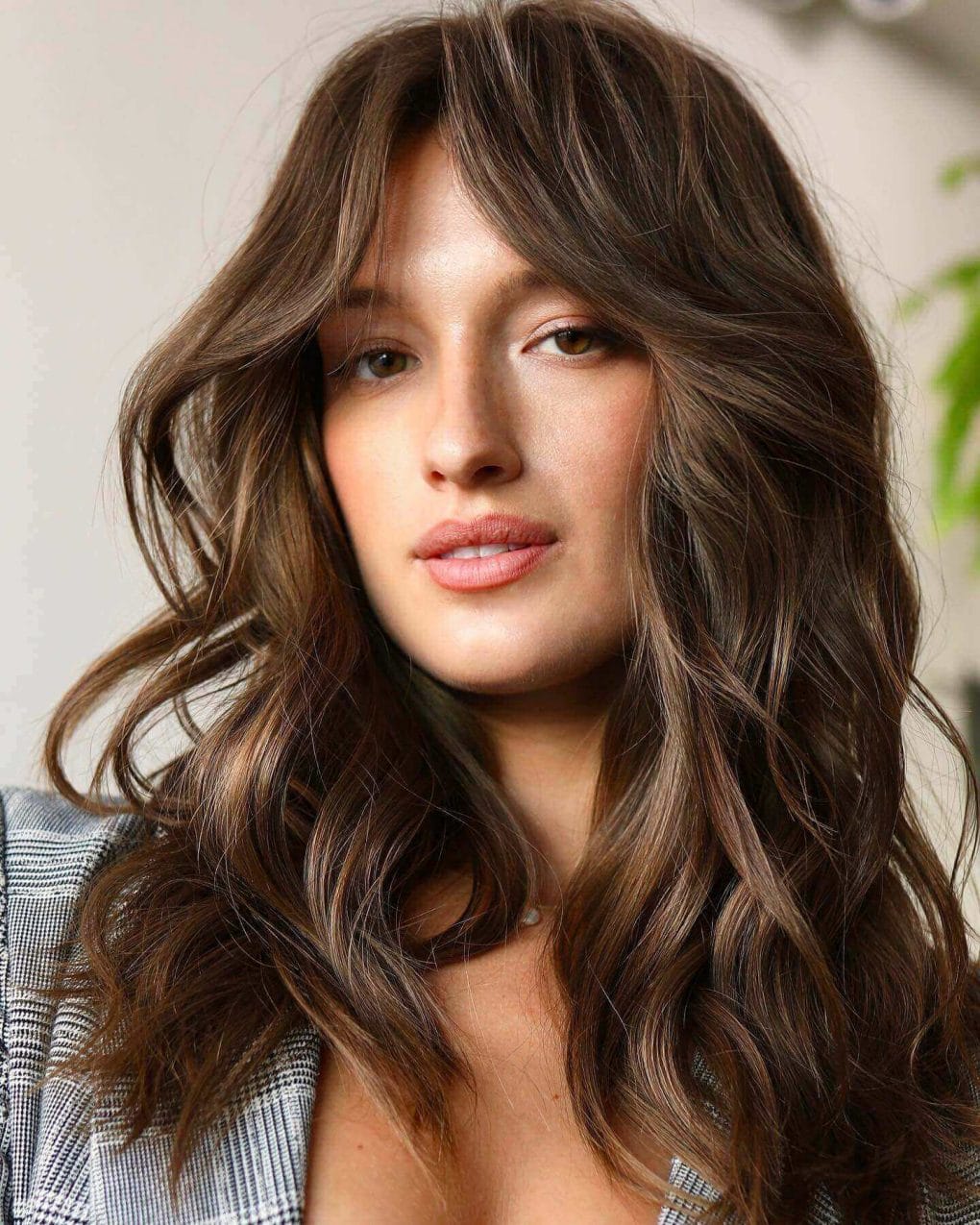
Long layers on thick dark brown hair serve a simple purpose: they remove bulk without sacrificing length. The curtain bangs frame the face, and the subtle lighter brown highlights prevent the whole thing from reading as one heavy block of color. The layers are cut so the shortest ones start around the cheekbone and graduate down to the mid-back hemline, creating movement. Thick wavy hair at mid-back adds the separation that straight hair would need product to achieve. Ask your stylist for: mid-back dark brown layers, curtain bangs. A blowout with a round brush enhances the shape, but a quick tousle with a texturizing spray works for days when you have six minutes instead of twenty.
Mid-Back Butterfly Cut With Curtain Bangs
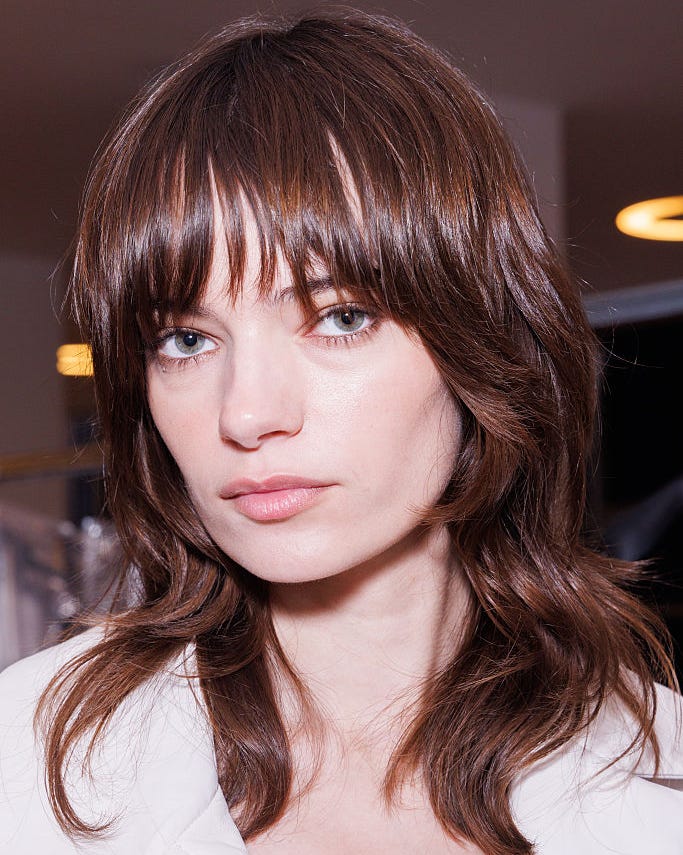
The butterfly cut is essentially a shag with dramatic layers and soft curtain bangs designed to move as one unit. Thick wavy hair is the ideal candidate here, since the internal layering removes bulk while the face-framing pieces keep the shape balanced. Ask your stylist for: mid-back butterfly cut, curtain bangs. The wavy texture makes those shorter layers sit exactly where they should, around the cheekbones and jaw.
This cut demands a salon visit, no shortcuts. A volumizing mousse applied to damp hair followed by a round-brush blow-dry sets the layers in their proper place. Plan on a trim every 10 to 12 weeks to keep the curtain bangs from creeping past your chin and the longer pieces from losing their shape.
Mid-Back Dark Brown Waves With Curtain Bangs, Close-Up Take

Soft waves and curtain bangs on thick dark brown hair require a round brush and some patience, since the natural wave wants to do its own thing. Ask your stylist for: mid-back dark brown waves, curtain bangs. A smoothing serum on the ends keeps the subtle highlights from looking dry, and a trim every 10 to 12 weeks prevents the bangs from turning into an awkward in-between length. The wavy texture is the backbone here, so skip this if you prefer a straight, sleek finish that takes five minutes.
Mid-Back Shag With Voluminous Curtain Bangs

The thick wavy texture and middle parting give the bangs their lift, but maintaining that volume daily means a round brush and a texturizing spray are non-negotiable. The honest drawback: on humid days, those bangs can expand into a shape you did not authorize. A trim every 8 to 10 weeks keeps the shag layers sharp and the bangs from swallowing your face.
Mid-Back Blonde Layers With Curtain Bangs
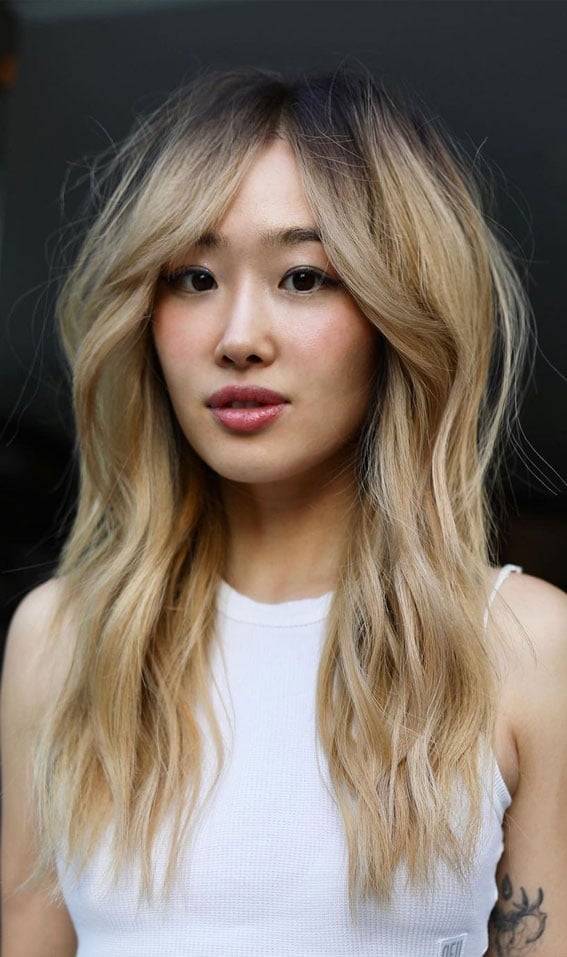
How do you describe a voluminous blowout with long layers and curtain bangs to a stylist without sounding like you read a magazine five minutes ago? Ask your stylist for: mid-back blonde layers, curtain bangs. Specify a root shadow at least two shades darker than your ends so the grow-out looks deliberate, not neglected. The thick wavy texture and middle parting are the foundation here, and a volumizing mousse applied before blow-drying gives the layers the lift they need. A toner appointment every 6 to 8 weeks keeps the blonde from veering brassy, and a trim every 10 to 12 weeks maintains the curtain bangs at their ideal length.
Mid-Back Blonde With Root Shadow Curtain Bangs
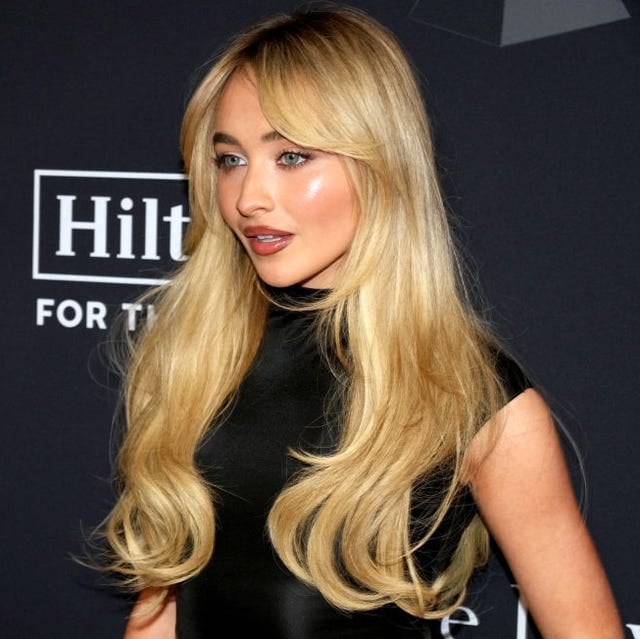
A full blonde with curtain bangs requires a strict toning schedule, while a root shadow version buys you a few extra weeks of grace. Ask your stylist for: mid-back blonde hair, curtain bangs. The root shadow means the grow-out line is softer, so you can stretch toning appointments to 8 weeks instead of 6. The thick wavy texture and middle parting hold the blowout well, and the curtain bangs frame the face without demanding daily flat-iron attention. If you want dimension without the maintenance of a full highlight refresh every month, this is the route to take.
Mid-Back Shag With Full Curtain Bangs, Wavy
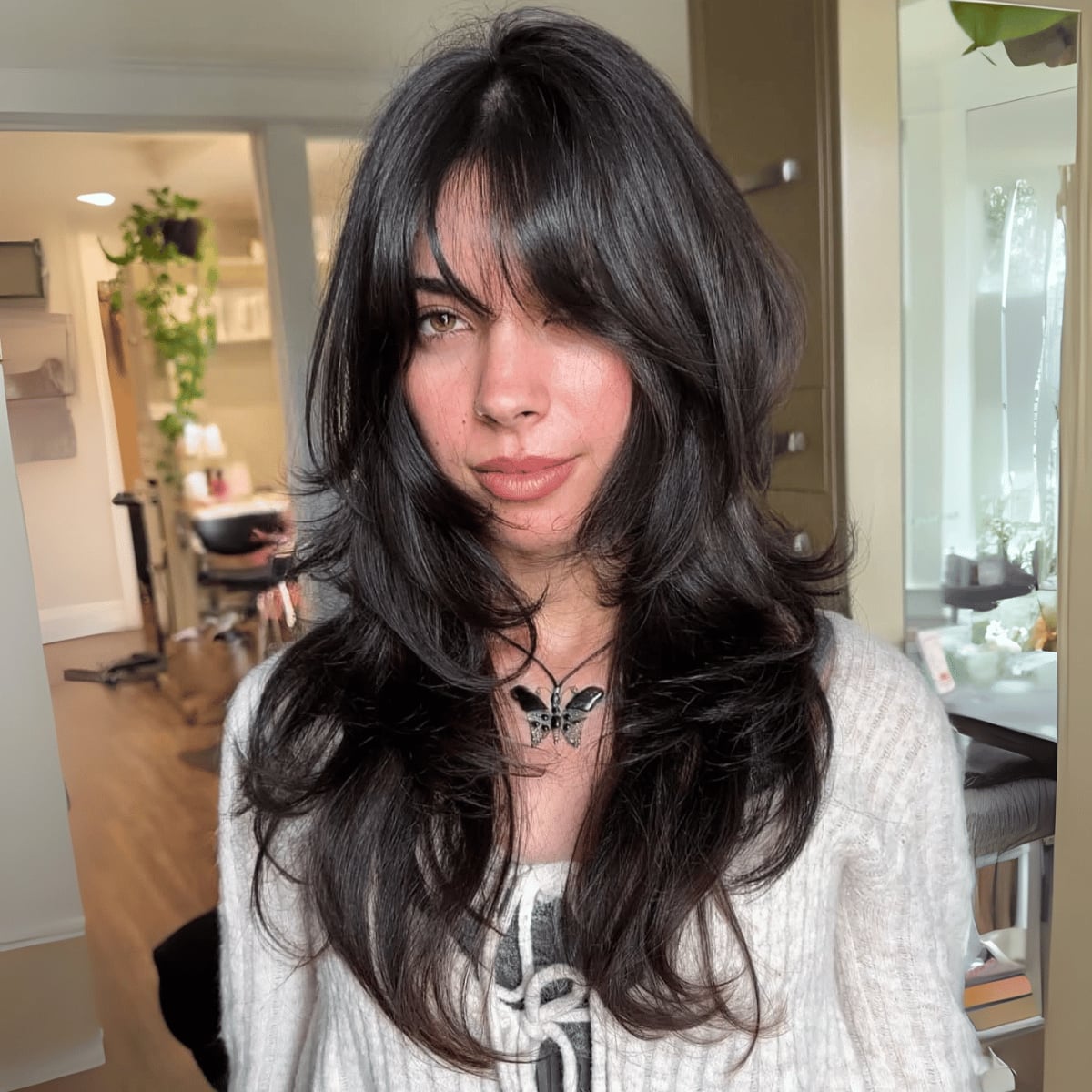
The design hinges on heavy layers carved through the length, which prevent thick wavy hair from turning into a triangle. The full curtain bangs are cut to blend directly into those face-framing pieces, so there is no harsh line where the fringe ends and the rest begins. The middle parting keeps everything symmetrical. Ask your stylist for: long shag, full curtain bangs. Apply a texturizing spray to damp hair and let it air-dry; the natural wave does the rest. Plan on a trim every eight to ten weeks to maintain the shape.
Collarbone Shag With Tousled Curtain Bangs

This cut genuinely works for thick wavy hair that needs volume without extra width. The shag layers remove bulk through the midsection while the tousled curtain bangs soften the face. Anyone with fine or straight texture should skip it, as the layers can look sparse rather than lived-in. Ask your stylist for: collarbone shag, tousled curtain bangs. A texturizing cream scrunched through damp strands encourages the natural wave pattern.
Chin Length Bob With Blunt Bangs, Dark Brown

This bob demands precision: the blunt line at the chin and the straight-across fringe leave zero room for error. The dark brown shade on fine straight hair reads as glossy and sharp, but the grow-out is merciless. Ask your stylist for: chin length bob, blunt bangs. Use a smoothing serum and a flat iron for the sleek finish. The bangs need a trim every three to four weeks to stay out of your eyes.
Chin Length Layered Bob With Side Bangs
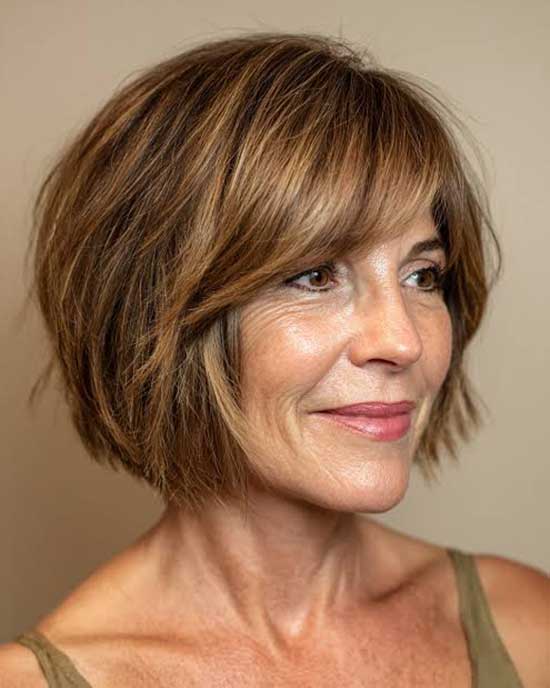
The soft layers and subtle blonde highlights add movement to fine wavy hair, but the side part means the shorter side needs more attention. Ask your stylist for: chin length layered bob, side-swept fringe. A round brush and blow-dryer keep the fringe directed where you want it.
Shoulder Length Layers With Curtain Bangs
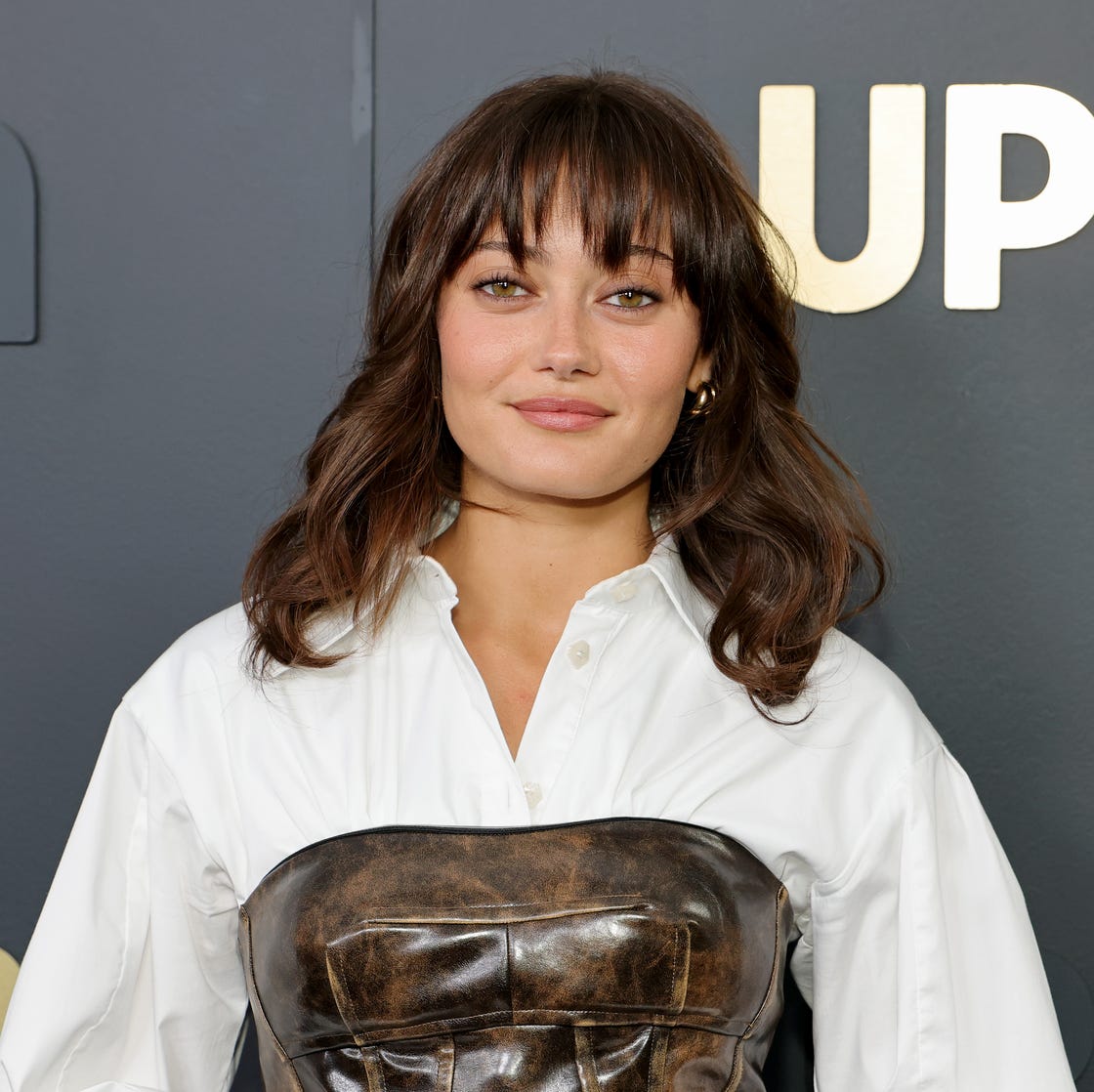
Wondering exactly what to say at the salon? Ask for shoulder-length layers that start around the jawline and curtain bangs that graze the cheekbones. The side parting and soft waves keep the shape from feeling too symmetrical, and the subtle highlights add depth to medium brown hair. Ask your stylist for: shoulder length layers, curtain bangs. A texturizing spray shaken through dry hair gives it that relaxed, piecey finish.
Shoulder Length Layered Cut With Face Framing Bangs
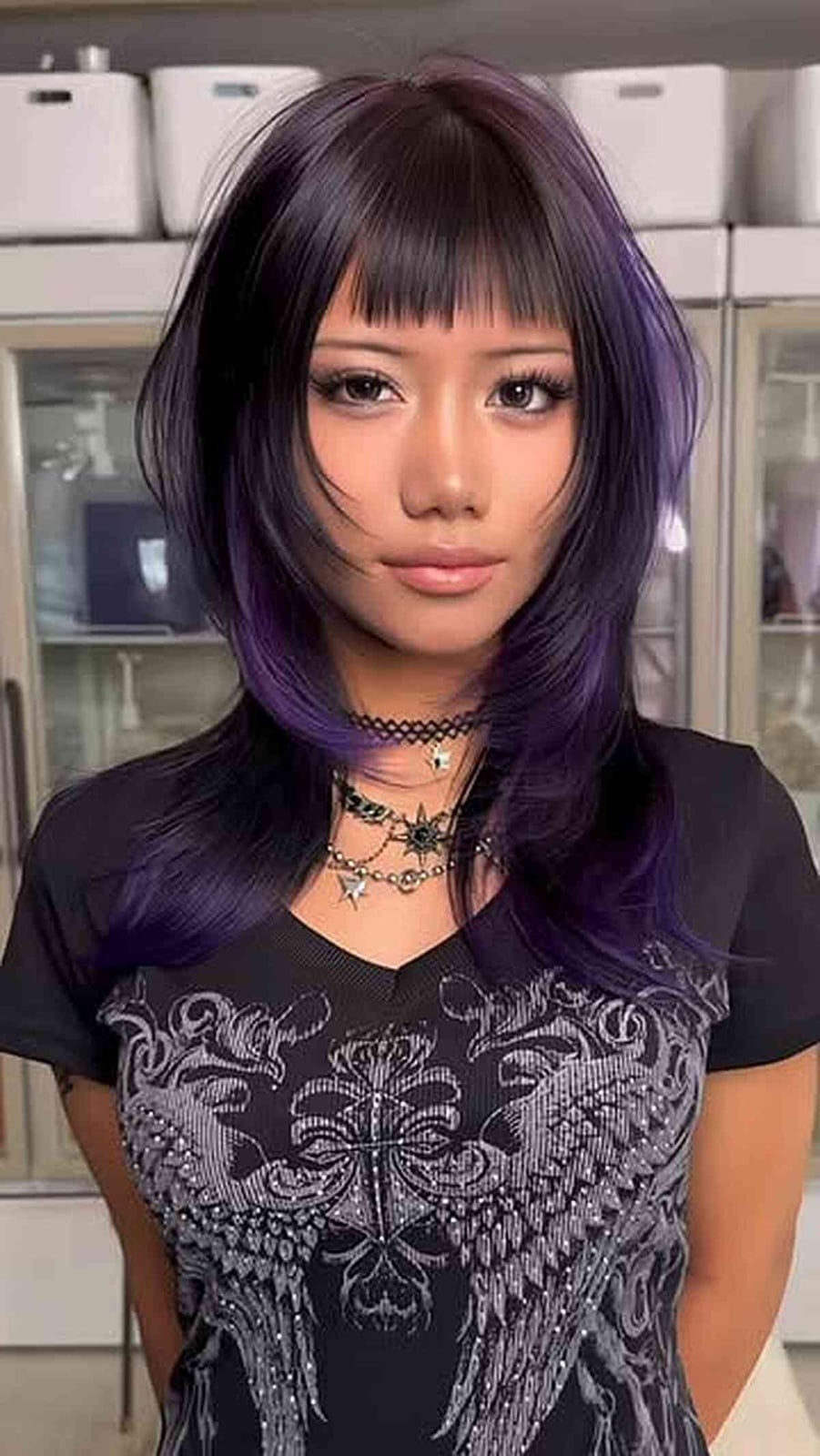
You could blow-dry these face-framing bangs into a polished curl, but the air-dried version wins for everyday wear. The shoulder-length layered cut in dark blonde with balayage highlights relies on medium wavy density to hold its shape without heat. Ask your stylist for: shoulder length layered cut, face-framing bangs. A texturizing product applied to damp hair encourages the natural wave and keeps the bangs from separating into awkward strands. This is the cut that looks like you tried, even when you did not.
Shoulder Length Layers With Wispy Bangs, Straight
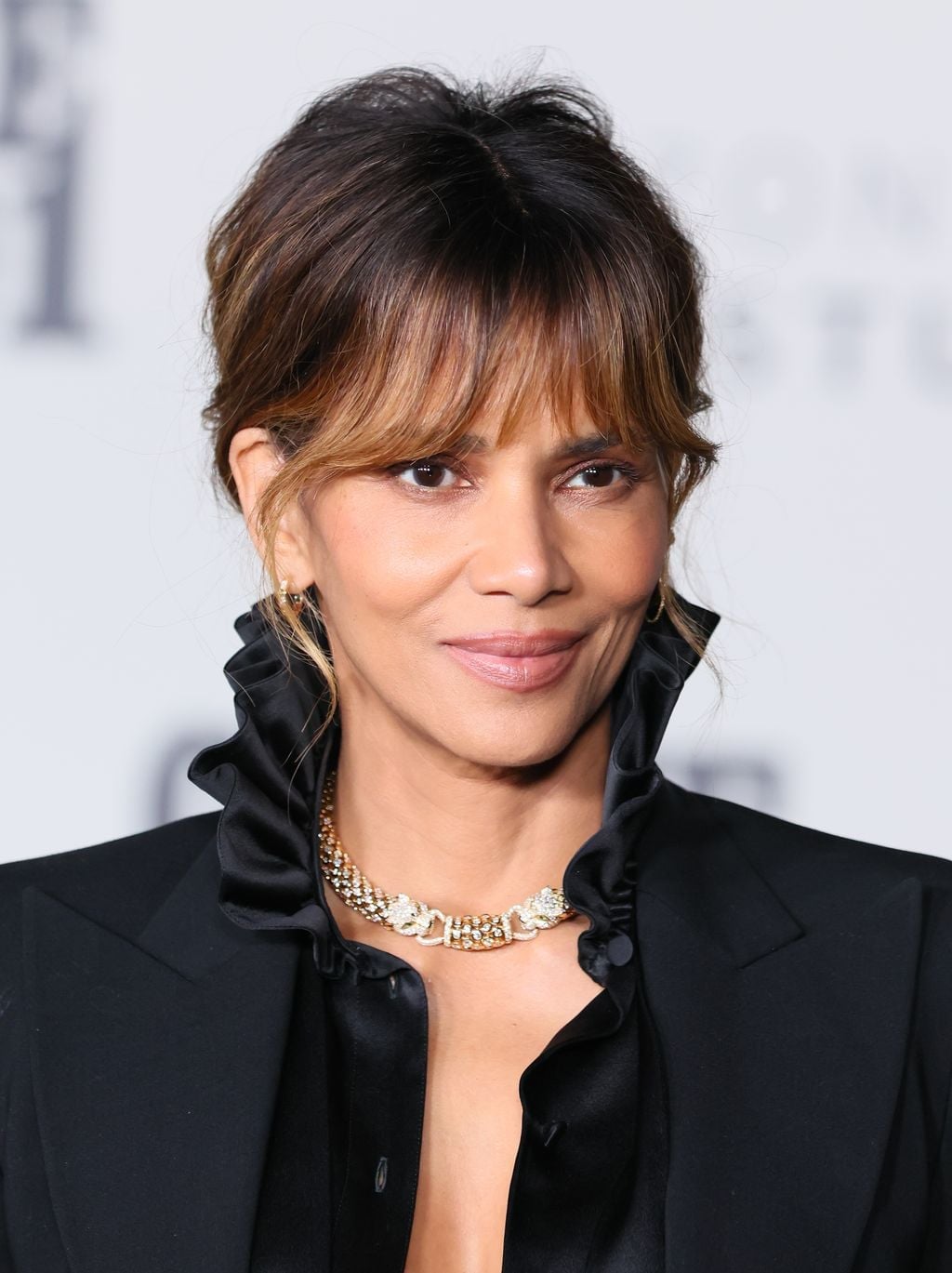
The design here is straightforward: fine straight hair cut to shoulder length with wispy bangs that sweep across the forehead without sitting heavy. A smooth blowout gives the warm brown base and subtle highlights a glossy finish. Ask your stylist for: shoulder length layers, wispy bangs. The key is the round brush technique that directs the fringe to the side while lifting the roots for volume. Wispy bangs soften a square face without shortening the forehead visually, and the fine texture keeps them from looking bulky.
This is a polished, classic look that suits women over 50, but it also works for anyone wanting a low-fuss fringe that does not demand daily heat styling.
Shoulder Length Layers With Wispy Bangs and Air Dried

The middle parting and wavy texture do the work here: no blow-dryer required. Shoulder-length layers in dark brown with subtle highlights give the hair movement, while the wispy bangs soften the forehead without demanding precision. Ask your stylist for: shoulder length layers, wispy bangs.
To get this at home, apply a texturizing spray to damp hair and let it air-dry. For the bangs, twist them in two sections while wet so they separate naturally. This is a DIY-friendly cut that suits thick wavy hair, though the bangs will need a trim every four to six weeks to maintain visibility.
Mid-Back Copper Waves With Curtain Bangs

A practical rule: vibrant copper works best on thick wavy hair that can carry the visual weight of the color without looking flat. This mid-back length with long layers and curtain bangs uses the texture to break up the intensity of the copper and blonde highlights. Ask your stylist for: mid-back copper hair, curtain bangs. The wavy blowout keeps the bangs feathering into the face-framing layers and not sitting as a separate piece. If your hair is fine or straight, the copper can appear flat and one-dimensional. But for medium to thick density, this is a high-impact look that holds its shape.
Curtain bangs suit most face shapes because they can be swept to the side or parted down the middle, making this a versatile choice for color and fringe in one move.
Mid-Back Brown Layers With Soft Curtain Bangs and Loose Waves

The medium brown base with subtle highlights keeps the look natural and glossy, with loose waves adding movement without requiring a full blowout. Ask your stylist for: mid-back brown layers, soft curtain bangs. Upkeep is straightforward: a trim every ten to twelve weeks keeps the bangs at the right length, and a texture spray refreshes the wave pattern between washes. This is a low-commitment fringe that works for medium wavy hair, giving you the option to tuck them behind your ears on days you want a cleaner line.
Final Thoughts
Fine hair holds a blunt fringe best, while thick or wavy textures can carry a chunkier, piecey bang. A round face benefits from curtain bangs that fall past the cheekbones, and longer face shapes can handle a full, straight-across fringe. Trim the baseline every two to four weeks to keep the shape crisp. Use dry shampoo at the roots between washes to stop the fringe from looking greasy before the rest of your hair does.
- Trim bangs every 2-4 weeks to maintain shape.
- Use dry shampoo at the roots to manage oiliness.
- Style bangs first when blow-drying for best results.
- Consider a texturizing spray for lived-in looks.
Bangs offer endless possibilities for personal style.
