

You just got grease on your favorite shirt, and you’re wondering if it’s ruined. Good news: it doesn’t have to be. Grease stains are oil-based, so water alone won’t cut it, but with the right steps, you can lift them out. This article covers how to treat fresh and set-in stains, what to use, and what to avoid.

Key Takeaways
- Blot the stain immediately to absorb excess oil, and never rub it.
- Apply an absorbent powder like cornstarch or baking soda for 15-30 minutes.
- Pre-treat with dish soap before washing in the warmest water safe for the fabric.
- Always air dry the item first to confirm the stain is gone before using a dryer.
- For set-in stains, repeat the pre-treatment and washing process as needed.
The Secret to Banishing Grease Stains
Grease stains are oil-based and repel water, making them tricky to remove with just water and detergent. The key is to act fast, absorb as much oil as possible with a powder like cornstarch, and then treat the stain with a degreasing agent such as dish soap. Caution: Always avoid hot water on a fresh stain and never put a greased item in the dryer before the stain is fully gone.
1. Act Immediately
The sooner you treat a grease stain, the better your odds of getting it out completely. Oil bonds with fabric fibers over time, so quick action stops that process.
- Start blotting within minutes of the spill.
- Don’t wait until laundry day to address it.
- Even a few hours can make a difference.
2. Blot, Don’t Rub
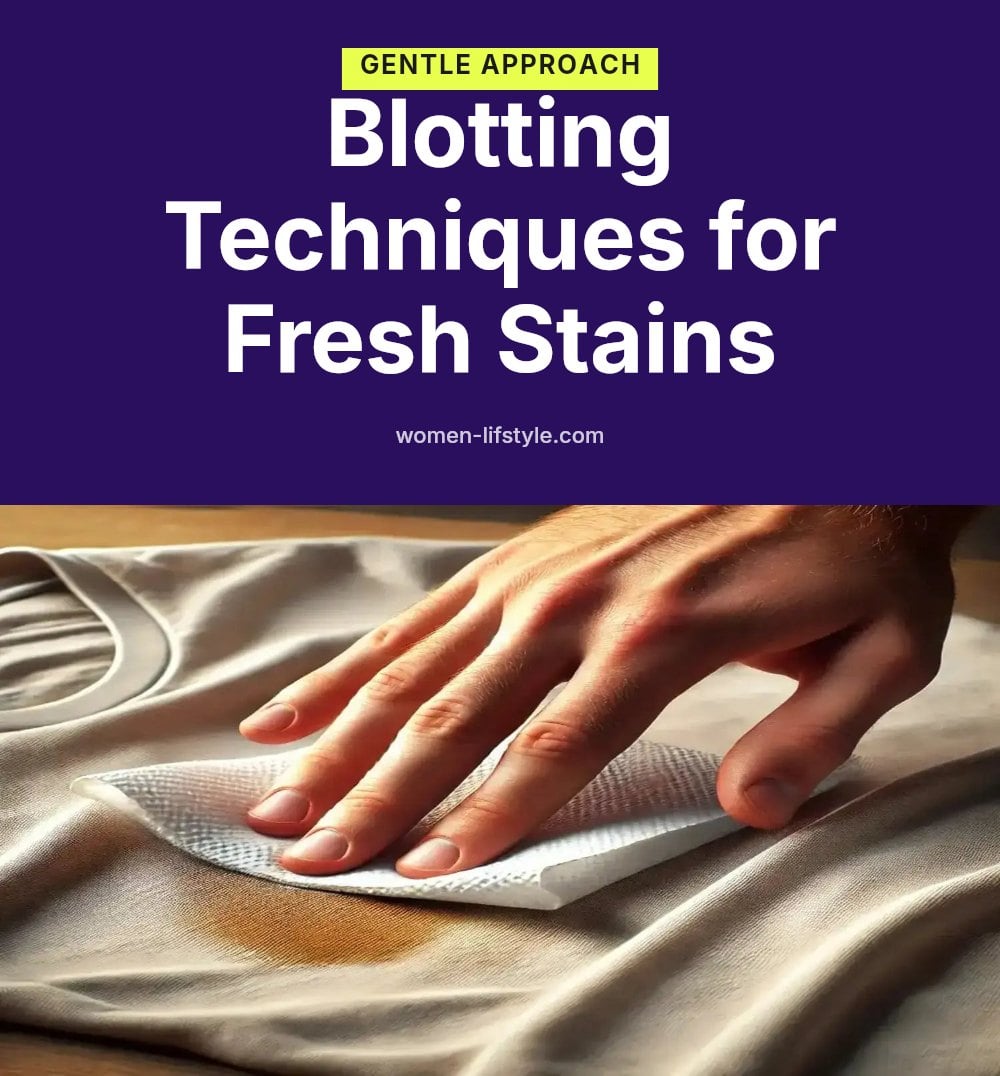
Gently blot the stain with a clean paper towel or cloth to absorb the excess grease. Press straight down and lift up. Rubbing is the enemy here: it spreads the stain and pushes the oil deeper into the fibers, making the job much harder.
- Use a fresh area of the towel each time you blot.
- Keep blotting until no more oil transfers to the cloth.
3. Apply Absorbent Powder
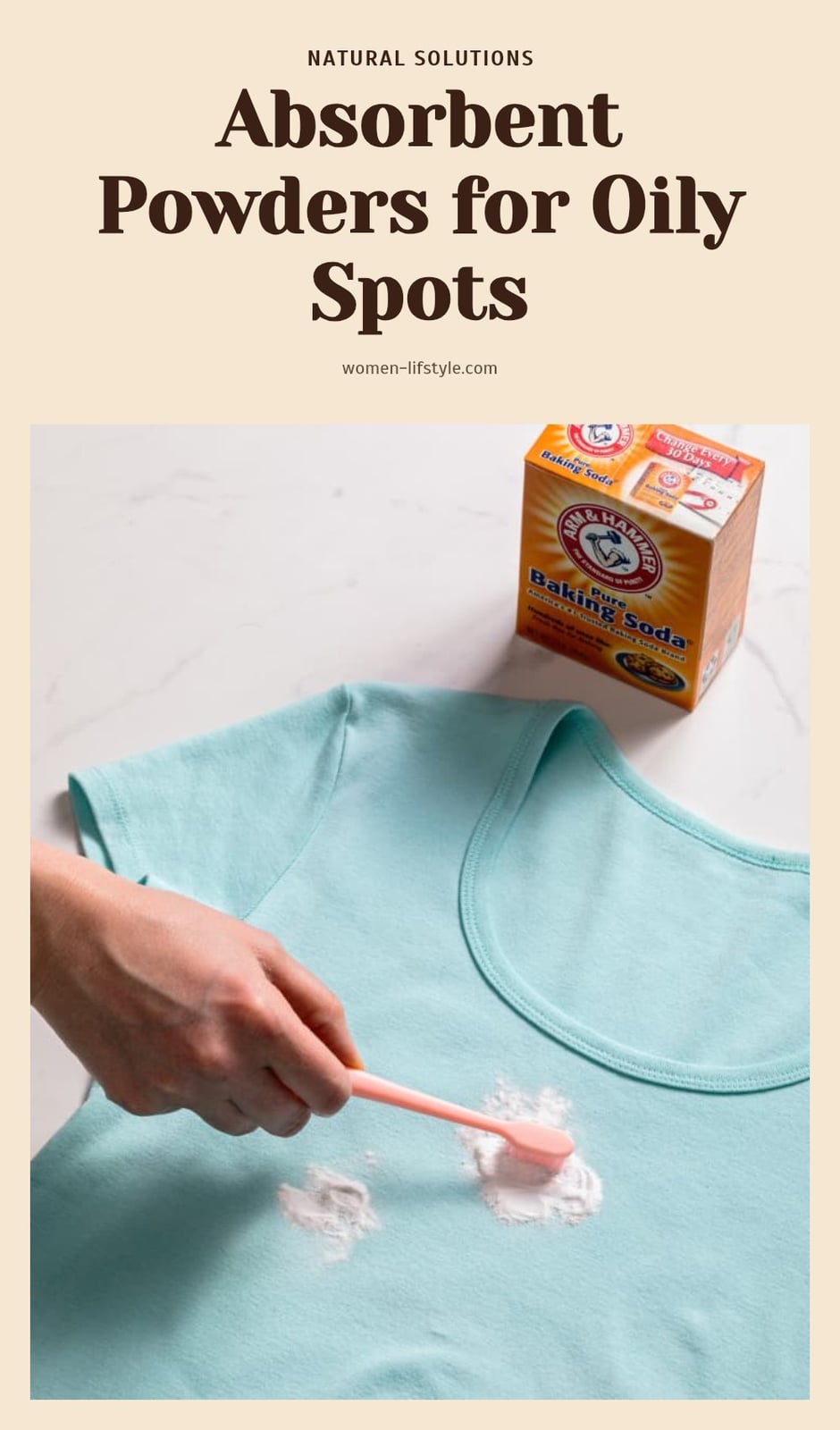
For fresh stains, sprinkle a generous layer of cornstarch, baking soda, or talcum powder directly onto the grease. These powders work by drawing the oil out of the fabric. Let it sit for at least 15-30 minutes, or a few hours for larger stains. My tip: You’ll see the powder clump as it absorbs the oil. That’s when you know it’s working.
4. Scrape Off Excess Powder
Once the powder has absorbed the oil, you’ll see it clump or darken. Gently scrape it off with a spoon or a dull knife. You can also brush away the residue with an old, soft-bristled toothbrush.
This step is important because the powder is now loaded with oil. If you skip it, that oil can redeposit into the fabric when you add water or detergent.
5. Pre-Treat with Dish Soap
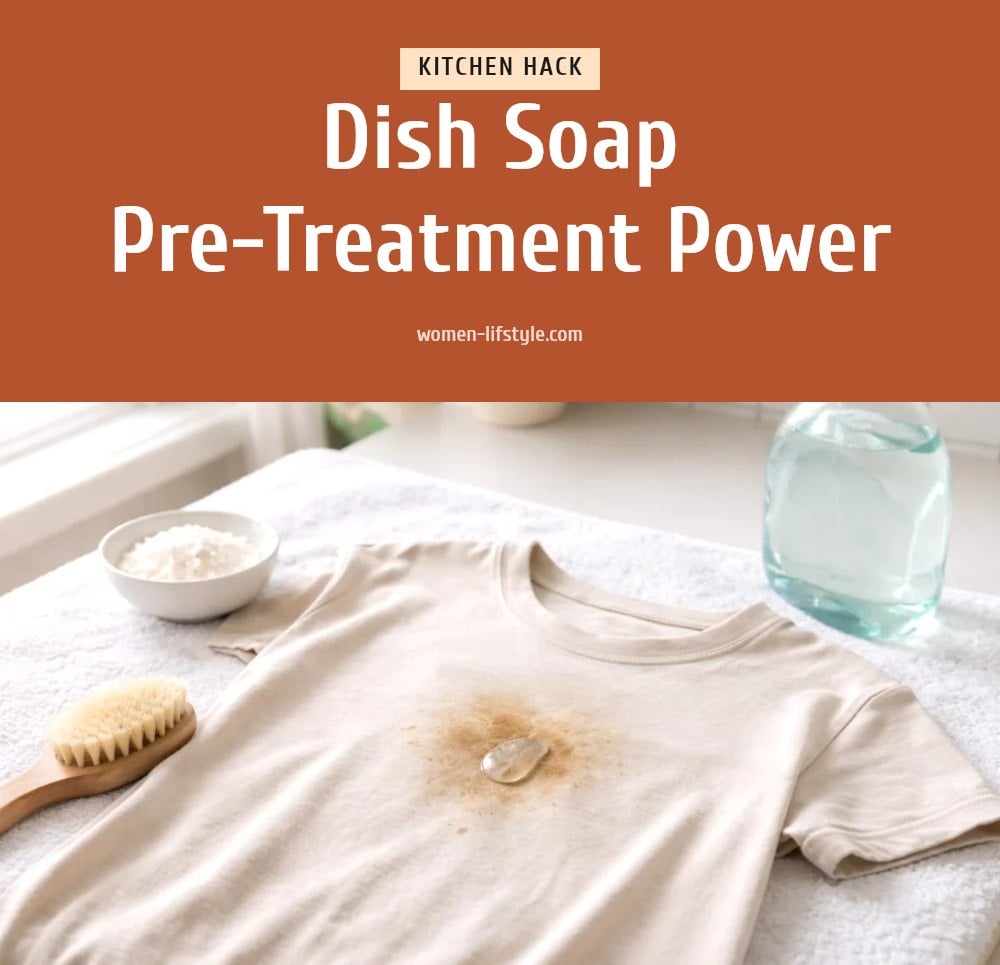
Liquid dish soap is a powerful degreaser because it’s designed to break down oil. Apply a small amount directly to the remaining stain. Gently work it in with your fingers or a soft brush, using a circular motion.
Let the soap sit for 5-10 minutes. This gives it time to penetrate the fibers and emulsify the grease, so it lifts away during washing.
6. Launder the Item
After pre-treatment, wash the item in the warmest water safe for the fabric, as indicated on the care label. The heat helps lift the now-emulsified grease from the fibers. Use your regular enzyme-based laundry detergent, which breaks down oils and proteins more effectively than standard detergents.
My tip: Avoid hot water on untreated stains, but after pre-treatment, warm water is ideal because the oil has already been broken down. Cold water won’t remove the loosened grease as thoroughly, so stick with warm for best results.
7. Air Dry Completely
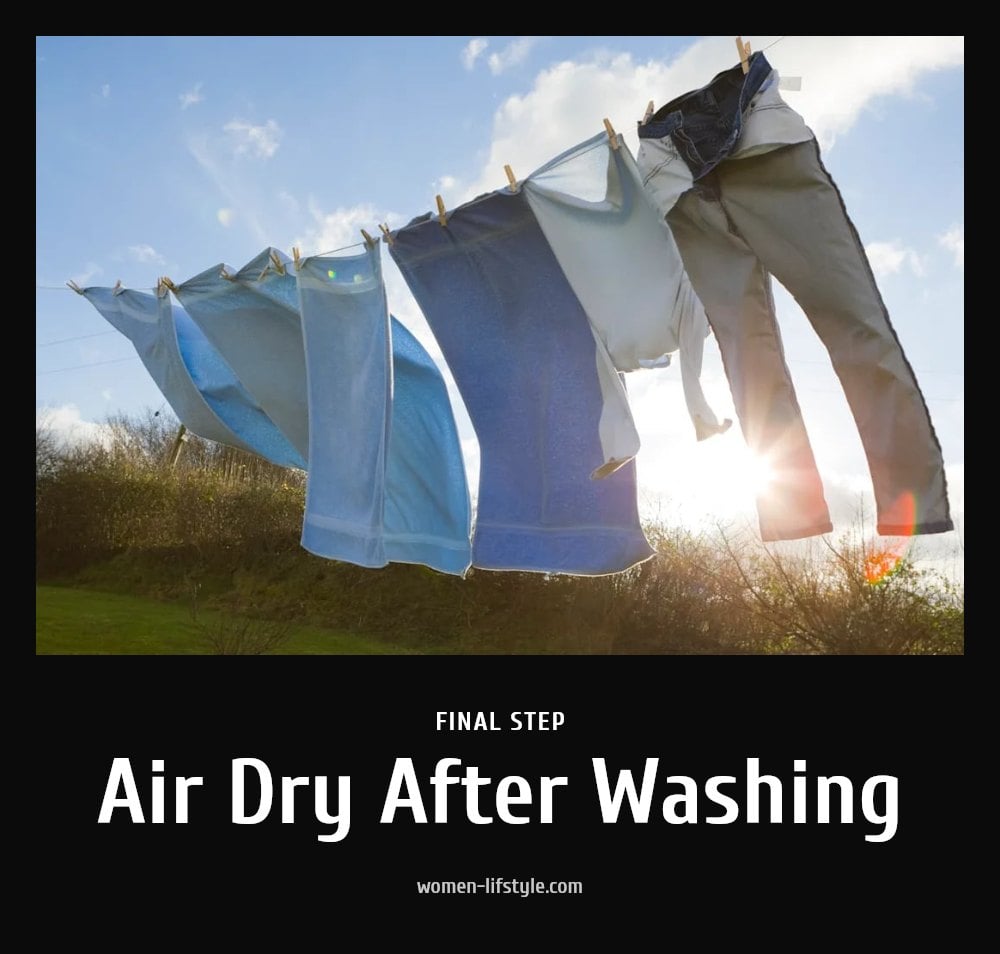
Always air dry the item after washing. Heat from a dryer can permanently set any remaining grease, making it almost impossible to remove later. Even a trace of oil can become a permanent stain under high heat.
Check the fabric carefully in good light before you put it in the dryer. If you see any trace of the stain, repeat the pre-treatment steps and wash again.
8. Repeat for Set-In Stains
If the stain remains after the first wash, repeat the pre-treatment steps. Apply a fresh layer of dish soap or a dedicated laundry stain remover directly to the spot. Let it sit for 10-15 minutes before washing again. For tough, older stains, you may need to do this two or three times. Patience is key: each cycle lifts a bit more oil until the stain is gone.
9. Try Rubbing Alcohol
For delicate fabrics or certain types of grease, rubbing alcohol can dissolve the oil. Dampen a clean cloth with a small amount of alcohol and dab the stain, working from the outside in to avoid spreading it. Caution: Always test on an inconspicuous area first, especially on colored fabrics, as alcohol can cause discoloration. This method works best on fresh stains or as a follow-up after blotting.
10. Consider White Vinegar
White vinegar is not a primary degreaser, but it can help break down residual grease and remove odors. Add about half a cup to your wash cycle along with your regular detergent. It works best as a booster rather than a standalone treatment. For heavy stains, stick with dish soap or a stain remover first, then use vinegar in the wash for an extra lift.
11. Check Fabric Care Labels
Before you start any stain removal, check the fabric care label. Some items are labeled ‘dry clean only’ and need professional treatment for grease stains. Ignoring the label can cause fabric damage, shrinkage, or permanent discoloration. For washable fabrics, the label also tells you the maximum water temperature and drying method, so you don’t accidentally set the stain.
Common Grease Stain Removal Mistakes
Washing Immediately: Tossing a greasy item straight into the wash without pre-treating the stain can set the oil permanently. The detergent alone won’t break it down, and the water may spread the grease.
Using Hot Water on Fresh Stains: Hot water can cook the oil into the fabric fibers, making it much harder to remove. For the initial treatment, stick to cold or lukewarm water. After pre-treating, you can wash in the warmest water safe for the fabric.
Rubbing Vigorously: Rubbing spreads the grease and pushes it deeper into the fabric, rather than lifting it out. Blot gently instead.
Drying Before Stain is Gone: The heat from a dryer will bake any remaining grease into the fabric, making it nearly impossible to get out. Always air dry and check the stain first.
Ignoring Fabric Care Labels: Using the wrong method for a specific fabric type can cause damage or discoloration. Check the label before starting any treatment.
Frequently Asked Questions
Can old grease stains be removed?
Yes, old grease stains can often be removed, but they may require repeated applications of a degreasing agent or stain remover. The longer the stain sits, the more the oil bonds with the fabric, so patience and persistence are key. You may need to treat and wash the item several times.
Does baking soda really work on grease?
Yes, baking soda can be effective for fresh grease stains. It works as an absorbent powder that draws oil out of the fabric. Sprinkle a generous layer on the stain, let it sit for at least 15-30 minutes, then scrape it off before treating with dish soap.
Is vinegar good for grease stains?
White vinegar can help break down residual grease and remove odors, but it is not a primary degreaser. It works best as a booster added to your wash cycle, about half a cup, rather than a standalone treatment. Use it after pre-treating with dish soap.
When should I use rubbing alcohol on a grease stain?
Rubbing alcohol can be useful for delicate fabrics or certain types of grease that dish soap may not fully break down. Dampen a cloth with alcohol and dab the stain from the outside in. Always test on an inconspicuous area first to avoid damage.
What if the fabric is ‘dry clean only’?
For ‘dry clean only’ items, avoid home stain removal methods that could damage the fabric. Instead, take the garment to a professional dry cleaner as soon as possible. They have specialized solvents and techniques for grease stains on delicate fabrics.
Why shouldn’t I use hot water on fresh grease stains?
Hot water can set a fresh grease stain by cooking the oil into the fabric fibers, making it much harder to remove. Always use cool or warm water for pre-treatment and washing, and only use hot water after the stain has been treated with a degreaser.
Final Thoughts
For most grease stains, the key is to act fast and use a degreasing agent like dish soap before washing. If the stain is older, be patient and repeat the treatment, as it may take a few rounds. With the right approach, you can save your clothes and avoid throwing them away.
