

Simple highlights are the low-commitment way to add dimension and brightness without a full color overhaul. This season, they’re showing up on soft face-framing layers and curtain bangs, with a lived-in tone that grows out gracefully.
This collection of 33 ideas spans every length and base shade, from subtle blends to higher-contrast pieces, so you can match the look to your texture and maintenance mood. Simple Highlights work for fine hair that needs a lift, a visible grow-out line that needs softening, or a fringe that just won’t sit. Each idea includes what to ask for and how to keep it fresh.
Light Brown Base With Subtle Blonde Highlights
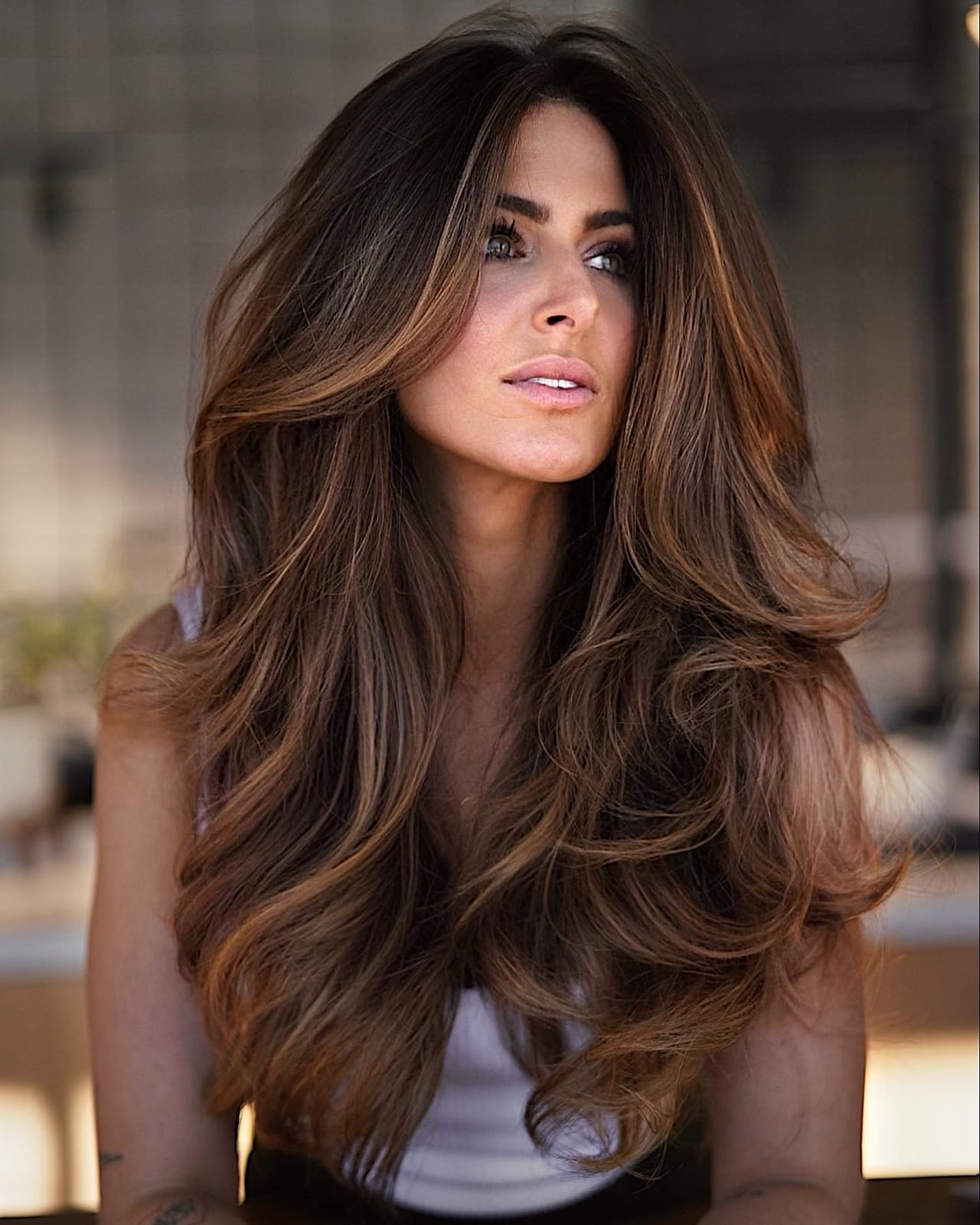
Mid-back hair with a light brown base and subtle blonde highlights reads as naturally sun-kissed, not salon-bright. The trick is in the placement: woven through the top and around the face, the blonde adds dimension without a heavy root line. A middle part and loose waves let the color shift as the hair moves, so it never sits flat. Thick, wavy textures hold the wave pattern best here; fine hair may need a larger barrel to keep the bend soft.
Ask your colorist for: light brown base with subtle blonde highlights, curtain bangs. The curtain bangs soften the front and make the grow-out period your friend rather than your enemy. A trim every 10 to 12 weeks keeps the layers from tangling, and a gloss appointment at the same interval prevents the blonde from turning brassy.
Collarbone Layers With Side-Swept Bangs
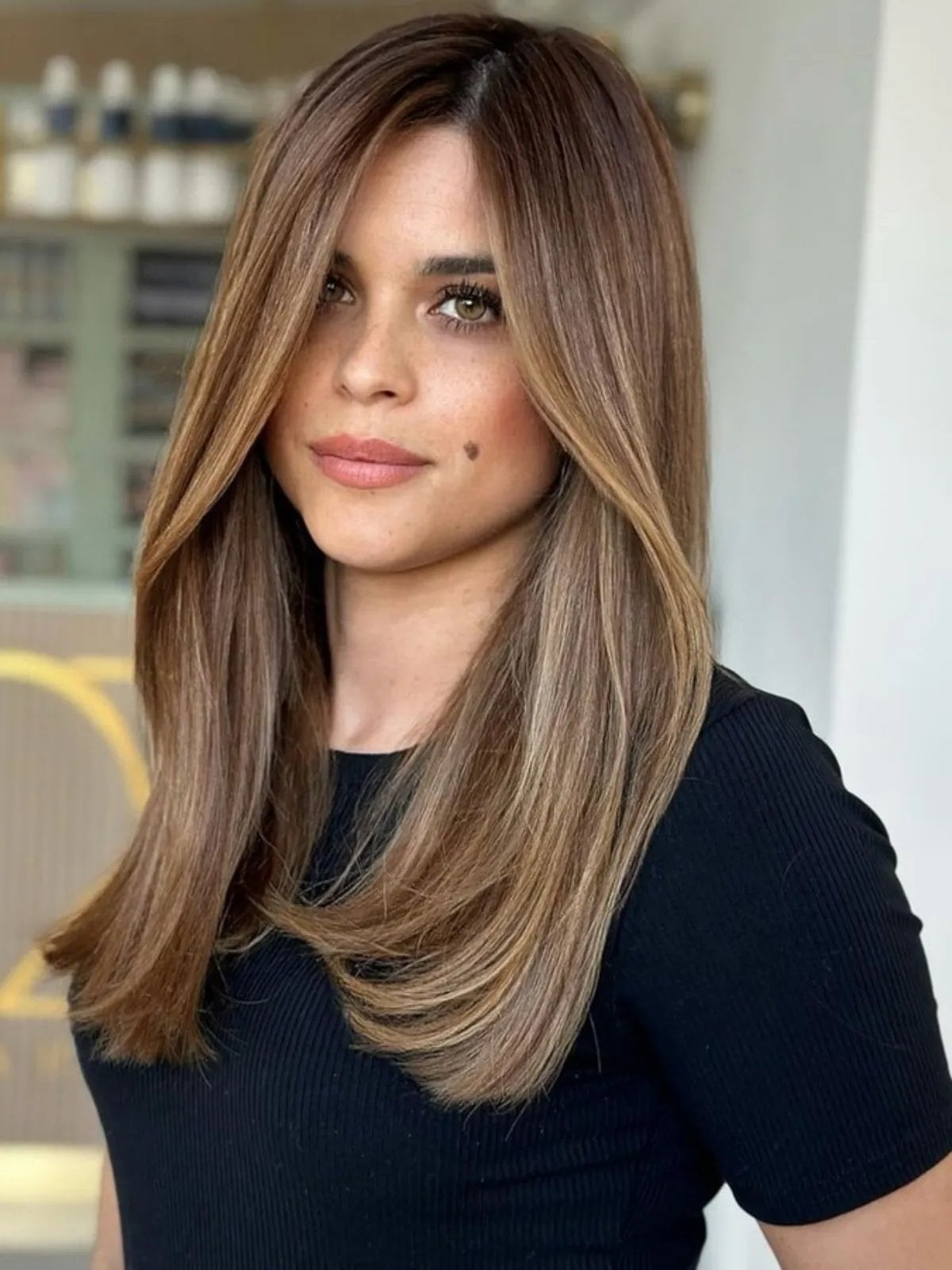
Want a fresh cut that still feels low-effort? A collarbone-length cut with face-framing layers and side-swept bangs works with a light brown base and subtle highlights to keep things soft. The side-swept bang is the anchor: it pulls the eye across the face and makes square or oval shapes look less angular. Ask your stylist for: collarbone layers, side-swept bangs. Straight, fine textures benefit from the weight removed by the layers, which stops the hair from hanging like a curtain. The side parting is non-negotiable here, so ask for it to be cut to fall that way.
Ash Brown Collarbone Lob With Curtain Bangs
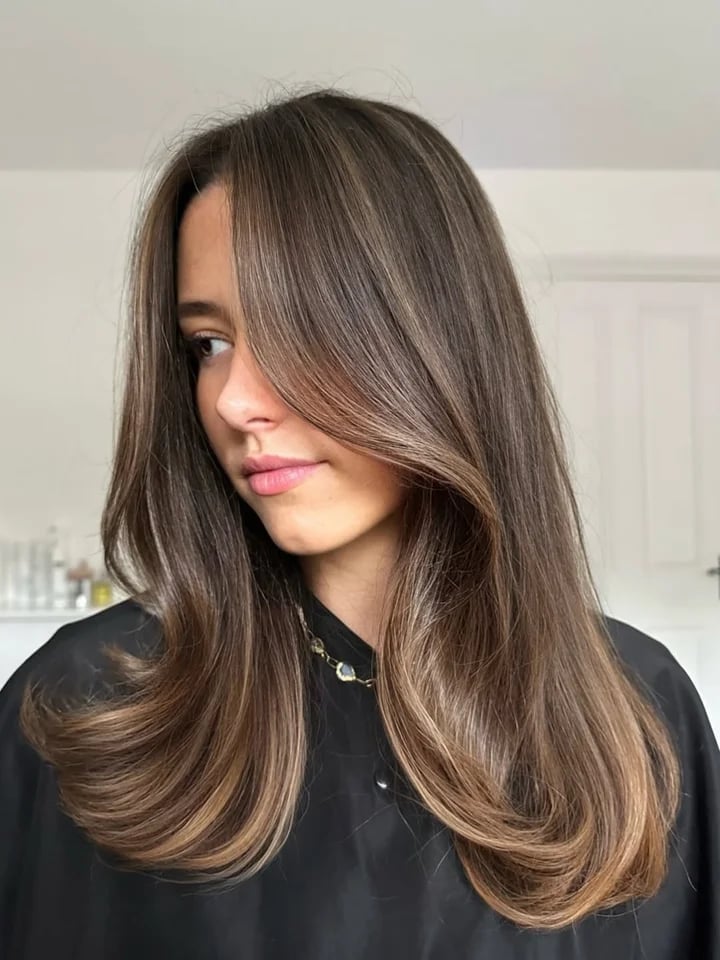
The ash brown base does the heavy lifting here. Subtle highlights are woven into a collarbone lob with curtain bangs, and the cool tone keeps the whole thing modern rather than muddy. Curtain bangs open up the face without the commitment of a full fringe, and they land just past the cheekbones on most people. Ask your colorist for: ash brown lob with subtle highlights, curtain bangs. Thick, wavy hair takes the texture well; a rough dry with a diffuser is all the styling it needs. The side parting is cut in, so the bangs naturally fall to each side without coaxing.
Dark Brown Collarbone Lob With Blonde Highlights
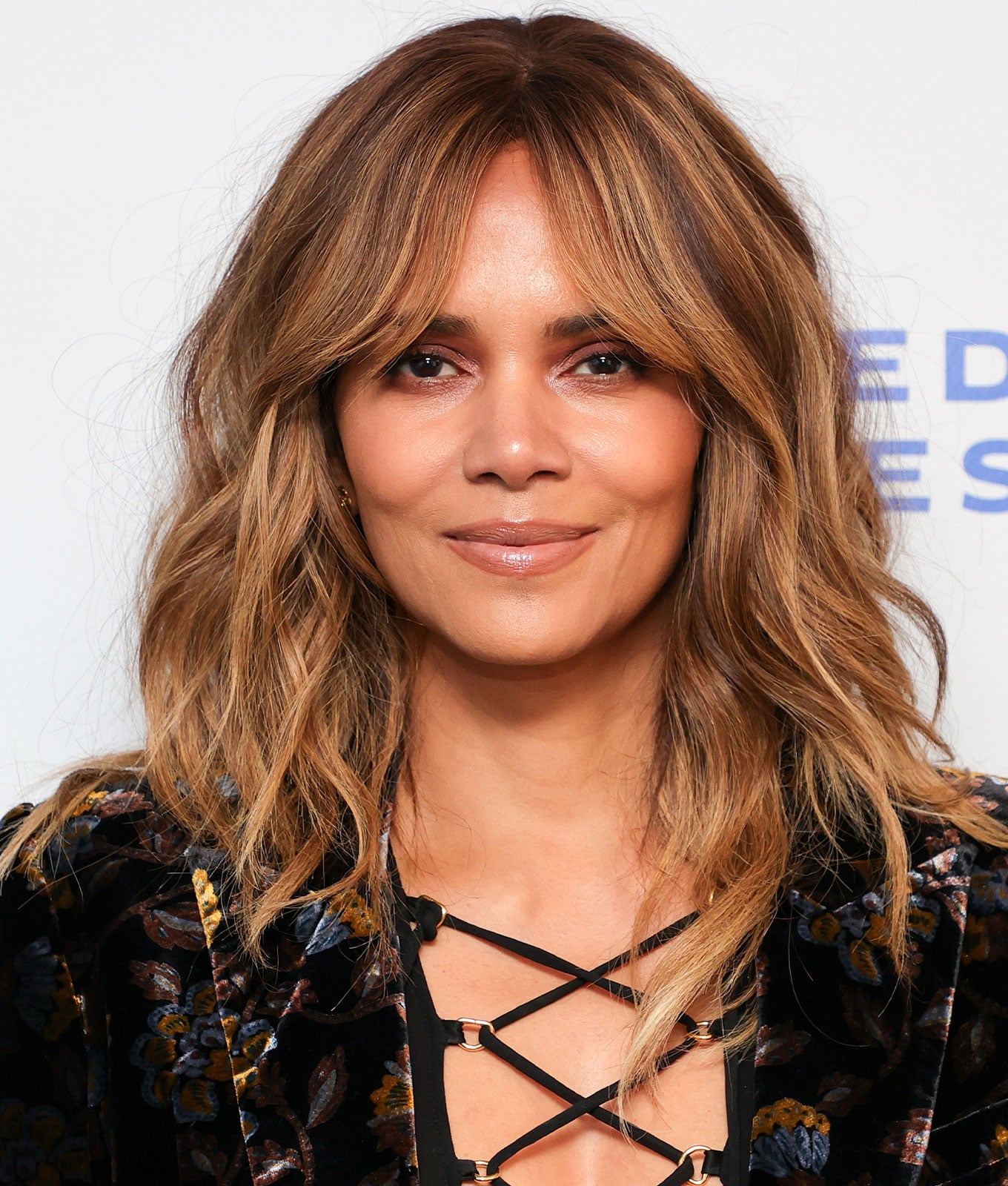
A dark brown base with blonde highlights is a classic contrast, but the depth of the brown matters. This lob keeps the base rich enough that the blonde pops rather than washes out. Compared to a lighter base, the dark brown reads as more grown-up and requires fewer toning appointments between salon visits. Side-swept bangs frame the front and break up the solid line of the lob. Ask your colorist for: dark brown lob with blonde highlights, side-swept bangs. A salon visit is the only reliable way to lift the dark base without damage, so this is not a weekend project.
Dark Brown Lob With Caramel Blonde Curls
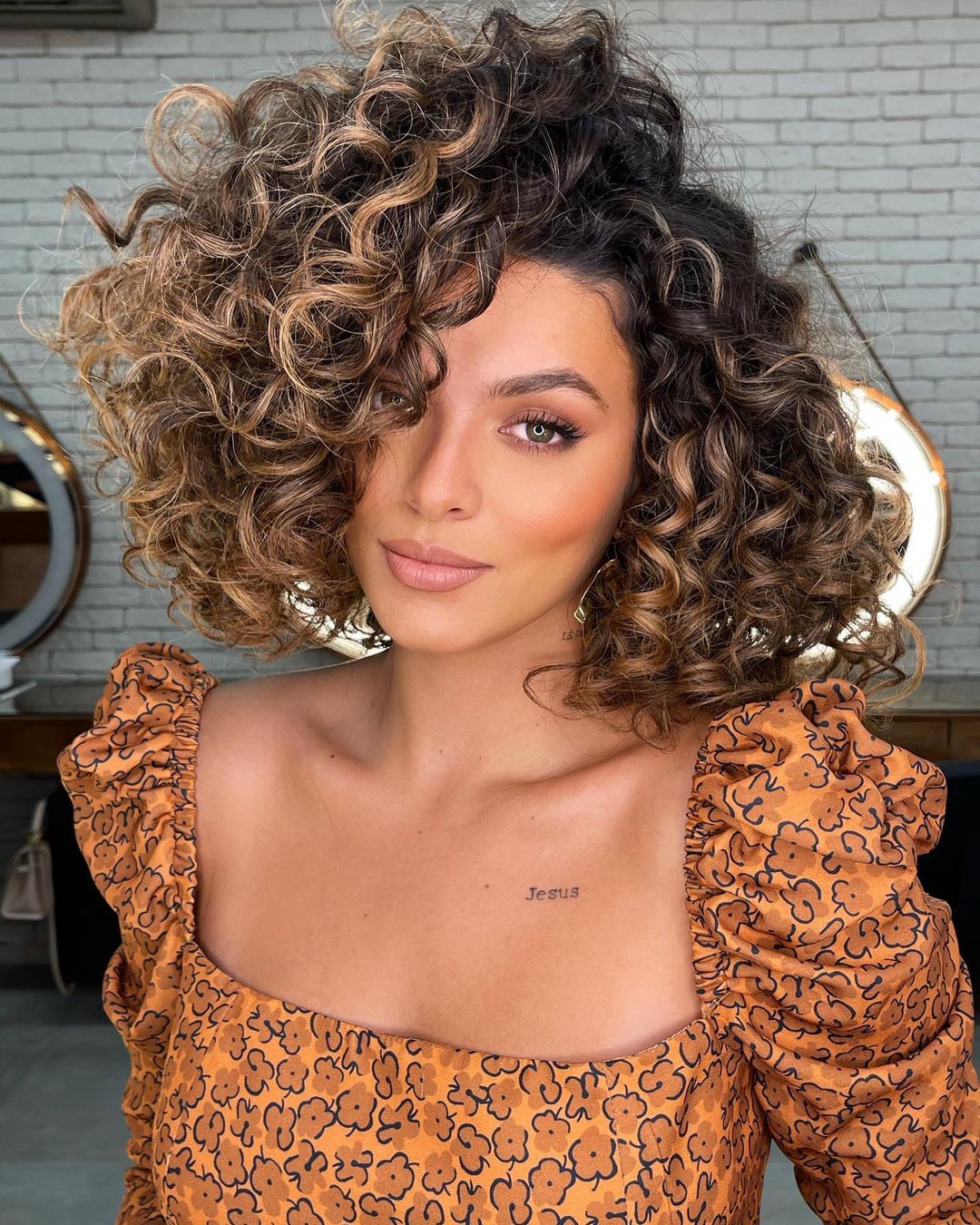
Caramel and blonde highlights on a dark brown base create a dimensional effect that looks deliberate even when the curls are not perfectly uniform. The lob length hits at the collarbone, which keeps the weight off the shoulders and lets the curls spring up without pulling the shape down. Defined curls need moisture to hold their form, so a cream or leave-in is the standard move here. Ask your colorist for: dark brown lob with caramel and blonde highlights. The middle part splits the color evenly, so both sides get equal brightness. A trim every 8 to 10 weeks stops the ends from fraying and keeps the curl pattern bouncy.
Dark Brown Lob With Subtle Blonde Highlights, Wavy
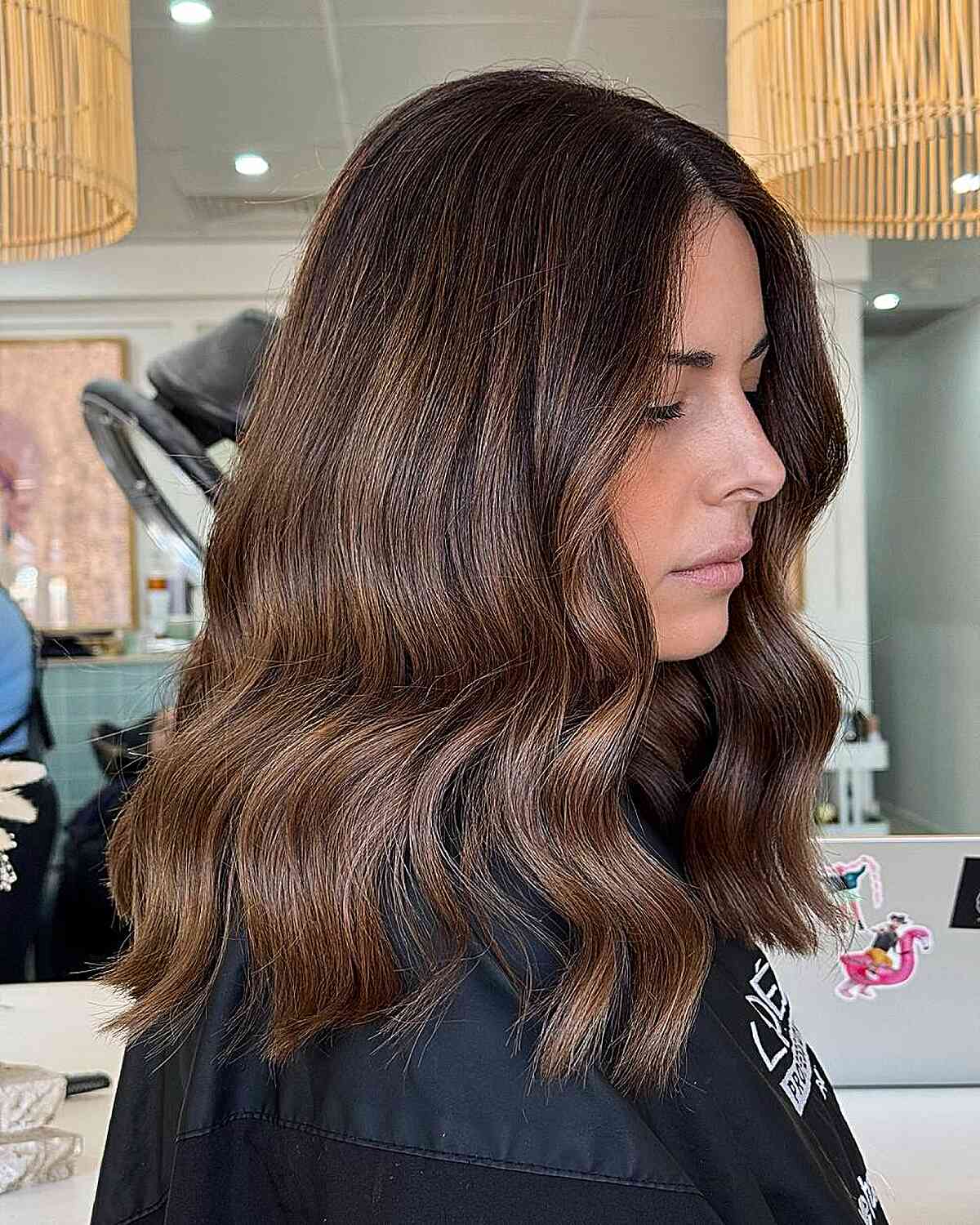
The highlights blend so softly into the base that they look like a natural sun kiss, not a salon service. Which is exactly the point, until you want a more obvious change. Thick, wavy hair at this length handles the look well, and the side view shows how the light pieces catch movement without being too loud. Ask your colorist for: dark brown lob with subtle blonde highlights. The trade-off: on very dark bases, subtle highlights can disappear in low light, so expect a quieter dimension than high-contrast options deliver.
Warm Brown Mid-Back With Wispy Bangs
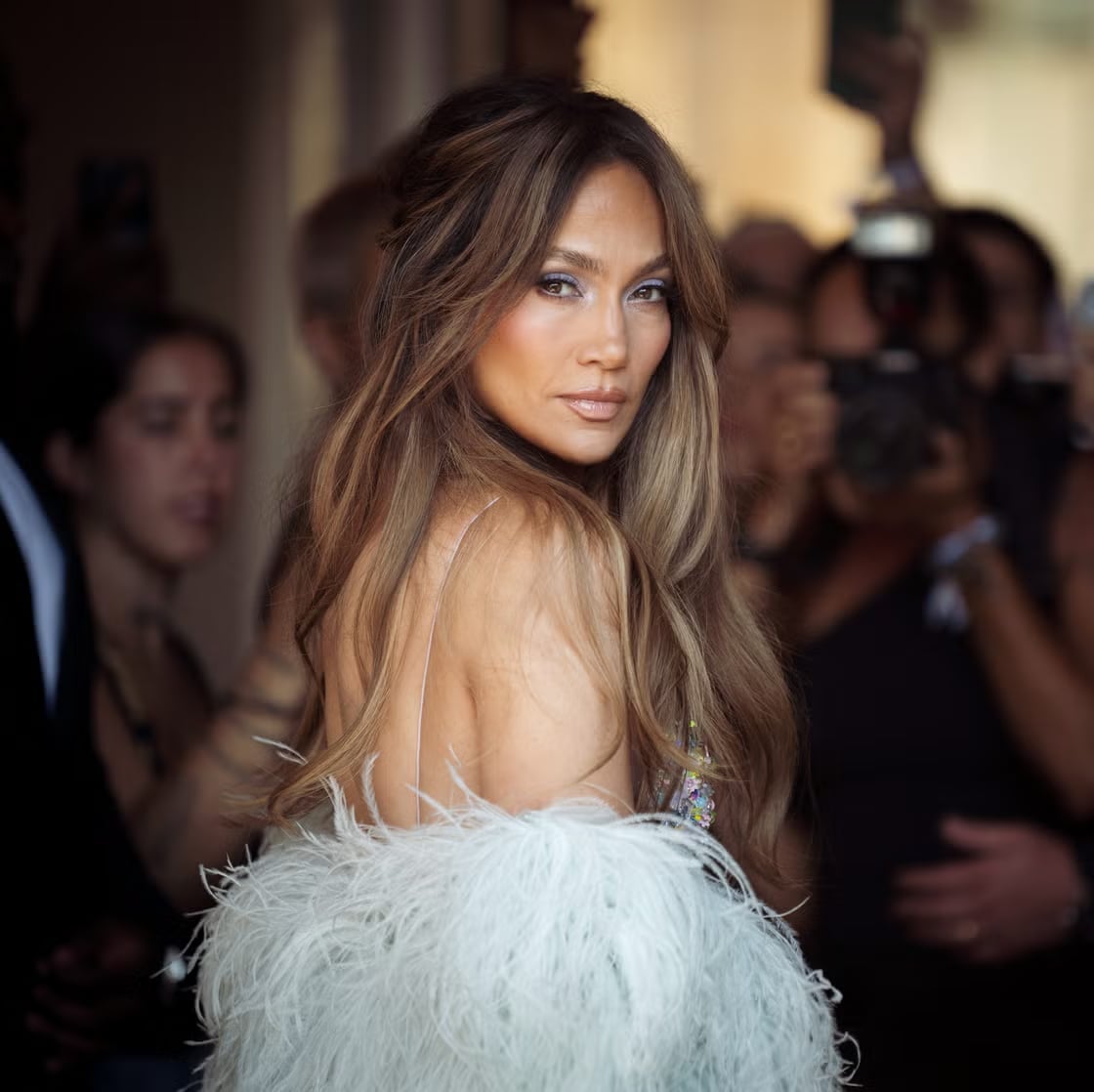
Wondering how to ease into a warmer shade without a full color overhaul? Mid-back length hair with long layers and a warm brown base gets lifted by lighter blonde highlights, while wispy bangs frame the face without demanding daily styling. The middle part and loose waves keep the overall feel relaxed, which suits the transition from summer brightness into autumn depth. Thick, wavy hair carries the dimension well, and the bangs soften angular jawlines without requiring a heavy commitment. Ask your colorist for: warm brown base with blonde highlights, wispy bangs. This is the kind of dimensional color that works for casual weekends and holiday gatherings equally.
Dark Brown Mid-Back With Blonde Highlights
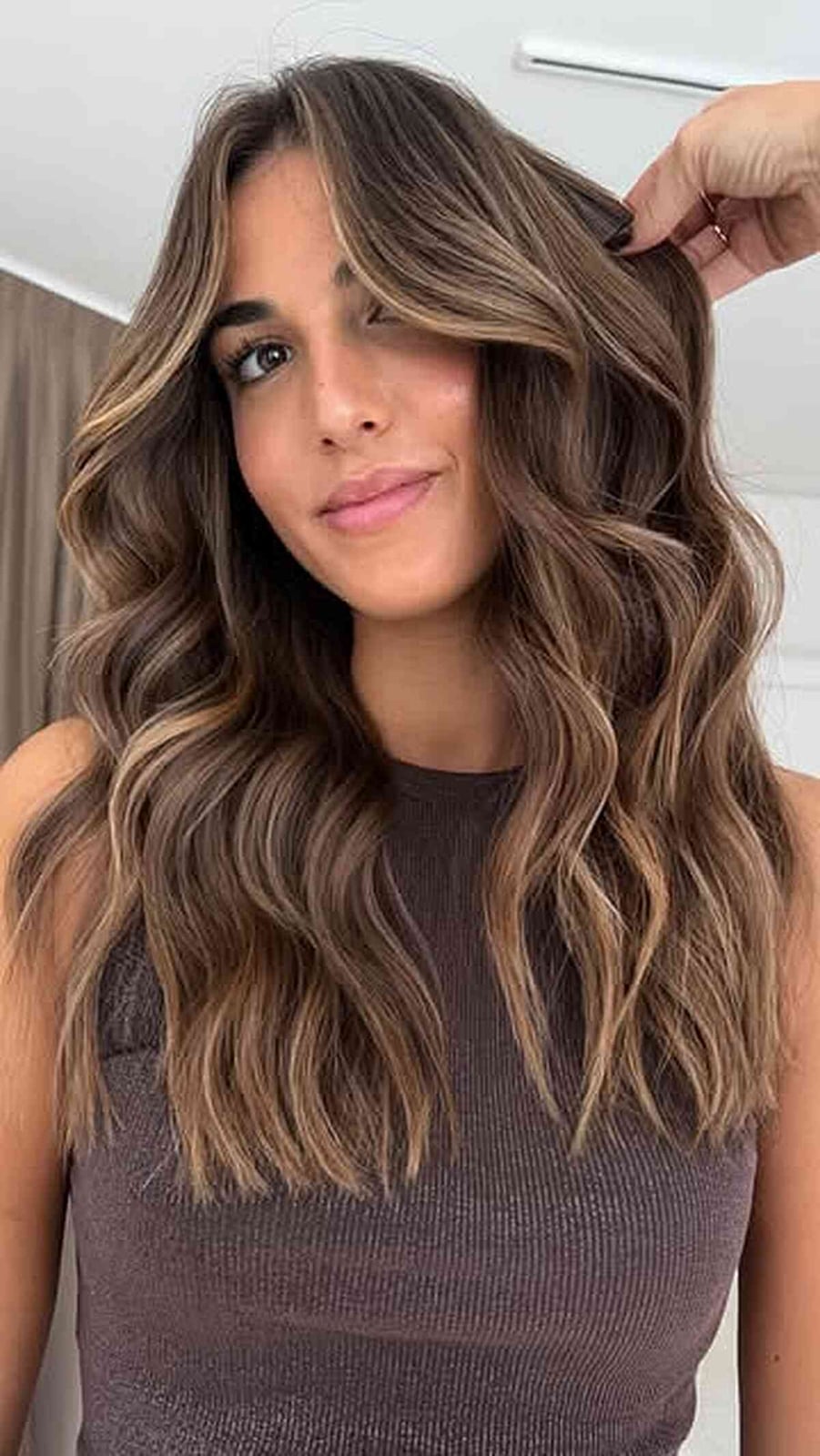
A dark brown base at mid-back length gets a lift from strategically placed blonde highlights that sit in the layers, visible when the hair moves. Thick, wavy texture holds the contrast well, the light pieces stand out against the deep base without needing a full head of foils. Ask your colorist for: dark brown base with blonde highlights. The middle part and blowout waves keep the finish polished enough for the office. Blonde against dark brown is a classic combination for a reason: the dimension looks deliberate but not high-maintenance. Plan a toning appointment every six to eight weeks to keep the blonde from warming up, and trim the layers every ten to twelve weeks to preserve the shape.
Dark Brown Mid-Back With Caramel Highlights, Wavy
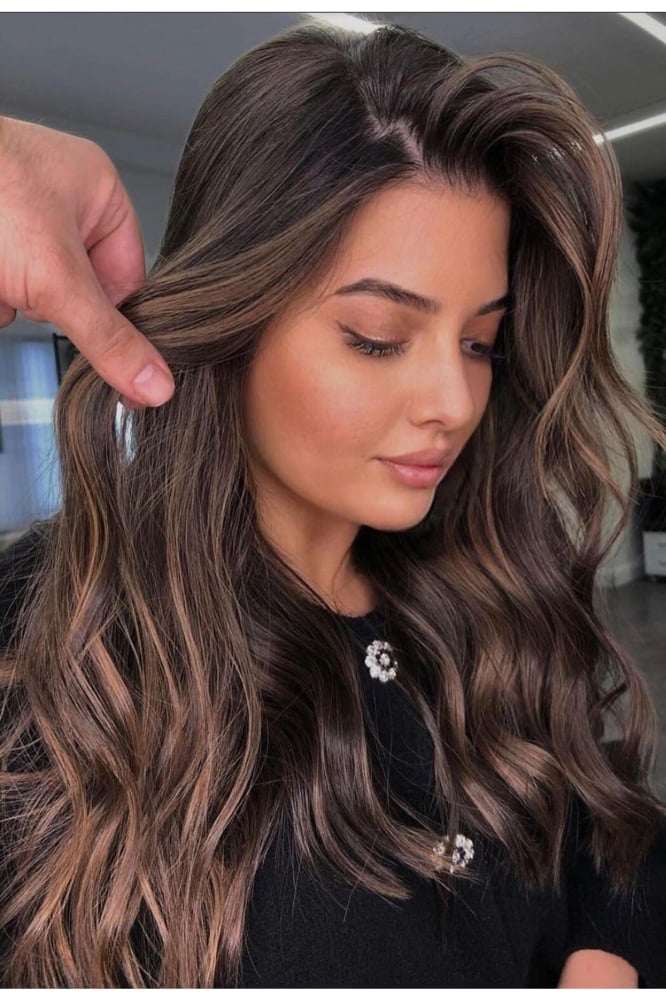
Dimensional caramel highlights are built by weaving lighter pieces through the ends, which creates a softer grow-out than traditional foils. On a dark brown base at mid-back length with a wavy blowout, the caramel tones add warmth and movement without shifting the overall depth. Thick, wavy hair shows the dimension best, since the curves reflect light at different angles. Ask your colorist for: dark brown with caramel highlights. The middle part keeps the placement even on both sides. This technique relies on the contrast between a cool dark base and a warm caramel tone, so the effect is subtle but present in most lighting.
Dark Brown Mid-Back With Face-Framing Layers
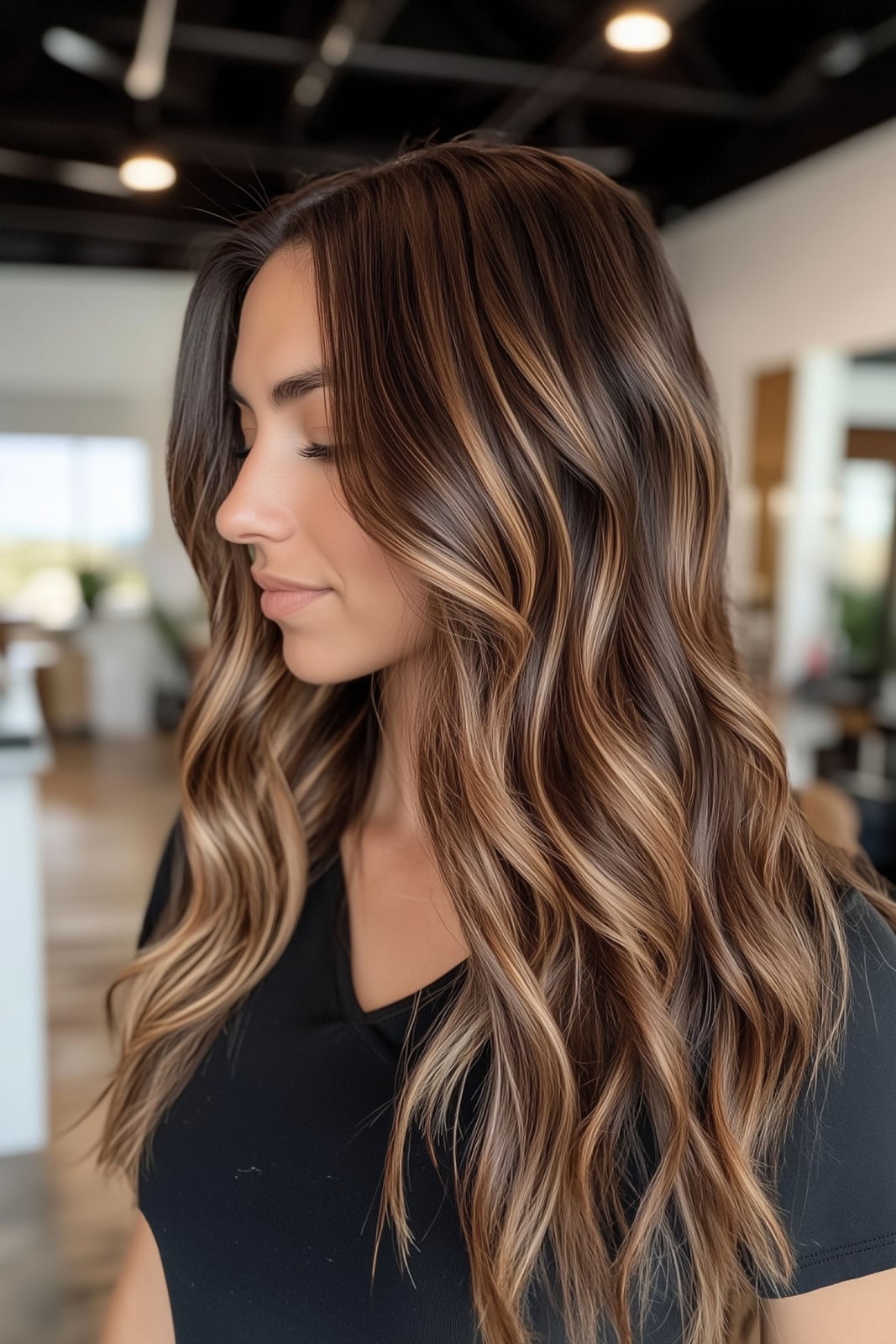
Curtain bangs and face-framing layers. What exactly do you ask for to get this effect without ending up with something heavier? Start with the cut: a dark brown base at mid-back length with subtle blonde highlights, then request soft curtain bangs that blend into the shortest face-framing layer. The layers should graze the cheekbone at their shortest and taper down, so the rest of the length stays full. Ask your stylist for: dark brown base with blonde highlights, face-framing curtain bangs. A middle part keeps the framing symmetrical. On a square or round face, these layers soften the jawline without losing length. The blonde highlights in the front sections draw light to the face naturally.
Dark Blonde With Ash Blonde Highlights
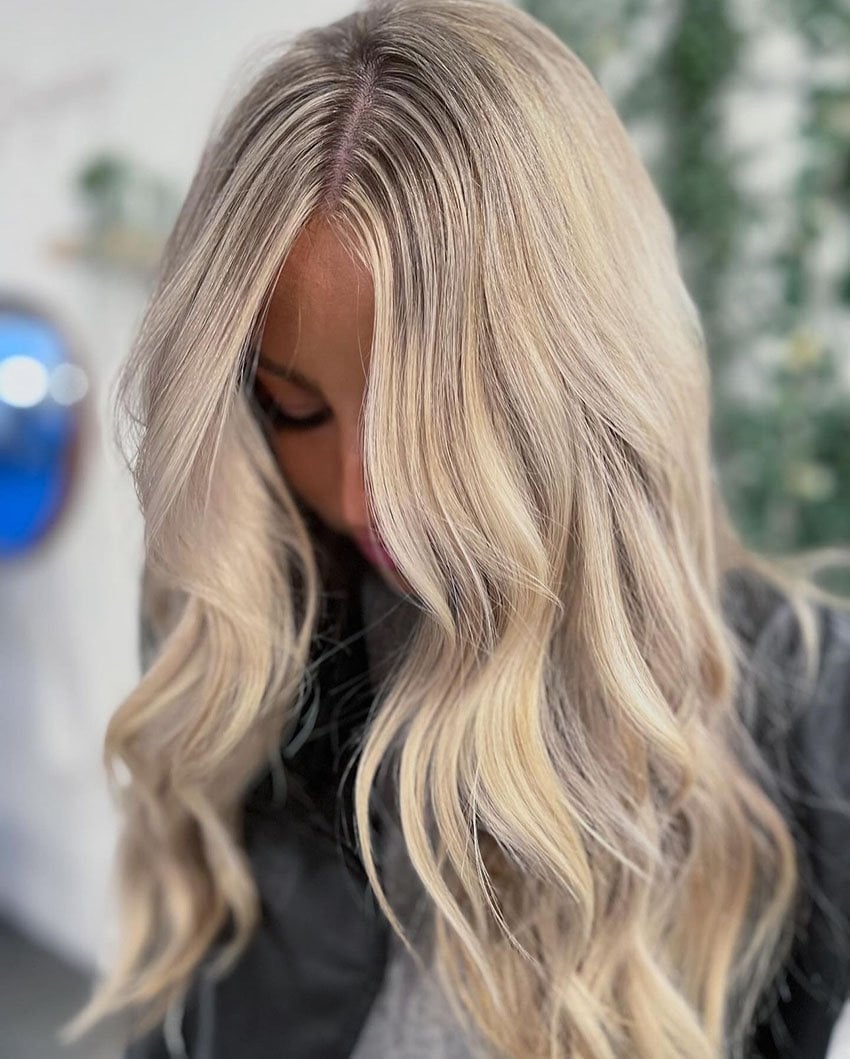
If you keep eyeing the chunky, high-contrast streaks on your feed, pause: this one is the quieter sibling that still gets noticed. The mid-back length starts on a dark blonde base, and the ash blonde highlights are woven through so subtly that the overall effect looks like naturally sun-warmed hair, not a color appointment. It is a salon job, not a box-dye experiment, because placing those fine, blended pieces evenly through thick, wavy hair takes a practiced hand.
Ask your colorist for: dark blonde base with ash blonde highlights. The middle part and loose waves allow the lighter pieces to shine without being obvious. If your base leans warm or golden, skip it, ash tones need a cooler starting point to stay true. A purple shampoo once a week keeps the blonde from drifting brassy, and the layers need a trim every ten to twelve weeks.
Dark Brown Mid-Back With Face-Framing Layers
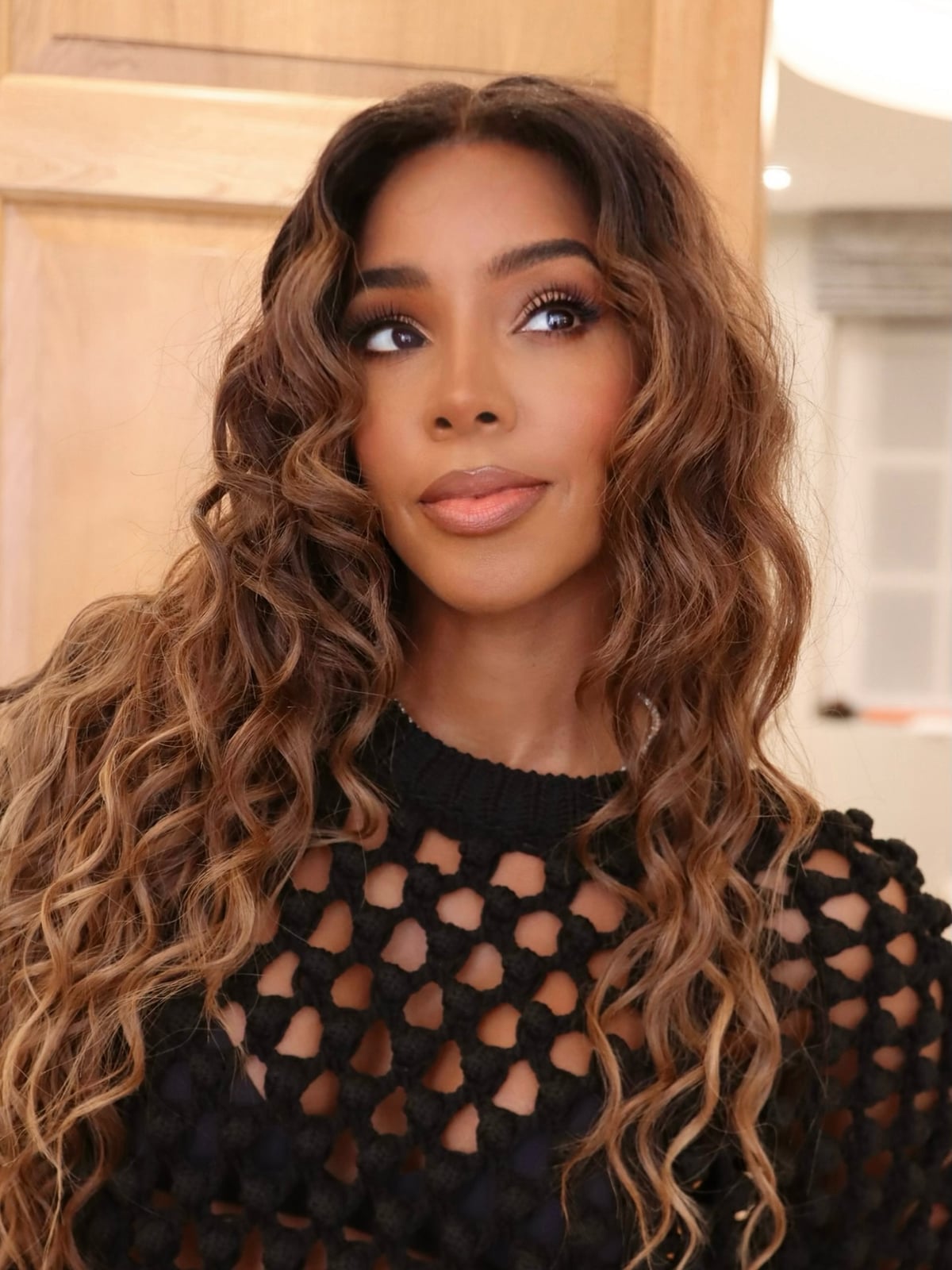
The genius of this cut is that it puts the dimension exactly where people look. Face-framing layers pull the dark brown base forward, and the subtle blonde highlights woven through them brighten the area around your face without committing the whole head to lightening. The curtain bangs and middle parting work with thick, wavy hair, softening round and heart face shapes. Ask your stylist for: dark brown base with blonde highlights, face-framing curtain bangs. Blow-dry the fringe forward with a round brush to set the curve, and plan a trim every ten to twelve weeks to keep those layers from growing into one heavy block.
Grey Base With Blonde Highlights Collarbone
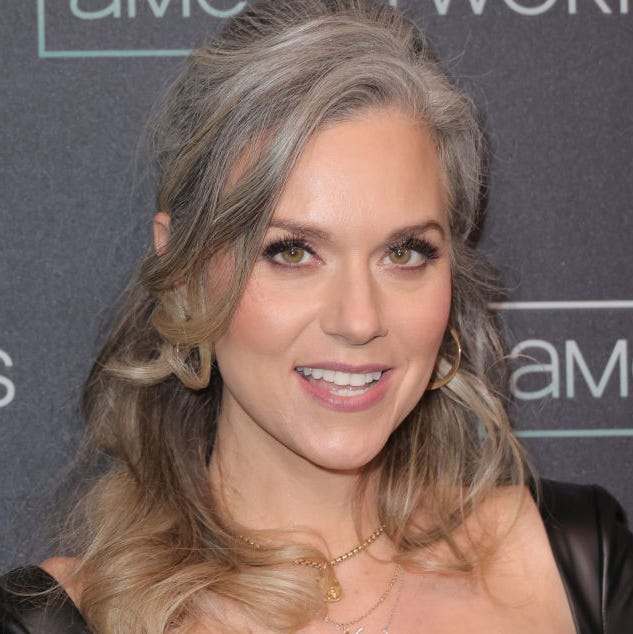
Working with grey rather than against it, this collarbone-length cut uses a natural grey base as the canvas and adds lighter blonde highlights for contrast. The technique is a foil or balayage placement, painting the blonde pieces through thick, wavy layers so they blend with the grey instead of sitting on top of it. The middle parting and loose waves let the two tones show their dimension. Ask your colorist for: grey base with blonde highlights. A silver-enhancing shampoo keeps the blonde from picking up yellow, and the layered cut holds its shape with a trim every ten to twelve weeks.
Dark Brown Mid-Back With Face-Framing Caramel and Curtain Bangs
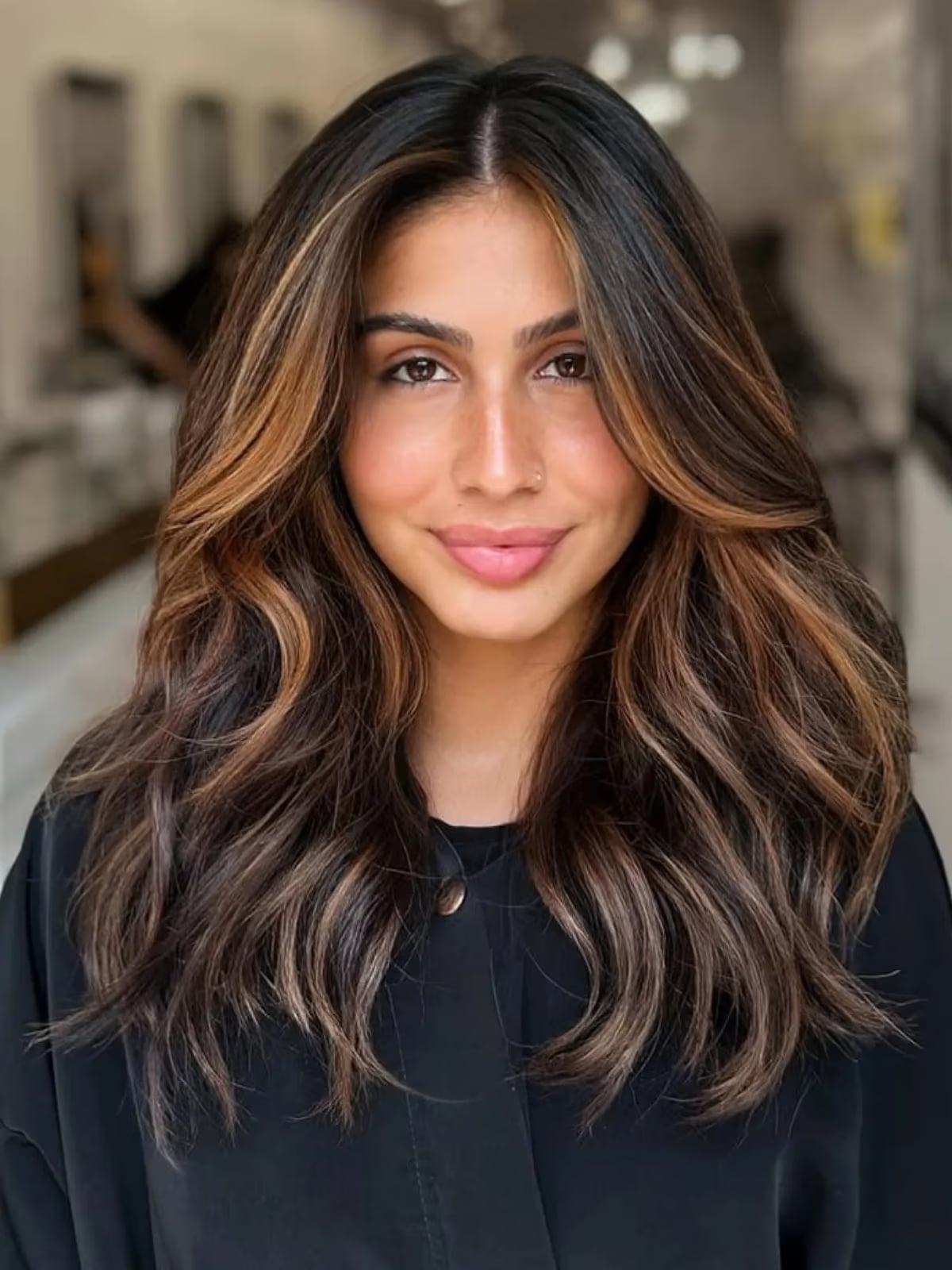
Caramel highlights placed only around the face require a precise colorist. The long layers start on a dark brown base, and the caramel pieces are concentrated at the front, warming the curtain bangs and the hair that falls beside your cheekbones. On thick, wavy mid-back hair, the effect is soft and dimensional, but the blend requires real skill, a heavy hand turns it into stripes. Ask your colorist for: dark brown base with face-framing caramel highlights. Upkeep is a factor: those lighter pieces around the face show new growth sooner than the rest, so expect to refresh them every eight to ten weeks, with a layer trim on the same schedule.
Dark Brown Mid-Back With Warm Highlights and A Natural Shine
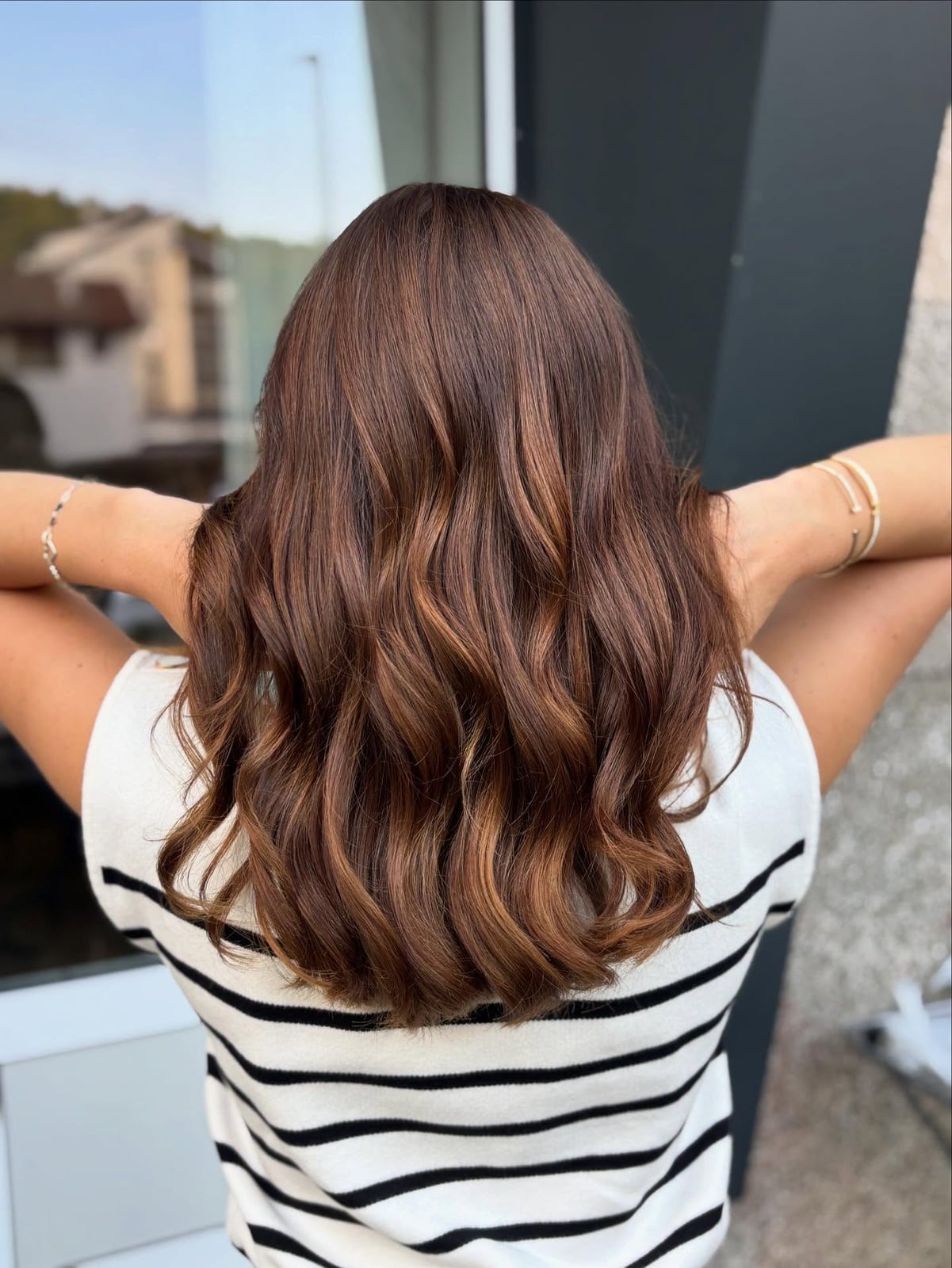
Wondering how to carry warmth into the cooler months without a full color overhaul? This is the answer. The dark brown base stays deep, and the warm-toned highlights are blended through the mid-back length so they look like a natural glow instead of a seasonal switch. The back view shows the dimension clearly, with the lighter pieces contrasting against the glossy, thick texture. Ask your colorist for: dark brown base with subtle warm highlights. The finish works for everyday and casual settings, and because the highlights are subtle, they grow out gently, letting you stretch the time between appointments.
Dark Brown Mid-Back With Dimensional Melt
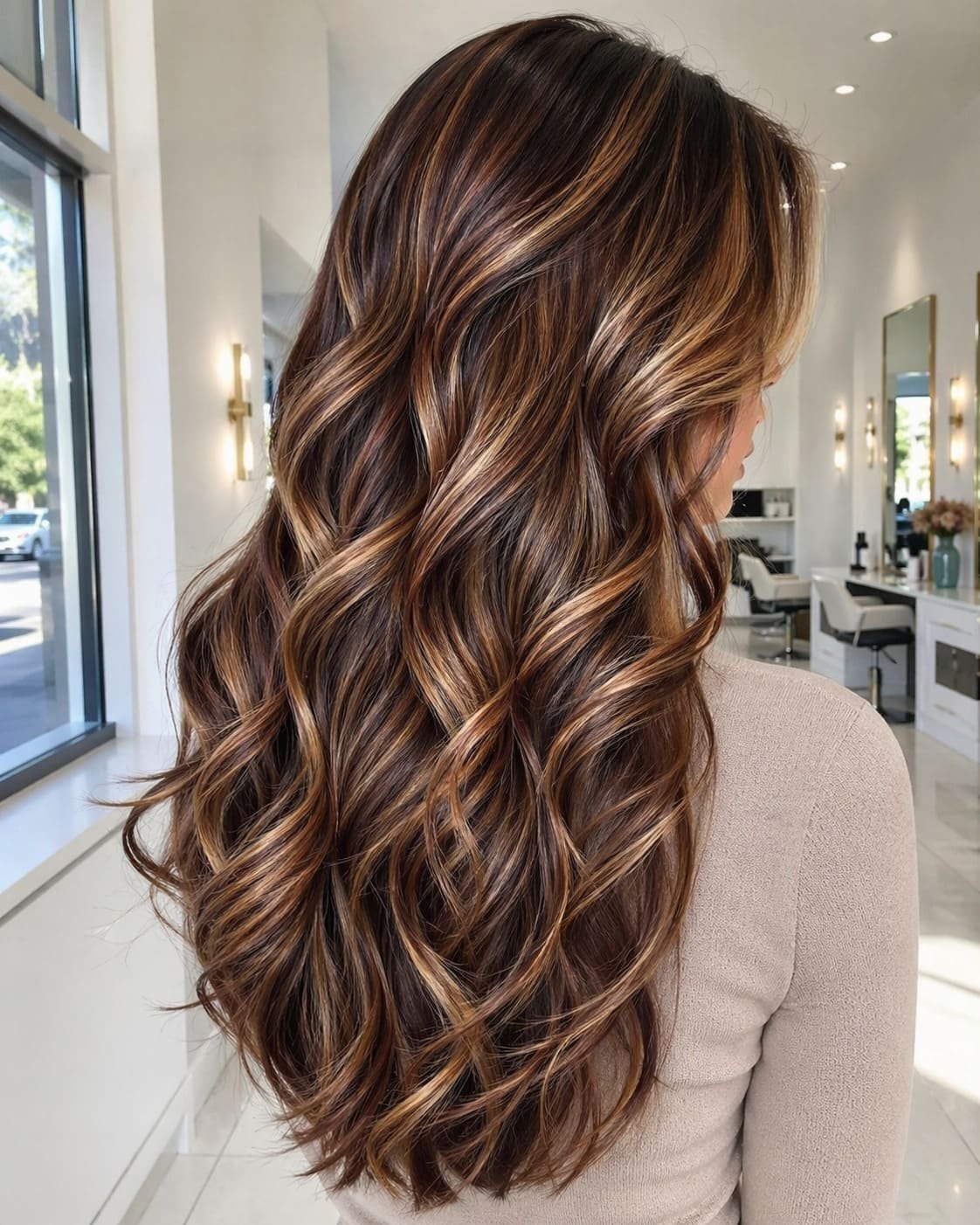
A dimensional colour melt is not a single technique but a strategy: the blonde and caramel highlights on this dark brown base are placed so the lightest pieces concentrate around the face and the ends stay deeper. The result is a gradient that survives grow-out better than traditional highlights. Thick, wavy hair at mid-back length takes the blend especially well because the texture breaks up any hard lines. Ask your colorist for: dark brown base with blonde and caramel highlights. A volumizing mousse at the roots keeps the soft waves from falling flat, and the long layers need a trim every ten to twelve weeks to keep the shape clean.
Shoulder Length Layers With Copper Blonde
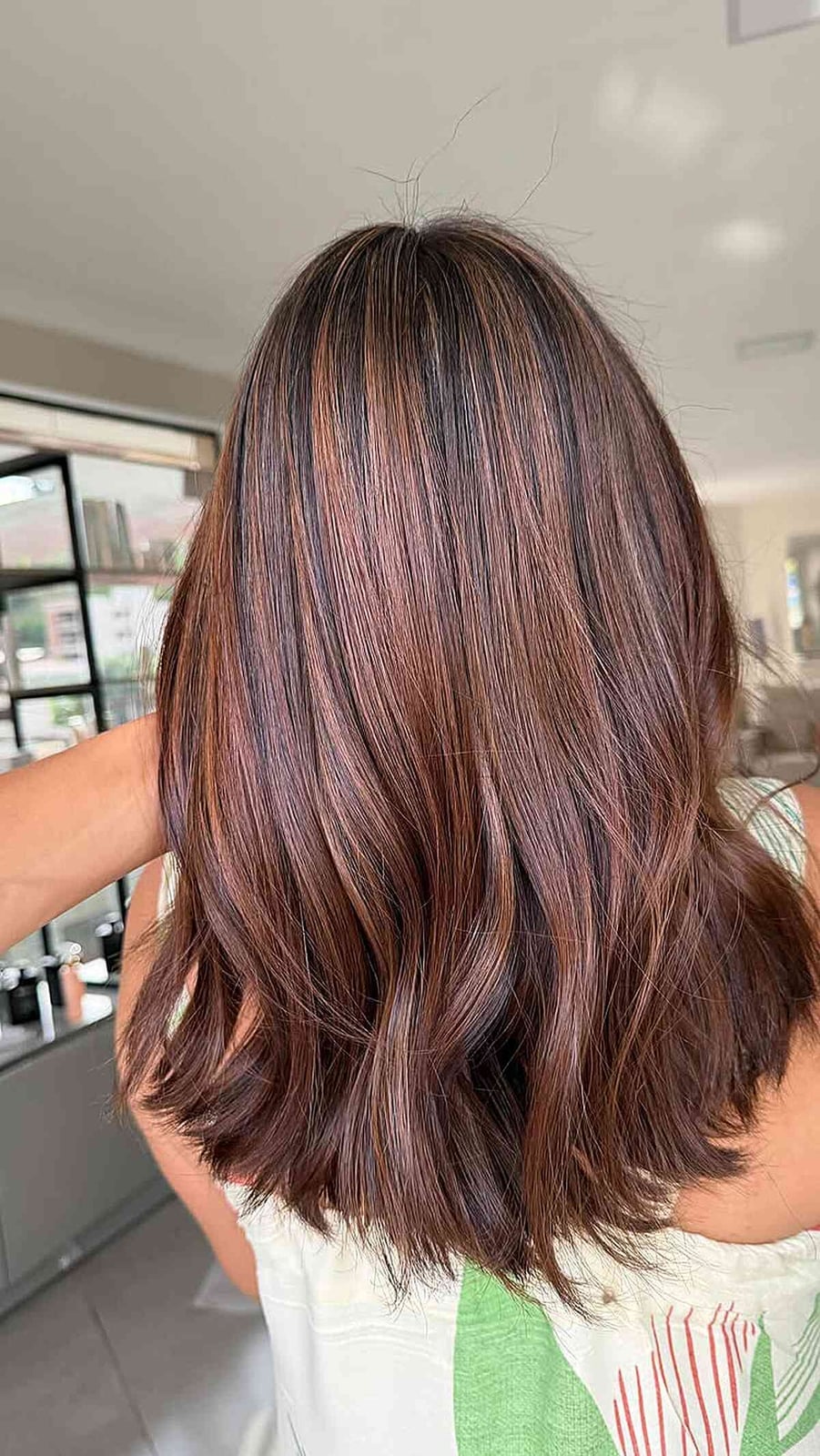
Single-process copper is a commitment; this multi-tonal version with blonde highlights woven into a brown base is more forgiving. The copper pieces catch the light while the blonde keeps the overall effect from reading as one flat shade. Shoulder-length, thick wavy hair benefits from the layers because they stop the weight from pulling the waves straight. A salon visit is the only way to get this blend. You cannot DIY a copper-and-blonde combination without banding. Ask your colorist for: brown base with copper and blonde highlights.
Dark Brown Mid-Back With Ash Blonde and Wavy Blowout
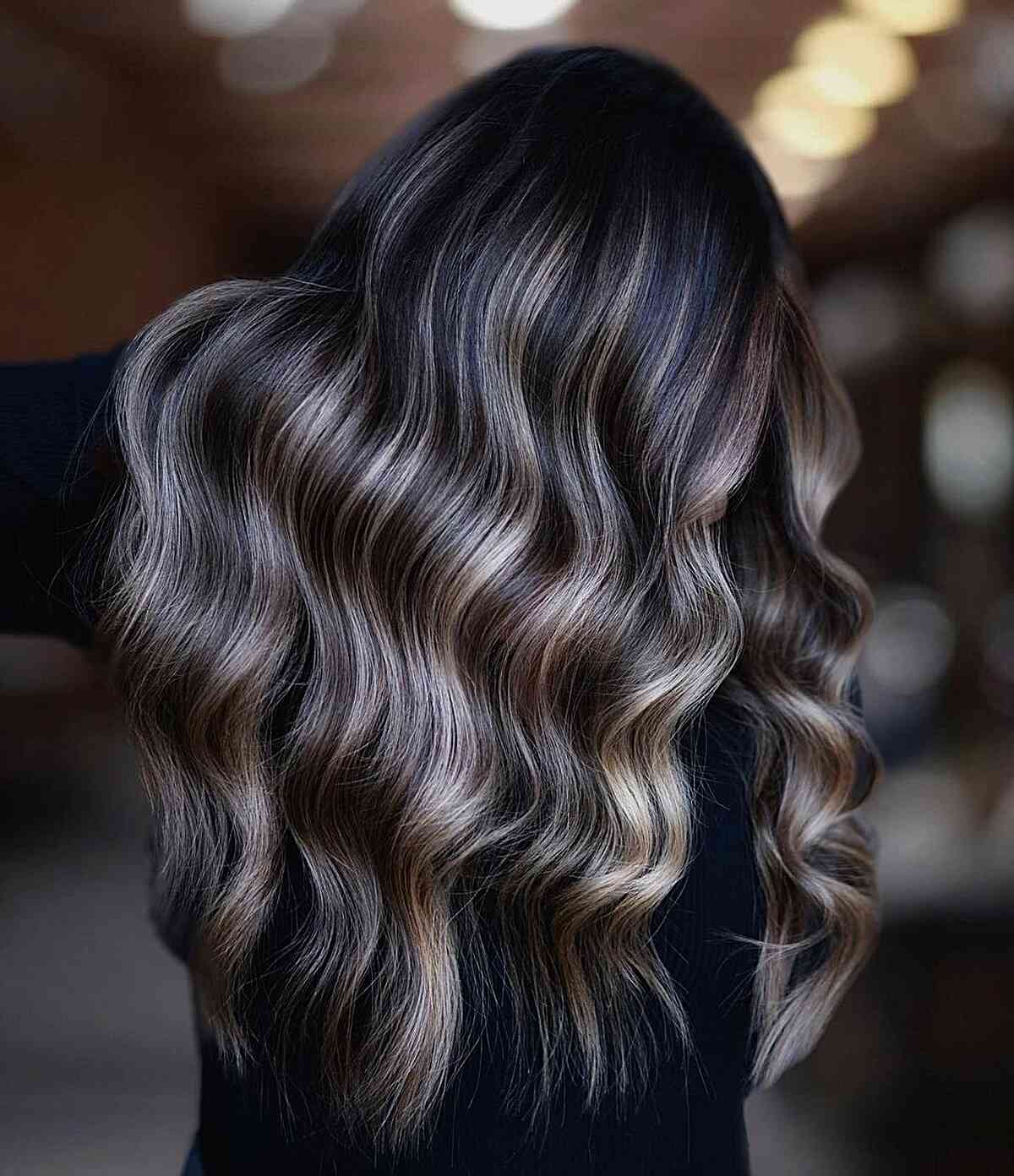
Ash blonde highlights on a dark brown base are built with a technique called teasing or backcombing at the root: the colorist sections fine slices and applies lightener only to the mid-lengths and ends, leaving the base intact. This keeps the contrast soft rather than stripey. The back view of this mid-back length shows how the ash pieces are concentrated in the layers, so the wave pattern reveals them at different angles. Thick, wavy hair holds the placement well because the texture scatters the light evenly. Ask your colorist for: dark brown base with ash blonde highlights.
The ash tone cools down the warmth of the brown, which makes the overall result feel neutral. A purple shampoo once a week prevents the highlights from pulling brassy over time.
Medium Brown Lob With Subtle Blonde
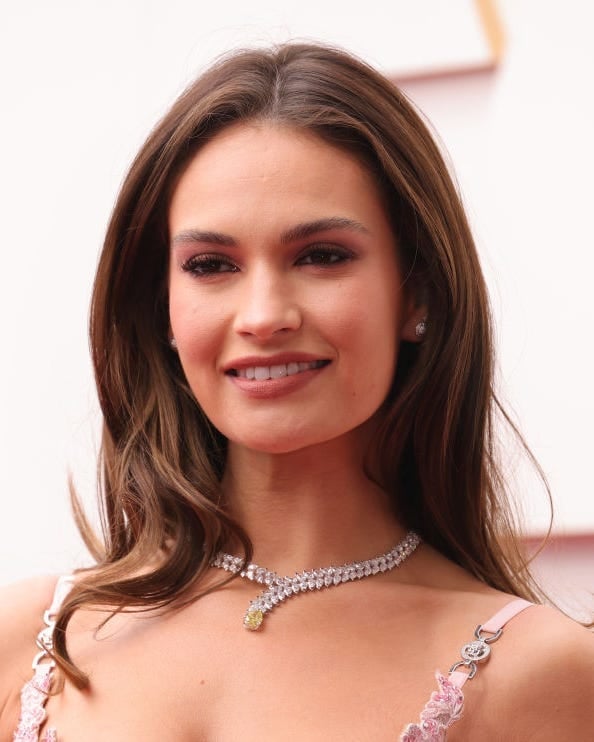
The lob is a length that works for medium density wavy hair because it keeps enough weight to prevent the waves from turning frizzy without being so heavy they fall flat. The subtle blonde highlights here are painted only on the surface sections, so the dimension looks natural. This approach adds the illusion of more volume without actual bulk. Ask your colorist for: medium brown lob with subtle blonde highlights. A texturizing spray on the mid-lengths encourages the wave pattern, and the lob needs a trim every eight to ten weeks to keep the line sharp.
Brown Base With Caramel Honey Highlights
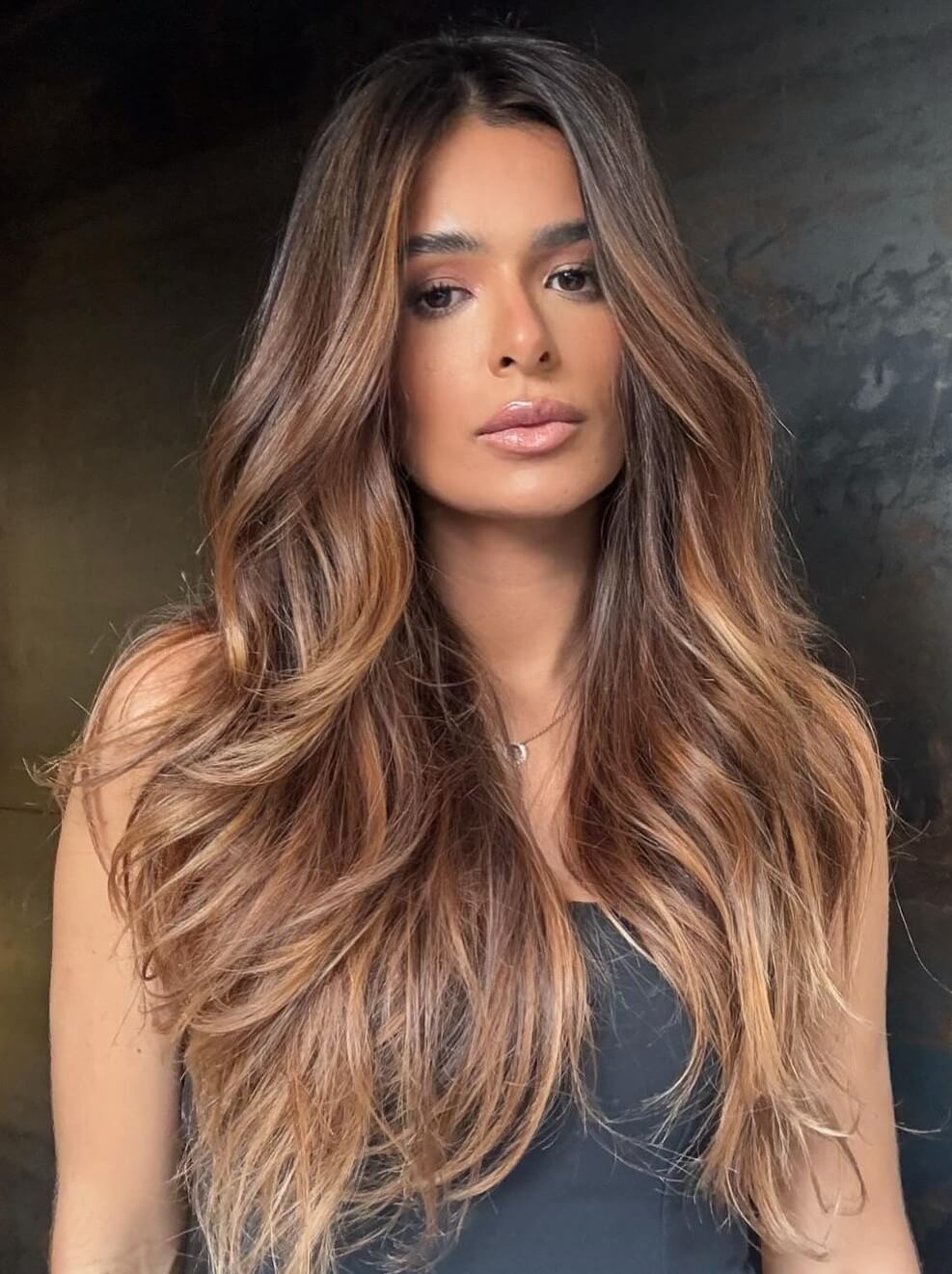
How long does a rich color blend like this actually last before it needs touching up? The caramel and honey highlights on this brown base are painted in a graduated pattern, lighter at the ends, deeper at the root, so the grow-out is soft rather than obvious. You can stretch the next appointment to about twelve weeks before the dimension starts to look muddy. Thick, wavy hair at mid-back length benefits from the blend because the loose waves catch both tones at once. Ask your colorist for: brown base with caramel and honey highlights. A shine serum on the lengths keeps the glossy finish intact between washes.
Light Brown Collarbone With Blonde Highlights
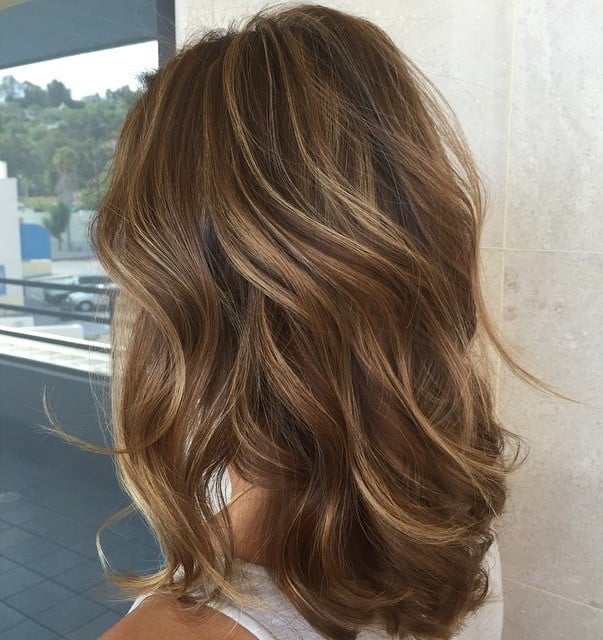
Collarbone-length layers with a light brown base and blonde highlights give a sun-kissed look. Making dimensional highlights look this natural takes a professional hand. Ask your colorist for a light brown base with blonde highlights. Thick, wavy hair holds the shape best, and the loose waves here work with a middle part. Curtain bangs soften the front. A trim every eight weeks keeps the layers from losing their structure.
Ash Blonde Base With Platinum Highlights
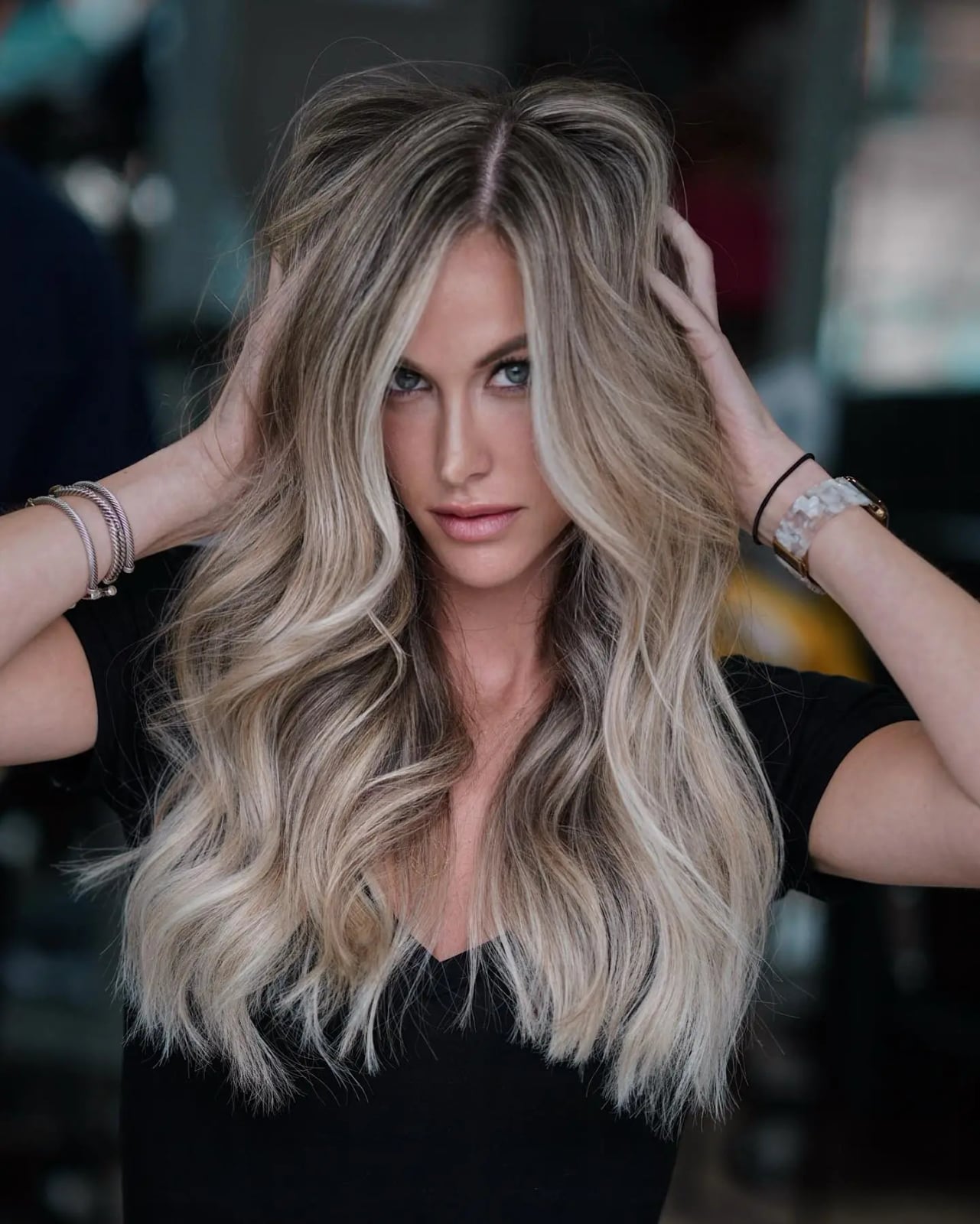
Can you achieve platinum without looking like a 2008 pop star? Yes, if you start with an ash blonde base. Bright platinum highlights are woven through mid-back length layers, creating contrast that works best in summer or for a bold winter refresh. Ask your colorist for an ash blonde base with platinum highlights. Thick, wavy hair gives the lift this look needs. A purple shampoo at home keeps the cool tone from turning brassy between salon visits. A middle part keeps the volume balanced.
The technique requires significant lightening and toning, so expect a full afternoon in the chair. The result is a cool-toned, dimensional finish that is modern rather than outdated.
Dark Brown Mid-Back With Caramel Bangs and A Glossy Finish
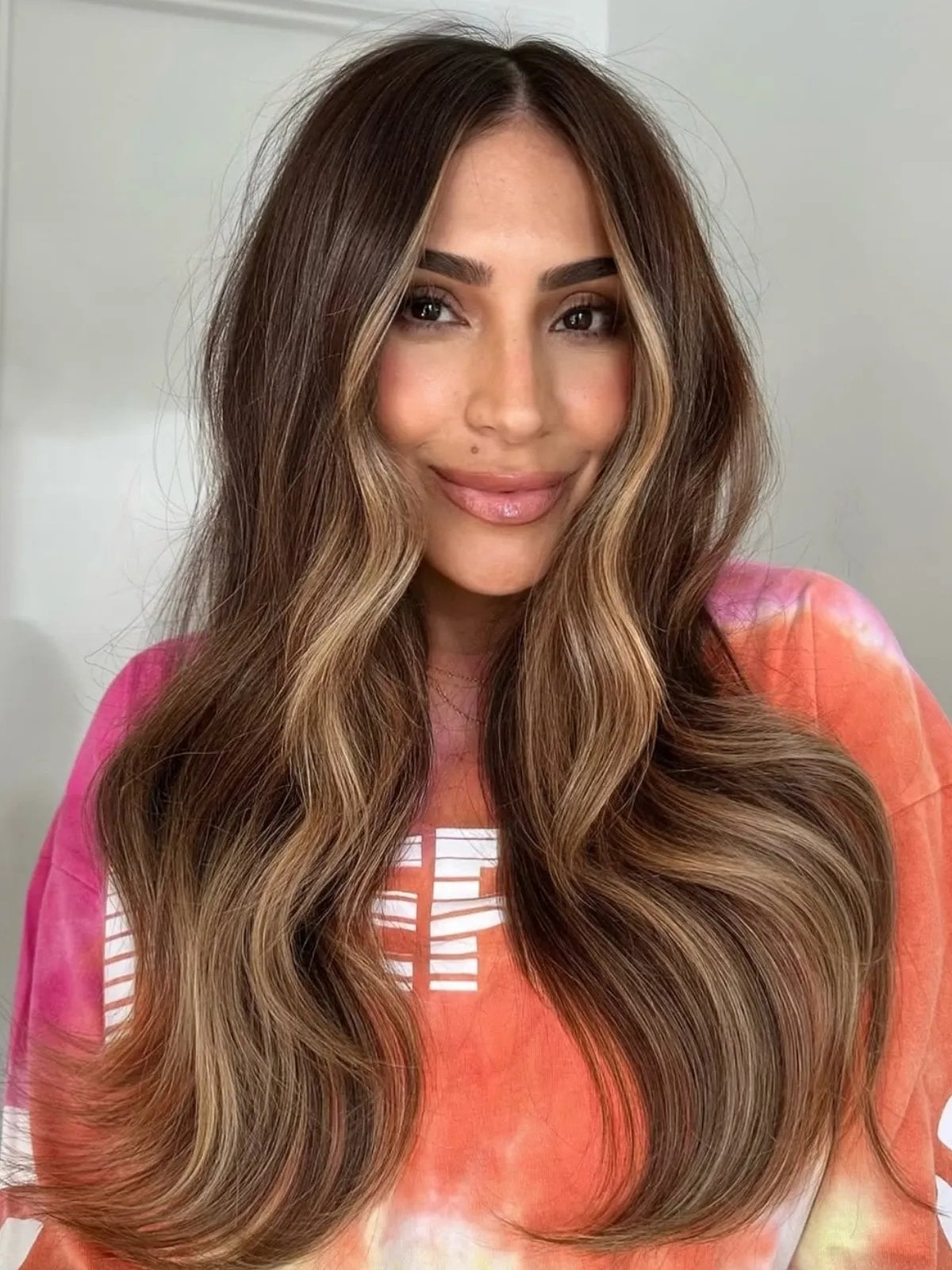
This is not a full head of highlights, it is a targeted placement that frames the face. The dark brown base stays rich while caramel pieces lighten the curtain bangs and the front layers. Ask your colorist for a dark brown base with caramel highlights and curtain bangs. Thick, wavy hair at mid-back length holds the shape, and the middle part keeps the face-framing pieces symmetrical. Curtain bangs soften round and heart face shapes without requiring a full fringe commitment.
What to tell your stylist: you want the caramel concentrated around the front, not pulled through the entire head. The layers should start at the cheekbone and blend into the length. A gloss finish seals the dark base and adds shine.
Medium Brown Mid-Back With Natural Highlights
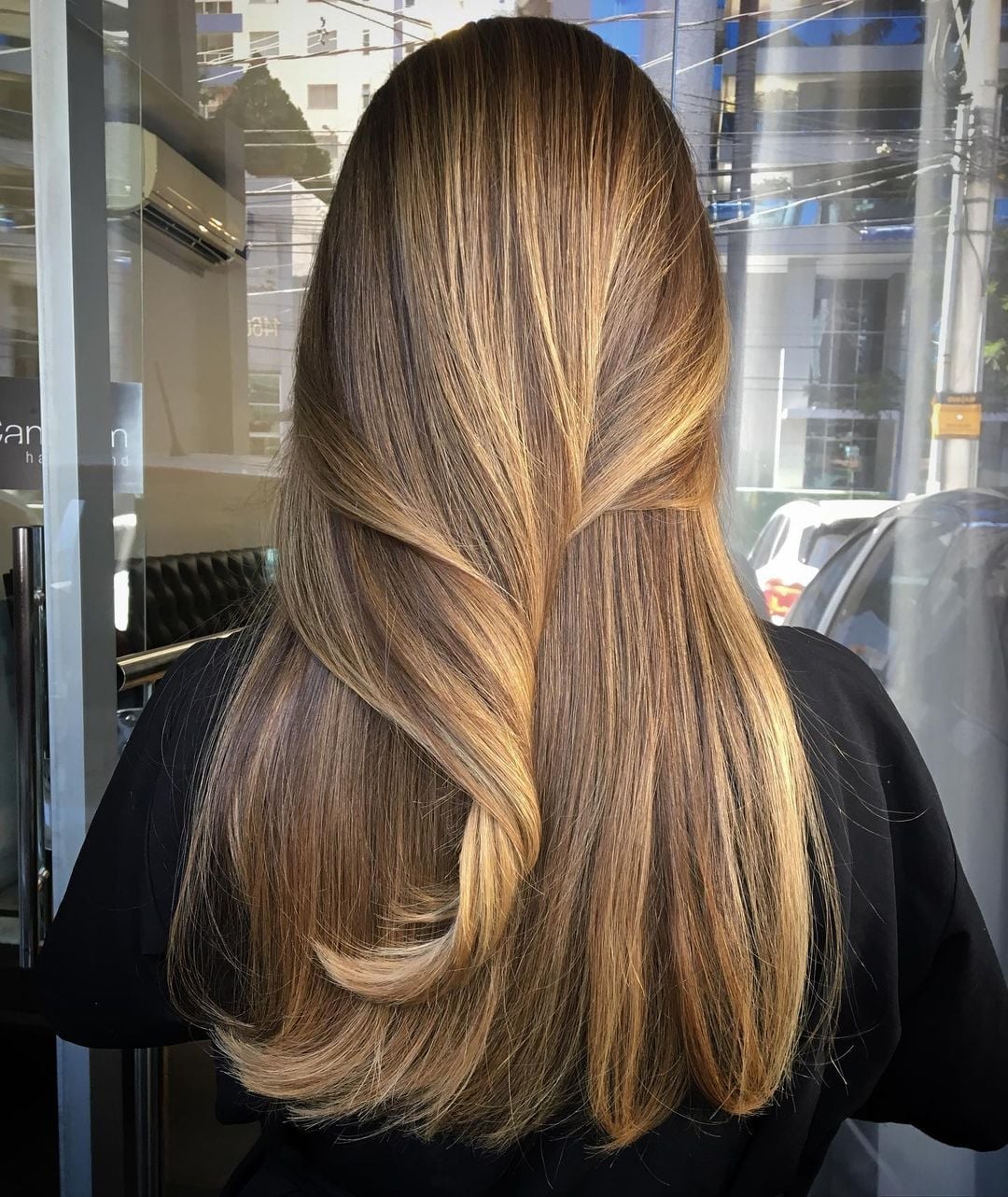
The back view reveals how subtle this really is. Medium brown is the foundation, then blonde and caramel highlights are painted in fine sections rather than chunky ribbons. Natural-looking means the lighter pieces stay close to the base shade. Ask your colorist for a medium brown base with natural blonde and caramel highlights. Thick, straight hair at mid-back length shows the dimension best. This is a salon technique, not a DIY kit. The placement matters more than the formula.
Dark Blonde Collarbone With Ash Blonde Contrast
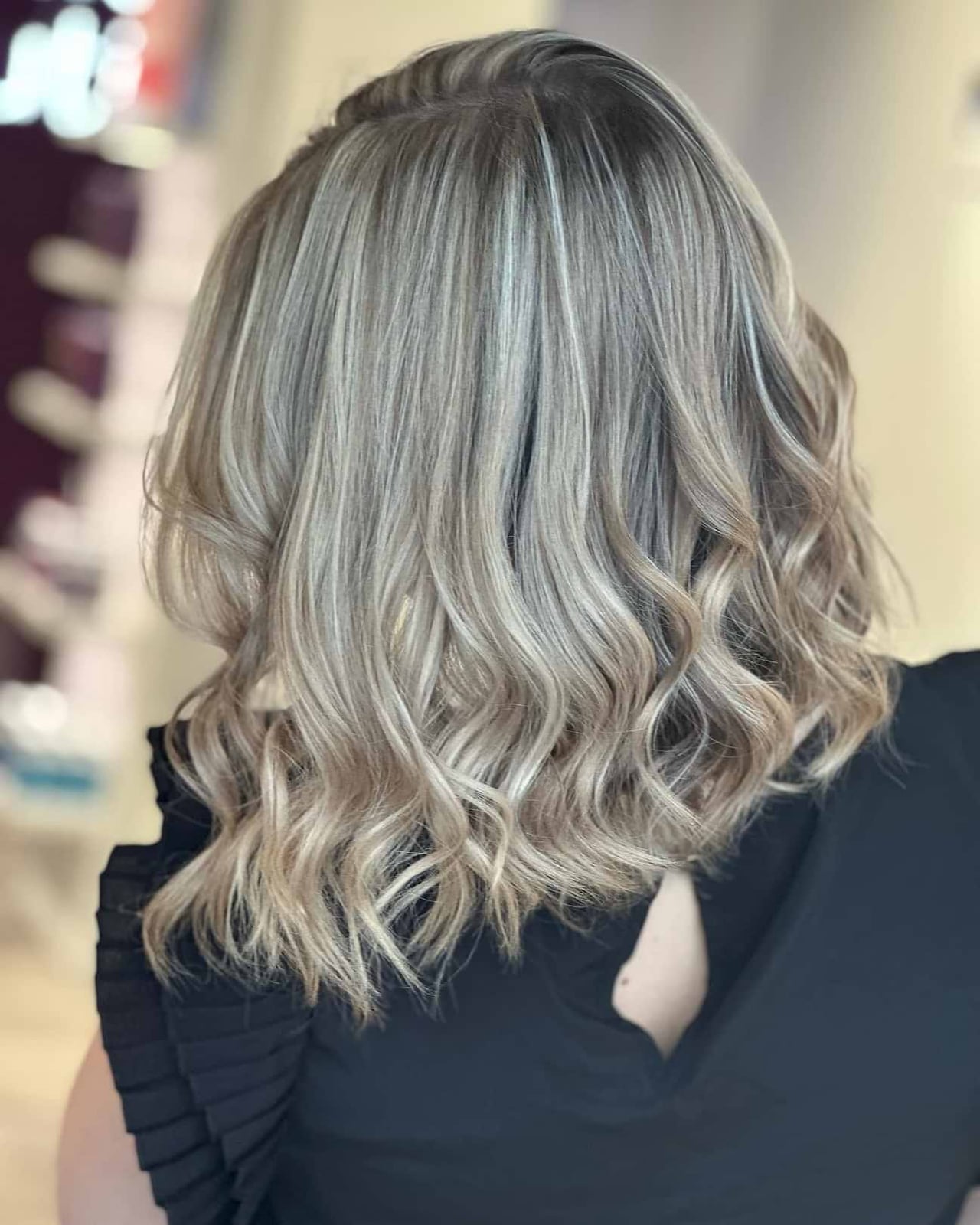
The contrast here comes from placing ash blonde pieces against a dark blonde base, creating a cooler, more deliberate effect than warm highlights would. The back view shows how the highlights are distributed through the layers rather than concentrated on top. Ask your colorist for a dark blonde base with ash blonde highlights. Medium density, wavy hair at collarbone length gets the texture it needs from a wavy blowout. A trim every eight weeks keeps the baseline clean and the shape sharp.
Blonde Base With Lighter Blonde Highlights
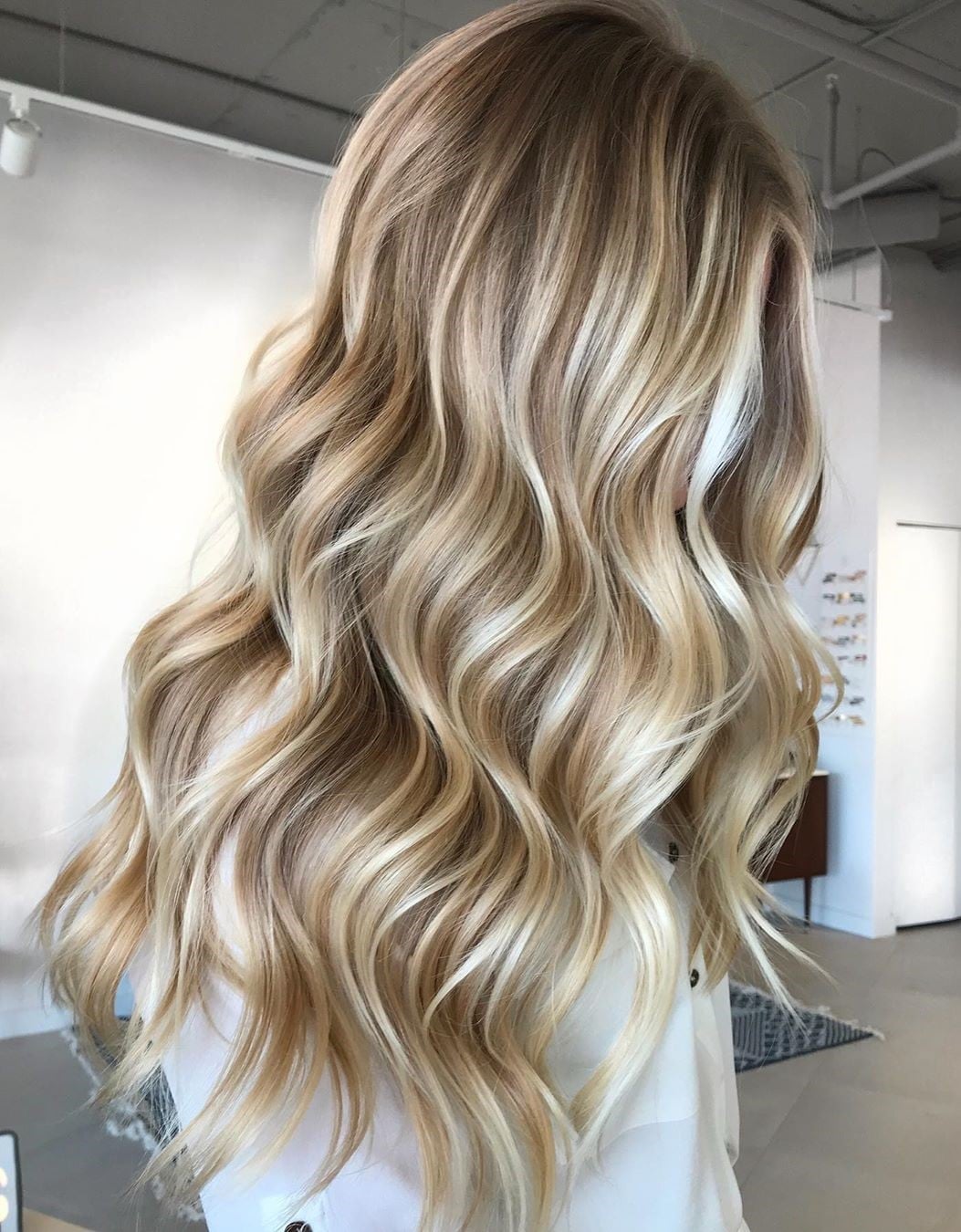
Collarbone-length layers with a blonde base get a subtle lift from lighter blonde highlights woven through soft waves with a side part. Medium density hair benefits from the gentle contrast, which adds movement without overwhelming the texture. Ask your colorist for: blonde base with lighter blonde highlights. A root volumizer helps the wave hold shape, and a trim every eight to ten weeks keeps the collarbone line clean.
The side part does the work here, sweeping the brighter pieces toward one side for a natural shadow effect. Fine hair can carry this too, as long as the highlights stay fine and the base tone stays close to your natural shade. The key is keeping the lighter pieces sparse enough that they mimic sunlight rather than a stripe.
Rich Blonde With Creamy Blonde Highlights
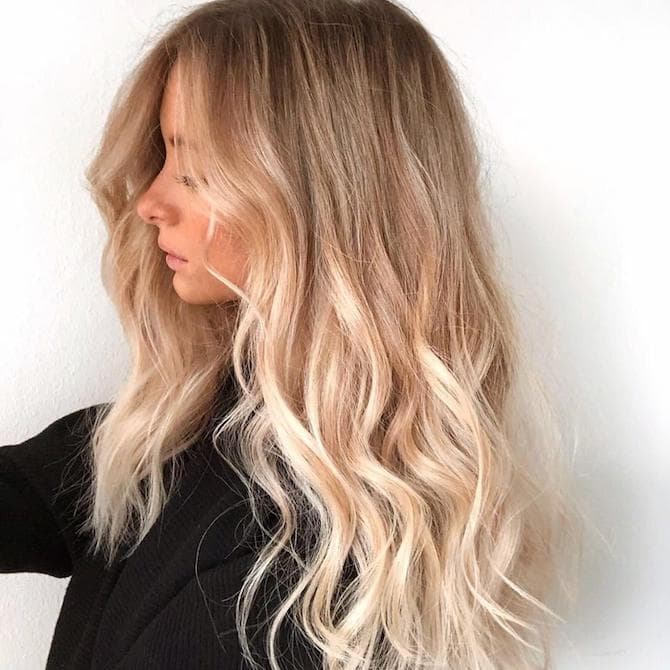
A rich blonde base paired with creamy blonde highlights creates a glossy, dimensional look at mid-back length. The layers catch the lighter strands, so the wave pattern shows even from a side angle with a middle part. Ask your colorist for: rich blonde base with creamy blonde highlights. Thick, wavy hair holds the shape well, and the shine comes from the contrast between the deeper base and the lighter pieces.
A shine spray on dry hair reinforces the gloss between salon visits. The upkeep sits at a trim every ten to twelve weeks, since the layers need less frequent attention than the color. The creamy tone works best when it stays within two shades of the base, keeping the blend soft rather than stark.
Black Mid-Back With Ash Blonde Contrast
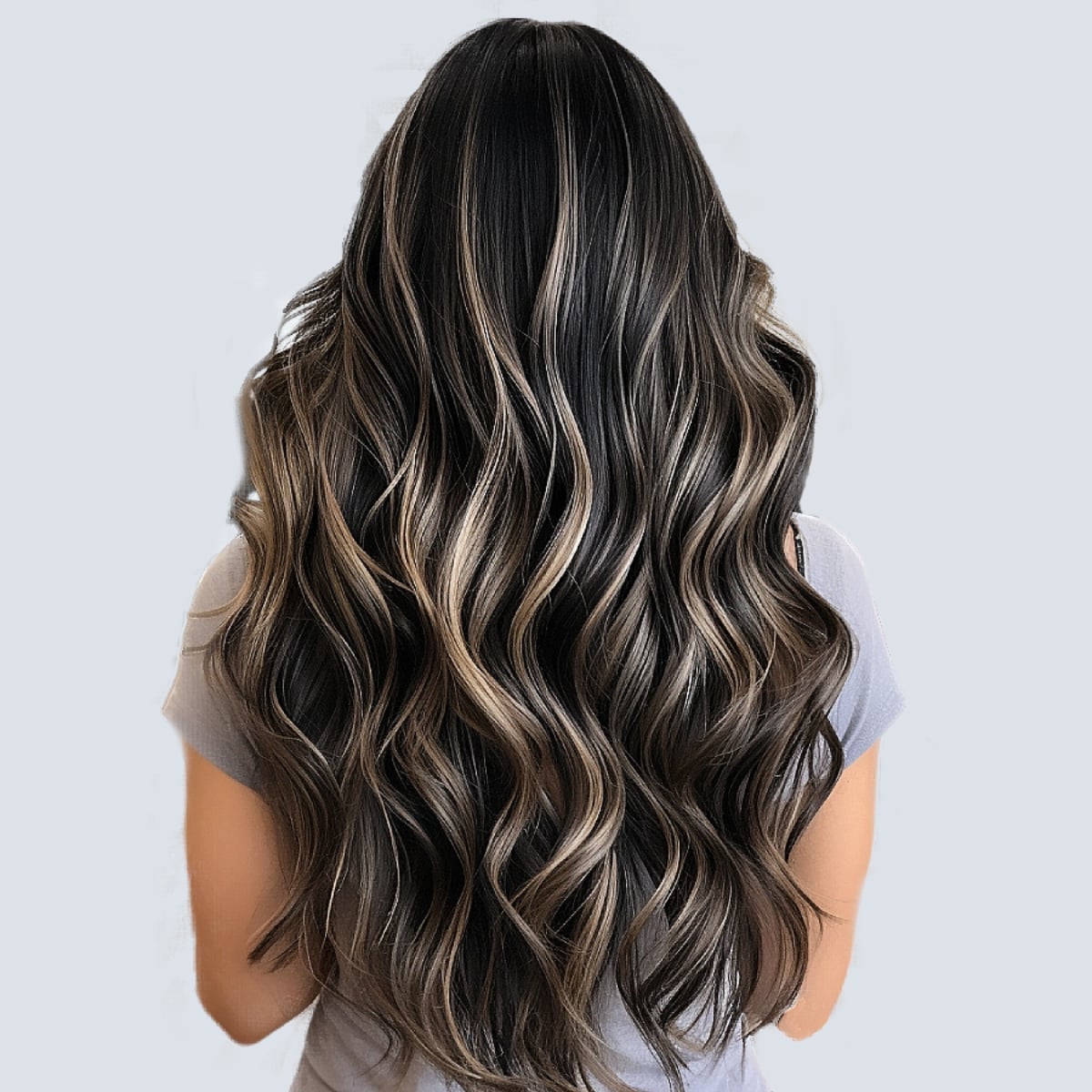
A black base with ash blonde highlights demands commitment. The high contrast reads bold from the back view, with loose waves showing each lighter strand against the dark length. Ask your colorist for: black base with ash blonde highlights. Thick, wavy hair at mid-back can carry the weight of both tones, but the trade-off is visible regrowth that needs toning every four to six weeks. A color-safe shampoo for dark shades helps the black base stay rich, and the layers benefit from a trim every ten to twelve weeks. Skip this if you prefer low-maintenance color or a softer transition between tones.
Dark Brown Mid-Back With Lighter Brown, Side
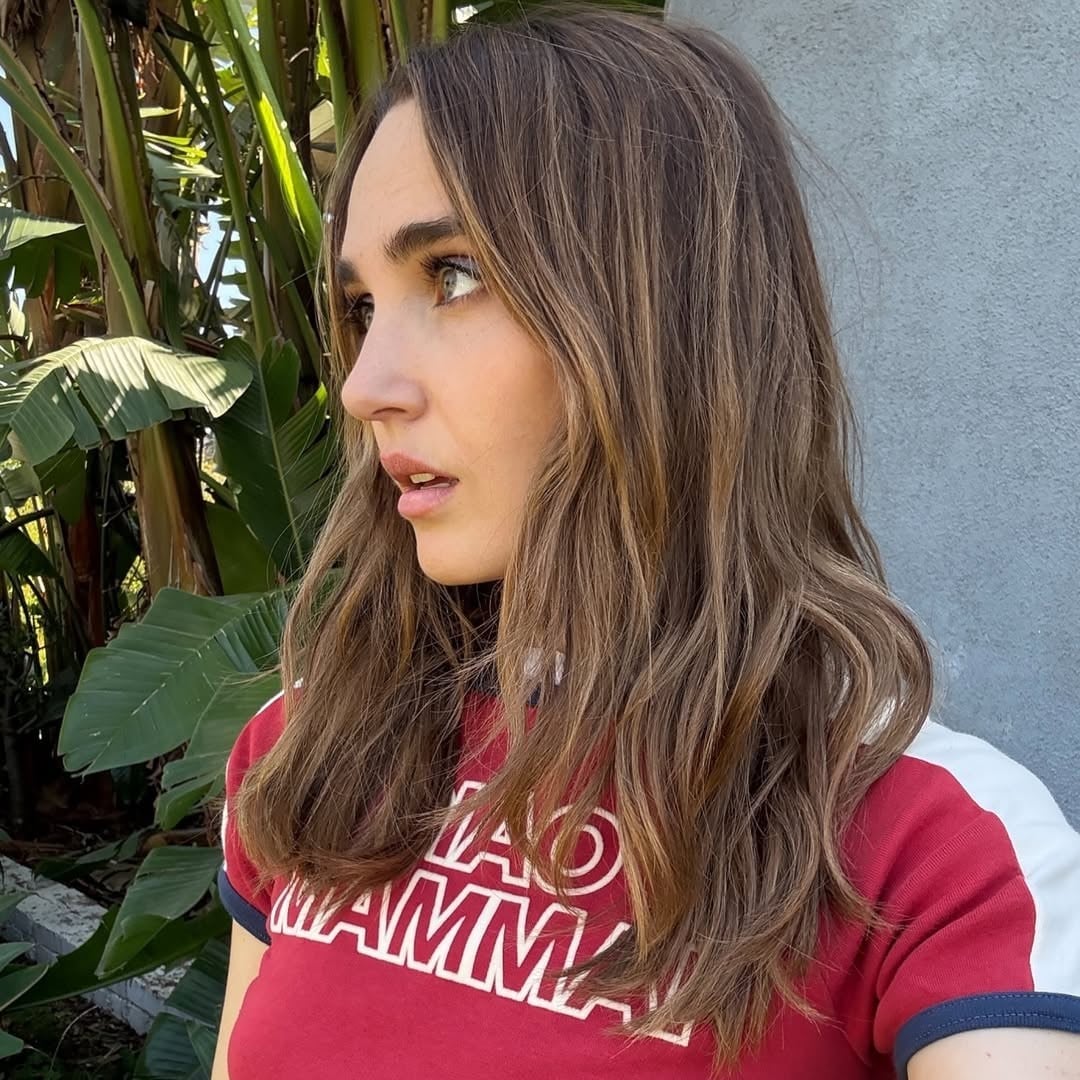
Can a subtle highlight still make a difference? Yes, when the lighter brown sits on a dark brown base at mid-back length. The side view catches the gentle lift, and the air-dried waves keep the effect relaxed rather than polished. Ask your colorist for: dark brown base with lighter brown highlights. Medium density, wavy hair takes well to the lived-in tone, which looks natural even as the roots grow. This is a summer-friendly choice, since the lighter pieces echo the sun-lightened shade that would happen anyway. A trim every ten to twelve weeks keeps the long layers from splitting, and air-drying with a light leave-in product preserves the texture.
Light Brown Base With Honey Blonde, Mid-Back
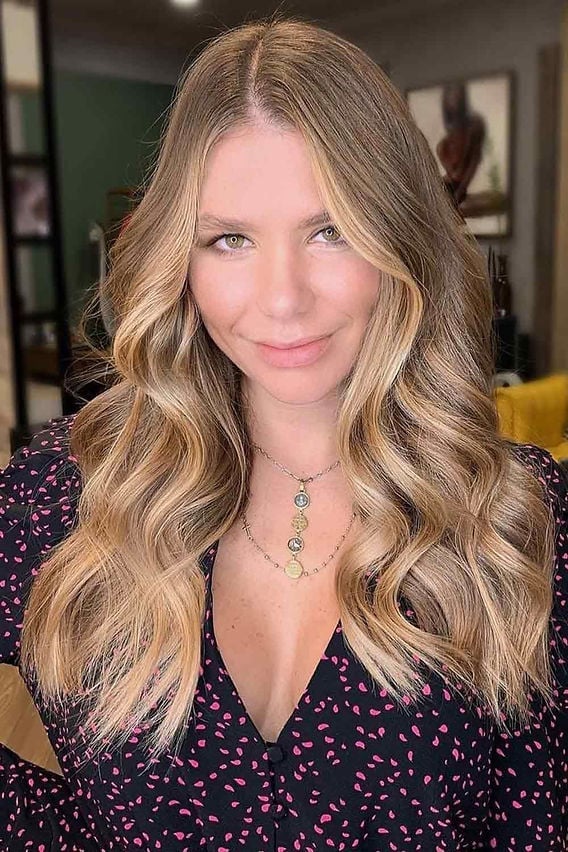
Honey blonde highlights on a light brown base deliver warmth at mid-back length. The middle part and loose waves let the dimensional color show from both back and side views. Ask your colorist for: light brown base with honey blonde highlights. Thick, wavy hair carries the honey tone well, and the lighter pieces sit close enough to the base that the grow-out stays soft. When booking, specify that you want the highlights concentrated through the mid-lengths and ends, with the roots left darker. A shine serum on damp hair before diffusing brings out the gloss in the honey pieces. Layers get a trim every ten to twelve weeks to prevent the ends from thinning.
Dark Blonde Mid-Back With Dimensional Blonde, Wavy
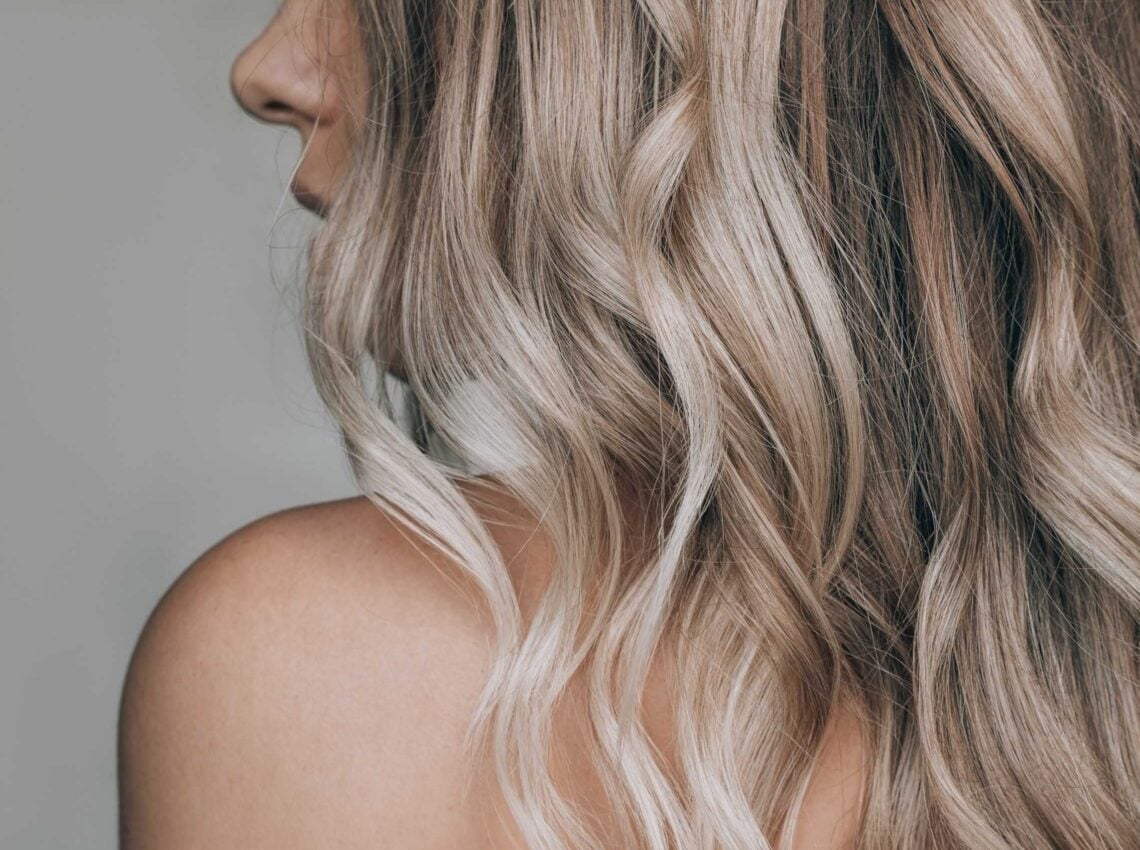
A flat color application gives you uniform color, but it can turn one-dimensional fast. This approach keeps a dark blonde base and paints in lighter blonde highlights at varying widths and intensities, so the mid-back length layers look textured and not flat. Thick, wavy hair with a side parting works well here. The natural wave pattern catches the lighter pieces and amplifies the depth. Ask your colorist for a dark blonde base with dimensional blonde highlights. A salon visit is the only way to get this kind of hand-painted variation; a box dye at home tends to hit every strand the same way. Stick with the air-dried texture the cut is built for and schedule a trim every 10 to 12 weeks to keep the layers moving cleanly.
Dark Blonde Mid-Back With Bright Highlights, Layers
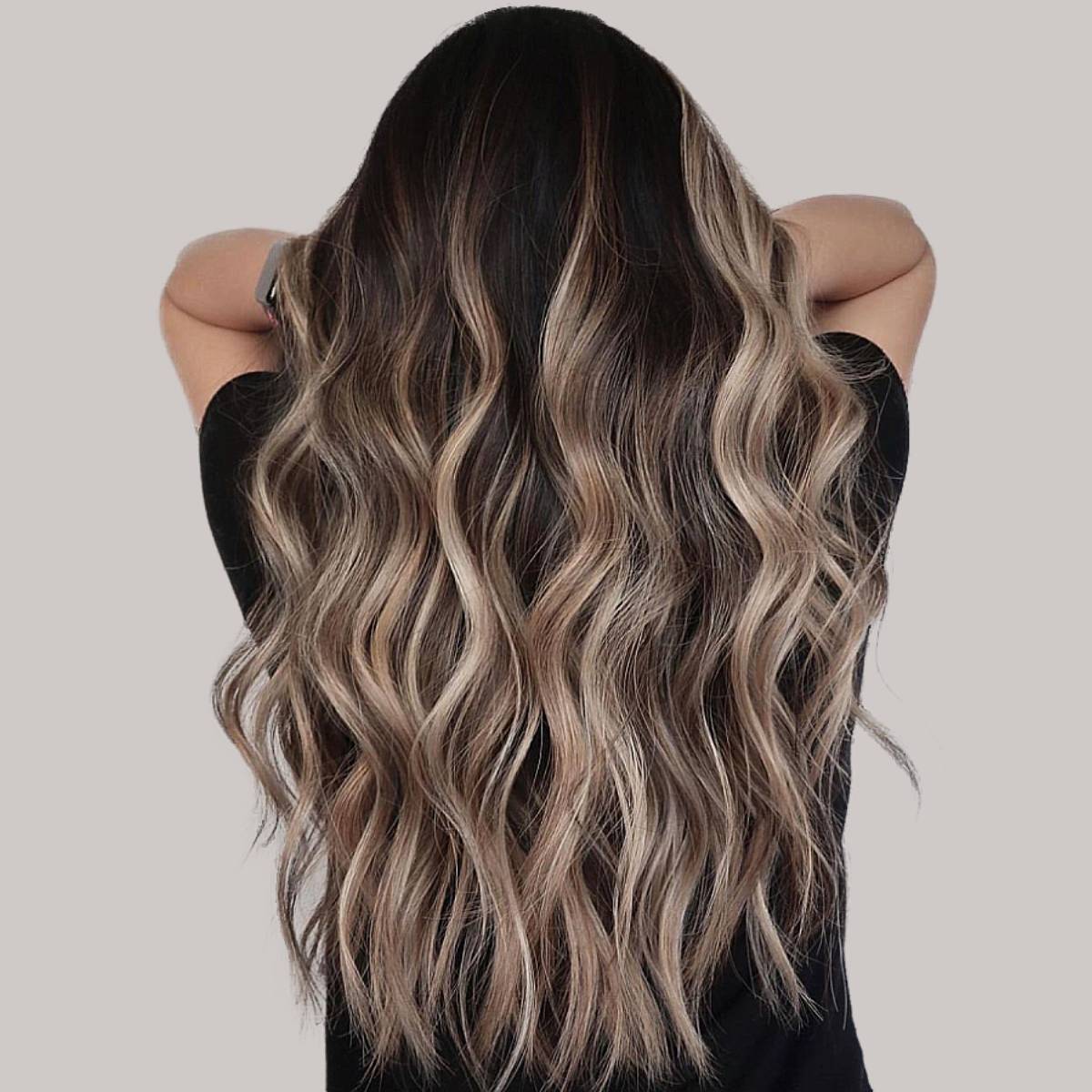
Bright highlights on a dark blonde base are built by weaving fine sections of lighter blonde through the mid-shaft and ends, leaving the root area largely untouched. The back view of this mid-back length cut shows how the lightness clusters through the layered sections rather than sitting in a solid band. Thick, wavy hair with a loose-wave blowout gives those brighter pieces enough surface area to register without competing with the base. Ask your colorist for a dark blonde base with bright blonde highlights. The technique relies on delicate sectioning, a heavy hand and you lose the separation between base and highlight. A glossing treatment every six to eight weeks keeps the bright tones from turning brassy, especially on hair that sees regular heat styling.
Medium Brown Mid-Back With Seamless Highlights, Wavy
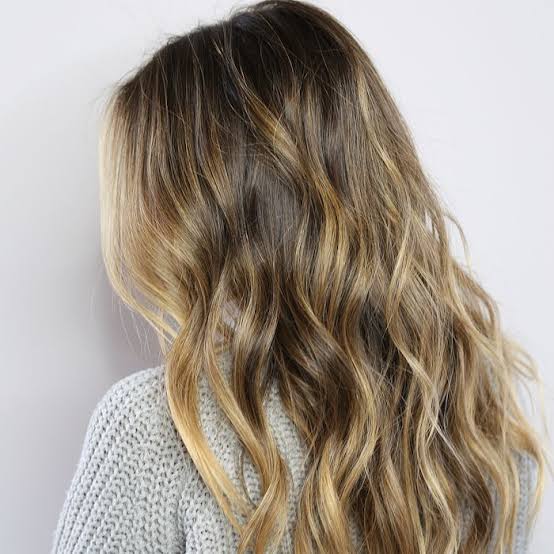
Seamless highlights are built to avoid the sharp line between base and lighter pieces, and this medium brown mid-back cut with a middle part shows exactly that effect. The lighter blonde strands blend into the medium brown base so gradually that the back view looks naturally sun-lightened. Thick, wavy hair is the obvious candidate here, but anyone with medium to high density will get the same soft transition because the technique relies on spacing. Ask your colorist for a medium brown base with seamless blonde highlights. A smoothing serum on the ends keeps the wavy blowout defined without weighing down the movement. Plan for a toning appointment every 8 to 10 weeks to maintain the contrast, and a trim every 10 to 12 weeks to keep the layers from losing their shape.
Final Thoughts
If you want the lowest upkeep, keep your highlights within two shades of your base and concentrate them around your face and through the ends. That placement gives you brightness where it counts and a grow-out that does not demand a salon visit every six weeks.
- Schedule a toning gloss every 6-8 weeks to maintain highlight vibrancy.
- Use a color-safe shampoo and conditioner to prevent fading.
- Apply a heat protectant spray before using hot styling tools.
- Deep condition your hair weekly to keep it hydrated and shiny.
Subtle highlights are the key to an dimensional color that looks like it grew that way.
