

Soft face-framing layers and curtain bangs are the quiet rebels of this season, replacing heavy, side-swept fringes and poker-straight lengths. The shift is toward cuts that let your natural texture do the talking, with lived-in color adding depth without the weekly salon visit.
These 27 Natural Hair Ideas cover everything from a five-minute wash-and-go to a three-hour protective style, so there is something for fine strands that fall flat by noon and thick coils that need serious volume management. No matter your hair density, face shape, or how much time you have before work, one of these cuts will save you from another bad hair day.
Shoulder Length Loose Curls With Face Framing Layers
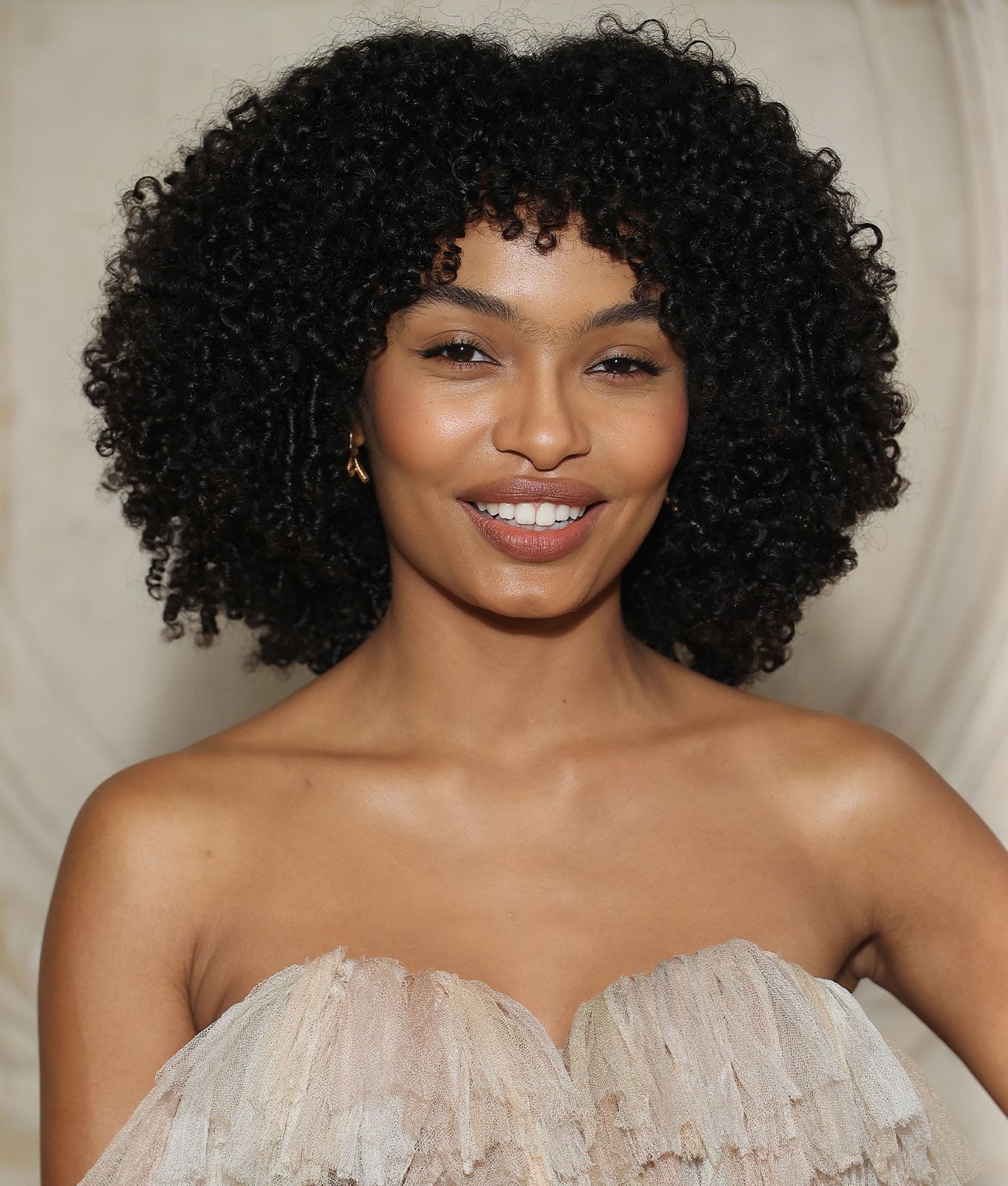
Long layers do two things for thick, curly hair: they prevent the dreaded triangle shape and let each curl fall where it wants. This shoulder-length cut with face-framing layers and a middle parting keeps the weight distributed so the volume sits at the sides, not the crown. The defined, air-dried curls read as polished without looking stiff. Ask your stylist for: shoulder length cut with face-framing layers. It works on most face shapes because the layers soften the jaw and cheekbones equally. A curl-defining cream applied to damp hair is all it takes; refresh with a light mist the next day.
Layered Bob With Soft Curtain Bangs
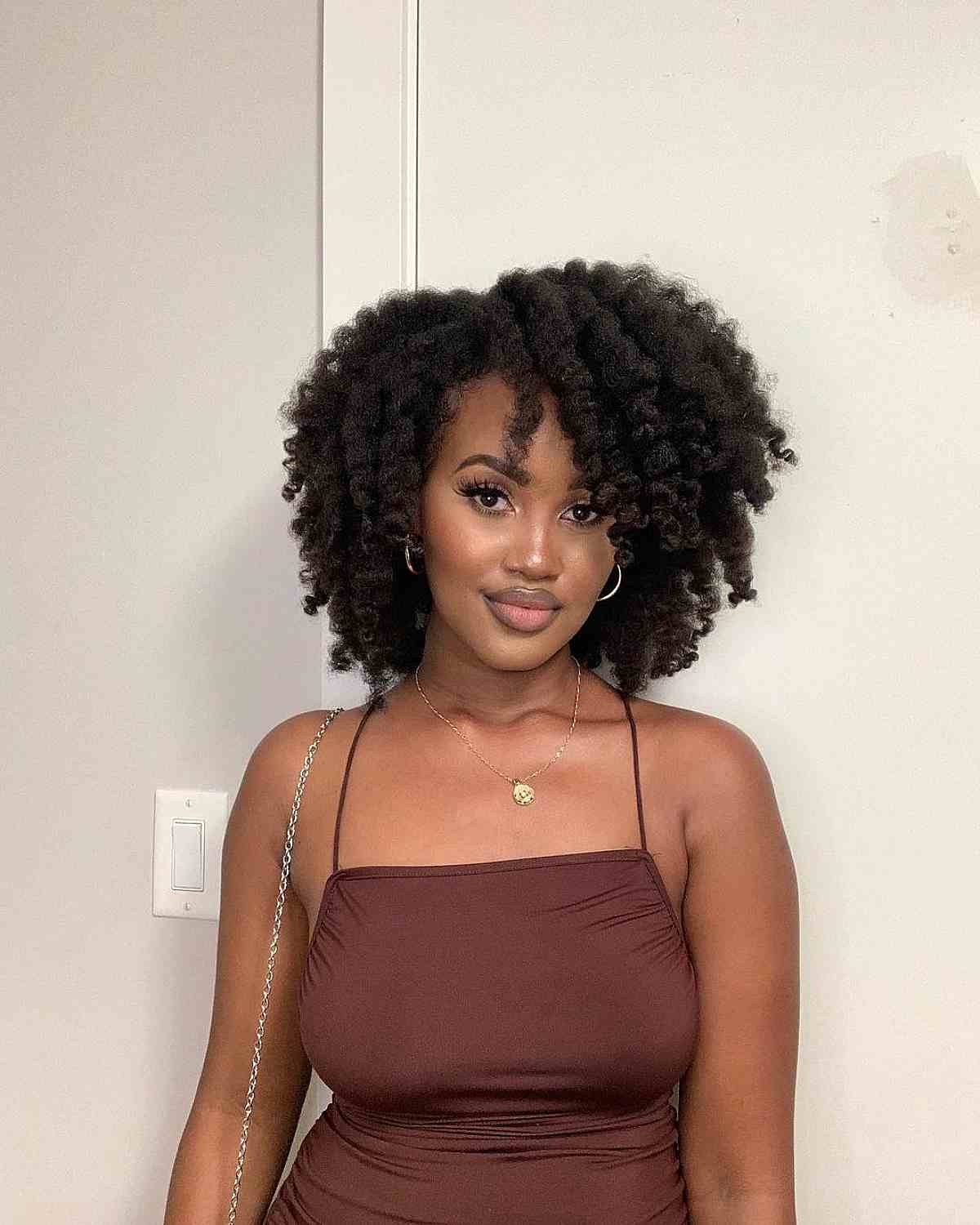
Can a bob still feel low maintenance? Yes, if you keep the layers soft and the bangs curtain-shaped. This collarbone-length version uses a middle parting and air-dried wavy texture to avoid any helmet-like stiffness. The curtain bangs blend into the sides, so they grow out gracefully rather than demanding a trim every three weeks. Ask your stylist for: collarbone length layered bob, soft curtain bangs. The style suits thick, wavy hair best, and the bangs can soften a square or round face. A lightweight spray on the ends keeps the shape intact; plan a trim every six to eight weeks.
Collarbone Curly Cut With Voluminous Curtain Bangs
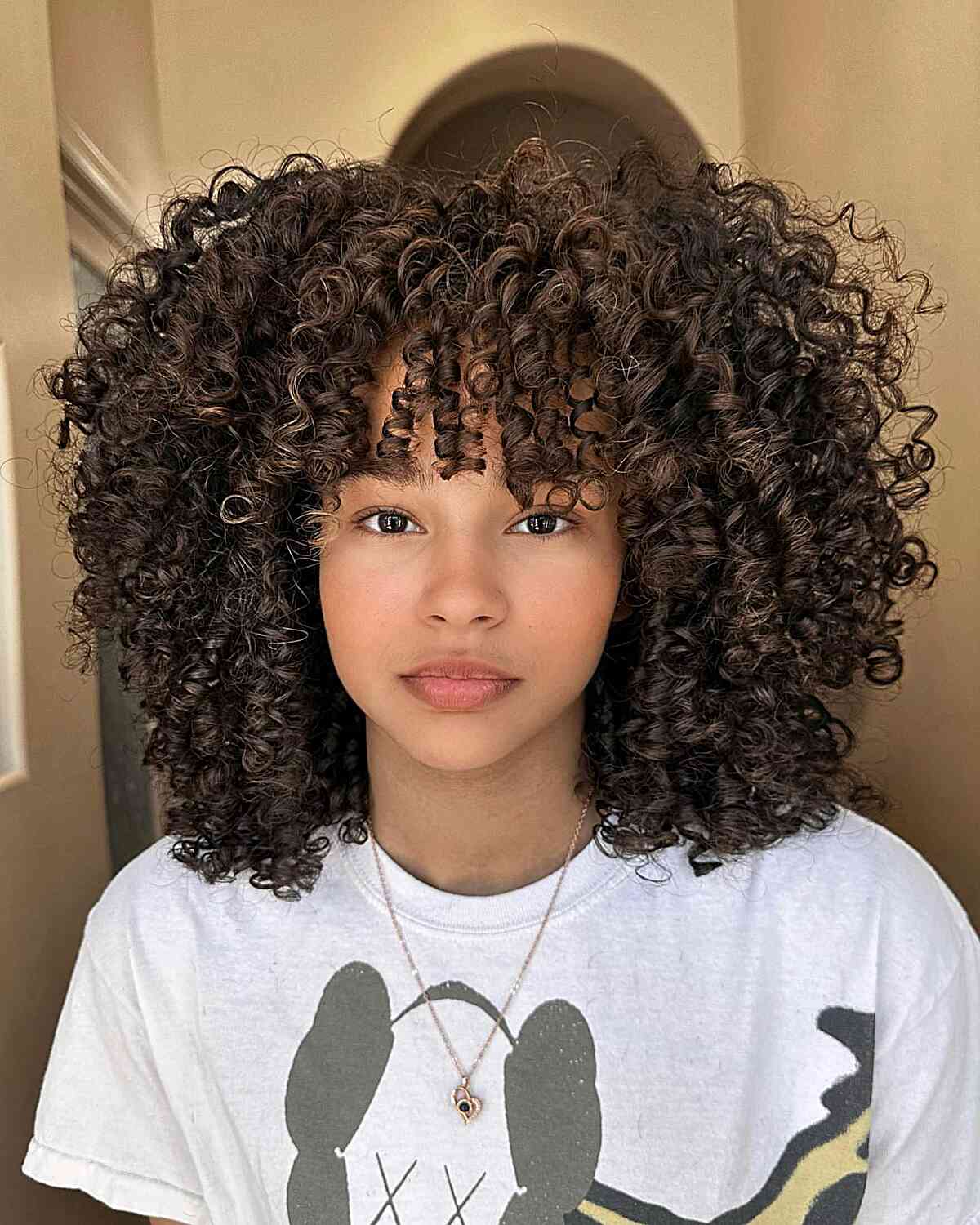
The trick to volume in collarbone-length curly hair is layering from the ears down, not the crown. That way the curtain bangs get the lift while the body stays dense. This cut uses subtle lighter highlights to separate the curls so each one reads individually rather than clumping into one solid shape. Ask your stylist for: collarbone length curly cut, voluminous curtain bangs. A curl enhancer on damp hair and air drying is the routine; the bangs may need a quick trim every four weeks to keep them off the eyes.
Mid-Back Length Layered Style With Curtain Bangs
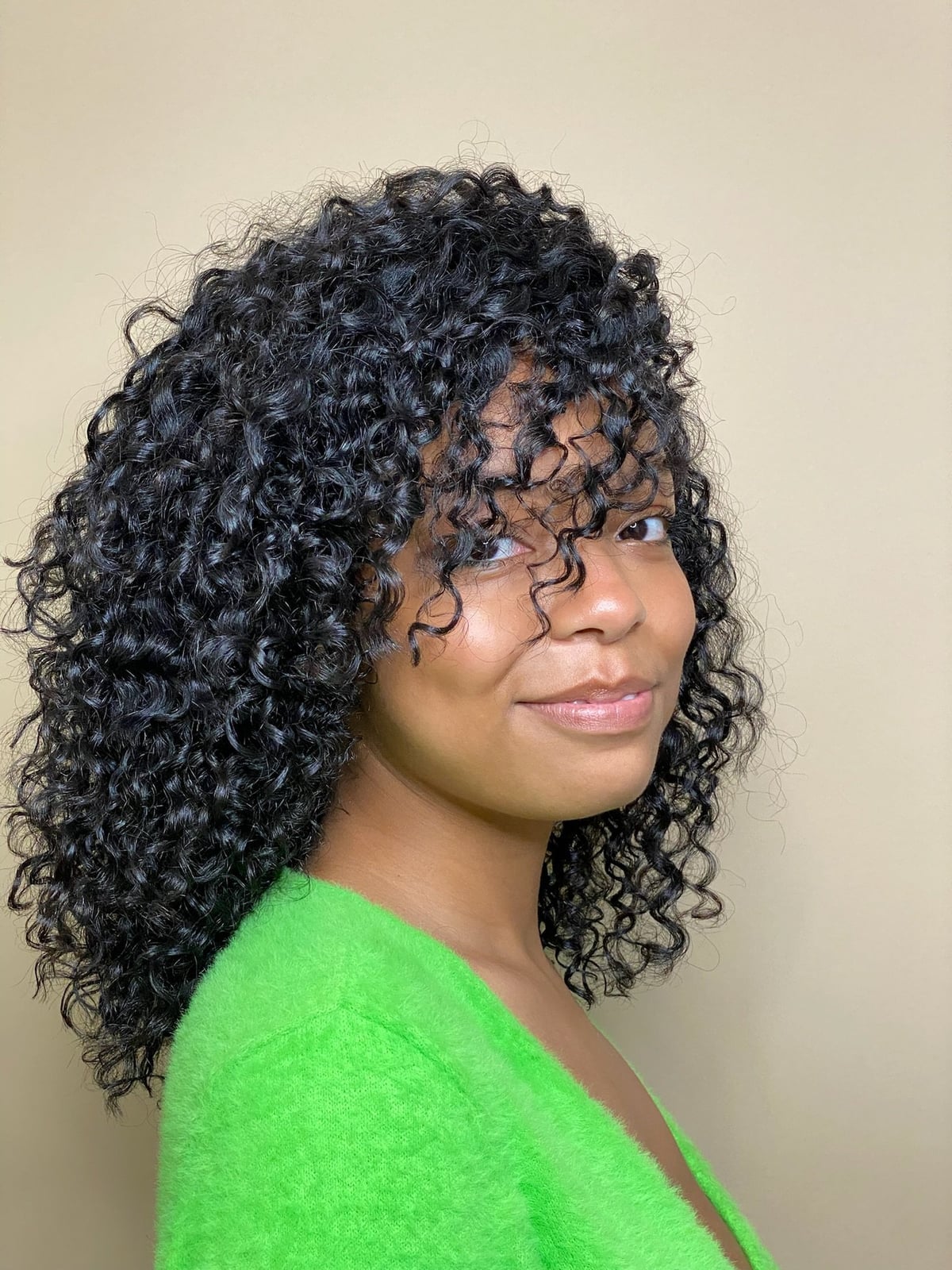
Long curly hair without layers is just heavy hair. This mid-back length style adds curtain bangs and face-framing layers to break up the weight, so the curls bounce rather than hang. The middle parting and air-dried texture keep it from looking like a blowout that took an hour. Ask your stylist for: mid-back length layered cut, curtain bangs. It suits most face shapes because the bangs can be swept to either side. The trade-off is time: a leave-in conditioner and careful scrunching are non-negotiable for definition. This is a salon cut to get the layering right, but the daily styling is DIY. Trim every 10 to 12 weeks to keep the ends healthy.
Mid-Back Length Voluminous Curls
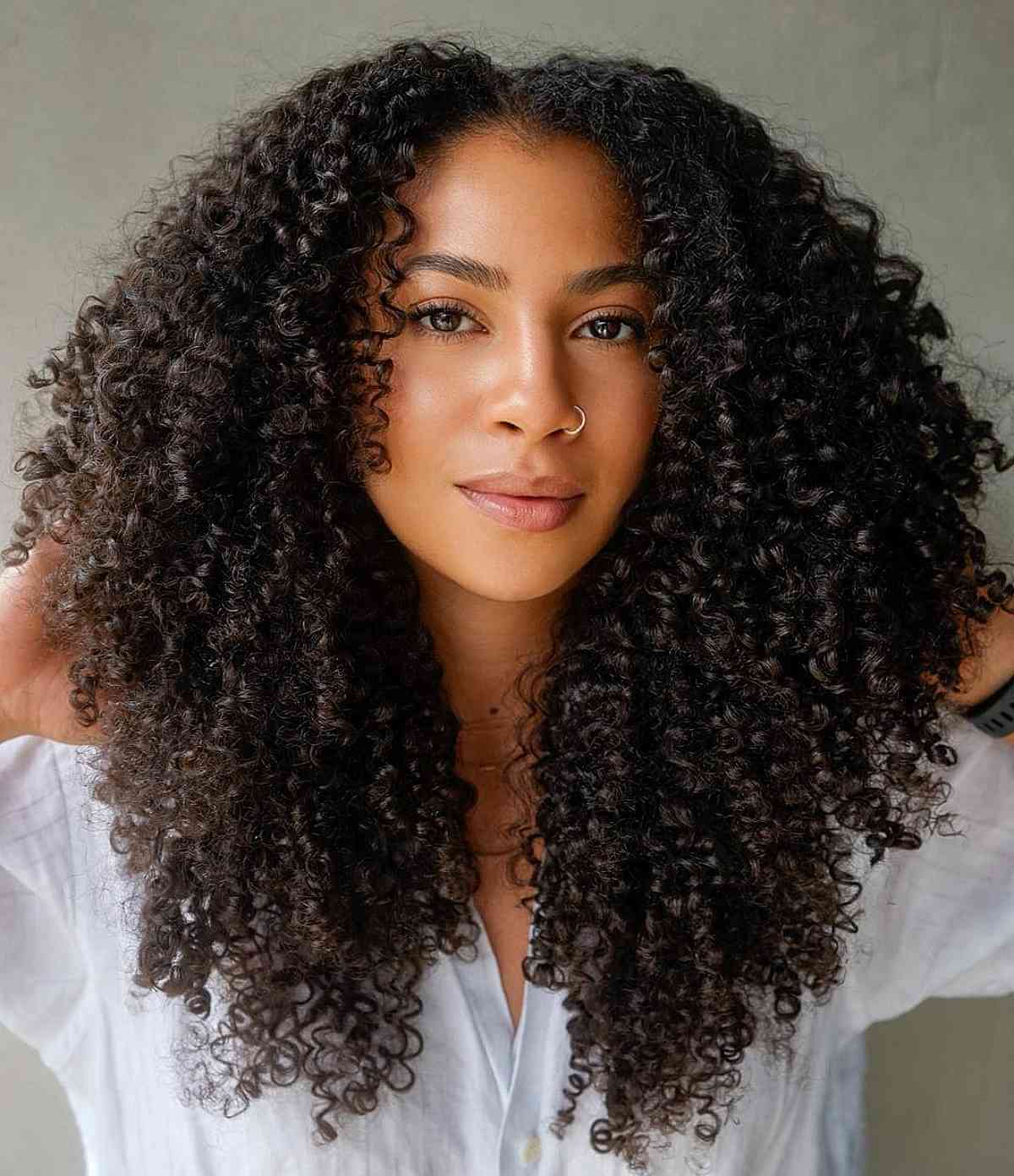
Mid-back length curls without bangs rely entirely on the cut and texture for shape. This dark brown style uses internal layers to prevent the hair from falling flat at the roots, so the volume starts at the crown and continues to the ends. The middle parting and air-dried finish give it a straightforward, no-fuss look. Ask your stylist for: mid-back length cut for volume. It works on thick, curly hair, but the weight of longer curls naturally pulls them down, so you need a curl-enhancing mousse and a good scrunch to keep the lift. A trim every 10 to 12 weeks prevents the ends from looking straggly. This is not a low-effort length for fine hair.
Shoulder Length Layered Black Curls
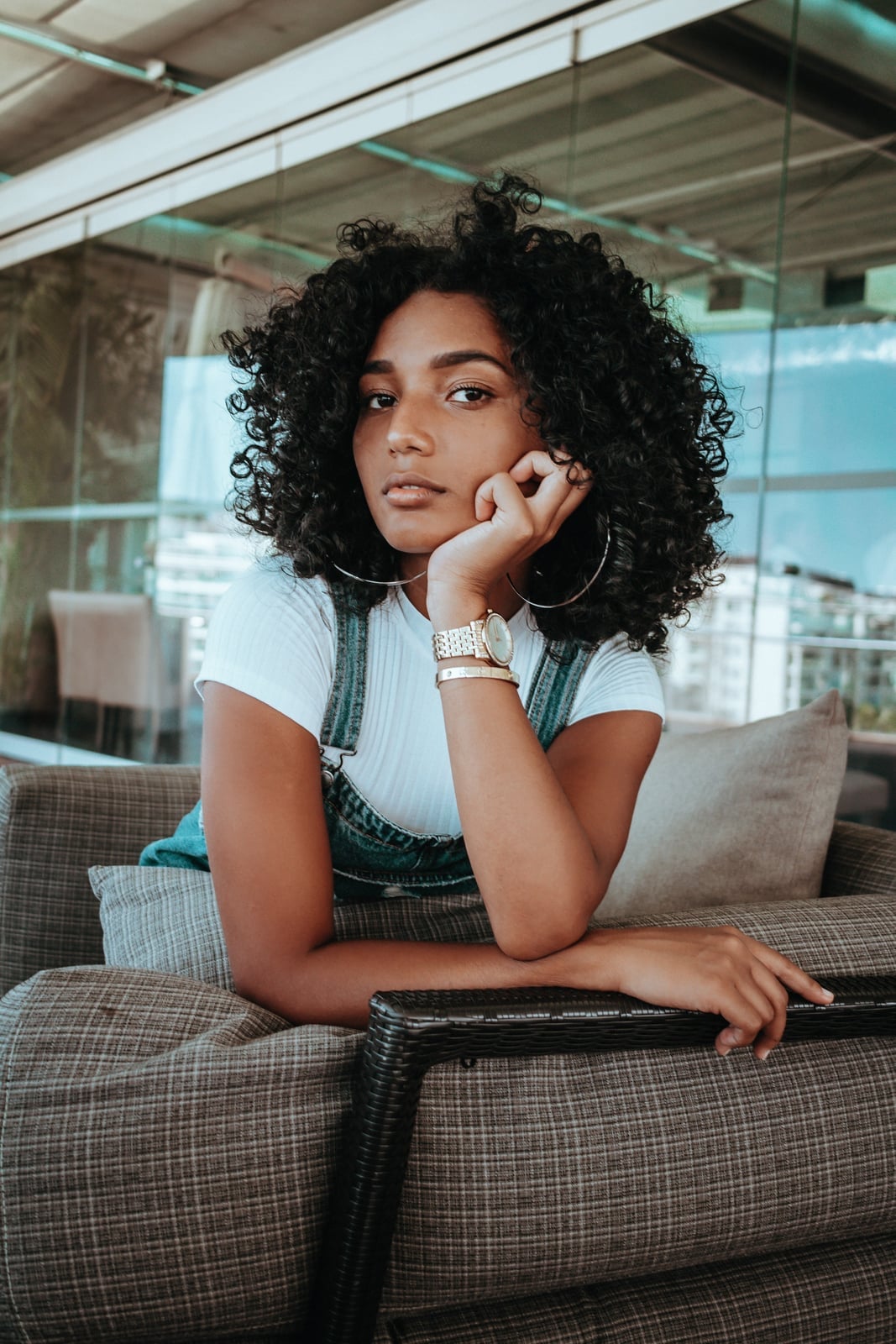
The logic is simple: thick curls need shape, not weight. A shoulder-length layered cut carves out the bulk so your natural texture springs up instead of sitting flat. Ask your stylist for a shoulder-length layered cut for volume, natural texture. A side parting breaks up the roundness and gives the eye somewhere to land. This cut works best on hair that already has density, fine curls will look thinner, not fuller. Use a wide-tooth comb on damp hair, then let it air-dry with a light oil on the ends. A trim every eight weeks keeps the layers defined and the shape balanced.
Voluminous Wavy Blowout
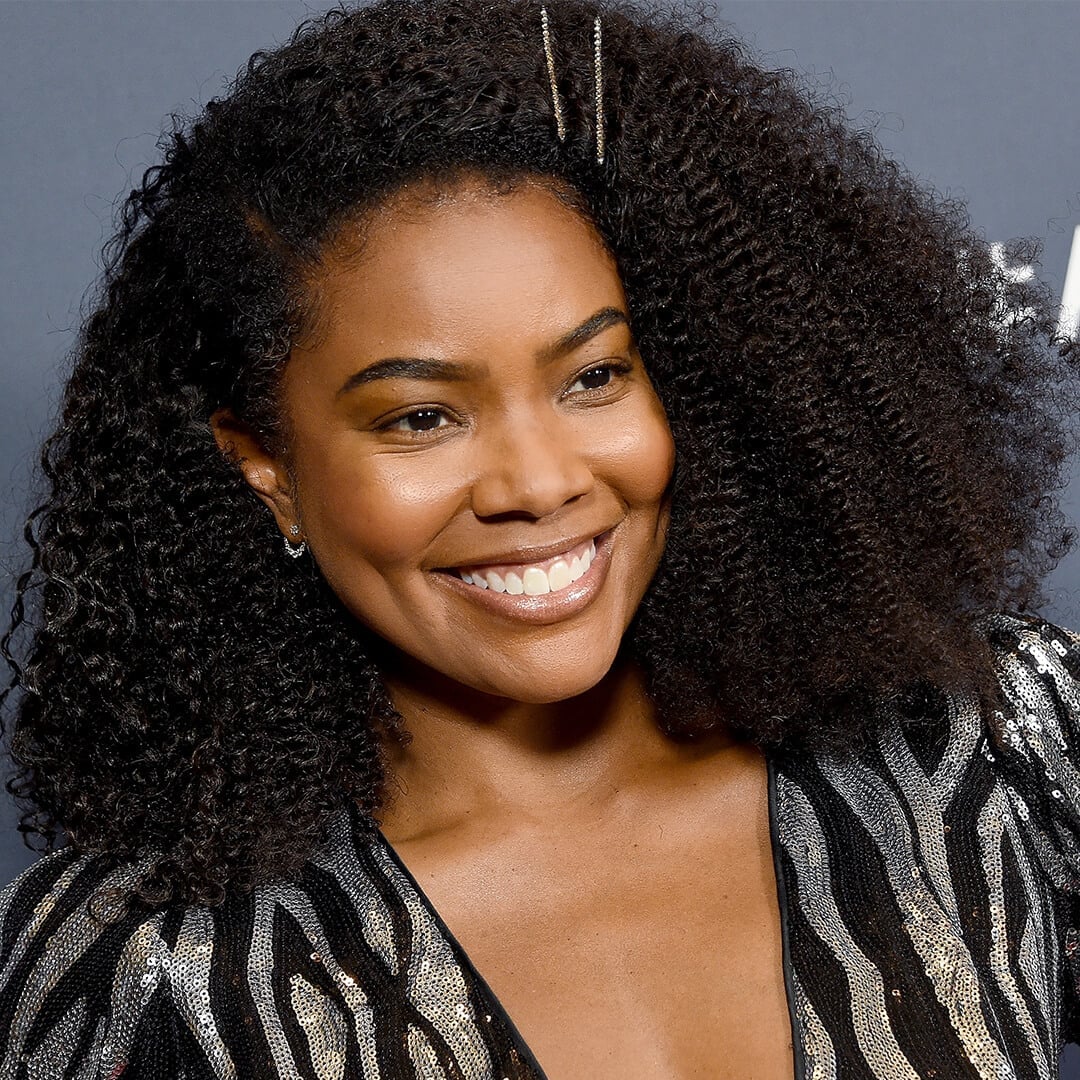
What happens when you take shoulder-length dark brown hair with caramel highlights, add soft layers and a side parting, then commit to a proper blowout? You get volume that lasts past lunch. Ask your stylist for: shoulder-length layered cut, soft waves, caramel highlights. The key is a round brush and a heat protectant, lift at the roots, curl the ends under, let the waves cool before you touch them. Thick wavy hair holds this shape best; fine hair may need a texture spray to keep the bend. The caramel highlights add depth, so the waves read as dimensional. A good choice for work or a dinner out, because it looks polished without looking stiff.
Collarbone Layered Bob With Caramel Highlights
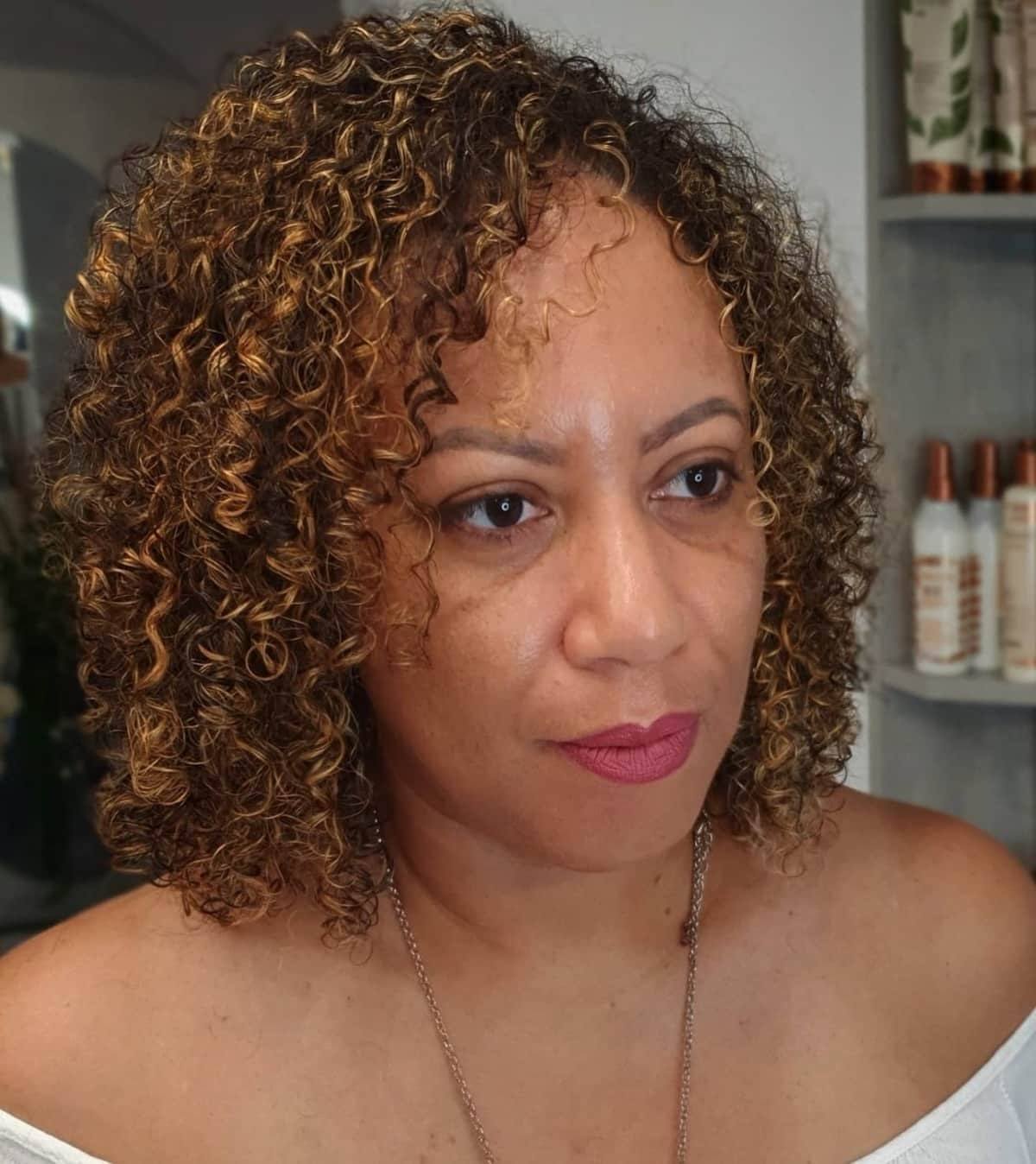
A solid-color layered bob is clean and graphic. Add caramel highlights, and the same cut becomes softer, more lived-in. The difference is in how the eye moves: highlights on each wave make the layers look like movement instead of just lines. Ask your stylist for collarbone layered bob, loose waves, caramel highlights. The medium brown base keeps it low-maintenance, no harsh root line to chase. Apply a texturizing spray on damp waves, then a quick blow-dry with a diffuser, and you are out the door in twenty minutes. A trim every eight weeks keeps the bob from creeping past the collarbone.
Who should choose which? If you want a sharp, architectural shape, go solid. If you want dimension without a full balayage, caramel highlights are the middle ground that actually works.
Mid-Back Blonde Waves With Face Framing Braids
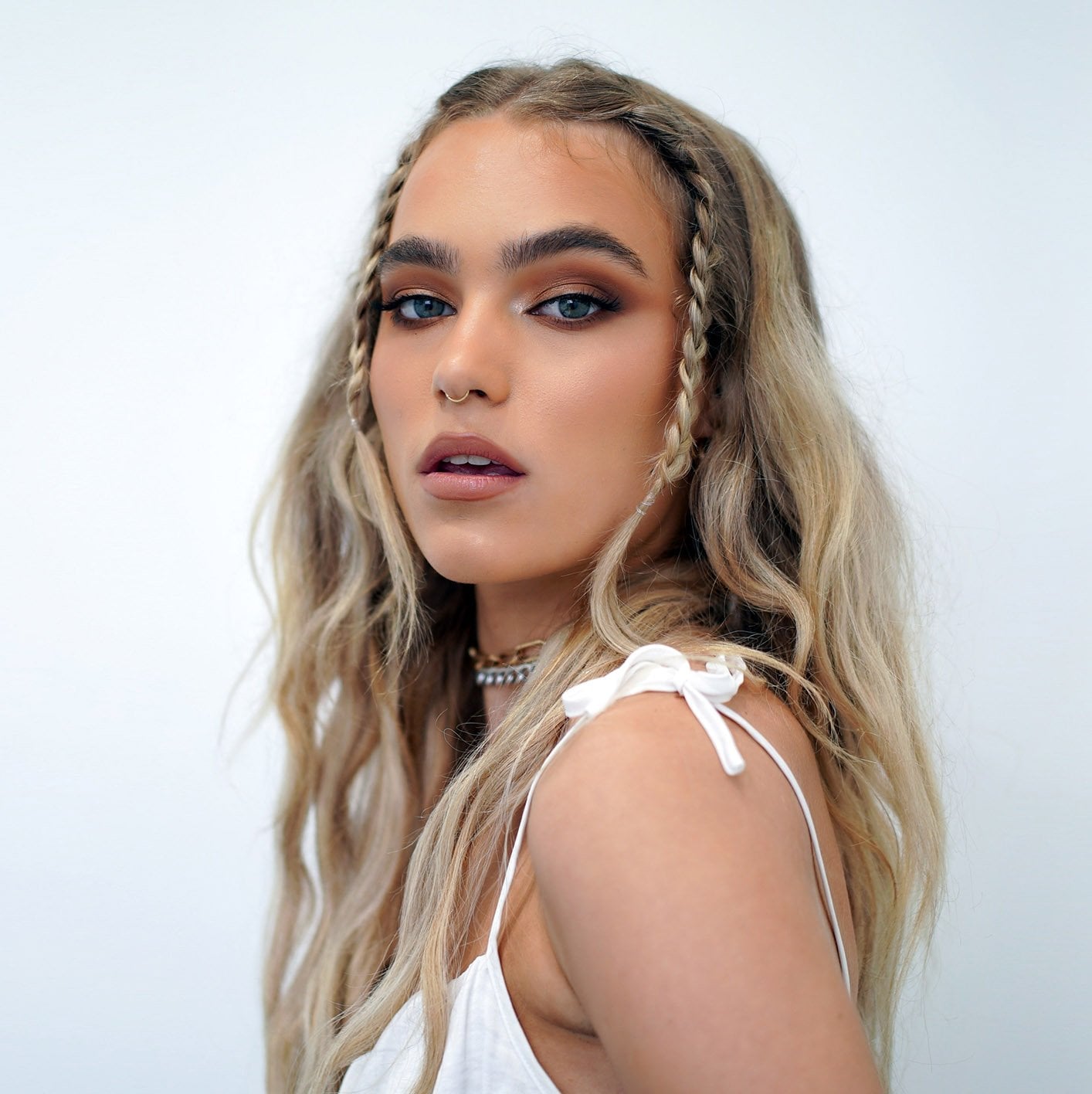
Two small braids frame the face, but the rest stays loose and wavy. The contrast is the point: the braids add structure to the sides, while the long blonde waves keep the overall feel soft. Ask your stylist for mid-back length wavy style, two face framing braids. The braids start at the temple and tuck behind the ear, so they pull the eye outward rather than down. This works well for fine, wavy hair. The braids add visual weight where the hair is thinnest. Braid damp sections for a more defined texture, or braid dry hair for a softer, more casual finish. A trim every ten to twelve weeks keeps the ends from looking wispy.
The technique is simple enough to do at home after a wash, but the precision of the placement is worth asking for in the salon the first time.
Shoulder Length Natural Afro
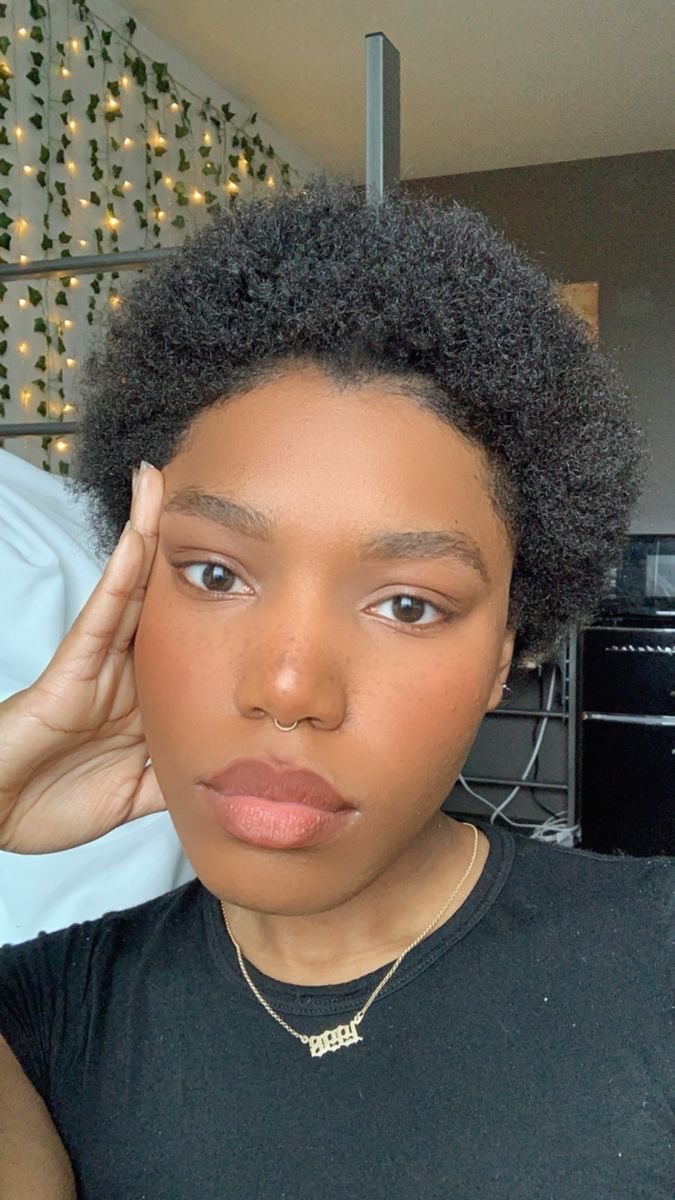
Can you get a full, rounded afro shape without a salon visit? Yes, but the cut is the foundation. A shoulder-length afro relies on even length all over, with no heavy spots that pull the shape down. Ask your stylist for shoulder-length afro, natural texture. After that, it is all about hydration and lift. A moisturizing spray daily keeps the coils from drying out. Use a pick at the roots to lift the shape upward, not outward. That is how you avoid the dreaded flat top. The middle parting is optional; you can also let the hair fall where it wants.
To get close at home: wash, apply a leave-in conditioner, pick through wet hair, then air-dry without touching it. A trim every six weeks maintains the round silhouette.
Short Dark Brown Coily Afro
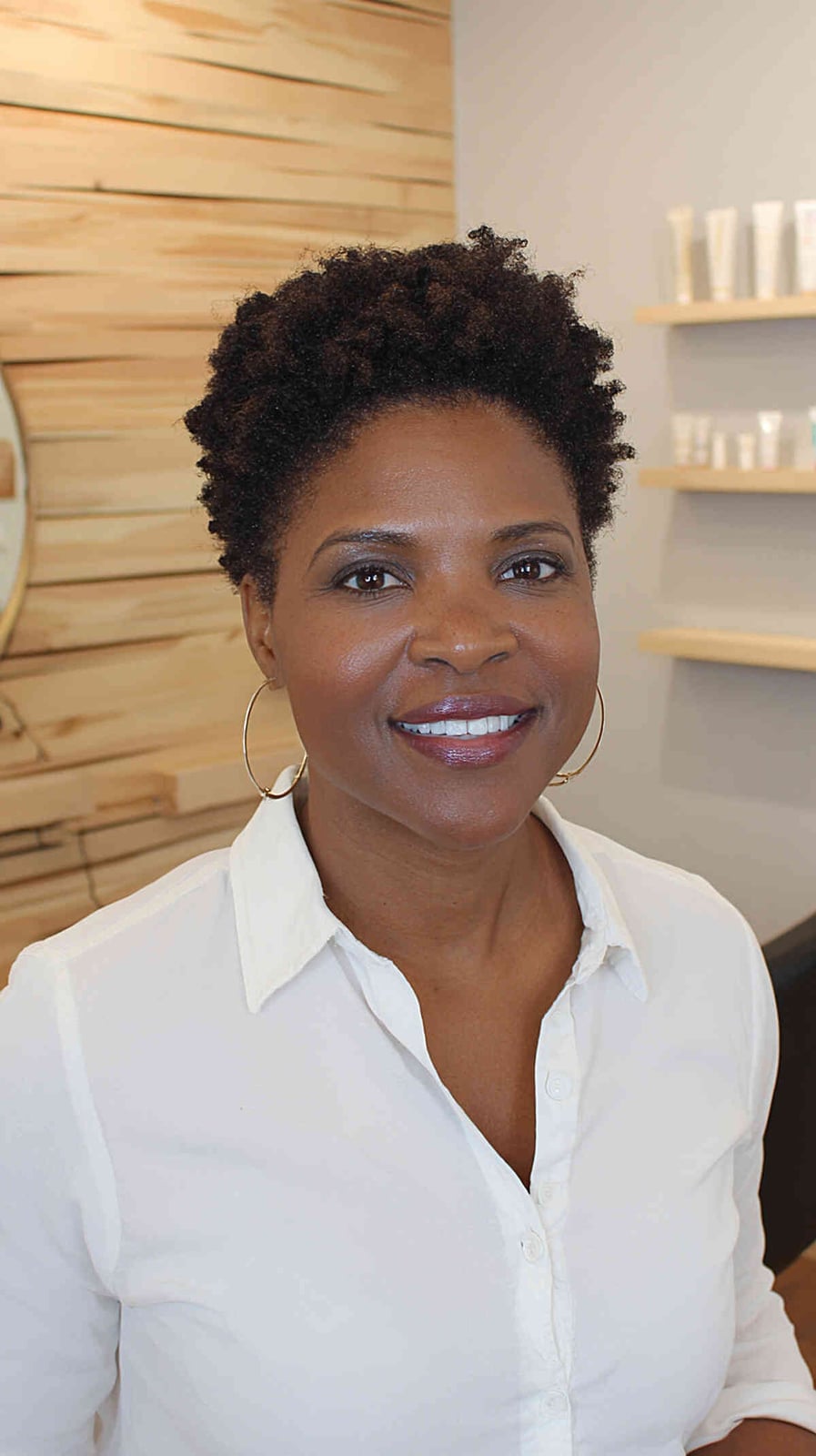
A short afro built on thick, dark brown coily hair is a statement of volume and texture. The middle parting keeps the shape symmetrical without effort. This works best on coily hair cut to chin length or shorter, where the natural spring holds the round silhouette. Ask your stylist for: short afro, natural texture. The honest trade-off: maintaining that crisp dome shape requires a trim every 10 weeks, because uneven growth shows fast on a uniform cut. A leave-in conditioner and a soft brush handle daily shaping, but this is a salon shape that needs regular discipline.
Chin Length Coily Twists
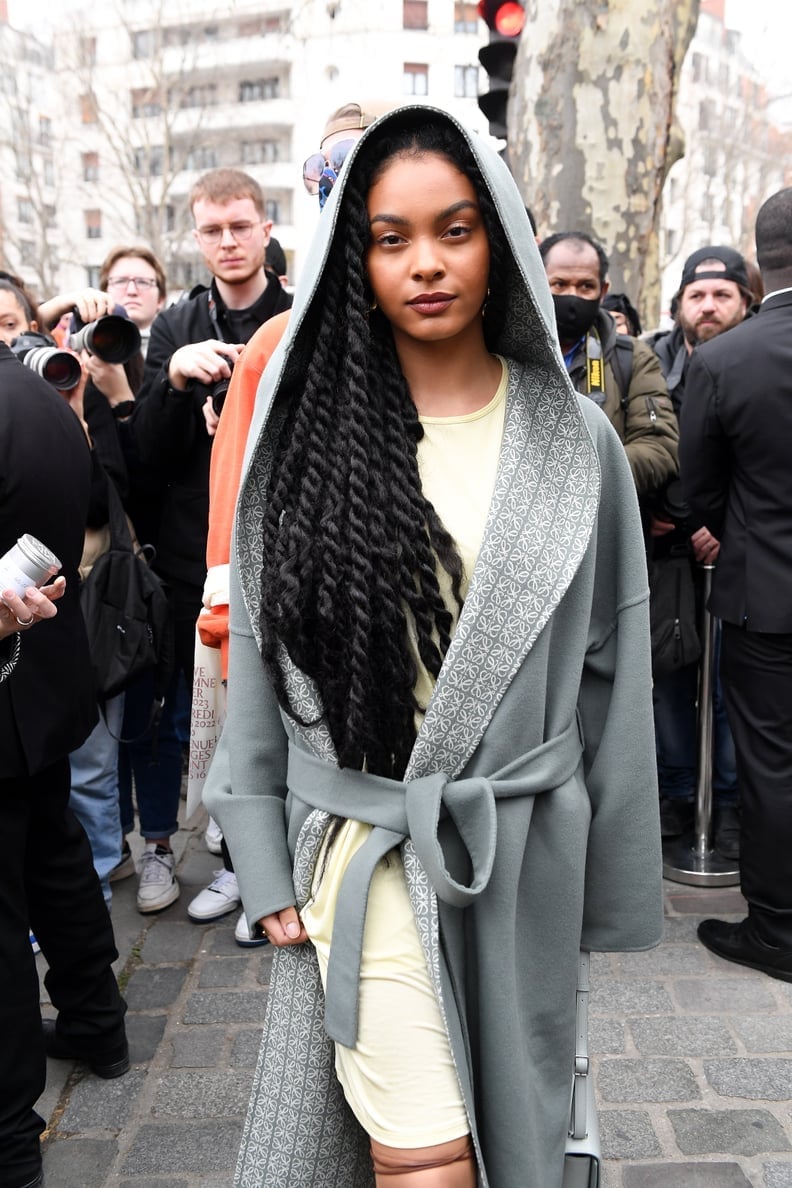
Neat coily twists cut to chin length are a protective style that puts definition front and center. The side parting breaks up the symmetry and adds a little visual movement. These work best on coily hair that can hold a twist without slipping. Ask your stylist for: chin length coily twists. The upkeep is predictable: moisturize every few days, wrap the hair at night in a silk scarf, and plan a re-twist appointment every four to six weeks. The style stays tidy between visits with minimal effort, which is the whole point.
Chin Length Curly Bob
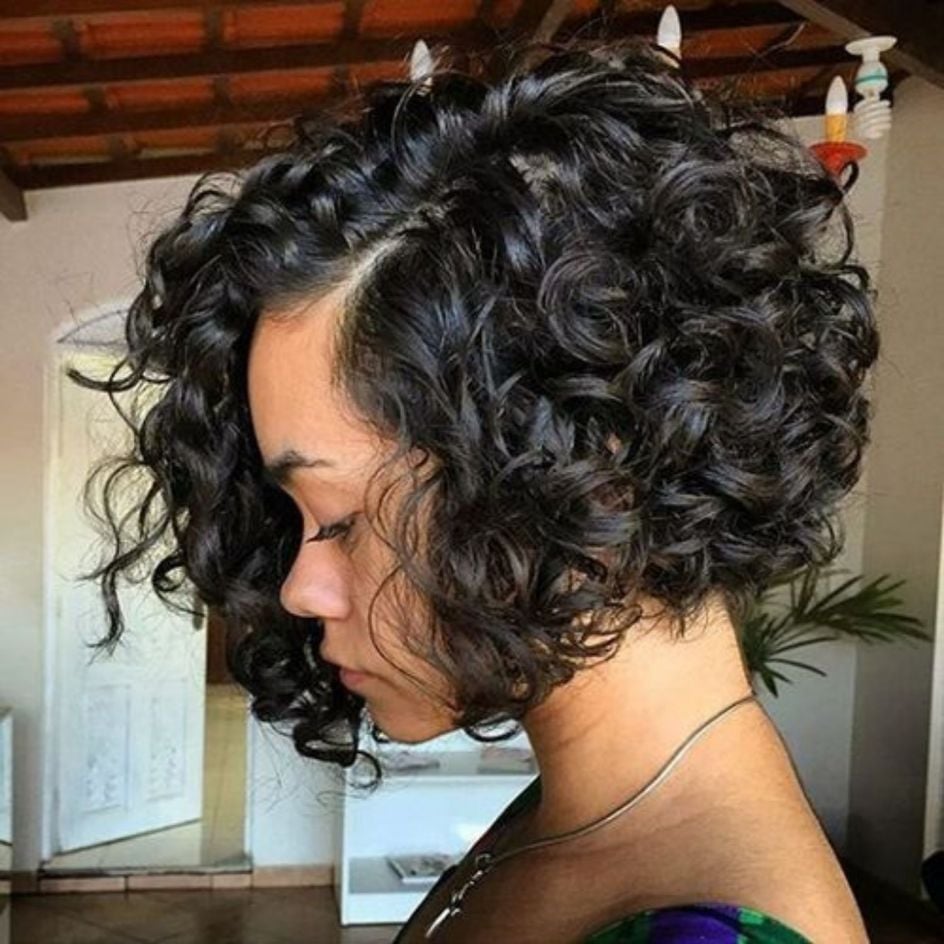
Does a chin-length bob work with thick, defined curls? Yes, but only if the cut respects your curl pattern. This dark brown bob lands right at the chin, with a side parting that lets the curls fall forward naturally. The cut encourages each curl to clump, giving a glossy, air-dried finish. Ask your stylist for: chin length curly bob, defined curls. This shape suits oval and heart-shaped faces best; rounder faces may find the blunt line at the chin too enclosing. The key is the internal layering that stops the bob from taking on a triangular shape.
Sleek Chin Length Blunt Bob
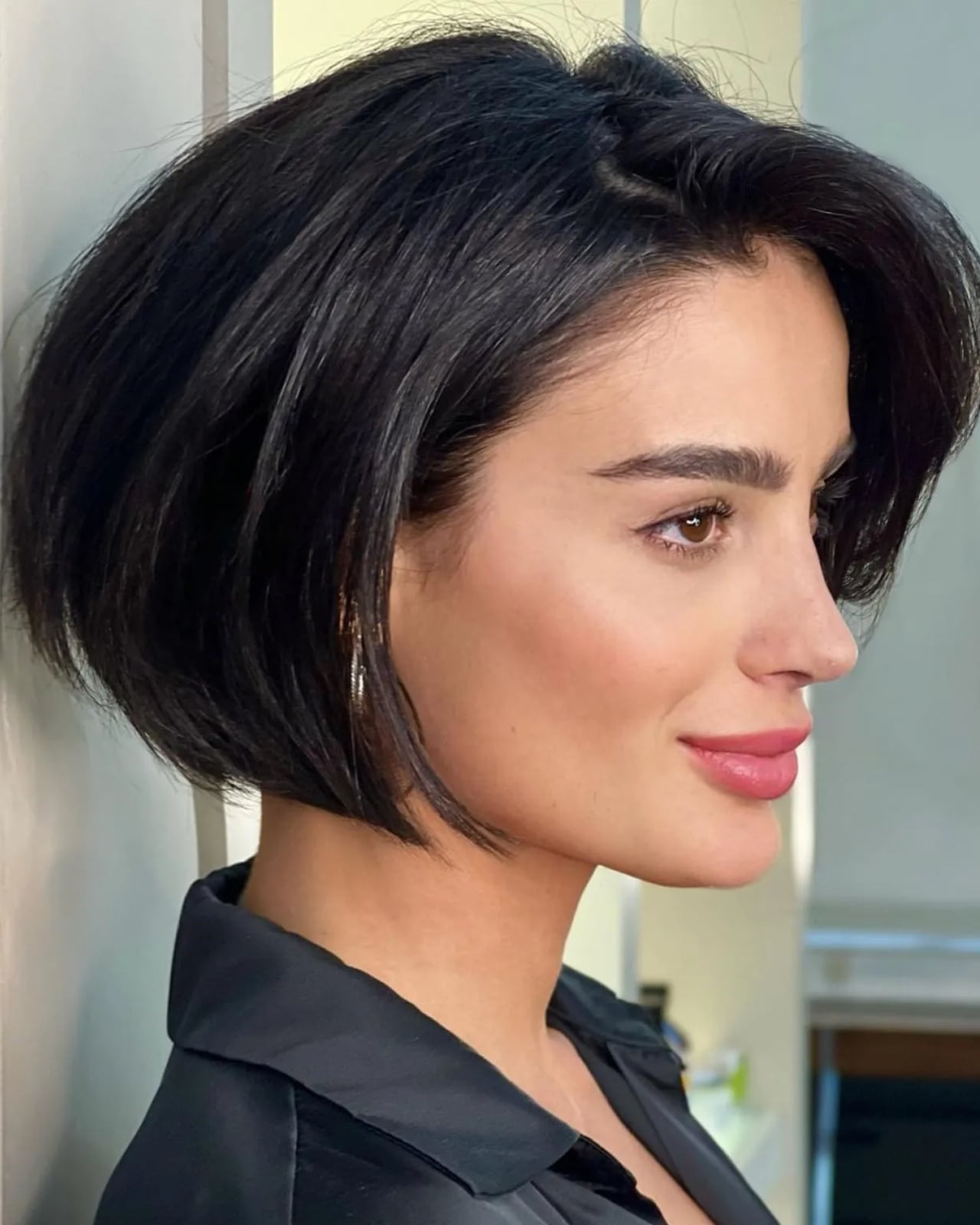
A blunt bob cut straight across at the chin works because the sharp line creates an illusion of thickness in fine, straight hair. The side parting adds a little asymmetry to an otherwise severe shape. Ask your stylist for: chin length blunt bob, sleek finish. The common mistake is trying to cut this at home. One wrong snip and the baseline is gone, and frizz shows on fine textures within hours. A salon does it with a flat iron and a steady hand. The drawback: the blunt edge needs a trim every six weeks or the line softens into something that looks more accidental than intentional.
Tapered Afro With Cropped Sides
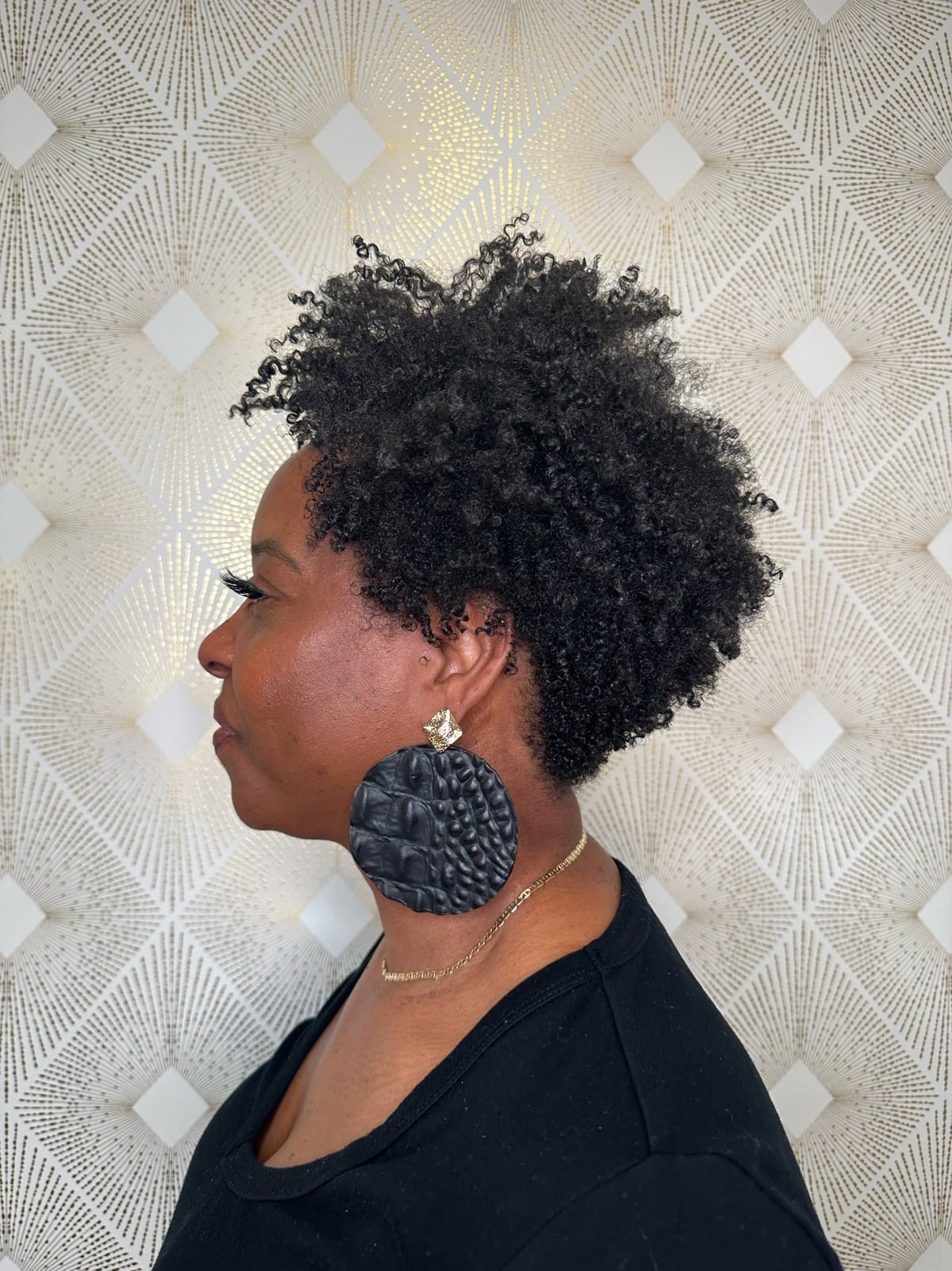
A tapered afro is built by keeping the sides and back closely cropped while leaving volume concentrated on top. The side profile shows the gradient clearly: the hair transitions from almost bare at the nape to a full coil shape at the crown. This works best on thick, coily hair that holds the shape without product stiffness. Ask your stylist for: tapered afro, cropped sides, volume on top. The technique is precise fading, not guesswork. A moisturizing balm on the scalp and coils keeps the skin happy and the shape soft, but the fade is what makes the style look deliberate.
Tapered Undercut With Purple Ombre
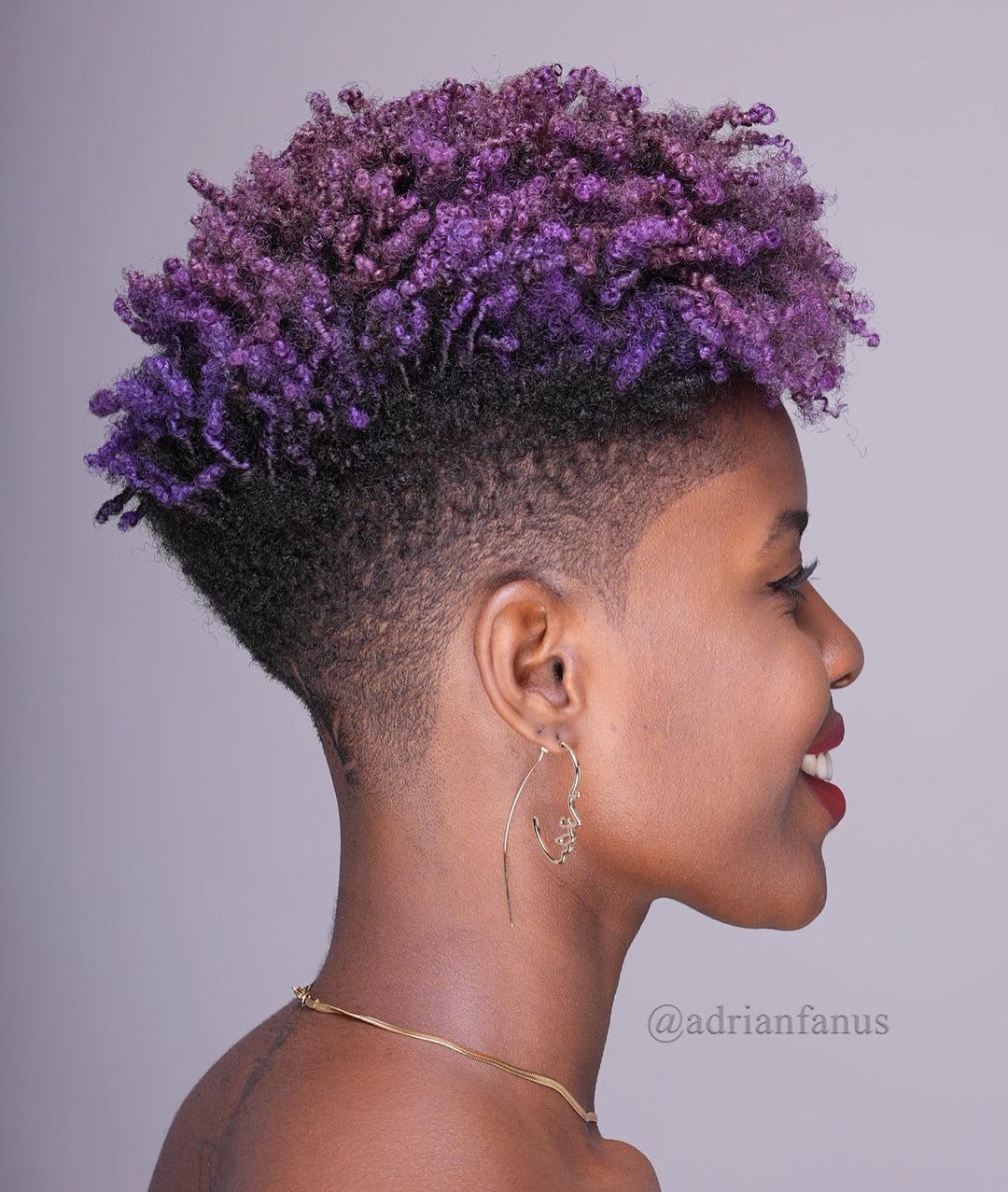
It’s not a full-on mohawk, but a tapered undercut keeps the bulk in check while letting the color do the talking. This ear-length cut suits thick, coily hair that can handle the contrast between close-shaved sides and a dense, curly top. Ask your stylist for: tapered undercut, purple ombre. The ombre starts dark at the roots and fades to a vivid violet at the tips, which means you’ll want a color-safe shampoo and a toning conditioner to keep the purple from turning muddy. Expect to refresh the undercut every three to four weeks to maintain the shape, and use a curl-defining cream on the top section to keep the coils separated.
Voluminous Upward Styled Afro
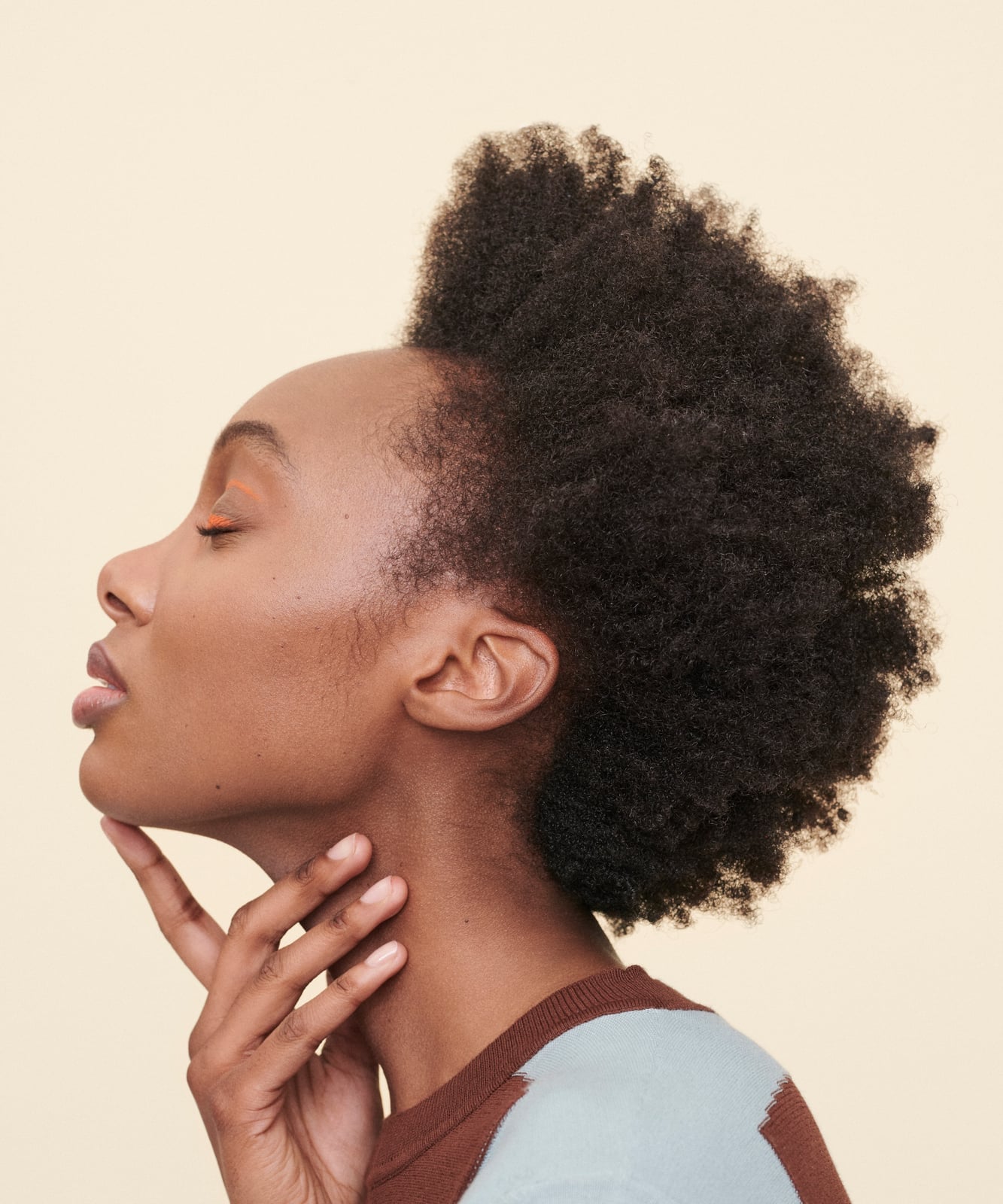
How much time are you willing to spend on volume in the morning? This ear-length afro is styled upward and away from the face, which takes a few minutes with a large pick and a spritz of water or leave-in. The thick, coily texture holds the shape well once it’s set, but the drawback is that the style can flatten by midday if you skip a refresh. A middle parting keeps the silhouette balanced. Ask your stylist for: voluminous afro, styled upwards. This is a cut that rewards regular shaping trims every six to eight weeks to keep the round profile crisp.
Short Blonde Curly Pixie Cut
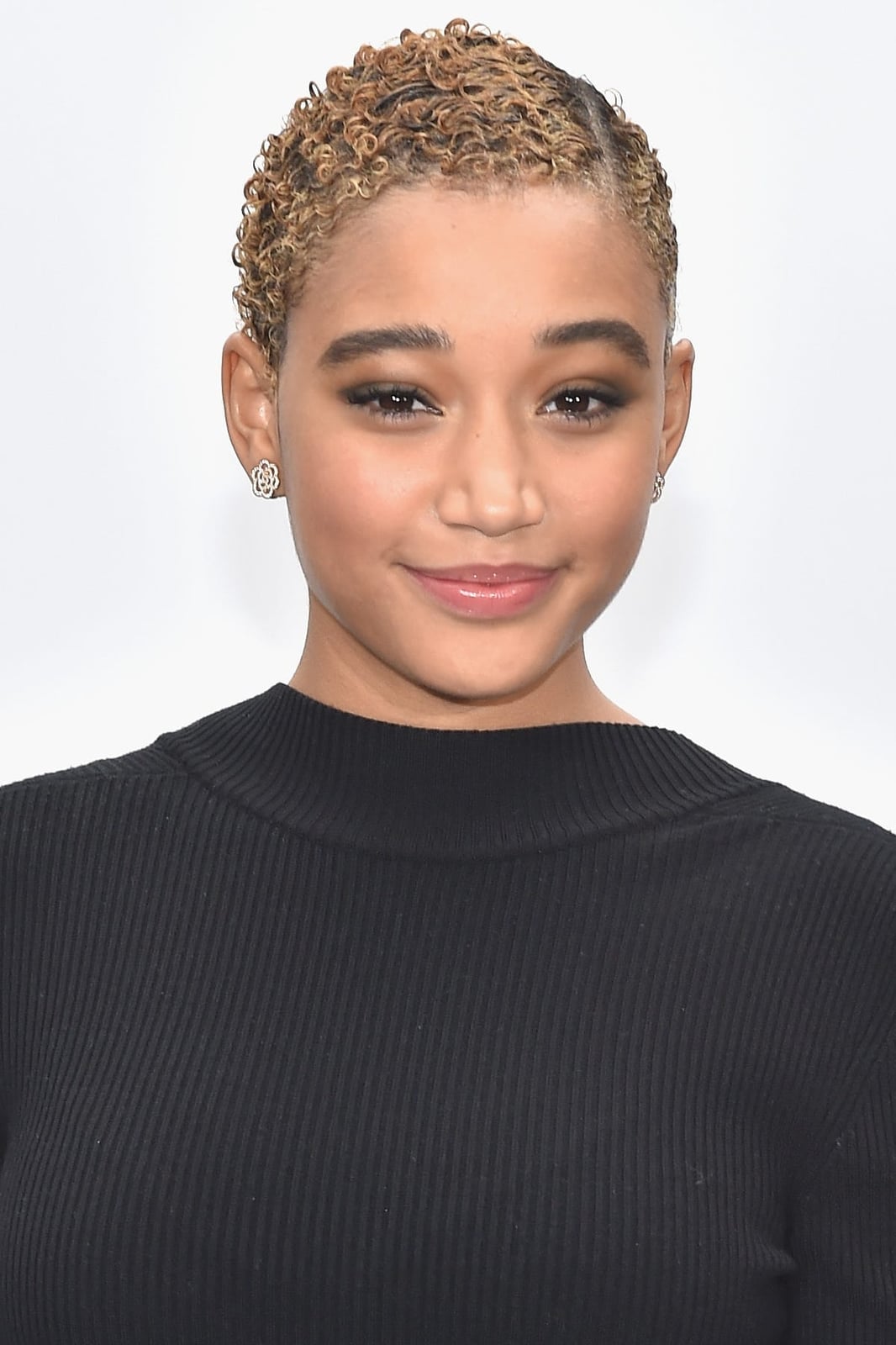
The pixie cut is a natural volume booster for fine, curly hair that might otherwise lie flat. This ear-length version is cut with enough weight removed that the curls spring up on their own, and the side parting adds a little asymmetry. Ask your stylist for: short blonde curly pixie. Blonde on fine curls can look transparent if the tone is wrong, so ask for a warm beige or honey shade instead of an ashy one. The cut itself needs minimal styling: a dab of texturizing paste, a quick scrunch, and you’re done. A trim every four to six weeks keeps the shape defined.
Short Dark Brown Pixie With Curly Bangs
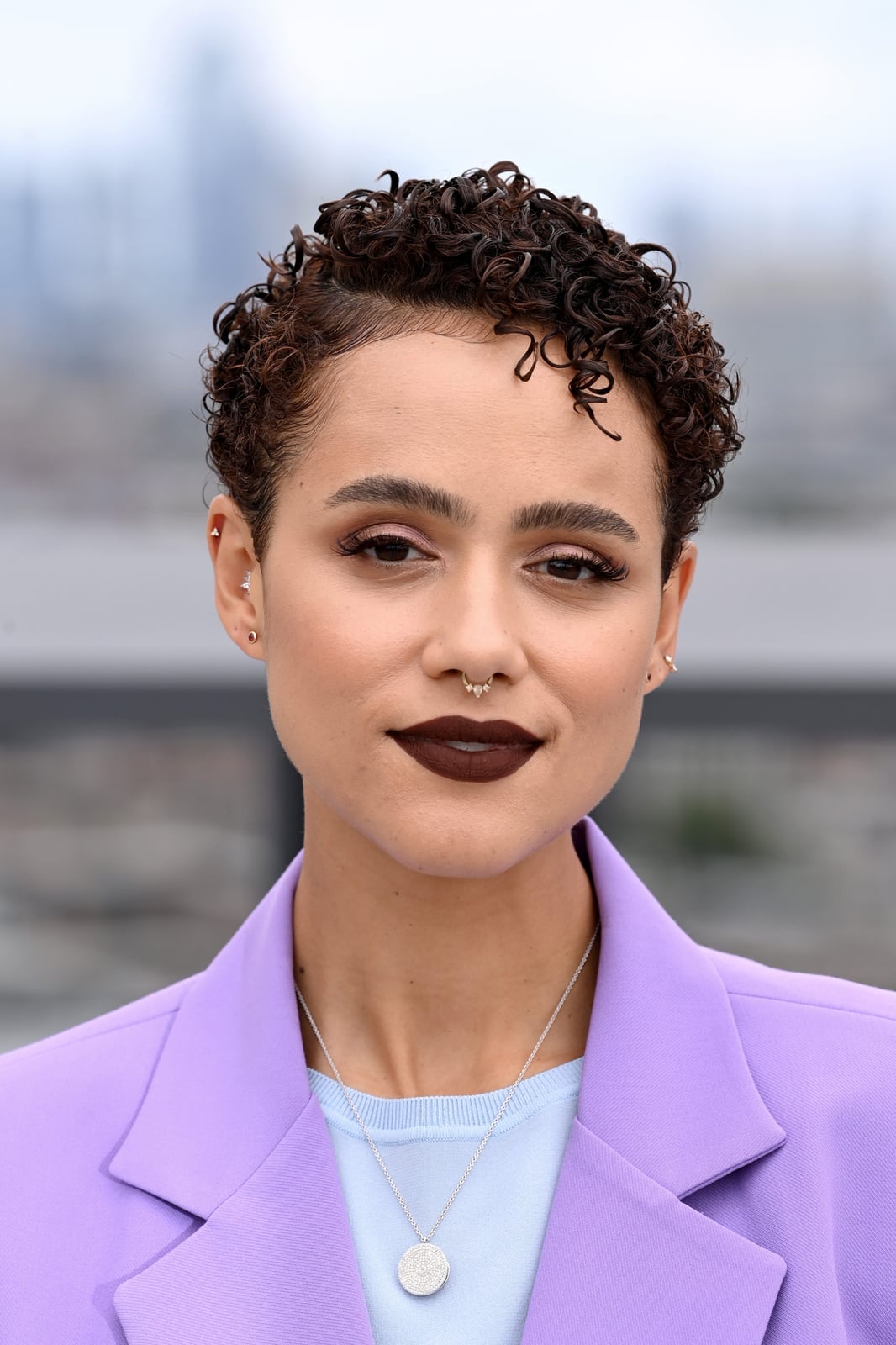
Notice the bangs are cut short and curly, not wispy or long enough to tuck behind an ear. That’s the detail that makes this dark brown pixie look styled, not grown out. Ask your stylist for: short pixie with short curly bangs. The side parting and fine, air-dried texture keep the look low-maintenance, but this is a salon cut: the bangs need precise layering so they curl forward instead of sticking out. A curl-defining cream applied to damp hair and left to air dry is all the styling it needs. Trims every four weeks keep the bangs from sliding into your eyes.
Asymmetric Pixie With Side Swept Bangs
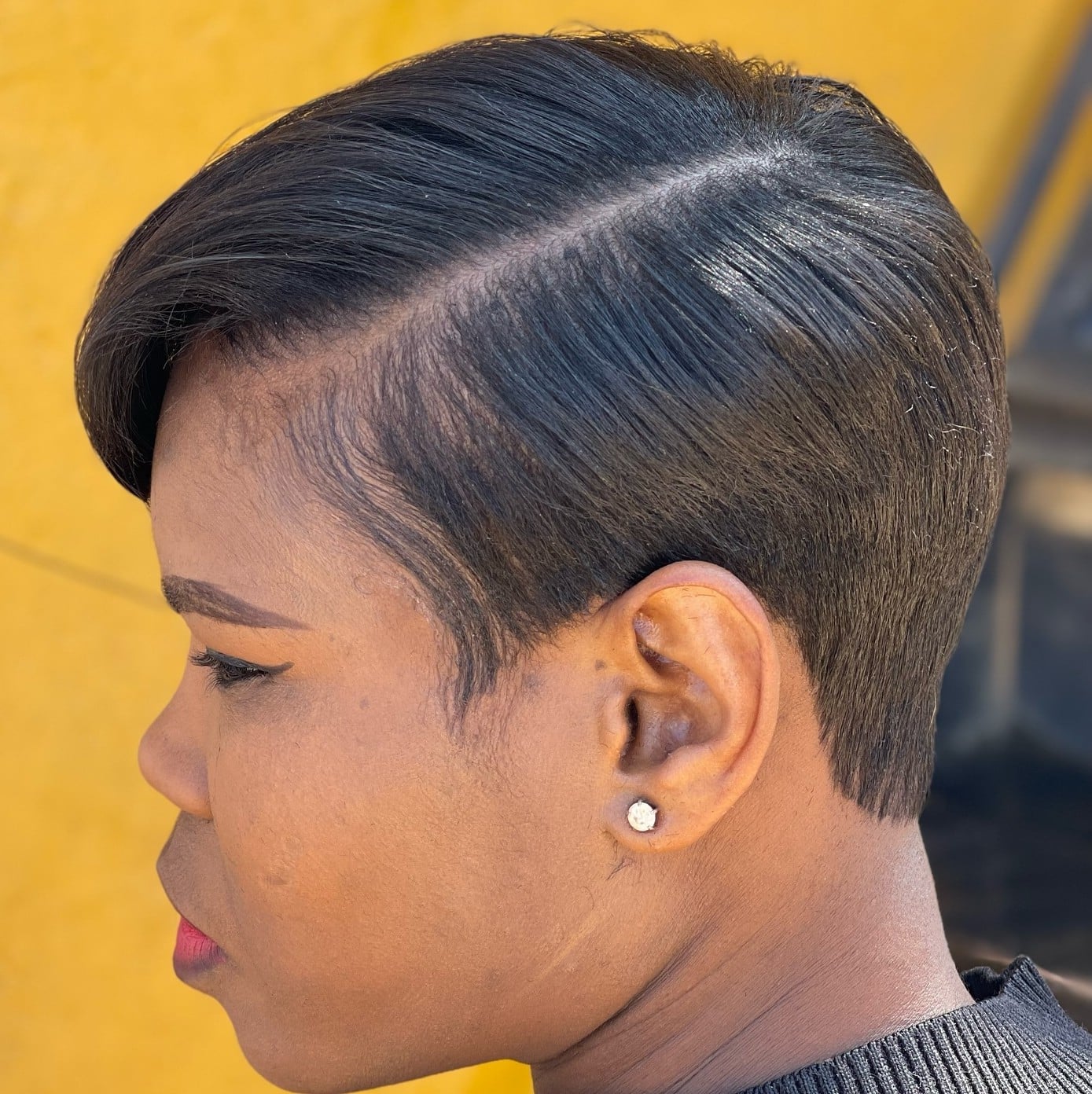
The biggest mistake with an asymmetric pixie is assuming it will fall into place on its own. Fine, straight hair cut to ear length with a deep side part and side-swept bangs needs a little product and a lot of precision. Ask your stylist for: asymmetric pixie cut, side-swept bangs. The drawback is that a cowlick near the part can make the bang lift in the wrong direction, so a wax or pomade is essential to control the direction. The sleeked finish shown here requires a trim every three to four weeks to keep the asymmetry sharp and the bang grazing the brow at the right angle.
Mohawk With Undercut and Honey Highlights
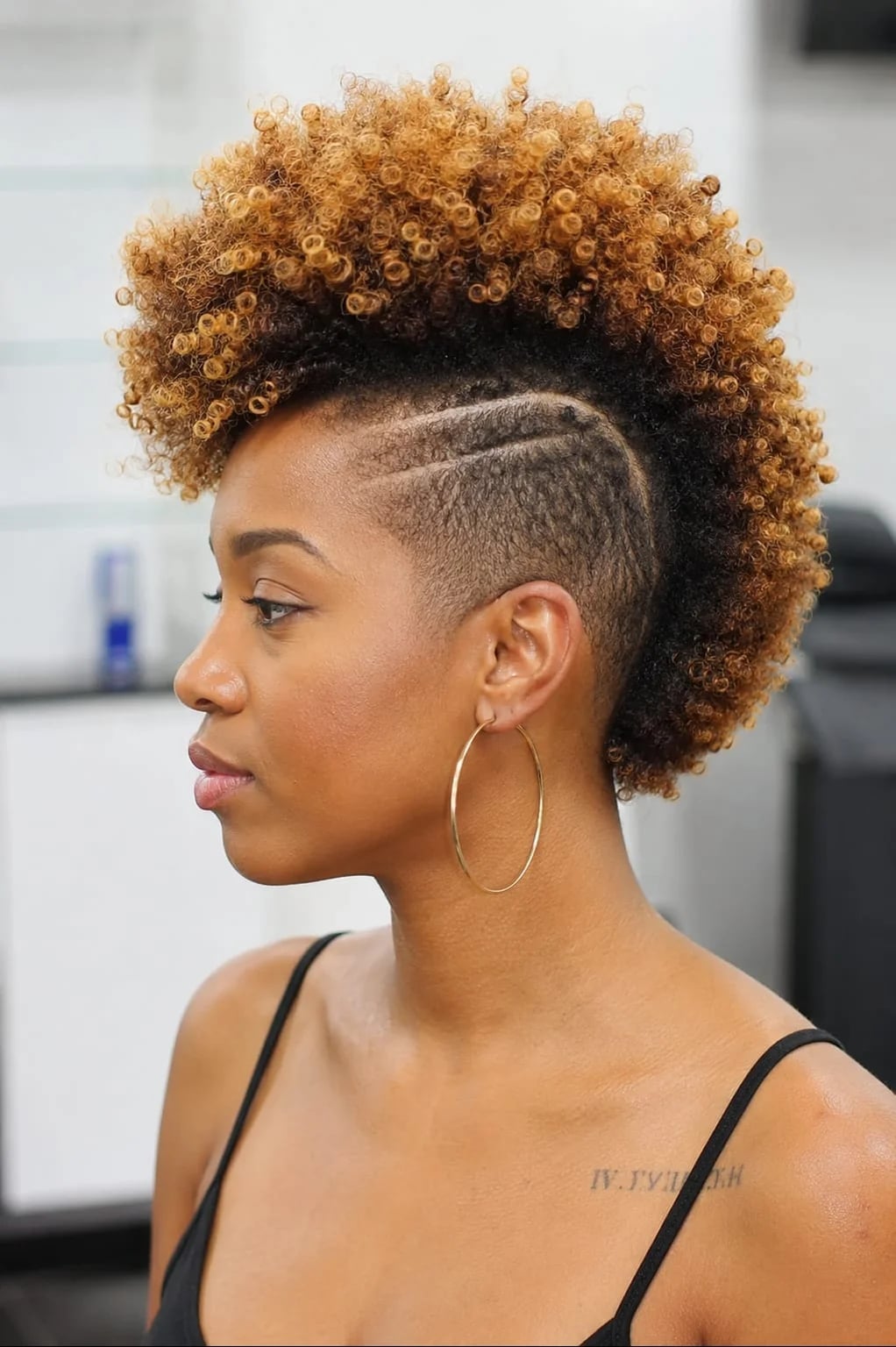
The design works because the undercut removes bulk from the sides so the top curls can expand without looking weighed down. Thick, curly hair with enough shoulder-length density on the crown handles the volume best, and the side part helps direct the shape forward. Ask your stylist for a voluminous curly mohawk, undercut sides, honey highlights. The undercut needs a trim every three to four weeks to keep the lines sharp; the top section is styled with a strong hold product and a diffuser.
Elegant High Updo With Loose Curls
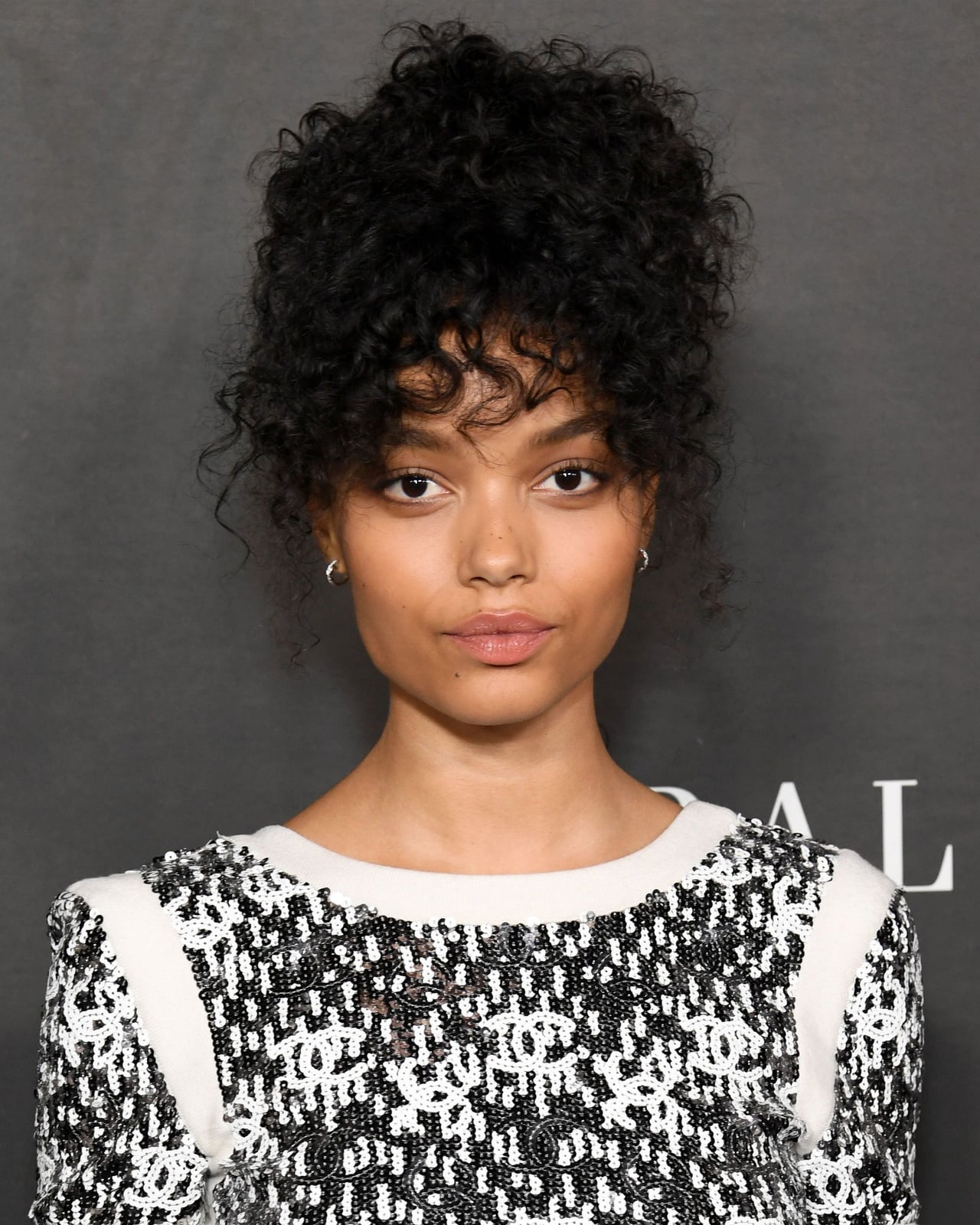
An updo that sits high on the head and uses the hair’s own thickness for support holds its shape better than one built on backcombing alone. Dark brown curly texture at a long length provides enough weight to keep the structure from going slack. Ask your stylist for a voluminous high updo, loose curls, wispy bangs. The wispy bangs are cut separately so they fall naturally instead of being pinned back. A generous amount of bobby pins and a medium hold hairspray keep everything anchored through an evening. By morning the curls will have softened, but that is part of the appeal.
Long Coily Bubble Ponytail With Braids
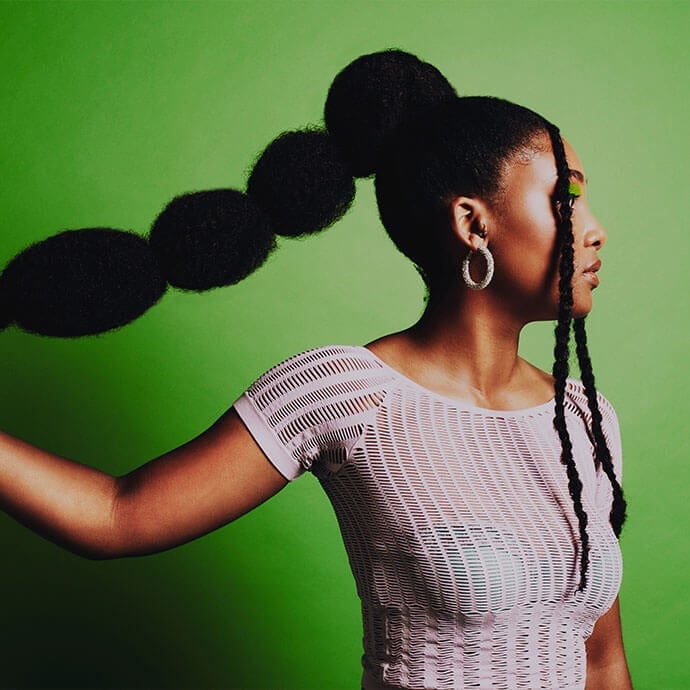
How do you get those even segments without the sections collapsing? The trick is spacing clear elastics at regular intervals down the length and gently pulling each section wider to create the bubble shape. The braided ends add weight so the ponytail hangs straight. Ask your stylist for a long bubble ponytail with braided ends. This is a salon project, not a five-minute DIY: the parting, the tension and the braids all need a trained hand. Once it is done, the style lasts several days with a satin scarf at night and little daily fuss.
Shoulder Length Grey and Black Twists
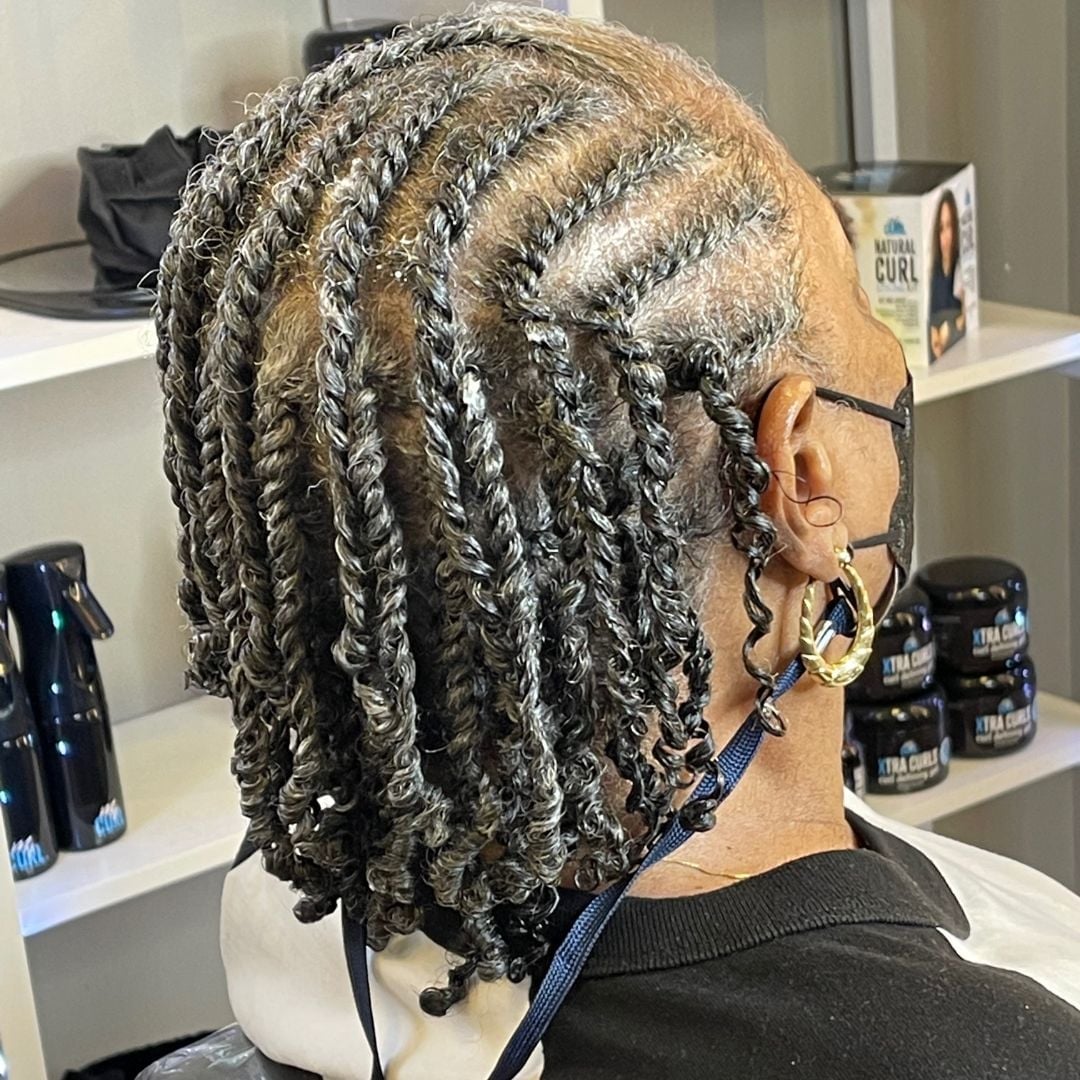
The grey and black strands create contrast, not faded color, only when the twists are uniform in size and tension. Coily hair at shoulder length holds a twist pattern well, and the middle parting keeps the distribution even. Ask your stylist for shoulder length twists, grey and black color mix. The mistake people make is letting the twists loosen around the nape where friction is highest. A lightweight oil applied twice a week stops the ends from feeling dry and keeps the grey pieces from looking dull.
Mid-Back Braided Style With Extensions
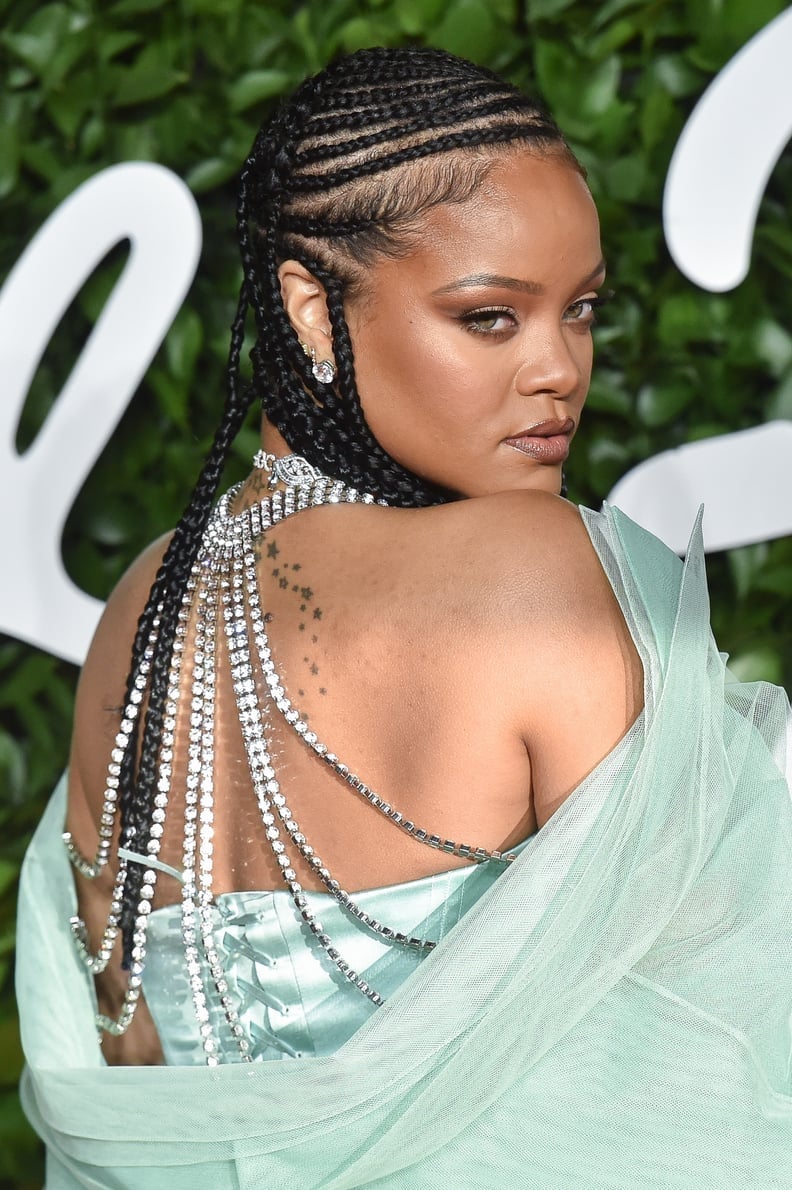
The neatness of the partings and the even thickness of each braided strand are what keep this style from looking heavy, which is a real risk with long braided extensions. Straight, mid-back length black hair provides a smooth base for the braids to read clearly. Ask your stylist for mid-back length intricate braids with extensions. The extensions are installed section by section, so the weight distributes evenly. Upkeep involves a moisture spray every other day and a silk bonnet at night; the braids themselves can stay in for six to eight weeks with a touch-up at the roots around week four.
Cornrows To The Nape With Highlights
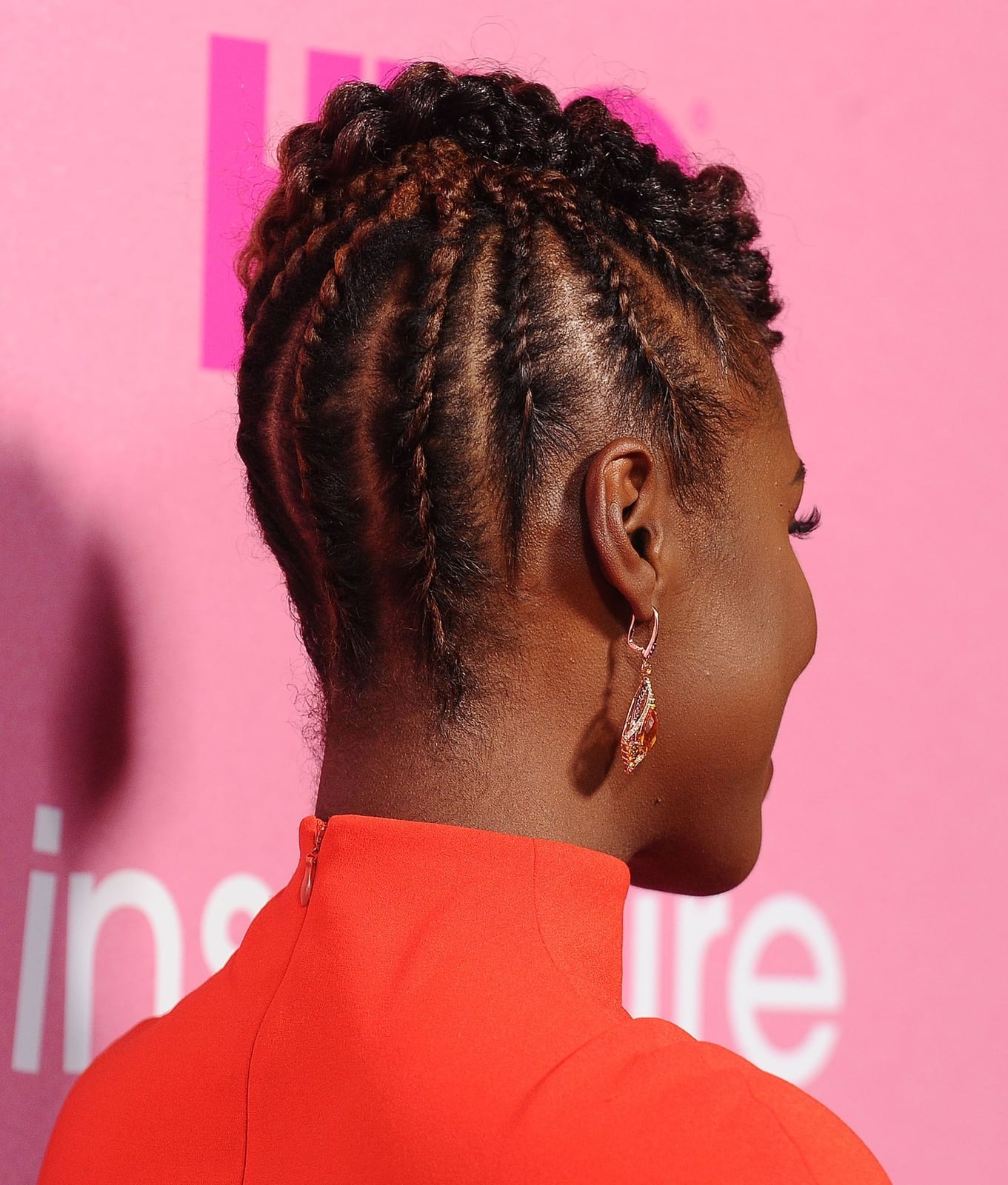
Cornrows that end at the nape with a middle part are a classic for a reason: they keep coily hair neat for weeks. Ask your stylist for neat cornrows to the nape, subtle highlights. The lighter pieces woven through the dark base add depth without a full dye job. Upkeep is the real commitment, since re-braiding every few weeks is non-negotiable if you want the scalp to stay clean. A lightweight oil on the scalp and braids prevents dryness, but the tension at the edges means you should give your hair a break between installs.
Short Textured Coily Crop In Copper
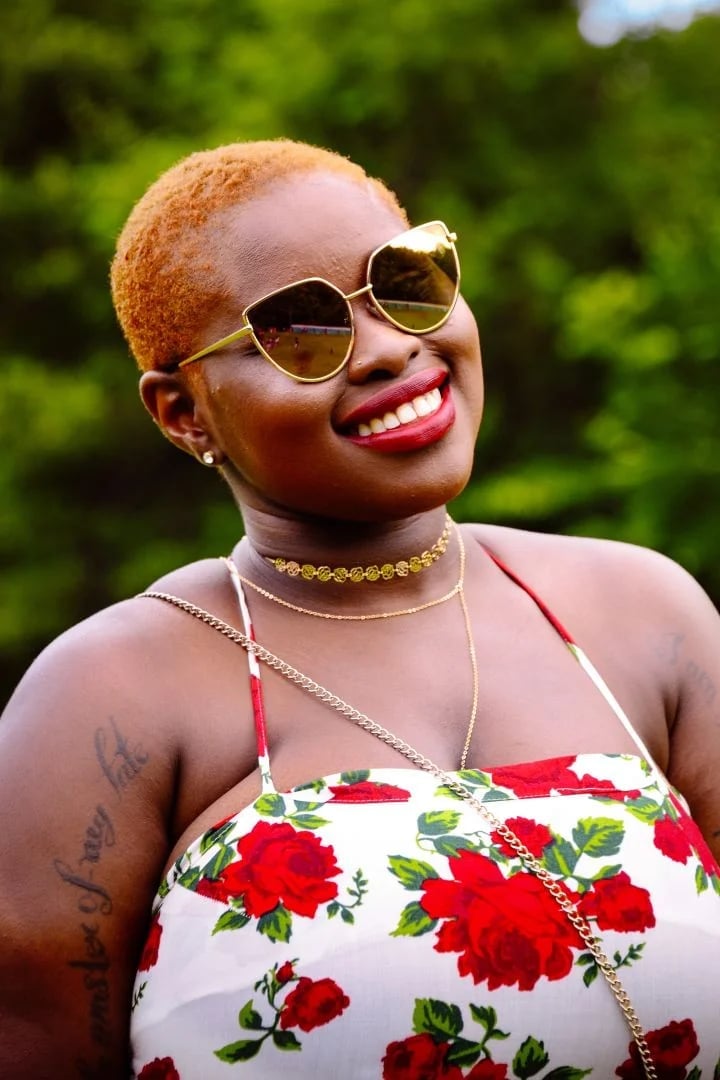
A short coily crop in copper is a bold move, but it pays off for fine, coily hair. The cut sits close around the ears, while the voluminous top and side parting give the illusion of density. Ask your stylist for short textured coily crop, voluminous top. The copper shade adds warmth and dimension to the natural texture. This style suits anyone with ear-length hair who wants to show off facial features without the weight of longer strands. A texturizing cream or paste keeps the coils defined, and regular trims every four to six weeks maintain the shape.
Final Thoughts
For fine or thinner textures, focus on cuts that create the illusion of fullness, like layered bobs or pixies with strategic volume. For thicker, coily hair, embrace cuts that manage or enhance natural volume, such as tapered afros or layered styles.
- Trim split ends every 8-12 weeks to maintain shape and health.
- Deep condition coils and curls weekly to retain moisture.
- Use satin or silk pillowcases to minimize friction and frizz.
- Protect braids and twists from excessive moisture and heat.
- Air dry whenever possible to preserve natural texture and minimize heat damage.
Embrace your natural texture; it’s your most beautiful accessory.
