
The chair next to mine has been booking ash blonde since the first leaf turned. My colorist calls it the green-eye trick, cool tones that brighten hazel without touching the iris. I used to think winter meant going darker. It means going cooler.
This list of Winter Hair Colors for Green Eyes holds 18 ideas, from a quick gloss to a four-hour transformation. There are salon-only jobs and one or two you could attempt at home. I broke down each one for grow-out, brassiness, and which hair texture it survives. My own roots showed at week five. That root shadow matters more than the first day’s shine.
Cool Ash Blonde with Subtle Lowlights
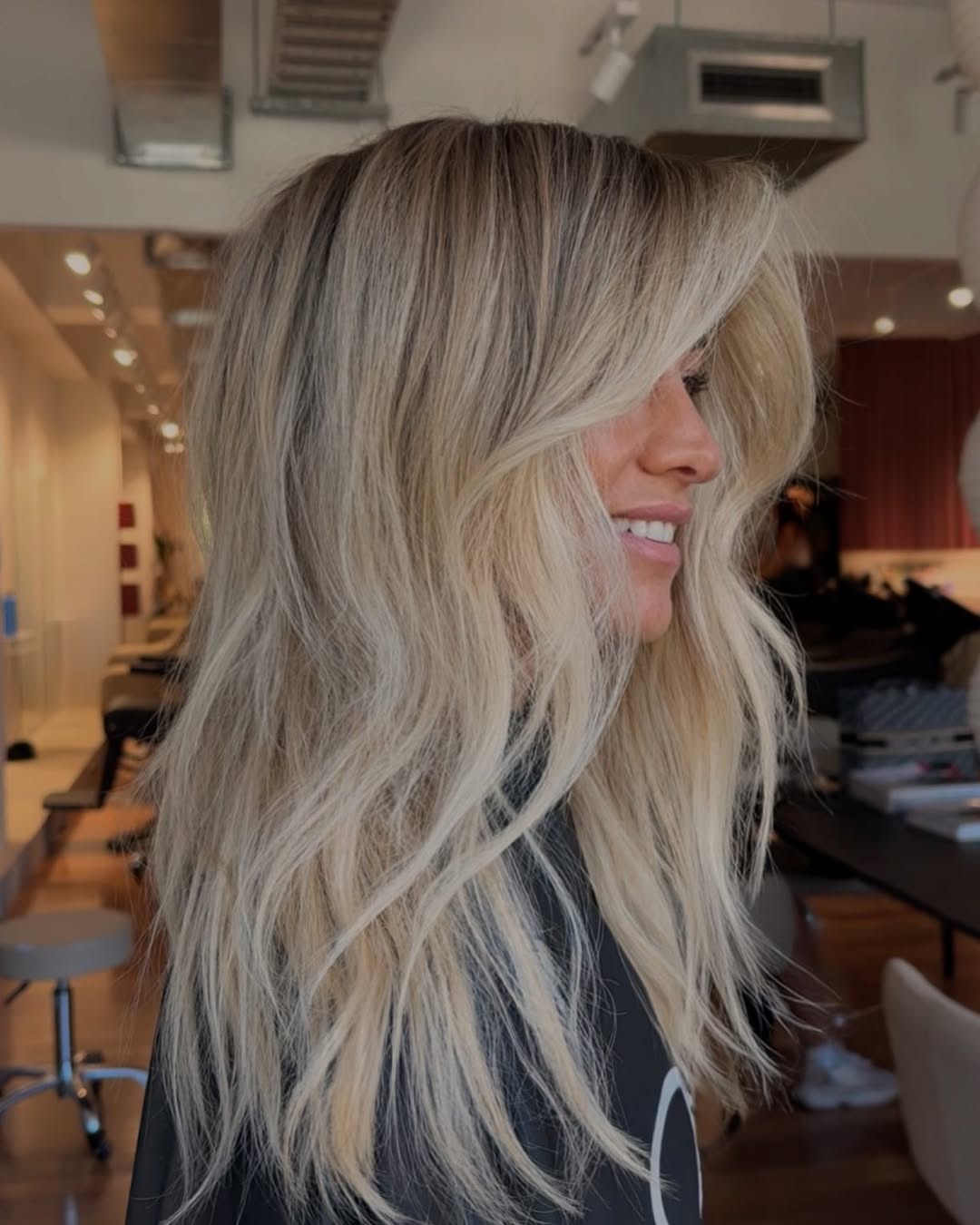
Ever wonder why cool ash blonde makes green eyes look almost translucent? The ash blonde lowlights are the key: they add depth without warmth, so the green stays front and center. The technique relies on subtle lowlights woven through the mid-back length, keeping the cool ash blonde tone from falling flat. For thick, wavy hair, this works in your favor. The loose waves catch the lowlights in intervals, not high-contrast but deliberate. It’s not a loud color. It’s a whisper. And for green eyes, that whisper is loud enough. This is a winter hue that reads cool without reading icy. The side part exposes the lowlights on the surface, making the color dimensional without a full highlight schedule.
Rich Brown with Copper and Blonde Highlights
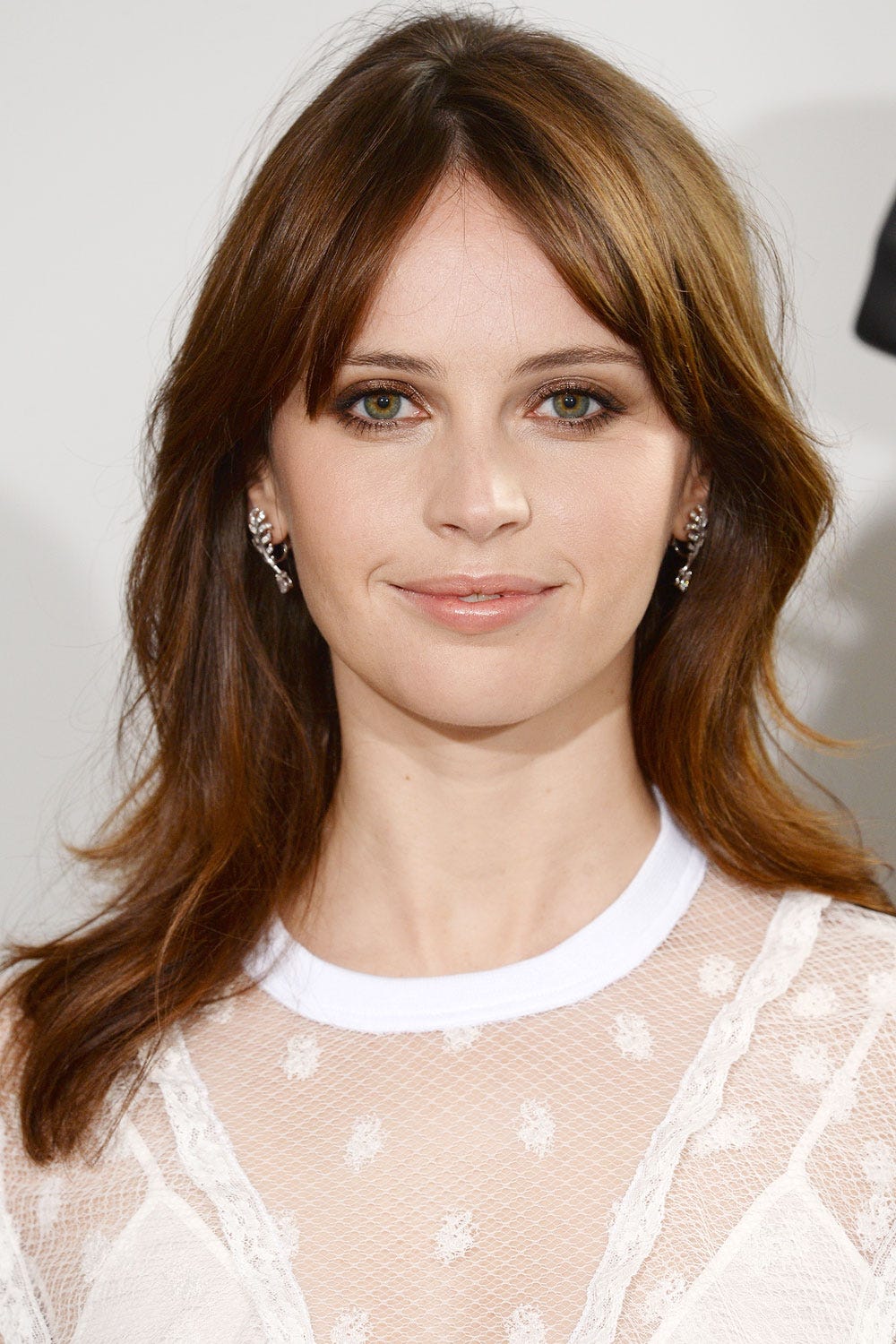
The trick to a dimensional brunette is layering the highlights, not just placing them. The rich brown copper highlights here start with a warm brown base, then copper and blonde pieces are woven through the mid-back length in a staggered pattern. The technique ensures the copper catches the light without overwhelming the brown. The tone is warm, which reads lively against green eyes in winter. For upkeep, expect a salon visit every 8 to 10 weeks to refresh the brightness. At home, a color-depositing conditioner keeps the copper from fading to brassy. The loose waves and middle part let the highlights breathe, and the thick texture holds the wave without product.
Rose Gold Bob with Subtle Highlights
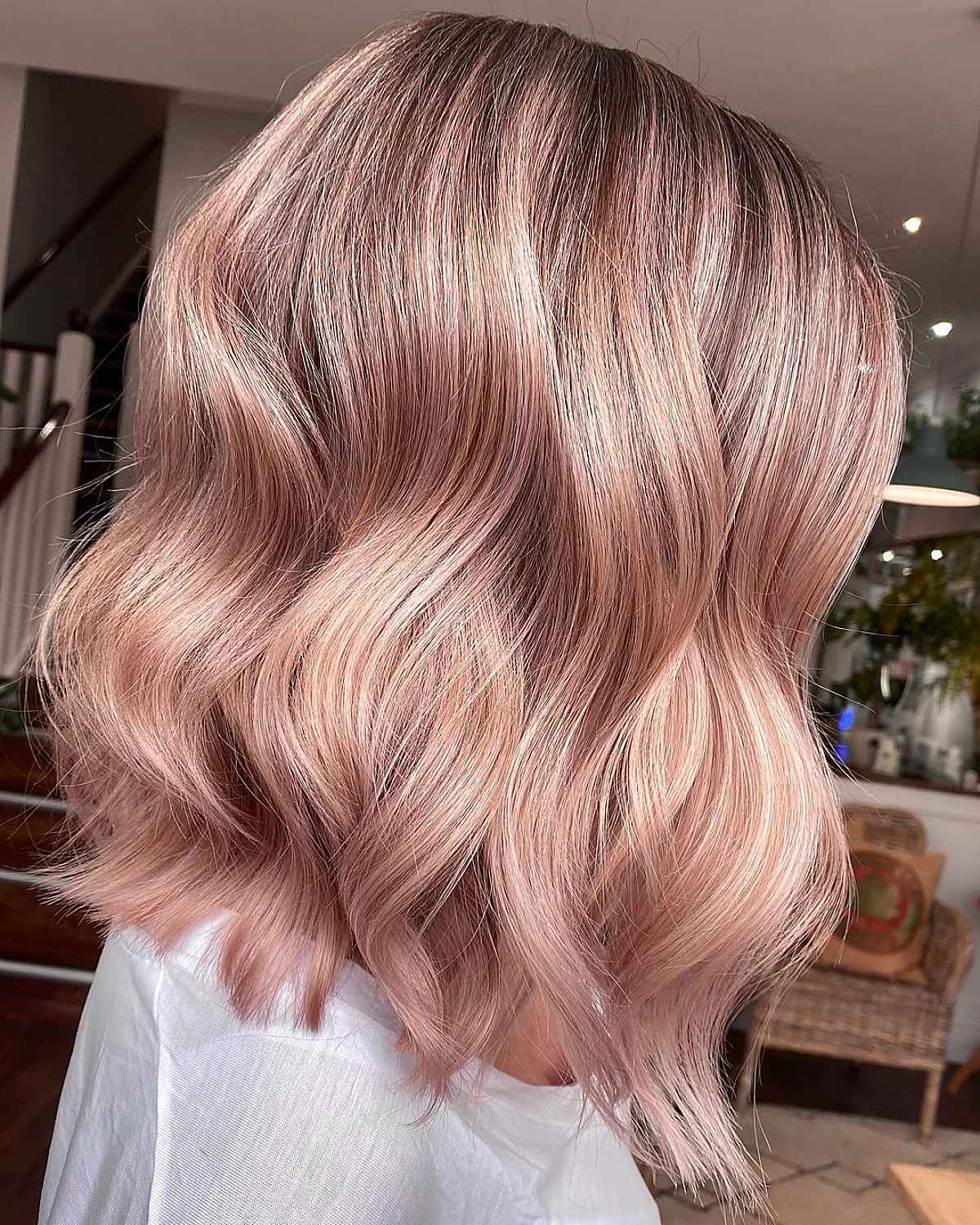
I did not expect to like rose gold in winter, but here we are. The rose gold bob lands exactly at collarbone, with subtle highlights lifting the ends just enough to catch candlelight. The tone is soft, not candy pink, more like a blush that reads grown-up. Ask your stylist for a rose gold base with finely woven highlights, a middle part and a wavy blowout. It’s festive without screaming holiday. The collarbone length is practical for party dressing, and the thick texture keeps the wave from falling flat by the second glass of champagne.
Dark Brown with Caramel Highlights
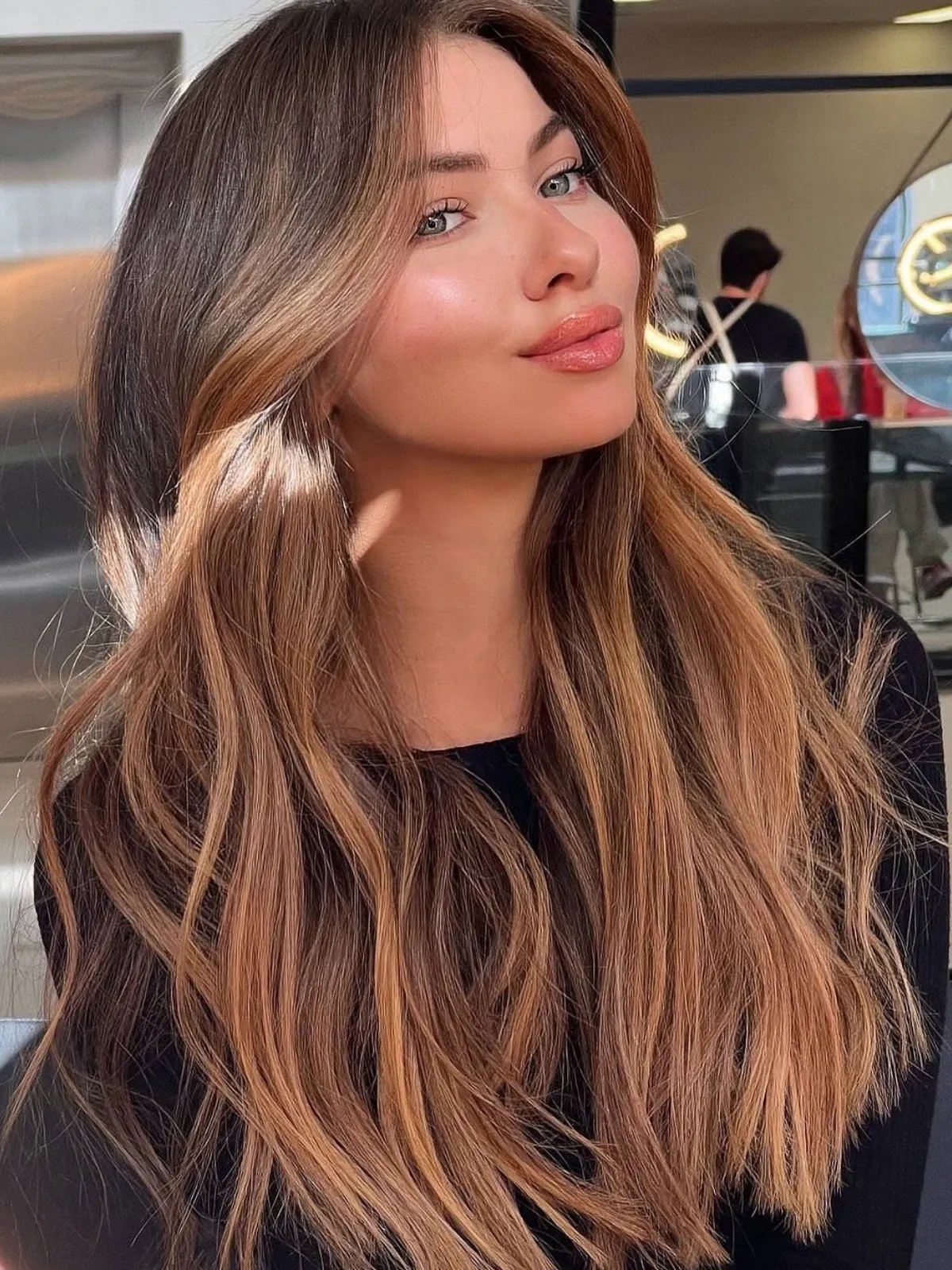
I’ll admit, dark brown caramel highlights with curtain bangs looked perfect in the salon chair. The reality is more practical. The caramel highlights warm up the base, but they fade fast if you wash frequently. The curtain bangs need a blow-dry every morning, no skipping. Medium density hair holds the loose wave for about half a day before it softens. The honest downside: the highlights will need toning around week six to keep the caramel from veering orange. But for green eyes, that warm contrast is worth the extra dryer time. The collarbone length is manageable, and a color-depositing conditioner helps extend the time between salon visits.
Ash Brown with Blonde Highlights
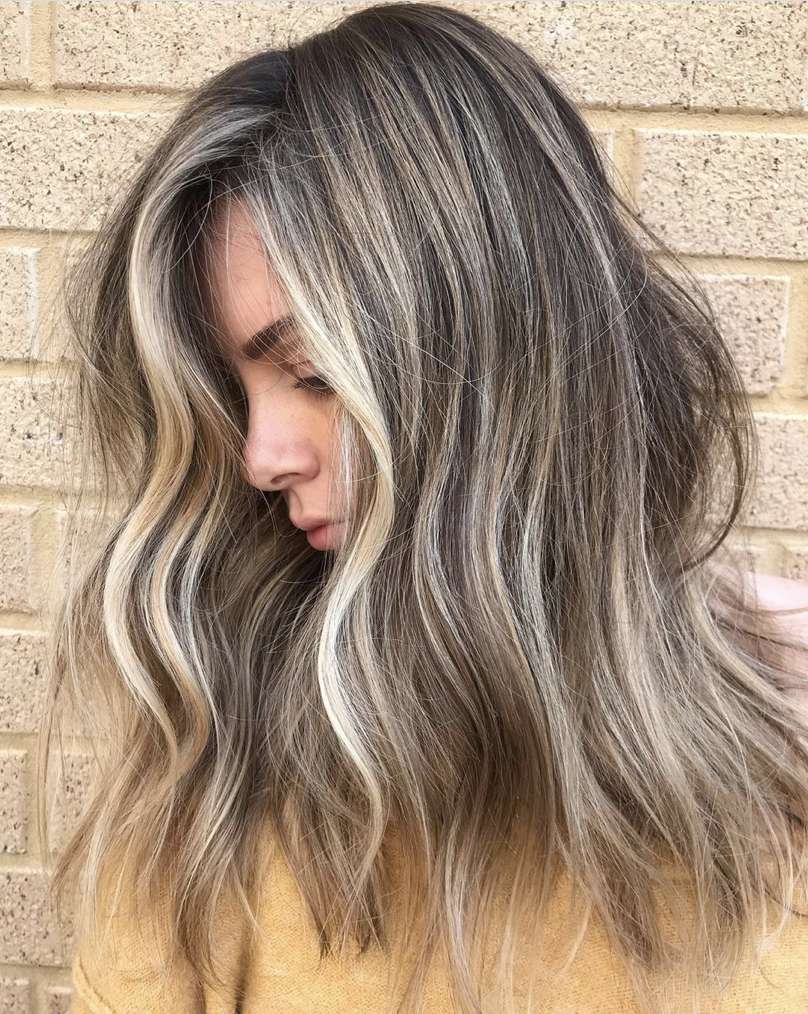
Verdict: this is the cooler cousin of the caramel highlight trend, and it wins for green eyes. The ash brown blonde highlights sit on a cool base, no warmth competing with your eye color. The side bangs add edge, and the collarbone length keeps it wearable. It’s a straight-up contrast to the warm brunette trend, but that’s the point. For winter, this reads crisp and intentional. The middle part and wavy blowout from the photo show how the ash blonde highlights catch light without glaring. It’s not for everyone, but for green eyes, it’s a shortcut to striking.
Medium Ash Brown with Subtle Blonde
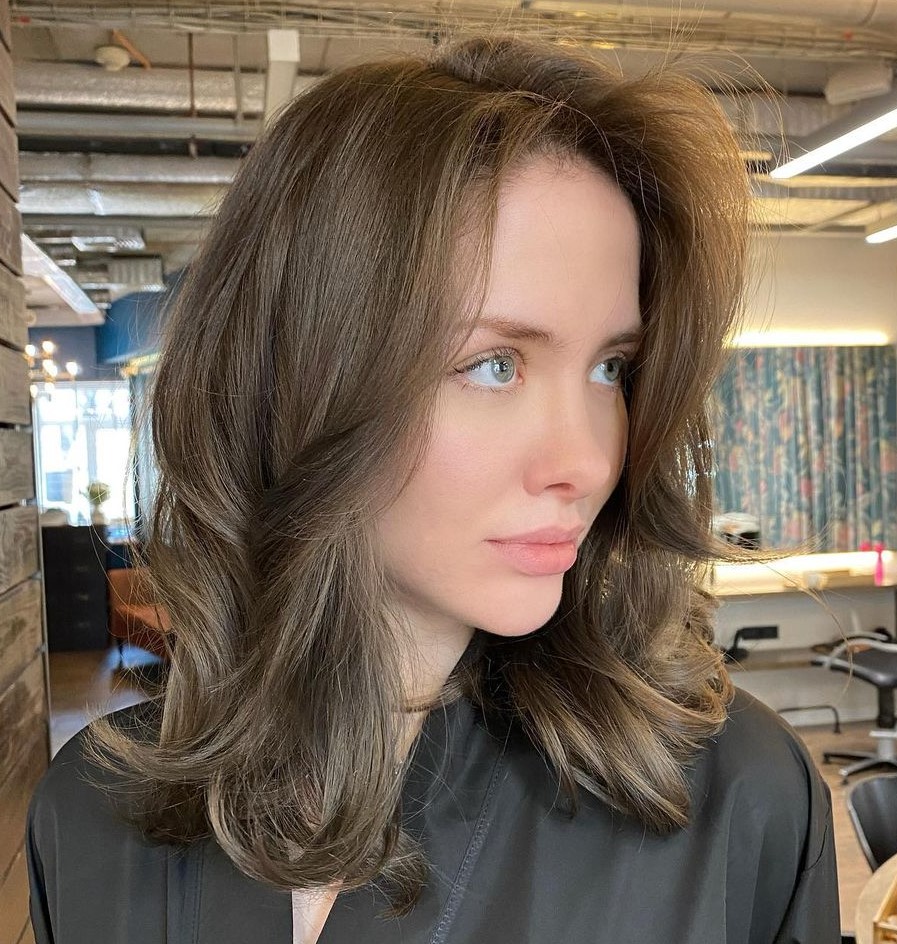
Who actually gets away with medium ash brown blonde? Anyone with a round or oval face, because the middle part and collarbone length add vertical lines that gently narrow a wider shape. The subtle blonde highlights sit close to the root, so they read as depth rather than contrast, which is why this flatters medium density hair most: fine hair would swallow the dimension, thick hair would turn it into stripes. I wore this for a winter and the ashy tone never went brassy, just softer. Wash and go, maybe a quick blowout with soft waves, and the colour does the rest. It is the rare shade that looks intentional without announcing itself.
Ash Blonde with Green Undertones
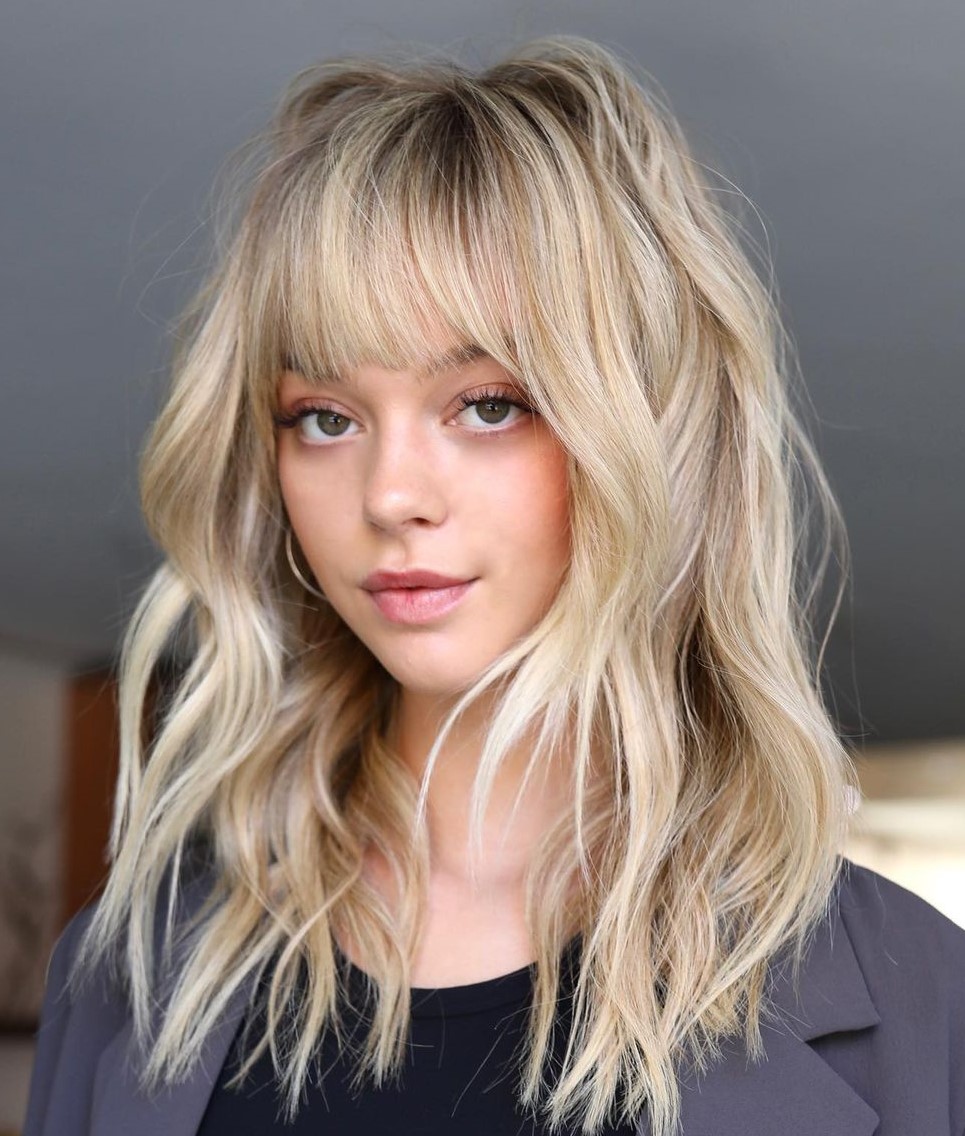
I will confess I tried ash blonde green undertones at home once. It looked like swamp water for three weeks. The mistake is assuming any green toner will do, when the subtle green undertones need a stylist who understands colour theory, because the green has to sit on top of ash blonde, not fight it. The full bangs and wavy collarbone layers help, but the real work is the toner, which is why this is a salon job, full stop. Book someone who has done green before, not the apprentice. My home attempt taught me that much.
Light Brown with Green and Ash Tones
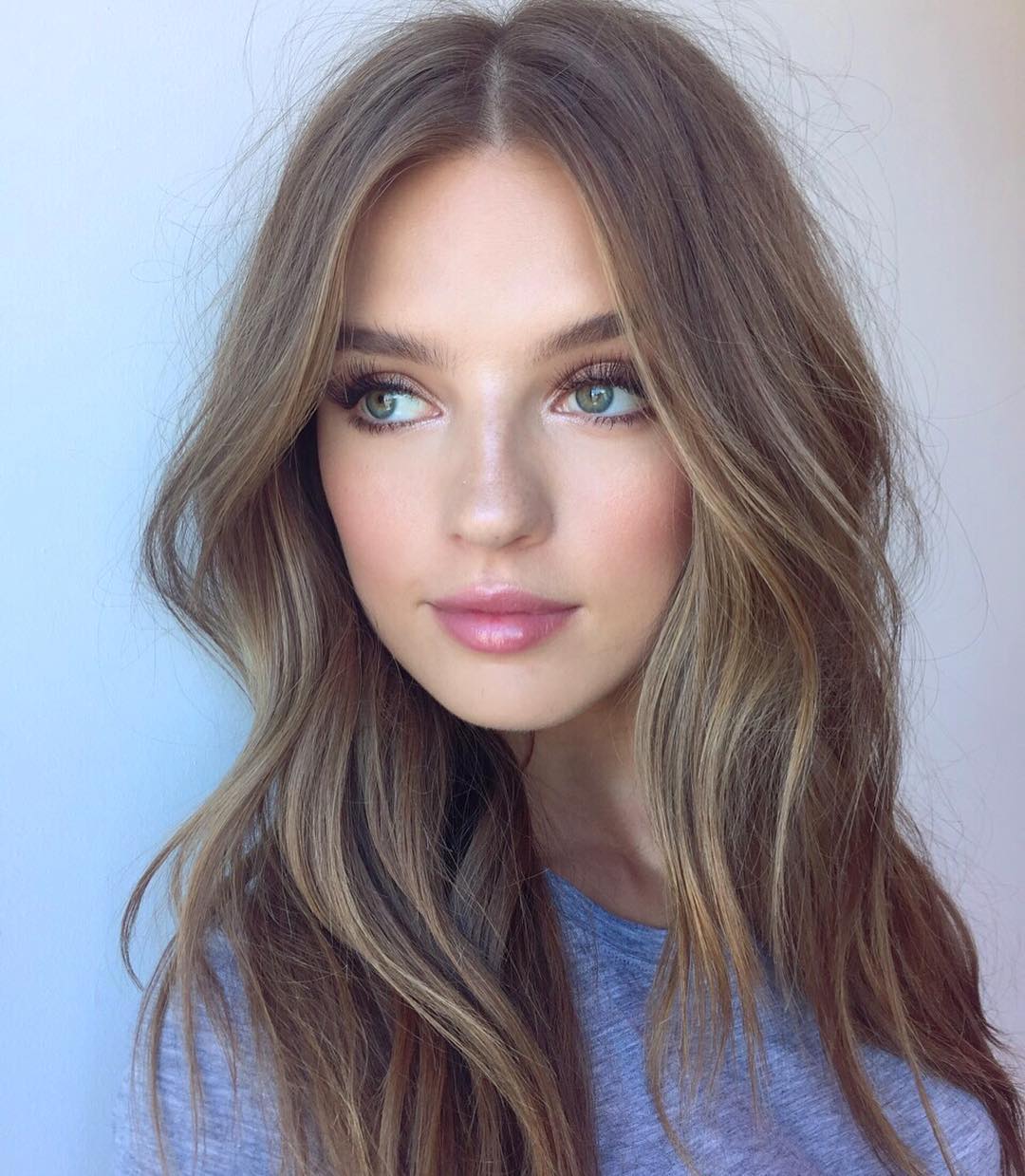
The first week, light brown green ash looks almost neutral, like a brunette who spent a month by the sea. By week three, the greenish-ash tone starts to peek out, and on fine to medium density hair, that is exactly when it gets interesting.
Because the colour is subtle, it wears slowly, which is a blessing if you hate the salon. The loose waves and long layers hold the tone without looking flat, though the green does fade faster than the ash, so by week eight you are back to plain light brown. The subtle green and ash tones need a toner every couple of months, but that is the whole maintenance. For fine hair, this is the easiest version of a green-adjacent colour I have found.
Medium Brown with Blonde Balayage
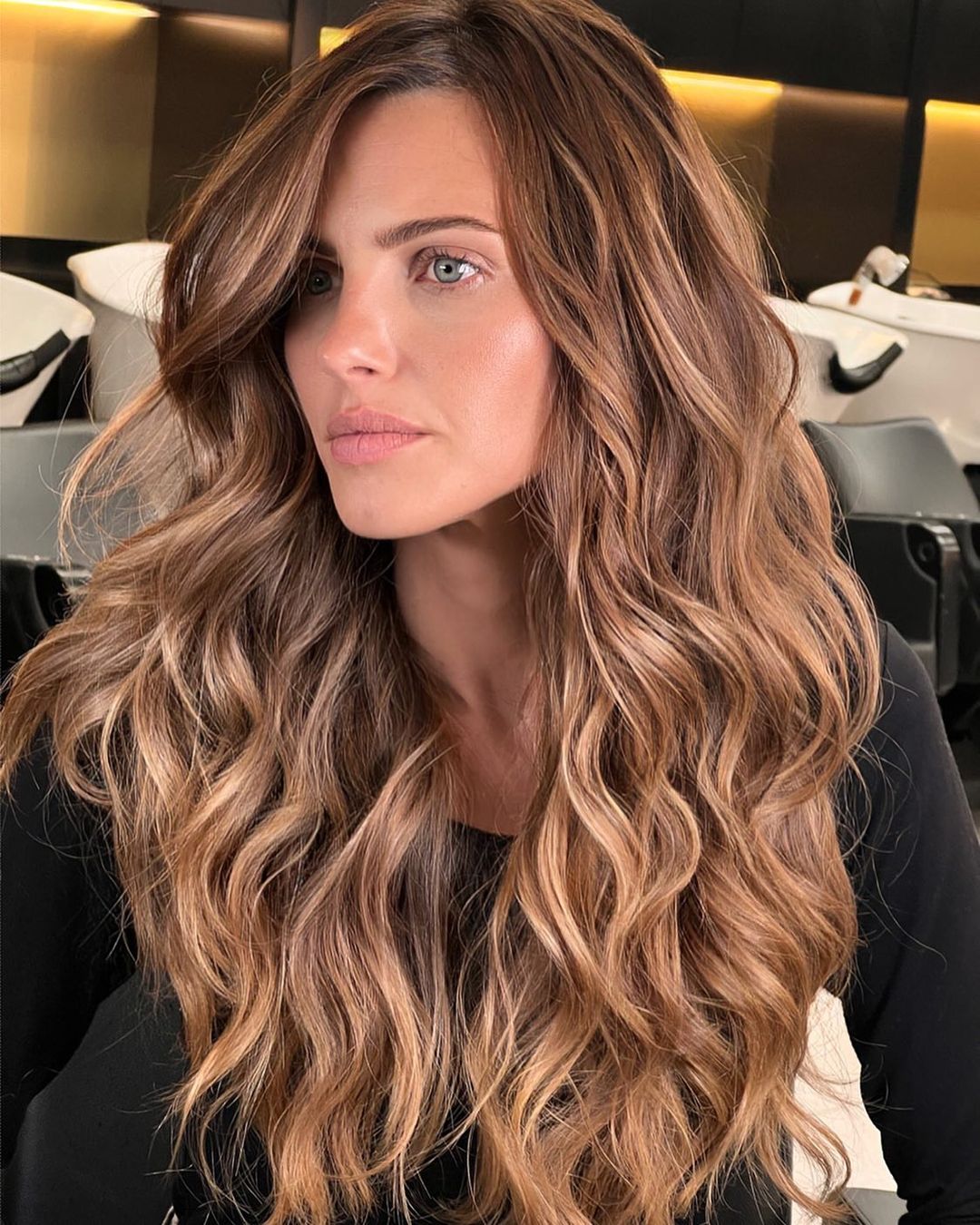
Medium brown blonde balayage is the safest bet in this roundup, and I mean that as a compliment. The technique is what makes it work: the stylist paints the blonde balayage onto the mid-lengths and ends, leaving the root dark, so the dimension comes from the contrast between the brown base and the lighter pieces. The side part and wavy blowout let the colour catch the light, which is the whole point. To get there, you ask for a soft, hand-painted balayage, not foils, and you skip the toner at the root. The grow-out is gentle, so you can stretch touch-ups to three months. It is the kind of colour that looks expensive without trying.
Deep Green with Lighter Green Highlights
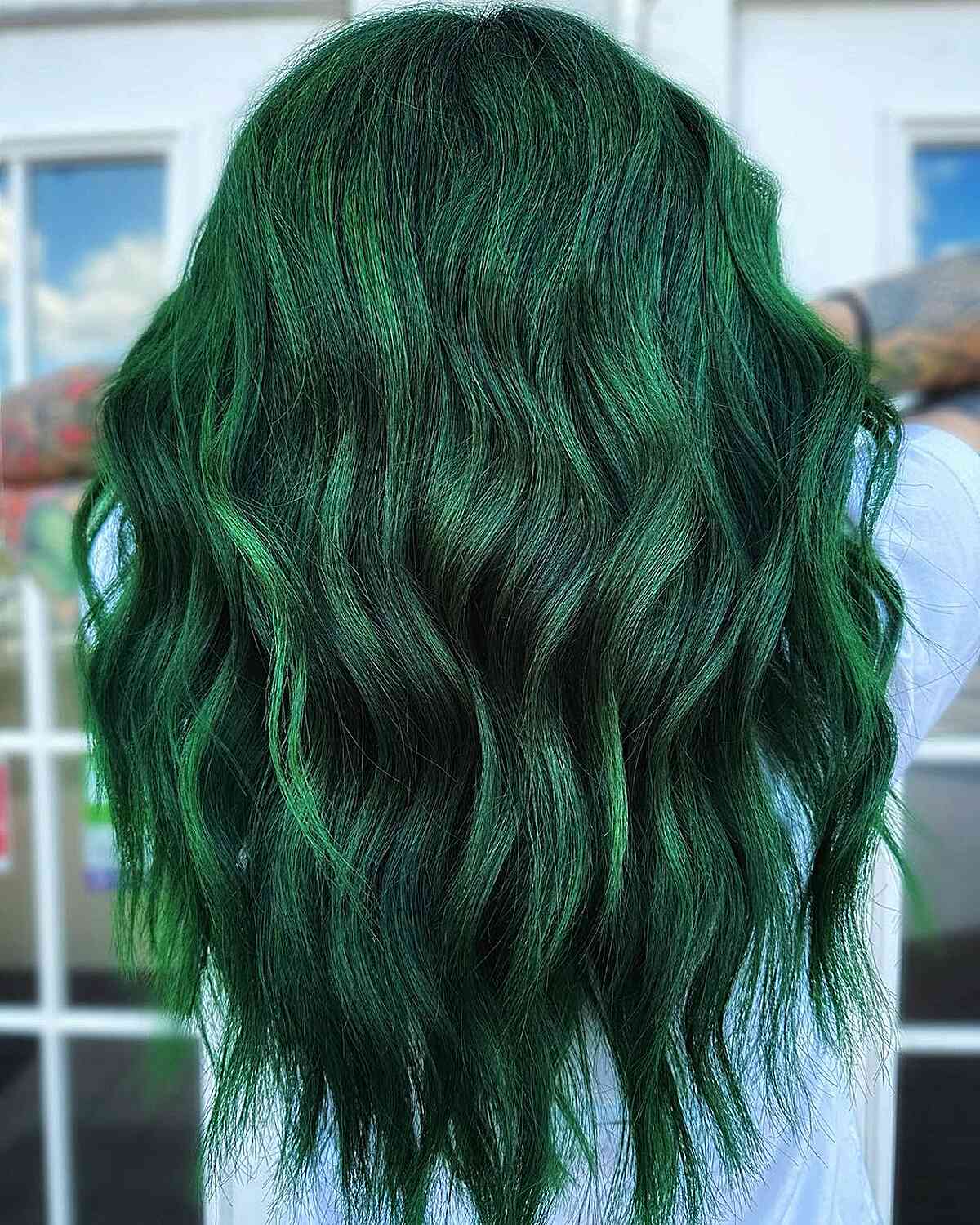
I love deep green hair, but I would be lying if I said it was a casual choice. This is a holiday party colour, the one that turns heads under string lights and looks almost black in a dim room. The lighter green highlights add dimension to the thick, wavy mid-back length, so it never reads as a flat block of colour. The honest downside: vibrant colours fade fast, and this one is no exception. You will need a colour-depositing mask every couple of weeks to keep the green from turning murky, and a trim every two months to keep the ends clean. Worth it for December, less so for March.
Blonde to Teal Ombre
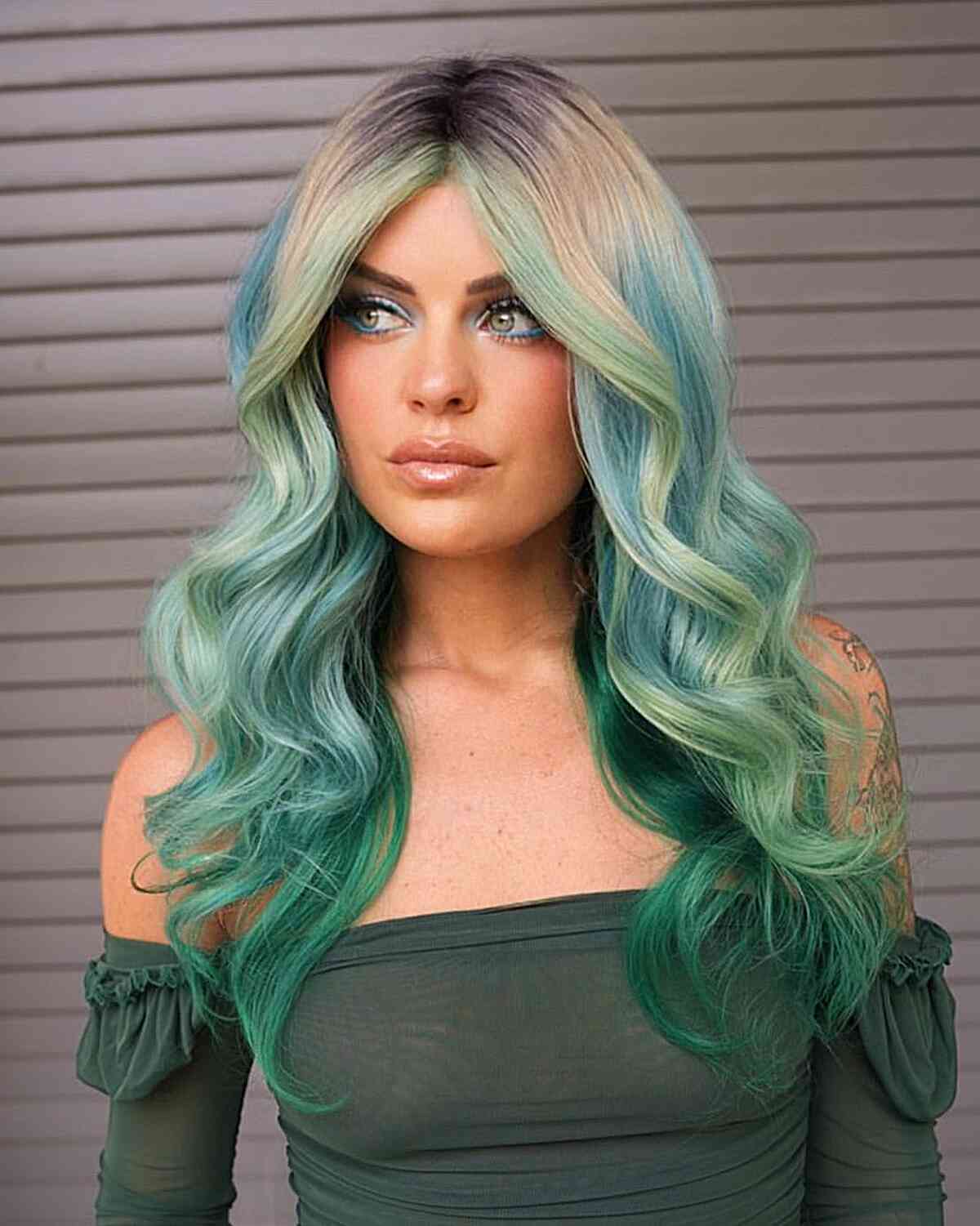
Can you pull off a blonde to teal ombre? The vibrant teal melt works best on a lightened base. If your natural is darker than level six, the transition looks muddy. Green eyes catch the cool tones, but only if your skin leans neutral or cool. Warm undertones fight the teal. The ombre technique keeps the roots dark, so grow out is less obvious than a full bleach. The mid-back length needs thick wavy texture to carry the two shades without looking flat. Upkeep is real: a color depositing mask every two washes, trims every eight to ten weeks. Teal fades fast, and the blonde base needs toning every six weeks.
Medium Brown with Green Undertones
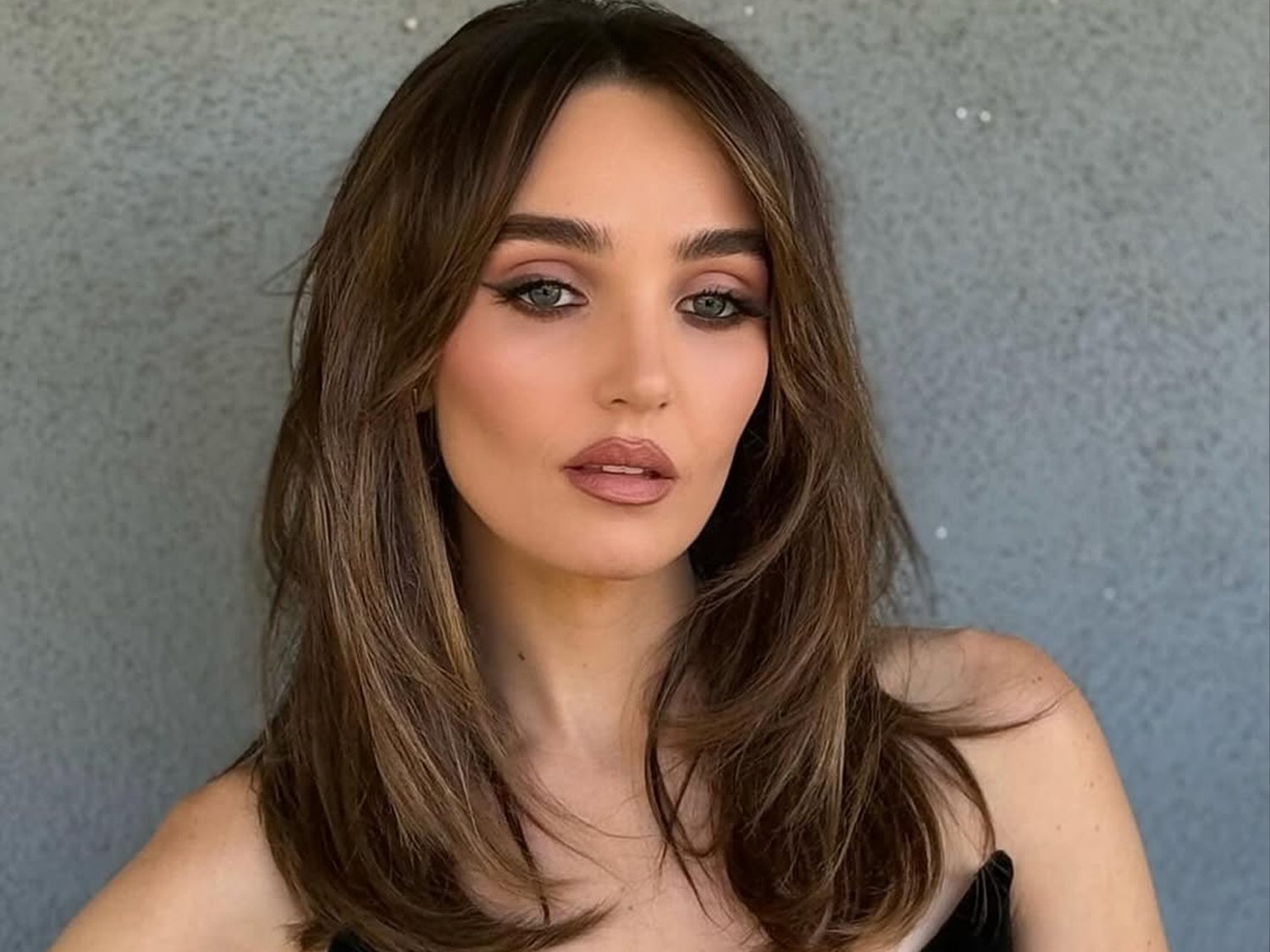
The green here isn’t a dye, it is a toner sitting on top of the medium brown base. The subtle green undertones read as cool, not costume, because lighter brown highlights break up the darkness. Soft waves and face framing bangs push the green closer to the eyes. The mid-back length gives the medium brown green undertones room to show dimension. Can you do this at home? Probably not. Getting the subtle green undertones even on a medium brown base requires a gloss application that is easy to streak. A salon glaze lasts four to six weeks. The wavy medium texture holds the soft shape.
Mid-Back Dark Brown with Ash Blonde Highlights
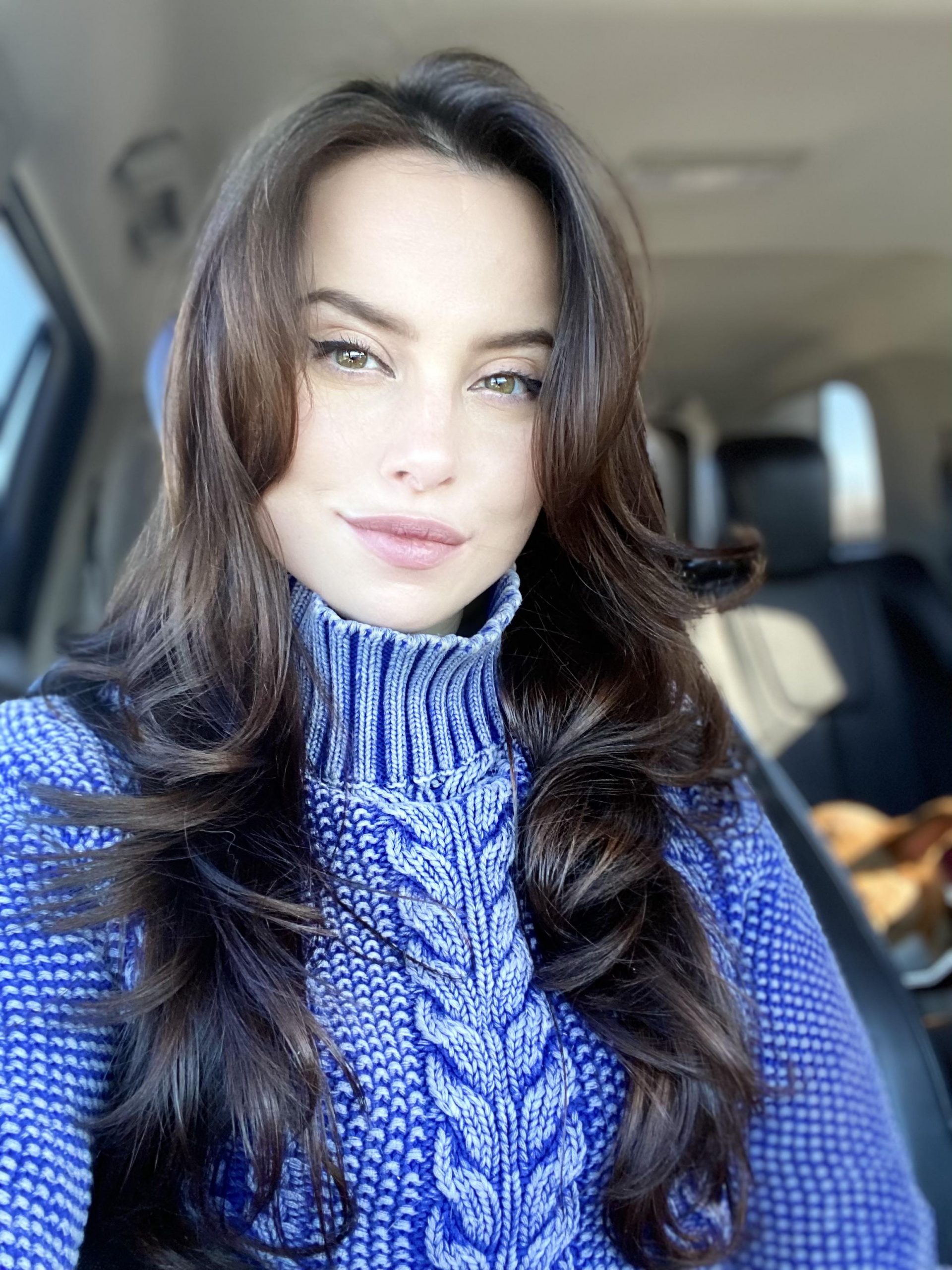
I will admit: the ash blonde highlights look incredible on day one against the dark brown base. The thick wavy texture and long layers give the two shades room to move, and the curtain bangs frame green eyes without hiding them. Winter knitwear makes the contrast pop. The deep brown absorbs light while the ash blonde catches it.
By Wednesday, the story shifts. The dark brown ash blonde highlights start to lean warm, especially if you have been wearing a turtleneck every day. Friction at the nape dulls the ash blonde highlights faster than you expect. The mid-back length means ends brush against wool, and that is where brassiness sets in first. The base holds its cool tone, but the highlights need a toner by week six. The honest downside: if you hate scheduling toning appointments or watching ends turn brassy, this is not your color.
Dark Brown with Auburn and Copper Highlights
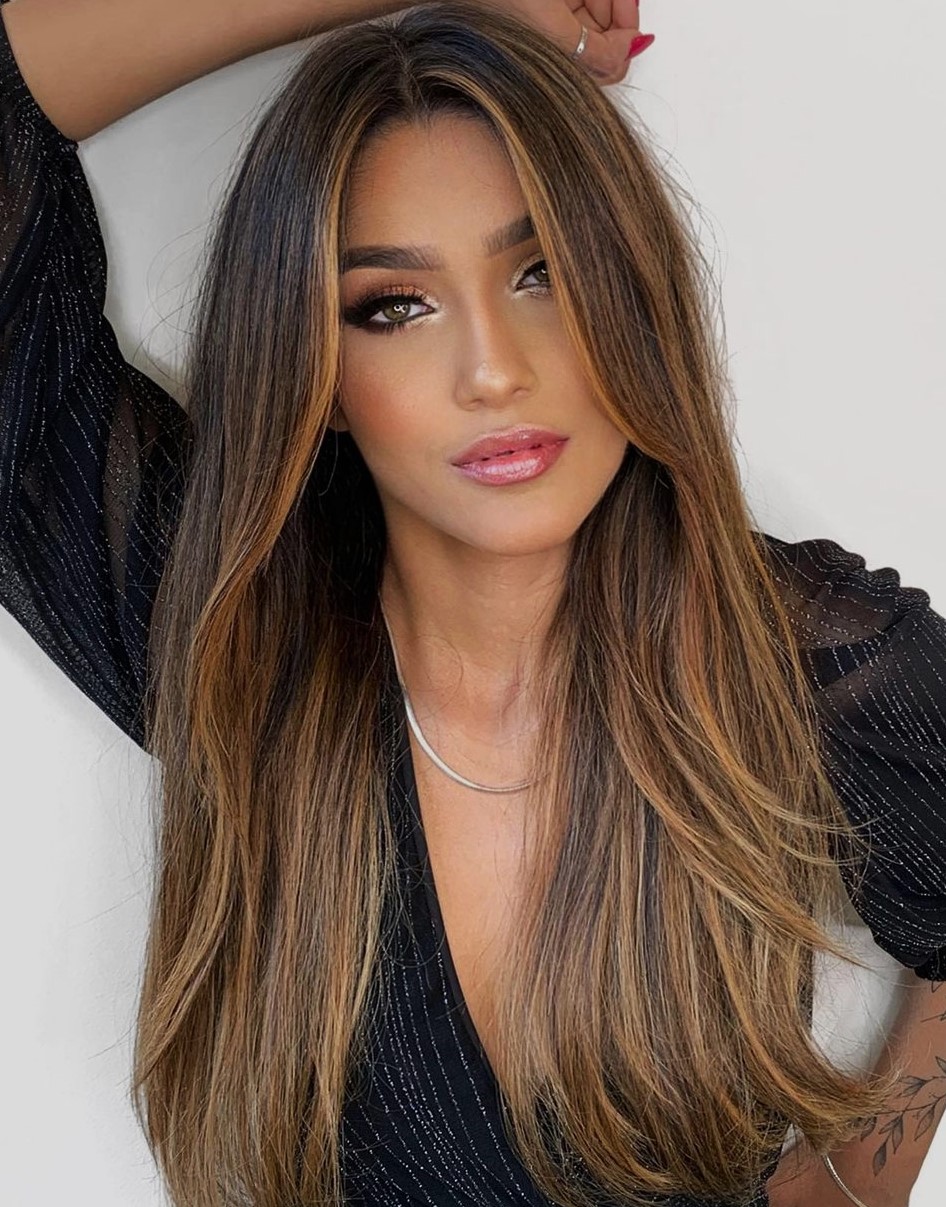
For green eyes, warm tones beat cool every time. The dark brown auburn copper highlights bring out the gold flecks in green eyes in a way that ash tones cannot. The rich auburn and copper sit against the dark brown base without fighting it, because the base is neutral enough to hold both warm and cool. The loose waves and long layers let the two highlight shades catch the light at different angles. If you are choosing between this and a cool brown with silver highlights, pick this. The contrast is softer, more natural, and it does not wash out fair warm skin the way ash does. The mid-back length and wavy medium texture are ideal for showing off the dimension.
Chin Length Shag with Green Undertones
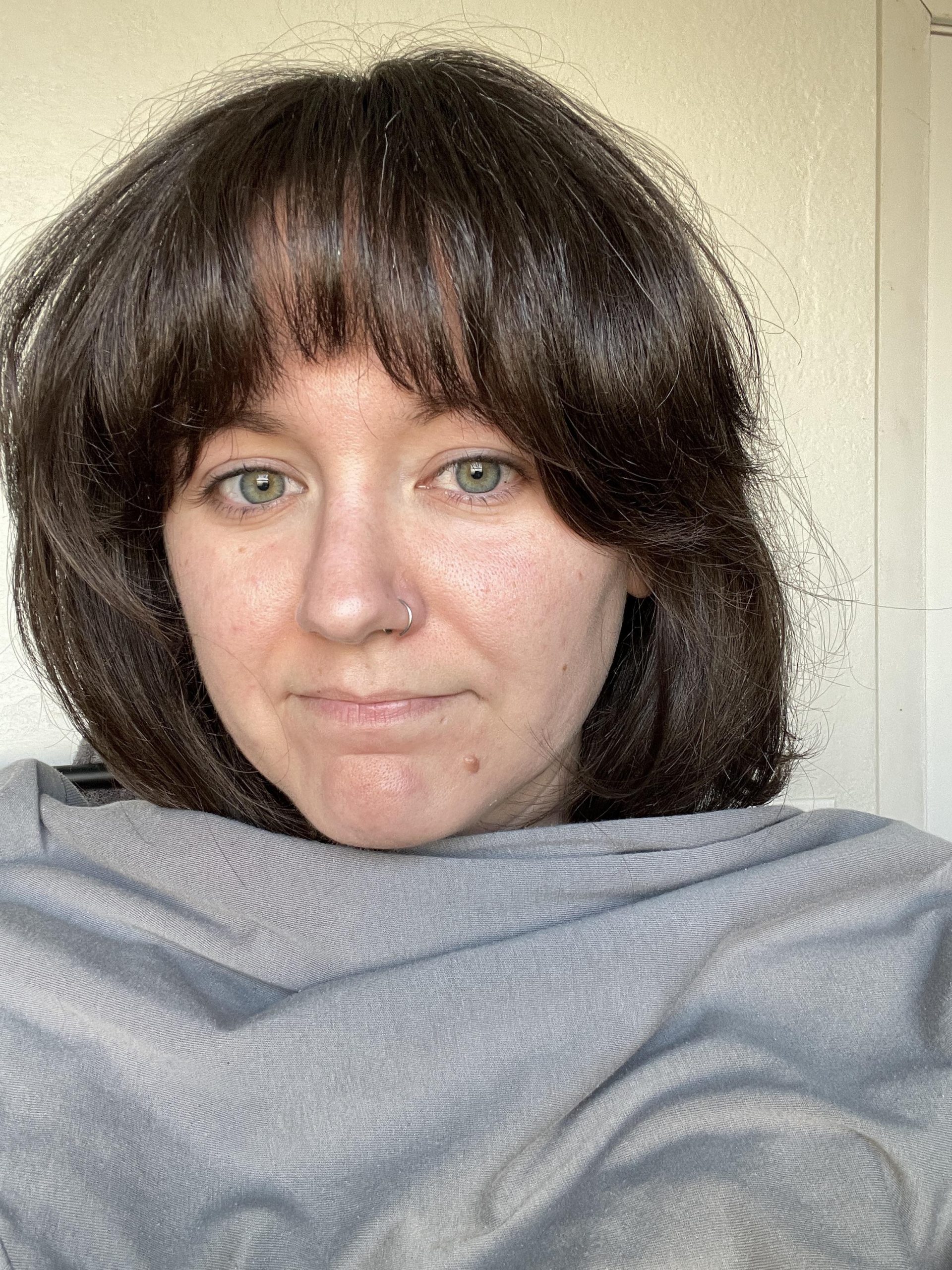
Is a chin length shag right for green eyes? Only if your hair is fine to medium density. The dark brown green undertones shag relies on the blunt bangs and air dried waves to contrast with green eyes. Thick hair can feel bulky at this length. The chin length shag suits oval and heart faces best, and the green undertones are subtle enough to read as dimensional, not costume. If your hair is coarse or your face is round, skip it. The shag needs texture that sits close to the head, and blunt bangs can shorten a round face too much. Wavy fine texture is ideal.
Dark Brown with Cool Undertones
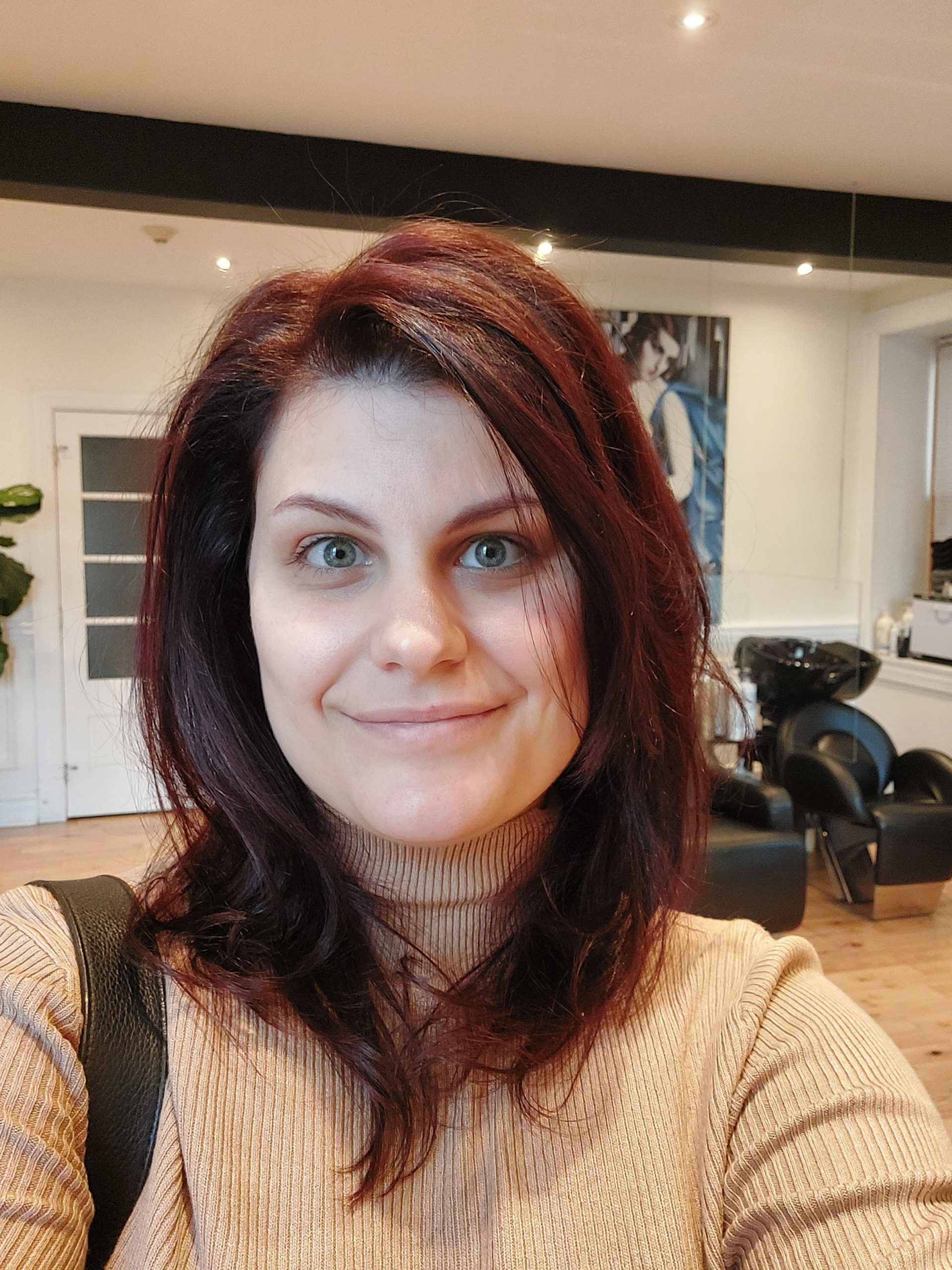
That dark brown base reads almost black in dim light, then the subtle cool undertones catch the winter sun and your green eyes go first. My colorist calls this “expensive brunette” and I see why. The tone sits right at the line between cool and neutral, no violet cast, no flatness. On wavy, thick hair at mid-back, it moves like fabric. Air-dried waves take about fifteen minutes, which is the whole point. A color-depositing mask every six to eight weeks keeps the subtle cool undertones from drifting warm. Trim every ten to twelve weeks for length. That’s it. That’s the whole routine.
Layers Ash Blonde with Caramel Highlights
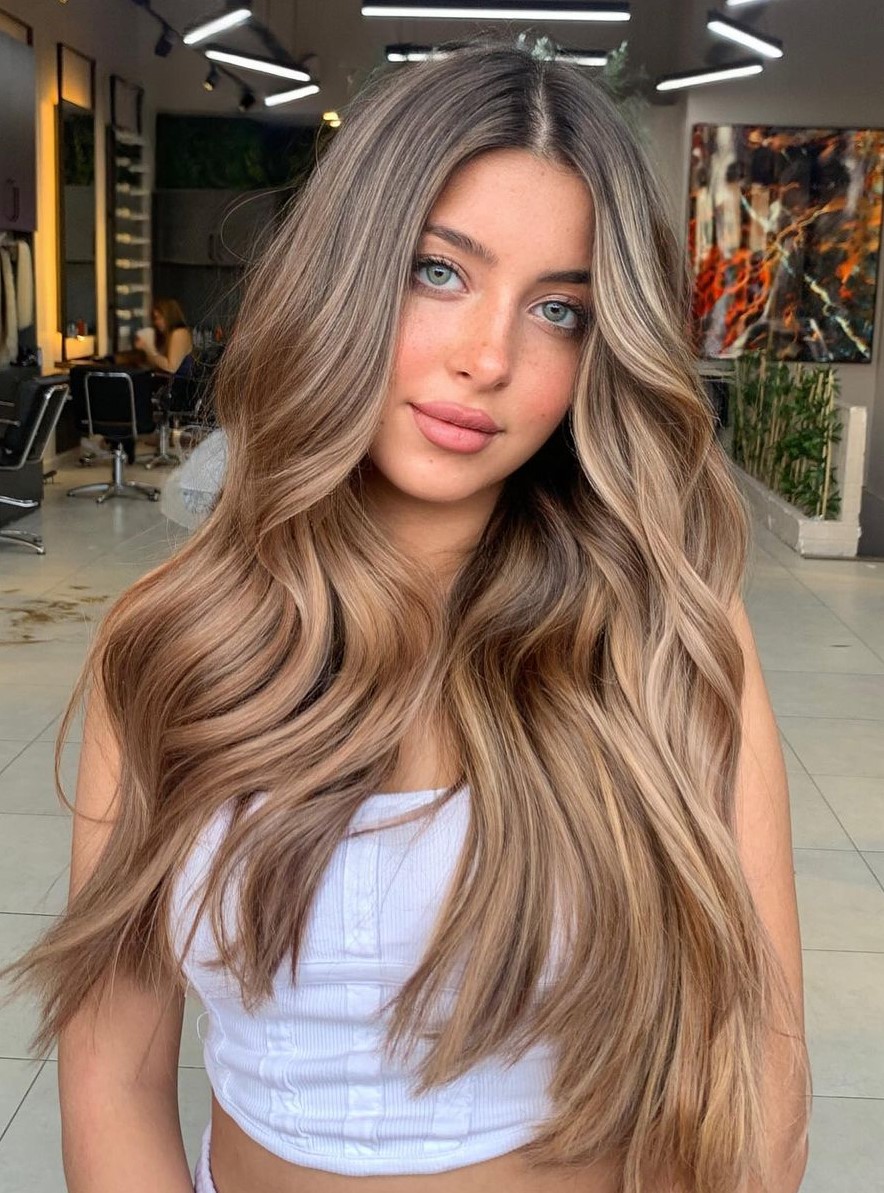
This one earns its salon appointment. The ash blonde caramel highlights start with a cool ash base at the roots, then caramel highlights are painted through the mid-lengths and ends. The contrast is the trick. Ash pulls cool, caramel pulls warm, and together they hit green eyes from two directions. On wavy, thick hair at mid-back with curtain bangs, the layers catch both tones. The honest downside: the ash blonde needs toning every six to eight weeks, no skipping. The caramel highlights hold warmth longer but the ash fades first. Curtain bangs need daily attention, a quick blow-dry with a round brush, no shortcuts.
Dark Brown with Golden Blonde Balayage
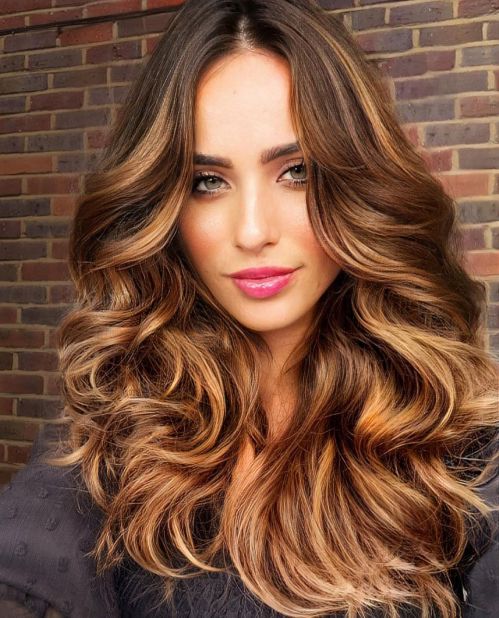
I did not expect to like a golden blonde balayage in December. But here we are. The dark brown golden blonde balayage starts with a deep brown base at the roots, then golden blonde balayage sweeps through the mid-lengths and ends, soft and sunlit. On wavy, medium-density hair at mid-back with a side part, it lands somewhere between polished and relaxed. Loose curls take about twenty-five minutes. The warmth reads intentional against winter coats and scarves. Touch-ups every eight to twelve weeks because the grow-out is genuinely soft, no harsh line, no panic.
Final Thoughts
- Root shadow every six weeks hides the grow-out line.
- Tone ash shades at week six, not week ten.
- Book a gloss every eight weeks for green undertones.
- Trim the baseline every eight weeks to keep blunt ends.
After writing all 18 of these, the chair next to me makes sense. Ash works, but the ones I keep flipping back to are the warm ones, auburn and copper against green eyes. The surprise is that the green underneath does half the work, no toning every three weeks. If I book anything next, it’s the dark brown with auburn highlights. My roots will show by week five. I already know the plan.