
I kept seeing the same thing in the chair next to mine this winter: women asking for their gray, not covering it. A silver highlight here, a dark root there. The color was staying, the tone was cooling. I started paying attention.
So I collected 22 ways to wear Winter Hair Colors for Gray Hair. From low-maintenance natural gray to high-upkeep icy platinum, there’s a shade for every density and texture. Whether your hair is fine or thick, round or oval face, there’s a version that works. I know the grow-out line shows at week five, and fine hair goes flat by 4 pm. These ideas account for that.
Natural Medium Gray With Silver Highlights
There is a specific kind of gray that does not fight you, it just blends, and natural gray with silver highlights is exactly that. This is collarbone length with soft layers and a side part, and the wavy, medium density texture keeps it from reading flat. It took me about fifteen minutes with a large barrel wand, and the curls held for two or three days, which is more than my typical 4 pm collapse. The beauty of a blended natural gray is that it flatters nearly every skin tone, because it is neither too warm nor too ashy. A light-hold hairspray keeps everything soft. I skipped bangs here on purpose. They would have added upkeep to a style that is otherwise low maintenance.
Silver Gray With Dark Roots
What does silver gray with dark roots actually look like by day four, because that is the real question. This one is mid-back length with layers, a middle part, and loose curls that take about twenty minutes to set. The wavy, thick texture holds the shape, and a root melt in a rich gray blend keeps the dark base from turning into a hard line. No stylist I trust would call this low maintenance, but that is not the point.
I wore this through a full week and the roots never felt like a mistake, they read as a deliberate contrast. Avoid over-brushing though, because the silver tones grab on thick hair and start to frizz. The grow-out is genuinely forgiving: my roots showed at week five and it just looked dimensional. That is the whole trick of a root melt, it blurs the line so you get six calm weeks instead of three panicked ones.
Cool Ash Gray With Silver Blonde
Ash gray with ash blonde is the rare colour that manages to be soft and dimensional at the same time, and photograph after photograph flattens it. The trick is the blend: a cool ash gray base at collarbone length with silver and ash blonde highlights woven through the layers, so the tone shifts as the hair moves. My hair is medium density and wavy, and this needed about twenty minutes with a blow dryer and round brush to get the volume right. The honest downside? Ash wants to turn brassy on everyone. The colour leans cool against warm skin and reads silver, but without a color-safe shampoo it drifts warm by around week three.
Ash Gray With Lighter Gray Highlights
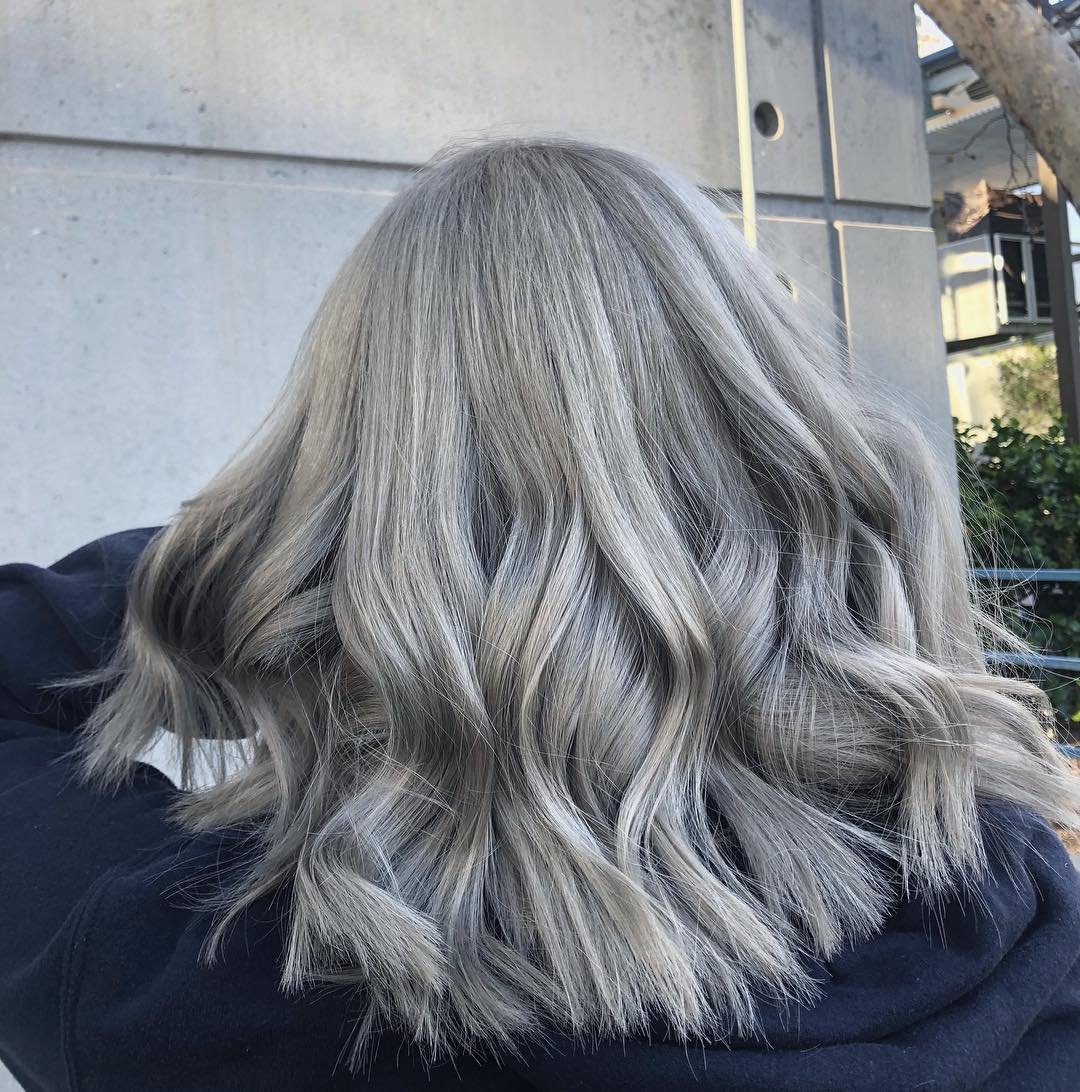
The difference between a solid ash gray and ash gray with highlights is subtle until you see it under holiday lights. The lighter gray highlights catch the glow while the base stays cool and dimensional. At collarbone length with loose waves and a middle part, this back-view blowout reads as deliberate rather than grown out. The wavy medium texture holds the shape without product. For a winter party, this is the color that photographs well because the highlights add depth without looking stripey. It’s the kind of dimensional gray that says you planned it, not that you let it happen. The technique is fine highlights placed to lift the overall tone without going blonde. That’s the holiday advantage: it reads as festive without being obvious.
Icy Platinum Silver-Gray
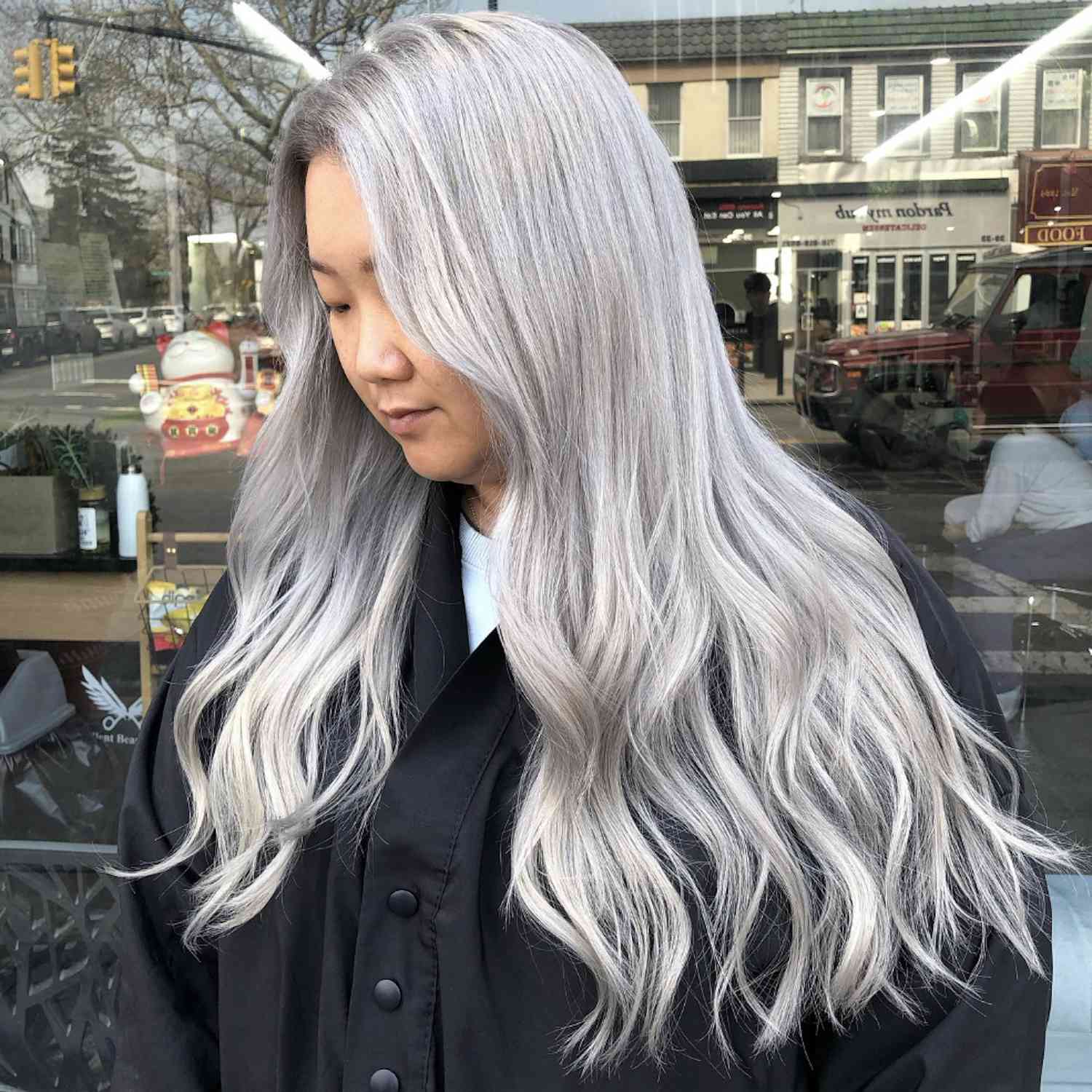
I get why people want this icy platinum silver gray. It’s striking, cold, and looks like you stepped out of a winter landscape. The long layers fall to mid-back, air-dried into soft waves that move without effort. The fine wavy texture carries the icy tone without looking flat. But this color has a narrow audience. It demands a specific skin tone to work.
If your skin is very fair with cool undertones, the platinum can wash you out rather than complement you. Warmer skin tones often find it harsh. The best candidates have medium skin with cool undertones or a tan that provides contrast. The upkeep is real: a purple shampoo every few washes to keep the icy tone from turning yellow, and heat damage is a constant risk because platinum is fragile. The air-dried styling takes five minutes, but the color maintenance is what you sign up for. This is a commitment color, not a casual experiment.
Dark Brown With Silver White Highlights
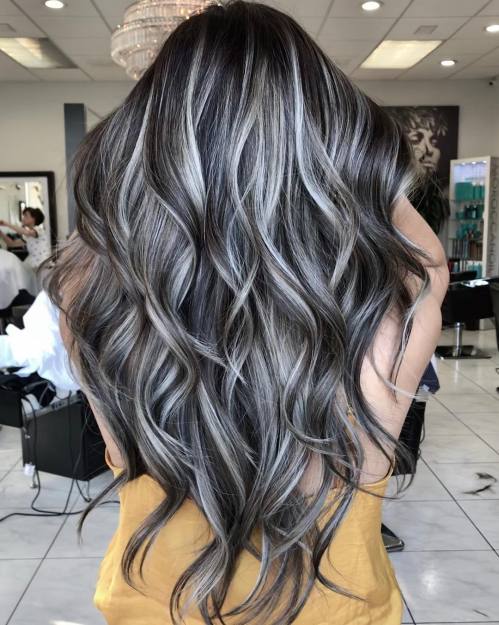
I was skeptical about putting light highlights on dark hair for gray coverage, but the contrast is surprisingly wearable. The dark brown with silver highlights creates a striking look that reads intentional, not grown-out. The technique uses thin highlights woven through mid-back length, wavy and thick texture, with a cool silver tone that keeps the brown from looking flat. It works because the base is rich enough to anchor the brightness, and the highlights are spaced widely enough to avoid a zebra effect.
- Ask for a dark brown base with silver and white highlights spaced widely.
- Request fine highlights starting a few inches from the root for softer grow-out.
- Emphasize you want cool silver tones, not warm gold or caramel.
- Confirm the stylist will use foils to keep the bleach from bleeding.
This is a salon-only job. The lift required to get silver-white on dark hair is significant, and the placement needs expertise to avoid muddy bands. Expect a long session, but the result holds its crisp contrast for weeks.
Ash Blonde With Dark Roots
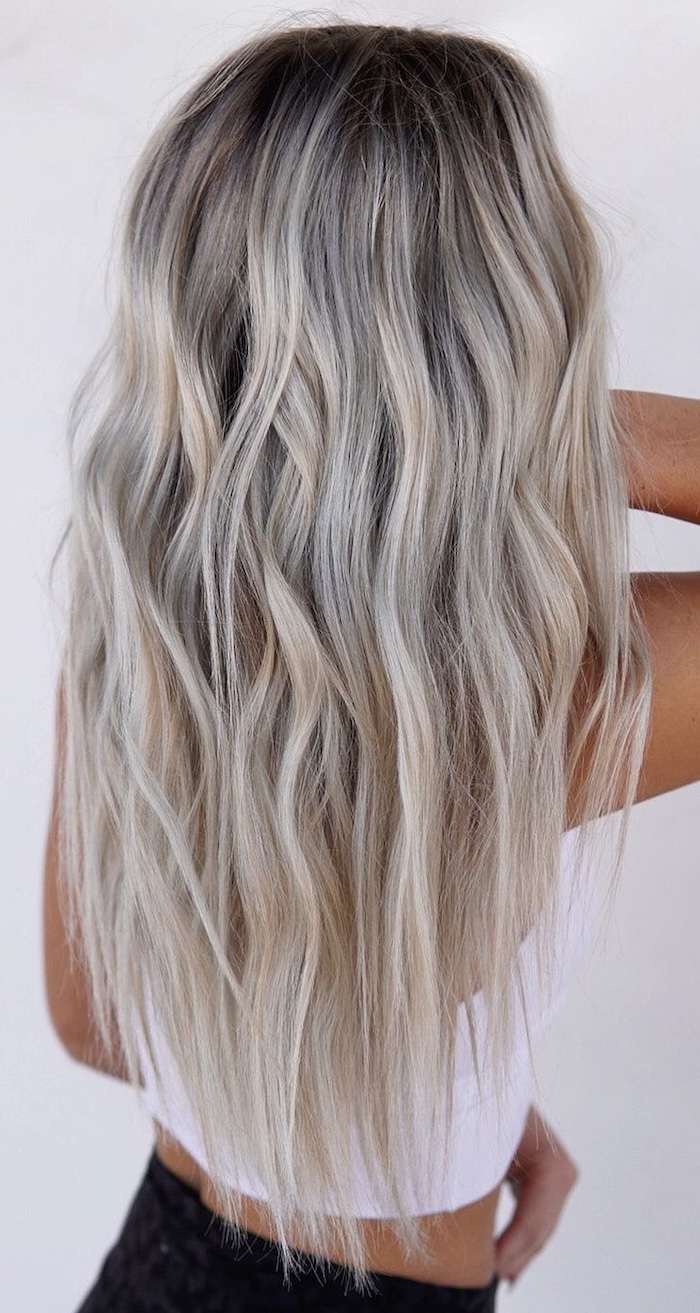
The ash blonde with dark roots has a specific optical trick: the darker base roots make the lighter lengths pop without needing a full bleach. The dark roots mean you can stretch salon visits to eight weeks, which is a real win for the schedule. The ash blonde highlights on the mid-back, wavy, thick hair will fade to a warmer tone around week five, and that is the honest downside. You need a purple shampoo every third wash or the brassiness wins. But the low-maintenance grow-out is worth the toning ritual for most.
Extreme Ice Blonde With Silver Tones
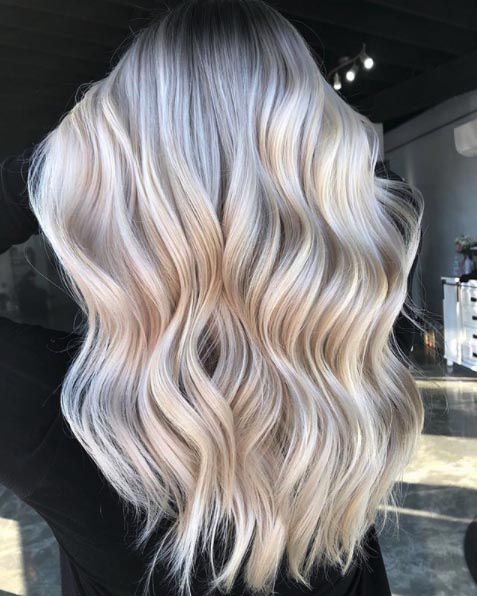
Is this ice blonde with silver tones for you? It depends on your starting point and your tolerance for the strict all-over color and silver toner technique. The shade works best on naturally light hair or previously lightened bases because the lift to extreme ice blonde is substantial. On wavy, thick hair at mid-back length, this color reads cool and modern, especially against fair to light skin with pink undertones.
Who should pass? Darker skin tones or those with yellow undertones might find the ice contrasts too stark. The mid-back length means more surface area to tone, so expect longer salon appointments for even color distribution. If you travel often or have limited salon access, choose a softer gray instead.
Smoky Gray With Ash Blonde
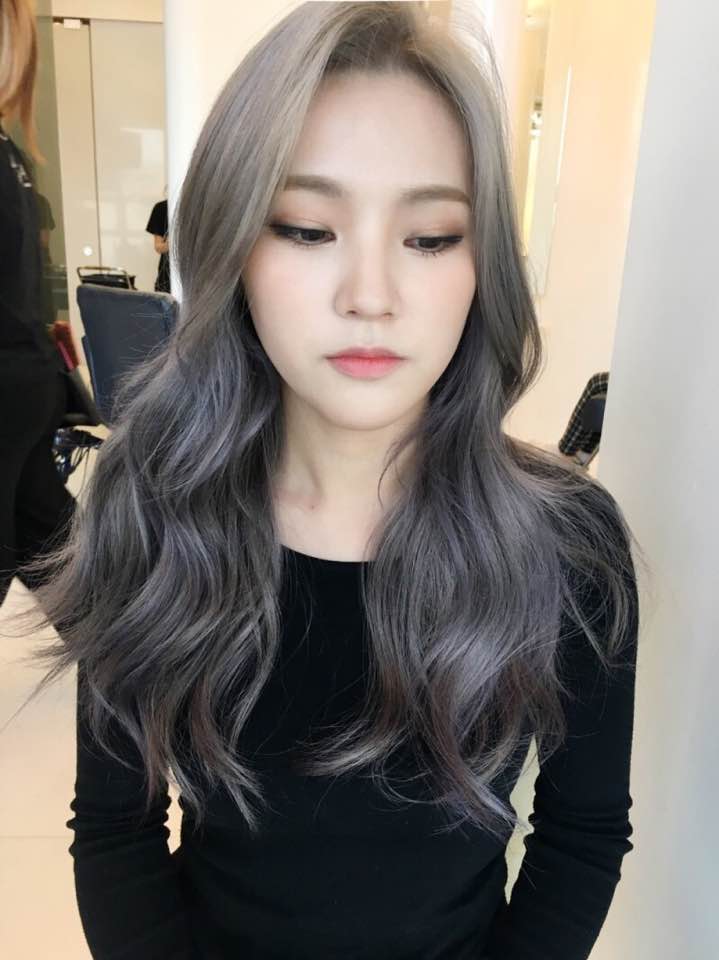
I wore this to a holiday dinner and got more compliments than the dessert. The smoky gray with ash blonde highlights on shoulder-length wavy hair catches the candlelight without screaming. The medium density texture holds the wave well, and the cool tone keeps it sophisticated for winter events. It is the color you want when you want to look intentional but not overstyled.
Ash Blonde Lob With Silver Bangs
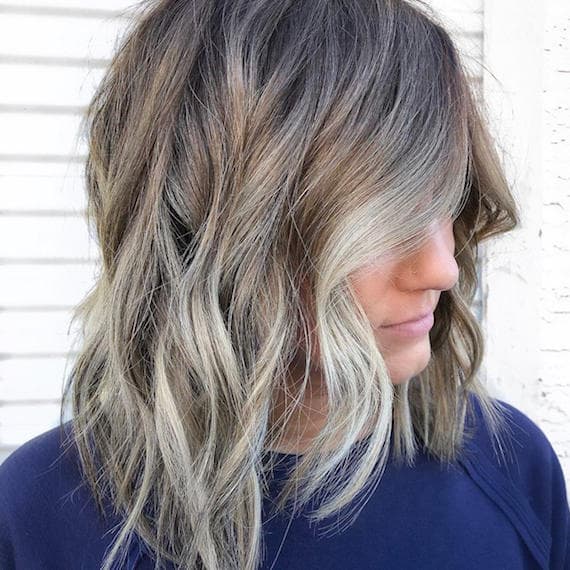
I tried to do silver bangs at home. I do not recommend it. The ash blonde lob with bangs in this photo has a cool silvery tone that requires a salon for proper lift and toning, especially on the chin-length bangs. The wavy medium density texture helps diffuse the grow-out, but you need a trim every six weeks to keep the shape, making this a consistent salon commitment.
Mid-Back Ash Blonde With Dark Roots and Highlights
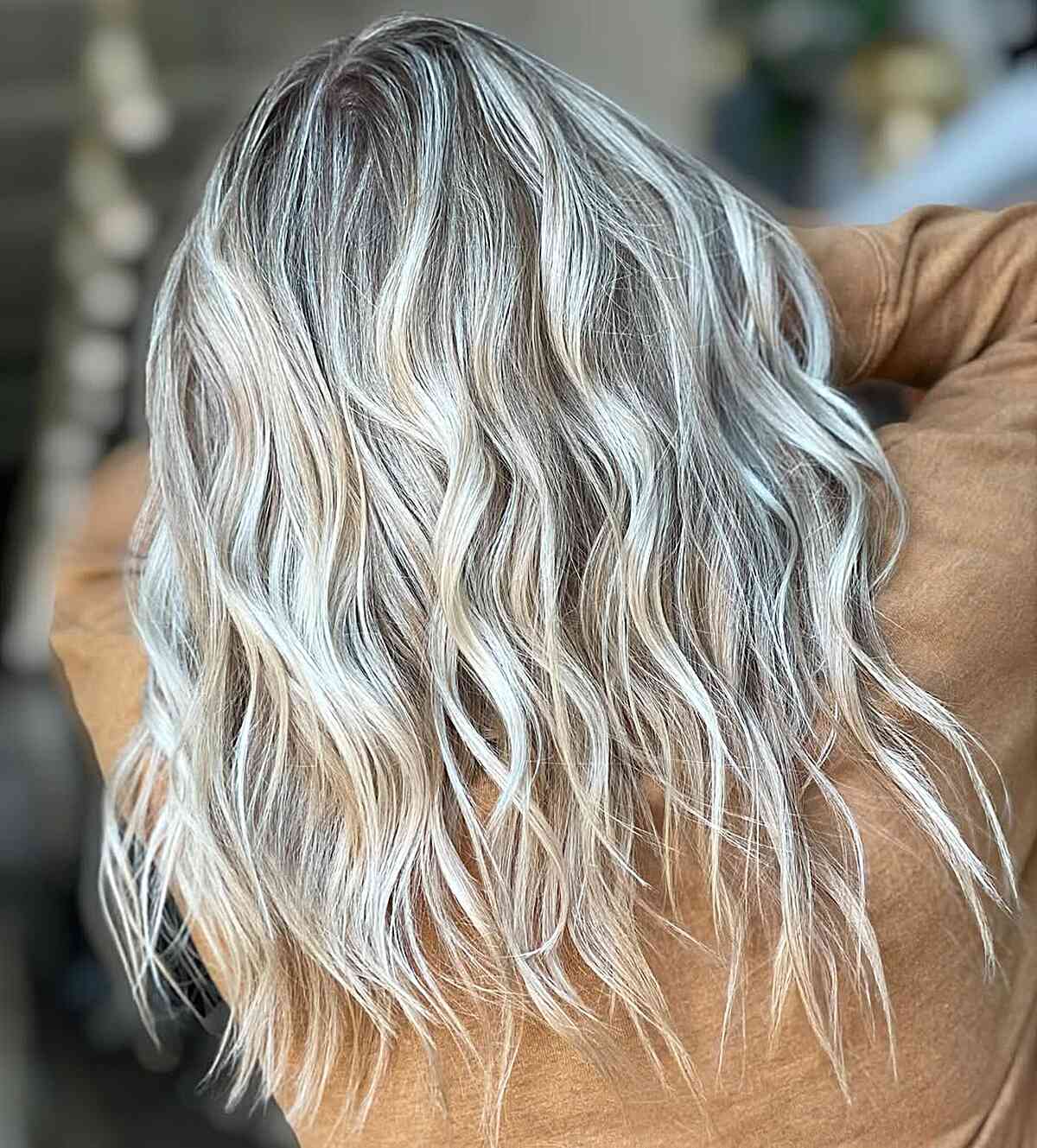
That back view tells you everything: the roots mean you skip the chair an extra month, the ash blonde highlights catch the light in bands, not streaks. At mid-back with thick waves, this colour lives on texture. I run a volumizing mousse through damp hair, twist sections loosely, let them air-dry halfway, then diffuse the ends. Fifteen minutes. The dark roots make the ash blonde with dark roots highlights read cooler by contrast, and the grow-out fades into the base instead of announcing itself. By week four, the roots are half an inch and nobody notices. By week eight, they’re part of the look. The upkeep is a toner every third shampoo and a trim for split ends every ten weeks. That is less than half the maintenance of an all-over blonde.
Ash Blonde With Lighter Ends
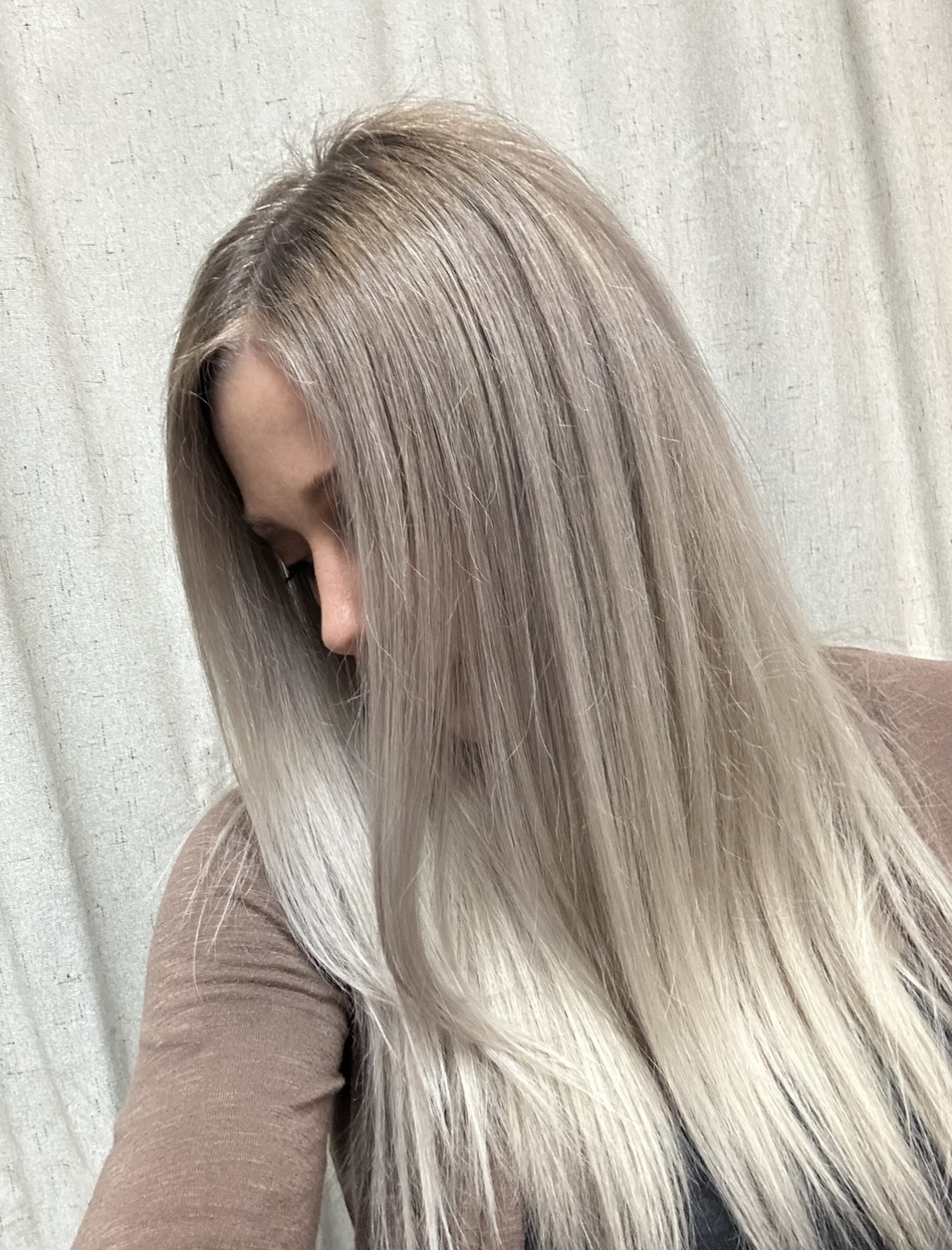
This one is a verdict, not a negotiation. The ash blonde tone stays cool from root to mid-length, then shifts lighter only in the last few inches. It is not ombre, which graduates the whole strand. It is not balayage, which paints sections. It is a targeted lightener applied only to the ends, and the effect is subtle enough that most people will not call it colour at all. The downside shows up around week five: those lighter ends are more porous, so they grab warmth from water and turn brassy before the rest of the hair does. A purple conditioner on the last three inches, once a week, is how you keep this ash blonde with lighter ends from going yellow. That, and a trim every eight weeks to keep the ends dense enough to hold the contrast.
Blue-Gray With Silver Highlights
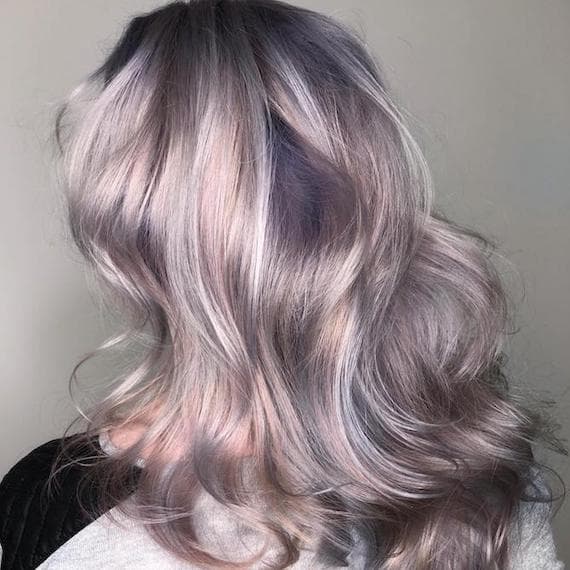
Who can actually wear this blue gray hair with silver? The answer is boring but true: anyone whose natural skin undertones lean cool or neutral. The blue-gray base reads icy, not muddy, only when it sits next to a complexion that does not fight it. Warm yellow or golden undertones will make the blue look bruised. Olive skin works if the blue is kept smoky, not vivid. On cool undertones, this hue makes the hair look denser and the silver highlights read as natural shine. The collarbone length keeps the whole thing from turning costume, and the waves break up the colour so it does not land as a solid block. If your skin runs warm, ask for a violet-based gray instead of a blue one: it gives the same edge without the mismatch.
Abundant Natural Gray Hair
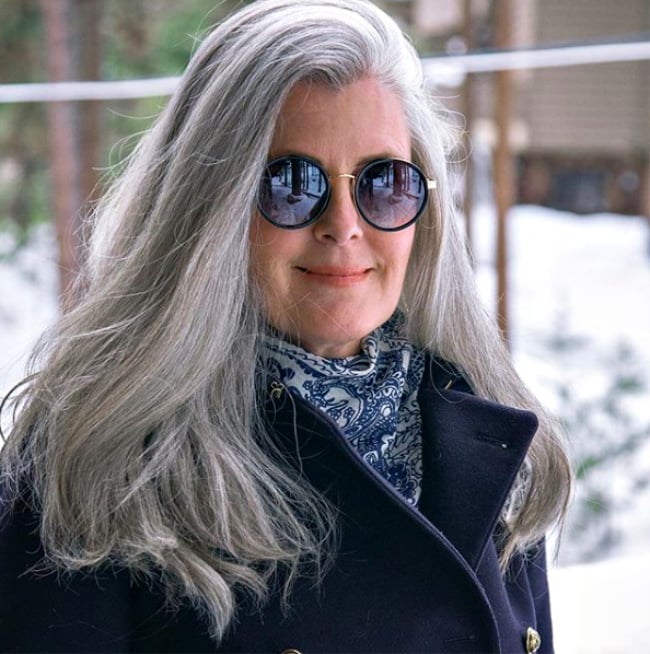
The mistake is thinking it needs help. It does not. This is mid-back, thick, wavy gray air-dried with zero intervention, and it looks like a choice because of one thing: health, not colour. Shine comes from a good leave-in conditioner that smooths the cuticle, and waved texture from squeezing the wet hair into loose scrunches and walking away. Five minutes, done.
If you are growing out dye, the trick is to cut the colour off in stages, not all at once. A shoulder-length blunt cut removes the most damaged ends in one appointment, then let the natural grow at your temples and crown set the pace. The abundant natural gray hair will look intentional, not neglected, when the rest of the length follows. Skip the purple shampoo; gray that has not been lightened does not turn yellow, it turns dull, and a moisturising shampoo fixes that better than any toner.
Collarbone Dark Base With Silver White Highlights
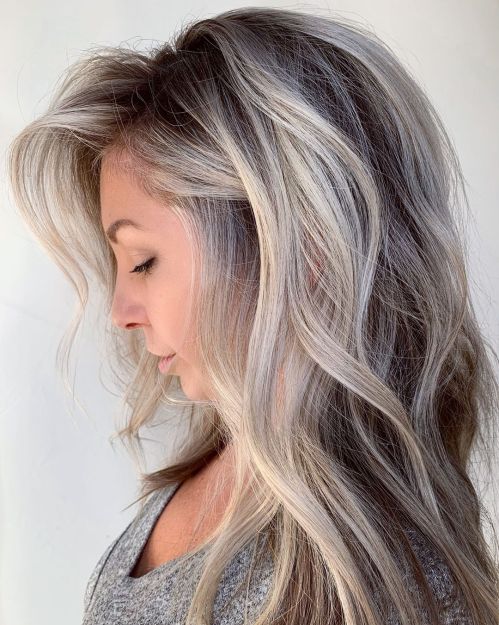
The contrast is the point. A dark base with prominent highlights at collarbone length reads like high-contrast film photography: the dark strands ground everything, the silver-white ones pop forward in any light. Thick, wavy texture helps the highlights sit in visible clusters rather than disappearing into the mass. The side part breaks the symmetry, the side-swept bangs frame without covering. Here is what goes wrong: those light strands are lifted to near-white, which means the ends of the highlighted sections are more fragile. Split ends show up there first, usually by week six, and they travel faster up a lightened strand than a natural one. Book a trim every eight weeks to catch them before they split higher. Toning every four weeks keeps the silver from yellowing into butter cream.
Uniform Smoky Silver Grey
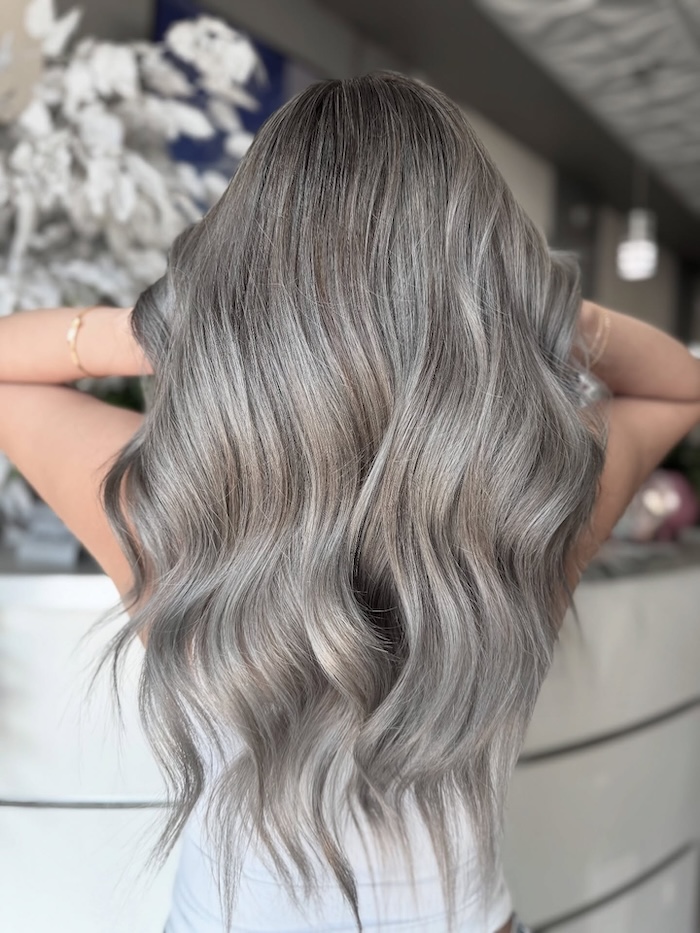
A single shade, applied evenly, is harder than it looks. A uniform smoky silver grey demands precise mixing and a full-head application that leaves no line, no variation, just cool-toned silver from roots to mid-back. The wavy texture and medium density give it movement without breaking the solid colour. The technique is straightforward in theory: apply one formula, process to lift, tone with a violet-leaning blue to kill warmth, then gloss. The violet-blue toner is what keeps the silver from warming, and the long layers help distribute the colour evenly through the mid-back length. But one overlapped section and the line shows.
Contrast that with dimensional techniques that hide imperfections. A uniform tone shows every mistake, but when it works it reads as intentional. The cool undertone keeps the silver from turning muddy, and the layered cut gives the length shape without disrupting the colour. When everything lines up, the result is a single, seamless colour that reads as deliberate. This is precision work, not a job for a rushed appointment, and it pays off in a clean, confident winter hair color.
Gray Base With Silver White Balayage
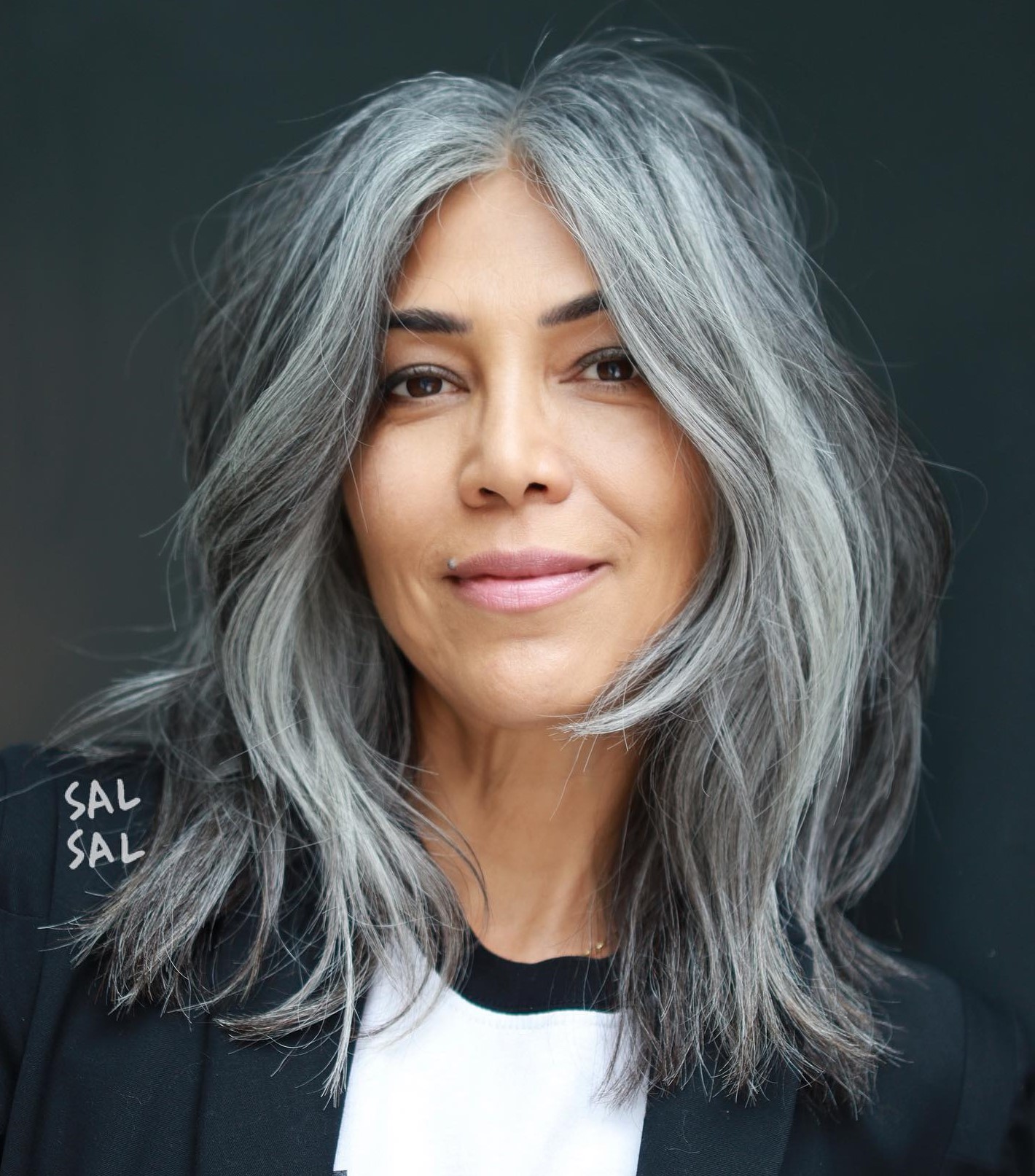
Ever wondered if gray hair can look dimensional without losing its cool? A gray base with silver white balayage adds movement without warmth. The base is a deep smoky gray, the highlights a bright silver and white, painted from mid-lengths to ends. Each section is painted by hand, starting darker near the roots and lightening through the mid-lengths for a natural transition. The long layers catch the light, and the thick wavy texture carries the dimension naturally.
Compare this to a solid gray. Solid gray reads as polished and uniform, but this balayage gives the hair life. The downside: the contrast between the dark base and the light highlights means the grow-out line is more noticeable than a single-tone gray. The silver white highlights require a cool toner refreshed every few weeks to prevent any warmth from bleeding in. Book it with a stylist who understands gray transition, not just blonde.
Ashy Platinum Blonde
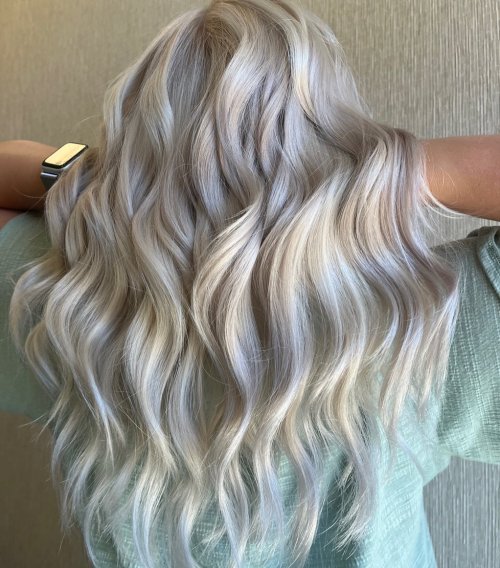
Ashy platinum reads cooler than a standard platinum, and that’s what saves it. The ash undertone dials back the brass that makes platinum look yellow on warm skin, so this shade flatters a wider range of complexions. With thick wavy hair and mid-back length, the layered cut keeps it from feeling too heavy. But the upkeep is real: a purple shampoo schedule and salon toning every four weeks to keep the ashy platinum blonde from drifting warm. This is a commitment, not a casual color.
Ash Blonde With Cool Grey Tones
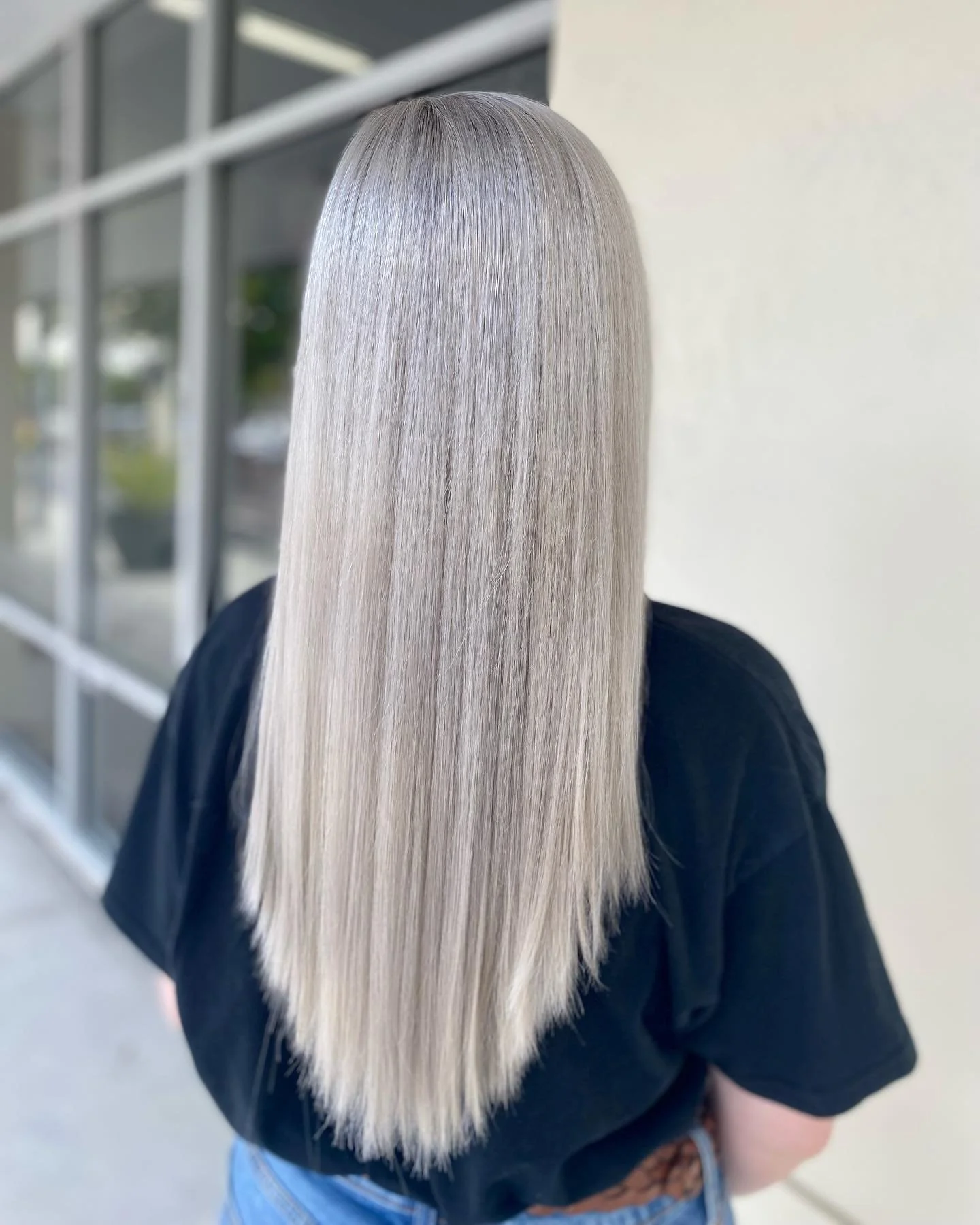
The muted grey tones in this ash blonde do exactly what winter light demands: reflect without glare. The base is ash blonde, deepened with subtle cool grey undertones that mute the warmth. The thick, straight length carries the color evenly, and the layers prevent the mid-back length from feeling heavy. A middle part keeps the symmetry clean. The straight texture shows the grey tones best because there is no wave to break up the colour. The cool grey undertone is what gives this blonde its winter weight.
The honest catch: muted tones flirt with dull. Without enough contrast or shine, the color can look flat rather than sophisticated. This is not a problem on sleek, well-conditioned hair, but if your texture leans dry or porous, the grey reads dusty instead of dimensional. The muted palette can also pick up environmental dullness from hard water or product buildup. It works best when the base ash blonde has enough lift to keep the grey from swallowing the light.
Dark Brown With Muted Balayage
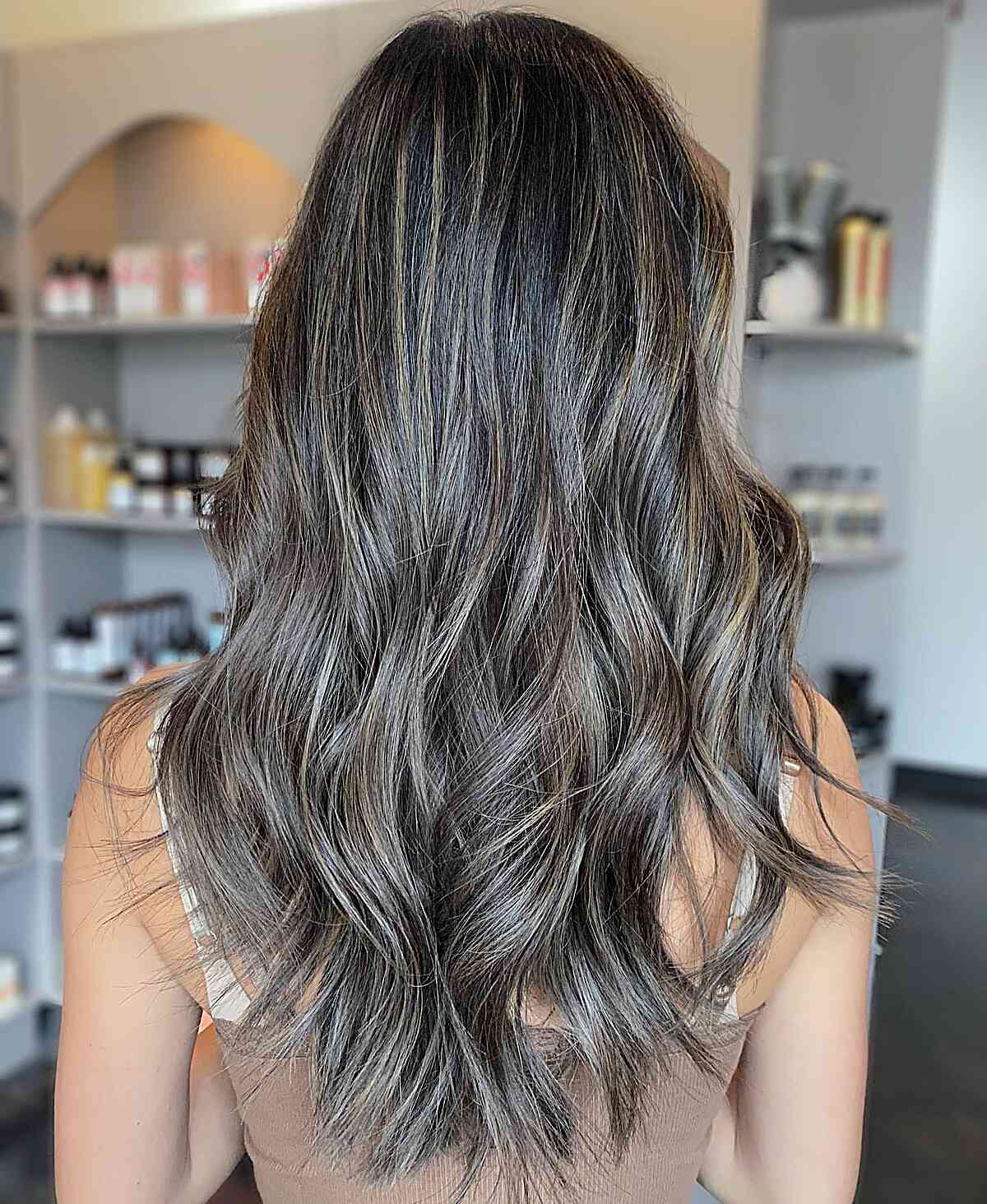
I’ll admit: I thought this was just brown hair with a few light streaks. It’s not. A dark brown with muted balayage uses a base of deep espresso, then soft grey and dusty blonde tones painted freehand through the mid-lengths and ends. The result is a blended lift that never shouts. The shoulder-length cut and loose waves show the dimension without disrupting the base. This is not a bathroom-mirror job. The tone mixing alone requires a stylist’s eye, and the placement needs to stay subtle to keep the winter mood.
Ash Blonde With Icy Silver Balayage
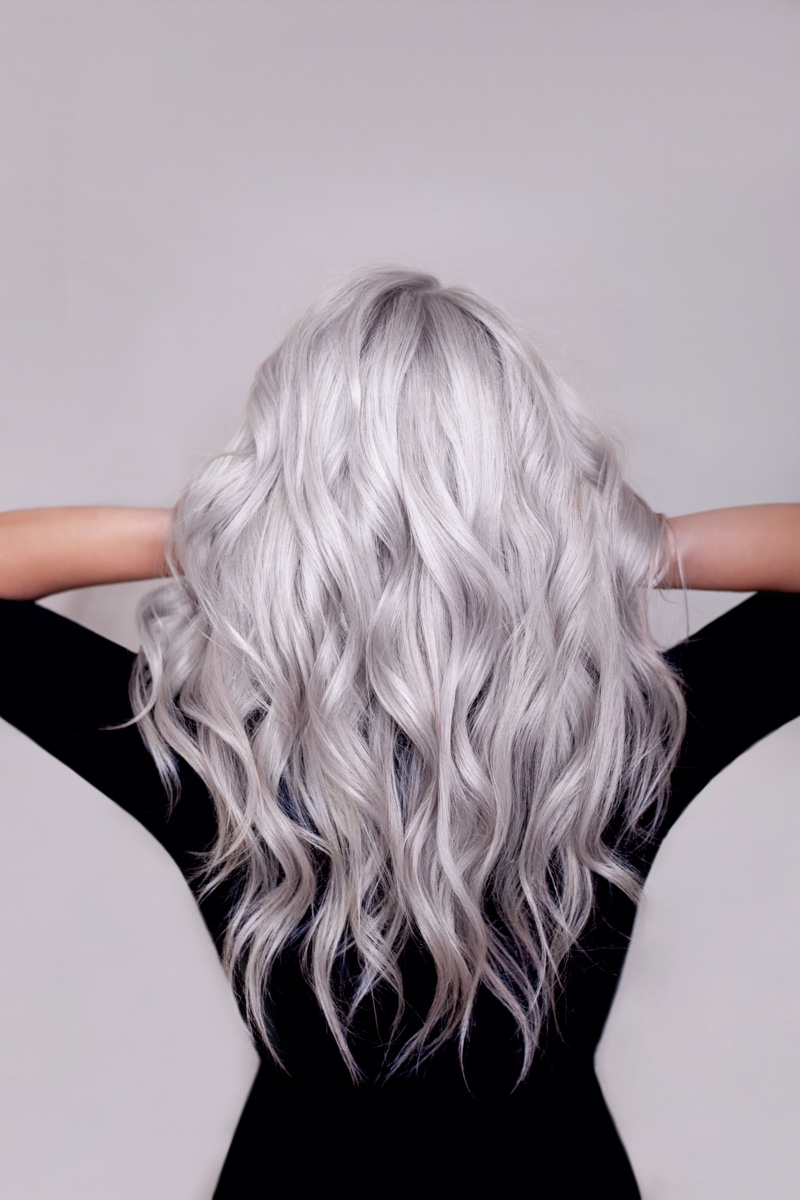
Collarbone, wavy, and a blowout that took maybe 15 minutes. I saw the back view first, and the ash blonde with silver balayage is what made me stop scrolling. The icy silver tone catches the light differently at every angle, which is the whole point — it’s not flat, it’s not brassy, it just lives in that cool space. Fine hair needs that lift, and the layers keep it from going flat by afternoon. You will need a purple shampoo and a good silver toner, and I mean need. That battle against brassiness is real, and it starts about two weeks after the chair. But for winter, for a season where everything else is heavy and dark, this is the hair that stays ice.
Dark Base With Blue Silver Balayage
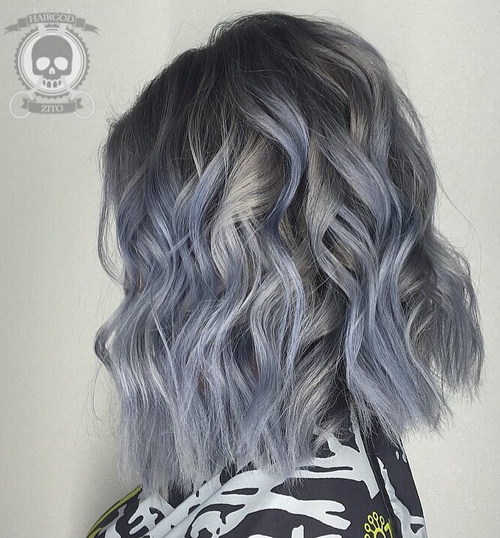
A collarbone lob with fine wavy texture, middle part. The dark base with blue silver balayage is exactly as cool as it sounds, but here is the catch you do not see in the blowout photo: blue tones are greedy. They fade fast, they shift green on some base colours, and they demand colour-safe shampoo and cooler-than-room-temperature water every wash. The icy blue tone reads modern, edgy, but only if you are ready to refresh every three to four weeks. Loose waves take 15 minutes to curl, but maintaining that blue-silver edge takes a schedule of its own. Winter suits it, though, and the grow-out is fine because the dark base stays dark.
Final Thoughts
After writing all 22, I still see that woman in the salon chair. But now I know what she’s asking for. What surprised me is how many of these colors work with a simple root shadow and a purple shampoo. I’m booking the silver white balayage next. It’s the grow-out I can live with.