
Every winter I watch everyone around me go darker. But this year the salon chair next to mine is booking ash blonde, copper red and something called mushroom blonde. I have fine hair that goes flat by 4 pm, so I need colour that adds depth without the weight. Turns out Winter Hair Colors for Pale Skin are about contrast, not darkness.
Here are 19 ideas that actually work on fair skin with cool, warm or neutral undertones. Low upkeep to high, short to long, salon-only to DIY. Some demand a root shadow at week five. Others fade gracefully. I tested the grow-out on a few. Not all made the cut.
Cool Ash Blonde With Platinum Highlights
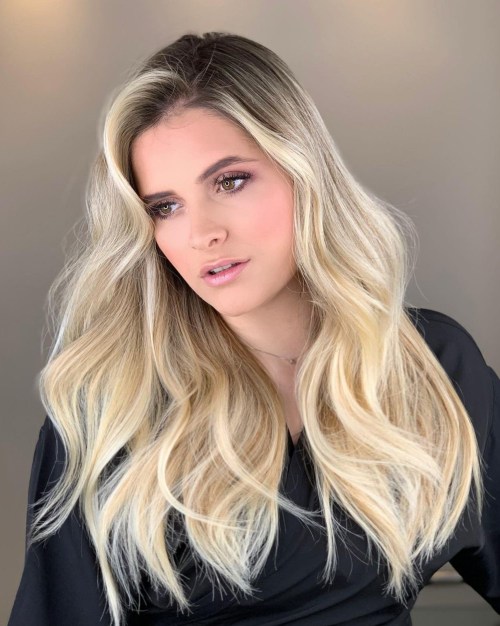
Ash blonde with platinum highlights catches light the way morning frost does — bright, cool, and impossible to ignore. For pale skin with cool undertones, this shade reads as deliberate, not washed out. On medium density hair, the highlights hold dimension rather than falling flat. The mid-back length gives the colour room to travel, and the wavy texture scatters light so the platinum catches at every bend. No bangs means the colour stays front and center. But this isn’t a set-it-and-forget-it colour; it demands regular toning and a stylist who respects ash.
Ash Blonde Bob With Side Bangs
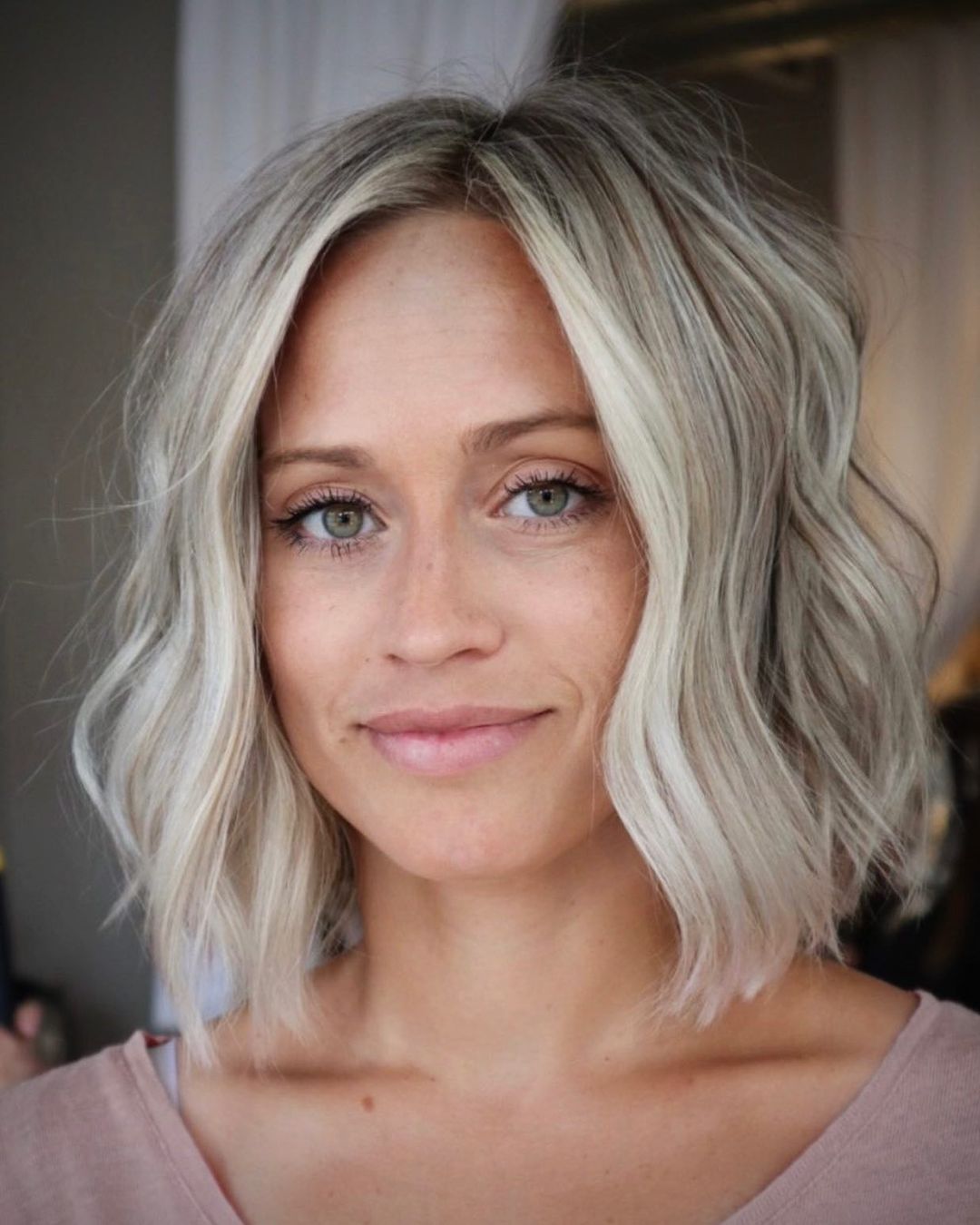
How often do you actually want to style your bangs? The ash blonde bob with side bangs looks sharp on day one, but by day three, the bangs have their own agenda. On fine, wavy hair, expect flyaways — ask your stylist for a soft taper into the sides to minimize the gap. The chin length means the bob holds shape well, but the ash tone needs a purple shampoo every other wash to stay cool.
Deep Rich Red With Loose Waves
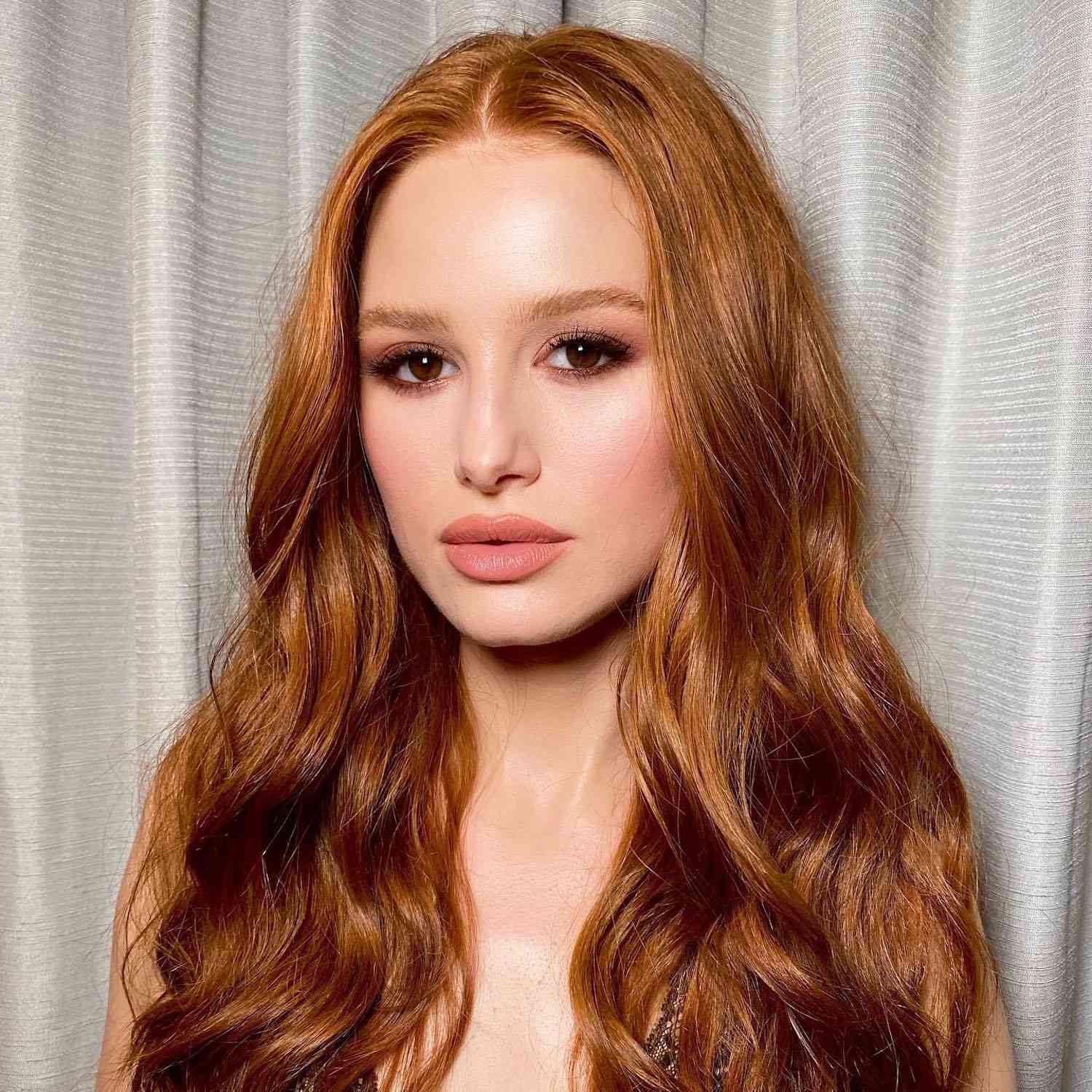
I’ll be honest: I booked a deep rich red without a trial strand. Two hours later, I had a mid-back curtain of waves that looked like it belonged on a winter cover. The colour is all-over, no highlights, just one saturated layer. The tone is rich enough that on pale skin it reads as warmth, not a costume. I was worried about redness, but the deepness balances everything.
The technique is straightforward — single-process colour applied from root to tip — but the maintenance is not DIY territory. My stylist used a gloss at the end to seal the tone. I have wavy, thick texture, so the loose waves held shape for three days without re-curl. The salon part is non-negotiable; I watched her mix three shades to get that depth. Worth every minute. She told me that a gloss every six weeks keeps the richness from turning brassy.
Blended Ash Blonde Lob With Beige Highlights
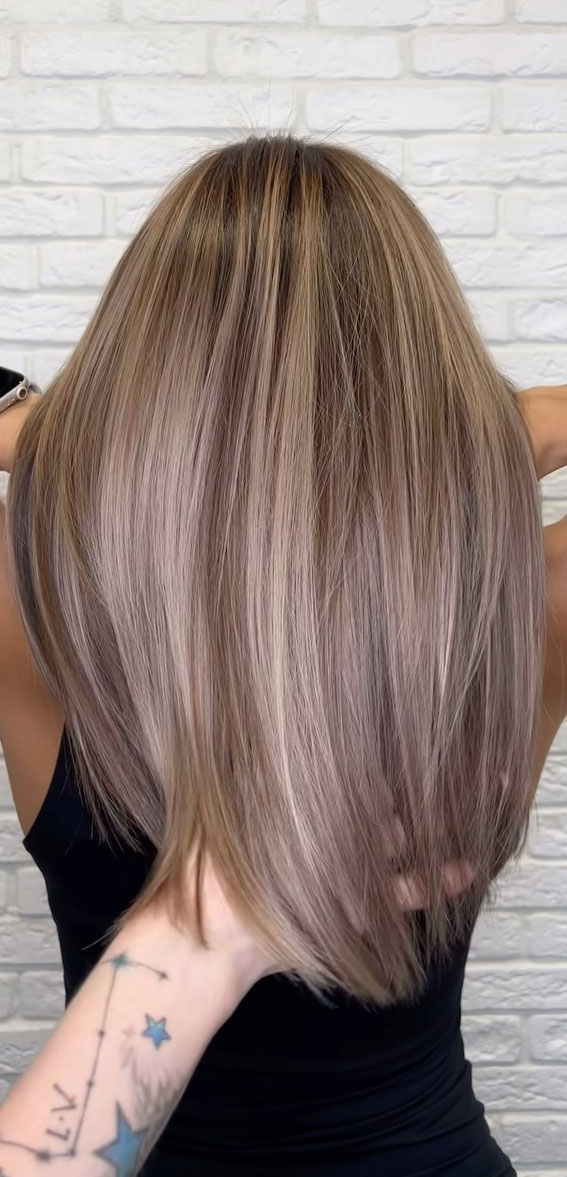
Straight from the back, this lob is a lesson in blending. The ash blonde base runs from root to collarbone, interrupted only by thin beige highlights that land exactly where light would hit. The technique is soft foil placement — not chunky, not painted — so the colour melts into itself with no line. The tone is cool but not icy; the beige adds a warmth that stops it washing out pale skin. The lob length on straight, medium-density hair keeps the highlights visible. This is not a standard highlight job; ask your stylist for beige accent foils woven through ash blonde. The result is smooth, dimensional, and surprisingly natural for a salon-level colour.
Soft Champagne Blonde Chin Bob
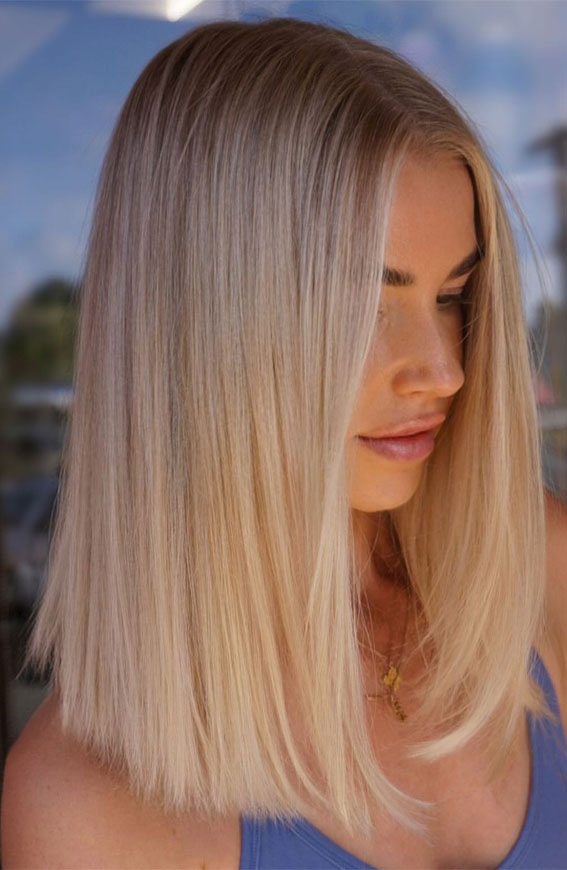
Have you ever chased a sleek bob that stays sleek past noon? A champagne blonde bob at chin length demands exactly that. The colour is a single soft shade, all-over, with a warm tone that catches light without yellowing. On fine, straight texture, the bob sits sharp. The honest downside: roots flatten by afternoon and the part darkens. The tone fades fast; regular toning appointments are required. For pale skin, the soft warmth works, but the daily effort is real.
Deep Burgundy With Red Undertones
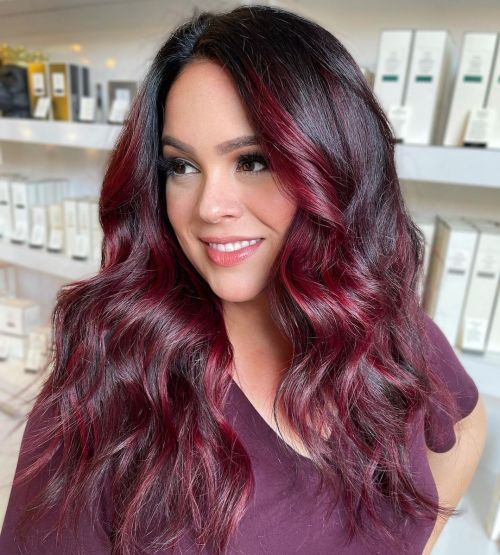
Nothing sharpens pale skin quite like a deep burgundy. This is a single-process gloss, no highlights, no balayage — just a rich, cool-toned red that sits close to the hair. The mid-back length gives the colour room to move, especially with loose waves and a side part. Thick, wavy texture holds the red undertones well because the light catches every bend and fold.
The red undertones are not set-and-forget. They fade faster than brown or black, and you will notice warmth creeping in around week five. A color-depositing mask every third wash keeps the tone true without another salon chair. This length and warmth flatters oval and heart-shaped faces best, and works on medium to high density hair. Fine hair? The waves might drop by afternoon.
Textured Shag With Full Bangs and Ash Blonde
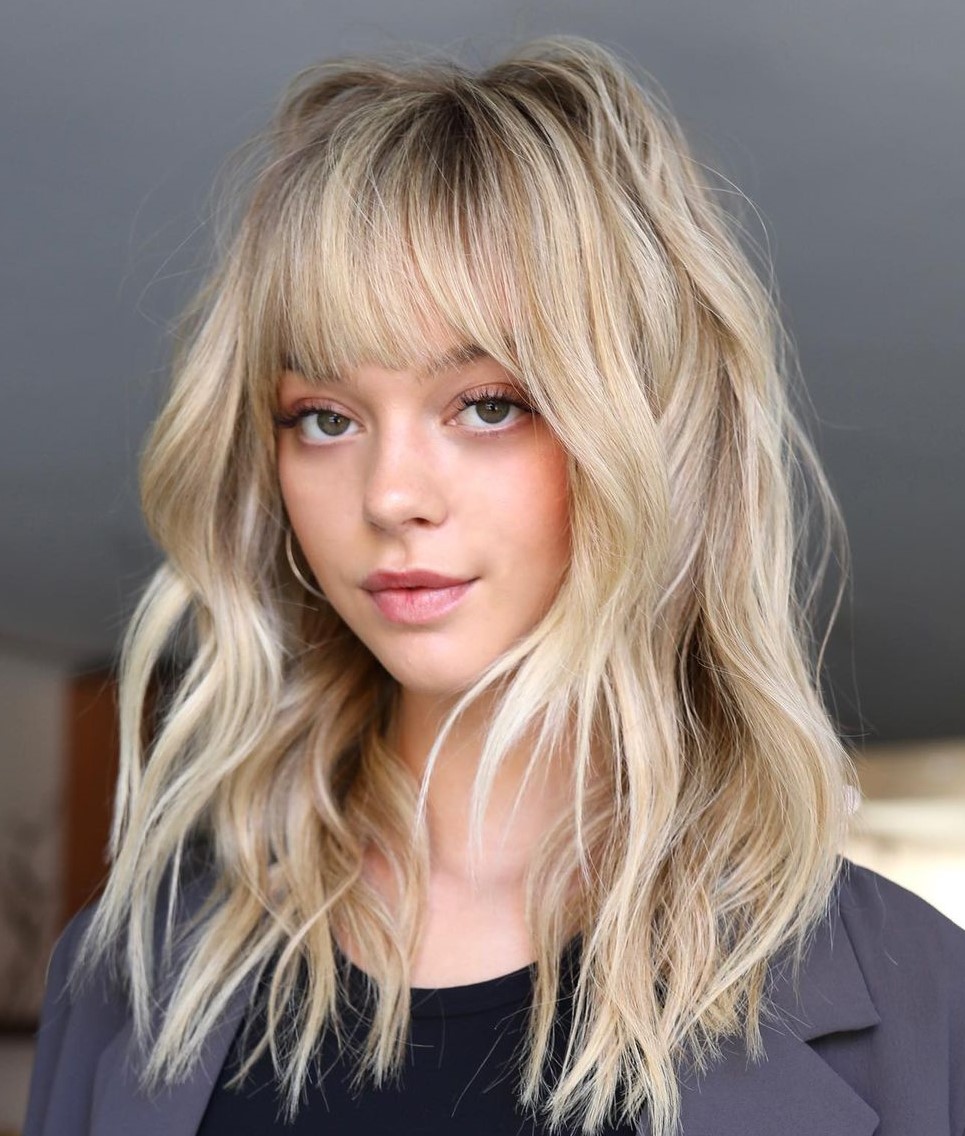
I tried a shag once and my ash blonde turned brassy within weeks because I thought the cut did all the work. The mistake people make with a shag cut and ash blonde is assuming the texture alone keeps the color cool. It won’t. The full bangs need a dry shampoo or a quick blow-dry every morning, and the ash blonde needs a toning shampoo every two washes to stay silver, not yellow. This collarbone shag has medium density wavy texture, and the subtle babylight highlights add movement. But if you skip a six-week trim, the bangs hit your lip and the layers lose their shape. Book it, and keep a purple shampoo at home.
Warm Golden Blonde With Copper Undertones
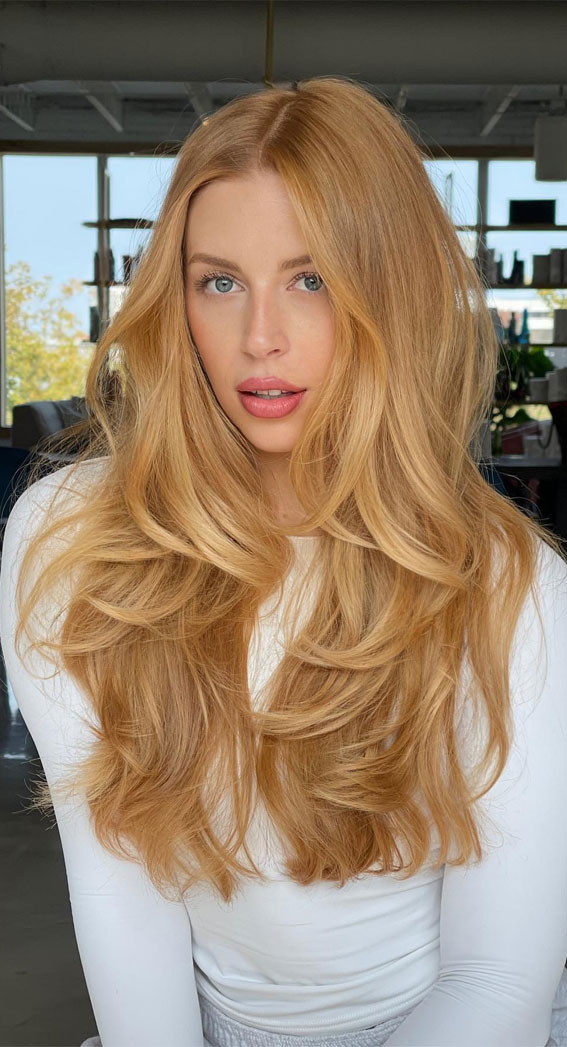
This is the winter color that actually looks warm, not washed out. A golden blonde base with copper undertones on thick, wavy mid-back length hair. The middle part and no bangs keep it from feeling heavy. Compared to cooler winter shades, this has more depth. My fine hair would need layers to hold that wave. The copper undertones add dimension without requiring full-on red.
This golden blonde copper undertones combination reads as intentional, not accidental. It requires toning to prevent that hay-yellow shift. And it needs a salon to get the balance right. Ask for a warm blonde base woven with copper ribbons, no bleach throughout. The waves are styled, not natural, so budget time for hot tools.
Warm Blonde Lob With Blunt Bangs
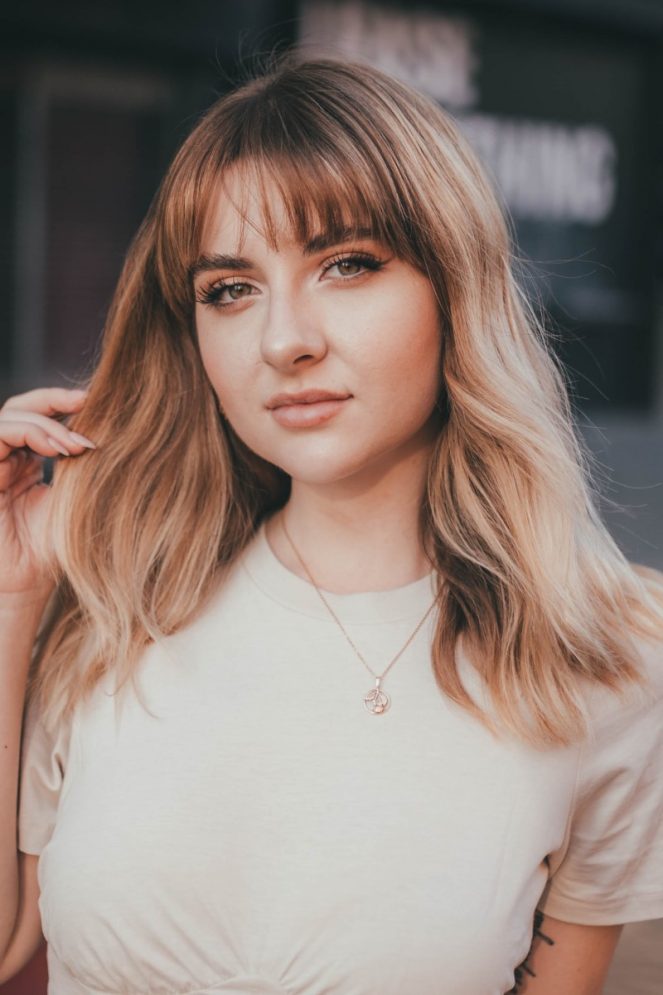
A collarbone lob with blunt bangs and warm blonde highlights on wavy, medium-density hair. The side part and loose waves keep the blunt bangs from reading as severe. This combination suits a longer face shape because the bangs shorten the visual length. For a round face, the blunt line across the forehead can be unflattering. The warm blonde highlights brighten pale winter skin more than an ash tone does. The blunt bangs require trimming every three weeks, no exceptions. The lob needs a trim every six to eight weeks. Grow-out on warm blonde is forgiving; the regrowth looks like natural dimension rather than neglect.
Dark Brown Lob With Caramel Balayage
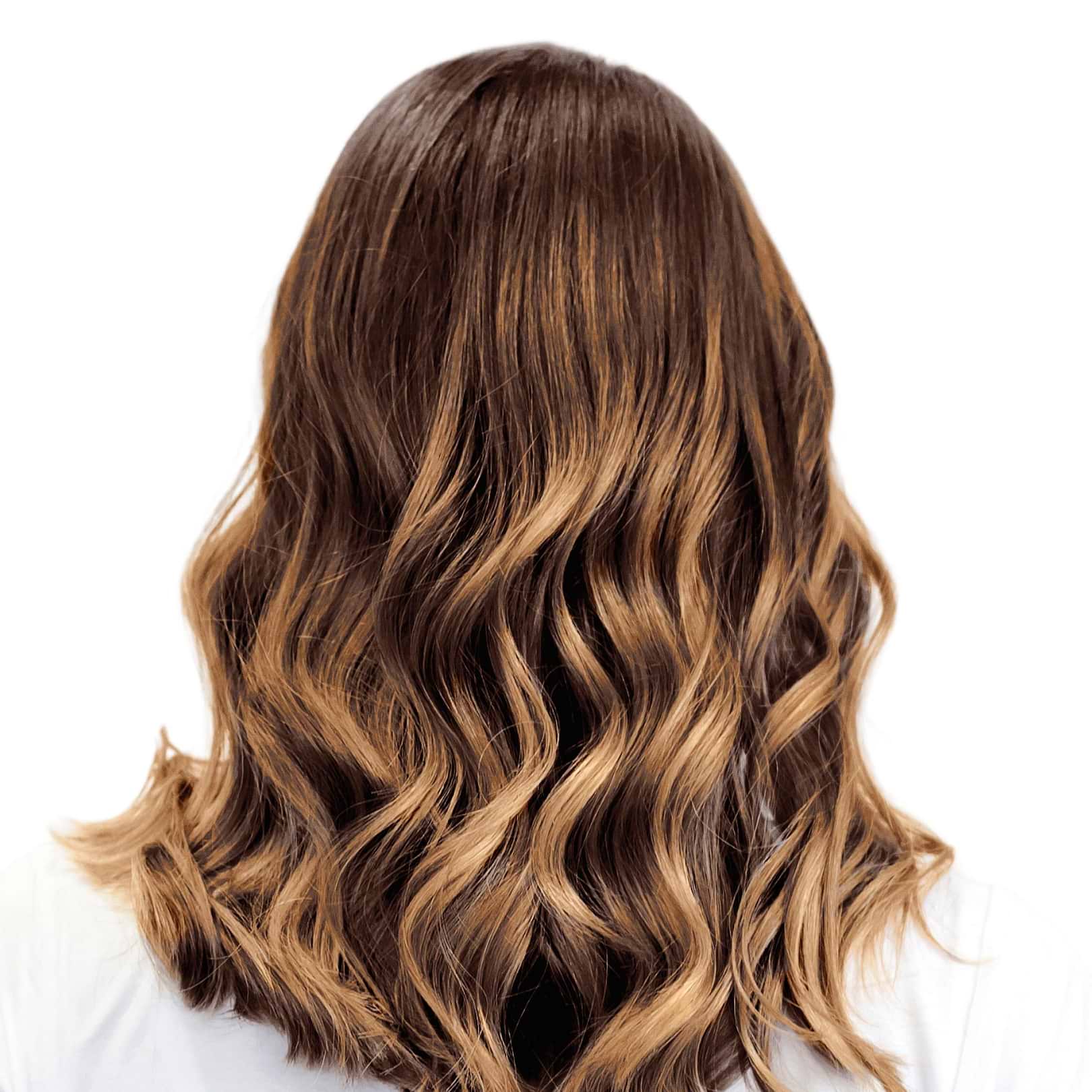
The best grow-out in this roundup. A dark brown base with caramel balayage on wavy, medium-density collarbone hair, parted in the middle with no bangs. The caramel balayage contrast against the dark base creates dimension without obvious regrowth. The honest downside: in winter, the caramel tones can look dull against pale skin if the shade is too warm. Ask for a caramel that leans neutral, not golden. The balayage technique keeps the root area untouched, so you can wait eight to ten weeks between appointments.
Icy Platinum Blonde With Ash Undertones
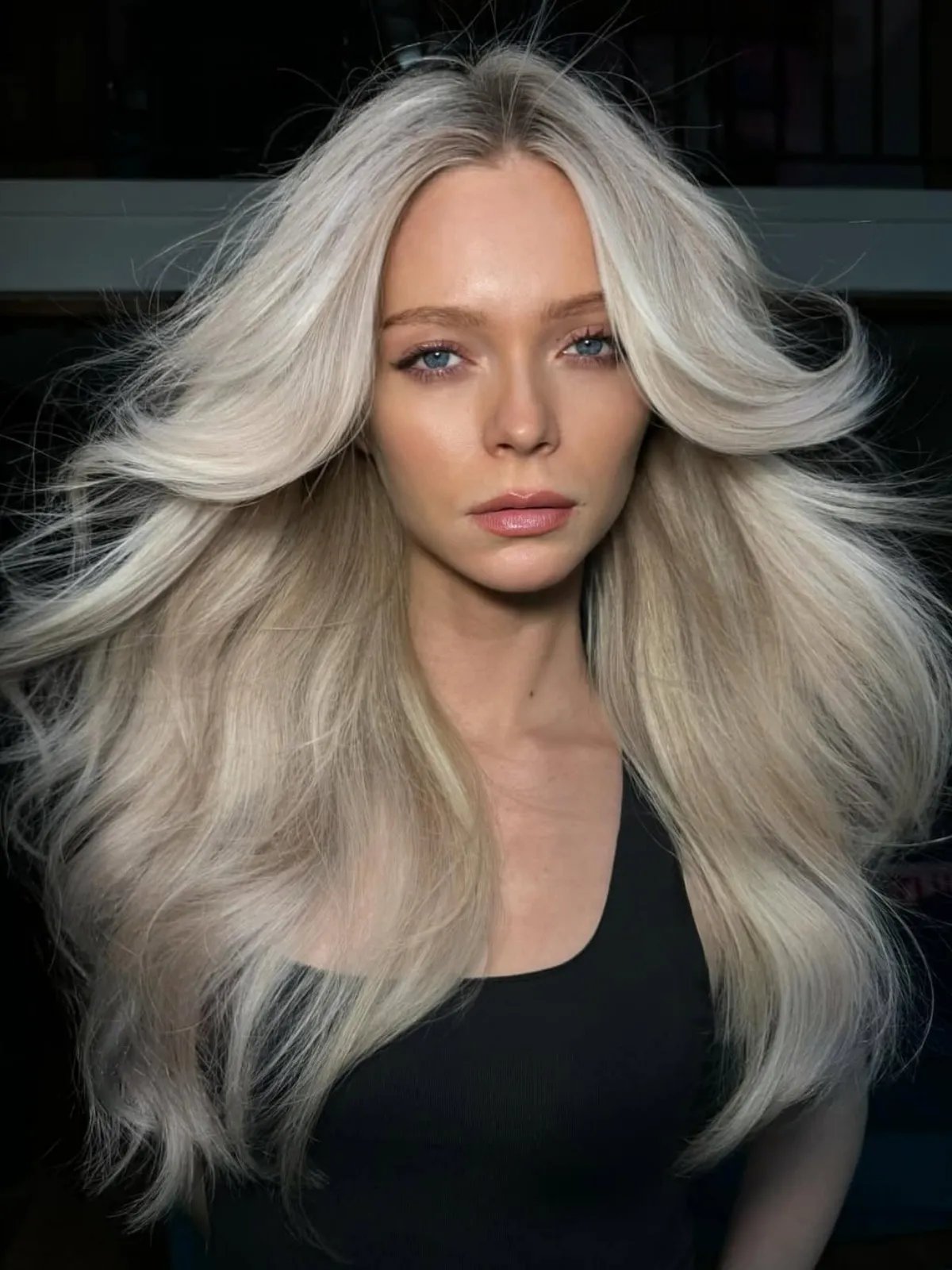
Thinking about going icy this winter? You’re not alone, but this icy platinum blonde with ash undertones is a commitment, not a casual fling. Unlike warmer blonde trends that let you skip a toner appointment for weeks, this shade demands a double-process bleach and a purple shampoo routine that never takes a vacation. The payoff is a cool, almost silver tone that makes pale skin look luminous rather than washed out.
The mid-back length and thick, wavy texture give the icy tone room to catch the light, but that’s the point. It’s striking because it’s extreme. If you’re comparing it to a honey blonde or a beige tone, know this: icy reads cooler next to pale skin, but it also shows every root at week three. The ash undertones fight brassiness, but only if you keep up with toning every two to three weeks. Book the appointment, but book the follow-up too. This is not a set-it-and-forget-it color.
Warm Beige Blonde Lob With Soft Waves
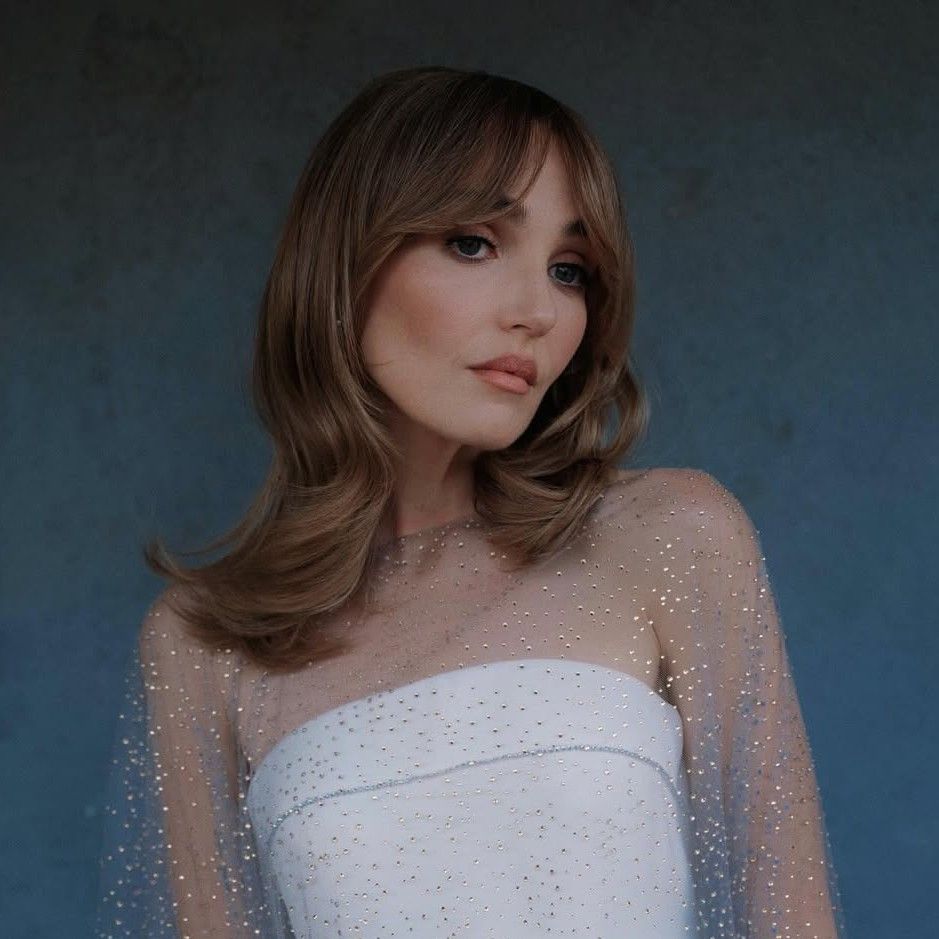
This is a salon color, not a box job. The warm beige blonde lob with soft waves and curtain bangs relies on subtle highlights that are painted on, not foiled all over, to keep the beige tone from turning muddy. The collarbone length and side part give the curtain bangs room to blend, and the wavy, medium-density texture holds the soft waves without needing a curling iron every morning. The technique is a balayage with a beige toner, and it requires a stylist who understands how to place highlights to mimic natural lightness. DIY would risk uneven color and brassy patches.
Warm Copper Collarbone With Lighter Highlights
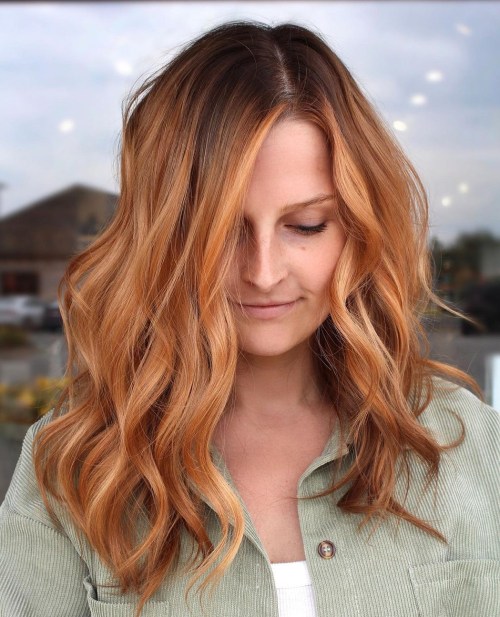
Warm copper is a surprisingly good match for pale skin. The vibrant copper tone adds warmth without going orange, and the lighter highlights create dimension that stops the color from looking flat. This collarbone length with face-framing pieces and loose waves works best on those with neutral to warm undertones. If your skin runs very cool, you might find it clashes, but for everyone else, it’s a winter shade that reads as intentional. The technique here is highlights on a copper base, giving depth that a single-process color can’t match.
Ash Blonde With Lighter Highlights Blowout
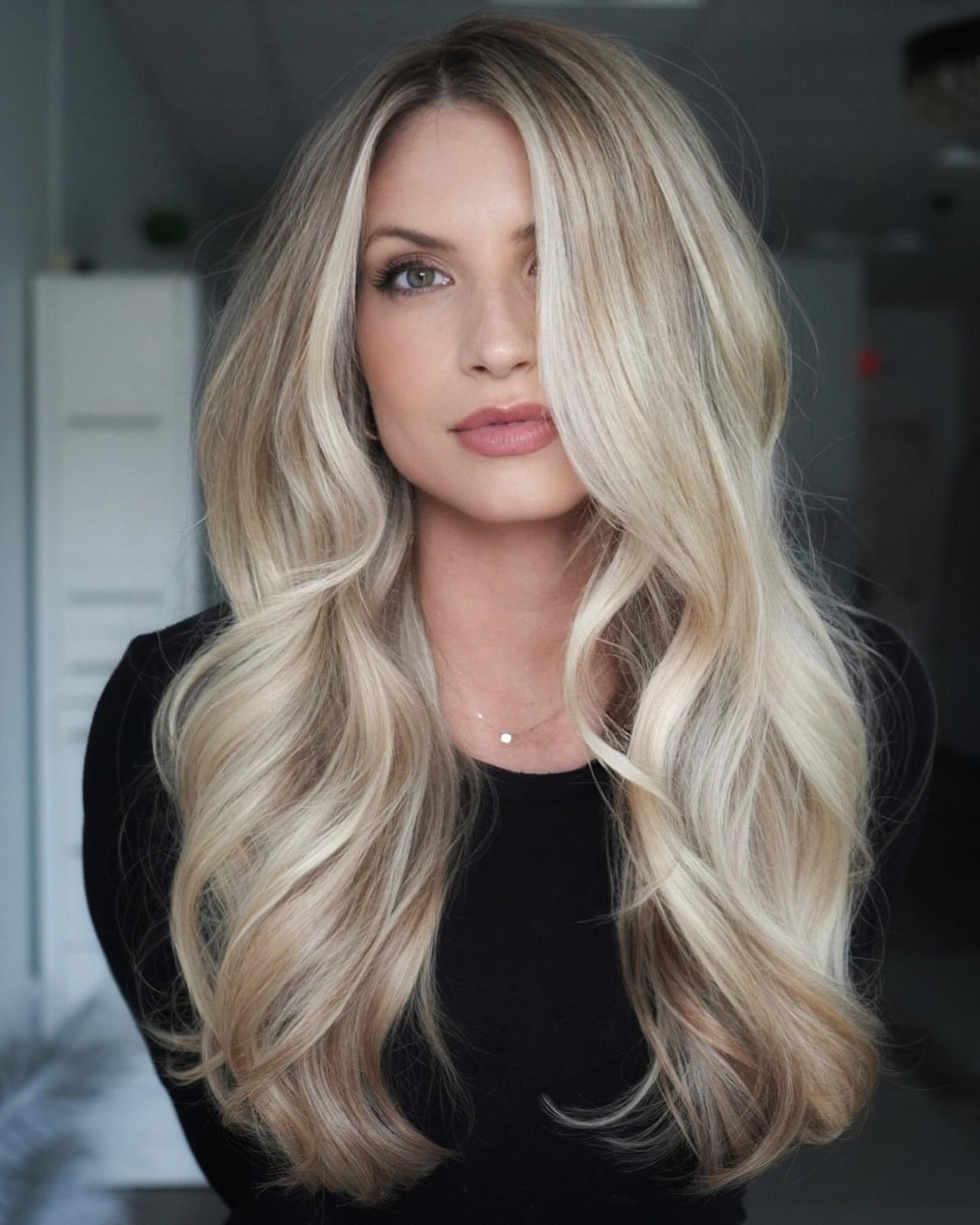
Ash blonde with lighter highlights is a technical balancing act. The base is ash blonde, which reads cool and muted, and the lighter highlights are painted on to create contrast without introducing warmth. The mid-back length with layers and a wavy blowout shows off the dimension, but the technique requires precision: too much warmth in the highlights and the whole thing shifts.
The trick is in the toner. The lighter highlights need to be lifted enough to read as bright but toned to stay cool, so they don’t compete with the ash base. This is not a DIY job, and the result is a blonde that works for winter because it never goes brassy. The blowout adds volume that makes the color read as dimensional rather than flat.
Icy Blonde Lob With Platinum Highlights
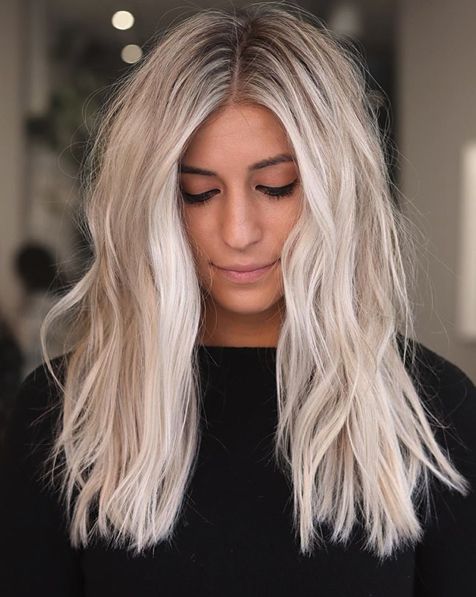
Icy blonde on pale skin is the highest contrast move you can make, and this lob is the account for it. The platinum highlights lift the ash blonde base into something bright enough to read as frosted. But the invoice is real: roots show up around week five, and the icy tone drifts brassy by week four without a toning shampoo. The lob with soft layers needs a trim every six to eight weeks, and a wavy blowout gives the collarbone length movement while disguising any uneven rooting. Book a stylist who knows blonding, this is not a kit project.
Warm Honey Blonde With Lighter Highlights
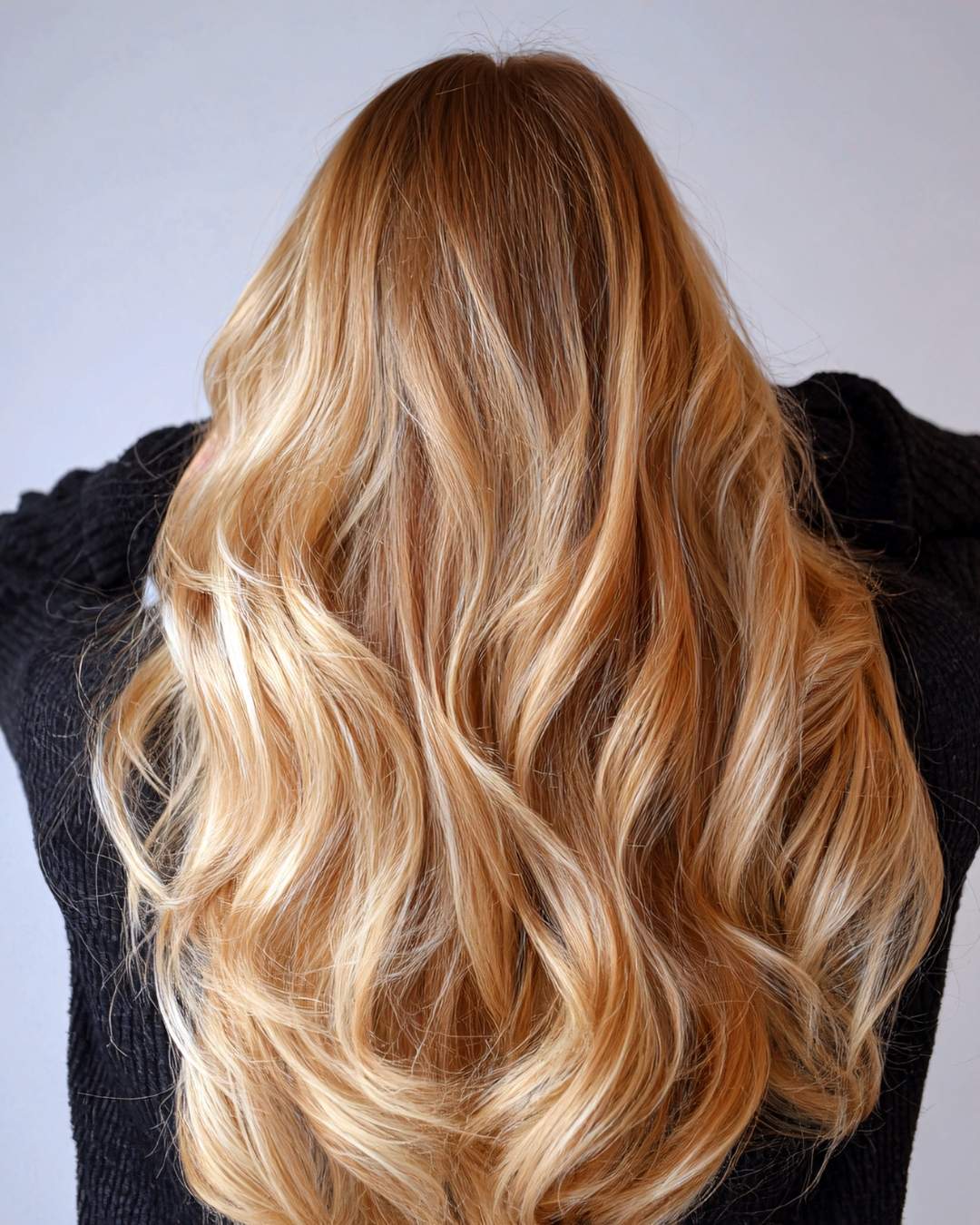
Full confession: salon blonde still makes me nervous, but warm honey blonde is the shade that finally won me over as a redhead. My first honey experience went through every stage, from something catcher’s mit orange to the golden shade my stylist described in the consultation. The difference was the lighter highlights, woven in for depth instead of painted on top. It absolutely is a salon job, not a box dye situation. Loose waves catch the light and show the tonal range, while a flat blowout will flatten the dimension straight into regret. On pale skin, a honey blend reads warm without turning sallow, and it is the coldest-weather hair I’ve worn.
Dark Blonde With Honey Caramel Highlights
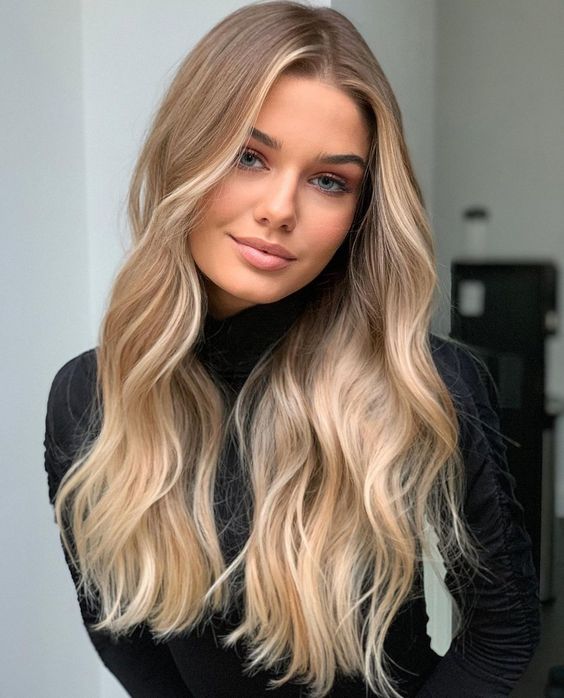
Few things look as expensive as a dark blonde base with honey caramel highlights against pale winter skin. The contrast is subtle, and the thickness of the hair catches the warmth in the highlights. I have not nailed this at home, the blend needs a stylist who can work the color in a single trip. Keep it simple with a wavy blowout and a middle part, since the highlights do the heavy lifting. Heat protection matters, because heat makes the caramel tones dull. The brassiness risk is real, so use a purple shampoo once a week to keep the warmth coherent.
Mid-Back Ash Blonde With Platinum Highlights Curls
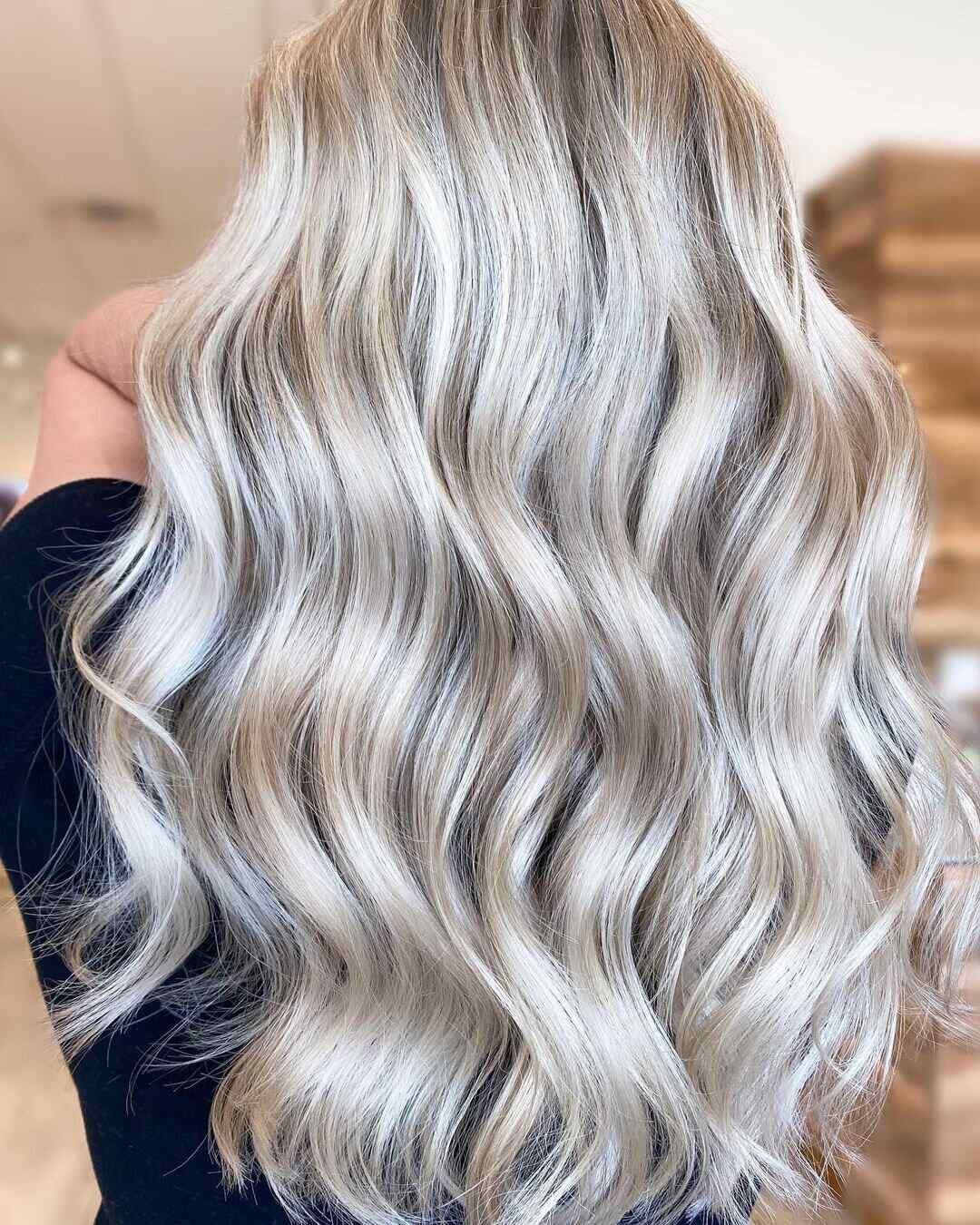
Icy blonde with platinum highlights works better on curls than straight hair, and I will die on that hill. The dimension is the reason: each coil catches light at a different angle, so the platinum reads as scattered sparkle rather than one flat stripe. On straight mid-back length, those same highlights can look like two distinct bands. Here, the ash blonde base and the bright pieces blur into something that shifts when you move. The tone stays cool, almost silver in low light, which reads clean against pale skin without washing it out. Texture matters: thick, wavy hair holds the curl pattern long enough to keep the colour layered. Fine hair would flatten the effect by noon.
This is not a bathroom-mirror job. The foil work alone takes over two hours, and the toner needs refreshing every four to six weeks or the platinum turns yellow. Worth it for the way the curls catch winter sun.
Ash Blonde With Subtle Highlights Half-Up Knot
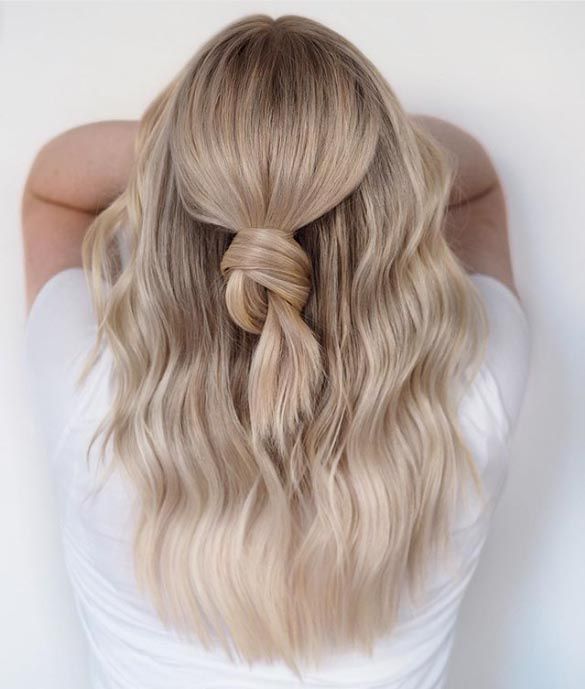
The half-up knot is doing more work here than the colour, and I respect it. Ash blonde with subtle highlights reads as one tone from the front, but the knot pulls the eye to the back where the lighter pieces catch the light. The technique is simple: gather the top section at the crown, twist, pin. The result looks polished without trying. This is salon-leaning because the ash blonde shade needs a professional hand to keep it from turning green or muddy, but the styling is a two-minute move you can do at home. The mid-back length and long layers give the knot enough weight to hold without slipping. Medium density, wavy texture keeps the knot from looking flat.
Final Thoughts
After writing all 34, one thing is clear: the best winter shades blur the line between dark and light. A root shadow buys weeks. Copper needs toning every six. And I am booking that copper red lob with curtain bangs next week. My stylist is thrilled.