

You don’t need a big budget to get your home ready for cold weather. A few simple, low-cost steps can stop drafts, protect your pipes, and lower your heating bills all winter long. This article walks you through the most effective ways to winterize your home without breaking the bank.
Key Takeaways
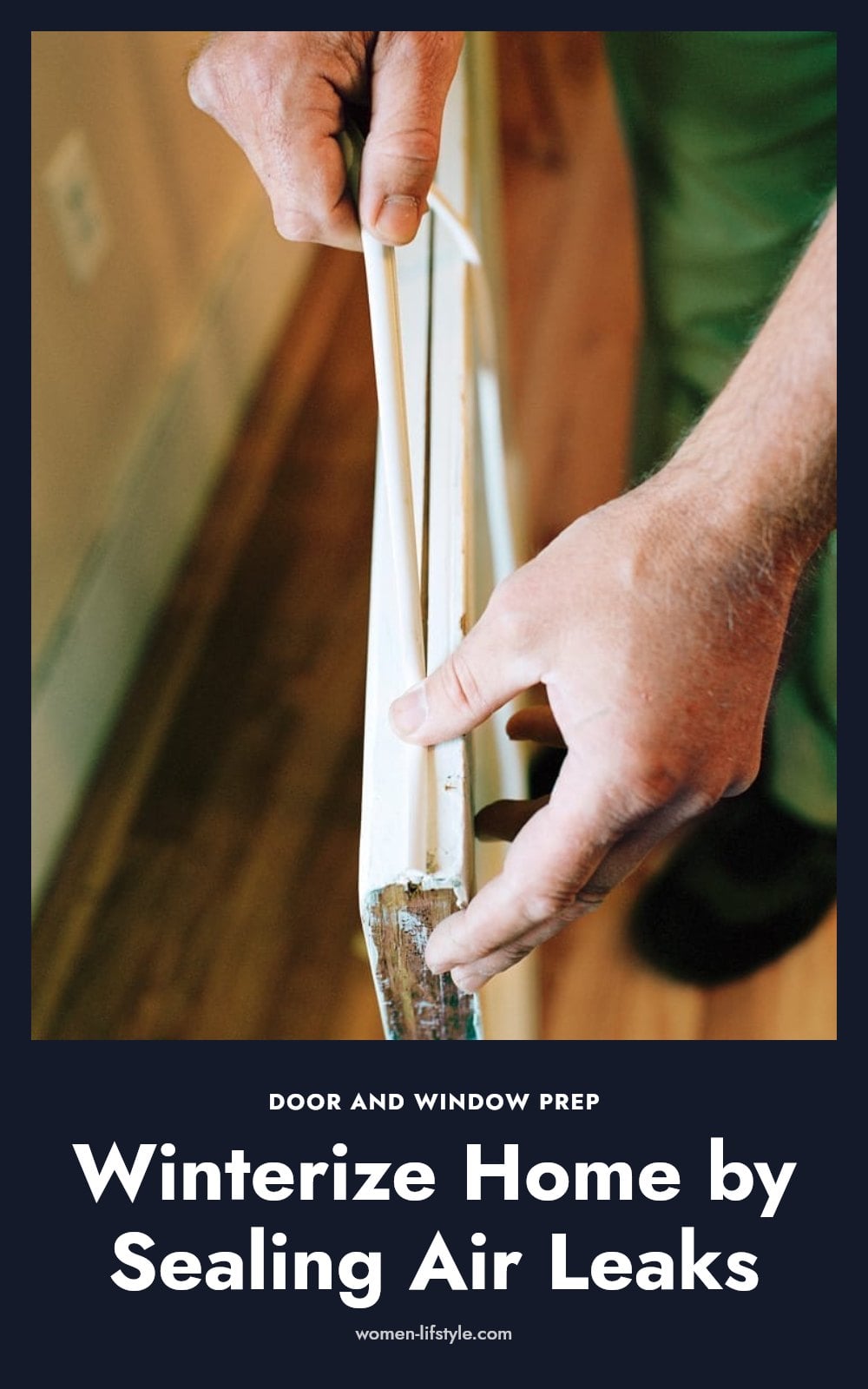
- Seal drafts around windows and doors to save 5% to 30% on heating costs.
- Insulate exposed pipes in basements and crawl spaces to prevent freezing.
- Reverse ceiling fans to clockwise to push warm air down.
- Change furnace filters every 1 to 3 months during peak heating season.
- Clean gutters thoroughly to prevent ice dams and water damage.
Why Winterizing Your Home Is Essential (and Affordable)
Winterizing your home protects it from cold weather damage and improves energy efficiency, all without a big budget. Many effective tasks are affordable, focusing on sealing drafts, insulating pipes, and maintaining heating systems. Prioritizing these steps leads to significant savings on utility bills and a more comfortable home all winter long.
Your Winterization Toolkit: Essential Supplies
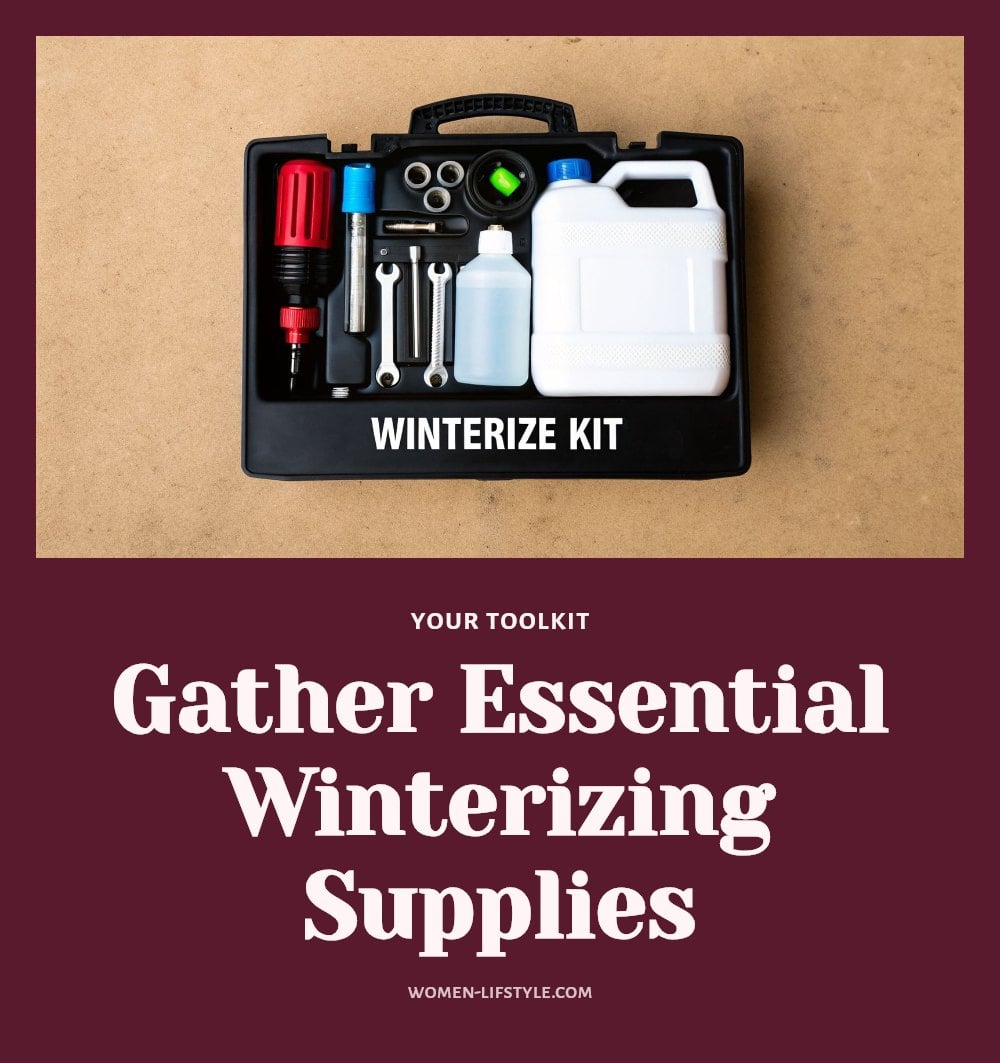
Gather these budget-friendly supplies before you start. Most are available at any hardware store.
- Caulk gun and caulk: For sealing gaps and cracks around windows and doors.
- Weatherstripping: For sealing movable parts of doors and windows.
- Window insulation film kit: Adds an extra layer of insulation on drafty glass.
- Pipe insulation sleeves: Protect exposed pipes in unheated areas from freezing.
- New furnace filters: Keep your heating system running efficiently.
- Draft stoppers: Block cold air under exterior doors.
- Gutter cleaning tools: Remove debris to prevent ice dams.
- Work gloves and safety glasses: Protect yourself during the work.
Step-by-Step: Winterizing Your Home for Savings
Follow these steps over a weekend to seal your home against the cold and start saving.
- Seal drafts around windows and doors: Use caulk for fixed gaps and weatherstripping for movable parts. Drafts can account for 5% to 30% of heating costs, so close every gap as small as 1/8 inch.
- Insulate exposed pipes: Wrap pipe insulation sleeves around pipes in basements, crawl spaces, and garages to prevent freezing and bursting.
- Reverse ceiling fan direction: Switch your ceiling fan to run clockwise at low speed. This pushes warm air down from the ceiling, improving heat distribution without extra energy.
- Clean gutters and downspouts: Remove leaves and debris so melting snow drains freely. Clogged gutters cause ice dams, which can push water under roof shingles and into your home.
- Disconnect and drain outdoor hoses: Water left in hoses can freeze and burst connected pipes. Drain each hose, disconnect it, and cover the spigot with an insulated cover.
- Change furnace filters: A dirty filter makes your furnace work harder and wastes energy. Check filters monthly and replace them as needed, typically every 1-3 months during peak heating season.
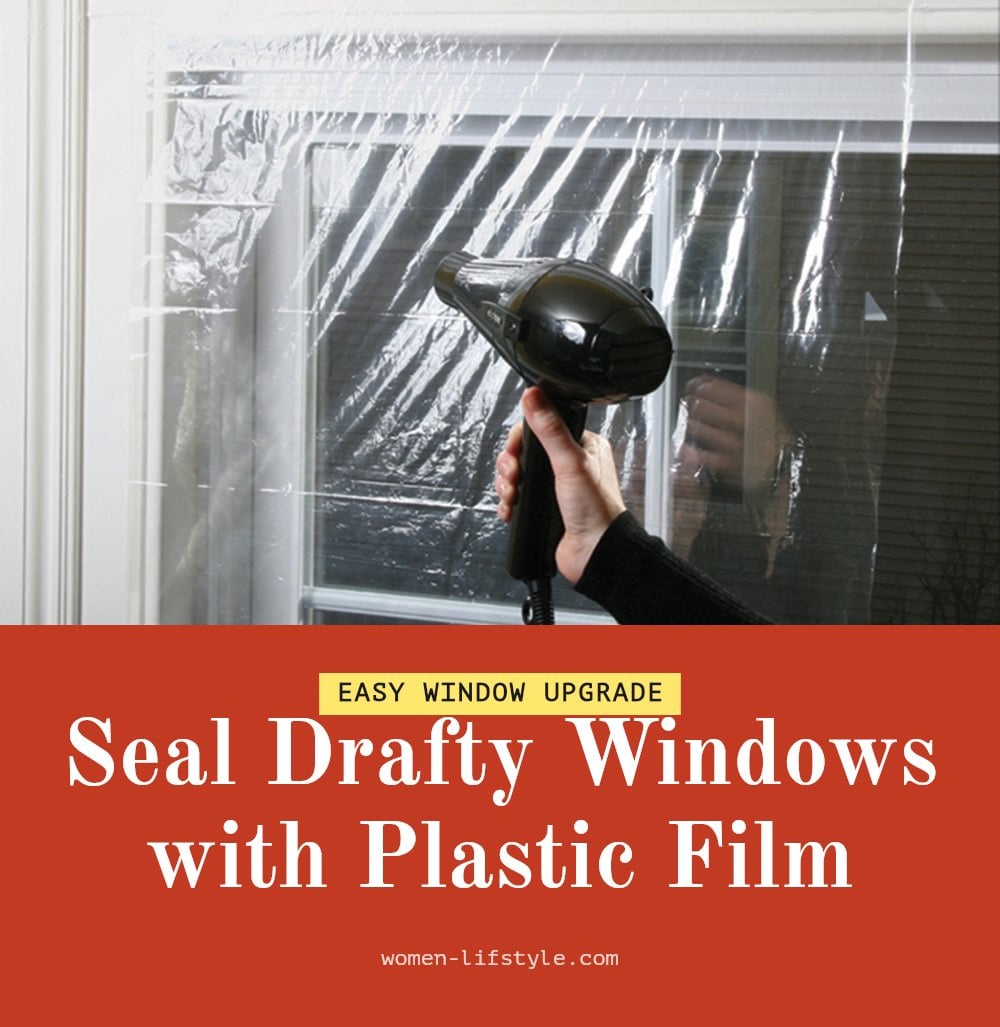
- Apply window insulation film: For drafty windows, tape the film over the frame and use a hair dryer to shrink it tight. It creates a clear, insulating air pocket.
- Use draft stoppers under exterior doors: Slide a fabric draft stopper or rolled towel at the base of each exterior door to block cold air from seeping in.
- Check and seal air leaks in attic, basement, and crawl spaces: Use caulk or spray foam around pipes, vents, and any gaps. Heat rises and escapes through an uninsulated attic, so sealing these hidden leaks makes a big difference.
Avoid These Common Winterization Blunders
Avoid these common mistakes that waste your effort and money.
- Overlooking the attic and basement: These are major sources of heat loss. Check for gaps and add insulation where needed.
- Ignoring electrical outlets and light switches: Drafts often sneak in through outlets on exterior walls. Install foam gaskets behind the cover plates.
- Forgetting to clean gutters: Clogged gutters lead to ice dams and water damage that can cost thousands to repair.
- Assuming the furnace is fine: A dirty filter reduces efficiency and can cause breakdowns. Check and change it regularly.
- Leaving garden hoses connected: Water trapped in the hose can freeze back into your home’s pipes and burst them.
- Only focusing on windows and doors: Air leaks in attics, basements, and crawl spaces can waste as much energy as a drafty window. Check every area.
Pro Tips for a Cozier, More Efficient Winter

Tip: Insulate electrical outlets on exterior walls. A foam gasket behind the cover plate blocks cold air from seeping in around switches and plugs. This is a quick, low-cost fix that makes a noticeable difference.
Check attic insulation: Heat rises, and an under-insulated attic lets it escape fast. If you can see the floor joists, you likely need more insulation. Add unfaced fiberglass batts or blown-in cellulose to reach your region’s recommended R-value.
Use a programmable thermostat: It automatically lowers the temperature when you are asleep or away. The Department of Energy estimates this saves about 10% on heating costs annually. Set it to 68°F while awake and 60°F to 65°F at night.
Don’t block heating vents: Furniture, rugs, and heavy drapes trap warm air before it can circulate. Keep all vents and radiators clear for even heat distribution and better efficiency.
Maintenance for a Warm and Worry-Free Winter
Winterizing is not a one-and-done job. A few minutes of monthly maintenance keeps your home efficient all season.
Change furnace filters regularly: Check them monthly and replace every 1-3 months during peak heating season. A dirty filter forces the system to work harder, wasting energy and shortening its lifespan.
Watch for new drafts: As temperatures drop, wood frames shrink and gaps may reopen. Run your hand along window and door edges on a windy day. Reapply caulk or weatherstripping where needed.
Inspect gutters after storms: Heavy snow or rain can wash debris into clean gutters. Clear clogs quickly to prevent ice dams and water backup.
Check pipes in unheated spaces: Look at exposed pipes in basements, crawl spaces, and garages for frost or drips. Add pipe insulation if you missed a spot during the initial winterization.
How Long It Takes and What It Costs
Most winterization tasks take one weekend in the fall. Set aside a Saturday for sealing drafts, insulating pipes, cleaning gutters, and checking the attic. That single weekend of work pays off all winter.
Ongoing maintenance: Filter changes every 1-3 months take only 5 minutes each. A quick gutter check after heavy weather adds another 10 minutes.
Cost breakdown: Basic supplies like caulk, weatherstripping, and draft stoppers cost under $50. Adding pipe insulation and window film brings the total to around $100. If you need attic insulation or a furnace tune-up, expect a few hundred dollars. Doing the work yourself keeps costs low compared to hiring a pro for each task.
Frequently Asked Questions
When is the best time to start winterizing my home?
Start in the early fall, before temperatures drop below freezing. That gives you time to seal drafts, clean gutters, and insulate pipes before the first hard frost. Late September through October is ideal for most regions.
How much can I save on energy bills by winterizing?
Savings vary by home and climate, but sealing drafts alone can cut heating costs by 5% to 30%. Adding a programmable thermostat can save about 10% annually. Combined, these steps often pay for themselves in one season.
Can I winterize my home if I’m a renter?
Yes, you can still take several steps. Use window insulation film, add draft stoppers under doors, and seal electrical outlets with foam gaskets. Check with your landlord before caulking or making permanent changes.
What are the most important areas to check for drafts?
Start with windows and doors, then move to electrical outlets and light switches on exterior walls. Also check attic hatches, basement rim joists, and any gaps where pipes or wires enter the house. These are common spots for air leaks.
What are the cheapest ways to winterize a home?
Use a caulk gun and weatherstripping to seal gaps for under $20 total. Window insulation film kits cost around $10 per window. Foam gaskets for outlets are a few dollars for a pack. These low-cost fixes have the biggest impact on drafts and heat loss.
Final Thoughts
Start with the biggest payoff: seal drafts around windows and doors, then move on to pipe insulation and furnace filter changes. Plan to spend one fall weekend on these tasks, and you will see the savings show up on your energy bills all winter. A little preparation now keeps your home comfortable and your wallet happy.
