

Finding a wasp nest on your property can feel unsettling, especially if you or a family member is allergic to stings. The good news is that with the right approach, you can remove small nests safely on your own. This article covers the essential tools, timing, and methods for safe wasp nest removal, plus clear guidance on when it’s best to call a professional.
Key Takeaways
- Remove wasp nests at dawn or dusk when wasps are least active and aggressive.
- Always wear full protective gear, including long sleeves, pants, gloves, and eye protection.
- Use a wasp-specific spray with a long-range jet stream to stay at a safe distance.
- Seal cracks and holes in your home’s exterior to prevent wasps from nesting indoors.
- Call a professional pest control service for large, aggressive, or hard-to-reach nests, or if you have allergies.
The Safest Way to Remove a Wasp Nest
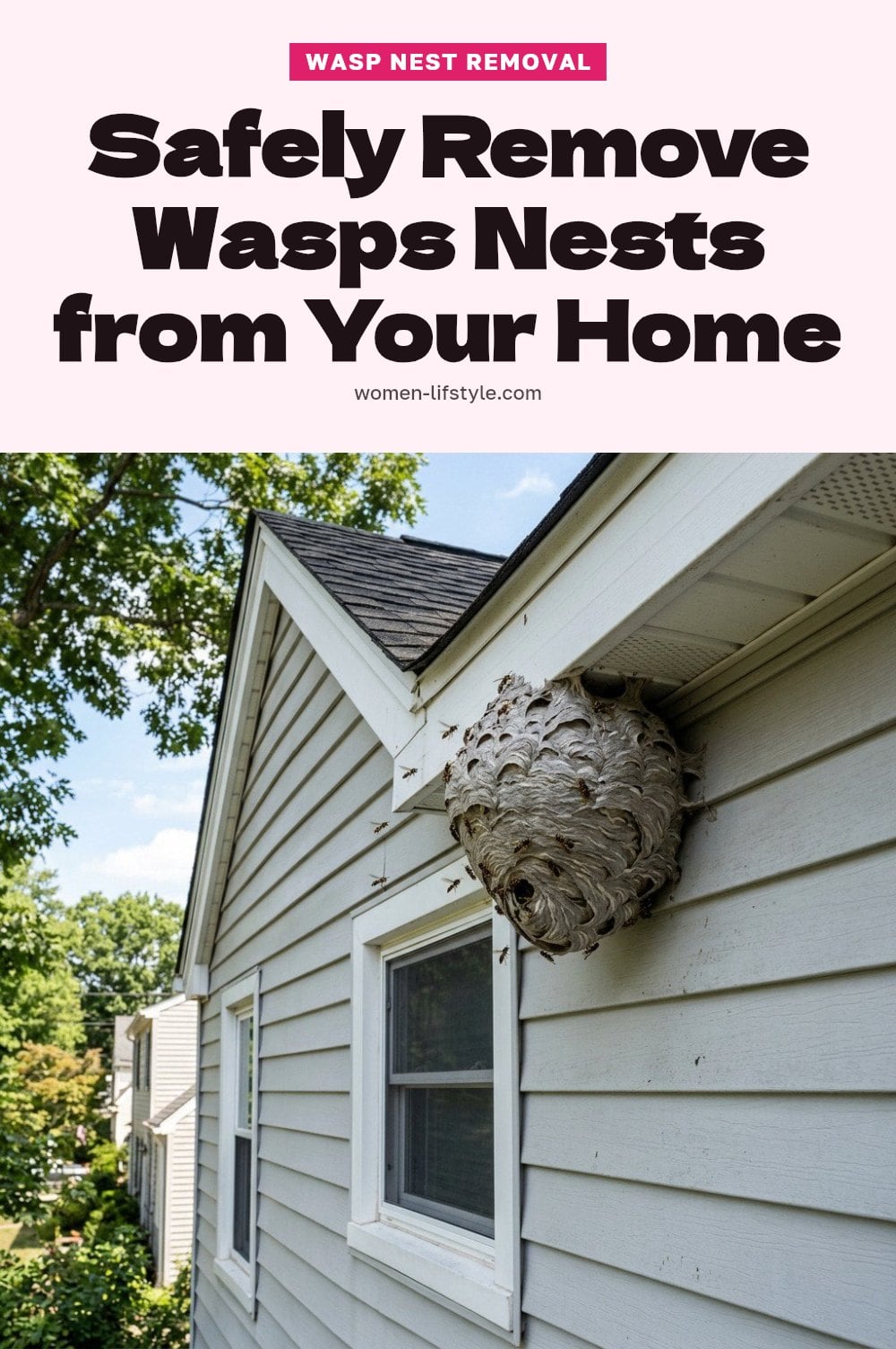
Before you do anything, identify the wasp species and nest type. Paper wasps build small, open combs, while yellowjackets nest in the ground or walls. Attempt removal at dawn or dusk, when wasps are least active. Always wear full protective gear: long sleeves, pants, gloves, and a bee veil. For large, aggressive nests, or if you have allergies, call a professional. Your safety comes first.
Why Wasps Build Nests Near Your Home
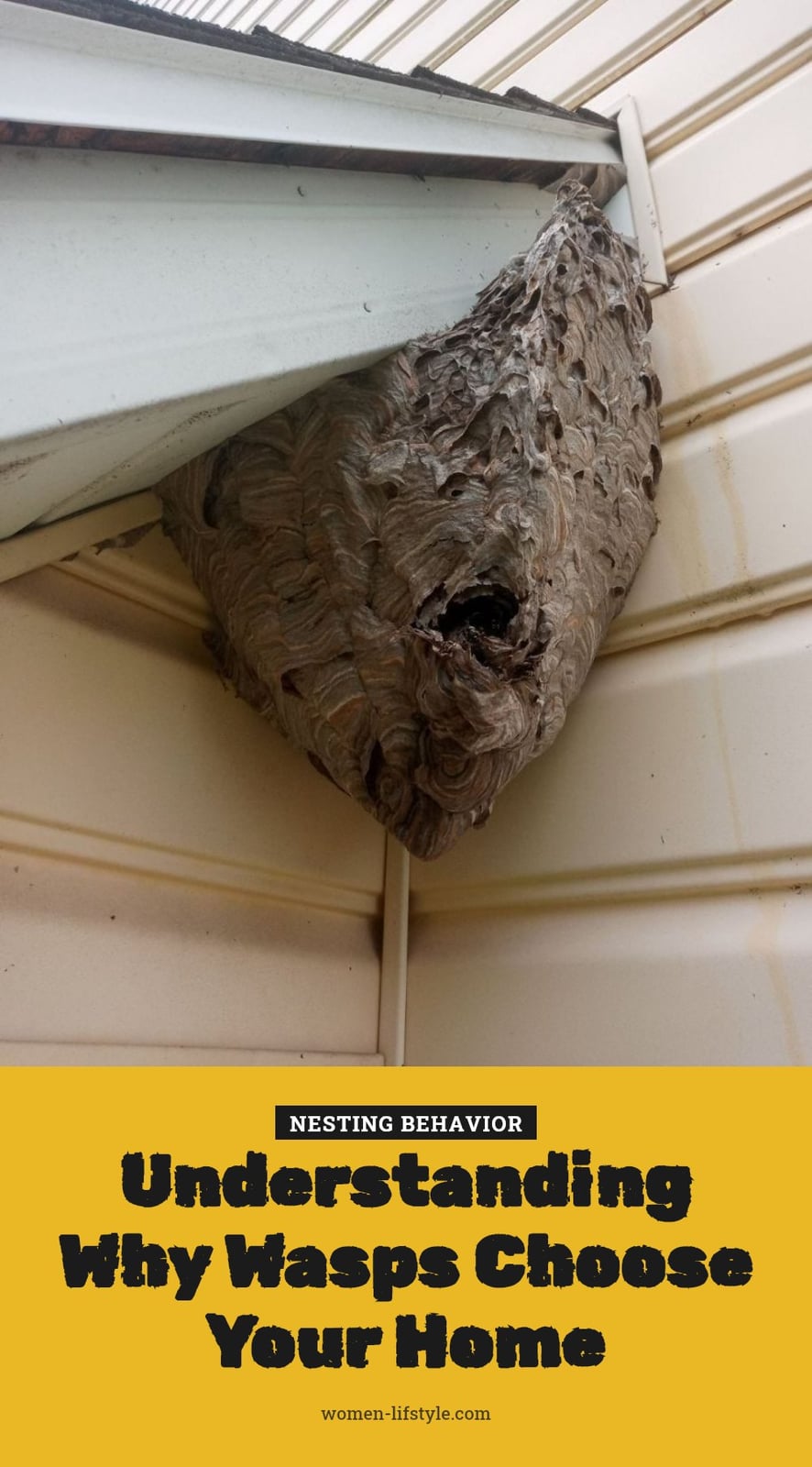
Wasps build nests near your home because they seek sheltered locations that protect them from weather and predators. Common spots include eaves, porch ceilings, window frames, and tree branches. The queen starts a small nest in spring, and the colony grows through summer, reaching peak size in late summer or early fall. That’s when nests become most noticeable and problematic.
The nest itself is a marvel of engineering. Wasps chew wood fibers, mix them with saliva, and shape the pulp into a paper-like material. This is why nests look gray or brown and have a textured, layered appearance. Some species, like mud daubers, use mud instead, but most wasps you encounter build the paper kind.
Why they choose your home
- Sheltered corners and overhangs offer protection.
- Nearby food sources, like garbage or pet food, attract them.
- Existing cracks or holes provide easy entry to walls and attics.
Essential Tools for Wasp Nest Removal
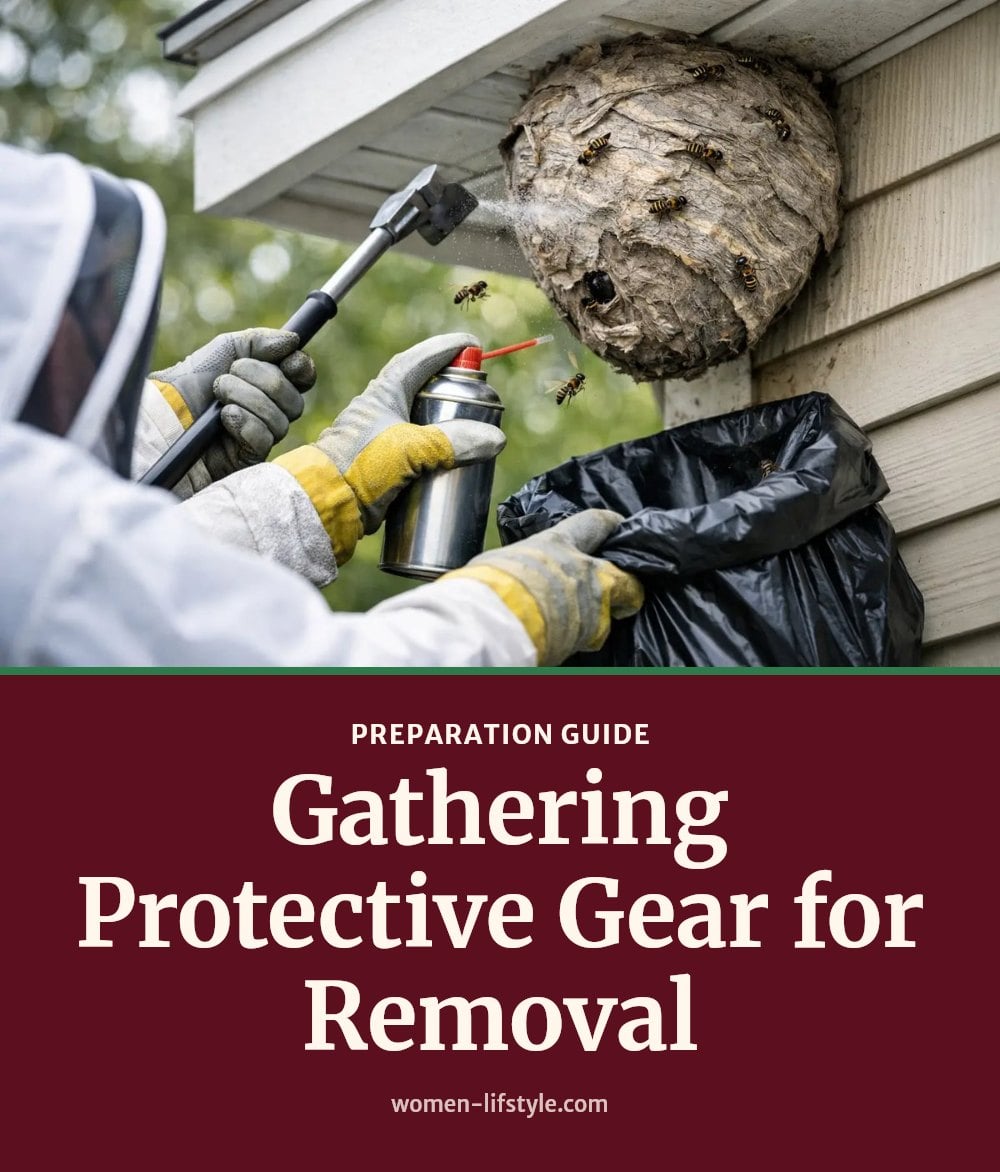
Having the right tools makes removal safer and more effective. You will need:
- Wasp and hornet spray: Choose one with a long-range jet stream so you can stand far from the nest. It kills on contact.
- Full protective clothing: Wear thick long sleeves, long pants, gloves, eye protection, and a hat with a bee veil. This covers every exposed area.
- Plastic garbage bag: Use a heavy-duty bag to seal and dispose of the nest after it falls. Have it open and ready before you spray.
If the nest is high, you will also need a sturdy ladder. Always have an escape route planned before you start.
Effective Methods for Wasp Nest Removal
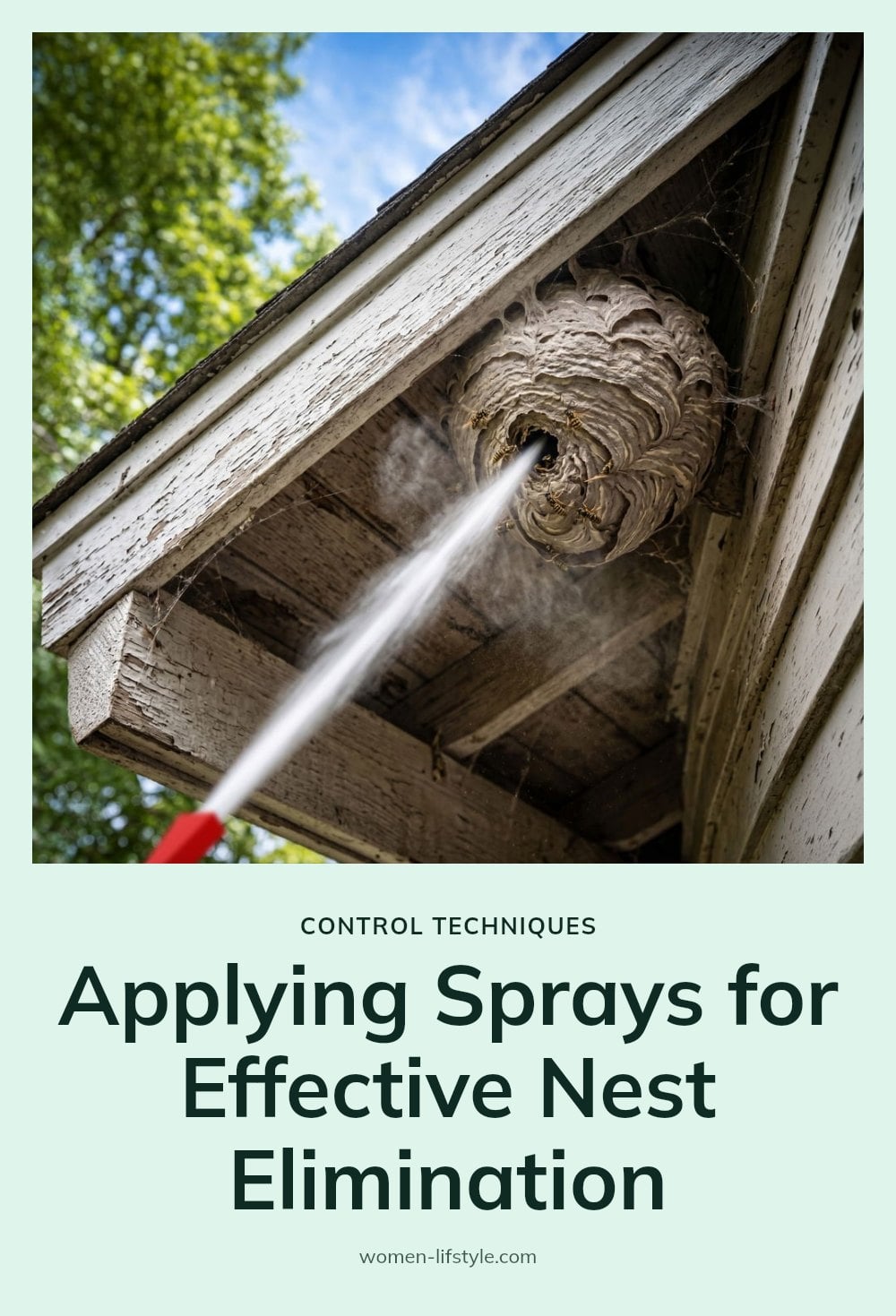
Your approach depends on the nest’s size and location. For small, accessible nests, wasp spray is your best tool. Wait until dusk, then stand at the edge of the spray’s range and saturate the nest entrance. The jet stream lets you stay back, and the spray kills wasps on contact. Leave the area immediately and check the next day for activity. If wasps remain, repeat the treatment.
For small, exposed nests like paper wasp combs, manual removal is possible but risky. Knock the nest down into a plastic bag, seal it, and dispose of it. Do this only at dawn or dusk when wasps are sluggish, and wear full protective gear. Have an escape route ready. If you feel uncertain, skip this method and call a professional.
Large or aggressive nests require a pro. Yellowjacket colonies can number in the thousands, and they defend their nest fiercely. Ground nests and wall nests are especially dangerous because you cannot see the full size. Professionals have the equipment and experience to handle these safely.
After any removal, inspect the area for satellite nests. Yellowjackets often build multiple nests, and missing one means the problem returns. Seal the entry point to prevent re-nesting.
Common Mistakes to Avoid When Dealing With Wasps
Attempting removal during the day is one of the biggest risks. Wasps are most active and aggressive in warm daylight hours, so you are far more likely to get stung. My tip: always work at dawn or dusk when they are sluggish and inside the nest.
Not wearing adequate protective gear is another common error. Even a small nest can produce dozens of stings if you provoke the colony. Wear long sleeves, pants, gloves, and a bee veil or face mask. Underestimating colony size or aggression can lead to a dangerous situation. A nest that looks small may have hundreds of wasps inside, especially in late summer. Finally, never block the nest entrance instead of removing it. Sealing the opening forces wasps to chew through walls or ceilings to escape, which can bring them into your living space.
How to Prevent Wasps From Building New Nests
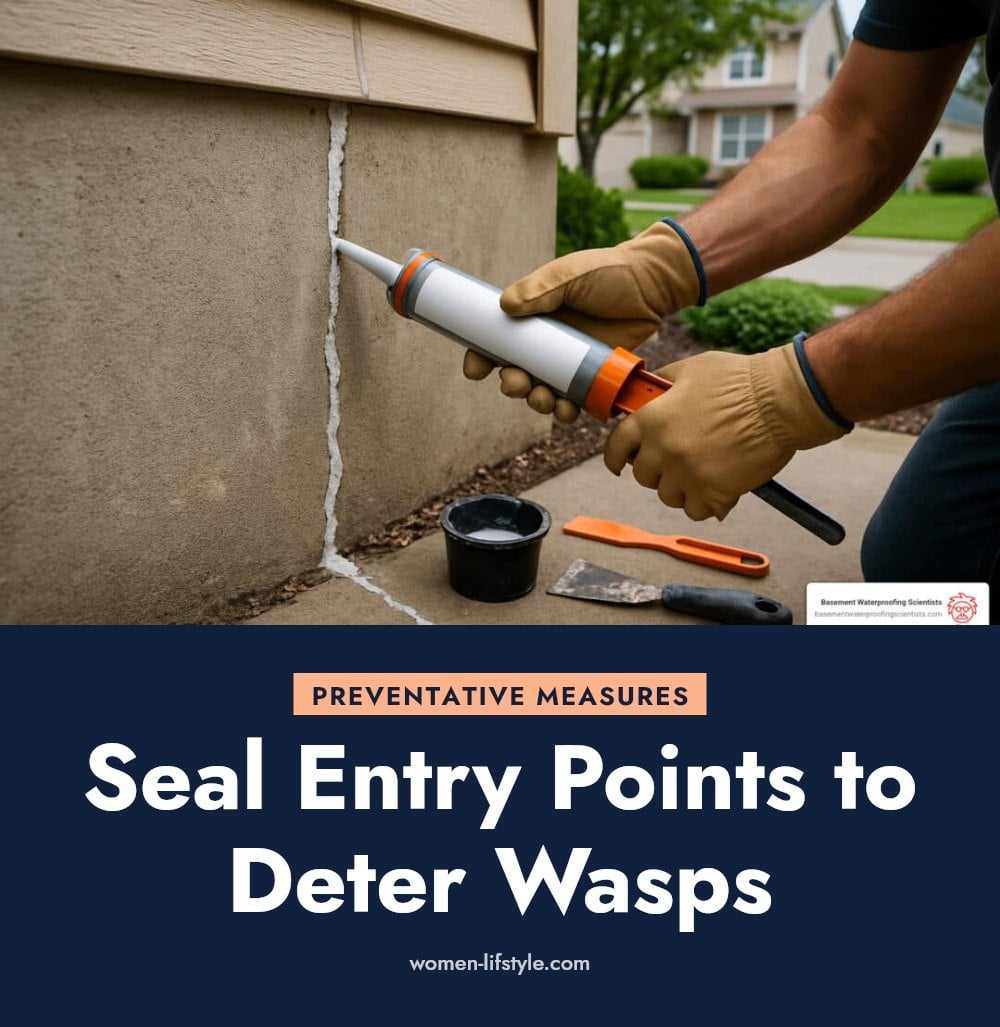
Preventing nests starts with sealing cracks and holes in your home’s exterior, especially around eaves, window frames, and utility lines. Use caulk or sealant to close gaps larger than a pencil width. Tip: check for holes in siding and roofing as well.
Regularly inspect eaves, overhangs, and porch ceilings for new nests in early spring when queens are scouting. If you spot a small, empty comb, remove it immediately before it becomes established. Keep outdoor food and drinks covered during picnics or barbecues, and clean up spills promptly to avoid attracting foraging wasps.
Wasp traps can help reduce populations but are not a solution for an active nest. Place traps away from high-traffic areas, and replace the bait every few weeks.
When to Call a Professional Pest Control Service
Call a professional pest control service if you are allergic to wasp stings. A single sting can trigger a severe reaction. For large, established, or aggressive nests, professional removal is the safest option. If the nest is in a hard-to-reach location, such as a high eave or inside a wall, do not attempt removal yourself. Similarly, if wasps are nesting inside your home’s walls or attic, a professional can access and treat the void without driving wasps into living areas.
Frequently Asked Questions
What is the best time of day to remove a wasp nest?
The best time is at dawn or dusk, when wasps are least active and most of the colony is inside the nest. During these cooler hours, they are sluggish and less likely to attack. Never attempt removal in the middle of the day when wasps are most active and aggressive.
Can I remove a large wasp nest myself?
It is not recommended. Large nests, especially those of yellowjackets or hornets, can house hundreds of aggressive wasps. Attempting removal yourself increases the risk of multiple stings and a severe reaction. For large or established nests, professional pest control is the safest choice.
What attracts wasps to my yard?
Wasps are drawn to food sources like open trash cans, sugary drinks, and protein-rich foods like meat. They also seek sheltered spots for nesting, such as eaves, porch ceilings, and tree branches. Keeping outdoor areas clean and sealing entry points can reduce their interest in your property.
Are mud daubers as aggressive as yellowjackets?
No, mud daubers are generally much less aggressive and rarely sting unless directly handled. They build small mud nests in sheltered areas and are more of a nuisance than a danger. Yellowjackets, on the other hand, are highly aggressive, especially when their nest is disturbed, and can sting multiple times.
How can I tell if a wasp nest is active?
Look for wasps flying in and out of the nest entrance, especially during warm daylight hours. You may also hear a faint buzzing sound if you stand close. An inactive nest will have no visible wasp activity and may appear dry or damaged. If you are unsure, watch from a safe distance for a few minutes.
Final Thoughts
For small, exposed nests, a wasp spray applied at dusk is usually enough to handle the problem. Just remember that even a small colony can be aggressive if provoked, so always prioritize your safety over speed. If the nest is large, in a wall or attic, or you have any concern about allergic reactions, do not hesitate to hire a professional. A cautious approach keeps you and your home safe.
This article provides general information for safe wasp nest removal and is not a substitute for professional advice. Wasp stings can cause severe allergic reactions in some individuals. If you have a known allergy, or if the nest is large or in a difficult location, consult a licensed pest control professional. Always follow product label instructions and seek medical attention if stung and symptoms develop.
