

Feeling stuck or overwhelmed often comes from focusing on what’s going wrong instead of what you want to happen. Visualization, also called mental rehearsal or guided imagery, is a simple way to flip that script by vividly imagining your goals and the steps to reach them. In this article, I’ll walk you through how to get started, which techniques work best for different goals, and what to avoid so you can make this practice genuinely useful.

Key Takeaways
- Practice visualization daily for 5 to 10 minutes to see benefits within weeks.
- Engage all five senses in your mental imagery for more vivid, effective sessions.
- Visualize the process of achieving a goal, not just the end result.
- Use visualization as a complement to real-world action, not a replacement.
- If visualization causes distress, consult a mental health professional.
What is Visualization and How Does It Work?
Visualization is a mental rehearsal technique where you create vivid, multi-sensory images in your mind. It is not just seeing a picture; you engage sight, sound, smell, touch, and even taste to prepare your brain and body for a desired outcome. Athletes have used it for decades to mentally practice performances and build confidence before they ever step onto the field. For personal goals or stress reduction, regular visualization can boost motivation and help you feel more prepared, though it works best as a tool that supports real-world action, not as a replacement for it.
Essential Tools for Effective Visualization

You do not need special gear to practice visualization, but a few items can make the experience more comfortable and focused.
- Comfortable chair or mat: Sitting or lying down in a relaxed position helps your body settle so your mind can focus.
- Quiet space: A room where you will not be interrupted allows you to build a mental scene without distractions.
- Calming music (optional): Soft instrumental tracks or nature sounds can mask background noise and deepen your focus.
- Eye mask (optional): Blocking out light can help you turn your attention inward, especially if you practice during the day.
The core of visualization is your own imagination, so start with what you have and add tools only if they help you stay consistent.
Step-by-Step Guide to Practicing Visualization
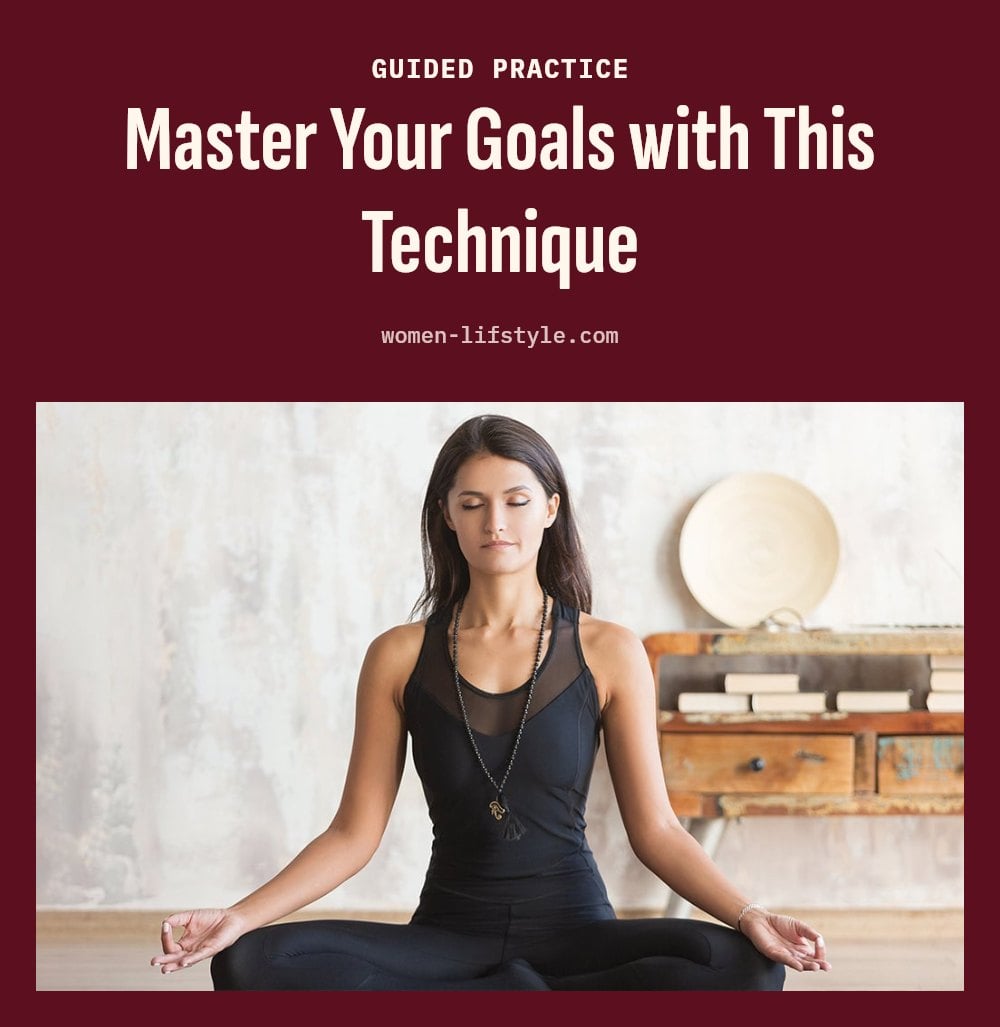
Follow these steps to build a visualization practice that feels natural and effective. I usually keep my first sessions to about five minutes so the habit sticks.
- Find your spot and get comfortable: Choose a quiet place where you will not be disturbed. Sit on a chair or mat in a relaxed posture, or lie down if that helps you settle.
- Close your eyes: Shutting out visual distractions makes it easier to focus on the images inside your mind. Take a few slow breaths first.
- Engage all five senses: Do not just see the scene. Hear the sounds, feel the temperature, smell the air, and notice textures. If you are visualizing a beach, hear the waves, feel the warm sand, and smell the salt.
- Visualize the process, not just the outcome: See yourself taking the steps needed to reach your goal. If you want to give a confident presentation, imagine preparing your notes, walking to the podium, and speaking clearly through each slide.
- Focus on positive emotions: Let yourself feel the pride, relief, or joy that comes with achieving what you want. Emotions make the image more real to your brain.
- Be specific and detailed: Instead of a vague scene, picture exact details: the color of the room, the sound of your own voice, the weight of a trophy in your hands. Specificity strengthens the mental rehearsal.
- Practice daily for 5-10 minutes: Short, consistent sessions build the habit better than long, irregular ones. Set a timer so you do not worry about the clock.
If images feel unclear at first, relax and let them emerge naturally. Forcing clarity often backfires.
Different Visualization Techniques for Various Goals

Different goals call for different visualization styles. Here are four approaches I rotate depending on what I need that day.
Goal Achievement Visualization
Focus on the entire journey to a specific goal, not just the finish line. See yourself taking each step, including the obstacles you might face and how you handle them. My tip: I mentally rehearse a challenging conversation at work the night before so I feel prepared for any response.
Performance Enhancement Visualization
Athletes use this to mentally run through a game or routine. Close your eyes and imagine every movement, sound, and sensation as if it is happening in real time. Engage all senses: feel the grip of the racket, hear the crowd, smell the gym floor. This prepares your nervous system for the actual performance.
Stress Reduction Visualization
Picture a peaceful, safe place where you feel calm. It can be a real memory or a completely imagined scene. Focus on the details: the warmth of sunlight, the sound of a stream, the soft ground beneath you. Spend a few minutes breathing slowly while you hold that image. This technique is often used in mindfulness and meditation practices to quiet the mind.
Positive Self-Talk Visualization
Visualize yourself embodying the traits you want to develop, such as confidence, patience, or kindness. See yourself speaking calmly in a tense moment or standing tall when you feel nervous. Pair the image with a short affirmation you repeat silently. My tip: I do this for two minutes before a social event to shift my mindset from anxious to capable.
Common Visualization Mistakes and How to Avoid Them
Only visualizing the end result: You picture the trophy, the promotion, or the finished project, but skip the daily actions that get you there. Instead, mentally rehearse the steps: waking up early, practicing, revising, or making the call.
Not engaging multiple senses: A flat mental image feels like a postcard. Add sounds, smells, textures, and even tastes. If you’re visualizing a beach, hear the waves, feel the sand, smell the salt.
Expecting immediate results: Visualization is not a switch you flip. Benefits typically emerge after weeks or months of consistent practice, not after one session.
Using it as an excuse for inaction: Seeing yourself succeed does not replace doing the work. Visualization primes you for action, but you still have to take it.
Focusing on negative outcomes: Replaying fears or worst-case scenarios trains your brain toward anxiety. Always steer your mental energy toward what you want, not what you fear.
Getting frustrated by unclear images: Forcing a perfect picture creates tension. Relax, let the images come naturally, and accept whatever level of clarity emerges.
Expert Tips for Enhancing Your Visualization Practice
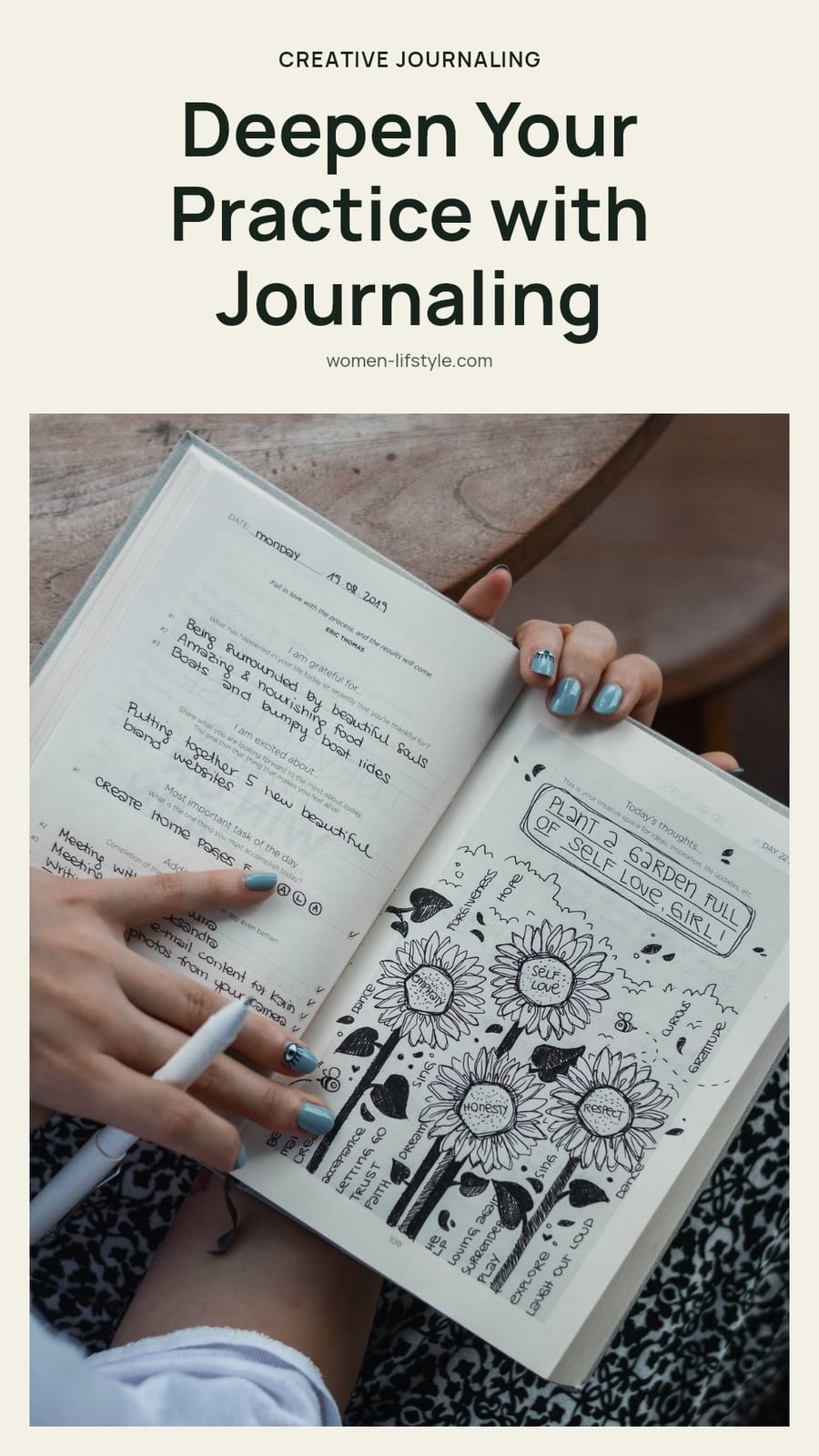
Be specific and detailed: Instead of “I feel calm,” picture the exact room, the lighting, the temperature, and the object you’re holding. Precision makes the image more real to your brain.
Incorporate emotions: The power of visualization lives in the feelings it generates. Let yourself feel the pride, relief, or peace as if the outcome already happened.
Practice consistently: Five minutes daily beats an hour once a month. I keep a short session in my morning routine so it becomes automatic.
Visualize the process: See yourself taking each step, not just crossing the finish line. Mentally rehearse the effort, the adjustments, and the small wins along the way.
Overcome obstacles mentally: Imagine a challenge that might arise, a tough conversation, a missed deadline, and picture yourself handling it with composure. This builds resilience.
Combine with mindfulness: Start with a few minutes of breath awareness to quiet your mind, then shift into your visualization. The deeper focus makes the imagery stick.
When to Expect Results and How Often to Practice
Timeline for Results: Most people notice benefits after several weeks of daily practice, not after one try. Your brain needs repetition to strengthen the neural pathways that support new behaviors.
Practice Frequency: Aim for once a day, even if it is only 5 to 10 minutes. Short, regular sessions are far more effective than long, sporadic ones.
Cost: Visualization costs nothing. No app, no subscription, no special equipment. You only need your mind and a few quiet minutes.
When to Seek Professional Help for Mental Well-being
Visualization is generally safe for most people, but it is not a substitute for professional care. Consult a mental health professional if you experience significant distress or anxiety during exercises, or if you find it difficult to separate imagination from reality.
If visualization intensifies existing mental health symptoms, stop the practice and talk to a therapist. Never rely on visualization as the sole treatment for a medical or psychological condition. Use it as a complementary tool alongside professional guidance.
Frequently Asked Questions
How long does it take to see results from visualization?
Most people notice benefits after several weeks of daily practice, not after a single session. Your brain needs repetition to strengthen the pathways that support new behaviors. If you practice consistently for 5 to 10 minutes a day, you may start to feel more confident and focused within a month or so.
Can visualization be used for anxiety?
Yes, many people find visualization helpful for stress reduction. By imagining a calm, safe place or rehearsing a stressful situation successfully, you can ease anxiety in the moment. However, if you experience significant distress or panic during visualization, it’s important to speak with a mental health professional for guidance.
Is visualization the same as daydreaming?
Not quite. Daydreaming is often passive and unstructured, while visualization is an active, intentional practice where you deliberately create detailed mental scenes and focus on specific outcomes. You engage your senses and emotions, and you guide the imagery toward a goal, rather than letting your mind wander aimlessly.
Do I need to be good at imagining things to visualize effectively?
No, you don’t need to be naturally gifted at mental imagery. Like any skill, visualization improves with practice. If images don’t come easily, try focusing on feelings or sounds instead, or describe the scene to yourself in words. Relax and let the images emerge naturally rather than forcing them.
Can visualization help with physical health?
Visualization is sometimes used as a complementary tool for relaxation and stress management, which can indirectly support physical well-being. Some people use it to imagine their body healing or performing well. However, it should never replace medical treatment, and you should always consult a doctor for any physical health concerns.
Final Thoughts
My tip: start with just five minutes a day, pick one specific goal, and walk yourself through the steps in vivid detail. Expect gradual changes over several weeks as your brain builds new patterns, not overnight magic. Visualization is a tool to support your efforts, so pair it with consistent action and self-compassion. If you ever feel more anxious or disconnected during practice, that’s a sign to pause and talk to a professional.
This article is for general informational purposes only and is not a substitute for professional medical or psychological advice. If you have a persistent mental health condition, experience significant distress, or are considering visualization as part of treatment for a health issue, please consult a qualified healthcare provider.
