

Feeling irritable can make even small things feel like a big deal, and it’s something many of us deal with more often than we’d like. The good news is that irritability is often a signal your body and mind are out of balance, and there are practical ways to find your calm again.
This article walks you through the common causes, simple strategies to ease irritability in the moment, and habits that support a steadier mood over time.
Key Takeaways
- Prioritize 7-9 hours of quality sleep each night to support emotional balance.
- Regular physical activity, even a 20-minute walk, can help lower stress.
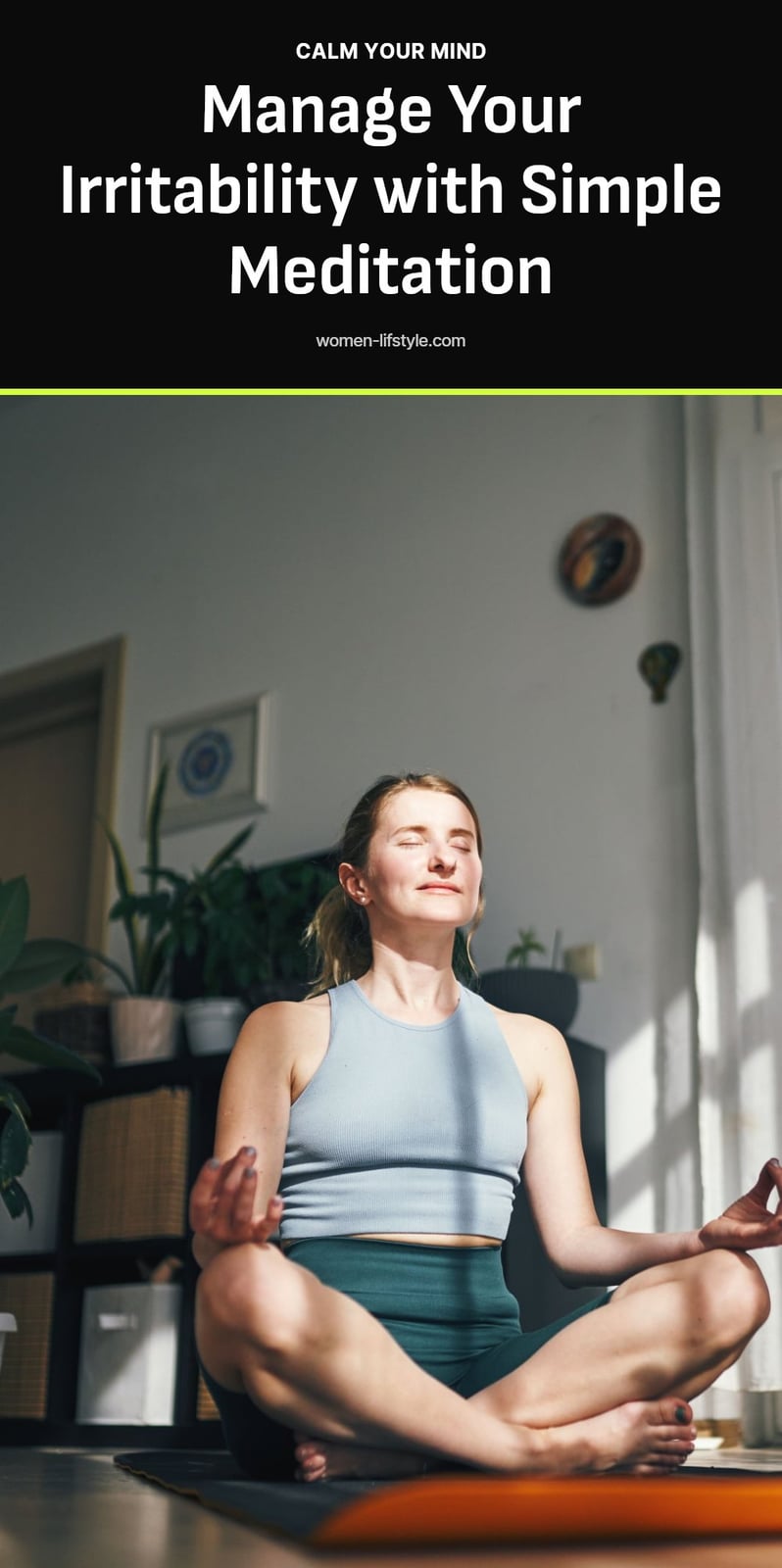
- Practice deep breathing or meditation daily to improve emotional regulation.
- Stay hydrated and limit sugar and caffeine to avoid mood swings.
- Seek professional help if irritability is severe or lasts most days.
What Causes Irritability and How to Manage It
Irritability is that quick-to-annoy feeling that can stem from stress, lack of sleep, hormonal shifts, or even what you ate. It’s a signal, not a flaw. Managing it means digging into the root causes, not just white-knuckling through the day. Start with lifestyle tweaks like better sleep and regular movement, add mindfulness to calm your nervous system, and know when to lean on professional support. These strategies can help you feel more in control and less reactive.
Understanding Why You Might Be Feeling Irritable
Why You Might Be Feeling Irritable
Irritability rarely comes from nowhere. Stress, anxiety, and depression are major contributors, often making small frustrations feel overwhelming. When you’re running on less than 7-9 hours of sleep, your emotional regulation takes a hit, so a minor delay can feel like a crisis.
Hormonal fluctuations during menstruation, pregnancy, perimenopause, and menopause can also trigger irritability. Your diet plays a role too: high sugar intake, caffeine withdrawal, and dehydration all affect your emotional balance. Certain medications and underlying conditions like thyroid disorders or chronic pain can be culprits as well.
- Stress and mental health: Anxiety and depression often show up as irritability.
- Sleep debt: Less than 7-9 hours can make you more reactive.
- Hormonal shifts: Menstrual cycles, pregnancy, and menopause can all play a part.
- Diet and hydration: Sugar spikes, caffeine withdrawal, and dehydration can worsen mood.
- Medical factors: Certain medications and health conditions may be behind persistent irritability.
Practical Strategies to Calm Irritable Moods

Practical Strategies to Calm Irritable Moods
You can take concrete steps to dial down irritability. Start with sleep: prioritize 7-9 hours of quality rest each night. Sleep deprivation amplifies emotional reactivity, so a consistent bedtime routine can make a real difference.
Move your body regularly. Even a 20-minute walk can reduce stress hormones and boost your mood. My tip: schedule it like a meeting, so it actually happens. Add stress-reduction practices like deep breathing, meditation, or yoga. These train your brain to pause before reacting.
Watch your diet. Limit processed foods, sugar, and excessive caffeine. Caffeine can spike anxiety, and sugar crashes can mimic irritability. Stay hydrated throughout the day; dehydration alone can make you feel fatigued and cranky. Keep a water bottle on your desk as a reminder.
Identify your specific triggers. Notice patterns: is it a certain time of day, a person, or a task? Once you know, you can address it proactively. Communicate your feelings assertively and set healthy boundaries. Saying “I need a few minutes” is a legitimate move.
- Sleep: Aim for 7-9 hours nightly to improve emotional regulation.
- Physical activity: Regular exercise reduces stress and boosts mood.
- Stress reduction: Try deep breathing, meditation, or yoga to calm your system.
- Diet: Cut back on processed foods, sugar, and caffeine; stay hydrated.
- Triggers: Track when irritability hits and address the cause.
- Communication: Express feelings assertively and set firm boundaries.
Tools and Habits to Support Your Emotional Well-being
Tools and Habits to Support Your Emotional Well-being
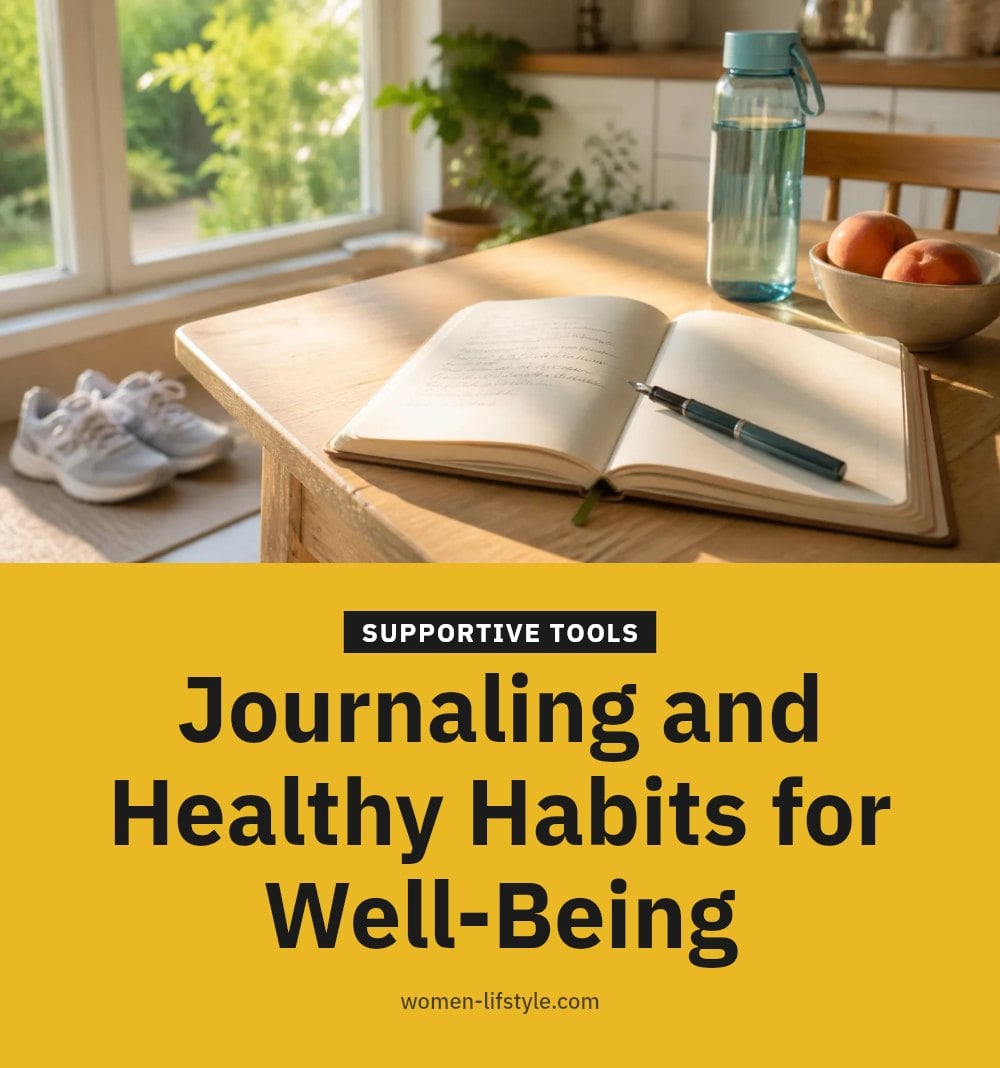
Having the right tools can make these strategies stick. A reusable water bottle ensures you stay hydrated, which directly impacts your mood. A journal or notebook helps you spot triggers and track mood patterns over time.
A yoga mat invites you to roll it out for a quick session, whether it’s a full flow or just a few stretches. A meditation app offers guided sessions that can calm your mind in minutes. And comfortable walking shoes make it easy to get moving, even on busy days.
- Water bottle: Keeps hydration within reach.
- Journal: Tracks moods and identifies triggers.
- Yoga mat: Encourages physical and mindfulness practice.
- Meditation app: Provides guided stress relief.
- Walking shoes: Facilitate regular activity.
Common Mistakes When Dealing With Irritability
One common misstep is blaming your boss, traffic, or partner for your mood without checking inward. Stress, lack of sleep, or a skipped meal may be the real drivers. Another is trying to suppress irritable feelings, pushing them down usually makes them louder. Instead, name what you feel and give it space.
Many people also underestimate how much sleep and diet affect their mood. Burning the candle at both ends or relying on sugary snacks for energy can keep you on edge. If irritability feels chronic or overwhelming, don’t wait to seek professional help. It may point to something that needs medical attention. And be careful not to confuse irritability with anger; reacting impulsively in the moment can damage relationships and leave you feeling worse afterward.
Preventing Irritability From Becoming a Regular Problem

- Prioritize sleep: Aim for 7-9 hours of quality sleep every night to keep your emotional reserves full.
- Move your body: Regular physical activity, even a 20-minute walk, helps lower stress and stabilize mood.
- Practice daily mindfulness: A few minutes of meditation or deep breathing each day can train your brain to react less impulsively.
- Eat and drink for balance: A nutrient-rich diet with plenty of water supports steady energy and fewer mood swings.
- Set boundaries: Say no to nonessential commitments and manage expectations at work and home to avoid overwhelm.
- Check in with yourself: Take a moment each day to ask how you’re feeling emotionally and address small issues before they grow.
How Long Until You Feel Better and What to Expect
Some techniques, like a few slow deep breaths or stepping outside for fresh air, can calm you within minutes. But for lasting change, lifestyle adjustments need consistency. Most people notice real shifts in their mood and resilience within a few weeks to a few months of regular sleep, exercise, and mindfulness practice.
The timeline depends on what’s causing the irritability, whether it’s stress, hormones, or an underlying health condition. The good news: many of the most effective strategies, such as adjusting your routine or staying hydrated, cost nothing. If you need professional support, options vary; sliding-scale clinics and online therapy can make it more affordable.
When to Seek Professional Help for Irritability
If your irritability is severe, lasts most days, or comes with feelings of hopelessness, big changes in appetite or sleep, or thoughts of self-harm, talk to a healthcare professional right away. Reach out to your doctor if irritability started or worsened after a new medication, as it could be a side effect or signal an underlying issue like a thyroid problem or chronic pain.
Seek guidance if irritability is damaging your relationships or making daily life hard to manage. Avoid self-medicating with alcohol or drugs. They can deepen mood problems and create additional risks. Professional help can clarify the cause and give you effective strategies.
Frequently Asked Questions
Can irritability be a sign of something serious?
Yes, irritability can sometimes indicate an underlying medical condition like a thyroid disorder, chronic pain, or a nutrient deficiency. It can also be a side effect of certain medications. If your irritability is severe, persistent, or accompanied by other symptoms like hopelessness or changes in sleep or appetite, it’s important to talk to a doctor.
How quickly can lifestyle changes reduce irritability?
Some strategies, like taking a few deep breaths or stepping outside for fresh air, can calm you within minutes. For lasting change, lifestyle adjustments like improving sleep, moving more, and practicing mindfulness typically show noticeable improvements in mood within a few weeks to a few months, depending on consistency.
Is it normal to feel irritable often?
Occasional irritability is a normal part of life, especially during stressful times or hormonal shifts. However, if you find yourself feeling irritable most days, or if it’s impacting your relationships and daily functioning, it may be worth exploring the underlying causes and seeking support from a professional.
What’s the difference between irritability and anger?
Irritability is a low-level, persistent feeling of being easily annoyed or frustrated, while anger is a stronger, more intense emotional response that often has a specific trigger. Irritability can lower your threshold for anger, making you more likely to react impulsively. Recognizing the difference helps you address the root feeling rather than just the reaction.
Can certain foods make me more irritable?
Yes, your diet can affect your mood. High sugar intake and caffeine withdrawal are known to contribute to irritability. Eating a balanced diet with regular meals, staying hydrated, and limiting processed foods and excessive caffeine can help stabilize your mood and reduce irritability.
Final Thoughts
If you’re feeling irritable, start with one small change: maybe it’s going to bed 30 minutes earlier or taking a short walk after lunch. Consistency matters more than perfection, and most people notice a real shift in their mood within a few weeks to a few months.
Remember, irritability is a signal, not a flaw. Listen to what it’s telling you, and don’t hesitate to reach out to a healthcare professional if it feels overwhelming or doesn’t improve with lifestyle tweaks.
This article is for general informational purposes only and is not a substitute for professional medical or mental health advice. If you have concerns about persistent irritability, or if it’s accompanied by severe symptoms, please consult a qualified healthcare provider.
