

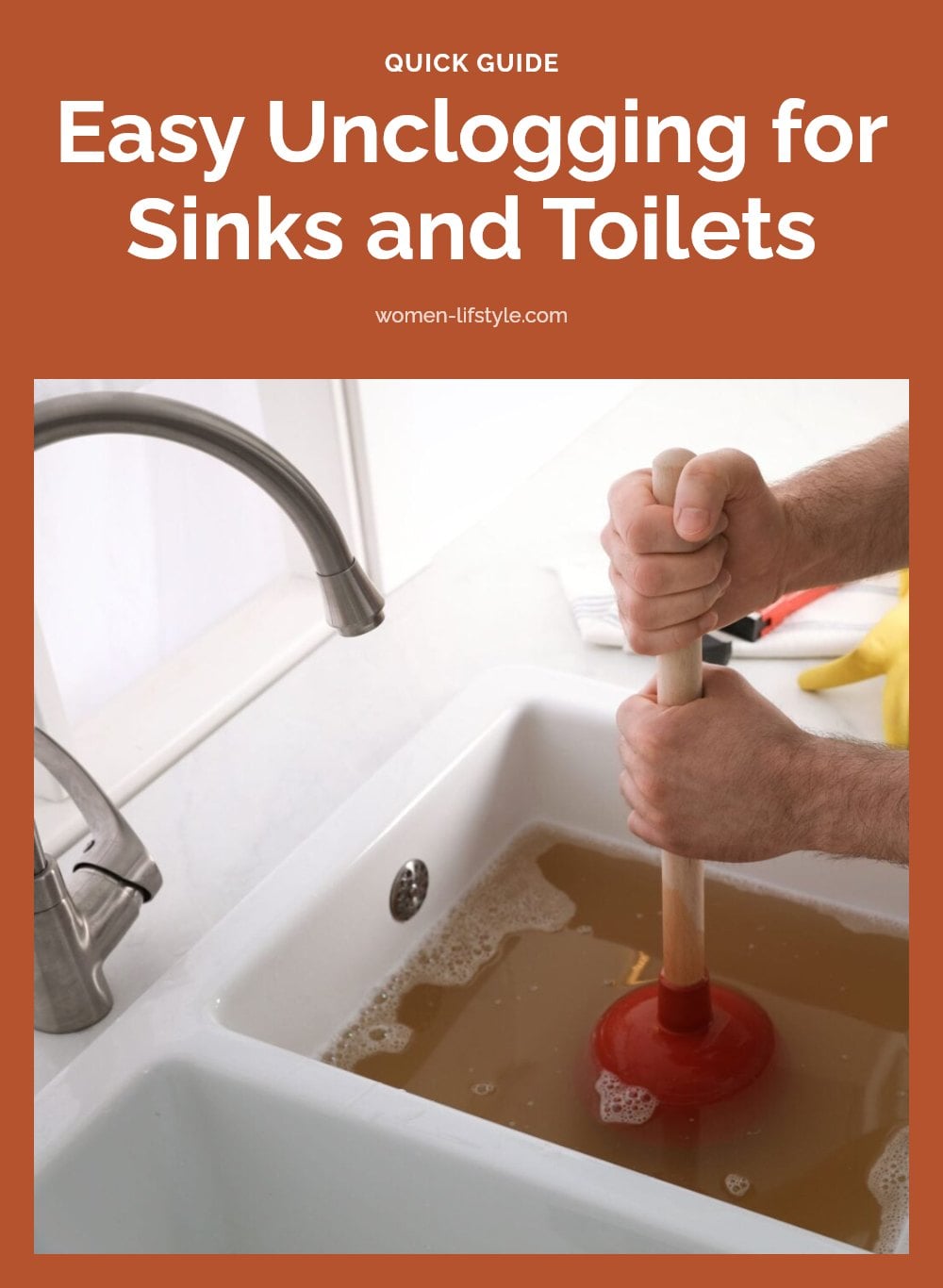
Dealing with a clogged sink or toilet is never fun, but you can often fix it yourself without calling a plumber. This article covers the most effective DIY methods, from using the right plunger to the baking soda and vinegar trick, and explains when to try a drain snake or remove the P-trap. I’ll also share tips on what not to do so you don’t accidentally make things worse.
Key Takeaways
- Use a cup plunger for sinks and a flange plunger for toilets to get a proper seal.
- Pour 1/2 cup baking soda and 1/2 to 1 cup vinegar down the drain, then cover and wait at least 30 minutes.
- Flush with hot tap water (not boiling) to dissolve grease and soap scum after treatments.
- Try a drain snake for hair clogs in bathroom sinks and showers.
- Remove and clean the P-trap if the clog is visible under the sink and other methods fail.
Quick Answer: How to Unclog Drains
Minor clogs in sinks and toilets often respond to a plunger, baking soda and vinegar, or a drain snake. The right method depends on the type of clog and where it is. Try these DIY solutions first, but call a professional plumber if the clog persists after two or three DIY attempts to avoid damaging your pipes.
1. Use the Right Plunger for Sinks
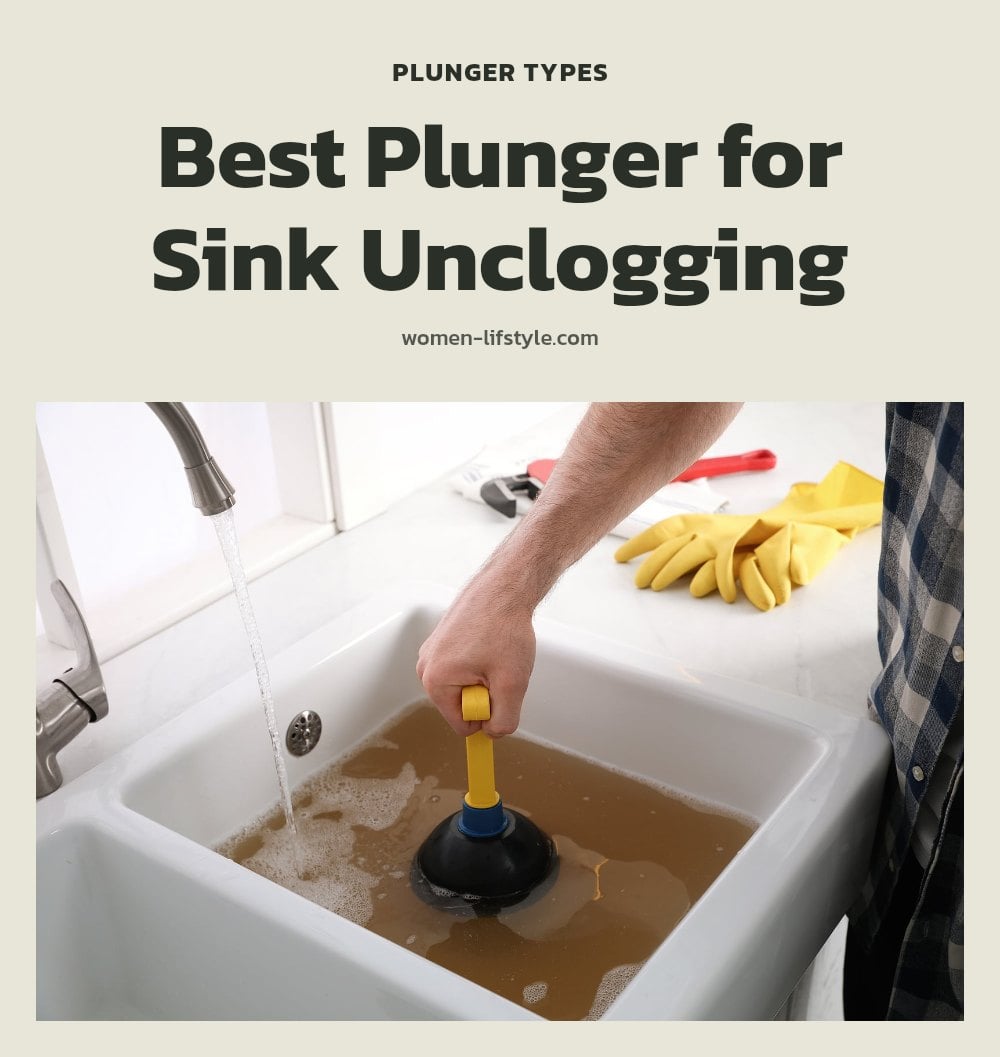
A cup-style plunger works best on sink drains because its flat rubber cup creates a tight seal over the flat drain opening. Fill the basin with enough water to cover the rubber cup completely. That water is what transfers the pressure down the pipe.
- Position the plunger: Center it over the drain and press down to push out air.
- Apply pressure: Push and pull firmly and consistently for 15 to 20 seconds.
- Check progress: Water should start draining freely if the clog is dislodged.
2. Choose a Flange Plunger for Toilets

A flange plunger has an extended rubber flap that fits into the toilet bowl opening, creating the seal a standard cup plunger cannot. Position the plunger so the flap covers the drain hole completely. Push down slowly at first to expel air, then pull up sharply to create suction.
- Keep water in the bowl: Some water is needed for the seal, but if the toilet is already close to overflowing, stop plunging and let the water level drop first.
- Use force: Once the seal is set, push and pull with steady, strong strokes.
- Caution: Aggressive plunging on a full bowl can splash water and waste onto the floor.
3. Baking Soda and Vinegar for Clogs
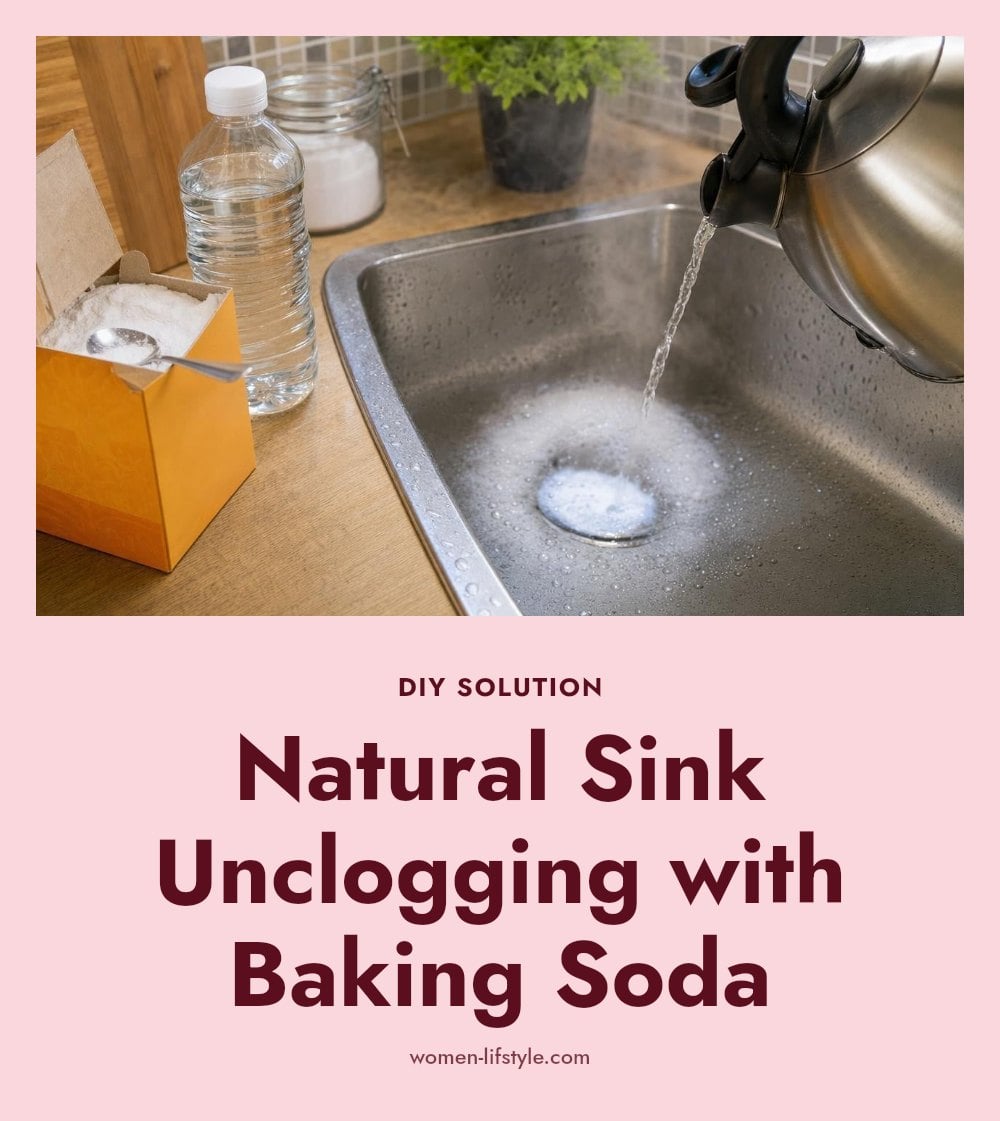
Baking soda (alkaline) and vinegar (acid) react to produce carbon dioxide gas and water, which helps break down grease and soap scum. Pour 1/2 cup of baking soda down the drain, then follow with 1/2 to 1 cup of white vinegar. Cover the drain opening with a plug or cloth to keep the fizz inside the pipe.
- Wait time: Let the mixture sit for at least 30 minutes. For tough clogs, leave it overnight.
- Flush: Follow with a pot of hot tap water (not boiling) to rinse away the loosened debris.
- Repeat if needed: If the drain is still slow, try the method once more before moving to a drain snake.
4. Use Hot Water (Not Boiling)
Hot water works well to dissolve grease and soap scum, especially right after the baking soda and vinegar treatment. My tip: use hot tap water, never boiling water. Boiling can warp or melt PVC pipes, which are common in modern homes. Flush the drain with hot water for several minutes after other methods to clear out any remaining residue.
5. Try a Drain Snake for Hair Clogs
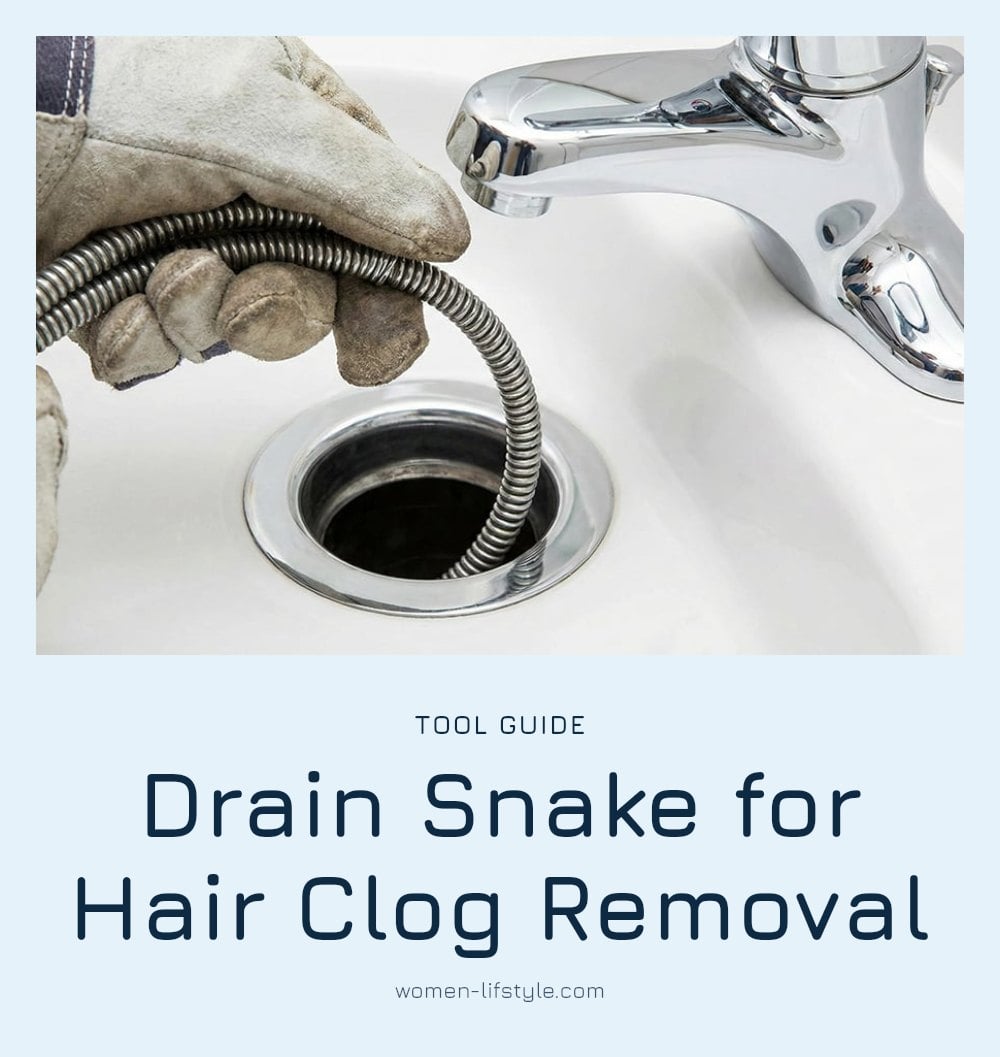
A drain snake, also called an auger, is a flexible tool that physically breaks up or retrieves clogs. It is especially effective for hair clogs in bathroom sinks and showers, where hair wraps around soap scum. Carefully insert the snake into the drain, twisting it to grab or break up the obstruction, then slowly pull it out. Repeat as needed until water flows freely.
6. Address Kitchen Sink Grease Clogs
Kitchen sink clogs usually come from grease and food particles building up over time. The baking soda and vinegar method, followed by hot water, works particularly well here because the reaction breaks down the greasy residue. My tip: avoid pouring grease down the drain in the future. Wipe greasy pans with a paper towel and toss it in the trash instead.
7. Clear Toilet Clogs from Non-Flushables
Toilets typically clog from too much toilet paper or non-flushable items like wet wipes and feminine hygiene products. A flange plunger is your first line of defense, as it creates a tight seal in the toilet bowl opening. Use firm, controlled pushes to dislodge the blockage. Caution: never flush anything other than human waste and toilet paper down the toilet, no matter what the package claims.
8. Remove and Clean the P-Trap
If the clog is visible and sitting right under the sink, the P-trap is often the culprit. That U-shaped pipe traps debris by design, so it collects hair, food, and small objects over time. Removing it is straightforward and usually clears the blockage completely.
- Place a bucket underneath: Position it directly below the trap to catch any water and debris that will spill out when you loosen it.
- Loosen the nuts: Use an adjustable wrench to turn the slip nuts on both ends of the P-trap. Turn counterclockwise, and have old towels ready for drips.
- Clean out the trap: Empty the debris into the bucket, then rinse the pipe with hot water to remove any remaining residue.
- Reattach securely: Tighten the nuts by hand, then give them a quarter turn with the wrench. Check for leaks by running water for a minute.
Reattach the trap the same way it came off, with the curve facing downward. A loose connection will leak, so make sure the nuts are snug but not over-tightened, which can crack the threads.
9. Wear Protective Gear
Rubber gloves are non-negotiable when you put your hands anywhere near a clogged drain. They protect your skin from dirty water, bacteria, and whatever else is lurking in that pipe. Keep a dedicated pair under the sink so you are not hunting for them mid-emergency.
If you reach for a chemical drain cleaner, add eye protection and open a window or turn on a fan. Those fumes are strong, and splashes can happen when the product reacts with standing water.
Caution: Chemical drain cleaners are corrosive. Even a small drop on your skin can cause irritation or a burn. If contact happens, rinse the area with cool water immediately.
10. Don’t Mix Chemical Cleaners
Commercial chemical drain cleaners can clear tough clogs, but they come with real risks. Never mix two different products, because the combination can produce dangerous fumes or even a violent reaction. That warning applies to mixing any brands or types, including gel and foam formulas.
My tip: Use them sparingly and only as directed. Over time, these chemicals can corrode pipes, especially older metal ones or PVC. If a clog doesn’t budge after one treatment, switch to a mechanical method like a snake instead of pouring in more chemicals.
11. Prevent Future Clogs with Maintenance
Prevention is the cheapest fix, and it takes about five minutes a week. Once a month, pour that same 1/2 cup of baking soda followed by 1/2 cup of vinegar down each drain, let it fizz for 15 minutes, then flush with hot tap water. Weekly, a simple hot water flush keeps grease and soap film from building a base layer.
My tip: buy a few mesh drain screens and put one in every shower and sink. They catch hair and food scraps before they ever enter the pipe, and you can empty them straight into the trash. That one habit eliminates most clogs before they start.
Common Unclogging Mistakes to Avoid
Using the wrong plunger: A cup plunger won’t seal a toilet, and a flange plunger is overkill for a sink. Match the plunger to the drain: flat cup for sinks, extended flap for toilets.
Pouring boiling water: Hot water helps dissolve grease, but boiling water can warp or melt PVC pipes. Stick to hot tap water for stubborn clogs.
Ignoring slow drains: A slow drain is a warning sign. Address it promptly with a plunger or baking soda and vinegar before it becomes a complete, stubborn blockage.
Flushing non-flushable items: Wet wipes, paper towels, and feminine hygiene products are major culprits for toilet clogs. Only flush human waste and toilet paper.
Not allowing enough time for baking soda and vinegar: This method needs time to work. Let it sit for at least 30 minutes, or even overnight, for best results. Rinsing too soon washes the reaction away before it breaks down the clog.
Frequently Asked Questions
How long should I wait after using baking soda and vinegar?
Let the mixture sit for at least 30 minutes. For a stubborn clog, leaving it overnight gives the reaction more time to break down grease and soap scum. If there’s no improvement after two or three attempts, try a different method or call a plumber.
Can I use a regular plunger for a toilet?
No, a standard cup plunger won’t create a good seal in a toilet bowl because the opening is curved. You need a flange plunger, which has an extended rubber flap that fits into the toilet drain. Using the wrong plunger usually just moves water around without dislodging the clog.
What if my drain is still slow after unclogging?
A slow drain often means there’s a partial clog that didn’t fully clear. Try repeating the baking soda and vinegar method or use a drain snake to break up any remaining debris. If the slowness persists, it could be a buildup deeper in the pipe, and a professional plumber can inspect with a camera.
Are chemical drain cleaners safe for all pipes?
Chemical drain cleaners can be effective, but they may damage older metal pipes or PVC pipes over time, especially with frequent use. They also produce strong fumes and can be corrosive to skin. For most clogs, mechanical methods like plunging or a drain snake are safer and just as effective.
When should I call a plumber for a clog?
Call a plumber if the clog doesn’t improve after two or three DIY attempts, if you suspect a blockage deep in the main line, or if you see water backing up in multiple drains at once. Also call if you hear gurgling sounds in other fixtures, which can indicate a larger issue. Professional help prevents damage to your pipes.
Final Thoughts
For most minor clogs, start with a plunger that matches your drain or the baking soda and vinegar method. Give the fizzing reaction at least 30 minutes to work, and follow with hot tap water. If the drain is still slow after two or three attempts, or you suspect a deep blockage, call a professional plumber. A little patience and the right tool will save you a service call most of the time.
