

That red, tender bump on your eyelid is a stye, and it’s almost always harmless. The best way to treat it at home is with simple warm compresses, and I’ll walk you through exactly how to do that safely. This article covers what causes styes, the right way to use a compress, common mistakes to avoid, and when it’s time to see a doctor.

Key Takeaways
- Apply a warm compress for 5-10 minutes, 3-4 times daily to help the stye drain naturally.
- Never pop or squeeze a stye; it can spread the infection and make swelling worse.
- Wash your hands before and after touching your eye area to prevent introducing bacteria.
- Remove eye makeup every night and replace makeup every 3-6 months to reduce bacterial growth.
- See a doctor if the stye hasn’t improved after one to two weeks of home care or if vision changes.
What is a Stye and How Can You Treat It?
A stye is a red, painful lump on your eyelid caused by a bacterial infection of an oil gland or hair follicle. The most effective home treatment is applying warm compresses consistently to encourage the stye to drain on its own. Good eyelid hygiene is just as important for both treatment and prevention, so keep that area clean.
Why Do Styes Form on Your Eyelid?
Why Do Styes Form on Your Eyelid?
Styes are acute infections of an oil gland or hair follicle in the eyelid, most often caused by Staphylococcus aureus bacteria. When a gland or follicle becomes blocked, it creates a breeding ground for bacteria, leading to inflammation and a painful lump.
There are two types: external styes form at the base of an eyelash, while internal styes develop inside the eyelid. Both start the same way, a blockage plus bacteria, but internal ones can feel more tender because they press against the eye.
Essential Supplies for Stye Treatment

You likely already have everything you need for stye treatment at home. Here is the list:
- A clean washcloth or cotton pad for warm compresses
- Warm water to soak the compress
- Mild, tear-free baby shampoo (optional) for gentle eyelid cleaning
- Cotton swabs (optional) for precise cleaning around the stye
Step-by-Step: Applying a Warm Compress for Stye Relief

- Wash your hands: Always start by washing your hands thoroughly with soap and water before touching your eye area.
- Soak the compress: Wet a clean washcloth or cotton pad with warm water. Test it on your wrist first. It should feel warm, not hot, to avoid burning the delicate eyelid skin.
- Apply to the closed eyelid: Gently place the compress over your closed eyelid, directly on the stye. Keep your eye closed the whole time.
- Hold for 5-10 minutes: Let the warmth soak in. Re-wet the cloth if it cools down. The heat helps liquefy the stye’s contents and promote drainage.
- Repeat 3-4 times a day: Consistency matters. Regular compresses speed up healing more than doing them once.
- Massage gently after: Use a clean fingertip or a cotton swab to gently massage the stye in a circular motion. This can help push the softened material out.
Common Mistakes to Avoid When Treating a Stye
Squeezing a stye is the worst thing you can do. It pushes bacteria deeper into the eyelid, which can spread the infection and make the swelling worse. Always wash your hands with soap and water before and after touching your eye area to prevent introducing more bacteria.
Caution: Test the compress temperature on your wrist first. Water that is too hot can burn the thin skin of your eyelid. Avoid wearing eye makeup or contact lenses while the stye is present. Both can irritate the bump and carry bacteria. Continue warm compresses for the full 5 to 10 minutes, 3 to 4 times a day, even if the stye starts to look better. Stopping early can allow the blockage to return.
Preventing Future Styes with Good Eyelid Hygiene
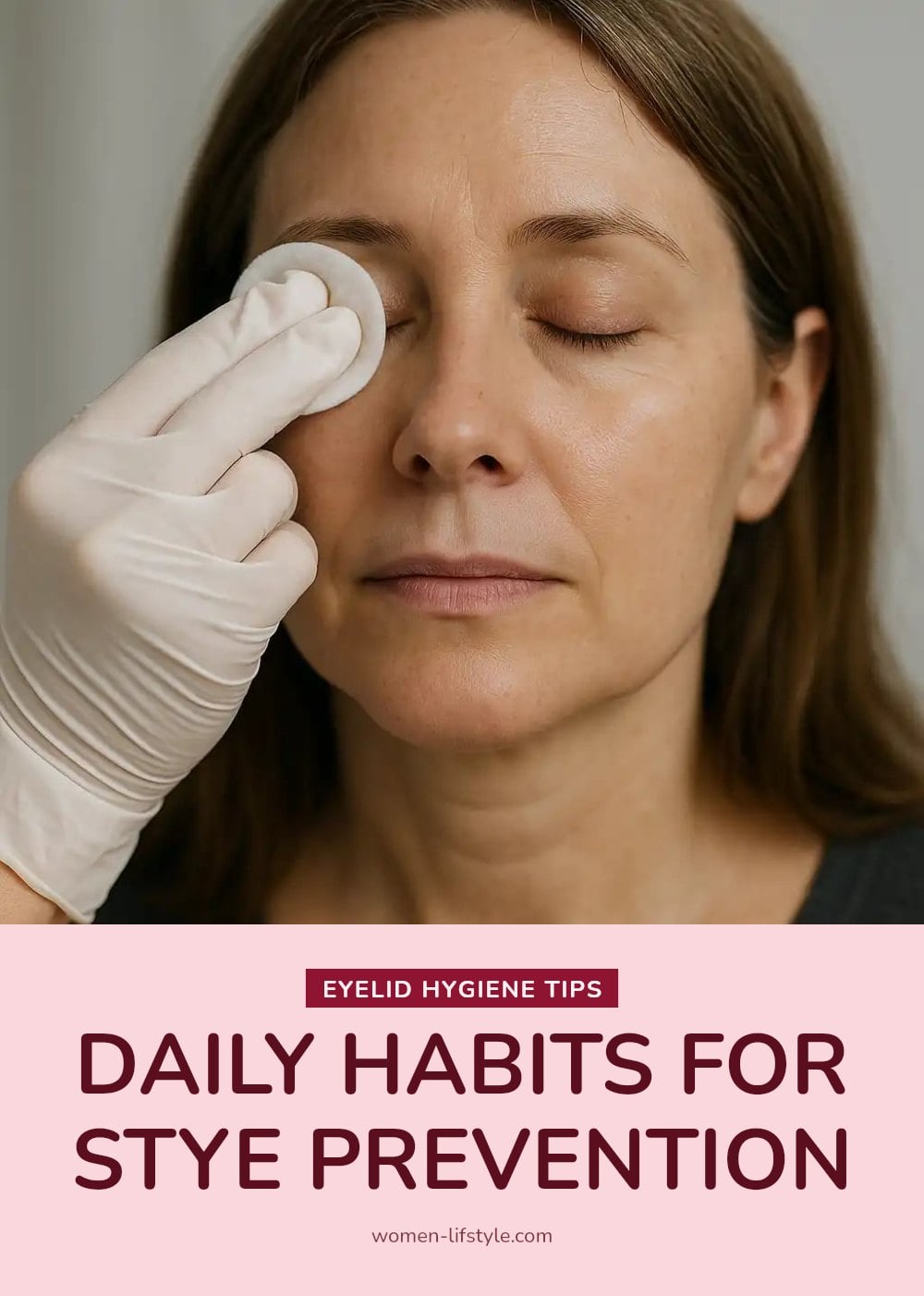
Daily eyelid hygiene is your best defense against styes. Gently clean your eyelid margins with a clean washcloth and warm water, especially if you wear makeup or have allergies. For a deeper clean, mix a drop of mild, tear-free baby shampoo with water and use a cotton swab along the lash line.
Tip: Remove all eye makeup before sleeping every night. Replace mascara, eyeliner, and eyeshadow every 3 to 6 months to limit bacterial growth. Wash your hands thoroughly before touching your eyes throughout the day.
How Long Does Stye Treatment Take?
Most styes resolve on their own within 1 to 2 weeks with consistent warm compress use. You may notice improvement in pain and swelling within a few days of starting treatment. Home treatment is very low cost since you likely already have a clean washcloth and warm water on hand.
When to See a Doctor for Your Stye
See a doctor if the stye does not improve after one to two weeks of consistent home care. Seek medical attention if the stye becomes more painful, worsens, or starts to affect your vision. Red flags include swelling that spreads to other parts of your face or a fever. If styes keep coming back, a doctor can check for an underlying condition.
Frequently Asked Questions
How long does a stye usually last?
Most styes resolve on their own within one to two weeks with consistent warm compress use. You may notice less pain and swelling within a few days of starting treatment.
Can a stye be contagious?
Styes themselves are generally not contagious. However, the bacteria that cause them can spread through direct contact, so it’s still smart to avoid sharing towels, washcloths, or eye makeup while you have one.
What is the difference between a stye and a chalazion?
A stye is an acute bacterial infection of an oil gland or hair follicle, causing a red, painful lump. A chalazion is a non-infectious, typically painless lump that can form if a stye doesn’t drain and the blockage persists.
Is it normal for a stye to be painful?
Yes, styes are usually painful and tender because they involve an active bacterial infection and inflammation. If the pain becomes severe or the stye worsens, see a doctor.
Can I prevent styes from recurring?
Yes, daily eyelid hygiene is your best defense. Gently clean your eyelid margins with warm water and a clean washcloth, and remove all eye makeup before bed. Replace eye makeup every three to six months to reduce bacterial buildup.
Final Thoughts
For most styes, consistent warm compresses and good eyelid hygiene are all you need. Expect to see some improvement in pain and swelling within a few days, but give it the full one to two weeks for the stye to resolve completely. Stick with the routine and resist the urge to squeeze, and your eye will thank you.
This information is for general educational purposes only and does not replace professional medical advice. If your stye is painful, doesn’t improve after a week or two, or affects your vision, please consult a doctor or dermatologist.
