

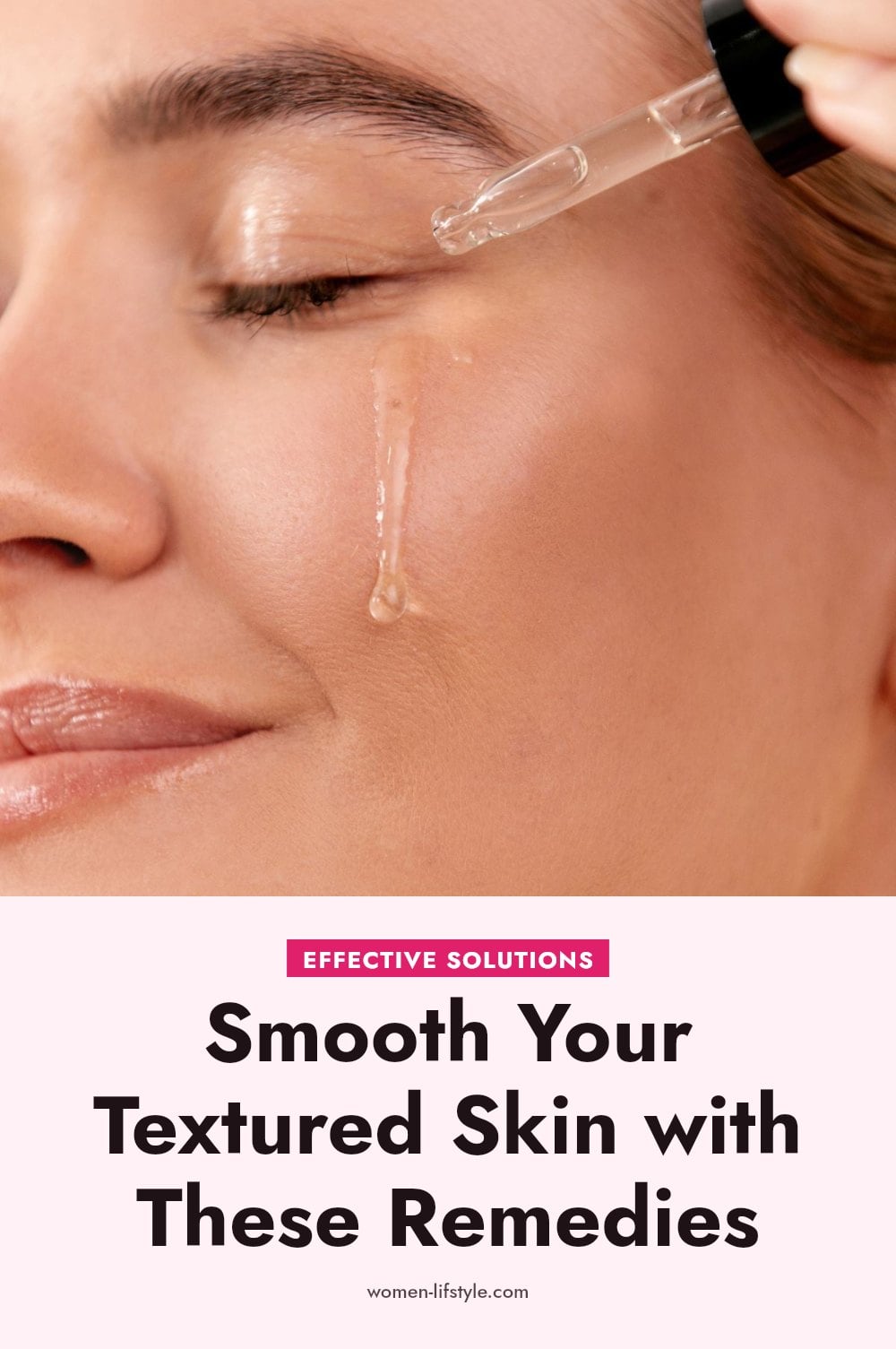
You know that feeling when your skin looks smooth in the mirror but feels bumpy or rough to the touch? That’s textured skin, and it’s incredibly common. Whether it’s from a buildup of dead cells, sun damage, or just dehydration, the good news is there are effective ways to smooth things out. This article covers the key causes of textured skin and the remedies that actually work, from gentle exfoliation and hydration to sun protection and professional treatments.
Key Takeaways
- Gently exfoliate 2-3 times a week with chemical exfoliants like AHAs or BHAs for smoother skin.
- Apply a broad-spectrum sunscreen with at least SPF 30 daily to prevent UV-related texture damage.
- Use a hydrating moisturizer with humectants and ceramides twice a day to support the skin barrier.
- Incorporate retinoids slowly, starting with a low concentration a few nights per week.
- Consult a dermatologist if textured skin is painful, has pus, or doesn’t improve with consistent care.
What Causes Textured Skin?
Textured skin describes an uneven surface, think bumps, roughness, or a dull finish. This often comes from a buildup of dead skin cells, sun damage, or dehydration. Underlying conditions like acne or keratosis pilaris can also cause texture irregularities. The standard approach involves gentle exfoliation, consistent hydration, and daily sun protection, sometimes paired with targeted treatments for the root cause.
1. Gentle Chemical Exfoliation
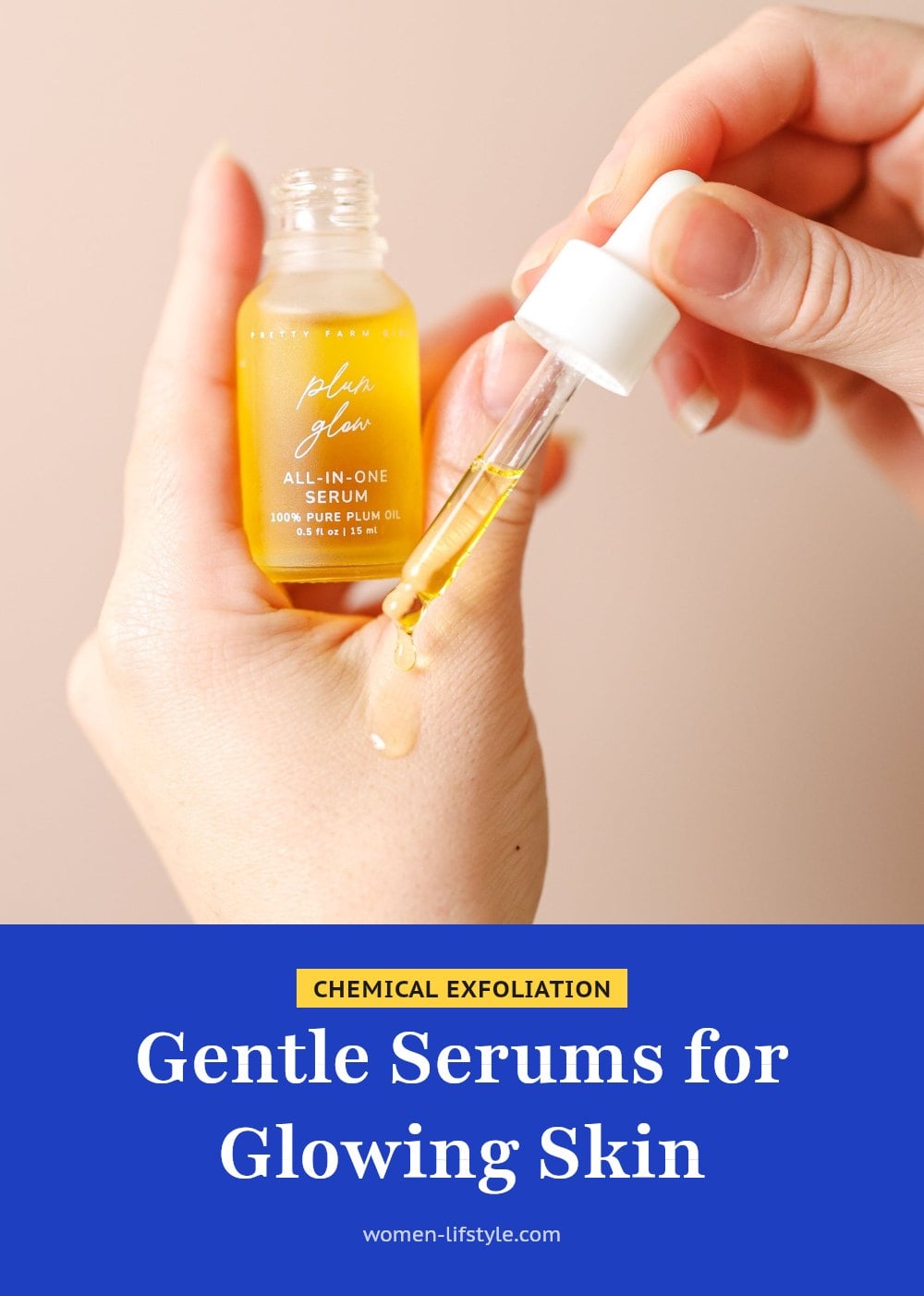
Chemical exfoliants use acids to dissolve the bonds holding dead skin cells together, revealing smoother skin underneath. AHAs like glycolic and lactic acid work on the surface, while BHAs like salicylic acid go deeper into pores.
My tip: Start with a low-concentration product 2-3 times a week, then gradually increase frequency as your skin builds tolerance.
Caution: These ingredients make your skin more sensitive to UV rays. Always apply a broad-spectrum sunscreen with at least SPF 30 daily.
2. Incorporate Retinoids
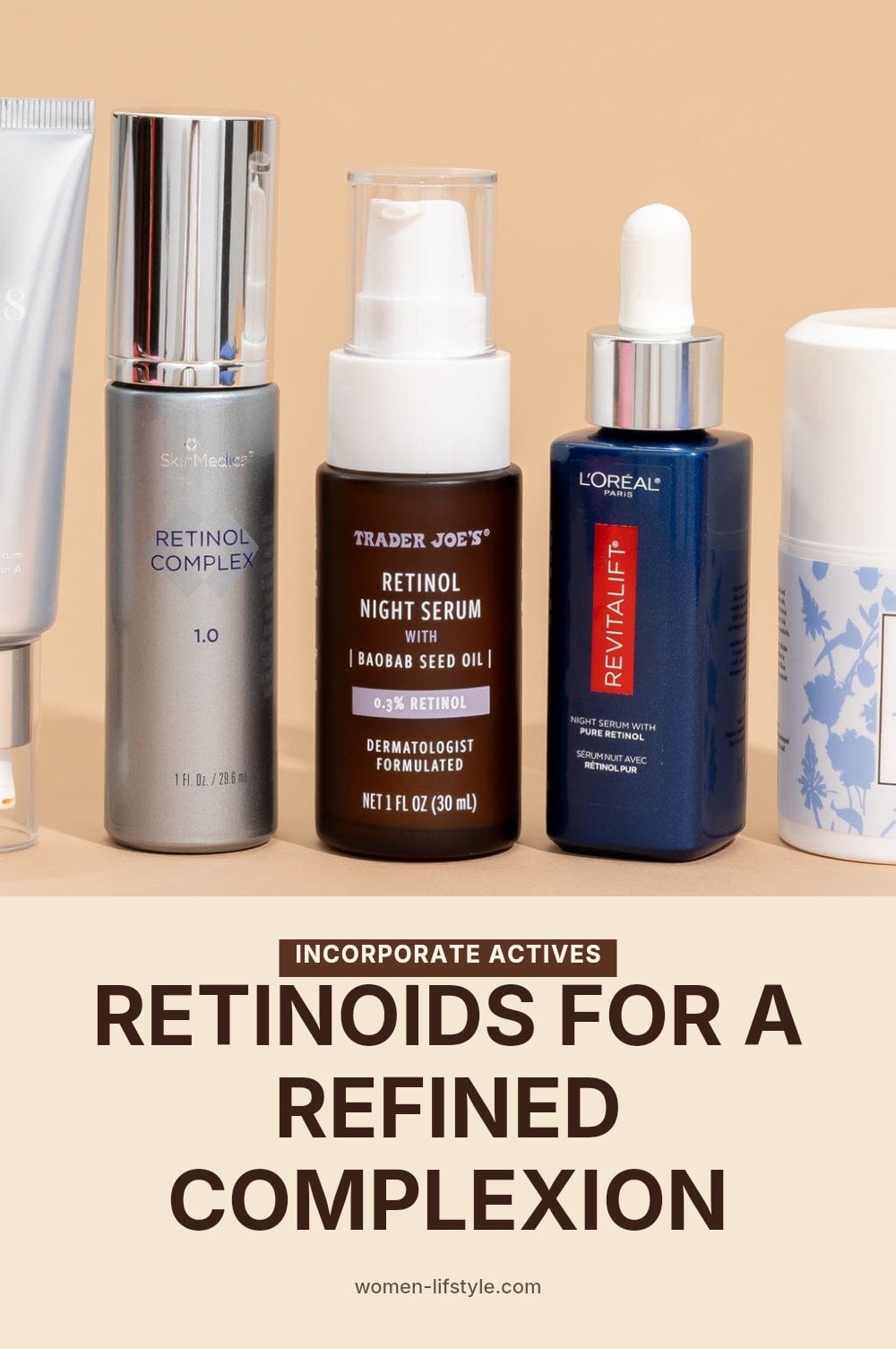
Retinoids are vitamin A derivatives that speed up cell turnover and stimulate collagen production. Over time, they can significantly improve skin texture by encouraging fresh, smooth cells to surface.
My tip: Begin with a pea-sized amount two or three nights a week to let your skin adjust. Redness and peeling are common at first, so patience pays off.
Caution: Retinoids also increase sun sensitivity, making daily SPF 30 or higher essential.
3. Consistent Hydration
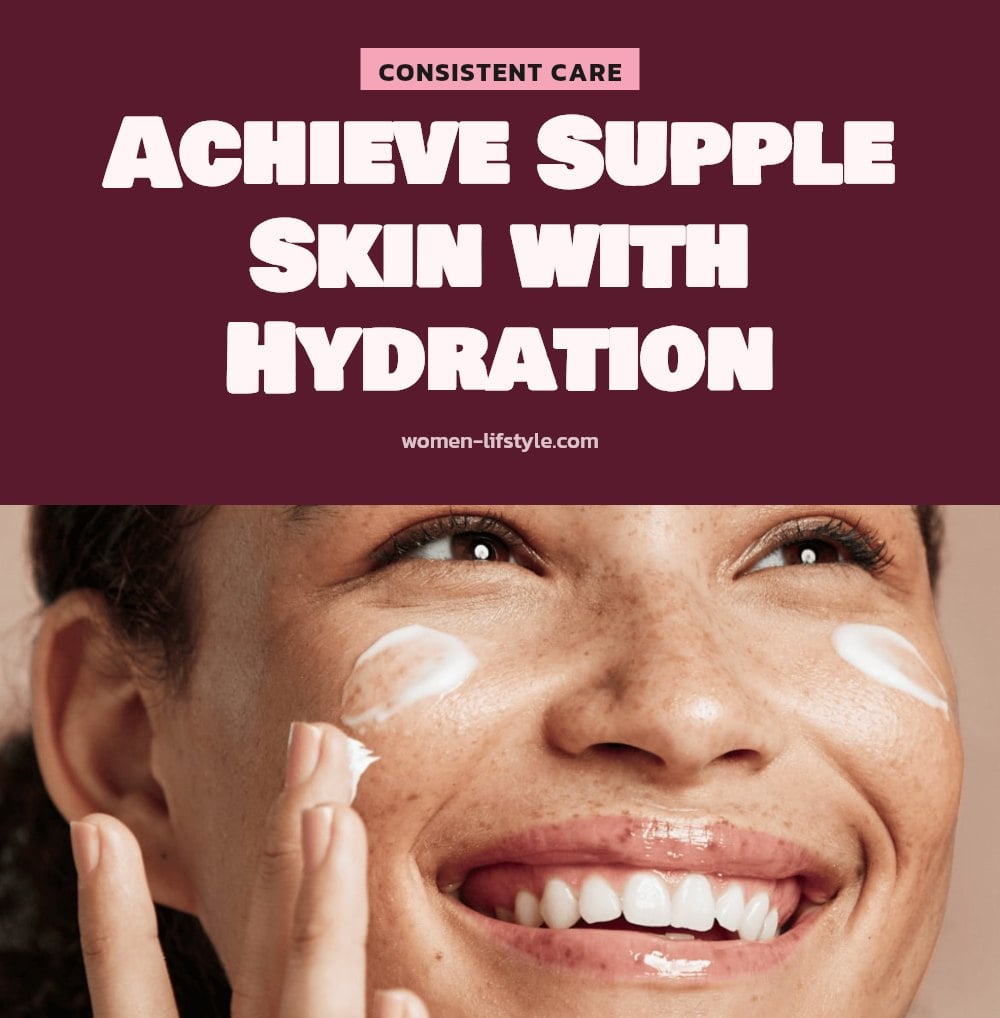
Dehydrated skin looks dull and can make texture issues more noticeable. A rich moisturizer helps plump up skin cells and smooth the surface.
Look for humectants like hyaluronic acid to draw in moisture and emollients like ceramides to support the skin barrier.
Tip: Apply moisturizer to damp skin right after cleansing. This locks in extra hydration and gives you a smoother feel instantly.
4. Daily Sun Protection
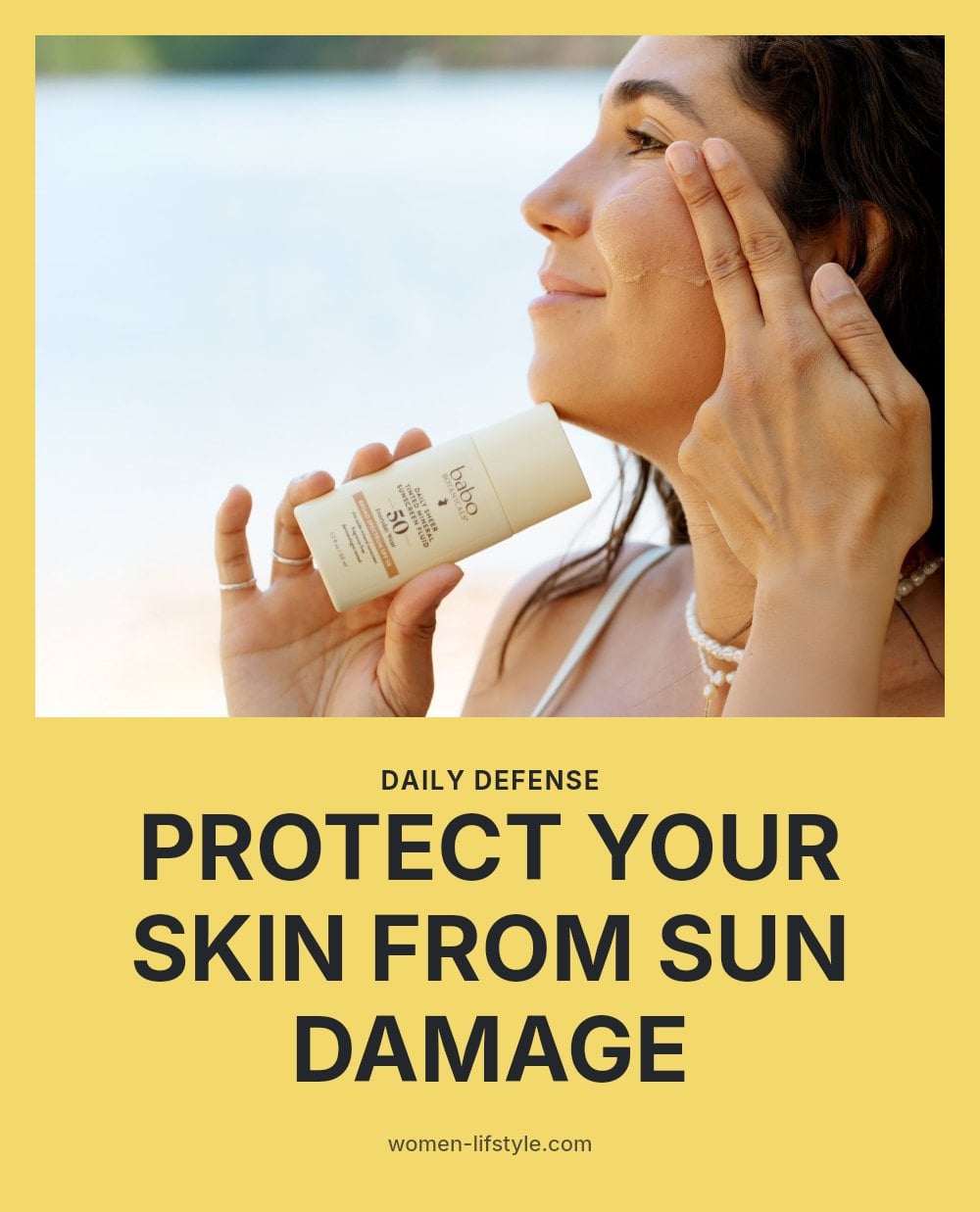
Sun exposure is a major contributor to uneven skin texture, causing fine lines and a leathery appearance over time. A broad-spectrum sunscreen with at least SPF 30 is your best defense, even on cloudy days. UV damage accumulates, so daily application prevents new texture problems and protects the progress you make with other products.
Good to know: Reapply every two hours, especially if you’re outdoors or sweating. For makeup wearers, a powder or setting spray with SPF makes touch-ups easy.
5. Vitamin C Serum
Vitamin C is a powerful antioxidant that protects skin from environmental damage and supports collagen synthesis, improving both tone and texture. It helps fade dark spots and brightens the complexion, which can make uneven texture less noticeable.
Pro move: Apply a vitamin C serum in the morning after cleansing and before sunscreen for maximum protection. Look for stable forms like L-ascorbic acid or magnesium ascorbyl phosphate, which maintain their effectiveness longer on the shelf.
6. Gentle Cleansing Routine

Start and end your day with a mild, pH-balanced cleanser to remove impurities without stripping your skin’s natural oils. Harsh cleansers can compromise your skin barrier, making texture issues worse by leaving skin dry and irritated. A compromised barrier also allows more irritants in, which can trigger breakouts or redness.
Quick tip: Use lukewarm water and pat your skin dry with a soft towel. Rubbing with a rough cloth adds unnecessary friction that can aggravate texture.
7. Avoid Over-Exfoliation
While exfoliation is key, too much can damage your skin barrier, leading to increased sensitivity, redness, and even worsening texture. Over-exfoliated skin may look shiny and feel tight, which is a sign to pull back. Listen to your skin: if it feels tight, irritated, or looks red, reduce the frequency of your exfoliating products.
Tip: Never use multiple strong exfoliants on the same day. For example, avoid combining a chemical peel with a retinol treatment in the same routine. Stick to one type of chemical exfoliant per session to keep your barrier intact.
8. Stay Hydrated Internally
Drinking enough water throughout the day supports your skin’s overall health and hydration from the inside out. While it won’t magically erase texture, it helps maintain a healthy skin barrier and a more radiant complexion. Good to know: Keep a water bottle on your desk or in your bag as a visual reminder to sip regularly. Aim for small, consistent sips rather than chugging a large amount at once, which your body processes more efficiently.
9. Patch Test New Products
Introducing a new active ingredient can sometimes cause irritation or an allergic reaction, which may worsen texture rather than help it. Always patch test new products on a small, inconspicuous area like behind your ear or on your inner arm. Pro move: Apply a pea-sized amount and wait 24 to 48 hours to check for any redness, itching, or bumps before using it on your entire face. This simple step saves you from a full-face reaction and helps you identify what works for your skin.
10. Avoid Picking Blemishes
Picking or squeezing blemishes can worsen existing texture by causing inflammation, spreading bacteria, and leading to post-inflammatory hyperpigmentation or even scars. Those scars create permanent textural irregularities that are much harder to treat than the original breakout. Quick tip: Instead of picking, use a targeted spot treatment with salicylic acid or apply a hydrocolloid patch overnight to absorb fluid and protect the area. Your skin will heal faster and with less damage.
11. Consider Professional Treatments

For more stubborn or severe textured skin, professional treatments can offer intensive solutions that over-the-counter products can’t match. Options include chemical peels, microdermabrasion, and laser therapy, which resurface the skin by removing damaged layers or stimulating collagen. Tip: Always schedule a consultation with a board-certified dermatologist to discuss your specific concerns and skin type before booking any procedure. They can recommend the safest and most effective treatment for your situation.
When to Consult a Dermatologist
If your textured skin is painful, has pus, or doesn’t improve after consistent over-the-counter care, a dermatologist can identify the root cause. You may need a diagnosis for underlying conditions like severe acne, eczema, or keratosis pilaris. A doctor can also guide you on prescription-strength retinoids or professional treatments such as chemical peels and laser therapy. Seek medical advice if any product causes severe redness, burning, itching, or persistent irritation.
Frequently Asked Questions
How long does it take to fix textured skin?
With consistent use of the right products, many people notice improvements in skin texture within 4 to 8 weeks. More significant changes, especially from retinoids or professional treatments, can take several months. Patience and regular care are key.
Can textured skin be a sign of a health issue?
In some cases, yes. Underlying conditions like acne, eczema, or keratosis pilaris can cause texture irregularities. If your textured skin is painful, has pus, or doesn’t improve with over-the-counter remedies, it’s a good idea to see a dermatologist for a proper diagnosis.
What foods help with textured skin?
While no specific food will instantly fix texture, a balanced diet rich in antioxidants, healthy fats, and plenty of water supports overall skin health. Foods high in vitamins C and E, omega-3 fatty acids, and zinc may help promote a smoother complexion over time.
Is textured skin normal?
Yes, textured skin is completely normal and very common. Most people have some degree of unevenness, whether it’s from pores, fine lines, or dry patches. The goal is usually to improve texture, not achieve perfect smoothness, which is unrealistic for most.
Can drinking water improve skin texture?
Staying hydrated supports your skin’s overall health and can help maintain a healthy barrier, which may make texture less noticeable. While water alone won’t erase bumps or roughness, it’s an important part of a comprehensive skincare routine for a more radiant complexion.
Final Thoughts
For most people, a consistent routine of gentle exfoliation, hydration, and daily sunscreen will improve skin texture within 4 to 8 weeks. If you’re dealing with a stubborn or painful case, don’t hesitate to see a dermatologist for a personalized plan. Stick with it, and your skin will thank you.
This article provides general information about skincare and is not a substitute for professional medical advice. Individual results may vary, and persistent or severe skin concerns should be evaluated by a dermatologist or healthcare provider. Always patch test new products and discontinue use if irritation occurs.
