

Have you ever wondered why some days you feel full of energy and ready to tackle anything, while other days you just want to curl up on the couch? Your menstrual cycle plays a big role in these shifts. Understanding the four main phases of your cycle can help you recognize patterns in your mood, energy, and body, and even adjust your routine to feel more in sync with your natural rhythm. This article walks you through each phase and offers practical tips for aligning your activities with your cycle.
Key Takeaways
- Your cycle typically lasts 21 to 35 days, with 28 days being the average.
- Track your period, mood, and energy daily to spot your unique patterns.
- Match intense workouts to follicular and ovulation phases, gentler ones to luteal and menstrual phases.
- Consult a doctor for severe pain, heavy bleeding, or cycles outside the 21 to 35 day range.
Understanding Your Menstrual Cycle Phases
The menstrual cycle is a recurring biological process for individuals with ovaries, typically lasting 21 to 35 days. It involves four main phases: menstruation, follicular, ovulation, and luteal. Each phase comes with distinct hormonal shifts that can influence your body, mood, and energy levels. Understanding these phases helps you make sense of what your body is going through each month.
Why Knowing Your Cycle Phases Matters
Why Knowing Your Cycle Phases Matters
Understanding your cycle helps you recognize natural fluctuations in your body and mood without guessing. Instead of feeling confused by a low-energy day, you can see it as part of your hormonal rhythm. This awareness empowers you to make informed choices about your lifestyle, diet, and exercise.
For example, you might schedule intense workouts during higher-energy phases and plan rest during lower-energy ones. Knowing your cycle is foundational for reproductive health and overall well-being. It also helps you notice when something feels off, so you can talk to a healthcare professional if needed.
1. Phase 1: Menstruation (Your Period)

This phase marks the start of your cycle, counted from the first day of bleeding. Your uterine lining sheds, which typically lasts 3 to 7 days. Hormone levels, including estrogen and progesterone, are at their lowest during this time.
My tip: This is a time for rest and gentle activities. Listen to your body’s need for recovery. Light stretching or walking can feel good, but don’t push yourself.
2. Phase 2: Follicular Phase (Rising Energy)

Starting on day one of your period, this phase ends with ovulation. Your body prepares for ovulation by maturing follicles in the ovary. Estrogen levels rise, causing the uterine lining to thicken again.
My tip: You might feel a surge in energy and focus. This is a great time for planning and more intense workouts. I usually schedule challenging tasks or try a new exercise class during this phase.
3. Phase 3: Ovulation (Peak Energy)

Ovulation is the release of a mature egg from the ovary, usually around day 14 of a 28-day cycle. A surge in luteinizing hormone (LH) triggers this release. This is typically the shortest phase, lasting 1 to 3 days, and it marks your most fertile window.
Many people feel their most outgoing and energetic during ovulation. Tip: Use this time for social activities, meetings, or creative projects that benefit from a boost in confidence and communication.
4. Phase 4: Luteal Phase (Winding Down)
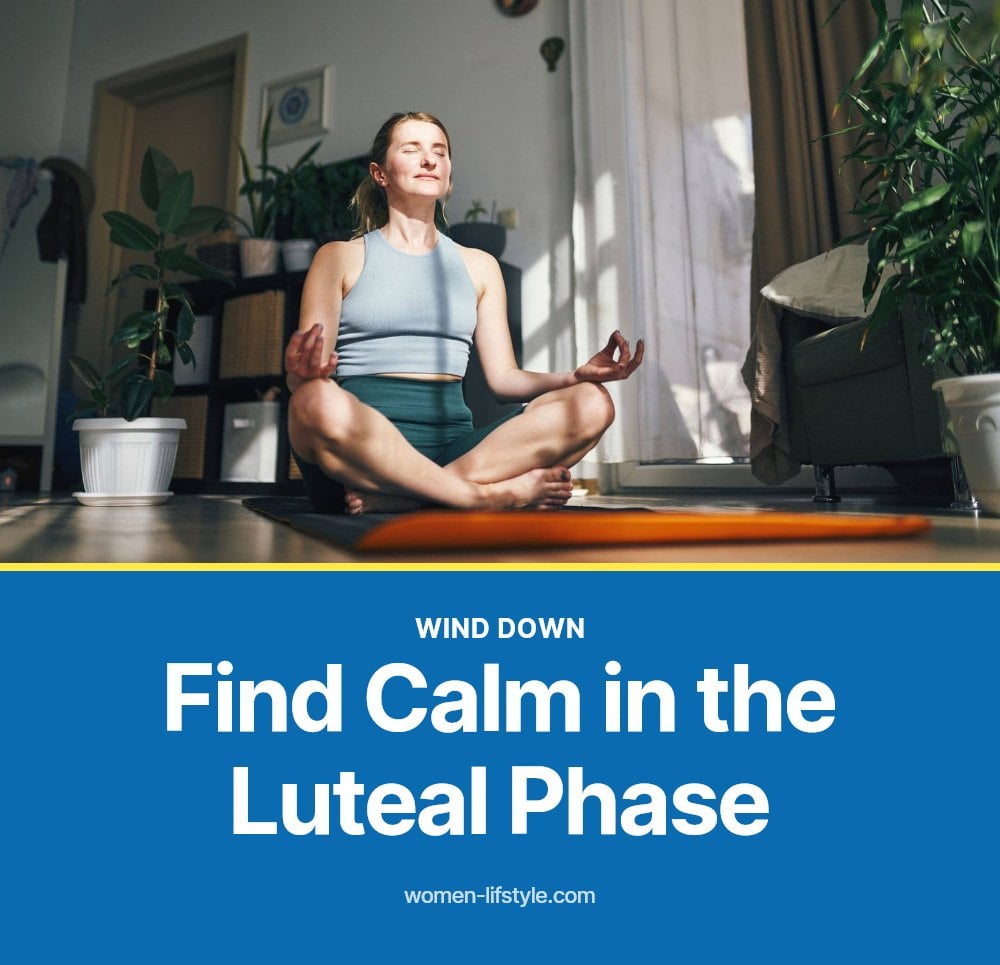
This phase follows ovulation and lasts until your next period, usually 10 to 16 days. The corpus luteum, the empty follicle left behind, produces progesterone, which helps maintain the uterine lining in case of pregnancy. If pregnancy doesn’t occur, progesterone and estrogen levels drop, triggering the breakdown of that lining and the start of menstruation.
Good to know: Energy levels often dip here, and PMS symptoms like bloating, cravings, or mood swings may show up. Prioritize self-care, healthy eating, and good sleep during this window. Gentle movement, warm baths, and extra rest can help you ride out the hormonal shift with less friction.
Practical Tips for Cycle Syncing
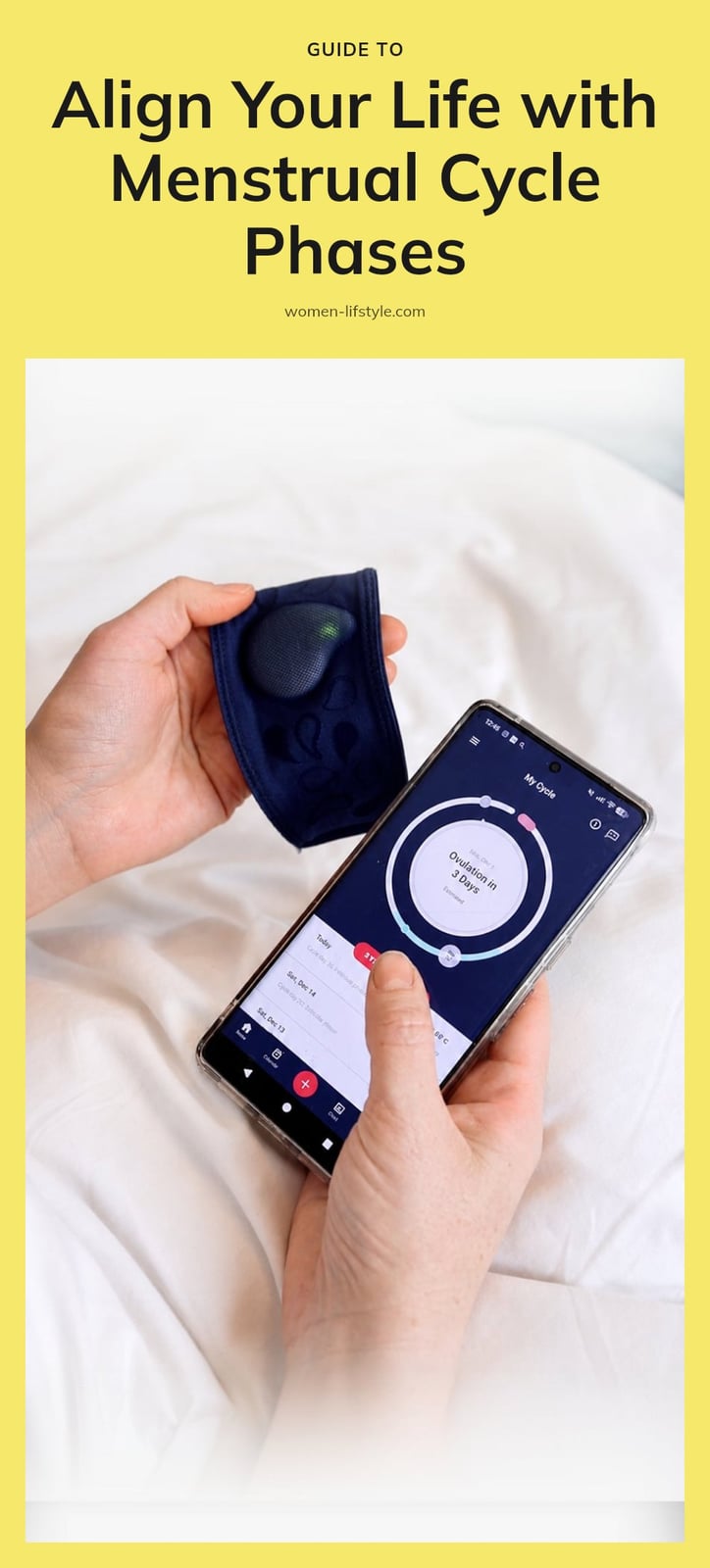
Track your cycle: Use an app, calendar, or journal to note your period start and end dates, plus your daily mood, energy, and physical symptoms. Over a few months, patterns will emerge that are unique to you.
Listen to your body: Your energy and motivation will shift with your hormones. On low-energy days, don’t force a workout or a packed social schedule; honor what you feel.
Adjust exercise: Plan intense workouts, like HIIT or strength training, during your follicular and ovulatory phases when energy tends to peak. Switch to gentler activities like yoga, stretching, or walking during your luteal and menstrual phases.
Prioritize nutrition: Focus on nutrient-dense foods that support hormone balance. For example, iron-rich foods like spinach and lentils can help during menstruation when you’re losing blood.
Ensure quality sleep: Aim for consistent, restful sleep, especially in the luteal and menstrual phases when your body may need extra recovery time.
Common Mistakes When Understanding Your Cycle
Many people assume every cycle runs like clockwork at 28 days, but that’s just an average. A normal cycle can range from 21 to 35 days, and yours might shift from month to month. That fluctuation is usually nothing to worry about.
Another common mix-up is treating your period as the whole cycle. Menstruation is only one phase; the full cycle includes the follicular, ovulation, and luteal phases too. Knowing the difference helps you track what your body is actually doing.
Caution: Don’t brush off persistent symptoms. Significant pain, unusually heavy bleeding, or cycles that stay shorter than 21 days or longer than 35 days are worth a medical check. These aren’t always “just how periods are.”
Finally, don’t rely on cycle syncing as contraception. It can help you understand fertility windows, but it’s not a dependable birth control method on its own. If you’re trying to avoid pregnancy, talk to a healthcare professional about reliable options.
When to Talk to a Healthcare Professional
Some symptoms are worth a call to your doctor, not just a note in your tracking app. Severe or debilitating pain during your period or at any point in your cycle is a clear reason to seek medical advice. The same goes for cycles that are consistently shorter than 21 days or longer than 35 days, or if your cycle suddenly changes in a significant way.
Unusually heavy bleeding, such as soaking through a pad or tampon every hour for several hours, also warrants a professional evaluation. If you are trying to conceive or avoid pregnancy, a healthcare provider can give accurate guidance on fertility awareness methods or contraception. For any persistent or concerning symptoms related to your reproductive health, don’t wait to ask.
Caution: This article is for general information only and is not a substitute for professional medical advice. Always consult a doctor about your specific situation.
Frequently Asked Questions
What is the average length of a menstrual cycle?
The average menstrual cycle is 28 days, but a normal cycle can range from 21 to 35 days. Your own cycle may vary from month to month, and that’s usually normal. Tracking your cycle over a few months can help you understand your personal average.
Can stress affect my menstrual cycle?
Yes, stress can influence your cycle. High stress levels may affect hormone balance, potentially leading to irregular periods or changes in cycle length. If you notice significant stress-related changes, consider relaxation techniques and talk to a healthcare provider if the irregularity persists.
Is ‘cycle syncing’ suitable for everyone?
Cycle syncing is a lifestyle approach, not a medical treatment, and it may not work for everyone. It is meant to help you align activities with your hormonal phases, but it is not a substitute for medical advice. If you have a health condition or are trying to conceive, consult a professional before making major changes.
How can I track my menstrual cycle effectively?
You can use a period tracking app, a calendar, or a journal. Record the start and end dates of your period, along with daily notes on mood, energy, and physical symptoms. Over a few months, you’ll see patterns that are unique to you, which can help you anticipate how you might feel in each phase.
When should I consult a doctor about my menstrual cycle?
You should see a doctor if you experience severe pain, unusually heavy bleeding, cycles shorter than 21 days or longer than 35 days, or sudden changes in your cycle. These could be signs of an underlying issue. It’s always better to get professional guidance if something feels off.
Final Thoughts
Getting to know your cycle is a gradual process, so give yourself a few months of tracking to see your own patterns emerge. Start by noting your period start and end dates, along with your daily energy and mood. Over time, you may notice when you feel most productive or when you need extra rest. Remember, cycle syncing is not a one-size-fits-all approach, and it is not a reliable form of birth control. If you have concerns about your cycle, don’t hesitate to reach out to a healthcare professional.
This article is for general information only and is not a substitute for professional medical advice. If you have concerns about your menstrual cycle, severe symptoms, or are trying to conceive or avoid pregnancy, please consult a healthcare provider. Do not self-diagnose or self-treat based on this content.
