

You know that little dark-dot look on your legs after shaving, the one that reminds you of strawberry seeds? It’s a common cosmetic issue called strawberry legs, and it’s usually harmless. This article walks through what causes the dots, the most effective home treatments, and simple changes to prevent them from coming back.
Key Takeaways
- Exfoliate gently 2-3 times a week with a soft scrub or an AHA/BHA product.
- Moisturize your legs daily, especially right after showering, to reduce dryness.
- Always use a sharp, clean razor and shave in the direction of hair growth.
- Don’t pick or squeeze the dots, as this can lead to irritation or infection.
- If the dots become painful, red, or show signs of infection, see a dermatologist.
What Are Strawberry Legs?
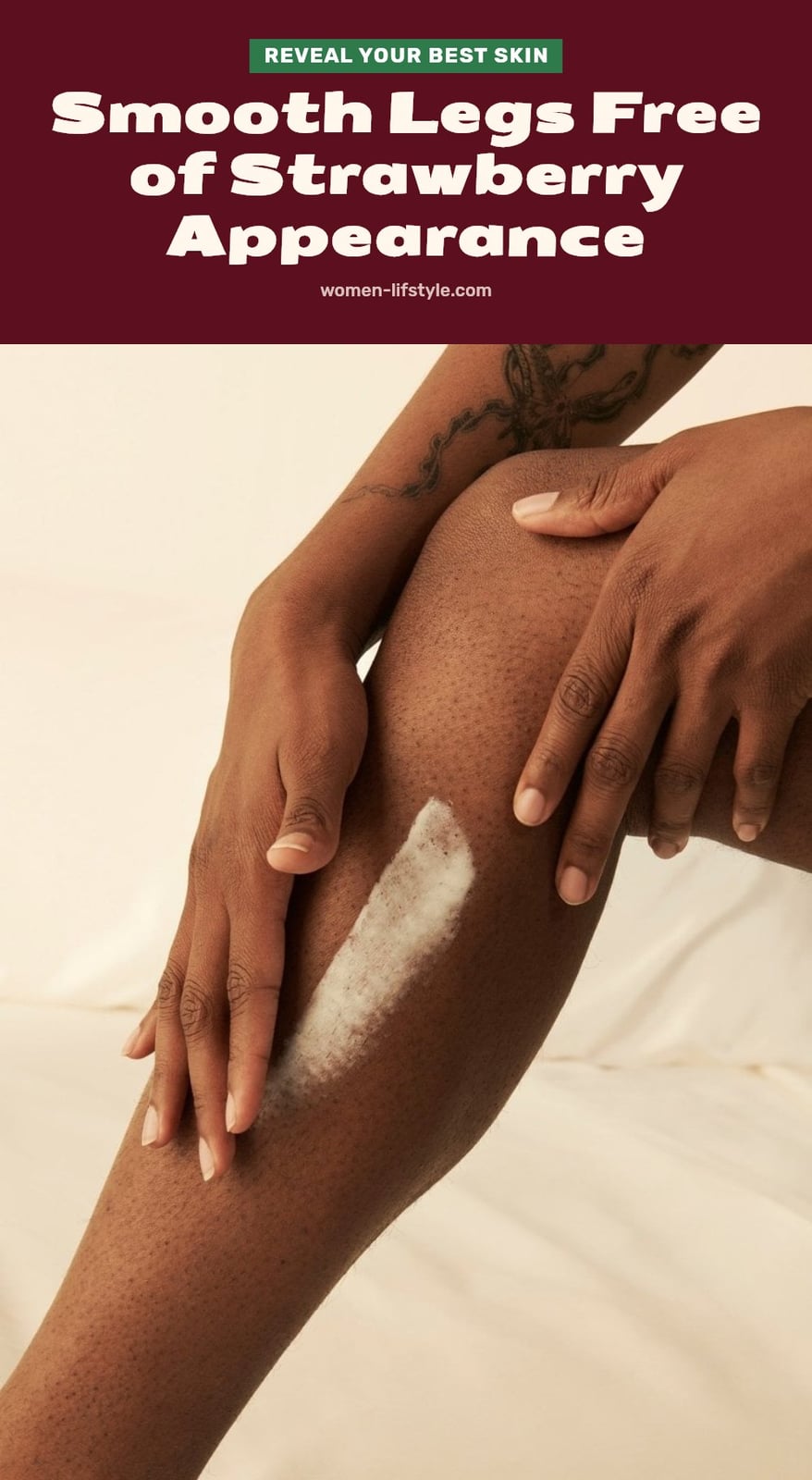
Strawberry legs is the common name for small, dark dots on your legs that resemble the seeds on a strawberry’s surface. It’s a cosmetic term, not a medical diagnosis, and it usually points to either keratosis pilaris (a buildup of keratin in hair follicles) or folliculitis (inflamed follicles). The condition is harmless, but many people want to reduce its appearance for smoother-looking skin.
Why Do I Get Strawberry Legs?
Keratosis Pilaris
This happens when keratin, a protein in your skin, builds up and plugs hair follicles. It creates small, rough bumps that can look like dots. Genetics often play a role, and it may get worse in colder, drier months.
Folliculitis
Folliculitis is an inflammation of the hair follicles, usually from bacterial or fungal infection, or from irritation. It can also show up as red or dark bumps.
How Shaving Makes It Worse
Shaving can irritate the follicles, cause ingrown hairs, or push bacteria into the skin. That’s why strawberry legs often appear or get worse after shaving. Dry skin can make the dots more noticeable too.
- My tip: If your legs feel rough or bumpy, check your shaving routine first. It’s the most common trigger.
Effective Home Treatments for Strawberry Legs

Exfoliate Regularly
Gentle exfoliation removes dead skin cells that clog pores and follicles. Use a soft body scrub or an exfoliating mitt 2-3 times a week. Chemical exfoliants like AHAs (lactic acid, glycolic acid) or BHAs (salicylic acid) can be more effective. Caution: Always patch test a chemical exfoliant first and avoid sun exposure on treated areas, since AHAs increase sun sensitivity.
Moisturize Daily
Daily moisturizing improves your skin barrier and reduces dryness, which makes dots less visible. Apply a lotion or cream right after showering, while your skin is still damp. My tip: Look for moisturizers with urea or ceramides. They help soften keratin plugs.
Shave the Right Way
Always use a sharp, clean razor. Shave in the direction of hair growth, not against it. Use shaving cream or gel for lubrication, and never dry shave. This prevents irritation and ingrown hairs. Replace your razor after 5-7 shaves.
Stay Consistent
Improvements often appear within a few weeks of regular exfoliation, moisturizing, and proper shaving. But strawberry legs can return if you stop, so make these steps part of your routine.
Common Mistakes When Treating Strawberry Legs
- Scrubbing too hard: Aggressive scrubbing irritates the skin and makes bumps redder and more inflamed. Use light pressure and limit exfoliation to 2-3 times a week.
- Skipping moisturizer: After exfoliating or shaving, your skin needs moisture to repair its barrier. Without it, dryness and irritation get worse.
- Using a dull or rusty razor: A dull blade drags and cuts unevenly, causing more irritation and ingrown hairs. Swap it out regularly.
- Picking or squeezing the dots: This can push bacteria deeper, leading to infection or scarring. Leave them alone.
- Over-exfoliating or using harsh soaps: Too much exfoliation strips natural oils, and harsh soaps (like antibacterial or deodorant soaps) dry out the skin. Stick to a gentle, fragrance-free cleanser.
How to Prevent Strawberry Legs from Returning
Consistency is the key to keeping strawberry legs at bay. Stick with gentle exfoliation 2-3 times a week and moisturize your legs daily, especially right after a shower when skin absorbs product best.
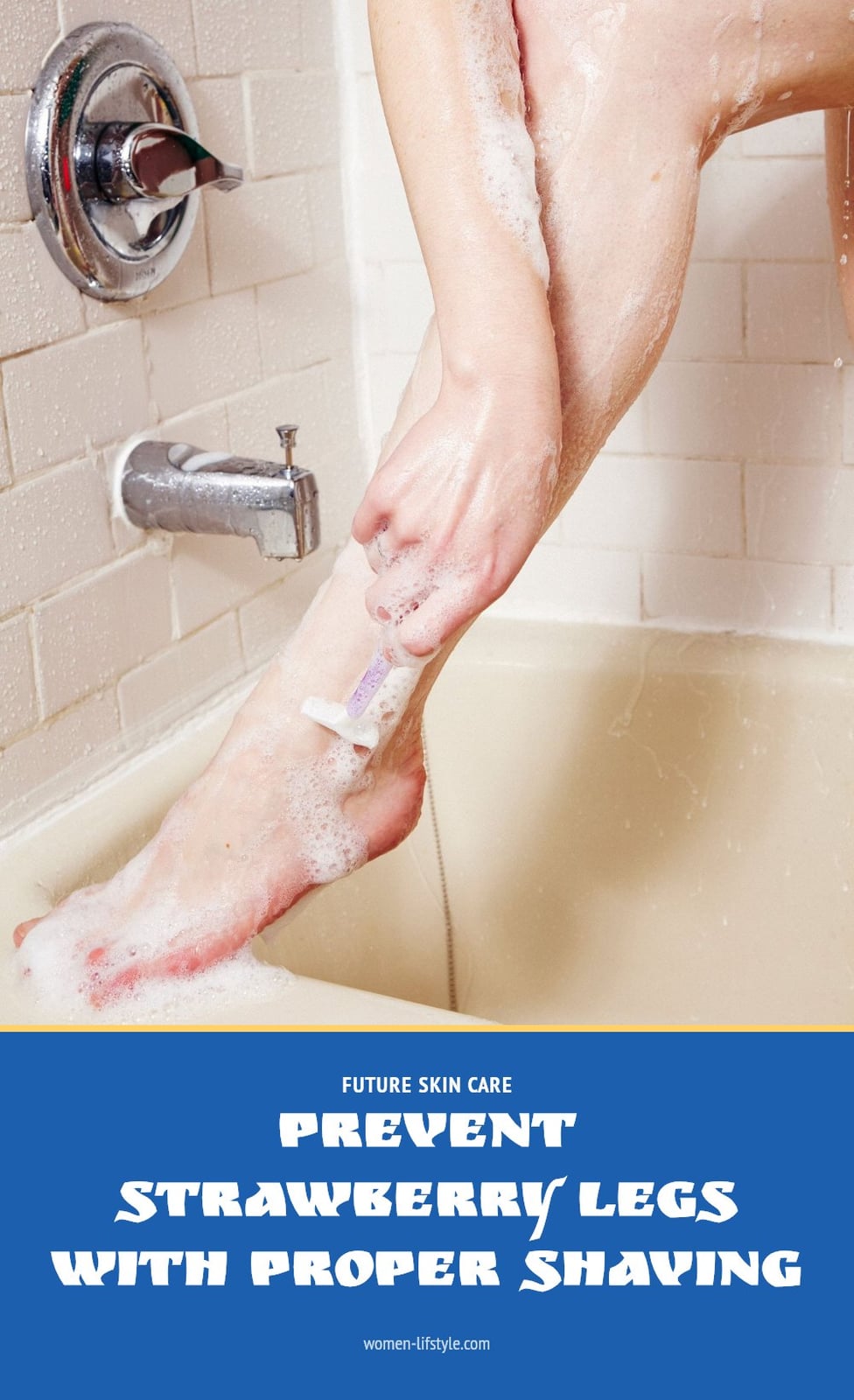
Shave smart: Always use a sharp, clean razor and shave in the direction of hair growth. Never dry shave. Lather your legs with shaving cream or gel to keep the razor gliding smoothly and reduce irritation.
Swap hot showers for warm ones. Hot water strips natural oils from your skin, which can make the dots more noticeable. For a longer-term fix, some people find that laser hair removal reduces hair growth and, with it, the chance of clogged follicles.
When to See a Dermatologist
If the dots become painful, itchy, or red, or if you notice signs of infection like pus or warmth, see a dermatologist. Professional help is also a good idea when at-home treatments haven’t worked after several weeks. A dermatologist can diagnose whether you’re dealing with keratosis pilaris, folliculitis, or something else, and recommend a treatment plan that fits your skin.
Frequently Asked Questions
Can strawberry legs be cured permanently?
Strawberry legs is a cosmetic condition, not a medical diagnosis, so it’s not something you cure permanently. For many people, the underlying causes like keratosis pilaris or folliculitis are genetic and can come back. Consistent home care, exfoliation, moisturizing, and smart shaving, keeps it under control, but it may require ongoing maintenance.
Is laser hair removal effective for strawberry legs?
Laser hair removal can help reduce the appearance of strawberry legs by reducing hair growth. When you have less hair, there are fewer follicles to become clogged or irritated. It’s not a cure-all, but many people find it makes the condition less noticeable over time. Talk to a dermatologist or licensed professional to see if it’s right for you.
How long does it take to get rid of strawberry legs?
With consistent treatment, you can often see improvements within a few weeks. That means exfoliating 2-3 times a week, moisturizing daily, and using proper shaving technique. The timeline varies depending on your skin type and the underlying cause. Some people see faster results, while others need a few months of steady care.
Can diet affect strawberry legs?
There’s no strong evidence that diet directly causes or cures strawberry legs. However, eating a balanced diet that supports skin health, think foods rich in vitamins A, C, and E, and healthy fats, can help your skin stay hydrated and resilient. It’s not a treatment, but it may support the effectiveness of your skincare routine.
Final Thoughts
Consistency is your best tool here. Stick with gentle exfoliation 2-3 times a week, moisturize daily, and use proper shaving technique. You can expect to see improvement within a few weeks, but ongoing maintenance is usually needed to keep strawberry legs from returning. With a steady routine, those little dots will become much less noticeable.
This article is for informational purposes only and does not constitute medical or professional advice. Strawberry legs is a cosmetic concern, not a medical condition, but if you experience pain, redness, or signs of infection, please consult a dermatologist or healthcare professional. Results vary by individual, and persistent or serious skin issues should be evaluated by a doctor.
