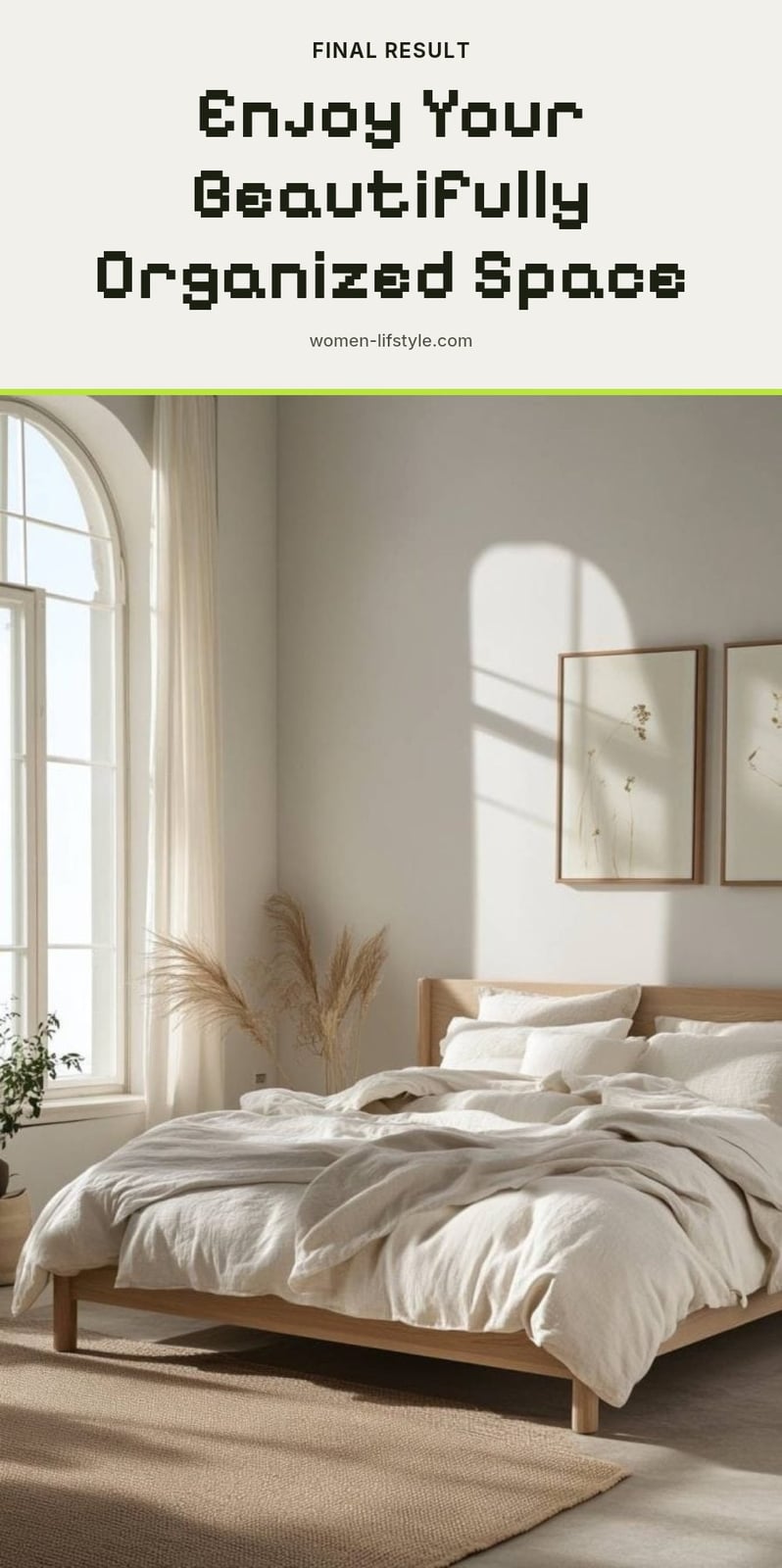
You walk into your room and feel that familiar wave of stress before you even see the floor. A messy room is one of those problems that feels bigger than it really is, but the truth is, it has simple, step-by-step solutions. In this article, I’ll walk you through the exact strategies I recommend for turning chaos into calm, from the first trash bag to the daily habits that keep it that way.

Key Takeaways
- Always declutter before you clean to avoid wasting time dusting around piles.
- Work in 15-30 minute focused sessions to prevent burnout and stay motivated.
- Give every item a designated home to stop clutter from coming back.
- Clean from top to bottom so dust falls onto areas you haven’t cleaned yet.
Start with a Plan to Conquer Your Messy Room
A messy room can feel overwhelming, but it’s a common problem with straightforward solutions. The key is to break the task into manageable steps, focusing first on decluttering before you clean. Start with a clear plan: decide which area or category you’ll tackle first, and set a timer for 15-30 minutes. Establishing simple, sustainable habits, like a daily 10-minute tidy, will help you maintain tidiness long-term and reduce future stress.
1. Gather Your Supplies

Before you even start, collect all your cleaning and organizing essentials. Having everything at hand prevents interruptions and keeps your momentum going. You’ll need trash bags, donation boxes, all-purpose cleaner, microfiber cloths, a dusting wand, a vacuum or broom, and storage bins.
- Trash bags for obvious waste.
- Donation boxes for items to give away.
- Relocate bin for things that belong in other rooms.
My tip: Use separate bags for trash, donations, and items that belong in other rooms. This way, you won’t have to sort through everything again later.
2. Clear All Trash and Dishes
This is your absolute first step: remove anything that is clearly trash, recycling, or dirty dishes. Walk through the room with a trash bag and collect empty wrappers, old receipts, and any food containers. Getting rid of these immediate clutter items makes a huge visual difference and sets a positive tone. It’s a quick win that makes the room feel instantly less daunting, giving you the motivation to keep going.
3. Declutter by Category
Instead of tackling the whole room, focus on one category of items at a time, like clothes, books, or papers. This method prevents decision fatigue and keeps you from getting sidetracked by sentimental items too early. Sort each item into one of four piles:
- Keep: Items you use regularly and love.
- Donate/sell: Items in good condition you no longer need.
- Trash: Broken or unusable items.
- Relocate: Items that belong in another room.
Once you finish one category, move to the next. You’ll make steady progress without feeling overwhelmed.
4. Work in Small Increments
Break the job into timed sessions. Set a timer for 15-30 minutes and focus on one area, like a single drawer or a corner of the floor. When the timer goes off, step away for a 5-minute break.
This approach keeps the task from feeling like a mountain. You will make steady progress without burning out, and the short bursts of effort add up faster than you expect.
5. Clean from Top to Bottom

Start with the highest surfaces: shelves, ceiling fans, light fixtures, and the tops of tall furniture. Dust and debris will fall as you work, so tackle floors and low surfaces last.
This way, you only clean each area once. Use a damp microfiber cloth for high spots, then vacuum or sweep the floor at the end to catch everything that drifted down.
6. Designate a ‘Home’ for Everything
For every item you decide to keep, choose a specific spot where it belongs. Store books on the shelf, chargers in a drawer, and accessories in a basket. The spot should be logical, close to where you use the item.
When everything has a home, putting things away takes seconds, and you will always know where to find them. My tip: if an item does not have a home, it is more likely to become clutter.
7. Maximize Vertical Space

Look up to free up floor space. Install shelves, use wall-mounted organizers, or hang over-the-door hooks for bags, hats, or shoes. This works especially well for books, toiletries, and accessories.
Vertical storage clears surfaces and makes the room feel larger. Use tall, narrow shelving units in corners or behind doors to add storage without eating into your walking space.
8. Use Clear Containers and Labels
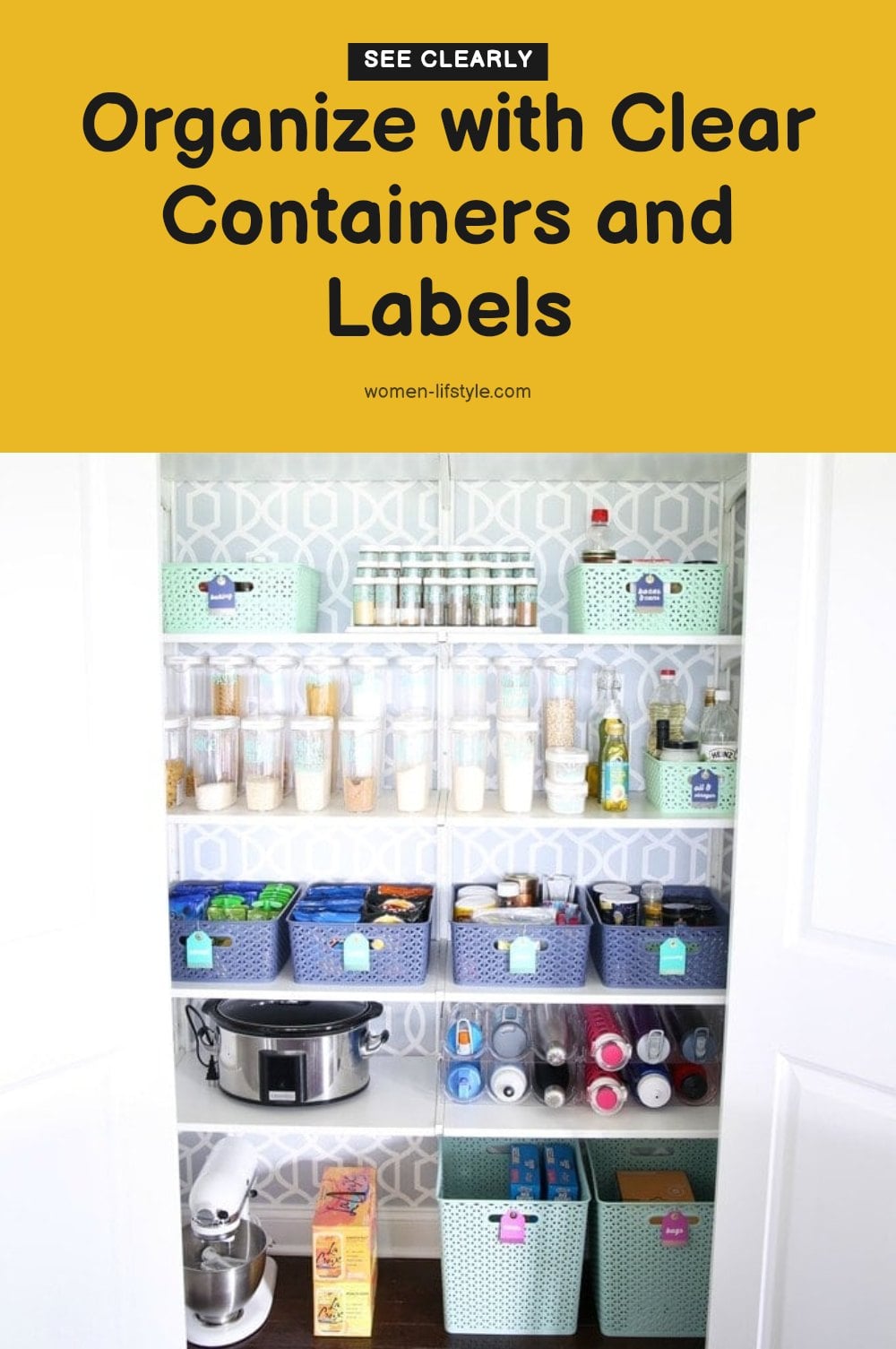
Once you’ve decluttered, group similar items in clear bins or baskets. You can see what’s inside without opening every container, which makes finding things faster and putting them away easier.
Add a label to each bin, even if the contents seem obvious. A label tells everyone in the household where items belong, so things are more likely to get returned to the right spot. This turns a one-time clean into a system that keeps working.
Tip: Use a label maker or simple masking tape and a marker. Keep labels short, like “cables” or “winter scarves,” so they’re readable at a glance.
9. Create a ‘Landing Strip’
Set up a small tray, bowl, or hook near the door of your room for the items you grab every day: keys, phone, wallet, sunglasses, or a reusable water bottle. This gives those things a designated spot the moment you walk in.
The habit takes seconds but prevents the pile-up that happens when items get dropped on the bed, desk, or floor. You’ll always know where to find them, and the room stays neater without extra effort.
Good to know: A wall-mounted key rack or a shallow dish on a dresser works well. Keep the landing strip small so it doesn’t become a dumping ground for other stuff.
10. Establish Daily Mini-Routines
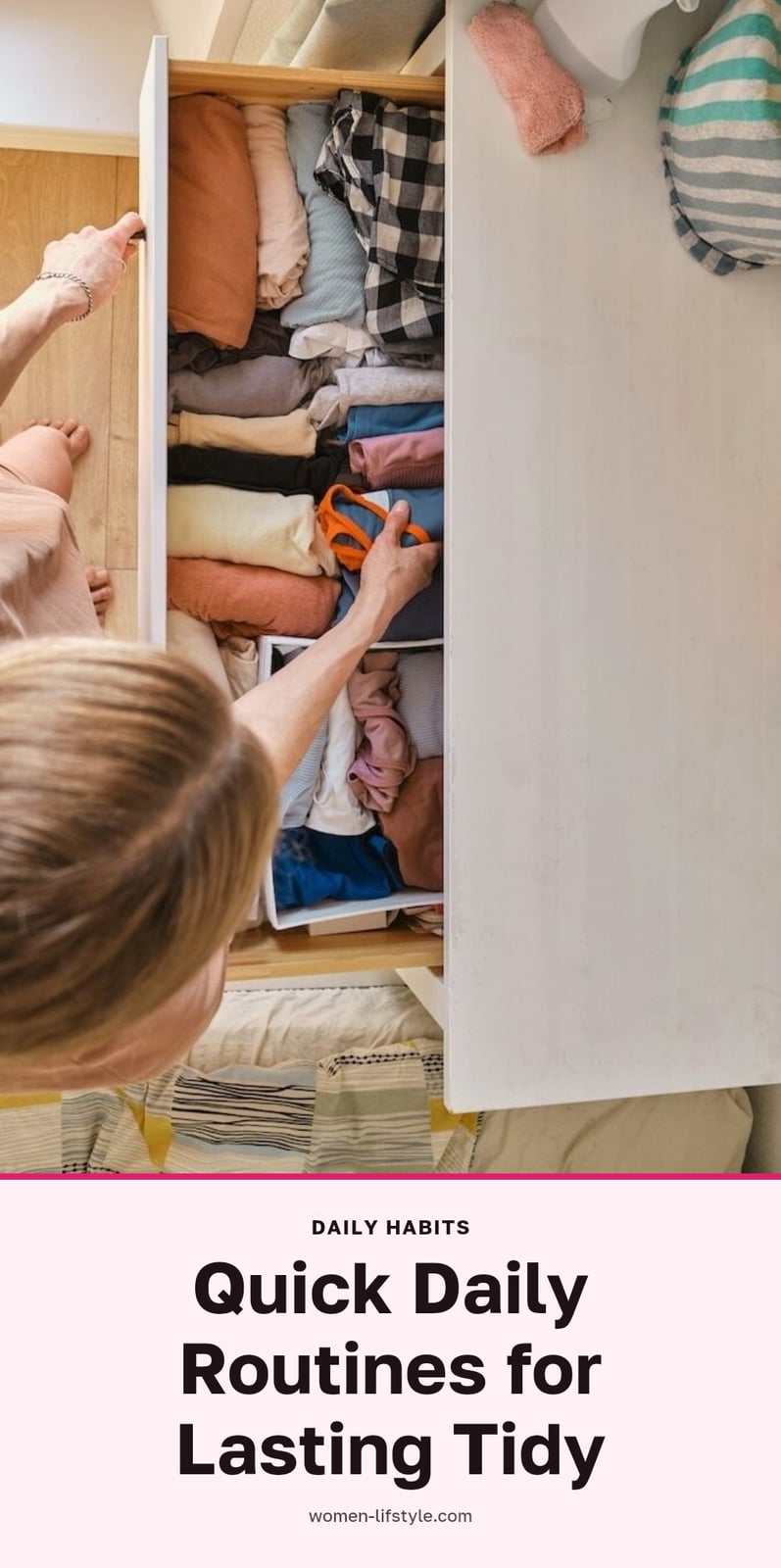
Set aside 10 to 15 minutes each day for a quick tidy-up instead of waiting for a big mess to build. Spend that time making the bed, hanging up clothes, returning stray items to their homes, or wiping down surfaces.
Short daily bursts keep the room consistently tidy and take far less total time than a marathon cleaning session. You’ll also avoid the stress of facing an overwhelming mess on the weekend.
Pro move: Pair the routine with an existing habit, like tidying while your morning coffee brews or right before you brush your teeth at night. That makes it easier to remember and stick with.
11. Open Windows and Play Music
Open the windows before you start cleaning to let in fresh air and improve ventilation, especially if you’re using any cleaning products. A brighter, airier room lifts your mood and makes the task feel less heavy.
Put on music, a podcast, or an audiobook to make the time pass faster. Matching the tempo to the task, like upbeat songs for vacuuming and a calmer playlist for folding clothes, keeps you moving.
Caution: If you’re using strong cleaners, keep windows open for the whole session and avoid mixing products. Fresh air matters most when fumes are involved.
Common Mistakes When Cleaning a Messy Room
Trying to do everything at once: This leads to burnout. Break down the task into smaller, manageable chunks, focusing on one area or category at a time.
Not decluttering before cleaning: Cleaning around clutter is inefficient. Always remove unwanted items first, then tackle dusting and vacuuming.
Getting distracted by sentimental items: During the initial declutter, make quick decisions. Set aside sentimental items to revisit later, after the main clean is done.
Buying storage before decluttering: You won’t know what storage you truly need until you know what you’re keeping. Declutter first, then assess storage needs.
Neglecting daily maintenance: A big clean is great, but without daily habits, the mess will return. Incorporate short daily tidying routines to keep your space neat.
Frequently Asked Questions
How long does it take to clean a very messy room?
A thorough cleaning of a very messy room can take anywhere from a few hours to a full day, depending on how much clutter and dirt have built up. The key is not to rush; break it into timed sessions of 15 to 30 minutes with breaks in between. After the initial deep clean, a daily 10 to 15 minute tidy-up is usually enough to maintain it.
How do I stay motivated when cleaning a messy room?
Start by opening the windows and putting on music, a podcast, or an audiobook to make the task feel lighter. Focus on one small area at a time instead of the whole room, and set a timer for 15 to 30 minutes. Seeing a single drawer or corner become clean and organized gives you a sense of progress that keeps you going.
Can I clean a messy room without buying new storage?
Yes, you absolutely can. Before you buy any new storage, declutter first and see what you actually need to keep. You can use items you already own like shoe boxes, baskets, or jars to organize small items. Repurpose containers from your kitchen or closet, and use vertical space with existing shelves or hooks to keep things off the floor.
What’s the best way to declutter a room?
The most effective method is to declutter by category, not by area. Focus on one type of item at a time, such as clothes, books, or papers, and sort each item into four piles: keep, donate or sell, trash, or relocate to another room. This prevents decision fatigue and helps you avoid getting sidetracked by sentimental items too early in the process.
Final Thoughts
If you’re feeling stuck, pick one corner or one category of items and start there. Set a timer for 15 minutes and commit to just that one spot. Expect that a thorough clean can take a few hours to a full day, but with 10 to 15 minutes of daily maintenance, you can keep the room tidy without a weekend-long overhaul. A clean room is not about perfection; it’s about creating a space that works for you.