

Burnt-on grease on your stovetop can feel impossible to remove, but the secret is all in the prep. By letting simple household ingredients like baking soda and vinegar do the heavy lifting, you can save yourself from scrubbing for hours. This article walks you through the best cleaning tricks for gas, electric coil, and glass-ceramic stovetops, so you can tackle even the toughest messes without damaging your cooktop.

Key Takeaways
- Always let the stovetop cool completely before cleaning to avoid burns and make solutions work better.
- Soak removable gas grates and burner caps in hot, soapy water for 15-30 minutes to loosen burnt-on grease.
- Apply a baking soda paste (1:1 ratio with water) to burnt areas and let it sit for at least 15-30 minutes.
- Use a specialized stovetop scraper at a shallow angle for stubborn spots on glass-ceramic surfaces.
- Wipe down with white vinegar after cleaning to remove streaks and restore shine on glass-ceramic tops.
Quick Answer: Tackling Burnt-On Stovetop Grease
The most effective way to clean burnt-on grease from your stovetop is to start with a completely cool surface. Apply a thick paste of baking soda and water, letting it sit for at least 15-30 minutes to soften the residue. Different stovetop materials need different handling: gas grates and burner caps can be soaked, electric coil drip pans require gentle scrubbing, and glass-ceramic surfaces benefit from a dedicated scraper for stubborn spots.
1. Gather Your Cleaning Arsenal
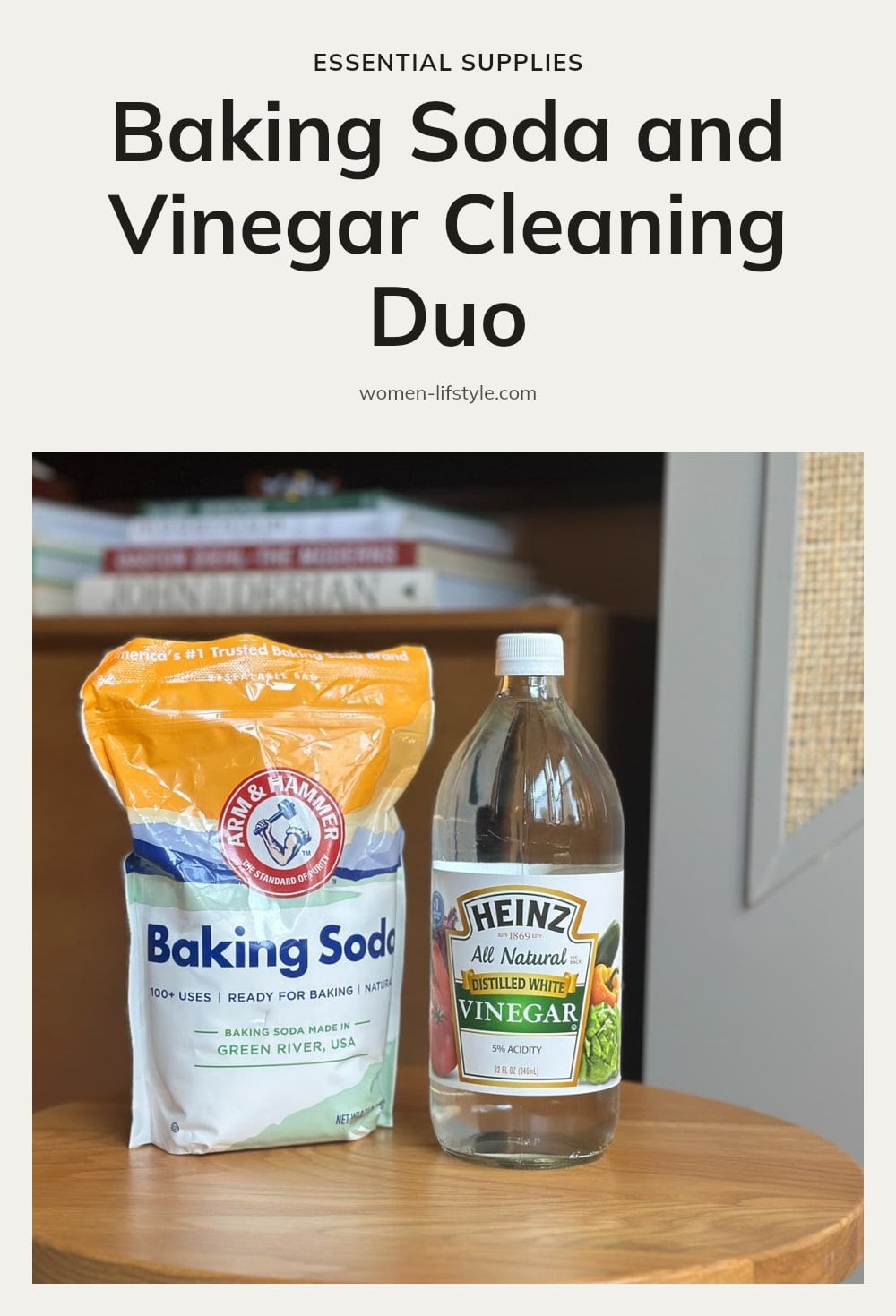
Before you start, gather these tools and cleaners. Each one serves a specific purpose.
- Baking soda: Its mild abrasive and alkaline properties break down grease and burnt food without scratching most surfaces.
- White vinegar: The acetic acid cuts through grease and leaves glass-ceramic tops streak-free.
- Dish soap: A powerful degreaser that emulsifies oils, making them easy to wipe away.
- Soft cloths, sponges, and microfiber cloths: Essential for wiping and polishing without leaving scratches or lint.
- Stovetop scraper (razor blade scraper): A must-have for stubborn burnt-on food on glass-ceramic tops. Use with extreme caution at a shallow angle.
- Rubber gloves: Protect your hands from cleaning solutions and hot water.
2. Cool Down Your Stovetop Completely
Never attempt to clean a stovetop that is still warm or hot. Wait until the surface is completely cool to the touch. Cleaning a hot stovetop is not only ineffective. It risks severe burns. A cool surface also prevents cleaning solutions from evaporating too quickly, giving them time to work on the grime.
3. Remove Removable Parts

For gas stovetops, carefully lift off the grates and burner caps. For electric coil stovetops, remove the drip pans and, if your manual allows, the coils themselves. Removing these parts lets you clean the main surface without obstacles. It also gives you access to soak the dirty components separately, which loosens burnt-on residue far more effectively than scrubbing them in place.
4. Soak Gas Grates and Burner Caps
Place the gas grates and burner caps in a sink or large basin. Fill it with hot, soapy water, using a generous squirt of dish soap to help cut through grease. Let them soak for at least 15-30 minutes. For heavily soiled items, leave them overnight. Soaking loosens burnt-on food and grease, so scrubbing takes far less effort.
- Tip: Use the hottest water from your tap to maximize the degreasing power of the dish soap.
- For extra stubborn spots, add a tablespoon of baking soda to the soak water.
5. Apply Baking Soda Paste to Burnt Areas
Mix baking soda with a small amount of water to create a thick paste. A 1:1 ratio is a good starting point, but adjust to get a spreadable consistency. Spread the paste generously over every burnt-on food or grease spot on your stovetop surface. Let it sit for at least 15-30 minutes. For really tough messes, cover it with plastic wrap and leave it for several hours or even overnight. This gives the baking soda time to break down the grime, making scrubbing much easier.
- Good to know: The paste may dry out over time, so check it after a few hours and reapply if needed.
6. Scrub and Scrape Gently
Once the baking soda paste has softened the grime, grab a soft cloth, sponge, or non-abrasive scrub pad. Gently scrub the areas in a circular motion. For stubborn burnt-on spots on glass-ceramic stovetops, use a specialized stovetop scraper (razor blade scraper) at a shallow angle. Hold it almost flat against the surface to avoid scratching. Avoid excessive pressure and never use steel wool or abrasive scrubbers, especially on glass-ceramic, as they leave permanent scratches.
- Caution: Test the scraper on a small, hidden area first if you are unsure about your stovetop material.
7. Clean Electric Coil Drip Pans
For electric coil drip pans, start by soaking them in hot, soapy water, just like gas grates. Let them sit for 15-30 minutes. For tougher stains, apply a baking soda paste directly to the pans and let it sit for another 15 minutes before scrubbing with a non-abrasive pad. If drip pans are heavily stained or warped, they are often inexpensive to replace. Swapping them out gives your stovetop a fresh, clean look instantly.
- Pro move: Dry drip pans completely before placing them back to prevent rust.
8. Wipe Down with Vinegar for Shine
Spray the stovetop surface with white vinegar. Vinegar’s acetic acid cuts through any remaining grease and dissolves streaks that baking soda can leave behind. Wipe immediately with a clean microfiber cloth, moving in one direction for a uniform shine. Tip: Use a fresh section of the cloth as it picks up residue to avoid redepositing grease.
9. Rinse and Dry Thoroughly
After scrubbing and wiping with vinegar, use a damp cloth to wipe away any remaining cleaning solution or residue. Ensure all surfaces are completely dry with a clean, dry microfiber cloth. This prevents water spots and ensures no cleaning agents are left behind.
10. Reassemble and Polish
Once all parts are clean and completely dry, reassemble your stovetop. Place the gas grates, burner caps, and drip pans back into their correct positions. Make sure each piece fits snugly before moving on.
Give the entire stovetop a final polish with a clean, dry microfiber cloth. This removes any remaining dust or smudges and leaves the surface with a gleaming, streak-free finish. A quick polish after each deep clean keeps your stovetop looking like new.
11. Clean Up Spills Immediately
My tip for keeping your stovetop pristine is to clean up spills as soon as the stovetop cools down. Fresh spills are much easier to remove than those that have baked on and become burnt-on messes. A quick wipe with a damp cloth after cooking can save you a lot of scrubbing later.
Common Stovetop Cleaning Mistakes to Avoid
Using abrasive scrubbers on glass-ceramic: Steel wool and harsh scrub pads cause permanent scratches. Always use soft cloths, sponges, or a dedicated stovetop scraper instead.Not allowing solutions enough time to work: Burnt-on messes need time to soften. Do not rush the soaking or paste application; 15-30 minutes is a minimum, and several hours works better for tough spots.Cleaning a hot stovetop: This is a major safety hazard and makes cleaning less effective. Always wait until the surface is completely cool.Spraying cleaners directly into burner openings: This can damage electrical components or gas lines. Apply cleaners to a cloth first, then wipe.Ignoring spills: Allowing spills to bake on is the number one reason for tough, burnt-on messes. Address them as soon as the stovetop cools.
Frequently Asked Questions
How often should I clean my stovetop?
For everyday maintenance, wipe down the stovetop after each use once it has cooled. A deeper clean, including soaking removable parts and scrubbing burnt-on spots, should be done every one to two weeks or whenever you notice buildup. This keeps grease from hardening and makes future cleaning easier.
Can I use oven cleaner on my stovetop?
It is not recommended, especially on glass-ceramic stovetops. Oven cleaner can be too harsh and may damage the surface or leave harmful residues. Stick to baking soda paste, dish soap, and vinegar for safe, effective cleaning. If you have a specific stovetop material, check the manufacturer’s guidelines first.
How do I prevent future burnt-on messes?
The best prevention is to clean spills as soon as the stovetop cools down after cooking. Fresh spills wipe away easily, while dried-on food requires soaking and scrubbing. Using cookware that fits your burner size and avoiding high heat for extended periods also helps reduce burnt-on residue.
Is vinegar safe for all stovetop types?
White vinegar is generally safe for glass-ceramic, gas, and electric coil stovetops when used as a final wipe. However, avoid using it on unsealed stone or certain metal finishes. Always test on a small, inconspicuous area first and rinse thoroughly after use to prevent any potential dulling.
How do I remove burnt-on grease from a glass stovetop?
Start with a completely cool surface. Apply a thick baking soda paste and let it sit for 15-30 minutes. Then gently scrub with a soft cloth or non-abrasive pad. For stubborn spots, use a specialized stovetop scraper at a shallow angle. Finish with a vinegar wipe for a streak-free shine.
Final Thoughts
For a truly clean stovetop, make it a habit to wipe up spills as soon as the surface cools. This simple step prevents grease from baking on and saves you from deep cleaning later. Expect that a thorough session for burnt-on messes can take 30 minutes to several hours, especially with soaking. Stick with gentle tools and patience, and your stovetop will look like new.
