

When stress takes over, it can feel like your mind and body are working against you. The good news is that simple, everyday techniques can help you regain a sense of calm without a complete lifestyle overhaul. This article covers the most effective methods to manage stress, from quick breathing exercises to daily habits that build long-term resilience.
Key Takeaways
- Practice deep breathing (4-4-6 pattern) to activate your body’s relaxation response.
- Aim for 7-9 hours of quality sleep nightly to regulate stress hormones.
- Engage in at least 30 minutes of physical activity most days to reduce cortisol.
- Identify your personal stress triggers so you can prepare for them.
- Seek professional help if stress becomes overwhelming or persistent.
What to Do When You’re Feeling Stressed
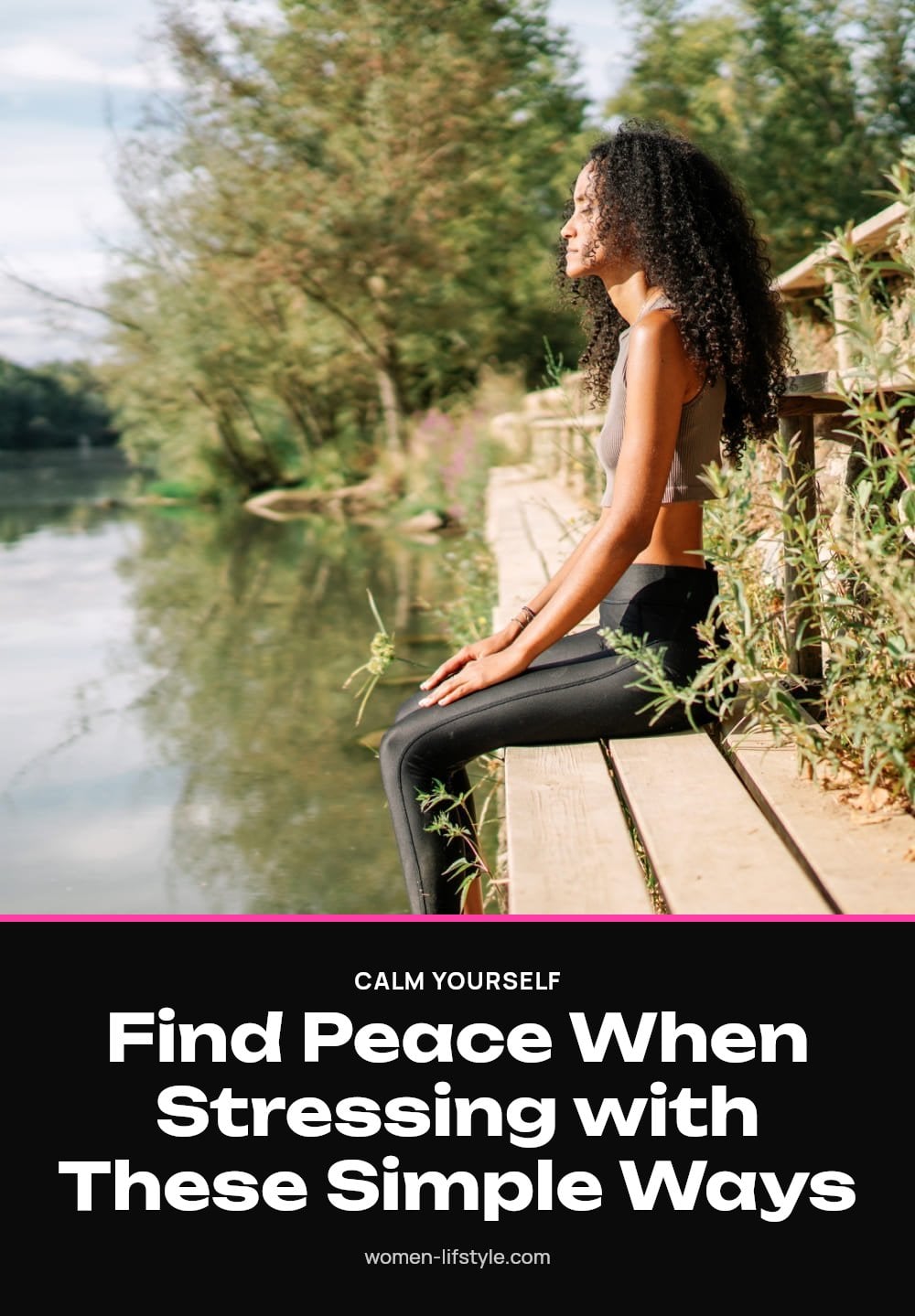
When stress hits, start with your breath. Inhale slowly through your nose for four counts, hold for four, then exhale through your mouth for six. Repeat for a few minutes. This activates your body’s relaxation response. Mindfulness also helps: focus on the present moment, notice your surroundings, and let thoughts pass without judgment. These simple methods offer immediate relief, but consistent practice over weeks and months builds lasting resilience.
Why We Get Stressed and How It Affects Us
Why We Get Stressed and How It Affects Us
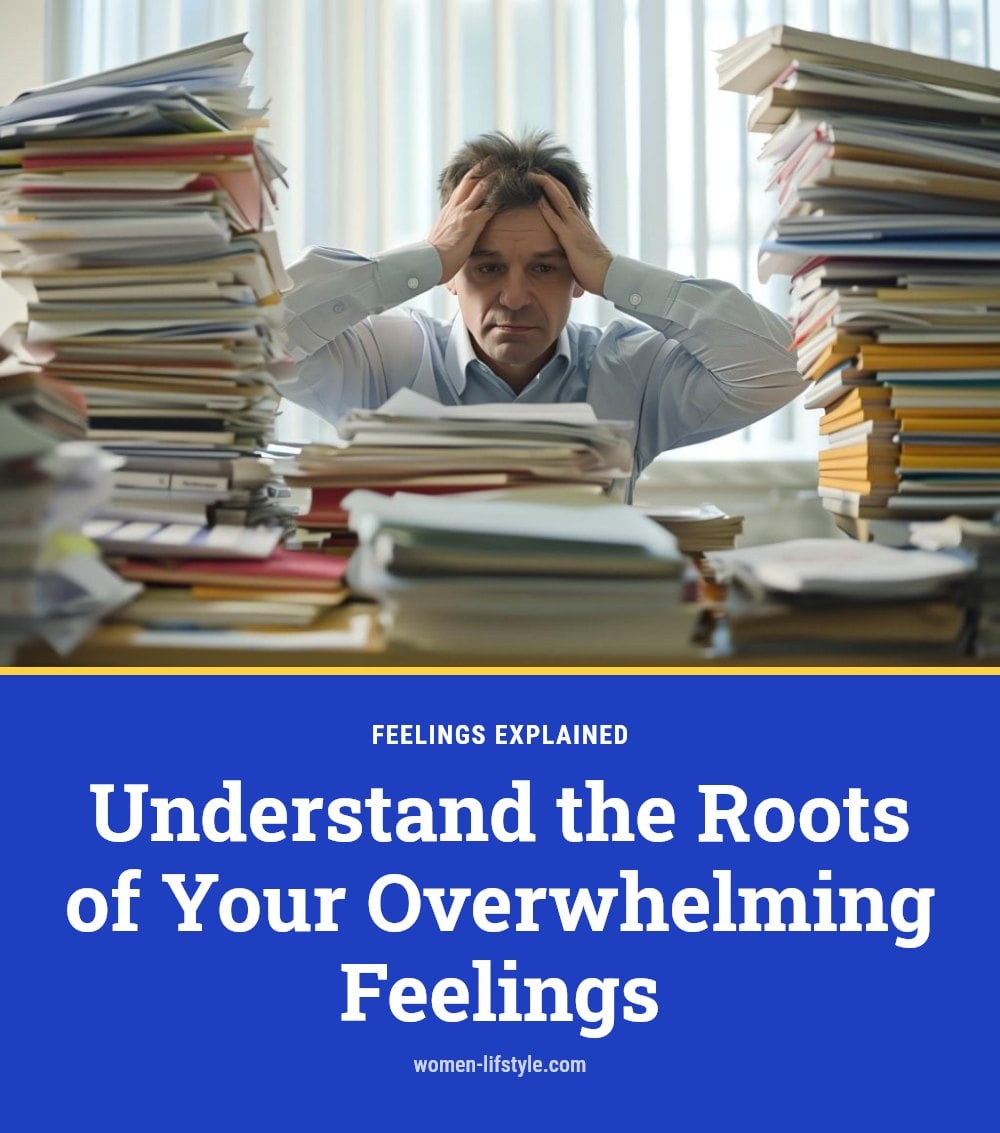
Stress is your body’s natural reaction to a challenge or demand. It triggers the ‘fight-or-flight’ response, releasing hormones like cortisol and adrenaline that prepare you to act. This response is helpful in short bursts, like when you need to meet a deadline or avoid danger.
But when stress becomes chronic, it takes a toll. Persistent stress can contribute to high blood pressure, heart disease, obesity, and diabetes. It also affects your mental well-being, making you feel anxious, irritable, or overwhelmed.
Ignoring ongoing stress doesn’t make it disappear. Over time, it can wear down your physical and emotional health. Recognizing when stress is becoming a problem is the first step toward managing it.
Effective Methods to Calm Your Mind and Body
Effective Methods to Calm Your Mind and Body
Deep breathing is one of the fastest ways to signal your body to relax. When you breathe slowly and deeply, you activate the parasympathetic nervous system, which counters the stress response. Tip: Try the 4-4-6 pattern: inhale for four counts, hold for four, exhale for six. Practice it for two to three minutes whenever you feel tension building.
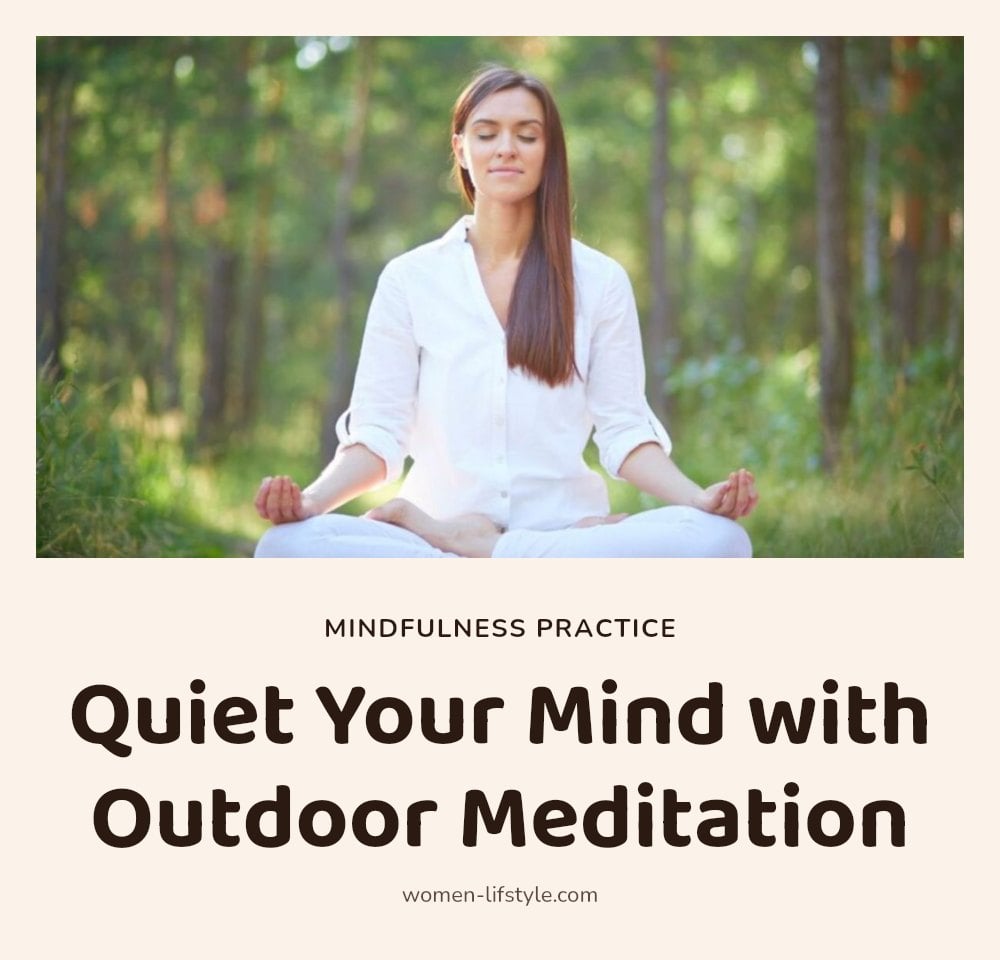
Mindfulness is another powerful tool. It means paying attention to the present moment without judgment. This practice reduces rumination, the habit of replaying stressful thoughts. Pro move: Set a timer for five minutes, sit quietly, and focus on your breath or the sounds around you. When your mind wanders, gently bring it back.
Physical activity is a proven stress reliever. Exercise lowers cortisol levels and boosts endorphins, which improve your mood. Aim for at least 30 minutes of moderate activity most days. A brisk walk, a bike ride, or a yoga session all count. Caution: If you have a health condition, check with your doctor before starting a new exercise routine.
Spending time in nature can also lower stress, blood pressure, and heart rate. Even a short walk in a park or your backyard helps. My tip: Leave your phone behind and focus on the sights, sounds, and smells around you.
Finally, don’t underestimate the power of social connection. Talking with supportive friends or family acts as a buffer against stress. A quick call or coffee date can make a real difference.
Common Mistakes When Dealing With Stress
Common Mistakes When Dealing With Stress
Many people believe stress is always bad and try to eliminate it completely. But some stress is normal and even motivating. The goal is to manage it, not erase it.
Another mistake is suppressing emotions. Pushing feelings aside or pretending you’re fine can backfire and intensify stress. Instead, acknowledge what you’re feeling and give yourself permission to process it.
Overcommitting is a common trap. Taking on too many tasks leaves you overwhelmed and stretched thin. Tip: Learn to say ‘no’ and prioritize what truly matters.
Neglecting self-care is another error. Skipping meals, sleep, or breaks to get more done only fuels stress. Make time for basic needs.
Finally, expecting immediate and complete relief from techniques is unrealistic. Stress management takes practice. Be patient with yourself and keep at it.
Daily Habits for Better Stress Management
Prioritize sleep: Aim for 7-9 hours each night. Quality sleep helps regulate stress hormones and keeps your mood stable. I find even one night of poor sleep makes everything feel harder the next day.
Identify your triggers: Notice what situations, people, or thoughts consistently make you feel stressed. Once you know them, you can prepare a response or avoid unnecessary exposure.
Set realistic goals: Break big tasks into smaller steps and learn to say ‘no’ to requests that would overload your schedule. Overcommitting is a fast track to feeling overwhelmed.
Practice gratitude: Each day, write down one thing you are thankful for. This simple shift can reduce the mental weight of negative thoughts.
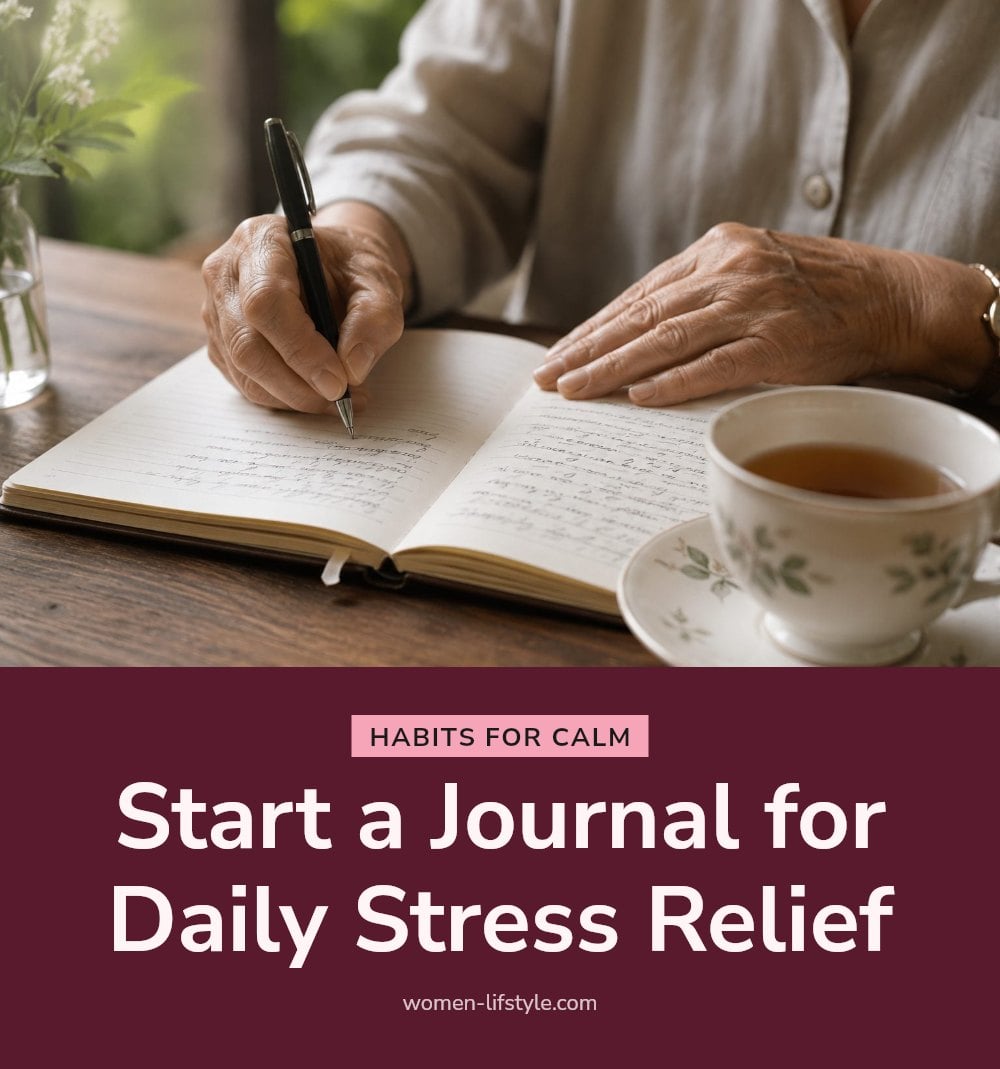
Journal regularly: Spend 5-10 minutes writing about your day and your feelings. It helps you process emotions and spot patterns that might need attention.
When to Seek Professional Help for Stress
If stress feels overwhelming, persistent, or starts interfering with your daily activities, talk to a healthcare professional or mental health expert. They can offer tailored strategies and support for chronic stress or anxiety.
Caution: Seek immediate medical attention for sudden chest pain, shortness of breath, or dizziness. These symptoms can signal a serious health issue, not just stress.
A professional can help you build a personalized plan that goes beyond general techniques, especially if you have tried self-help without lasting relief.
Frequently Asked Questions
How does stress affect my body?
Stress triggers your body’s ‘fight-or-flight’ response, releasing hormones like cortisol and adrenaline. In short bursts, this can be helpful. But chronic stress can lead to health issues such as high blood pressure, heart disease, and diabetes, so it’s important to manage it effectively.
Can stress be a good thing?
Yes, some stress is normal and even motivating. It can help you meet deadlines or stay alert in challenging situations. The goal isn’t to erase stress entirely, but to manage your response so it doesn’t become overwhelming or harmful.
What are healthy ways to cope with stress?
Healthy coping methods include deep breathing, mindfulness, regular exercise, and getting enough sleep. Spending time in nature, connecting with supportive friends, and journaling can also help. Avoid relying on unhealthy coping mechanisms like excessive alcohol or caffeine.
How quickly can stress management techniques work?
Many techniques, like deep breathing or a short mindfulness break, can offer immediate relief. However, for sustained stress reduction, consistent practice over weeks and months is needed. Be patient with yourself and make these habits part of your daily routine.
Is it normal to feel stressed all the time?
While occasional stress is normal, feeling stressed all the time may indicate chronic stress or an underlying issue. It’s important to identify your triggers and use coping techniques. If the feeling persists and interferes with daily life, consider consulting a healthcare professional.
Final Thoughts
Managing stress isn’t about eliminating it completely; it’s about finding what works for you and making it a regular part of your routine. Start with one technique, like deep breathing or a short walk, and practice it consistently. Over weeks and months, you’ll build a stronger foundation for handling life’s challenges. Remember, small steps add up to lasting calm.
This article is for general informational purposes only and does not constitute medical or professional advice. If you are experiencing persistent or overwhelming stress, or any related health concerns, please consult a qualified healthcare provider or mental health professional for personalized guidance.
