

Few things are more annoying than a bug bite that won’t stop itching. You just want it to stop so you can get on with your day. This article covers the fastest, most effective ways to calm that itch, from simple home remedies to over-the-counter products, plus what to avoid and when to call a doctor.
Key Takeaways
- Clean the bite with soap and water before applying any treatment.
- Apply a cold compress or ice pack for 10 minutes to reduce swelling and numb the itch.
- Use hydrocortisone cream or calamine lotion for targeted relief.
- Take an oral antihistamine if itching is widespread or severe.
- Watch for signs of infection or a severe allergic reaction and see a doctor if they appear.
Get Fast Relief for Itchy Bug Bites
For immediate relief, focus on reducing inflammation and numbing the area. Over-the-counter creams like hydrocortisone or calamine lotion are effective options. Simple home remedies also work well: a cold compress can shrink swelling and dull the itch, while a baking soda paste (mix with a little water) helps neutralize skin pH. Clean the bite first, then choose one of these methods.
Why Bug Bites Get So Itchy
Why Bug Bites Get So Itchy
When an insect bites you, it injects saliva that contains proteins and anticoagulants. These substances are foreign to your body, so your immune system kicks into action by releasing histamine at the site.
Histamine is the compound responsible for the unpleasant symptoms you feel. It triggers localized inflammation, which shows up as redness and swelling. At the same time, histamine irritates nerve endings in your skin, creating that intense itching sensation.
This immune response is actually your body trying to protect you, but the resulting itch can be maddening. The good news is that this reaction is temporary. Most bites calm down within a few hours to a few days as the histamine levels drop.
Your Go-To Itch Relief Kit
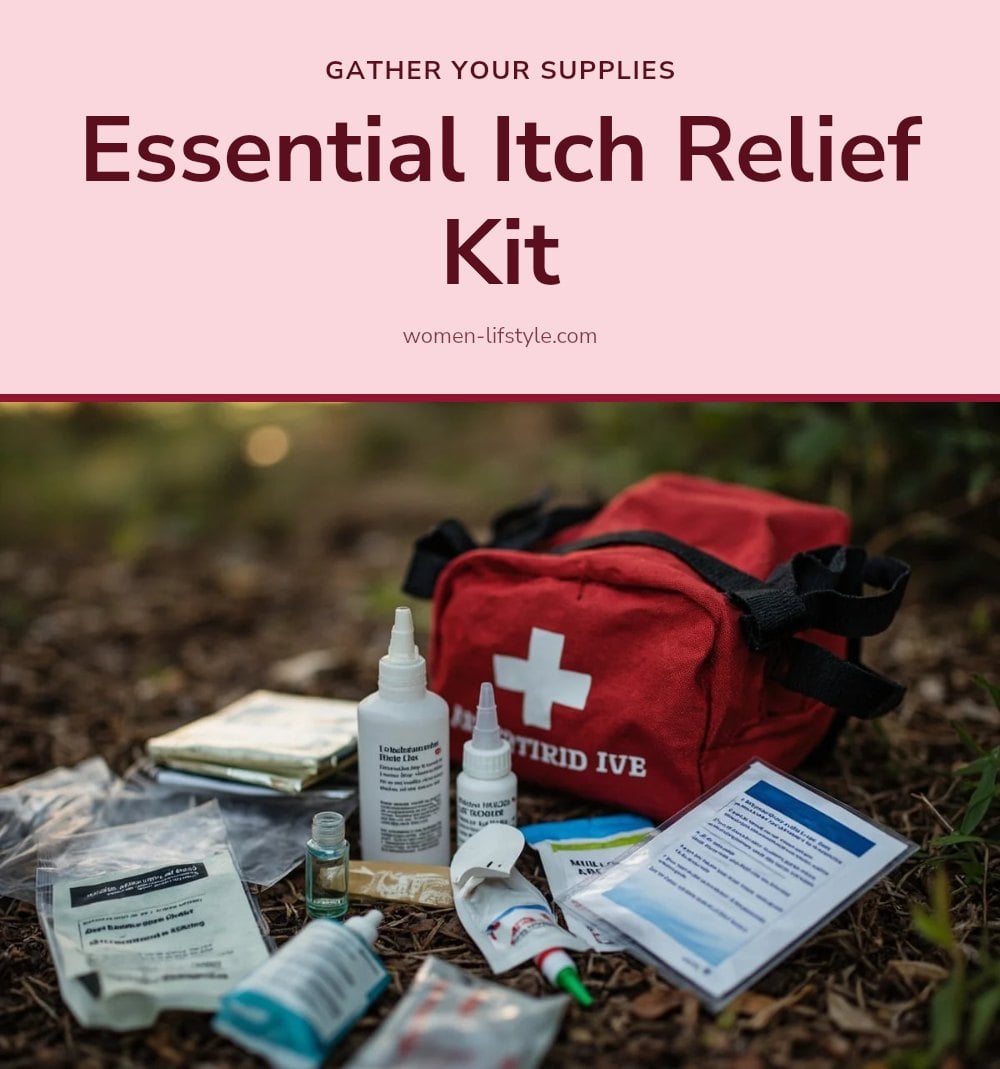
Keep these items on hand so you can treat bites right away:
- Soap and water for gently cleaning the bite area before any treatment.
- Ice pack or cold compress to reduce swelling and numb the itch.
- Hydrocortisone cream to lower inflammation and calm itching.
- Calamine lotion to soothe and dry out weeping bites.
- Oral antihistamines for widespread or severe itching.
- Baking soda to make a neutralizing paste with water.
- Colloidal oatmeal for soothing baths or a paste to apply directly.
Effective Ways to Soothe Itchy Bug Bites
Method 1: Clean the Area
Gently wash the bite with soap and water. This removes dirt and bacteria that could cause irritation or infection if you scratch later. Pat dry with a clean towel.
Method 2: Apply Cold
Press a cold compress or ice pack wrapped in a cloth against the bite for 10-15 minutes. The cold constricts blood vessels, reducing swelling and numbing the nerve endings for quick relief. Repeat as needed throughout the day.
Method 3: Use Hydrocortisone Cream
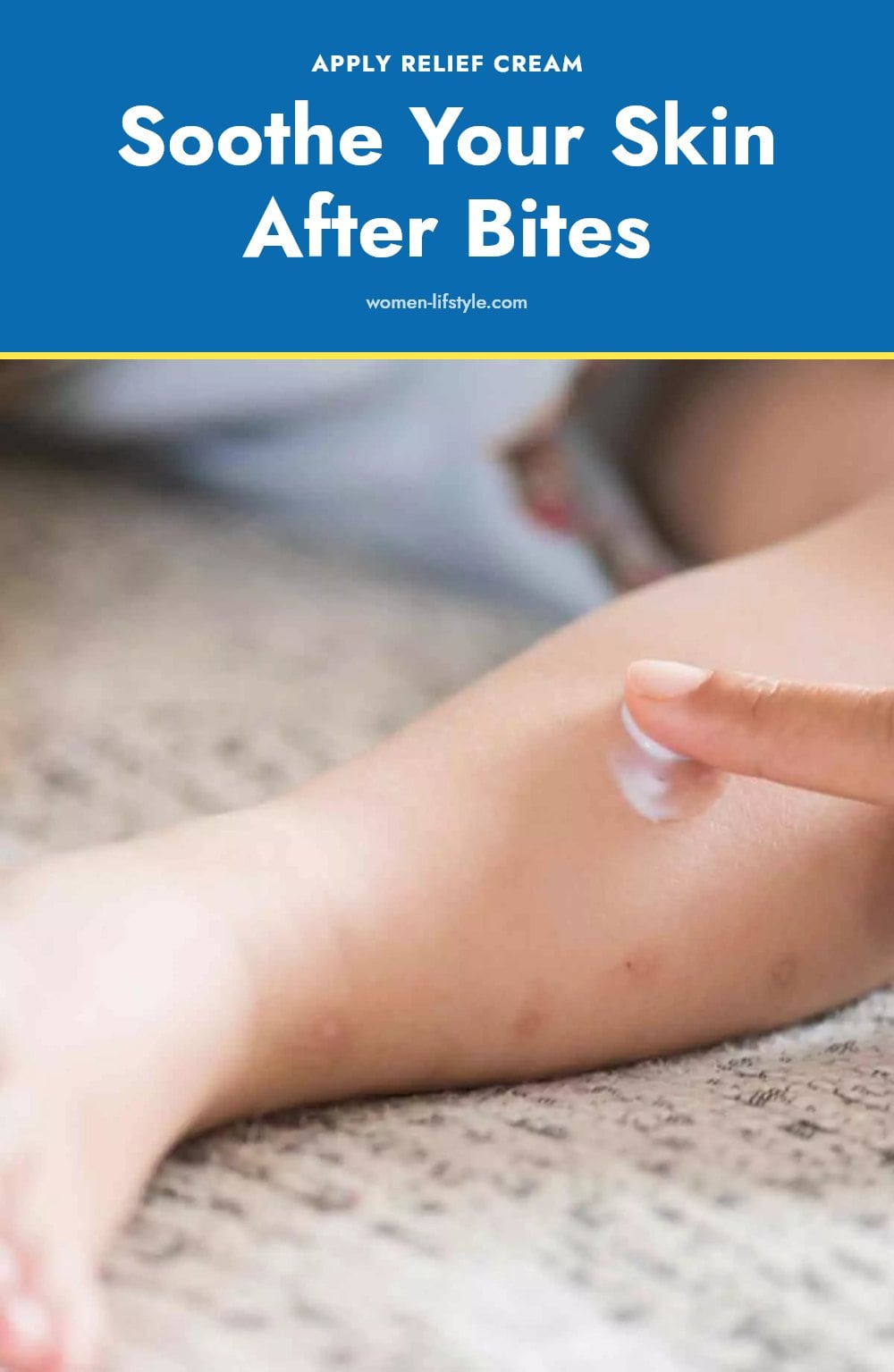
Apply a thin layer of over-the-counter hydrocortisone cream to the bite. It works by calming the inflammation that drives the itch. Caution: Do not use on broken skin or for more than a few days without consulting a doctor.
Method 4: Apply Calamine Lotion
Shake the lotion, dab it on with a cotton ball, and let it dry. It soothes the skin and helps dry out oozing bites. Reapply as needed, especially before bed.
Method 5: Take an Oral Antihistamine
For multiple bites or intense itching all over, an oral antihistamine can block histamine throughout your body. Follow the label directions and avoid driving if it causes drowsiness.
Method 6: Make a Baking Soda Paste
Mix a small amount of baking soda with water to form a paste. Apply it to the bite for 10-15 minutes, then rinse off. It may help neutralize the skin’s pH and reduce itching. Tip: Reapply up to a few times daily if needed.
Method 7: Try an Oatmeal Paste or Bath
Colloidal oatmeal has anti-inflammatory properties. Mix it with water into a paste and apply to the bite, or add it to a cool bath for full-body relief. Pat dry afterward, don’t rub.
Method 8: Use a Topical Anesthetic
Creams with pramoxine or lidocaine can temporarily numb the area. Apply a small amount as directed. Caution: Test on a small patch of skin first to check for sensitivity, and avoid overuse.
Common Bug Bite Mistakes to Avoid
Scratching: It is the most common mistake. Scratching breaks the skin, which can introduce bacteria and lead to a secondary infection. Even if you do not break the skin, scratching can increase inflammation and make the itch worse.
Skipping the wash: Applying any treatment to a dirty bite area can trap bacteria against the skin and worsen irritation. Always clean the bite gently with soap and water first.
Ignoring danger signs: A bite that becomes increasingly red, warm, or starts oozing pus may be infected. If you have difficulty breathing, swelling of the face or throat, dizziness, or widespread hives, this could be a severe allergic reaction and requires immediate medical attention.
Using heat: Heat can actually increase blood flow to the area, which can make itching and swelling worse. Stick to cold compresses for relief.
Preventing Future Bug Bites
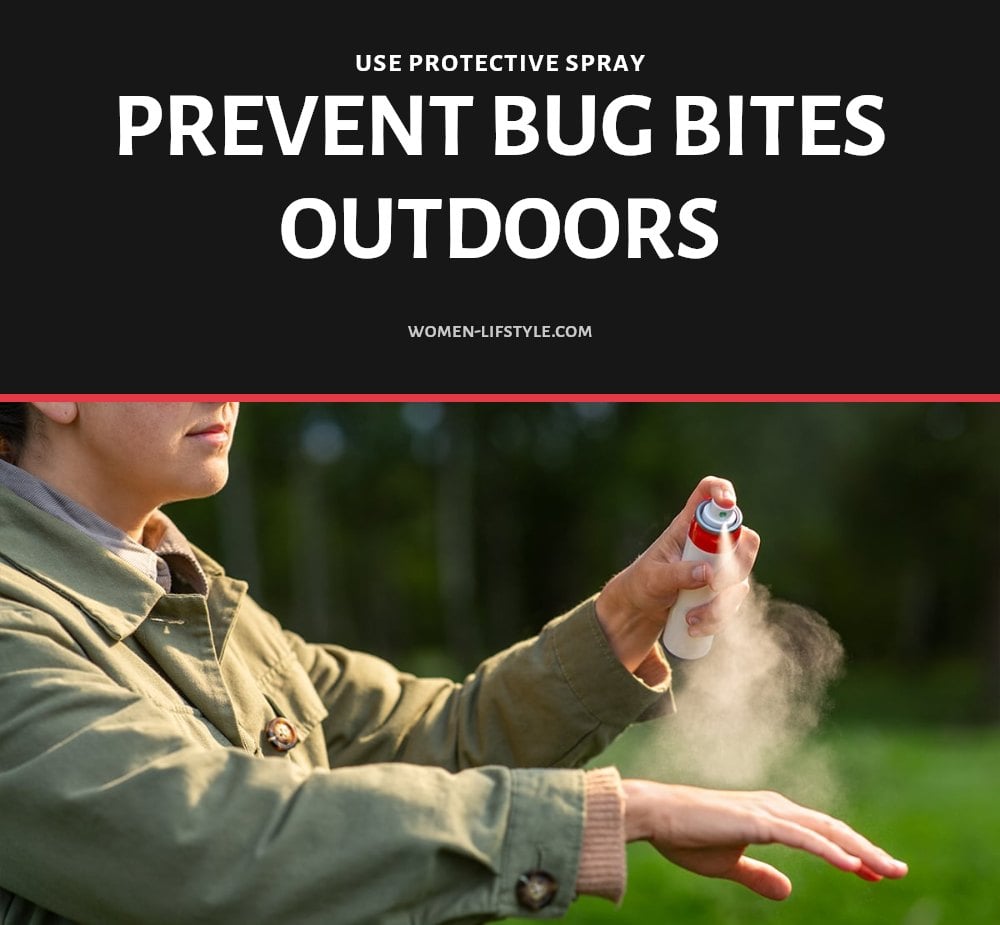
Getting bitten less starts with smart habits before you go outside.
- Use repellent: Apply an EPA-registered insect repellent to exposed skin and clothing. Reapply as directed on the label.
- Cover up: Wear long sleeves, long pants, and socks when you are in wooded, grassy, or marshy areas. Tuck pants into socks for extra protection.
- Avoid peak hours: Many biting insects are most active at dawn and dusk. If possible, stay indoors or take extra precautions during those times.
- Remove breeding sites: Mosquitoes lay eggs in standing water. Empty flower pots, birdbaths, gutters, and any other containers that collect water around your home.
- Screen your home: Make sure windows and doors have tight-fitting screens with no holes. This keeps insects out while letting fresh air in.
When to See a Doctor for a Bug Bite
Most bug bites are harmless and heal on their own within a few days to a week. But certain symptoms need a doctor’s attention.
- Severe allergic reaction: If you have trouble breathing, swelling of the face or throat, dizziness, or widespread hives, call 911 or go to the emergency room immediately. This is a medical emergency.
- Signs of infection: Increasing redness, warmth, pus, or a fever can indicate a bacterial infection. See a doctor promptly.
- No improvement: If a bite does not improve within a week or gets worse, get professional advice.
- Suspicious bites: If you think you were bitten by a venomous spider (like a black widow or brown recluse) or a tick, see a doctor as soon as possible. Prompt treatment is important.
Frequently Asked Questions
Why do bug bites itch so much?
When an insect bites you, it injects saliva that contains proteins and anticoagulants. Your immune system responds by releasing histamine at the site, which causes localized inflammation, redness, swelling, and the intense itching sensation you feel.
How long do bug bites typically itch?
Most bug bites improve within a few hours to a few days. The itching usually subsides as your body’s immune response calms down, though the exact timeline depends on your sensitivity and the type of insect.
Can scratching a bug bite make it worse?
Yes, scratching can break the skin and introduce bacteria, leading to a secondary infection. Even if you do not break the skin, scratching increases inflammation and can make the itch more intense. Keep fingernails trimmed to minimize damage if you scratch without thinking.
What should I do if a bug bite gets infected?
Watch for increasing redness, warmth, pus, or fever. If you notice any of these signs, stop applying new treatments and see a doctor. Do not ignore a bite that is not healing properly, as infections can spread and require prescription medication.
Are there natural ways to prevent bug bites?
Some people find that certain essential oils, like citronella or lemon eucalyptus, may help repel insects, but they are less reliable than EPA-registered repellents. Always dilute essential oils and patch-test them first. The most effective prevention is still using an approved repellent and covering up with long sleeves and pants outdoors.
Final Thoughts
For most bites, a cold compress followed by a dab of hydrocortisone cream will do the trick. Expect itching to calm down within a few hours to a couple of days as your body settles the reaction. Stick with gentle, proven remedies and resist the urge to scratch, and you will be comfortable again soon.
This article is for general informational purposes only and does not replace professional medical advice. If you have a severe reaction, signs of infection, or persistent symptoms, please consult a doctor or dermatologist. Every person’s skin and health situation is different.
