

If you often feel overwhelmed by things you can’t control, Stoicism offers a practical way to find steadiness. This ancient Greek philosophy, founded by Zeno of Citium around the 3rd century BCE, teaches you to focus on your own thoughts and actions while accepting what’s outside your influence. This article covers the core ideas, simple techniques, common misconceptions, and how to start applying Stoic principles to build resilience and emotional balance in your daily life.
Key Takeaways
- Focus your energy only on what you can control: your thoughts, actions, and judgments.
- Practice negative visualization to appreciate what you have and prepare for challenges.
- Virtue (wisdom, courage, justice, temperance) is the sole good and path to a flourishing life.
- Stoicism is about understanding and managing emotions, not suppressing them.
- Consistent daily reflection, like journaling, builds gradual and lasting resilience.
What is Stoicism and How Can It Help You?
Stoicism is an ancient philosophy, born in Athens around the 3rd century BCE, that gives you a clear framework for navigating life. At its core is one powerful idea: focus your energy on what you can control, your own thoughts, actions, and judgments, and accept what you cannot, like other people’s opinions or unexpected events. This practice builds emotional stability and cuts through daily anxiety. By emphasizing virtue (wisdom, courage, justice, temperance) and living in harmony with nature, Stoicism helps you cultivate a resilient, tranquil mindset regardless of external circumstances.
The Core Ideas Behind Stoic Philosophy

The Core Ideas Behind Stoic Philosophy
Stoicism started in Athens around the 3rd century BCE, founded by Zeno of Citium. Over time, figures like Seneca, the Roman statesman, Epictetus, a former slave turned teacher, and the emperor Marcus Aurelius shaped it into a practical guide for life. The central idea is the dichotomy of control: you own your thoughts, actions, and judgments, but not external events, health, or what others think. Accepting this boundary frees up mental energy for what actually matters.
For the Stoics, the path to a flourishing life, what they called eudaimonia, is virtue. That means practicing wisdom, courage, justice, and temperance in everything you do. My tip: when you feel overwhelmed, ask yourself which virtue you can apply right now. It shifts your focus from frustration to action.
Practical Stoic Techniques to Master Your Mindset

Practical Stoic Techniques to Master Your Mindset
Here are four techniques I use regularly to keep my mindset steady. Each one takes only a few minutes but builds real resilience over time.
Practice the Dichotomy of Control: Grab a piece of paper and draw a line down the middle. On the left, list what you can control (your effort, your reaction, your choices). On the right, list what you cannot (the weather, traffic, someone else’s mood). Then consciously shift your attention to the left column. My tip: do this first thing in the morning for any worries that pop up.
Engage in Negative Visualization: Once a day, briefly imagine losing something you value, your phone, a friendship, even your health. This isn’t pessimism; it trains you to appreciate what you have now and reduces the shock if it ever happens. I do this while waiting for coffee, and it instantly makes me more grateful.
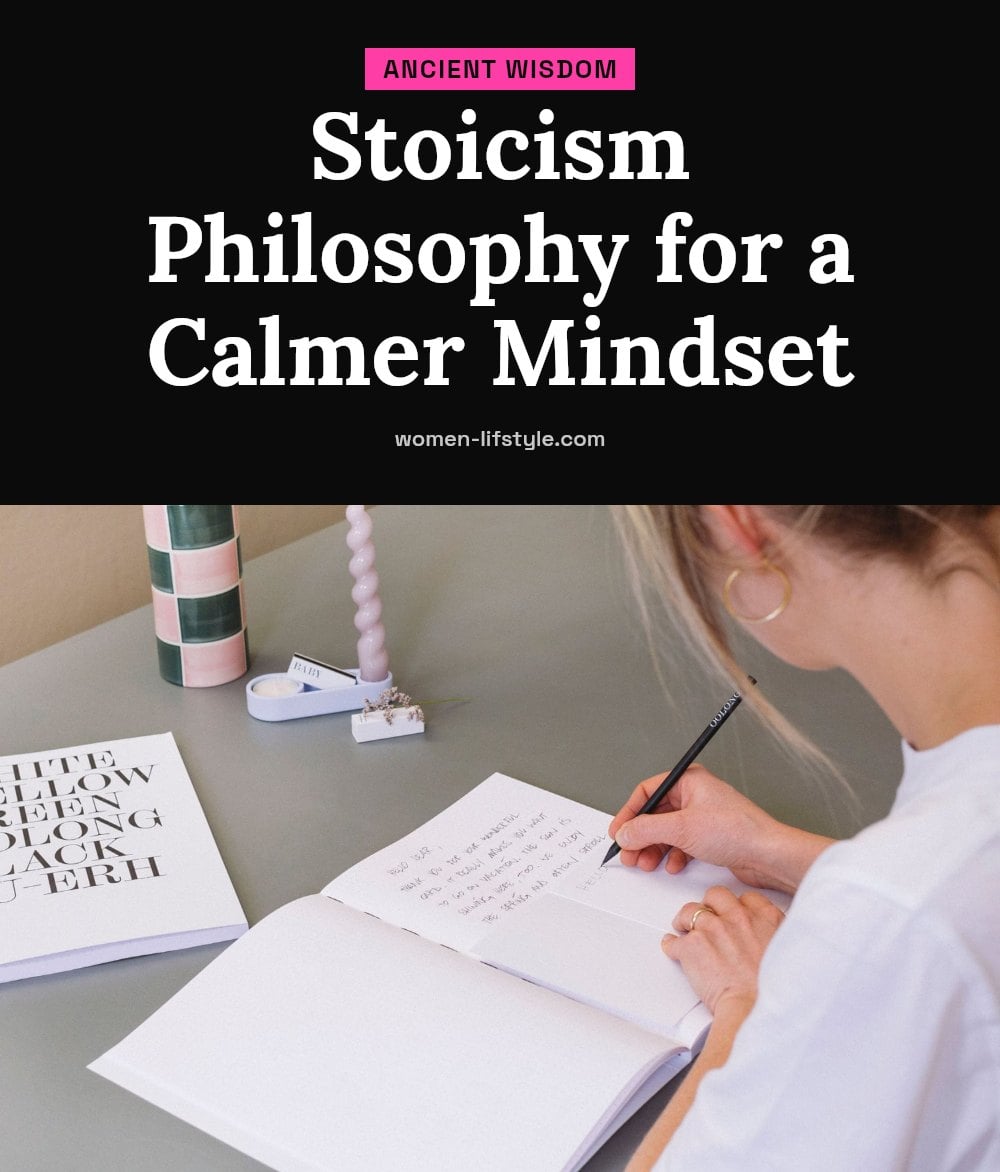
Use Journaling for Self-Reflection: At the end of the day, write down one situation where you reacted well and one where you could have done better. Note what judgment drove your reaction. Marcus Aurelius did this in his Meditations, and it works. A pen and notebook are all you need.
Cultivate Amor Fati: This Latin phrase means “love of fate.” It’s about embracing everything that happens as necessary for your growth. When a plan falls through, I tell myself, “This is exactly what needed to happen for me to learn something.” It turns frustration into curiosity.
Tools and Resources for Your Stoic Journey

Tools and Resources for Your Stoic Journey
You don’t need much to get started, just a few essentials that make the practice stick. The most important are the primary texts: Meditations by Marcus Aurelius, Letters from a Stoic by Seneca, and Discourses by Epictetus. These are the original source material, not modern interpretations. A journal or notebook is non-negotiable for daily reflection. I use a simple spiral-bound one. Pair it with a reliable pen, and you have everything you need to begin self-examination and track your progress.
Common Misconceptions About Stoicism to Avoid
Myth: Stoicism means suppressing all emotions. The real goal is understanding and managing them. You acknowledge an emotion, examine the judgment behind it, and choose a rational response, not bury the feeling.
Myth: Stoicism equals passive acceptance. It actually pushes you to take virtuous action within your control while accepting the outcome. You still work hard and speak up, you just don’t attach your peace to the result.
Myth: You should master it quickly. Stoicism is a consistent, lifelong practice. Progress comes in small increments over months and years, not days.
Myth: It’s all about toughness. The philosophy equally emphasizes virtue, wisdom, justice, courage, temperance, and community. Caring for others and acting fairly are central, not just enduring hardship.
Top Tips for Integrating Stoicism Into Daily Life

Start Small: Pick one principle, like the dichotomy of control, and practice it for a full week. Notice how often you worry about things outside your influence and gently redirect your focus.
Morning Reflection: Begin each day by setting intentions. I ask myself what challenges might arise and how I can respond with virtue, not impulse. This five-minute prep changes everything.
Evening Review: Reflect on your day. Note one moment you applied Stoic principles well and one where you could improve. No judgment, just observation.
Mindful Pauses: Before reacting to a strong emotion, take a slow breath and apply reason. Ask: is this within my control? What would a wise person do now?
Connect with Nature: Spend time outdoors to appreciate the natural order. Walking without headphones helps me accept things as they are and practice gratitude for what I have.
How Long Does It Take to See Results and What’s the Investment?
Timeline: Stoicism is a lifelong practice. Consistent daily reflection and application yield gradual, continuous benefits, not a quick fix. You notice small shifts in how you react, then larger ones over time.
Cost: The main investment is your time and commitment to self-reflection. Books by Stoic philosophers are generally affordable, and journaling requires only a notebook and pen. No expensive tools needed.
Frequently Asked Questions
Is Stoicism about being emotionless?
No. Stoicism is not about suppressing emotions or becoming unfeeling. The goal is to understand and manage your emotions by examining the judgments behind them. You acknowledge the feeling, then choose a rational response rather than letting the emotion control you.
How long does it take to see results from practicing Stoicism?
Stoicism is a lifelong practice, not a quick fix. With consistent daily reflection and application of its principles, you will notice small shifts in how you react over weeks, with larger, more lasting changes building over months and years.
Can Stoicism help with anxiety?
Yes, many people find Stoicism helpful for managing anxiety. By focusing on what you can control and accepting what you cannot, you reduce the mental energy spent on worrying about external events. Techniques like negative visualization and the dichotomy of control can lower feelings of overwhelm.
Is Stoicism compatible with other beliefs or religions?
Yes, Stoicism is a practical philosophy, not a religion, so it can complement many belief systems. Its focus on virtue, reason, and self-control aligns well with various spiritual and religious practices. You can adopt Stoic techniques without abandoning your existing faith or worldview.
What are the main principles of Stoicism?
The main principles include the dichotomy of control (focus on what you can control), living according to virtue (wisdom, courage, justice, temperance), accepting the natural order of the universe, and practicing techniques like negative visualization and Amor Fati (love of fate).
Final Thoughts
To start, pick just one principle, the dichotomy of control, and practice it for a week. Notice how often you worry about things outside your influence and gently redirect your focus. Expect gradual shifts in your reactions over time, not an overnight change. Stoicism is a lifelong practice, but even small steps toward rational acceptance can bring a quieter, more grounded sense of peace.
