

Stink bugs can turn your cozy home into a smelly nightmare, especially during fall and spring when they sneak inside for warmth. The good news is you don’t need harsh chemicals to send them packing. This article covers simple, natural DIY traps, smart prevention tips, and common mistakes to avoid so you can enjoy a pest-free home without the stink.
Key Takeaways
- Seal cracks 1/8 to 1/16 inch wide with 100% silicone caulk before fall to block entry.
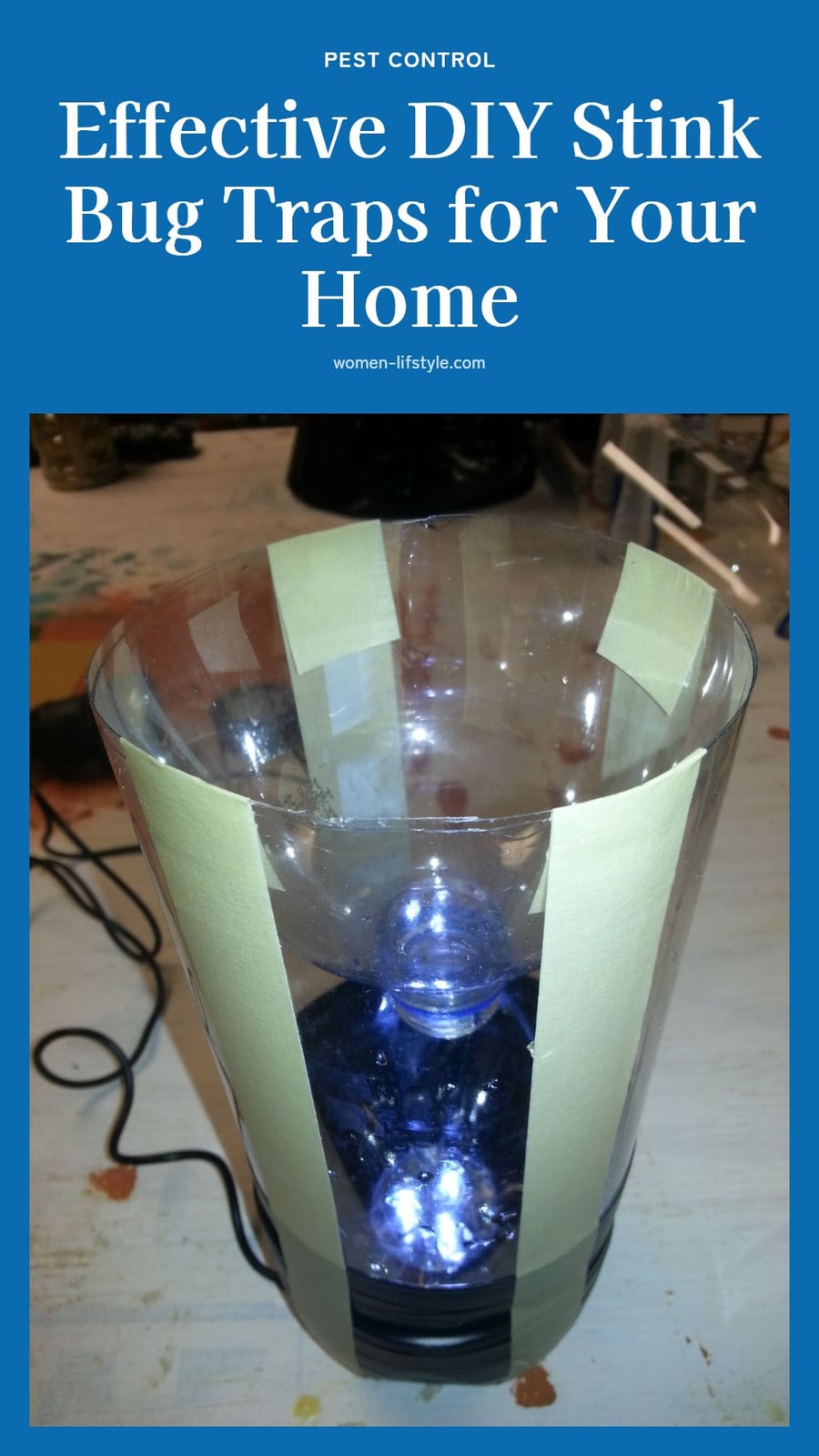
- Use a homemade light trap with a 2-liter bottle, puck light, and masking tape to attract and capture stink bugs.
- Vacuum stink bugs immediately and empty the bag or canister outdoors to avoid odor.
- Never crush stink bugs; the released odor can attract more bugs and linger.
- Combine traps, sealing, and natural repellents for the best results against infestations.
The Best Natural Ways to Get Rid of Stink Bugs
The most effective natural way to get rid of stink bugs combines three approaches: DIY traps that use light and soapy water to capture them, physical removal like vacuuming, and sealing every crack and gap around your home so they can’t get in. Natural repellents such as peppermint or clove essential oils can help deter them, but they work best as a supplement. For long-term control, focus on removing the bugs you have and blocking their entry points.
Why Stink Bugs Invade Your Home
Why Stink Bugs Invade Your Home
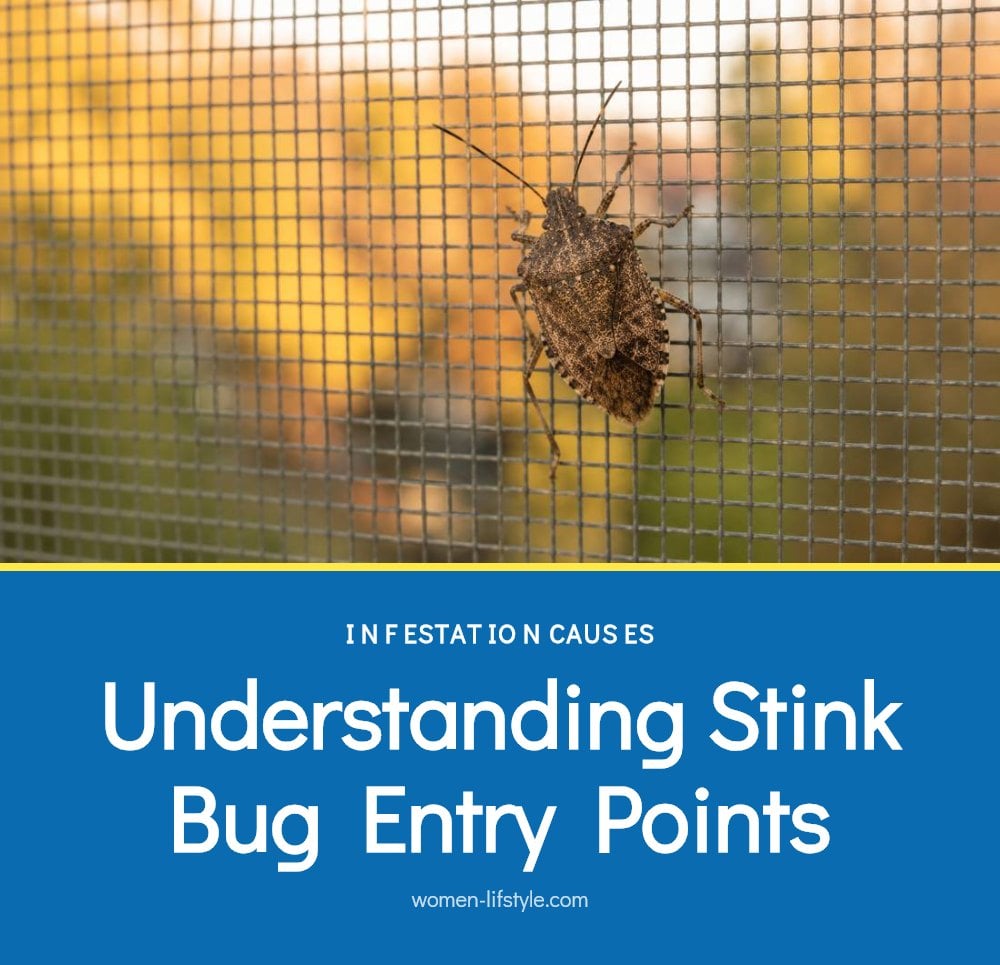
Stink bugs, especially the brown marmorated stink bug, are an invasive species originally from Asia. They don’t bite humans or pets and they don’t spread diseases. Their only real defense is the foul odor they release when crushed or threatened.
As temperatures drop in the fall, stink bugs seek warmth and shelter indoors. They are strongly attracted to light and warmth, which is why you often find them near windows, lamps, or sunny walls. They typically enter homes in September and October, looking for a place to hibernate through winter. Once inside, they can become a nuisance, congregating in large numbers if entry points aren’t sealed.
Gather Your Supplies for DIY Stink Bug Traps
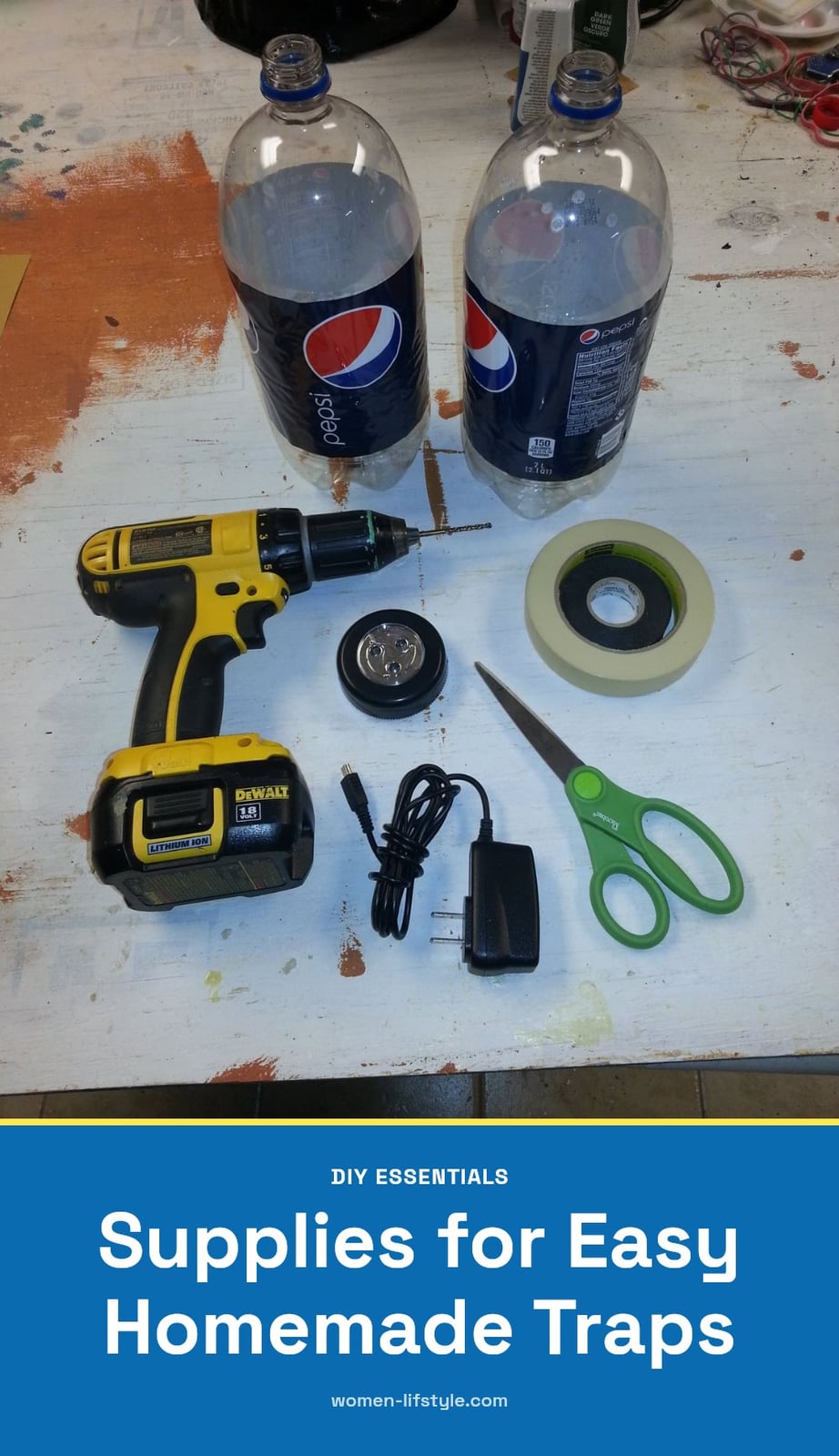
Before you start, gather everything you’ll need for both traps and for sealing your home. Most items are inexpensive and easy to find.
- 2-liter plastic bottle, empty and clean
- Duct tape for blocking light
- 2.5-inch puck light with remote control and timer
- Masking tape for creating a climbing surface
- Tin pan or shallow bowl
- Dawn dishwashing soap
- Small glass or container (for the water trap)
- Caulk or sealant for sealing small cracks
- Expandable foam filler for larger gap
- Weatherstripping and door sweeps
Step-by-Step: Homemade Stink Bug Traps That Really Work
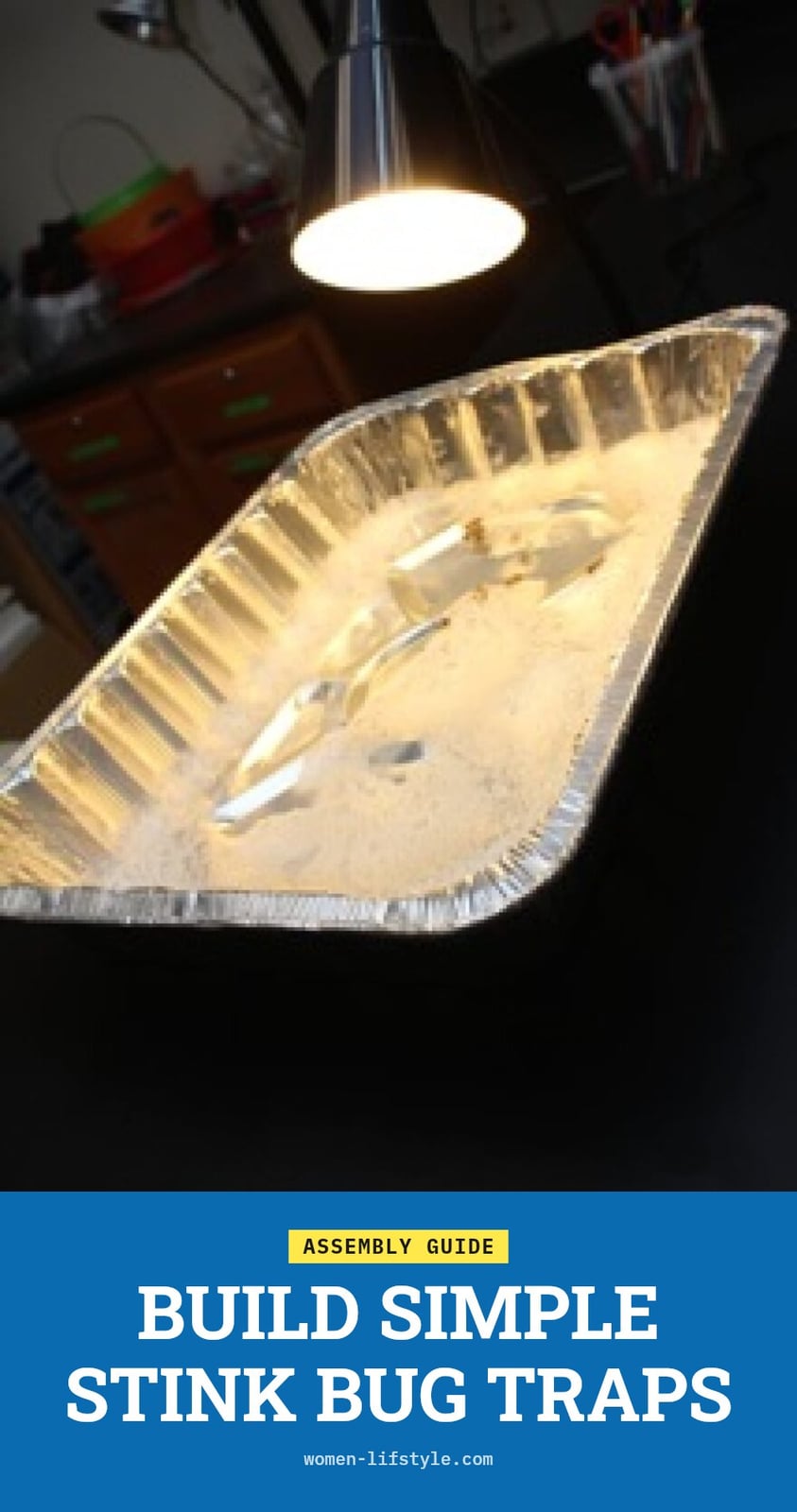
These two DIY traps use light to attract stink bugs and dish soap to drown them. Place them in dark rooms or attics for best results.
- Cut the bottle: Cut a clean 2-liter bottle right above the label. Discard the label and the top cap.
- Block light: Wrap duct tape around the bottom of the larger bottle piece, covering it completely to create a dark base.
- Add the light: Place a 2.5-inch puck light inside the duct-taped bottle section, ensuring it is stable. Use the remote to turn it on and set the timer if you want it to run all night.
- Create the funnel: Invert the top section of the bottle (the part with the spout) and insert it into the larger piece, forming a funnel that points downward.
- Add climbing surface: Apply strips of masking tape from the top edge of the funnel down to the bottom of the trap. Fold the top edge of each strip over the funnel’s rim so stink bugs have a rough surface to climb.
- Position the trap: Place the finished trap in a dark room or attic where stink bugs are present. The light will attract them, and they will crawl down the funnel and get trapped.
- Make the water trap: Fill a tin pan halfway with water. Add a small amount of Dawn dish soap to break the water’s surface tension.
- Set up the light: Place a small glass upside down in the center of the pan. Put a puck light upside down on top of the glass so the light projects downward into the soapy water.
- Position the water trap: Set the pan on a raised surface like a kitchen table or counter, away from pets. Do not place it on the floor where pets could knock it over.
If you learn better by watching, this 17-minute video from Arrow Pest Service shows every step.
Natural Repellents and Removal Techniques
If you spot a few stink bugs indoors, vacuuming is the quickest way to remove them without triggering their odor. Use a vacuum with a hose attachment and empty the bag or canister outdoors right after, otherwise the smell can linger and the bugs may crawl back out.
For a contact kill, mix a few drops of dish soap with water in a spray bottle and mist the bugs directly. The soap breaks down their protective outer layer, causing them to dehydrate. It works best on visible bugs, not hidden ones.
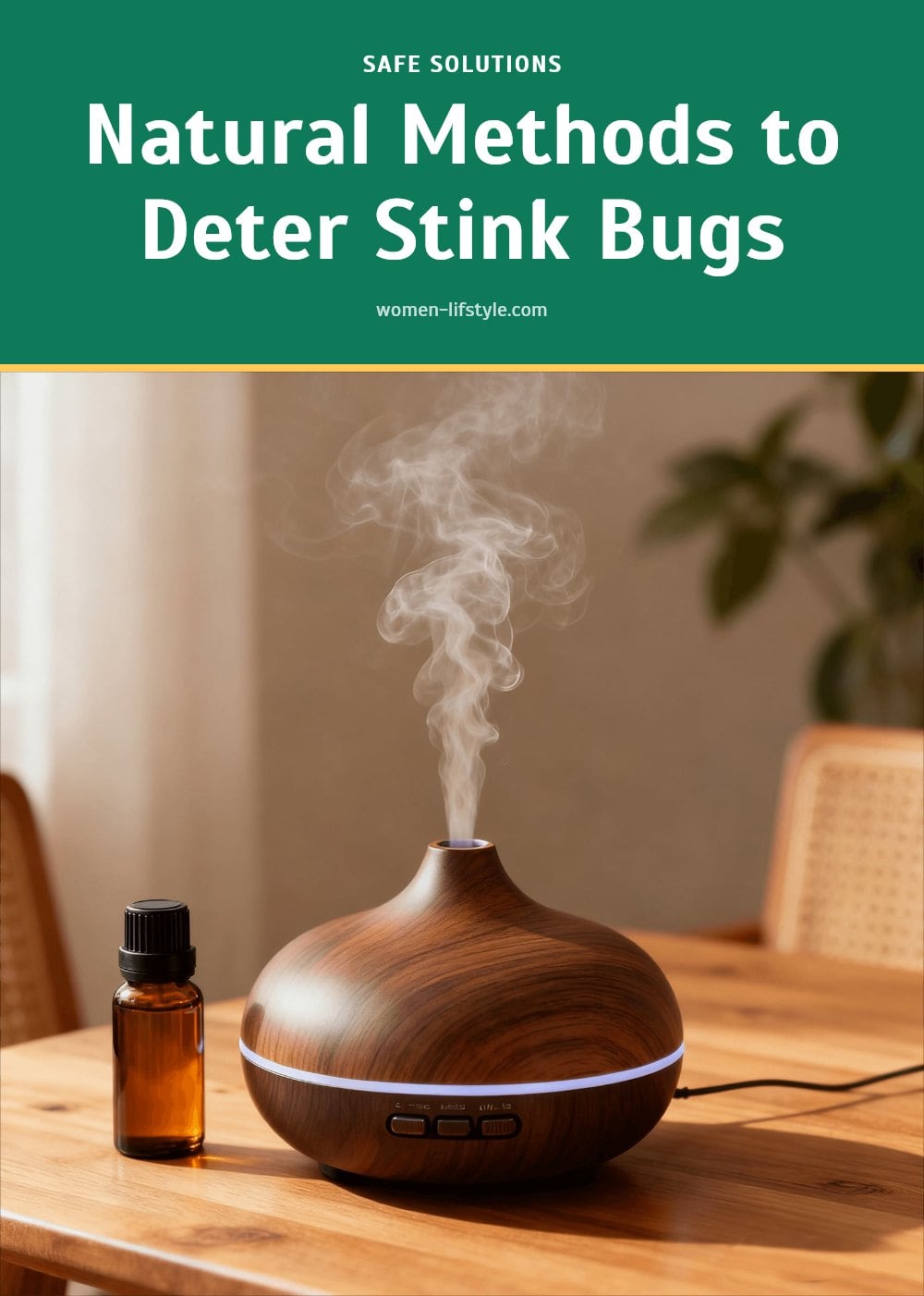
Stink bugs dislike strong scents, so peppermint, clove, and spearmint essential oils can help as repellents. Diffuse them near windows and doors, or place cotton balls soaked in diluted oil at common entry points. Always dilute essential oils with water or a carrier oil to avoid surface damage or skin irritation.
Food-grade diatomaceous earth is another option. Sprinkle a thin layer in areas where you see stink bugs, like window sills or baseboards. It dehydrates insects on contact. Wear a mask while applying, because inhaling the fine powder can irritate your lungs.
Some people swear by a garlic spray, but its effectiveness is less consistent. Blend a few cloves of garlic with water, strain, and spray the liquid around entry points. Reapply after rain or cleaning.
Seal Your Home: The Best Defense Against Stink Bugs
Sealing entry points is your best defense against stink bugs. They typically enter in September and October as daylight hours shorten, so finish these measures by late August.
Inspect windows, doors, and foundations for cracks that are 1/8 to 1/16 of an inch wide. Fill them with 100% silicone caulk. For larger gaps, use expandable foam filler.
Check the weather stripping and door sweeps around all exterior doors. Replace any that are damaged or worn so there are no gaps underneath. Repair torn window screens and replace missing door sweeps to close off easy access points.
Common Mistakes to Avoid When Dealing with Stink Bugs
Crushing stink bugs: Never crush a stink bug. It releases a foul-smelling chemical that can be unpleasant and may attract more bugs to the area.
Ignoring small infestations: Don’t assume a few stink bugs will leave on their own. They multiply quickly and can become a bigger problem if you don’t seal entry points.
Using harmful chemical sprays indoors: Avoid harsh pesticides inside, especially if you have pets or children. Natural methods like traps and repellents are safer and just as effective.
Improper vacuum disposal: If you vacuum stink bugs, dispose of the bag or empty the canister outdoors right away. Otherwise, they can escape or leave an odor inside.
Leaving windows and doors unscreened: During peak season, keep screens intact on all windows and doors. A single gap is an open invitation.
When to Act and What to Expect
Prevention should happen before fall, ideally by late August or early September, when stink bugs start looking for winter shelter. Once they’re active, removal efforts need to be consistent through fall and spring.
The good news: DIY traps and natural repellents are very low-cost. You likely already have plastic bottles, dish soap, and essential oils. Sealing materials like caulk and weatherstripping are also budget-friendly, so protecting your home won’t break the bank.
Frequently Asked Questions
Why do stink bugs come into my house?
Stink bugs are attracted to warmth and light. As temperatures drop in the fall, they seek shelter indoors to hibernate for the winter. They often enter through small cracks around windows, doors, and foundations.
Are stink bugs harmful to pets or children?
No, stink bugs do not bite humans or pets, and they do not transmit diseases. The main risk is the unpleasant odor they release when crushed, which can be a nuisance but is not toxic.
What scents do stink bugs hate?
Stink bugs are believed to dislike strong scents like peppermint, clove, spearmint, and garlic. You can use essential oil diffusers or cotton balls soaked in these oils near entry points as a natural deterrent.
Can I use essential oils to repel stink bugs?
Yes, certain essential oils like peppermint, clove, and spearmint are thought to repel stink bugs. Place cotton balls soaked in the oil near windows and doors, or use a diffuser. Always dilute the oil to avoid damaging surfaces or causing skin irritation.
How long do stink bugs live indoors?
Stink bugs can live for several months indoors, especially if they find a warm spot to overwinter. They are most active in fall and spring, but without intervention, they may survive through the winter and emerge when temperatures rise.
Final Thoughts
For a truly stink bug-free home, focus on sealing every crack and crevice before autumn arrives. Combine that with one or both of the light traps placed in dark rooms or attics, and you’ll drastically reduce their numbers. Expect to stay consistent through fall and spring, but rest easy knowing these low-cost, natural methods are safe for your family and pets.
