

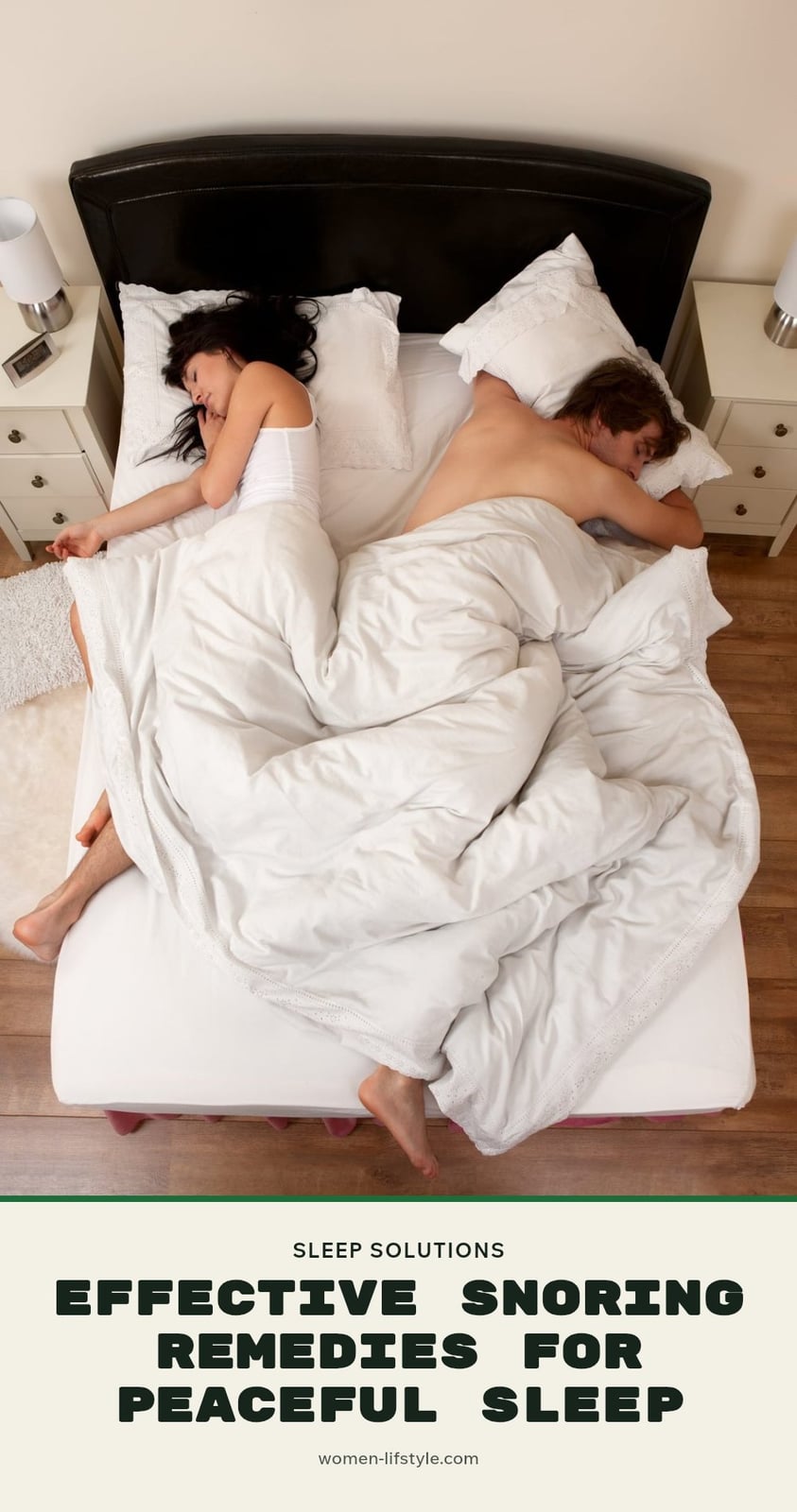
If your snoring is keeping you or your partner awake, you’re not alone. Snoring happens when relaxed throat tissues vibrate as air passes through a narrowed airway during sleep. The good news is that simple changes like adjusting your sleep position or clearing nasal passages can often help. This article covers the most effective remedies to reduce snoring and when to see a doctor.
Key Takeaways
- Sleep on your side to keep your airway open and reduce snoring.
- Avoid alcohol and sedatives for several hours before bedtime.
- Losing excess weight can shrink neck tissue and open your airway.
- Use a humidifier if dry air irritates your throat and worsens snoring.
- See a doctor if snoring is very loud or includes gasping or breathing pauses.
Stop Snoring for Better Sleep
Snoring can often be reduced or eliminated through simple lifestyle changes and over-the-counter aids. Addressing factors like sleep position, nasal congestion, and alcohol intake can make a significant difference. If your snoring is persistent, very loud, or accompanied by gasping or pauses in breathing, consult a doctor to rule out conditions like sleep apnea.
1. Sleep on Your Side
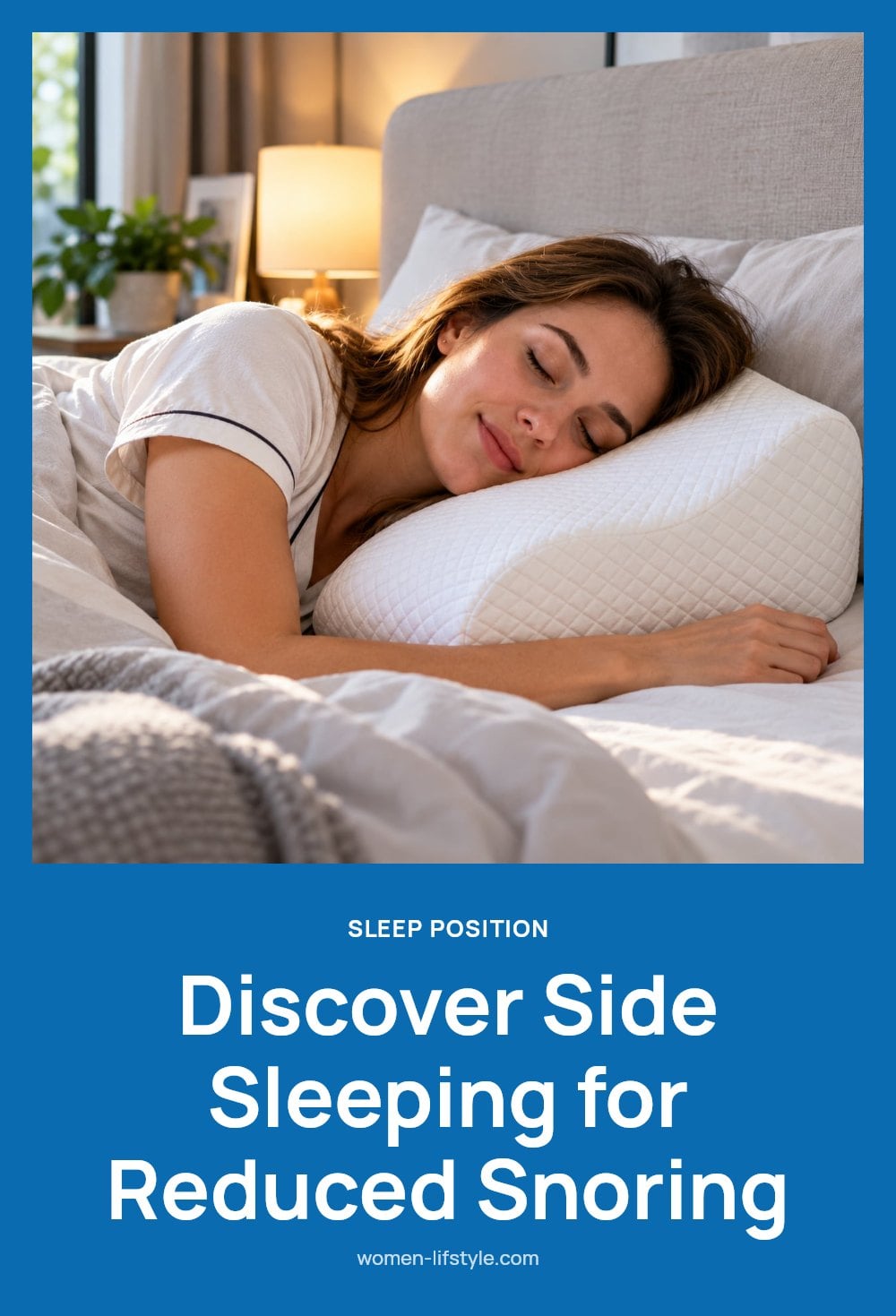
Sleeping on your back often causes your tongue and soft palate to collapse into your throat, obstructing airflow. Shifting to your side keeps your airway open and can significantly reduce or even stop snoring entirely.
My tip: Try the tennis ball trick. Sew a pocket onto the back of your pajama top and insert a tennis ball. It will prevent you from rolling onto your back during the night.
2. Elevate Your Head Slightly

Raising your head can help keep your airways open by preventing throat tissues from falling back. You can use an extra pillow, but elevating the head of your bed by a few inches is more effective. A wedge pillow is a great option for consistent elevation without straining your neck.
3. Maintain a Healthy Weight

Excess weight, especially around the neck, can narrow your airway and make snoring more likely. The extra tissue presses on the throat, reducing the space for air to pass through during sleep.
Losing weight can shrink that neck tissue and open up your airway. Many people who are overweight or obese find that dropping even a modest amount of weight significantly reduces or stops their snoring.
My tip: Focus on gradual, sustainable weight loss through a balanced diet and regular physical activity. Even losing 5-10% of your body weight can make a real difference in your nighttime breathing.
4. Clear Nasal Passages

Nasal congestion forces you to breathe through your mouth, which can contribute to snoring. Clearing your nasal passages before bed can help you breathe through your nose instead, keeping your airway more open.
Try a saline nasal spray or a neti pot to flush out mucus and allergens. Nasal strips or external nasal dilators can also physically widen your nostrils for better airflow.
5. Avoid Alcohol and Sedatives
Alcohol and certain sedatives relax the muscles in your throat, increasing the chance of snoring. It’s best to avoid these substances for several hours before bedtime.
Tip: If you enjoy a glass of wine, try to have it earlier in the evening, not right before you hit the hay. This gives your body time to process the alcohol before sleep.
6. Quit Smoking
Smoking irritates and inflames the throat and nasal passages, which can narrow the airway and worsen snoring. Quitting smoking can reduce this inflammation, leading to improved breathing and potentially less snoring.
This is a significant step for overall health and better sleep. The benefits often become noticeable within weeks of quitting.
7. Use a Humidifier
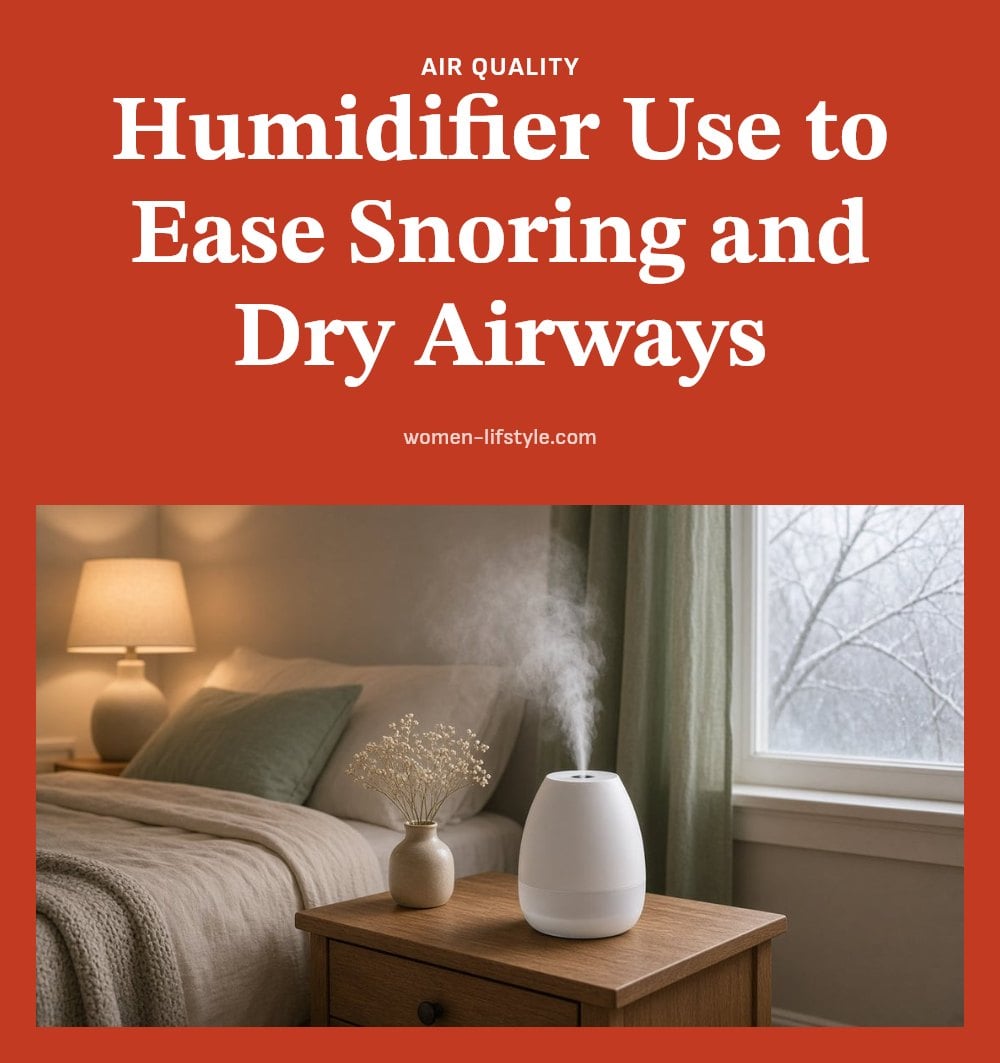
Dry air can irritate nasal and throat tissues, potentially exacerbating snoring. A humidifier adds moisture to the air, which can help keep your nasal passages and throat lubricated.
This can make breathing easier and reduce snoring, especially if you live in a dry climate. Aim for a humidity level between 30 and 50 percent for comfort.
8. Try Oral Appliances
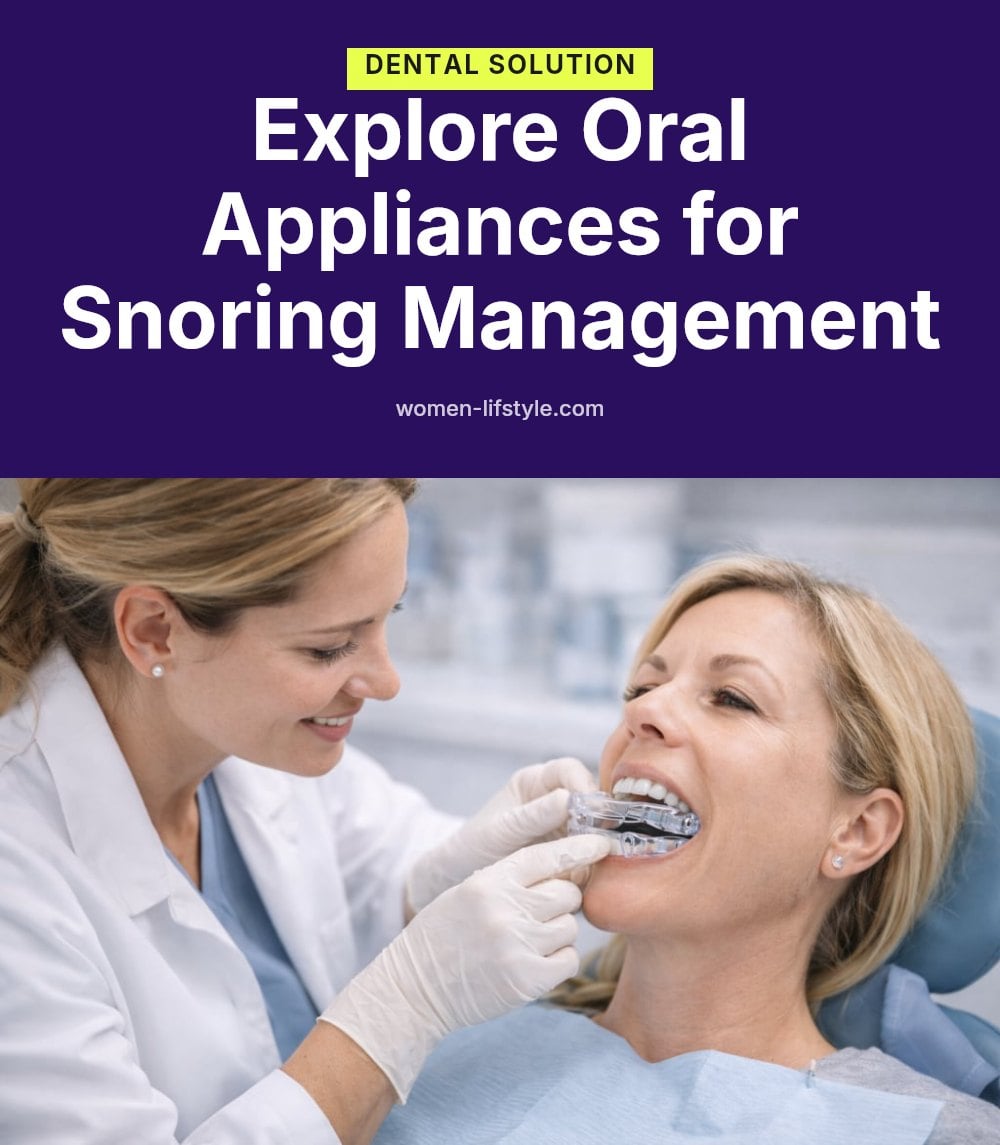
Custom-fitted oral appliances from a dentist can keep your airway open while you sleep. These devices reposition your jaw or tongue to prevent them from falling back and blocking your throat.
Caution: Always get an oral appliance custom-fitted by a dentist. A poorly fitted device can cause jaw pain or dental issues, and it won’t be effective at reducing snoring.
9. Stay Hydrated
Dehydration thickens the mucus in your nasal passages and throat, which can worsen snoring. Drinking enough water throughout the day keeps these secretions thinner and your airways clearer.
Aim for at least 8 glasses of water daily. This simple habit supports overall health and may help reduce snoring by keeping your breathing passages well-lubricated.
10. Exercise Regularly
Regular exercise contributes to overall muscle tone, including the muscles in your throat. While it’s not a direct cure, better muscle tone can help keep your airway more open during sleep.
Exercise also supports weight management, which is a key factor in reducing snoring for many people. Even moderate activity like brisk walking can make a difference over time.
11. Reduce Bedroom Allergens
Allergens like dust mites, pet dander, and pollen can inflame your nasal passages, leading to congestion and snoring. Keeping your sleep environment clean can significantly reduce allergy-related snoring.
Wash your bedding in hot water weekly, use allergen-proof covers on pillows and mattresses, and vacuum your bedroom regularly. These simple steps can clear the air and help you breathe easier at night.
When to See a Doctor About Snoring
If your snoring is persistent, very loud, or accompanied by gasping, choking, or pauses in breathing, it’s crucial to consult a doctor. These symptoms can indicate obstructive sleep apnea (OSA), a serious condition where breathing repeatedly stops and starts during sleep. Other red flags include excessive daytime sleepiness, morning headaches, or difficulty concentrating.
A healthcare professional can accurately diagnose the cause of your snoring and recommend appropriate treatment, which may include a sleep study. Don’t assume that severe snoring is harmless or just a normal part of aging. Seeking medical advice is the safest step when snoring disrupts your health or your partner’s sleep.
Frequently Asked Questions
Can snoring be a sign of a serious health problem?
Yes, chronic snoring can sometimes be a symptom of obstructive sleep apnea (OSA), a condition where breathing repeatedly stops and starts during sleep. If your snoring is very loud or accompanied by gasping, choking, or pauses in breathing, consult a doctor for an evaluation.
How long does it take for snoring remedies to work?
It depends on the remedy. Positional changes like sleeping on your side or using nasal strips can show immediate results. Lifestyle changes such as losing weight or quitting smoking may take weeks to months to significantly reduce snoring. Consistency is key.
Are anti-snoring pillows effective?
Anti-snoring pillows are designed to support your head and neck in a way that keeps airways open. Some people find them helpful, but results vary. A wedge pillow that elevates your head by a few inches may be more consistently effective for many snorers.
Does losing weight always stop snoring?
Losing weight can significantly reduce snoring if excess neck tissue is narrowing your airway, but it may not stop snoring completely. Other factors like sleep position, nasal congestion, and alcohol use also play a role. It’s one of the most effective steps, but not a guaranteed cure.
Can allergies cause snoring?
Yes, allergies can cause nasal congestion, which forces you to breathe through your mouth during sleep and can lead to snoring. Reducing allergens in your bedroom, using a saline nasal spray, or trying a humidifier may help if allergies are a contributing factor.
Final Thoughts
Start with the easiest fix: try sleeping on your side tonight and see if it makes a difference. Many remedies like nasal strips or positional changes can show results right away, while weight loss or quitting smoking may take weeks or months. If your snoring persists or seems severe, don’t wait to talk to a healthcare professional. Better sleep is worth the effort.
This article provides general information for educational purposes only and is not a substitute for professional medical advice. If you have persistent or severe snoring, or suspect you may have sleep apnea, please consult a doctor or sleep specialist for a proper evaluation and treatment plan.
