

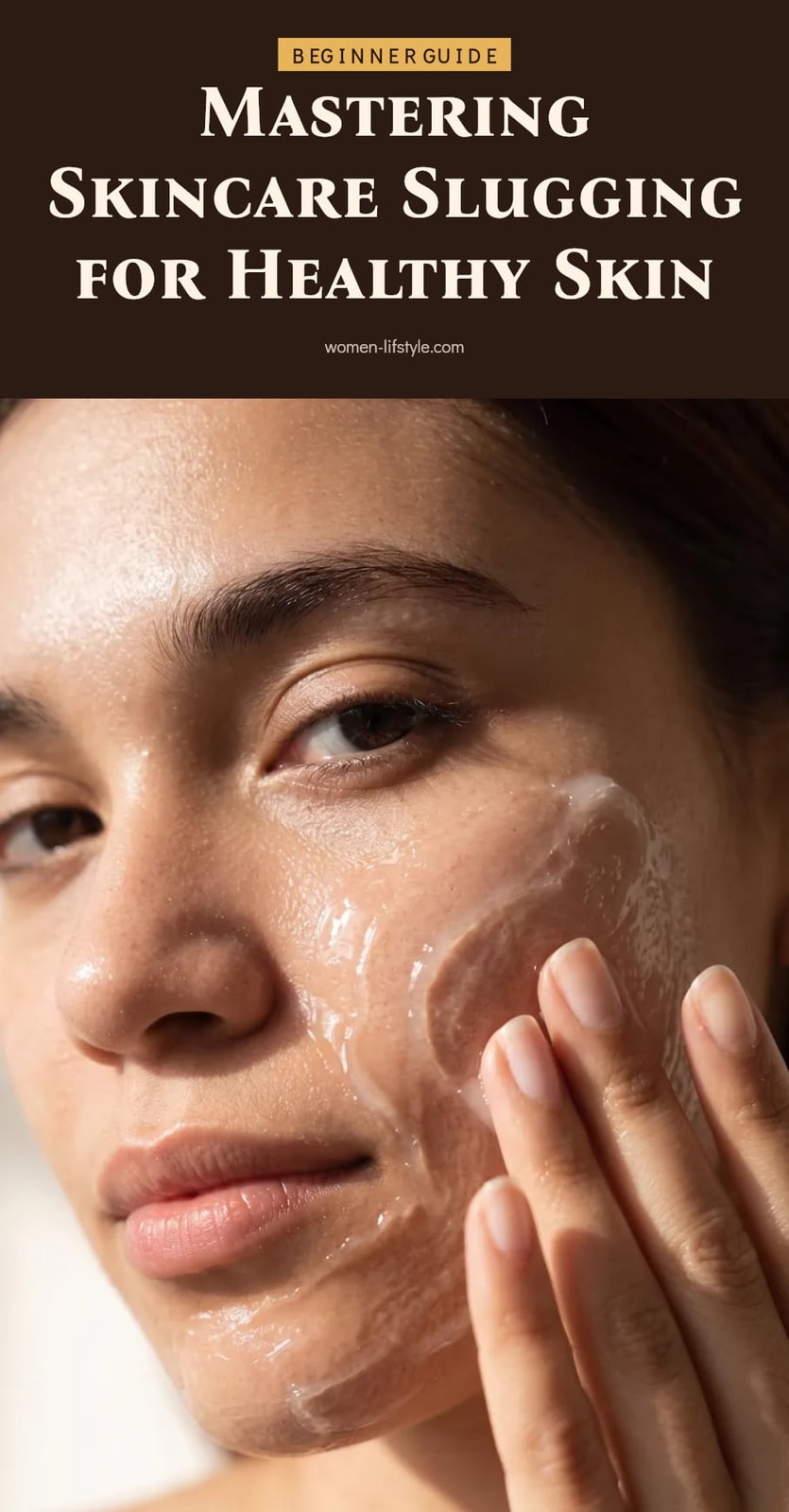
If you’ve been scrolling through skincare forums or TikTok lately, you’ve probably seen people waking up with shiny, glowing faces and swearing by a technique called slugging. It’s a simple overnight method that uses an occlusive product, like petroleum jelly, to lock in moisture and support your skin barrier. In this article, I’ll break down exactly what slugging is, how to do it step by step, and who it’s best for, so you can decide if it’s worth trying at home.
Key Takeaways
- Slugging involves applying a thin layer of petroleum jelly or a thick balm as the final step in your nighttime routine.
- It works by preventing transepidermal water loss, locking in hydration from your serums and moisturizers.
- Start with two to three nights a week to see how your skin reacts before increasing frequency.
- Avoid slugging over active ingredients like retinoids, AHAs, or BHAs to prevent irritation.
- Always cleanse your face thoroughly in the morning to remove the occlusive layer.
What is Slugging and Why is it Trending?
Slugging is a skincare technique where you apply a thin layer of an occlusive product, usually petroleum jelly, as the final step in your nighttime routine. The goal is to create a protective barrier that prevents transepidermal water loss (TEWL), locking in moisture and supporting your skin’s natural barrier function. This practice gained popularity through K-beauty trends and social media, especially among those with dry, dehydrated, or compromised skin. Think of it as giving your skin a hydrating blanket overnight to help it repair and retain moisture.
1. Cleanse Your Skin Thoroughly

Always start with a clean face. Use a gentle cleanser to remove all makeup, dirt, and impurities. Since slugging traps everything on your skin, any residue will get locked in too.
My tip: If you wear makeup, try a double cleanse, an oil-based cleanser first, then a water-based one, to ensure your skin is perfectly prepped for the occlusive layer.
2. Layer Hydrating Serums and Moisturizers
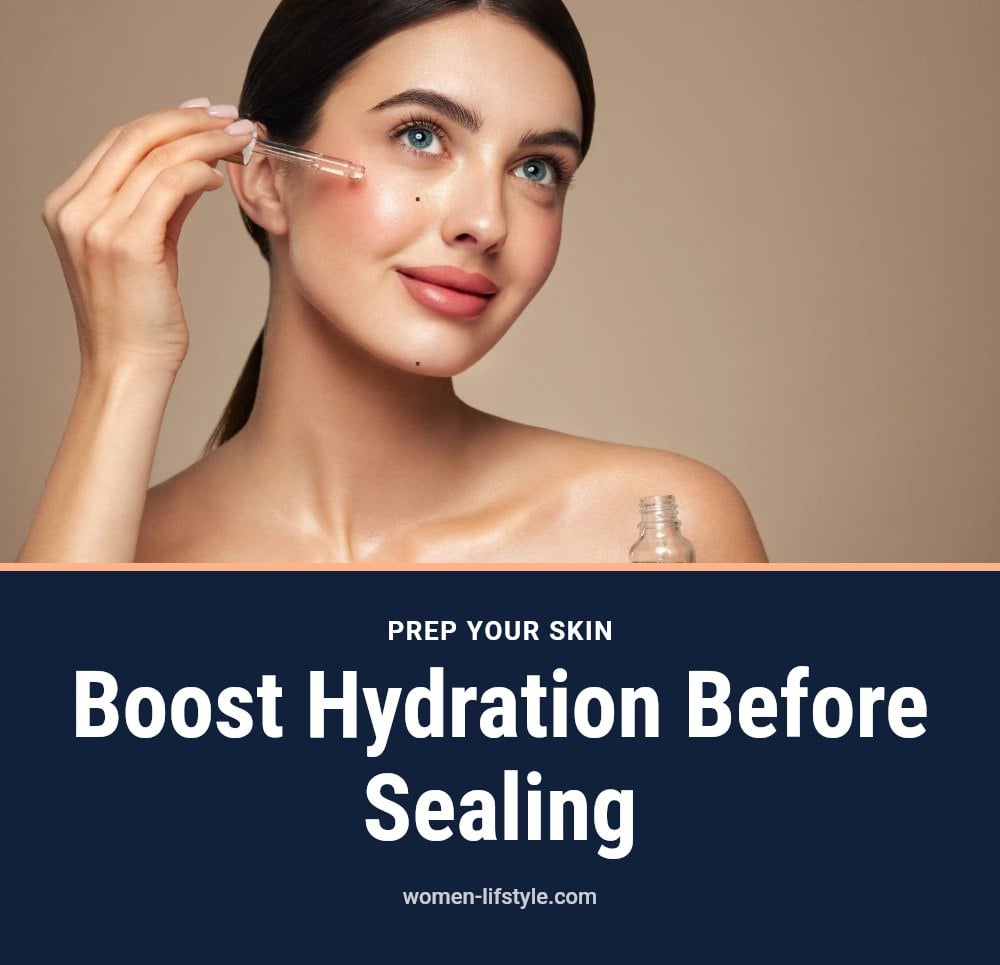
Before you apply the occlusive, layer on hydrating serums, like hyaluronic acid, and your regular moisturizer. Slugging works by trapping these products in, so you want to give it something beneficial to lock down. This boosts the efficacy of your hydrating products, making them work harder while you sleep.
3. Choose Your Occlusive Product Wisely
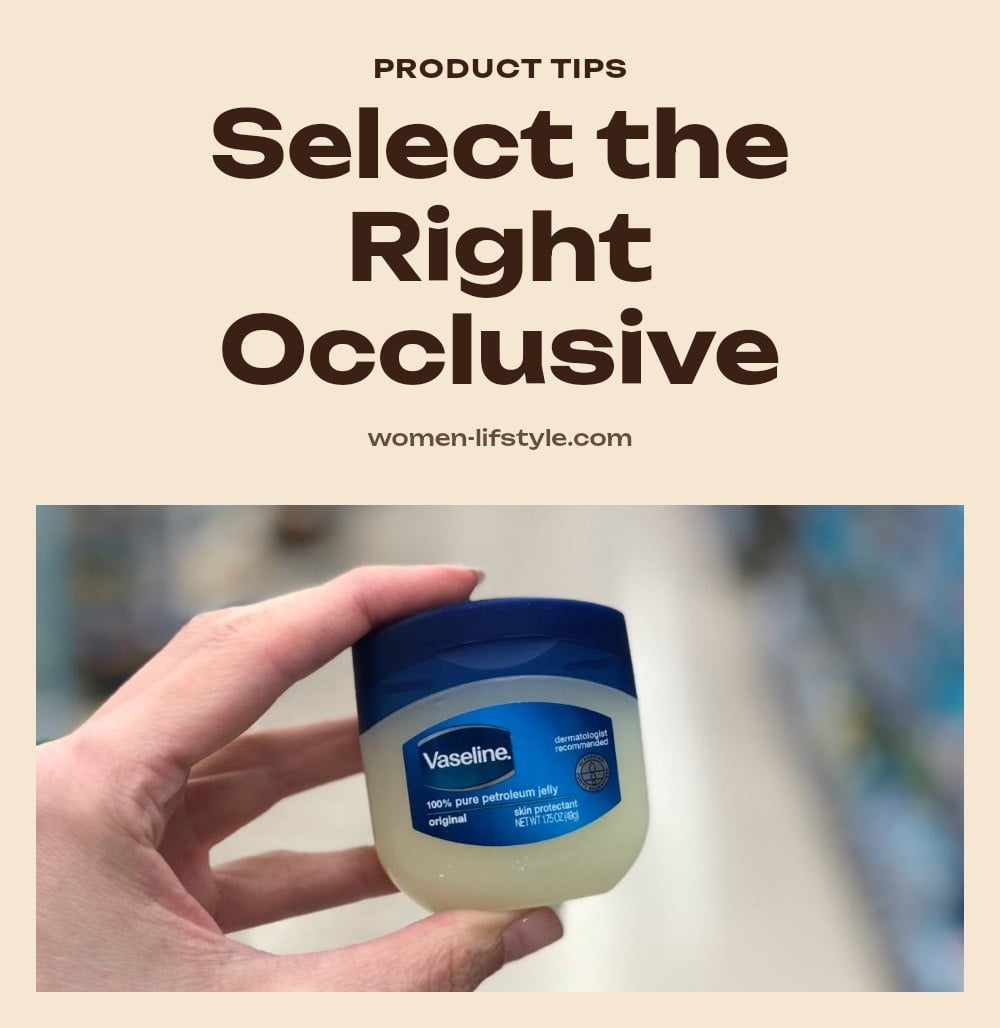
Petroleum jelly is the classic choice because it’s effective and non-comedogenic, meaning it won’t clog pores on its own. Other options include thick balms or ointments rich in ceramides or squalane.
My tip: If you want to branch out from pure petroleum jelly, look for products specifically designed to support the skin barrier, like those with added ceramides.
4. Apply a Pea-Sized Amount

Use a pea-sized amount: That tiny dab is all you need for your entire face. Scoop it out, then warm it between your fingertips for a few seconds. Gently press and spread the product over your skin, don’t rub it in.
Tip: Less is more here. Too much will feel greasy and transfer to your pillow, plus it won’t hydrate any better.
5. Limit Slugging to Nighttime
Apply it at night only: The occlusive layer is very visible and feels heavy, so it’s not practical for daytime. Let it work while you sleep. Your skin’s repair processes are most active overnight, making this the ideal time for intense hydration.
6. Adjust Frequency to Your Skin’s Needs
Start with a few nights a week: If you’re new to slugging, try it two to three times per week to see how your skin reacts. If your skin is very dry or compromised, daily slugging can be beneficial.
Good to know: Listen to your skin. Some nights it might crave that extra barrier, others it might not need it at all.
7. Use a Fresh Pillowcase

Swap to a fresh pillowcase: This minimizes product transfer and keeps your sleeping environment hygienic. A clean pillowcase also prevents trapped bacteria or residue from irritating your skin.
Pro move: Silk or satin pillowcases help reduce friction and absorb less product, making them ideal for slugging nights.
8. Cleanse Your Face in the Morning
Always cleanse your face in the morning to remove the occlusive layer. A gentle cleanser will dissolve the petroleum jelly and wash away any impurities trapped overnight. Your skin should feel soft and hydrated, not greasy. This step preps your face for your daytime routine without leftover residue.
9. Avoid Active Ingredients Underneath
Never apply occlusives over active ingredients like retinoids, AHAs, or BHAs. Slugging can dramatically increase how deeply these ingredients penetrate your skin. This often leads to irritation, redness, or even chemical burns, not better results.
Quick tip: Reserve your active ingredients for nights you are not slugging, or use them in your daytime routine instead. Your skin will get the benefits without the risk of overexposure.
10. Consider Your Skin Type
Slugging is a godsend for dry, dehydrated, or sensitive skin types, especially if your skin barrier feels compromised. The occlusive layer locks in moisture and gives your skin a chance to repair overnight. I’ve seen the biggest improvements on flaky patches and areas that just won’t stay hydrated.
If you have oily or acne-prone skin, slugging might not be for you. While petroleum jelly itself is non-comedogenic, meaning it doesn’t clog pores on its own, the occlusive nature of slugging can still trap existing sebum and bacteria on your skin. That trapped mixture is what can lead to breakouts, so the technique is less about the jelly and more about what it seals in.
- Tip: If you’re oily but still want the benefits, try ‘spot slugging’ on dry patches only, like the corners of your nose or chin. Avoid your T-zone entirely.
- Caution: If you have active acne, skip slugging until it clears. The occlusive can worsen inflamed spots by sealing in bacteria.
11. Watch for Signs of Irritation
While slugging is generally safe for most people, your skin might still react negatively. If you notice increased breakouts, irritation, or clogged pores after trying it, stop immediately. Everyone’s skin is unique, so what works for one person may not work for you.
Tip: If you have severe skin conditions like eczema, rosacea, or persistent acne, consult a dermatologist before introducing slugging. A professional can help you decide if this technique is safe for your specific situation and guide you on alternatives if needed.
Common Slugging Mistakes to Avoid
Applying over active ingredients: This is a big no-no. Slugging intensifies penetration, which is great for hydrators but dangerous for strong actives like retinoids or acids. Using too much product: A thick layer won’t work better and will just feel greasy, transfer to your pillow, and may not provide additional benefits. Not cleansing properly beforehand: You’re trapping everything on your skin, so make sure it’s clean; otherwise, you’re just locking in dirt and bacteria. Slugging every night without need: While beneficial, daily slugging might be overkill for some skin types, especially if your skin isn’t consistently dry. Expecting a miracle cure: Slugging is fantastic for hydration and barrier support, but it’s not a one-stop solution for all skin concerns like acne or hyperpigmentation.
Frequently Asked Questions
How often should I slug my face?
Start with two to three nights per week to see how your skin handles the occlusive layer. If your skin is very dry or compromised, you can increase to nightly use, but pay attention to any signs of irritation or clogged pores. Adjust based on your skin’s needs.
Can slugging cause acne?
Petroleum jelly is non-comedogenic, so it won’t clog pores on its own. However, if you have oily or acne-prone skin, the occlusive layer can trap sebum and bacteria, potentially leading to breakouts. If you’re prone to acne, it’s best to avoid slugging or test it on a small area first.
What can I use for slugging besides petroleum jelly?
Thick balms or ointments rich in ceramides or squalane are great alternatives. Look for products labeled as occlusive balms or healing ointments. Just make sure they are fragrance-free and non-comedogenic to minimize the risk of irritation.
Is slugging good for oily skin?
Generally, no. Slugging is designed to lock in moisture, which can feel heavy and suffocating for oily or combination skin. It may trap excess sebum and lead to congestion. If you have oily skin, consider skipping slugging or using it only on dry patches.
How long does it take to see results from slugging?
Many people notice improved hydration and a softer feel after just one night of slugging. For noticeable barrier repair and reduced flakiness, consistent use over a week or two often shows more significant results. It’s not a quick fix for all skin concerns, but it’s effective for moisture retention.
Final Thoughts
For dry or dehydrated skin, slugging can be a game-changer for overnight hydration and barrier repair. My tip: start with a few nights a week and stick to a pea-sized amount to avoid a greasy mess. You’ll likely notice softer, more plump skin after just a couple of applications, with consistent use supporting long-term moisture retention. Give it a try on a night when your skin feels extra thirsty, and let the occlusive do its job while you sleep.
This article provides general information about the slugging skincare technique and is not a substitute for professional medical or dermatological advice. Individual results may vary, and what works for one person might not work for another. If you have persistent skin issues, allergies, or a serious condition, consult a dermatologist before trying new skincare methods.
