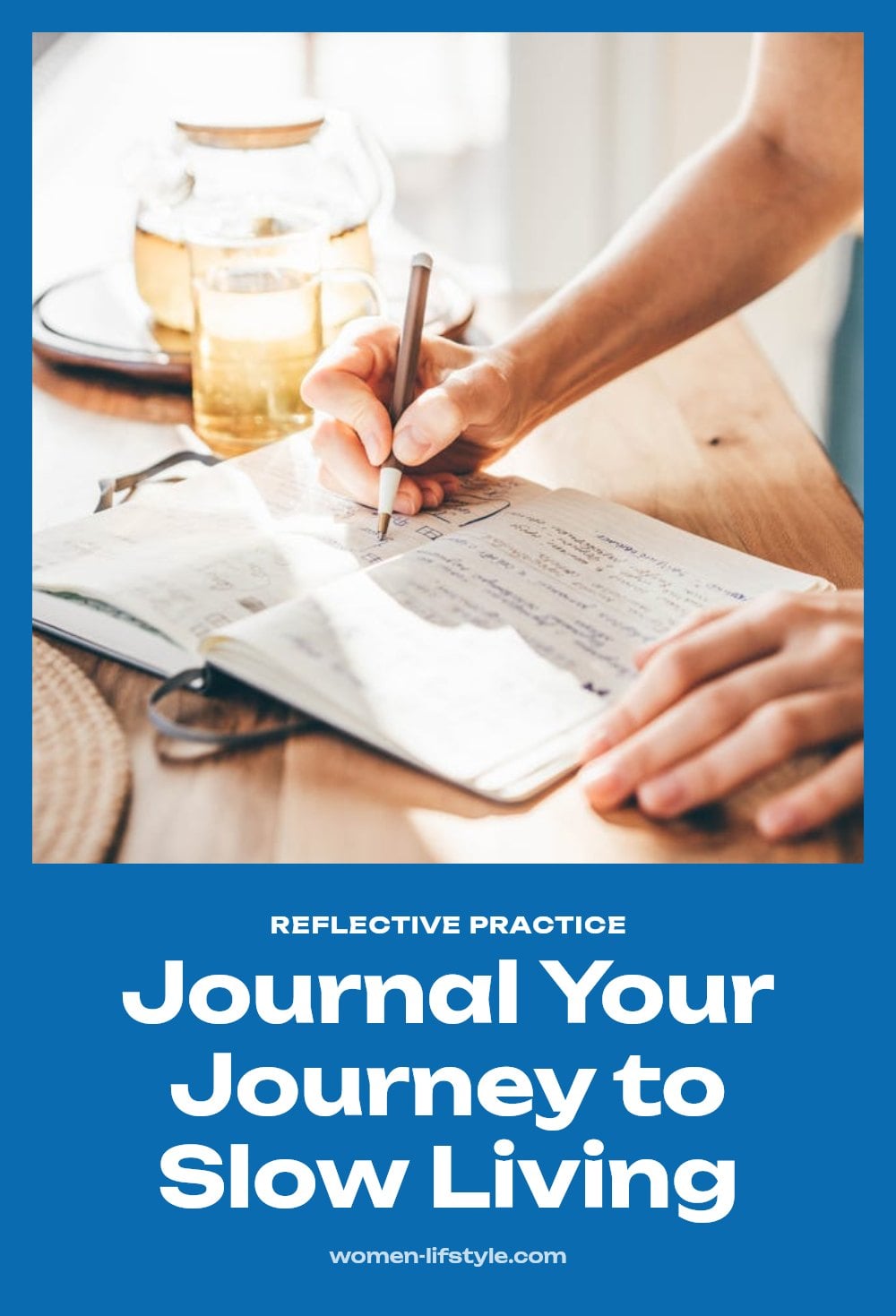
Feeling like life is a constant sprint? You’re not alone. Many of us are overwhelmed by the pace of modern living, always racing from one task to the next. Slowing down, or embracing slow living, is a conscious choice to put presence and well-being ahead of busyness. It’s not about doing nothing; it’s about doing things more thoughtfully. This article shares simple, practical ways to weave more calm and intention into your everyday routine.
Key Takeaways
- Start with one small change, like single-tasking during a daily chore.
- Set a digital curfew an hour before bed to improve sleep.
- Schedule white space in your calendar for rest or unplanned moments.
- Prioritize meaningful connections over many superficial interactions.
- Remember that slowing down is a mindset shift, not a life overhaul.
What is Slow Living?
Slow living is a conscious choice to put presence and well-being ahead of constant busyness. It’s about intentionality and mindfulness, not about doing nothing. The idea comes from Italy’s slow food movement, which emphasizes quality, local ingredients, and sustainability over speed and convenience. At its core, it asks you to ask yourself: “Am I doing this with purpose?”
1. Practice Mindful Single-Tasking
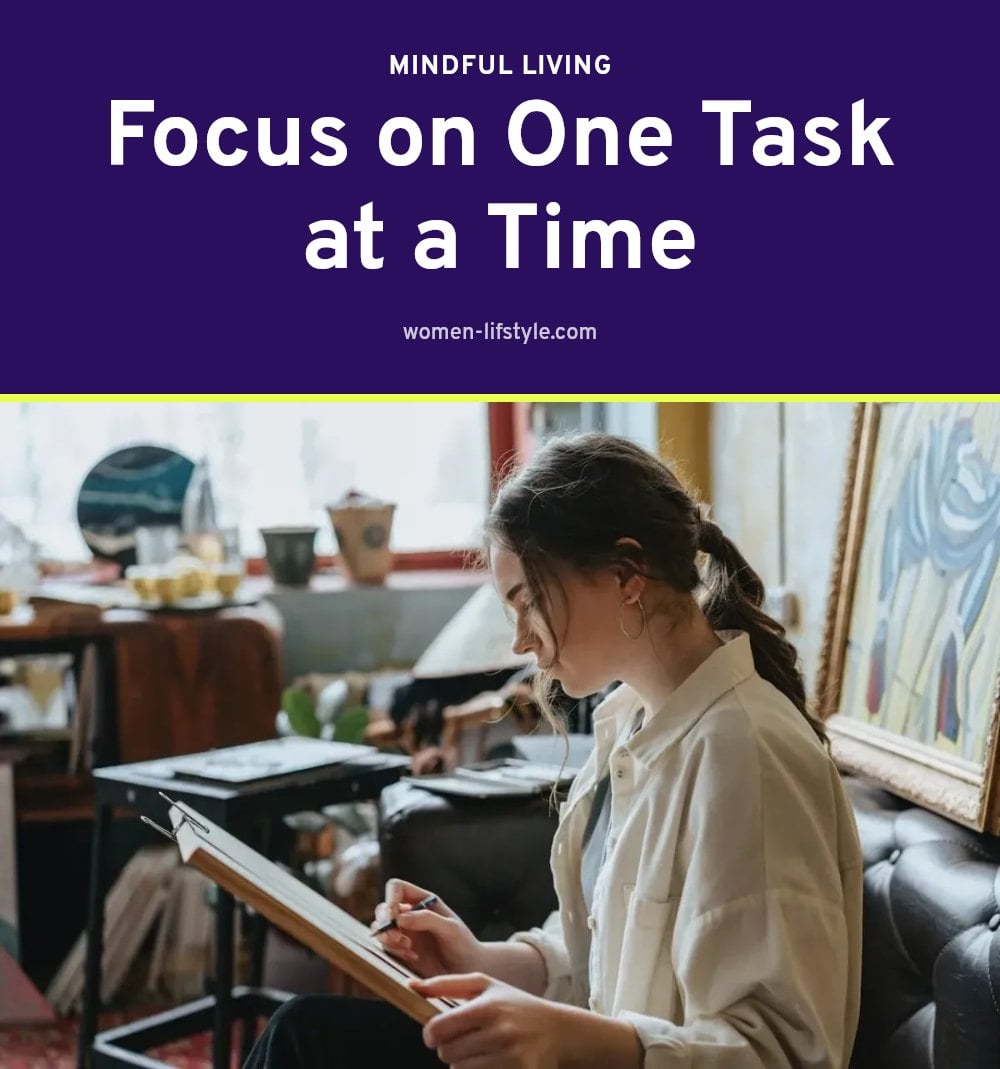
Focus on one activity at a time and give it your full attention. Multitasking splits your focus and increases overwhelm, while single-tasking lets you complete tasks with less stress and better results. My tip: When you’re washing dishes, just wash dishes. Feel the water temperature, notice the soap bubbles, and pay attention to each plate. That simple shift changes the whole experience.
2. Reduce Digital Screen Time

Set clear boundaries for phone and computer use, especially in the hour before bed. Blue light from screens suppresses melatonin, the hormone that regulates sleep, so reducing exposure improves both how quickly you fall asleep and the quality of your rest. My tip: Try a ‘digital sunset’ one hour before bed. Read a physical book instead of scrolling, and keep your phone in another room while you wind down.
3. Incorporate Quiet Reflection
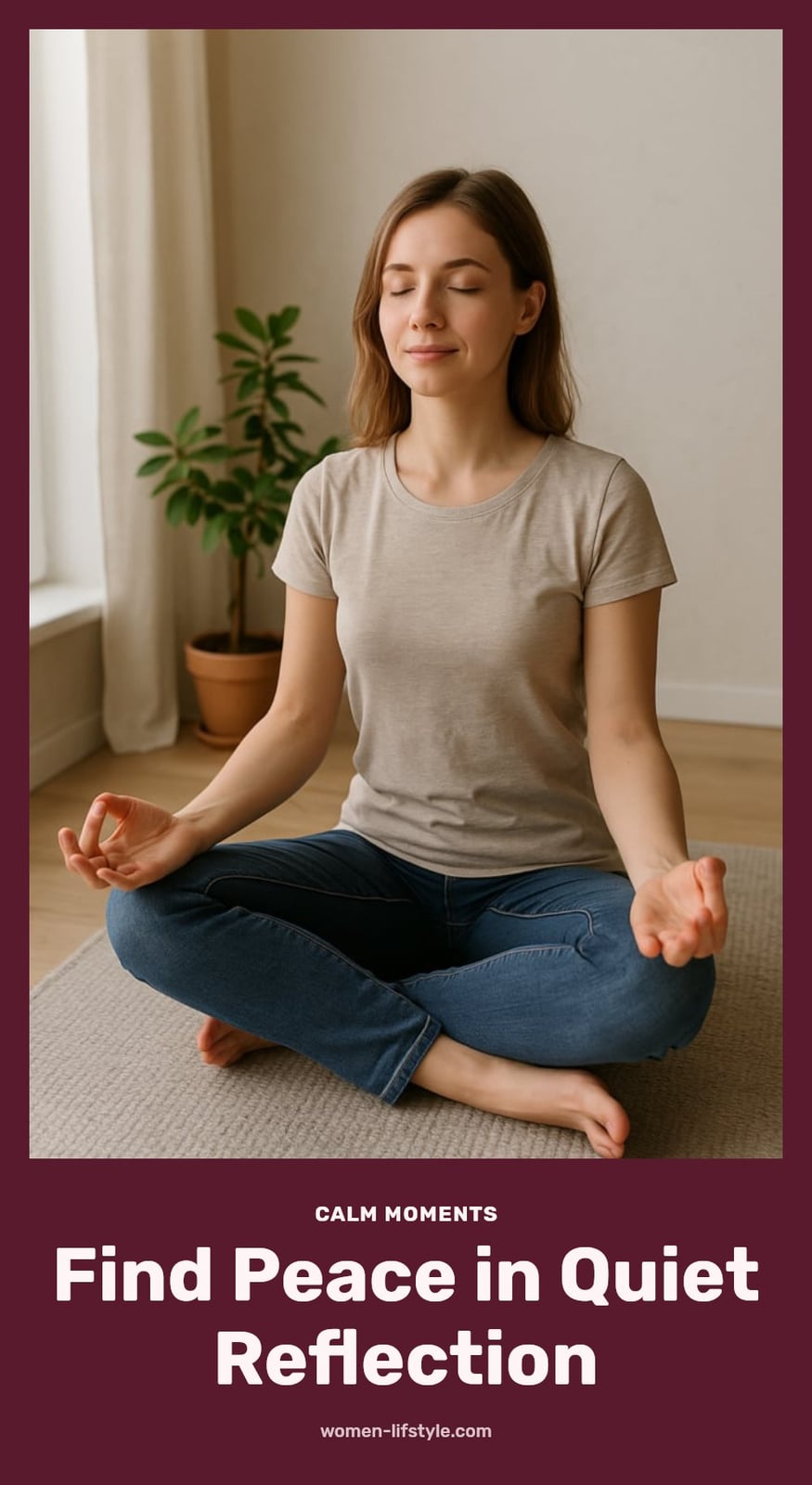
Dedicate a few minutes each day to quiet reflection or meditation. This practice lowers stress hormones and creates a mental pause that cultivates inner peace. My tip: Even five minutes of sitting quietly with your thoughts can make a huge difference. Set a timer, close your eyes, and simply observe your breath or the sounds around you without trying to change anything.
4. Spend Time in Nature

Make it a point to regularly connect with the natural world, even if you live in a city. Time outside lowers cortisol levels and improves mood, often within minutes. My tip: A short walk in a park or even just sitting by a window and observing nature counts.
- Start small: Step outside for five minutes during your lunch break.
- Engage your senses: Notice the temperature, the sounds of birds, or the texture of tree bark.
- Leave your phone inside: Give your brain a real break from screens.
5. Cultivate Mindful Hobbies

Engage in hobbies that require deep focus or manual creation, like knitting, gardening, or painting. These activities naturally slow your pace because they demand your full attention on the process, not the outcome. My tip: Pick something that engages your hands and mind, taking you away from screens.
- Good options: Pottery, woodworking, baking bread, or playing a musical instrument.
- Why it works: Repetitive hand movements lower heart rate and quiet mental chatter.
6. Declutter Your Space
Regularly declutter your physical environment to reduce mental load. A tidy space makes it easier to focus and lowers stress because your brain isn’t processing visual clutter. My tip: Start with one small area, like a drawer or a countertop, to avoid feeling overwhelmed.
- Set a timer: Spend just 10 minutes a day on one zone.
- Ask yourself: Do I use this? Do I love this? If not, let it go.
7. Prioritize Meaningful Connections
Invest time and energy in deeper, more meaningful relationships instead of spreading yourself thin across many superficial interactions. Prioritizing quality over quantity is a core part of slowing down because it replaces digital noise with genuine connection. My tip: Schedule a coffee date with a close friend instead of endless scrolling through social media.
- Be present: Put your phone away during conversations and listen fully.
- Plan regular check-ins: A weekly call or monthly walk keeps bonds strong without over-scheduling.
8. Set Clear Boundaries
Establish clear boundaries between your work and personal life. Without them, the constant hum of emails and tasks bleeds into your evenings and weekends, which leads straight to burnout. Protected rest time isn’t a luxury; it’s how you recharge enough to show up fully for the things that matter.
My tip: Turn off work notifications after a set time each day and stick to it. Your inbox will still be there in the morning.
9. Schedule ‘White Space’
Intentionally block out time in your calendar for unplanned activities or simply rest. This ‘white space’ acts as a buffer against over-scheduling, giving you room to breathe, pivot, or just sit without a goal. It prevents the trap of filling every minute with obligations.
My tip: Don’t feel guilty about an empty block in your calendar. It’s there for a reason, and that reason is your well-being.
10. Practice Mindful Eating
Savor each bite by paying close attention to flavors, textures, and your own hunger cues. Eating this way slows the meal down naturally, so your brain has time to register fullness and you actually enjoy the food instead of inhaling it. It also strengthens your connection to your body’s needs.
Tip: Put your fork down between bites and really taste your food. You’ll notice flavors you usually miss.
11. Prioritize Quality Sleep
Create a calming bedtime routine and treat sleep as a non-negotiable priority. Quality sleep is the foundation for everything else: it regulates mood, sharpens focus, and gives you the energy to approach each day with intention rather than exhaustion. Without enough rest, slowing down becomes much harder.
Good to know: A warm bath or a few pages of a book before bed can work wonders. Keep screens out of the bedroom entirely.
Common Misconceptions About Slowing Down
It’s easy to assume that slowing down means you have to quit your job and move to a remote cabin, but that’s not the case. The real shift is in your mindset and daily choices, not in a drastic life overhaul. You can integrate slow living into your current routine without upending everything.
Myth: You need to be ‘perfectly slow.’ Getting stressed about not reaching some ideal slow pace defeats the whole purpose. This is an ongoing practice, not a destination. Some days you’ll be more present than others, and that’s fine.
Myth: It’s the same as procrastination. Slowing down is about intentionality and being fully present in what you’re doing, not about avoiding tasks or being lazy. You’re choosing to do fewer things with more focus, not doing nothing.
Myth: You’ll see dramatic results immediately. While small changes can feel good right away, deeper, lasting benefits like lower stress and better sleep typically emerge over weeks and months of consistent practice.
Frequently Asked Questions
What is the difference between slow living and being unproductive?
Slow living is not about avoiding responsibilities or being lazy. It’s about being intentional with your time and energy, focusing on what truly matters. You can be productive while moving at a slower, more mindful pace, often leading to better results and less stress than rushing through tasks.
Can I practice slow living if I have a busy job?
Absolutely. Slow living is a mindset that can be integrated into any schedule. You can start by setting clear boundaries around work hours, taking short breaks to stretch or walk, and practicing single-tasking during your most important tasks. Even a few mindful moments can make a difference.
How long does it take to feel the benefits of slowing down?
You may feel a sense of relief almost immediately after making a small change, like turning off notifications for an hour. However, deeper benefits, such as reduced stress and improved overall well-being, typically emerge over weeks and months of consistent practice. Patience is key.
Is ‘slow living’ just a trend or a sustainable lifestyle?
While the term has gained popularity, the principles of slow living are rooted in a philosophy that emphasizes quality, mindfulness, and sustainability. Many people find it to be a sustainable lifestyle because it’s adaptable and focuses on personal well-being rather than rigid rules.
What are some simple ways to start practicing mindfulness?
Mindfulness can be as simple as focusing on your breath for a few minutes, savoring your morning coffee, or noticing the sensations while washing your hands. The key is to bring your full attention to the present moment without judgment. Start with a few minutes daily and gradually increase.
Final Thoughts
As you begin to slow down, remember that the goal isn’t perfection. Start with just one or two of these practices, like taking a few mindful minutes each morning or setting a boundary around work emails. You’ll likely notice a small shift in your stress levels almost right away, but the deeper, lasting benefits, like improved focus and a greater sense of peace, typically unfold over weeks and months of consistent practice. Be patient with yourself and treat slowing down as an ongoing journey, not a destination.
This article is for general informational purposes only and is not a substitute for professional medical or mental health advice. If you experience persistent or severe feelings of overwhelm, stress, or anxiety, please consult a qualified healthcare provider.