

Have you been feeling run down, noticing more hair in your brush, or struggling with cuts that just won’t heal? These could be subtle clues your body is running low on zinc, an essential mineral involved in over 300 processes, from immune defense to DNA repair. This article walks you through the common signs of zinc deficiency, who’s most at risk, and when to talk to your doctor.

Key Takeaways
- Zinc deficiency can show as slow wound healing, hair thinning, changes in taste or smell, and frequent infections.
- Adults need 8-11 mg of zinc daily; pregnant women and vegetarians may need more.
- Red meat, oysters, nuts, and legumes are good sources, but phytates in plants reduce absorption.
- Never self-diagnose or take high-dose zinc supplements without medical advice.
- If you notice several signs together, consult a healthcare provider for proper testing and guidance.
What is Zinc and Why is it Important?
Zinc is an essential trace mineral, meaning your body needs it in small amounts but can’t produce it on its own. It plays a role in over 300 enzymatic reactions, from supporting your immune system to helping wounds heal. Zinc is also crucial for DNA synthesis and for maintaining your sense of taste and smell.
1. Weakened Immune System

Zinc is critical for immune cell function. When your levels are low, your body may struggle to fight off infections, leading to more frequent colds or slower recovery. I’ve noticed my own resilience dips when my zinc intake isn’t consistent, and a few extra oysters or pumpkin seeds usually helps me bounce back faster.
2. Slow Wound Healing
Zinc is essential for protein synthesis and cell growth, both of which are needed for tissue repair. If a minor cut or scrape takes unusually long to heal, it could be a sign your zinc levels are low. My tip: if a small cut lingers, consider your zinc intake before assuming it’s just bad luck.
3. Hair Loss or Thinning
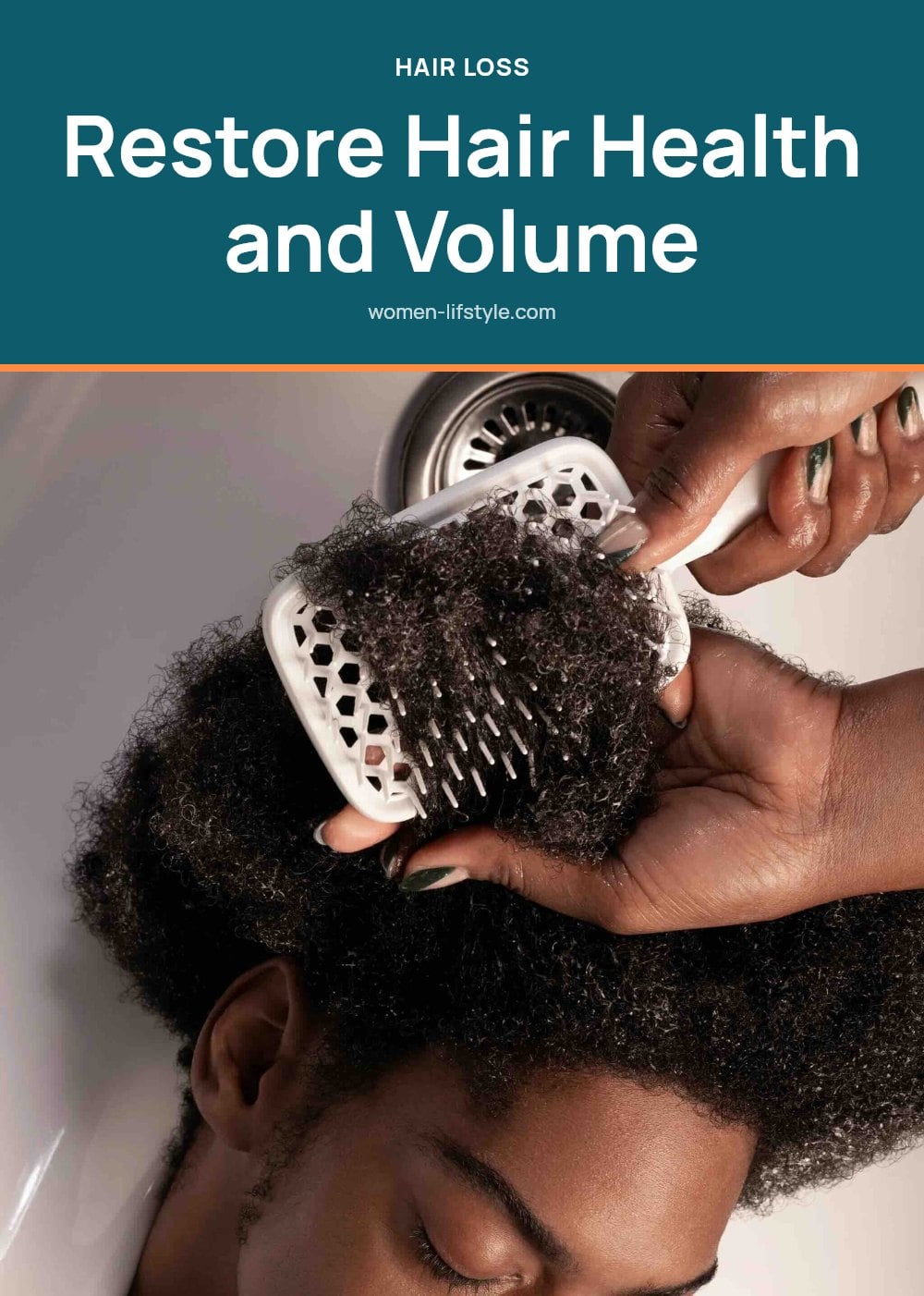
Zinc contributes to cell division and growth, including in your hair follicles. A deficiency can show up as unexplained shedding or thinning, especially if it’s paired with other symptoms like slow healing. Keep in mind this is a common but non-specific sign, so it’s worth checking with a doctor rather than assuming it’s only zinc.
4. Changes in Taste and Smell
Zinc is vital for the proper function of your taste buds and olfactory receptors, the cells that detect smells. When your zinc levels dip, food can start to taste bland, and you might notice that aromas seem less intense than they used to.
This change can quietly chip away at your appetite and make meals feel like a chore rather than something to enjoy. If your favorite dishes suddenly seem dull, it’s worth paying attention to.
My tip: Track whether the change is consistent over a few weeks before assuming it’s just a cold or seasonal allergies.
5. Skin Lesions or Rashes

Zinc supports skin health by aiding cell regeneration, which helps your skin repair itself after damage or irritation. When levels are low, you might notice rough patches, eczema-like rashes, or acne that simply won’t clear up despite your usual routine.
These symptoms can be frustrating, but they’re also non-specific. Many skin conditions share similar appearances, so it’s easy to misattribute the cause.
Caution: Don’t assume a rash or persistent breakout is definitely a zinc issue. A dermatologist or doctor can evaluate your skin, rule out other causes, and determine if a deficiency is actually playing a role.
6. Eye Problems
Zinc is highly concentrated in the retina, the part of your eye that processes light. When levels drop, you may notice poor night vision or a general decline in visual sharpness that isn’t explained by other causes.
This is a less common sign of deficiency, but it’s one to take seriously. If you experience sudden or worsening vision problems, see an eye doctor rather than assuming it’s a nutrient issue.
7. Diarrhea
Zinc helps maintain the integrity of the intestinal lining, which keeps the gut barrier strong and functioning properly. When levels are low, chronic or recurrent diarrhea can develop as a potential sign of deficiency.
This symptom also creates a vicious cycle: diarrhea increases zinc loss from the body, which can further deplete your stores and make the problem worse. If you’re dealing with persistent digestive issues, it’s worth mentioning to your doctor rather than assuming it’s just a stomach bug.
8. Loss of Appetite
When your sense of taste and smell are off, food simply isn’t appealing, and that naturally cuts your appetite. You might find yourself skipping meals or eating less without really noticing why.
That reduced intake can create a cycle: you eat less, so you get fewer nutrients, including zinc, which makes the problem worse. Tip: if you’re not enjoying food like you used to, it might be worth investigating your zinc levels rather than just forcing yourself to eat more.
9. Growth Retardation in Children
Zinc drives the rapid cell division and growth that children need in their early years. When a child isn’t getting enough, growth can slow noticeably, and you might see them fall behind peers in height or miss developmental milestones like delayed sexual maturation during puberty.
This is one of the clearest signs of deficiency in kids, and it’s why pediatricians often flag poor growth as a reason to check zinc status. If you’re concerned about your child’s growth pattern, bring it up with their doctor rather than guessing at supplements, since too much zinc can cause its own problems.
10. Behavioral Changes
Zinc also plays a role in neurotransmitter function, which affects your mood and cognitive performance. Some people with low zinc report feeling more irritable, down, or mentally foggy than usual. This connection is real, but it’s a complex area, and zinc deficiency is rarely the sole cause of behavioral changes.
If you’re experiencing mood shifts alongside other signs on this list, it’s worth mentioning to your doctor. But don’t assume zinc is the answer on its own, stress, sleep, and many other factors can drive these symptoms too.
11. Risk Factors for Deficiency
Some people are more likely to run low on zinc than others. Pregnant and lactating women have higher demands because the mineral supports fetal development and milk production. Vegetarians and vegans face a double challenge: plant sources contain less absorbable zinc, and phytates in whole grains and legumes can block absorption further.
People with gastrointestinal disorders like Crohn’s disease or celiac disease may not absorb zinc properly, and chronic conditions such as diabetes or kidney disease can increase zinc loss. Good to know: if you fall into any of these groups, be extra mindful of your zinc intake, whether through food or a supplement discussed with your doctor.
When to Talk to Your Doctor About Zinc
If you’re noticing several of these signs at once, it’s worth a conversation with your healthcare provider. Many of these symptoms are non-specific, so self-diagnosing can lead you down the wrong path, and self-treating with high-dose supplements carries real risks like copper deficiency or digestive upset.
A doctor can order a blood test to check your zinc status and help you interpret the results, since standard tests don’t always capture total body levels. They can also recommend targeted dietary changes or a supplement at an appropriate dose for your situation.
Caution: Don’t assume every symptom points to zinc. Let a professional rule out other causes before you change anything.
Frequently Asked Questions
How common is zinc deficiency?
Severe zinc deficiency is rare in developed countries, but mild to moderate insufficiency is more common, especially among certain groups. People at higher risk include pregnant women, vegetarians, vegans, and those with gastrointestinal disorders. Many people may be slightly low without realizing it.
Can zinc deficiency cause fatigue?
Fatigue is a non-specific symptom that can have many causes, but low zinc levels may contribute indirectly. Zinc plays a role in immune function and cellular energy processes, so a deficiency could leave you feeling run down. However, fatigue alone is not a reliable sign of zinc deficiency.
Are plant-based zinc sources as effective?
Plant sources like nuts, legumes, and whole grains contain zinc, but they also have phytates that can block absorption. This means the zinc from plants isn’t as easily used by your body as the zinc from animal sources. Soaking or sprouting legumes and grains can help reduce phytates and improve absorption.
How long does it take to correct a zinc deficiency?
It varies depending on the severity of the deficiency and the method of correction. With dietary changes or supplementation under medical guidance, improvement can take weeks to months. Patience is important, and your doctor can help track your progress with appropriate testing.
What is the best form of zinc supplement?
Common forms include zinc gluconate, zinc sulfate, and zinc picolinate, and they may differ slightly in absorption. There is no single “best” form that works for everyone. It is safest to ask your doctor which form and dose are right for your specific needs, since high doses can cause side effects like nausea or copper deficiency.
Final Thoughts
If a few of these signs sound familiar, the smartest first step is to add more zinc-rich foods to your plate, think red meat, oysters, nuts, or legumes. Keep in mind that improving your zinc status can take weeks to months, so patience is key. The bottom line: listen to your body, but let your doctor confirm the cause before reaching for a supplement.
This article is for informational purposes only and does not constitute medical advice. Zinc deficiency can mimic other conditions, and symptoms may have multiple causes. Always consult a qualified healthcare provider for an accurate diagnosis and before starting any supplement regimen. If you have a persistent or serious health concern, seek professional medical attention.
