

You’ve probably seen rose water on beauty shelves and wondered if it’s worth the hype. I’m a big fan of natural beauty staples, and this one lives up to its reputation for being gentle and multi-purpose. In this article, I’ll walk you through how to use rose water for glowing skin and hair, from a simple toner to a refreshing mist, and share tips to get the most out of it.
Whether you’re new to natural remedies or just looking for a versatile product to simplify your routine, these steps will help you incorporate rose water easily.
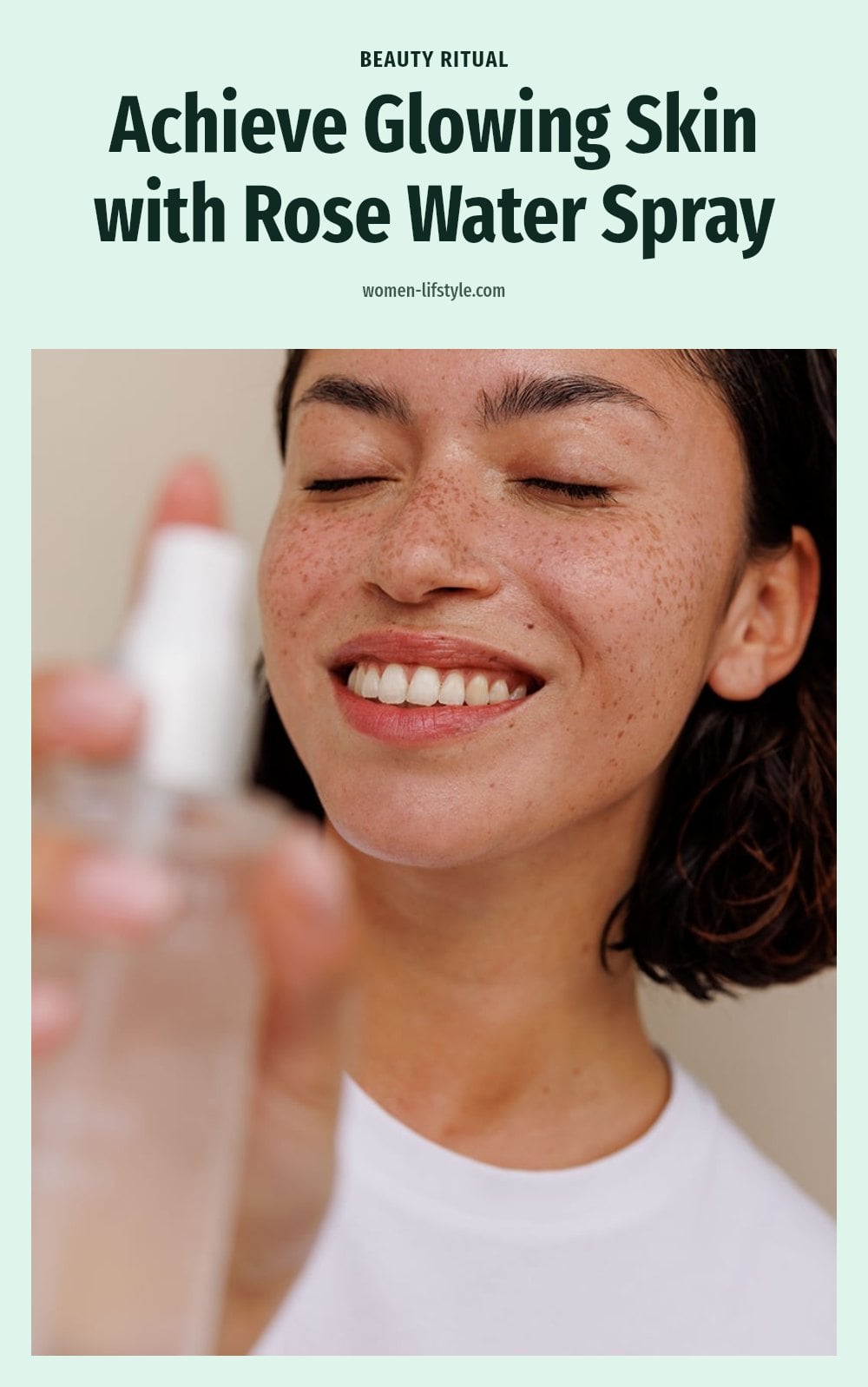
Key Takeaways
- Use pure rose water with only rose extract and water, no alcohol or synthetic fragrances.
- Apply as a facial toner after cleansing for hydration without greasiness.
- Store rose water in the refrigerator for an extra soothing, refreshing effect.
- Consistent daily use over several weeks may improve skin tone and calm irritation.
- Discontinue use if you notice redness, itching, or any allergic reaction.
Unlock Natural Radiance with Rose Water
Rose water is a gentle, versatile beauty ingredient made from distilled rose petals. It hydrates and soothes both skin and hair without leaving a greasy residue. You can use it as a facial toner, a refreshing mist, a makeup remover, or even a hair rinse. Its mild floral scent and non-irritating formula make it generally safe for all skin types, including sensitive skin.
Essential Tools for Your Rose Water Routine
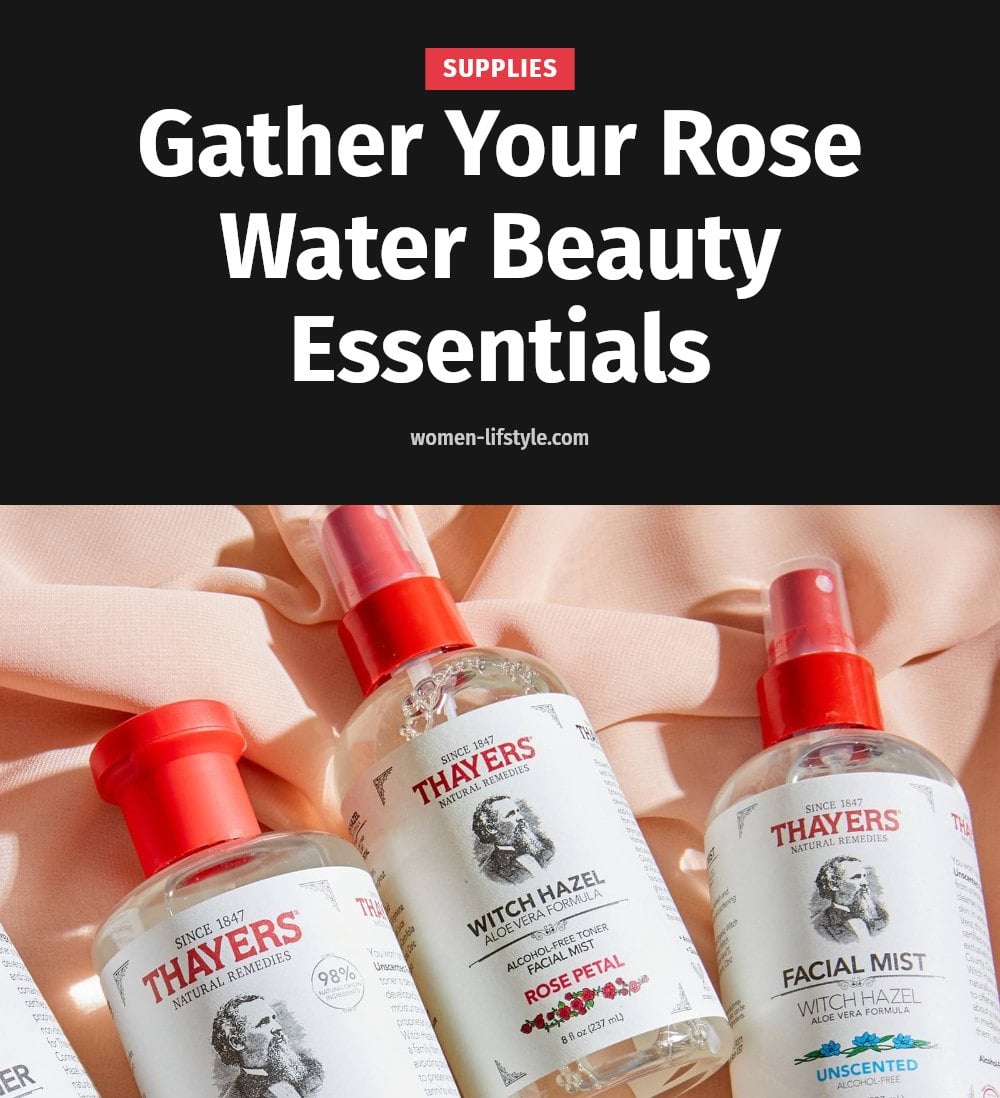
To get started with rose water, gather a few simple items. Each one has a specific role in your routine.
- Pure rose water: Check the ingredient list to confirm it contains only rose extract and water, with no added alcohol or synthetic fragrances.
- Cotton pads: Use these for applying rose water as a toner or for gentle makeup removal.
- Spray bottle: Fill it with rose water for a quick, refreshing face mist throughout the day.
- Mixing bowls: Small bowls are handy for blending rose water into DIY face masks or hair treatments.
Step-by-Step: Incorporating Rose Water into Your Beauty Routine
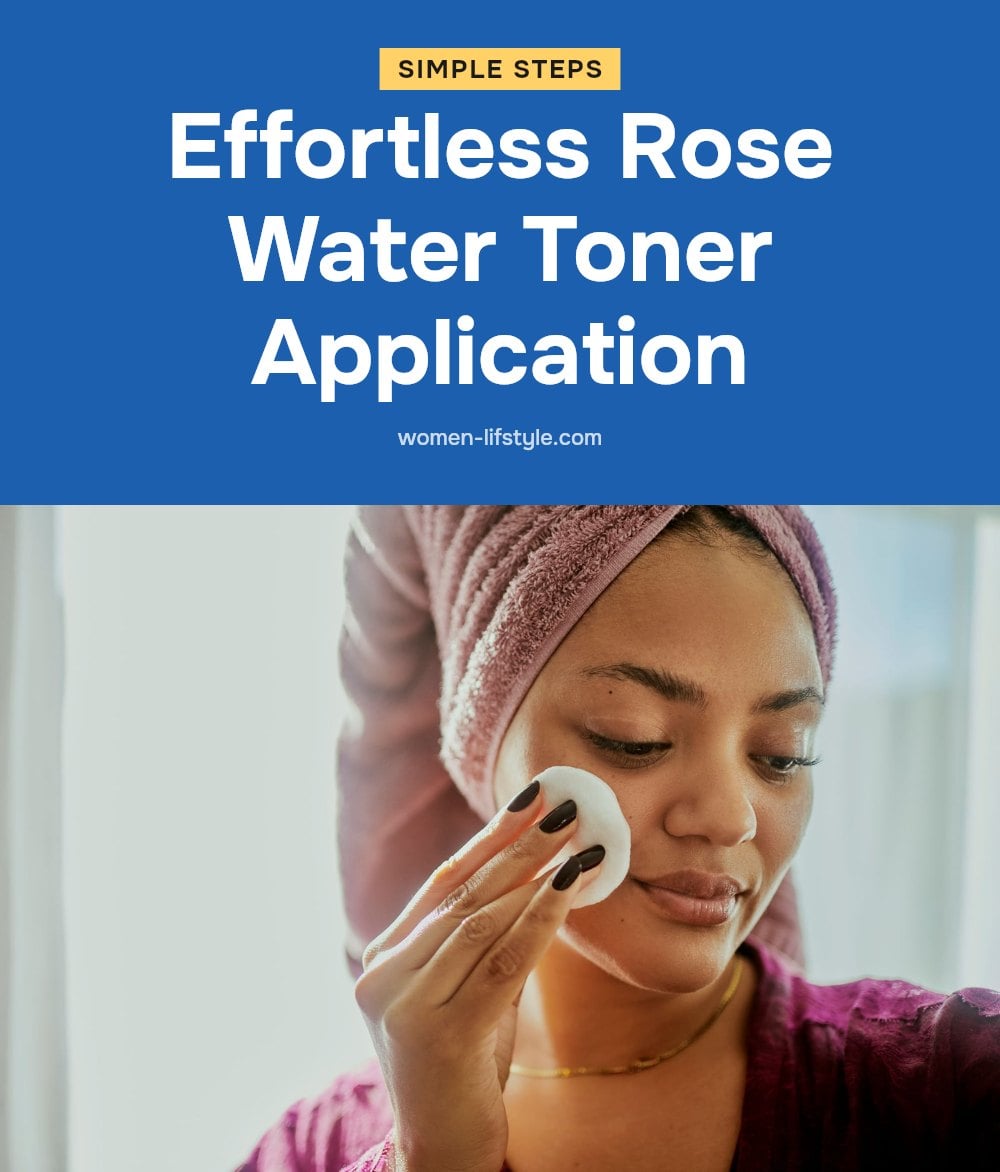
Follow these steps to add rose water to your daily beauty routine. Each use targets a different need.
- Cleanse your face: Wash your face with a gentle cleanser and pat dry. Clean skin allows the rose water to absorb better and avoid trapping impurities.
- Apply as a toner: Soak a cotton pad with rose water and gently wipe it over your face and neck. Alternatively, spray it directly onto your skin and let it air dry.
- Remove makeup: Dampen a cotton pad with rose water and gently wipe away light makeup. For stubborn eye makeup, hold the pad over the area for a few seconds before wiping.
- Rinse your hair: After shampooing, pour rose water over your hair as a final rinse. Do not rinse it out. This can add shine and help reduce frizz.
- Mix into DIY masks: Replace plain water with rose water in your favorite face mask or hair mask recipes. Stir it into ingredients like clay, honey, or yogurt until smooth.
Pro Tips for Maximizing Your Rose Water Benefits
These tips help you get the most out of your rose water routine while keeping your skin safe.
- Chill for a Boost: Store your rose water in the refrigerator. The cool temperature adds an extra soothing effect, especially on hot days or after sun exposure.
- Patch Test First: Apply a small amount of rose water to your inner arm and wait 24 hours. If no redness or irritation appears, it is safe for wider use.
- Choose Purity: Always select pure, distilled rose water without alcohol, artificial fragrances, or chemicals. Impure products can dry out or irritate your skin.
- Layer it Up: After applying rose water, follow with your serum or moisturizer while your skin is still slightly damp. This helps lock in extra hydration.
Common Rose Water Mistakes and How to Avoid Them
Rose water works gradually, so don’t expect overnight transformations. Consistent use over several weeks is what brings noticeable improvements like a calmer complexion and better skin tone.
Using impure products: Some bottles labeled rose water contain alcohol or synthetic fragrance instead of real rose extract. Check the ingredient list and choose products with only rose extract and water to avoid dryness and irritation.
Applying to dirty skin: Rose water can trap impurities if you put it on an unwashed face. Always cleanse first, then apply rose water so it can absorb properly and do its job.
Ignoring irritation: Redness, itching, or a burning feeling means your skin is reacting. Stop using rose water right away. Allergic reactions are rare, but they happen, so listen to your skin and discontinue use if anything feels off.
Timeline and Cost Considerations for Rose Water Use
Rose water fits easily into a daily routine. Use it morning and night as a toner, and spritz it on throughout the day whenever your skin needs a refresh.
Results timeline: You’ll feel the hydrating effect immediately, but deeper changes like improved skin tone or reduced irritation take time. Expect several weeks of consistent application before you see those benefits.
Cost: Pure rose water is an affordable to mid-range beauty buy. The price depends on the brand and bottle size, but it’s a budget-friendly addition to most routines.
Shelf life: Once opened, rose water usually lasts 6 to 12 months. Keep it in a cool, dark spot or the refrigerator to make it last longer and stay refreshing.
When to Consult a Professional About Skin Concerns
See a dermatologist if redness, itching, or irritation persists after you stop using rose water. Persistent symptoms can signal an underlying issue that needs professional care.
If you have eczema, rosacea, or severe acne, check with a doctor before adding rose water to your routine. They can tell you whether it’s safe for your specific condition.
Suspect an allergic reaction to rose water or any other product? Stop using it and get a professional opinion. Rose water is a cosmetic aid, not a treatment for serious skin or hair problems. For anything beyond mild cosmetic use, a dermatologist’s diagnosis and care are essential.
Frequently Asked Questions
Can I use rose water every day?
Yes, you can use rose water daily as a facial toner, refreshing mist, or hair rinse. It’s gentle enough for most skin types and won’t strip your skin. For best results, use it morning and night after cleansing, and spritz throughout the day as needed.
Does rose water expire?
Yes, rose water can expire, especially if it’s pure and free of preservatives. Stored in a cool, dark place or the refrigerator, it typically lasts 6 to 12 months. Check for changes in smell or appearance, and discard if it develops an off odor or mold.
Is rose water good for acne?
Rose water may help soothe irritated skin and provide light hydration, which can be beneficial for acne-prone skin. However, it isn’t a treatment for acne itself. If you have persistent breakouts, it’s best to see a dermatologist for targeted care.
Can rose water lighten skin?
Rose water does not lighten skin. It can help improve overall skin tone and reduce redness over time with consistent use, but it won’t change your natural skin color. For concerns about hyperpigmentation, consult a dermatologist for appropriate treatments.
What’s the best way to store rose water?
Store rose water in a cool, dark place, away from direct sunlight and heat. For an extra refreshing boost, keep it in the refrigerator. This helps prolong its shelf life and adds a soothing coolness when you spritz it on your face or hair.
Final Thoughts
For a simple start, add rose water as your daily toner after cleansing. You’ll feel the hydrating effect right away, but give it a few weeks of consistent use to see deeper changes like a calmer complexion. My tip: Keep a spray bottle in your bag for a quick refresh during the day. Rose water is a gentle, versatile addition to any beauty routine.
