

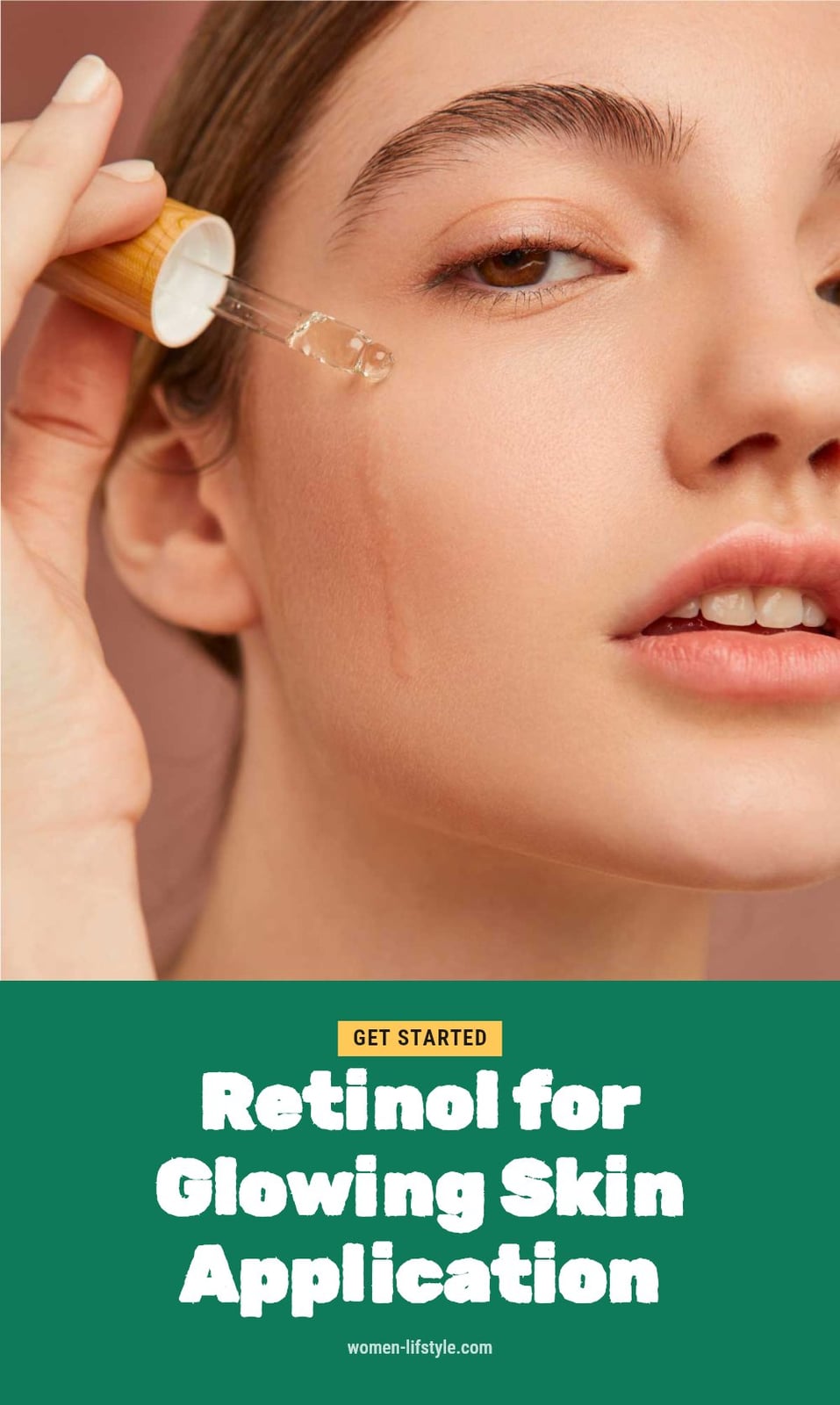
You’ve probably heard about retinol’s reputation for smoothing fine lines and clearing breakouts, but starting it can feel a bit intimidating. The key is to ease into it with the right approach, so you get all the benefits without the dreaded redness and peeling. In this article, I’ll walk you through exactly how to start using retinol for glowing skin, from picking the right concentration to building a safe routine that works for you.
Key Takeaways
- Start with a low retinol concentration of 0.01% to 0.3% and apply it once or twice a week.
- Always apply retinol to clean, dry skin at night and follow with a moisturizer.
- Use a broad-spectrum sunscreen with at least SPF 30 every morning without fail.
- Expect your skin to adjust over 4-6 weeks, with visible results in 8-12 weeks.
- Avoid using retinol alongside other harsh exfoliants like AHAs or BHAs.
What is Retinol and How Does It Work?
Retinol is a powerful derivative of Vitamin A that works by promoting cell turnover and stimulating collagen production. This process helps improve skin texture, reduce the appearance of fine lines and wrinkles, and fade hyperpigmentation. It’s also effective for treating acne by preventing clogged pores. Many people find it a versatile tool for addressing multiple skin concerns at once.
Essential Products for Your Retinol Routine
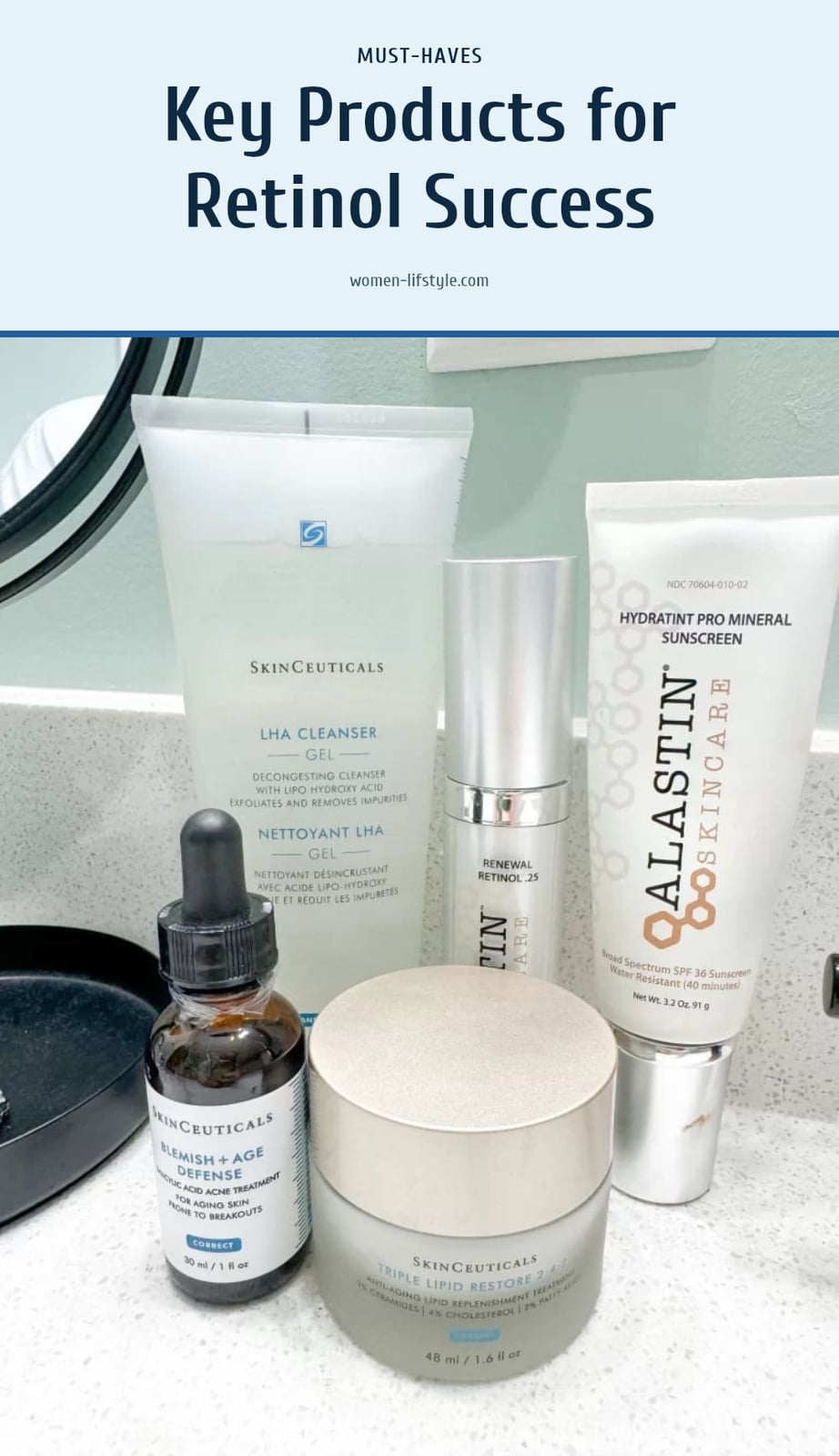
Building a retinol routine starts with the right products. Here is what you need:
- A low-concentration retinol serum or cream (0.01% to 0.3%): Ideal for beginners to minimize irritation while your skin adjusts.
- A gentle, hydrating cleanser: Prepares your skin without stripping its natural moisture barrier.
- A rich, fragrance-free moisturizer: Helps combat the dryness and irritation retinol can cause.
- A broad-spectrum sunscreen with SPF 30 or higher: Non-negotiable for daytime use since retinol increases sun sensitivity.
Step-by-Step Guide to Applying Retinol
- Cleanse your face: Start with a gentle, hydrating cleanser to remove makeup, dirt, and oil. Pat your skin completely dry with a clean towel. Applying retinol to damp skin can increase absorption and irritation, so wait 5 to 10 minutes after washing to make sure your face is fully dry.
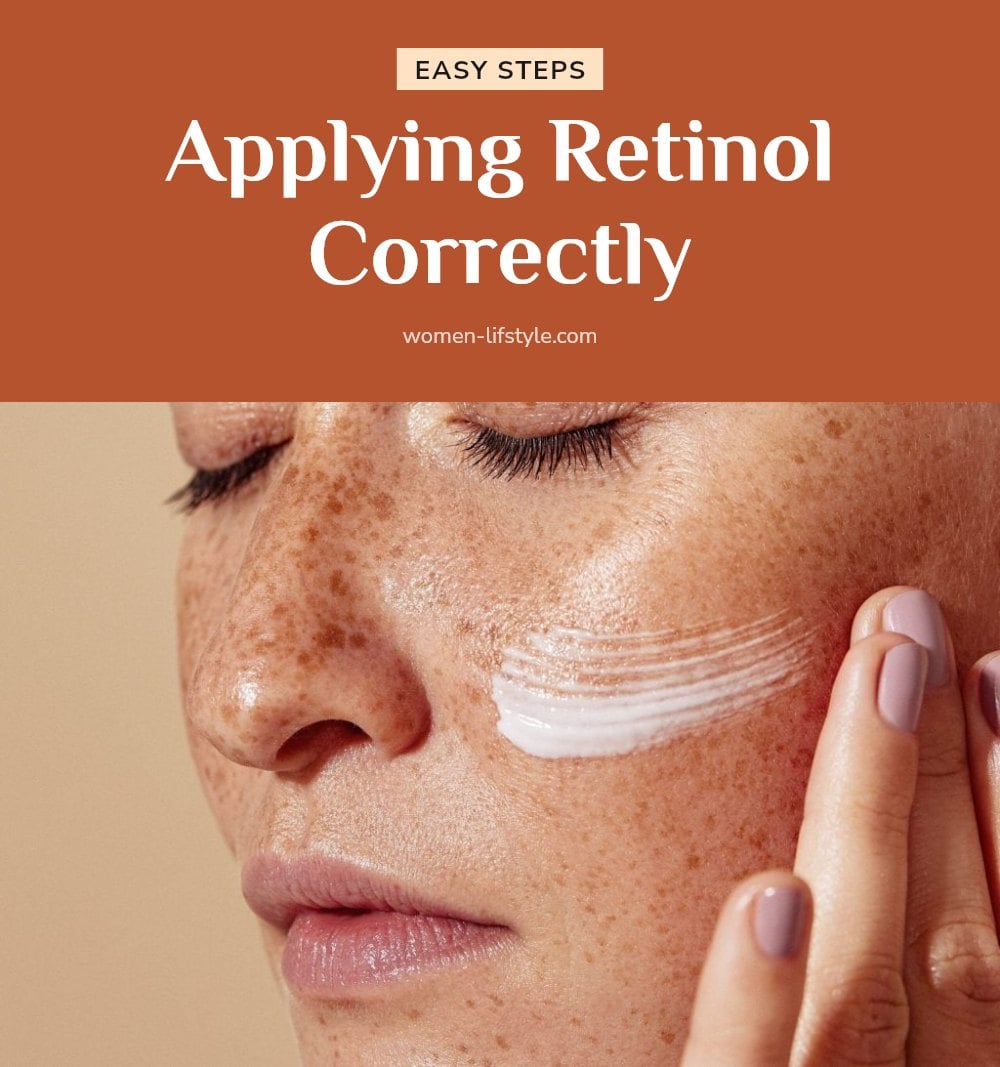
- Apply a pea-sized amount: Squeeze a pea-sized drop of retinol onto your fingertip. Dot it across your forehead, cheeks, chin, and nose, then spread it evenly over your entire face. Keep it away from your eyes, nostrils, and mouth. Using more than a pea-sized amount does not improve results and raises the risk of irritation.
- Follow with moisturizer: Wait 1 to 2 minutes for the retinol to absorb, then apply a generous layer of a rich, fragrance-free moisturizer. This locks in hydration and helps buffer any dryness or peeling. Tip: If you have sensitive skin, try the sandwich method, apply moisturizer first, then retinol, then another layer of moisturizer. This reduces the retinol’s intensity while still letting it work.
- Start slowly: Use retinol only once or twice a week for the first 2 to 4 weeks. If your skin tolerates it well with no redness or peeling, increase to every other night, then gradually to nightly if desired. Consistency matters more than frequency. Always apply retinol at night, as it degrades in sunlight and increases sun sensitivity.
What to Expect: Retinol Timeline and Results
Your skin typically takes 4-6 weeks to adjust to retinol. During this period, you may notice some dryness or peeling. Visible results for fine lines and texture often appear after 8-12 weeks of consistent use. Acne improvement can be seen sooner, sometimes within a few weeks. Retinol products vary widely in cost, but effective options exist at different price points, so you can find one that fits your budget.
Common Retinol Mistakes to Avoid
Starting with too high a concentration: Jumping straight to 0.5% or 1% retinol can cause severe redness and peeling. Always begin with 0.01% to 0.3% and let your skin build tolerance.
Applying retinol too frequently: Using it every night from the start overwhelms your skin barrier. Introduce it slowly, once or twice a week for the first two weeks, then increase to every other night as tolerated.
Skipping sunscreen: Retinol makes your skin more sensitive to UV rays. Without daily SPF 30+, you risk sunburn and hyperpigmentation that undo your progress.
Combining retinol with other strong actives: Using AHAs, BHAs, or benzoyl peroxide at the same time can lead to over-exfoliation and irritation. If you want to use both, apply them on alternate nights or consult a dermatologist.
Stopping use too soon: Initial dryness or purging can tempt you to quit. Your skin needs 4-6 weeks to adjust, and visible results take 8-12 weeks. Consistency matters more than immediate comfort.
Using too much product: A pea-sized amount is enough for your entire face. Applying more doesn’t boost results. It only increases irritation risk.
Pro Tips for a Smooth Retinol Journey
Listen to your skin: If you notice severe peeling, redness, or stinging, reduce your retinol frequency or take a break for a few days. Your skin barrier needs time to recover.
Stay hydrated: Drink plenty of water and use a moisturizer with humectants like glycerin or hyaluronic acid. Well-hydrated skin handles retinol better.
Store properly: Retinol degrades when exposed to light and heat. Keep your product in a cool, dark cabinet, not in the bathroom where humidity fluctuates.
Be patient: Visible improvements for fine lines and texture typically appear after 8-12 weeks of consistent use. Don’t rush to increase concentration or frequency.
Consider the ‘sandwich method’: For sensitive skin, apply moisturizer first, then a pea-sized amount of retinol, then another layer of moisturizer. This buffers the active without reducing its long-term effectiveness.
When to Consult a Dermatologist
If you experience severe redness, burning, itching, or swelling that doesn’t subside after reducing use, stop retinol and see a dermatologist. Also seek medical advice if your skin becomes broken or develops an allergic reaction.
If you are pregnant, planning to become pregnant, or breastfeeding, avoid retinol entirely. Consult your doctor for safe alternatives.
For persistent acne or skin concerns that don’t improve with over-the-counter retinol after 12 weeks, a dermatologist can prescribe stronger retinoids like tretinoin or adapalene.
Frequently Asked Questions
Can I use retinol every night?
Not at first. Start by using retinol once or twice a week and slowly increase frequency as your skin builds tolerance. Many people eventually use it every night, but that can take several weeks of adjustment. If you experience irritation, cut back to every other night or take a short break.
What is the ‘retinol purge’ and how long does it last?
The retinol purge is a temporary breakout that some people experience when they first start using retinol. It happens as your skin speeds up cell turnover, pushing clogged pores to the surface. This phase typically lasts 2 to 4 weeks and then subsides. Keep using retinol gently and moisturize well during this time.
Can I use retinol if I have sensitive skin?
Yes, but with extra caution. Choose the lowest concentration available (0.01% to 0.03%) and use the sandwich method: apply moisturizer, then retinol, then another layer of moisturizer. Start with once a week and only increase if your skin feels comfortable. If severe irritation occurs, consult a dermatologist.
How long does it take to see results from retinol?
Visible results for fine lines and skin texture typically appear after 8 to 12 weeks of consistent use. Acne improvement can be seen sooner, sometimes within a few weeks. Be patient and stick with your routine, as retinol works gradually by promoting cell turnover and collagen production over time.
What concentration of retinol should I start with?
Beginners should start with a low concentration, between 0.01% and 0.3%. This range allows your skin to adjust without overwhelming it. Once your skin tolerates that well after several weeks, you can consider moving up to a slightly higher concentration, but always listen to your skin.
Can I use retinol with Vitamin C?
It is generally best not to use retinol and Vitamin C at the same time, as both can be strong actives. Instead, apply Vitamin C in your morning routine and save retinol for the evening. This separation helps prevent irritation and allows each product to work effectively. If you have concerns, ask a dermatologist.
Final Thoughts
My tip: start with a low concentration and apply it just once a week for the first two weeks, then gradually increase as your skin tolerates it. Realistically, you will see noticeable improvements in texture and fine lines after about 8 to 12 weeks of consistent use. Stick with it, protect your skin with sunscreen daily, and you will be on your way to a smoother, more radiant complexion.
This article provides general information about retinol use and is not a substitute for professional medical advice. Results vary by individual, and retinol can cause irritation or side effects. If you have a persistent skin concern, are pregnant or breastfeeding, or experience severe reactions, please consult a dermatologist or healthcare provider.
