

You already know you need to rest, but do you ever feel like lying on the couch or scrolling through your phone leaves you just as tired as before? That’s because true rest is more than just sleep. It’s about intentionally recharging your mind, body, and spirit in ways that actually work for you. In this article, I’ll walk you through the seven types of rest, how to figure out which one you need most, and simple ways to weave real restoration into your everyday life.

Key Takeaways
- True rest includes seven types: physical, mental, emotional, social, sensory, creative, and spiritual.
- Identify your biggest rest need by asking what feels most depleted right now.
- Schedule dedicated rest periods of 10 to 30 minutes daily, just like any other appointment.
- Don’t confuse passive entertainment like scrolling with restorative rest.
- If chronic fatigue or overwhelm persists, consult a healthcare professional.
What True Rest Really Means for Your Well-being
True rest isn’t just about sleep. It is the intentional act of disengaging from stressors to allow your mind, body, and spirit to recover. Passive activities like lying on the couch don’t always count. Rest involves active restoration, whether through quieting your thoughts, releasing physical tension, or connecting with what matters. When you understand that rest comes in different forms, you can identify what you actually need to feel recharged instead of wondering why you still feel drained after a full night in bed.
The Seven Essential Types of Rest You Need
The Seven Essential Types of Rest You Need
Most people think rest is one thing, but it actually falls into seven distinct categories. Each type addresses a different kind of depletion, so knowing them helps you target what you really need.
- Physical rest: Passive sleep and active recovery like stretching or massage.
- Mental rest: Quieting a busy mind through meditation or short breaks from thinking.
- Emotional rest: Having space to express feelings without judgment and reducing people-pleasing.
- Social rest: Limiting draining interactions and prioritizing uplifting connections.
- Sensory rest: Reducing overstimulation from screens, noise, and bright lights.
- Creative rest: Appreciating beauty or engaging in activities without pressure to produce.
- Spiritual rest: Connecting with something larger through prayer, meditation, or nature.
Tools to Support Your Rest and Recharge Journey
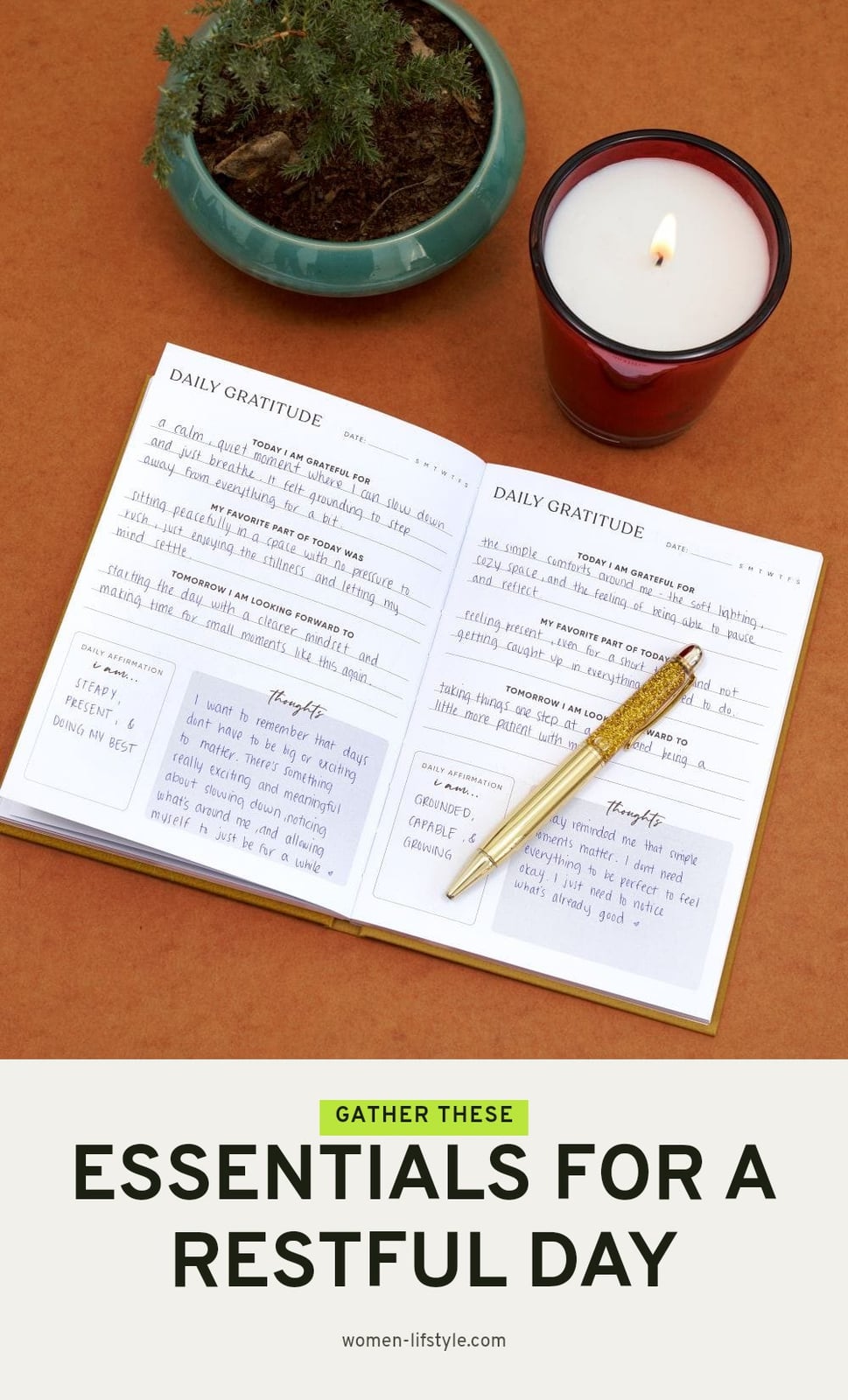
You do not need a lot of gear to rest well, but a few tools can make the experience deeper. A journal or notebook helps you process mental and emotional clutter. A meditation app or guided recordings quiet a racing mind. Comfortable clothing signals your body that it is time to relax. For sensory rest, an eye mask and earplugs block out light and noise. An essential oil diffuser with a calming scent can set the mood, and a cup of herbal tea encourages you to slow down. These items are aids, not requirements. Even one can shift your rest from distracted to intentional.
How to Integrate Different Types of Rest into Your Day

- Identify your biggest rest need: Ask yourself what feels most depleted right now. Is your mind racing, your body tense, or your mood flat? Target that type first instead of guessing.
- Schedule rest like an appointment: Block 10 to 30 minutes in your calendar daily. Treat it as non-negotiable, just like a meeting or a doctor visit.
- Practice mindfulness for mental rest: Set a timer for five minutes and focus on your breath. Use a guided meditation if your mind wanders. This quiets the constant mental chatter.
- Prioritize quality sleep with a routine: Go to bed and wake up at the same time every day. Avoid screens 30 minutes before sleep. Keep your room cool and dark.
- Engage in joy-inducing hobbies for creative rest: Do something that has no outcome or deadline. Color, garden, play an instrument, or bake without worrying about the result.
- Spend time in nature for sensory and spiritual rest: Walk outside without headphones. Notice the colors, sounds, and smells. This reduces stress hormones and calms an overstimulated system.
- Learn to say no for emotional and social rest: Decline invitations or requests that drain you. Protect your energy by choosing only interactions that feel genuinely uplifting.
My tip: Start with just one type of rest per day. Trying all seven at once feels overwhelming. Pick the one you neglect most and practice it consistently for a week.
Common Rest Mistakes and How to Avoid Them
Confusing passive entertainment with true rest: Scrolling social media or binge-watching shows feels relaxing but often stimulates your brain instead of quieting it. Choose restorative activities like a short walk, gentle stretching, or sitting quietly with a cup of tea.
Believing constant busyness equals success: A packed calendar is not a badge of honor. Prioritizing well-being over perceived productivity actually improves your performance in the long run. Schedule rest with the same commitment you give a work meeting.
Ignoring specific rest needs: Sleeping eight hours won’t fix emotional exhaustion, and a social break won’t help mental fatigue. Ask yourself what type of depletion you feel and target that area directly.
Feeling guilty about resting: Rest is not lazy or selfish. Reframe it as essential maintenance for your health and performance, just like eating or exercising.
Waiting for burnout: Do not push until you crash. Integrate short rest periods regularly throughout your week to prevent depletion from building up.
Expert Tips for Maximizing Your Rest and Recovery

Take short, frequent breaks: Set a timer for every hour and step away from your desk for 5-10 minutes. Even a quick walk to the kitchen or a few deep breaths can reset your mental focus.
Prioritize genuine connections: Limit time with people who drain your energy. Instead, schedule regular low-pressure time with friends or family who leave you feeling uplifted.
Create a serene environment: Reduce sensory overload at home by dimming lights, using blackout curtains, and keeping noise levels low. An eye mask and earplugs can help during rest periods.
Practice mindful appreciation: Engage in creative activities without any goal or deadline. Color, doodle, or listen to music simply for the pleasure of it, not to produce something.
Connect with something larger: Spend time in nature, meditate, or reflect on what gives your life meaning. This spiritual rest can be as simple as watching a sunset or walking in a park.
When to Seek Professional Help for Persistent Fatigue
If chronic fatigue, insomnia, or persistent feelings of overwhelm interfere with your daily life, consult a healthcare professional. They can help rule out underlying medical conditions that may be affecting your energy levels.
Be mindful if you rely heavily on caffeine or alcohol to get through the day. These substances can disrupt your natural rest cycles and make exhaustion worse over time.
If you experience symptoms of depression or anxiety, seek support from a mental health professional. Rest practices help, but they are not a substitute for medical care when deeper issues are present.
The Timeline and Investment in Your Rest Practice
Timeline: Rest is an ongoing daily practice, not a one-time fix. Benefits like improved focus, better mood, and lower stress accumulate gradually as you build consistent habits.
Cost: The investment is minimal and mostly involves your time. Many effective rest practices are free, including nature walks, meditation, and deep breathing.
For added comfort, consider small purchases like a journal for processing thoughts, an eye mask for deeper sleep, or herbal teas to signal relaxation. Even one or two tools can make your rest routine feel more intentional.
Frequently Asked Questions
What are the 7 types of rest?
The seven types of rest are physical, mental, emotional, social, sensory, creative, and spiritual. Each one addresses a different kind of depletion, so knowing them helps you target what you truly need to feel recharged.
How can I tell which type of rest I need?
Ask yourself what feels most depleted at the moment. Is your mind racing? That points to mental rest. Is your body tense? That’s physical rest. Feeling drained after socializing? You likely need social rest. Target the type that matches your biggest symptom first.
Is scrolling on my phone considered rest?
Not usually. Scrolling social media or watching videos often stimulates your brain instead of quieting it, so it can leave you feeling just as tired. For true rest, choose activities that actively calm your senses, like a short walk, gentle stretching, or sitting quietly with a cup of tea.
How often should I be taking rest breaks?
Aim for a short break of 5 to 10 minutes every hour, especially if you’re doing mentally demanding work. Even stepping away from your desk or taking a few deep breaths can reset your focus and reduce fatigue. Schedule longer rest periods of 10 to 30 minutes daily for deeper recovery.
Can rest help with burnout?
Yes, regular, intentional rest can help prevent and reduce burnout by replenishing your energy across different areas of your life. However, if you’re already experiencing chronic fatigue, insomnia, or persistent overwhelm, it’s important to consult a healthcare professional to rule out underlying conditions.
Final Thoughts
My tip: Start by picking just one type of rest you feel you’re missing most and commit to a 10-minute practice each day for a week. Realistic expectation? You won’t feel completely transformed overnight, but within a few weeks you’ll likely notice better focus, a steadier mood, and less tension. Rest is a daily habit, not a luxury, give yourself permission to make it a priority.
This article is for general informational purposes only and does not constitute medical or professional advice. If you are experiencing chronic fatigue, insomnia, or persistent feelings of overwhelm that interfere with your daily life, please consult a healthcare professional for personalized guidance.
