

Have you ever felt that heavy, bitter knot in your chest when you think about a certain person or situation? That’s resentment, a chronic emotion that builds over time when you feel wronged or unheard. In this article, I’ll walk you through what resentment really is, why it takes root in relationships, and practical steps you can take to heal and move forward.
Key Takeaways
- Resentment is a chronic emotion that lingers and builds, not a fleeting feeling.
- Healing starts with acknowledging your feelings and identifying the specific triggers.
- Open communication and setting clear boundaries are crucial for prevention and resolution.
- Forgiveness is a process for your own healing, not condoning harmful behavior.
- Seek professional help if resentment is accompanied by severe depression or abuse.
What is Resentment and Why Does It Happen?
Resentment is that gnawing, bitter feeling that lingers long after the initial hurt. It’s a chronic emotion, meaning it doesn’t just fade with time; it builds. Often, it starts when you feel wronged or unfairly treated, whether it’s a missed birthday, a broken promise, or a pattern of being overlooked. Unexpressed anger and unmet expectations are common culprits, quietly fueling the fire until it becomes a constant companion in your thoughts.
The Roots of Resentment in Relationships
Why Resentment Takes Root
Resentment doesn’t appear overnight. It grows from unresolved conflicts and unmet needs that pile up over time. When you feel consistently undervalued or dismissed, the bitterness can seep into every interaction. Suppressing your feelings, thinking you’re keeping the peace, often backfires. That unexpressed anger doesn’t disappear; it festers.
The toll isn’t just emotional. Many people find resentment shows up physically, through muscle tension, headaches, or digestive issues. Mentally, it can fuel anxiety and depression, making it harder to enjoy the relationship or even your own life. It may lead to passive-aggressive comments, withdrawal, or sudden explosive outbursts that surprise even you.
Recognizing these roots is the first step. The resentment is often a signal that something important is missing, a need that isn’t being met or a value that’s being crossed. Naming that underlying issue is key to moving forward.
Tools for Your Healing Journey
Tools to Support Your Healing
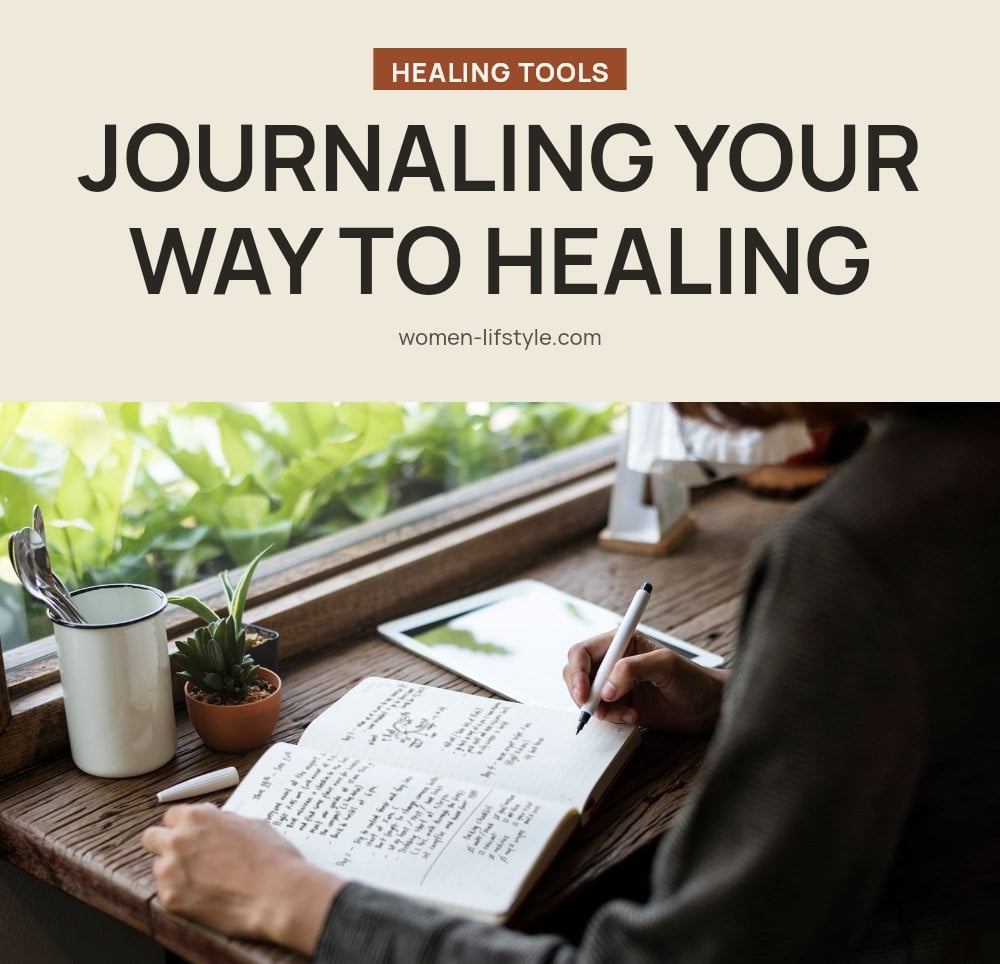
Healing resentment takes more than willpower. A few practical tools can make the process more manageable. Start with a journal to process your thoughts and feelings. Writing helps you untangle the knot of emotions and see patterns you might miss in the heat of the moment.
Communication resources, like books or workshops on active listening and expressing needs, can sharpen your skills for the tough conversations ahead. And don’t underestimate the value of professional support. A therapist or counselor offers a safe, neutral space to explore deep-seated resentment, especially if it’s affecting your mental health or daily life. They can guide you through the process without judgment.
Step-by-Step: Healing Resentment and Rebuilding Trust
Healing resentment is a process, not a single conversation. These steps can help you work through it and rebuild trust.
- Acknowledge your feelings: Give yourself permission to feel the bitterness without judgment. Validate that your emotions are real and valid. This isn’t about blaming anyone yet, just recognizing what’s there.
- Identify triggers: Look for specific events or patterns that spark your resentment. Is it when they cancel plans last minute, or when you’re left to handle chores alone? Knowing your triggers helps you articulate the real issue.
- Communicate clearly: Choose a calm moment to express your feelings and needs. Use “I” statements, like “I feel hurt when plans change without notice.” Avoid accusations and focus on what you need going forward.
- Set boundaries: Decide what behavior you will and won’t accept. Boundaries protect your well-being and prevent future resentment. Communicate them clearly and stick to them, even if it feels uncomfortable at first.
- Practice self-care: Resentment takes an emotional toll. Prioritize activities that recharge you, whether it’s exercise, time with friends, or a hobby. You can’t pour from an empty cup.
- Work toward forgiveness: Forgiveness is for you, not to excuse the other person’s behavior. It’s about releasing the hold the resentment has on you. This doesn’t mean condoning what happened, but it does free you to move forward.
Common Mistakes When Dealing with Resentment
Mistake: Ignoring resentment won’t make it disappear. It simmers and grows, often surfacing as passive-aggressive comments or withdrawal. Expecting the other person to read your mind is equally unhelpful; they can’t address needs you don’t voice.
Pitfall: Confusing forgiveness with condoning harmful behavior keeps you stuck. Forgiveness is for your own peace, not a free pass for hurtful actions. Using resentment as a manipulation tool, giving the silent treatment or holding a grudge, erodes trust further.
Blind spot: Failing to recognize your own role in the dynamic hinders resolution. Self-reflection helps you see where you contributed to unmet expectations. Bottling up feelings until you explode only creates more damage, not solutions.
Preventing Resentment from Taking Root
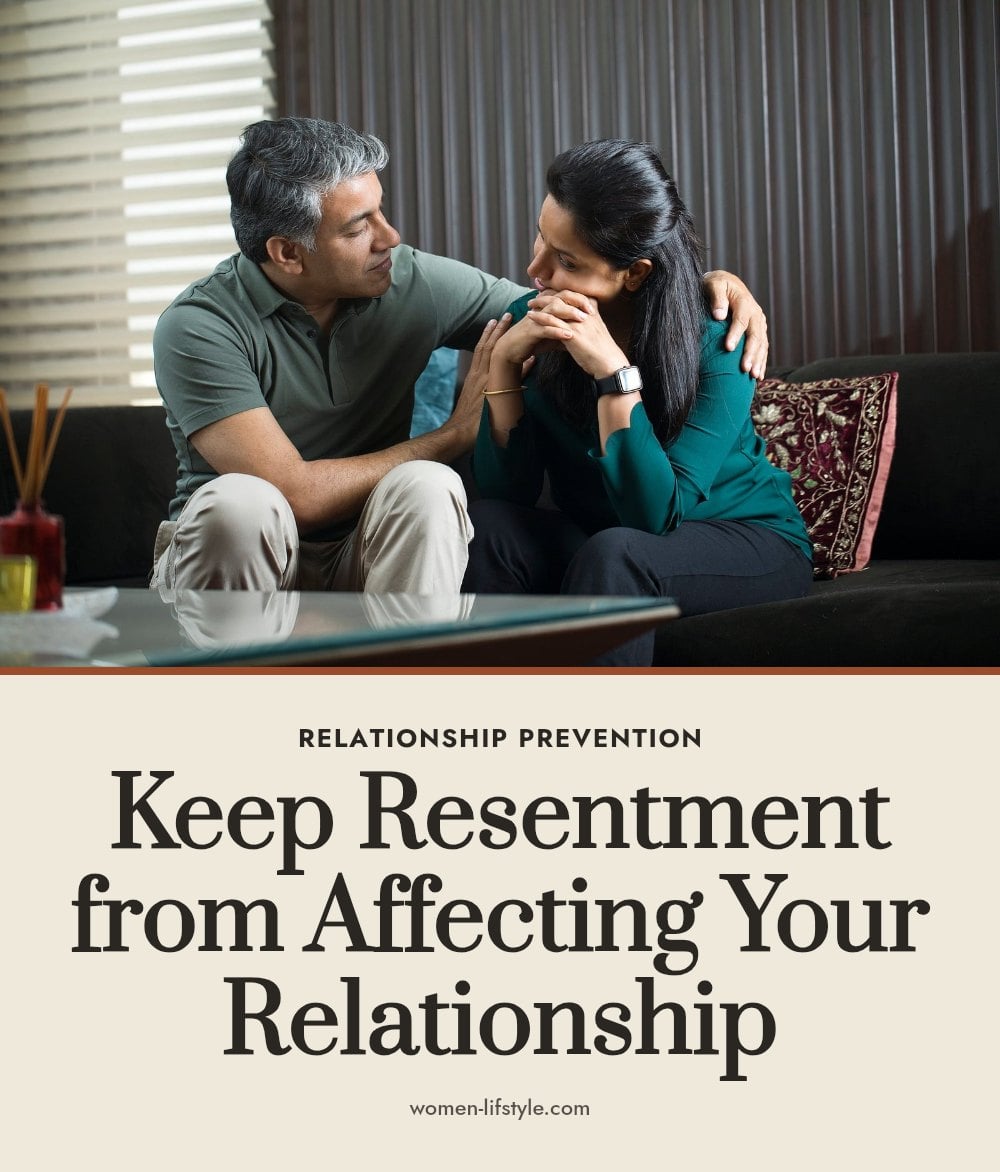
Preventing resentment starts with proactive communication. Regularly check in with yourself and your partner about unmet needs or shifting expectations. My tip: schedule a brief weekly check-in, just 10 minutes, to air small frustrations before they harden.
Clear boundaries protect your well-being and prevent situations that breed resentment. Address small issues as they arise rather than waiting for a breaking point. Think of resentment as a signal that something important is off balance, not as an accusation.
When to Seek Professional Help for Resentment
If resentment is accompanied by severe depression, hopelessness, or thoughts of self-harm, seek professional help immediately. The same goes if abuse, physical, emotional, or verbal, is present in the relationship; your safety comes first.
Therapy offers a safe space to unpack deep-seated resentment, especially when it affects your daily life or long-term mental health. A counselor can guide you through communication strategies and healing steps you may not see on your own.
Healing Timeline and Considerations
Healing from resentment has no fixed timeline. It can take weeks, months, or longer, depending on the depth of hurt and the commitment to change. Consistent effort, honest conversations, and patience with yourself are essential for progress.
Professional help costs vary by provider and insurance. Many therapists offer sliding scale fees, and some workplaces provide free counseling sessions through employee assistance programs. The investment is often worth the emotional relief.
Frequently Asked Questions
Can resentment ever be a good thing?
Yes, in a way. Resentment can act as a signal that something important is off in a relationship, like unmet needs or crossed boundaries. Instead of ignoring it, you can use that feeling as a prompt to reflect and communicate. It’s not good to hold onto, but it can be a useful wake-up call.
How long does it take to heal from deep resentment?
There’s no set timeline; it varies based on the depth of hurt and both people’s commitment to change. It can take weeks, months, or even longer. Consistent effort, honest conversations, and patience with yourself are key. Professional help can speed things up if resentment is deeply rooted.
What if the other person refuses to communicate?
If they won’t engage, focus on what you can control: your own boundaries and self-care. Communicate your needs clearly once, then step back. You may need to accept that healing might happen on your own, or consider whether the relationship is healthy for you. A therapist can guide you through this.
Is it possible to forgive without forgetting?
Absolutely. Forgiveness is about releasing the bitterness for your own peace, not erasing the memory. You can forgive someone and still choose to keep healthy distance or remember the lesson. Forgetting isn’t required; what matters is that you no longer let the hurt control your emotions.
Can self-reflection alone resolve resentment?
Self-reflection is a vital first step, but it’s usually not enough on its own. Resentment often involves a dynamic with another person, so communication and boundary-setting are needed too. If the other person is unwilling, self-reflection can help you decide how to move forward, but professional support may be necessary.
What’s the difference between resentment and anger?
Anger is a fleeting emotion that flares up and fades, often in response to a specific trigger. Resentment is chronic; it lingers and builds over time, fueled by unresolved anger and perceived unfairness. While anger can be a healthy signal, resentment tends to erode relationships and well-being if left unaddressed.
Final Thoughts
Healing resentment is a gradual process, not a quick fix. It can take weeks, months, or longer, but with consistent effort and honest conversations, you can rebuild trust and connection. My tip: start with a weekly check-in to air small frustrations before they harden into bitterness. Remember, you deserve peace in your relationships, and taking the first step is a sign of strength, not weakness.
This article is for informational purposes only and is not a substitute for professional mental health advice. If you are experiencing severe depression, hopelessness, or thoughts of self-harm, or if your relationship involves abuse, please seek help from a qualified therapist, counselor, or emergency service immediately.
