

If you’re dealing with that sharp, shooting pain that travels from your lower back down your leg, you know how disruptive sciatica can be. The good news is that most cases improve with simple, at-home care. This article covers practical steps you can take today to soothe the pain, what to avoid, and when it’s time to see a professional.
Key Takeaways
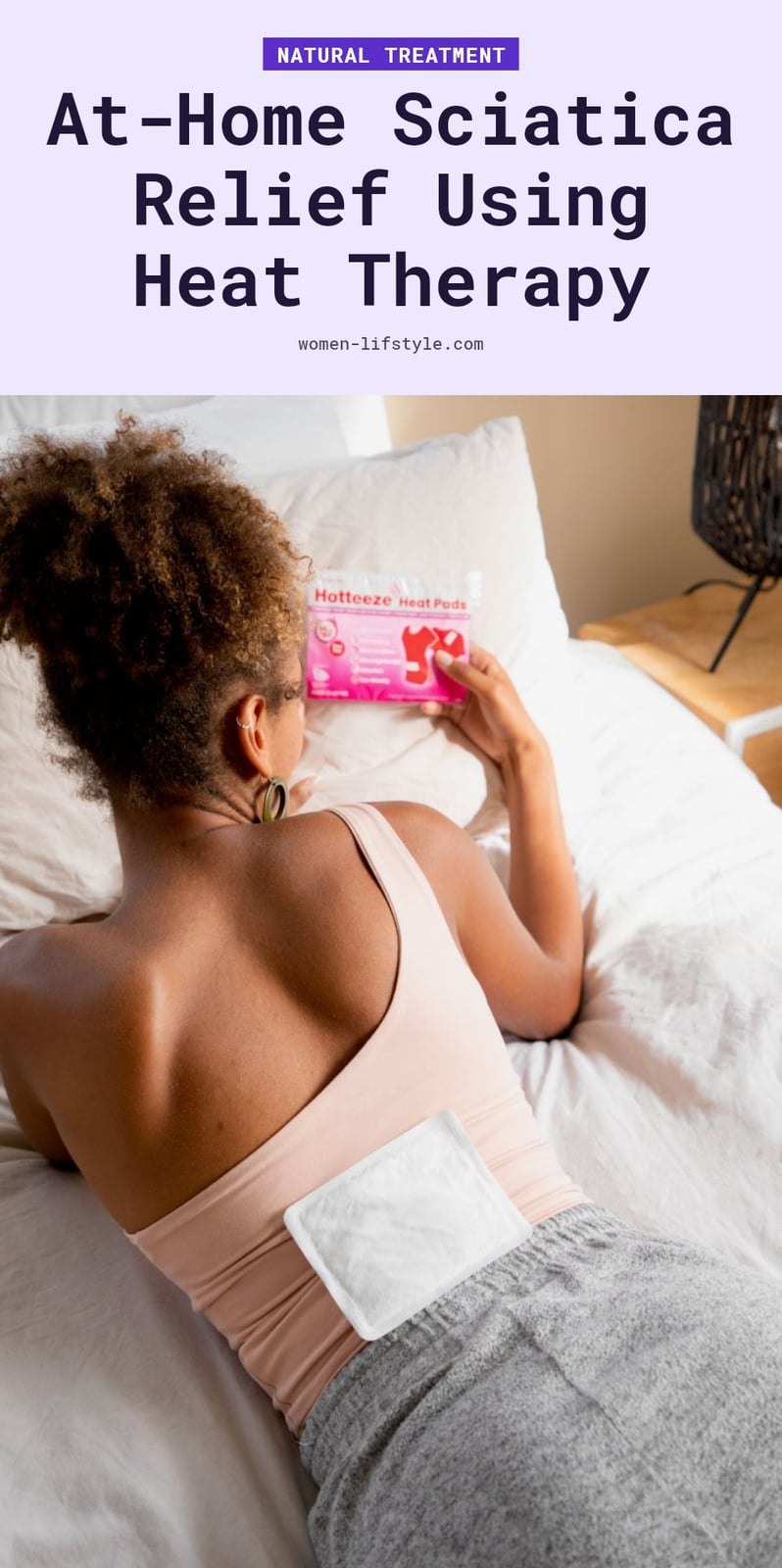
- Alternate heat and cold packs for 15-20 minutes several times a day to reduce inflammation.
- Stay active with gentle walks or swimming; avoid prolonged bed rest.
- Maintain good posture and use a supportive pillow when sleeping.
- Consult a doctor if you have severe pain, weakness, or bowel/bladder changes.
Immediate Steps to Soothe Sciatica Pain
Sciatica pain can be intense, but it usually improves with consistent, conservative care. Start by alternating heat and cold packs on the affected area for 15-20 minutes several times a day to reduce inflammation and relax muscles. Pair this with gentle movement, like short walks, and take an over-the-counter NSAID such as ibuprofen or naproxen to help manage pain. The goal is to ease pressure on the sciatic nerve while staying active.
Understanding What Causes Sciatica
What Actually Causes Sciatica
Sciatica is a symptom, not a diagnosis. It means something is compressing or irritating your sciatic nerve, which runs from your lower back down each leg. The most common culprit is a herniated lumbar disc that presses on a nerve root. Other causes include:
- Spinal stenosis: narrowing of the spinal canal that pinches the nerve.
- Piriformis syndrome: a tight piriformis muscle in the buttock irritates the sciatic nerve.
- Spondylolisthesis: a vertebra slips out of place and compresses the nerve.
Less often, tumors or other growths can be involved. Because the underlying issue varies, guessing the cause at home isn’t reliable. If pain persists, a doctor can identify the exact trigger.
Essential Tools for At-Home Sciatica Relief

Having a few basic items on hand makes at-home relief much easier. Here is what you need:
- Hot packs or a heating pad: Increases blood flow and relaxes tight muscles around the nerve.
- Cold packs or ice packs: Reduces inflammation and numbs sharp pain.
- Over-the-counter NSAIDs: Ibuprofen or naproxen help with pain and swelling.
- Supportive pillow: Keeps your spine aligned while you sleep, especially if you place it between your knees when side-sleeping.
- Ergonomic chair or lumbar support cushion: Encourages good posture during long sitting periods, reducing nerve pressure.
Effective Home Remedies to Manage Sciatica Symptoms

These home remedies can help manage sciatica symptoms when done consistently and gently. Always listen to your body and stop any activity that increases pain.
Alternate Heat and Cold Therapy
Alternate heat and cold packs on the affected area for 15-20 minutes several times a day. Start with a hot pack or heating pad to relax muscles and boost circulation, then switch to a cold pack to reduce inflammation. Caution: Never apply heat or cold directly to skin; wrap packs in a thin towel to avoid burns or frostbite.
Gentle Stretching Exercises
Stretch your lower back, hips, and hamstrings daily. A simple hamstring stretch while seated or a gentle knee-to-chest stretch on the floor can ease tension. Tip: Hold each stretch for 20-30 seconds and never bounce. If a stretch causes sharp pain, stop immediately.
Stay Active with Low-Impact Exercise
Walking and swimming are excellent choices because they keep you moving without jarring the spine. Aim for 20-30 minutes most days. Good to know: Staying active helps maintain flexibility and strengthens the core muscles that support your back.
Maintain Good Posture While Sitting
Sit with your back straight, shoulders relaxed, and feet flat on the floor. Use a lumbar support cushion or ergonomic chair to maintain the natural curve of your lower spine. Avoid slouching or leaning forward, which increases pressure on the sciatic nerve.
Adjust Your Sleeping Position
Sleep on your side with a pillow between your knees to keep your hips and spine aligned. If you sleep on your back, place a pillow under your knees to reduce strain on your lower back. Pro move: A firm mattress or supportive mattress topper can also help maintain proper spinal alignment overnight.
Common Mistakes to Avoid When Dealing with Sciatica
Mistake: Assuming complete bed rest is the best approach. Prolonged rest can actually worsen sciatica by stiffening muscles and weakening support for your spine. Gentle movement is usually more effective.
Mistake: Jumping into aggressive stretches or exercises without proper guidance. This can aggravate the nerve and increase pain. Stick to gentle, controlled movements recommended by a professional.
Mistake: Ignoring your posture and ergonomics during daily activities. Slouching or sitting without lumbar support keeps pressure on the sciatic nerve. Adjust your chair and desk setup.
Mistake: Self-diagnosing the cause of your sciatica. Many conditions can cause similar symptoms, and only a doctor can identify the underlying issue. Always consult a healthcare provider.
Mistake: Failing to seek medical attention when symptoms are severe or persistent. If pain worsens or doesn’t improve after a few weeks, professional evaluation is necessary.
Preventing Sciatica Flare-Ups and Recurrence
To prevent sciatica from coming back, focus on habits that support your spine daily.
- Strengthen your core: A strong core stabilizes your lower back and reduces pressure on the sciatic nerve.
- Maintain good posture: Sit and stand with your shoulders back and your spine aligned. Use a lumbar support cushion if needed.
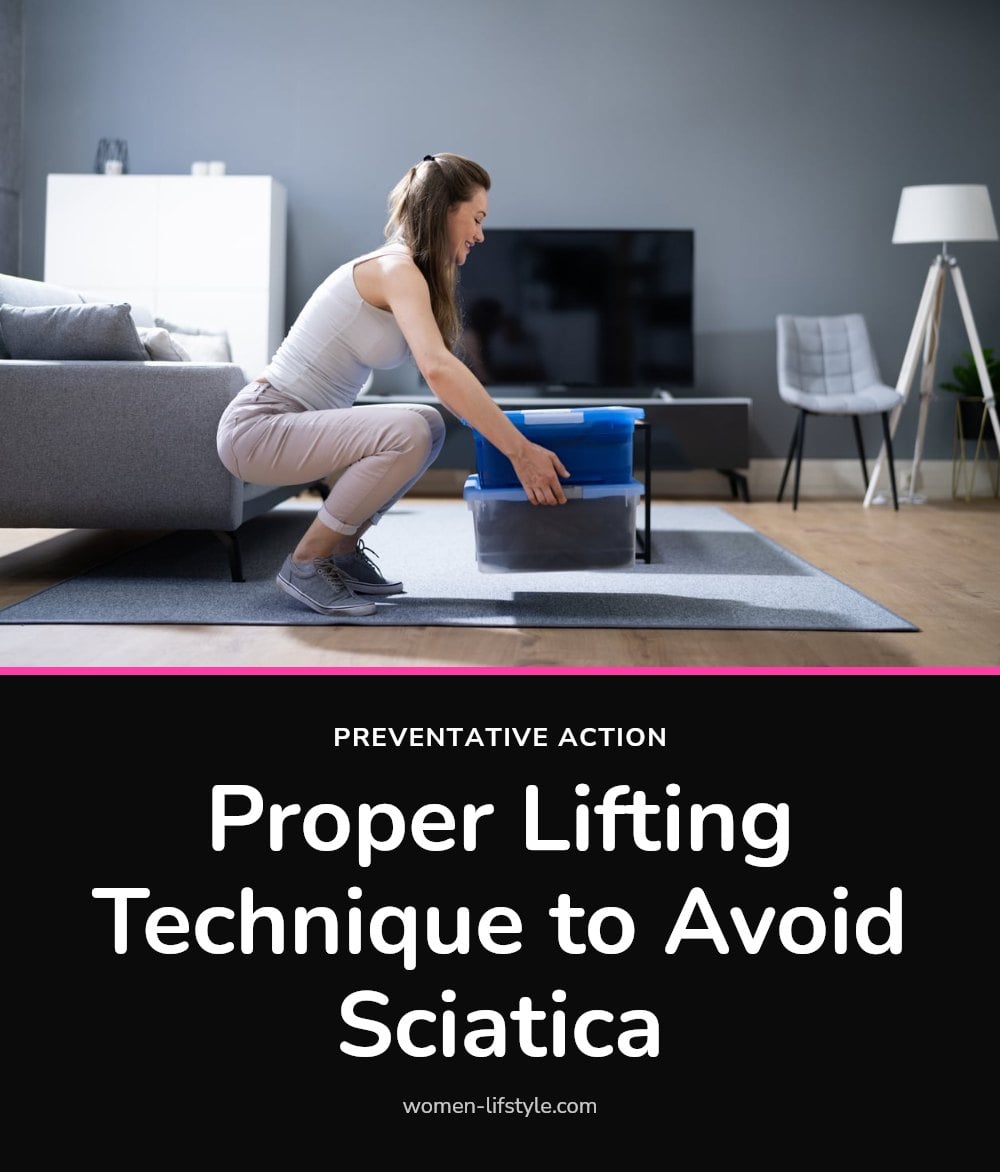
- Lift correctly: Bend at your knees and use your leg muscles, not your back, to lift heavy objects.
- Stay active: Regular low-impact exercise like walking or swimming keeps your spine flexible and strong.
- Use a firm mattress: A supportive mattress or mattress topper helps maintain proper spinal alignment during sleep.
When to Consult a Doctor for Sciatica Pain
Seek immediate medical attention if you experience sudden, severe pain, muscle weakness, or numbness in both legs. These can be signs of a serious condition.
Consult a doctor right away if you have bowel or bladder incontinence. This is a red flag that requires urgent evaluation.
See a healthcare professional if your symptoms worsen or persist beyond a few weeks despite home care. Also, always consult a doctor before starting any new exercise regimen, especially if you have existing health conditions.
Understanding Sciatica Recovery Time and Costs
Sciatica often improves within a few weeks with consistent conservative care, such as heat and cold therapy and gentle stretching. Full recovery can take longer, depending on the underlying cause.
At-home remedies are generally low-cost. Items like hot and cold packs and over-the-counter pain relievers are affordable. Professional care, such as doctor visits or physical therapy, will add costs that vary by your insurance and location.
Frequently Asked Questions
What is the fastest way to relieve sciatica pain?
For many people, alternating heat and cold packs on the lower back and buttock for 15-20 minutes several times a day provides quick relief. Gentle movement, like short walks, can also help keep the nerve from getting more irritated. Always stop if an activity increases your pain.
Can walking make sciatica worse?
Walking is generally considered a safe, low-impact activity for sciatica, but it can worsen symptoms if you overdo it or have a severe flare-up. Start with short, slow walks and pay attention to your body. If walking increases your pain, reduce the distance or consult a professional.
How long does sciatica usually last?
Sciatica often improves within a few weeks with consistent conservative care, such as heat and cold therapy and gentle stretching. Full recovery can take longer, depending on the underlying cause. If you don’t see progress in a few weeks, or if symptoms worsen, it’s important to see a doctor.
What sleeping position is best for sciatica?
Sleeping on your side with a pillow between your knees can help maintain spinal alignment and reduce pressure on the sciatic nerve. Alternatively, sleeping on your back with a pillow under your knees may also provide support. Experiment to find what feels most comfortable for you.
Are there any foods that help with sciatica?
There is no specific diet proven to cure sciatica, but eating anti-inflammatory foods, such as fruits, vegetables, and whole grains, may support overall health and potentially reduce inflammation. Staying hydrated and maintaining a healthy weight can also reduce pressure on your spine.
Final Thoughts
Start with the basics: apply heat and cold, keep moving gently, and watch your posture. If you don’t see improvement within a few weeks, or if the pain worsens, it’s wise to get a proper diagnosis. Most people find relief with consistent conservative care, but full recovery can take longer depending on the cause.
Remember, you’re not alone in this, and taking small, steady steps can make a big difference in your comfort.
This article is for general information only and is not a substitute for professional medical advice. If you have persistent or severe sciatica symptoms, or if you experience new neurological issues, please consult a doctor or qualified healthcare provider.
