

Do you ever feel like you’re running on a treadmill all day but getting nowhere? True productivity isn’t about cramming more into your schedule; it’s about doing the right things with less stress. This article covers 11 practical habits that help you focus your energy, cut through distractions, and actually finish what matters most.
From planning your day the night before to using techniques like the Pomodoro Method, these strategies are designed to fit into your real life. I’ll share my own tips for making each one stick, so you can stop feeling overwhelmed and start making real progress.

Key Takeaways
- Plan your day the night before to reduce morning decision fatigue.
- Use the Eisenhower Matrix to sort tasks by urgency and importance.
- Work in focused 25-minute intervals with the Pomodoro Technique.
- Batch similar tasks together to cut down on context switching.
- Review your progress at the end of each day or week to adjust your approach.
What Does True Productivity Look Like?
True productivity isn’t about filling every minute with tasks. It’s about identifying the work that actually moves you forward and doing that work well. You optimize your energy and focus, not just your calendar. Consistent habits like planning your day and prioritizing tasks reduce the mental load that leads to stress. The goal is meaningful progress, not a longer to-do list.
1. Plan Your Day the Night Before

Before you close your laptop for the day, spend 10-15 minutes writing down what you need to do tomorrow. This simple act sets a clear intention for the morning. It also cuts down on decision fatigue, so you don’t waste mental energy figuring out where to start.
My tip: Identify your top 1-3 most important tasks (MITs) for the next day. Write them at the top of your list. When you sit down in the morning, you know exactly what deserves your attention first.
2. Prioritize with the Eisenhower Matrix
The Eisenhower Matrix sorts your tasks into four categories based on urgency and importance. You get four boxes: Urgent and Important, Important but Not Urgent, Urgent but Not Important, and Not Urgent and Not Important. This system shows you what needs your immediate action and what you can delegate, schedule, or drop entirely.
My tip: Tackle the tasks in the ‘Important but Not Urgent’ quadrant first. These are the ones that drive real progress, and working on them early keeps them from turning into last-minute crises.
3. Use Time Blocking Effectively
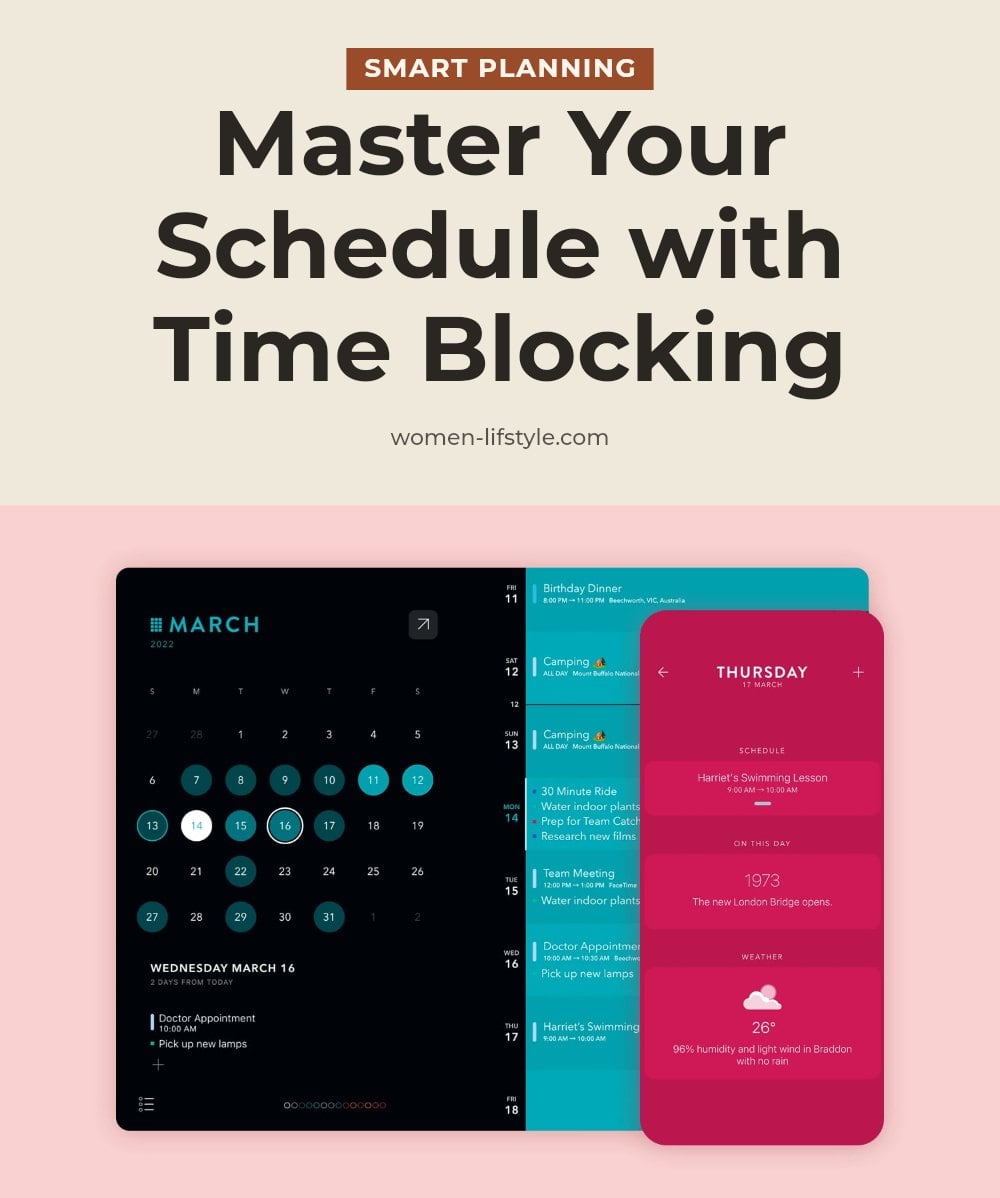
Time blocking means reserving specific chunks of your calendar for particular tasks or types of work. Instead of a loose to-do list, you get a visual roadmap for your day. This protects time for deep, focused work because you’ve already claimed it on your schedule.
Tip: Include blocks for breaks, email processing, and personal time. If you only block work tasks, your day becomes unbalanced and you risk burnout. Treat every block as a commitment.
4. Try the Pomodoro Technique

Work in focused 25-minute intervals, then take a 5-minute break. After four of these cycles, called Pomodoros, give yourself a longer break of 15 to 30 minutes. The timed intervals train your brain to concentrate fully for a short period, and the regular breaks prevent mental fatigue. You can use any timer app or a simple kitchen timer to track your sessions.
5. Minimize Digital Distractions
Turn off notifications on your phone and computer during your focused work blocks. Close every browser tab and app that isn’t directly related to the task at hand. This eliminates the mental clutter and stops you from switching contexts every few minutes. Tip: If you find yourself reaching for your phone out of habit, try a distraction-blocking app that locks you out of social media during work hours.
6. Batch Similar Tasks

Group similar activities into one block of time. Answer all your emails in a single session, make all your calls back-to-back, and schedule all your appointments at once. Each time you switch from one type of task to another, your brain needs a few minutes to refocus, which drains your time and energy. Good to know: Designate two specific windows each day for email processing, such as 10 a.m. and 3 p.m., so it doesn’t interrupt your deep work.
7. Implement the Two-Minute Rule
If a task will take less than two minutes to finish, do it right away. This prevents dozens of tiny chores from piling up into a daunting list. The rule works for quick replies, putting away a single dish, or tidying a small corner of your desk. Pro move: Keep a mental note of these micro-tasks throughout the day and handle them immediately when they appear.
8. Optimize Your Energy Peaks

Identify your most productive time of day. Are you sharper in the early morning or do you hit your stride after lunch? Schedule your most demanding or creative tasks during these peak energy periods. Your brain performs better when it’s naturally alert, so you’ll complete complex work faster and with fewer errors. Quick tip: Save less intensive tasks, like answering routine emails or organizing files, for your lower energy times. That way you match the work to your mental state instead of fighting it.
9. Cultivate a Tidy Workspace

A cluttered physical space often leads to a cluttered mind, making it harder to focus. Regularly declutter your desk and digital files to create a more serene environment. You don’t need a minimalist setup, just a surface clear enough to hold only what you’re working on. Tip: Do a quick ‘reset’ at the end of each day: put away loose papers, wipe the desk, and close unnecessary browser tabs. That five-minute habit makes starting fresh the next morning noticeably easier.
10. Learn to Say ‘No’
Protect your time and focus by politely declining non-essential requests that don’t align with your priorities. Every ‘yes’ to a low-value meeting or last-minute favor takes time away from what you actually planned to accomplish. Saying ‘no’ to others means saying ‘yes’ to your own goals and well-being. Good to know: You don’t need a lengthy explanation. A simple ‘I’m unable to take that on right now’ is sufficient and keeps the boundary clear without guilt.
11. Review Your Progress Regularly
At the end of each day or week, take time to review what you accomplished and what you didn’t. Look at your completed tasks and compare them to your original plan. This helps you assess the effectiveness of your strategies and make adjustments for the future. Pro move: Celebrate small wins to maintain motivation and identify patterns in what works or doesn’t. Maybe you notice you focus best after a walk or that certain tasks consistently take longer than expected. Use that insight to refine your approach.
Common Productivity Mistakes to Avoid
Even with the best strategies in place, certain habits can quietly sabotage your progress. Here are the most common productivity mistakes to watch for.
- Believing busy equals productive: Filling your day with activity doesn’t mean you’re moving forward. True productivity is about impact, not just motion. Focus on tasks that produce meaningful results.
- Multitasking complex projects: Your brain isn’t built to handle two demanding tasks at once. For deep work, single-tasking produces higher quality and faster completion. Give each task your full attention.
- Neglecting self-care: Poor sleep, skipped meals, and no breaks drain your mental energy. Your brain needs fuel and rest to focus. Prioritize sleep, nutrition, and short breaks throughout the day.
- Striving for perfection: Waiting until everything is flawless keeps you stuck. Done is often better than perfect. Focus on completion and progress, then refine later.
- Skipping the planning phase: Jumping into tasks without a clear plan leads to wasted effort and rework. Even five minutes of planning upfront saves time and reduces frustration later.
Frequently Asked Questions
How long does it take to build productivity habits?
Most people see initial improvements within a few days to a couple of weeks of consistent practice. However, making a habit feel automatic usually takes about 21 to 30 days. The key is to start small and stick with one or two changes at a time rather than trying to overhaul your entire routine overnight.
Can I be productive without a strict schedule?
Yes, you can still be productive without a minute-by-minute plan. Instead of time blocking, try identifying your top one to three most important tasks for the day and focus on completing them. A loose framework gives you direction without the rigidity, allowing you to adapt as the day unfolds.
What if I get distracted easily?
If you’re prone to distraction, start by minimizing external interruptions. Turn off notifications on your phone and computer, close unnecessary browser tabs, and consider using a timer for short, focused work sessions like the Pomodoro Technique. For digital clutter, try using a distraction-blocking app during your deep work blocks.
How do I know which productivity method is best for me?
The best way to find your fit is to experiment. Try one method, like time blocking or the Pomodoro Technique, for a week and see how it feels. Review your progress at the end of the week to assess what worked and what didn’t. Your ideal method will match your natural energy peaks and the type of tasks you handle most often.
Is multitasking ever a good idea?
Multitasking is generally not effective for complex tasks because it lowers the quality of your work and increases the time it takes to finish. However, you can pair a low-focus activity, like listening to a podcast, with a simple physical task, such as folding laundry. For anything that requires real concentration, focus on one thing at a time.
Final Thoughts
Start with just one or two of these habits and practice them for a few days. For example, try planning your day the night before and using the two-minute rule for tiny tasks. You’ll likely notice a real difference in how much you accomplish within the first week. Remember, productivity is a personal process, so keep what works and let go of what doesn’t.
