

Have you ever stepped barefoot onto cool grass and felt an instant sense of calm? That simple act is grounding, also known as earthing, and it’s a wellness practice that’s gaining attention for its potential health benefits. This article walks through exactly how to practice grounding every day, covering the best surfaces to use, simple outdoor and indoor methods, common mistakes to avoid, and what you can realistically expect over time.
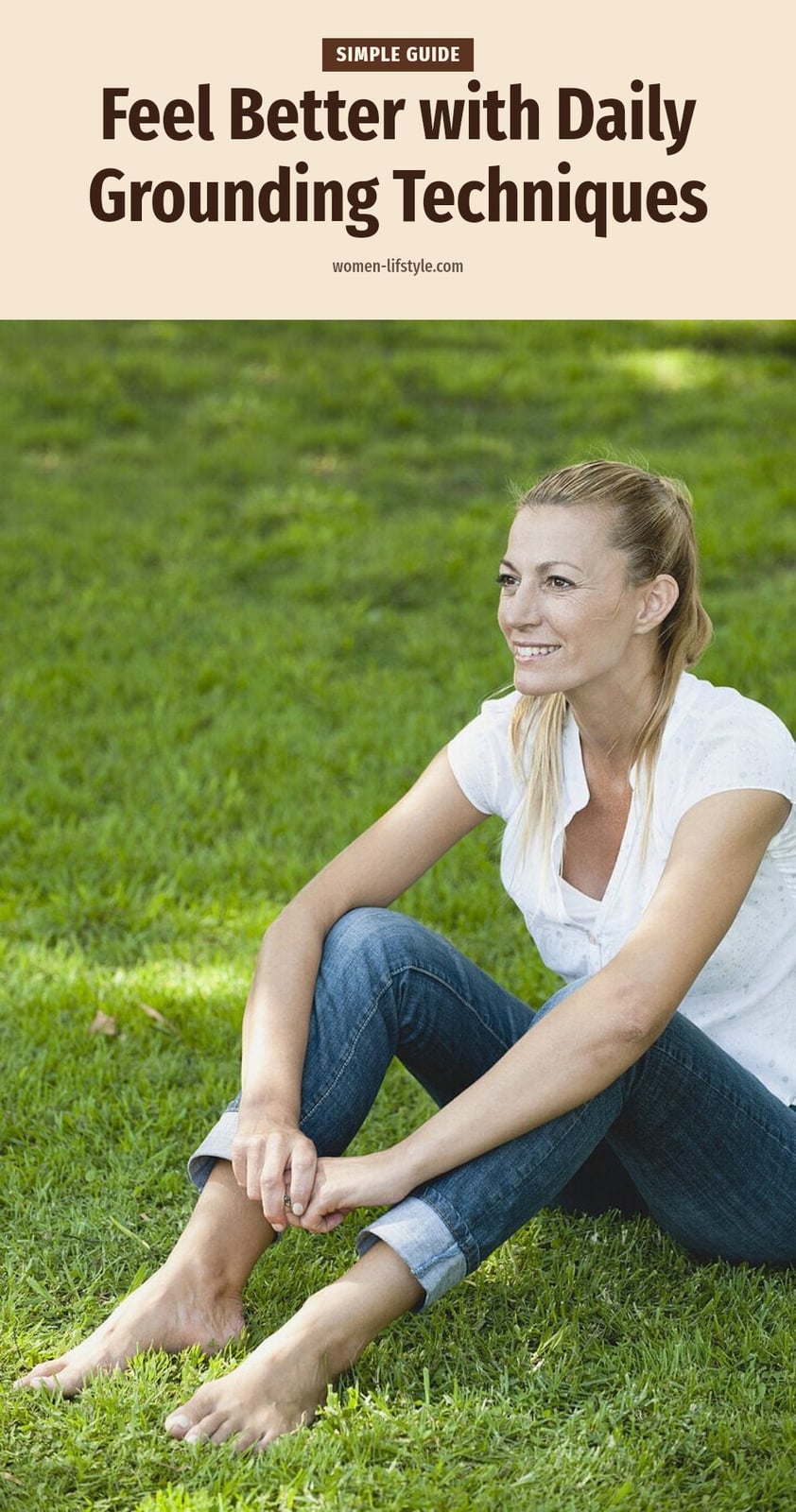
Key Takeaways
- Grounding requires direct skin contact with a conductive surface like grass, soil, sand, or unsealed concrete.
- Rubber-soled shoes block the Earth’s electrons, so bare feet are essential for outdoor grounding.
- Aim for at least 30 minutes of barefoot contact daily, but consistency matters more than one long session.
- Indoor grounding mats or sheets must be properly connected to a grounded outlet to work safely.
- Benefits like better sleep or reduced stress may appear within days to weeks, but results vary.
What is Grounding and How Does It Work?
Grounding, also called earthing, is simply making direct skin contact with the Earth’s surface. The idea is that the Earth carries a negative electrical charge, and because your body is a conductor, this contact allows electrons to flow into you. This may help balance your body’s own electrical potential. People who practice grounding often report better sleep, less pain, and a greater sense of calm, though research is still ongoing and results vary.
Essential Tools and Surfaces for Grounding

For outdoor grounding, you need a natural conductive surface. The best options are:
- Grass, soil, or sand: These are excellent conductors and easy to find.
- Unsealed concrete: This also works, but avoid asphalt, wood, or sealed concrete. They are not conductive.
If you can’t get outside, indoor grounding products like mats, sheets, or patches are a good alternative. Caution: Always make sure any indoor product is properly connected to a grounded electrical outlet, or it won’t work and could be unsafe.
Easy Ways to Practice Grounding Outdoors and Indoors

Outdoor Grounding Methods
Walking barefoot on grass, soil, or sand for at least 30 minutes daily is the most straightforward approach. You can also sit or lie directly on the ground. A park bench or beach towel works fine. Swimming in natural bodies of water like oceans, lakes, or rivers is another effective way to ground, as water is conductive.
Indoor Grounding Methods
Indoor grounding mats and sheets let you stay connected while you work, relax, or sleep. Place a grounding mat under your desk or feet, or use a grounding sheet on your bed. Pro move: Prioritize consistency over long sessions. Even 15-20 minutes of regular grounding each day can be beneficial, so don’t stress if you can’t manage a full 30 minutes every time.
- For work: Use a grounding mat under your keyboard or mouse.
- For sleep: A grounding sheet connects to your outlet and keeps you grounded all night.
Common Grounding Mistakes to Avoid
It’s easy to make mistakes when starting out. Here are the most common ones to watch for:
- Wearing shoes: Rubber soles act as insulators. Walking on grass in sneakers does not count as grounding. You need bare skin contact.
- Expecting instant results: Benefits like better sleep or less pain often build up over days or weeks, not minutes.
- Using the wrong surface: Asphalt, wood, and sealed concrete do not conduct the Earth’s electrical energy. Stick to grass, soil, sand, or unsealed concrete.
- Improper indoor setup: If your grounding mat or sheet isn’t correctly connected to a grounded outlet, it won’t work and could be a safety hazard.
- Ignoring safety: Always check the ground for broken glass, sharp objects, or chemicals before walking barefoot outdoors.
When to Talk to a Healthcare Professional About Grounding
Grounding is generally gentle, but it is not right for everyone without a check-in. Talk to your doctor first if you have a health condition or take medication, because grounding may influence physiological processes like circulation and inflammation. If you notice dizziness, skin irritation, or any other unusual reaction after a session, stop and get medical advice. Keep it in perspective: grounding is a complementary practice, not a replacement for treatment of a serious condition. Use it alongside, not instead of, the care your provider recommends.
How Long to Ground and What to Expect
A common target is at least 30 minutes of barefoot contact daily, but consistency matters more than one long session. Many people report better sleep or lower stress within a few days to weeks of regular practice, though there is no guaranteed timeline. Outdoor grounding costs nothing beyond time. Indoor options range from affordable mats to pricier sheets and patches, so start simple if you are unsure. Tip: Pick a daily anchor, like your morning coffee or evening dog walk, so the habit sticks.
Frequently Asked Questions
How long does it take to feel effects from grounding?
There is no set timeline because results vary from person to person. Some people report better sleep or less stress within a few days to weeks of consistent daily practice, while others may take longer. The important thing is to be patient and focus on regularity rather than expecting immediate changes.
Can grounding help with anxiety?
Many people find that grounding helps them feel calmer and more centered, which can be beneficial for managing anxiety. While research is still emerging, the practice may support stress reduction by promoting a sense of connection to nature. If anxiety is a serious concern, consider talking to a mental health professional for personalized guidance.
Is it safe to ground every day?
For most people, daily grounding is safe and can be part of a healthy routine. However, if you have a medical condition or take medication, check with your doctor first, as grounding may influence circulation and inflammation. Also, always inspect outdoor areas for hazards like sharp objects or pesticides before walking barefoot.
Do grounding mats really work?
Grounding mats can be effective when they are properly connected to a grounded electrical outlet and used on a conductive surface. However, their benefits depend on correct installation and consistent use. If you choose to try one, follow the manufacturer’s instructions carefully to ensure it is safe and functional.
What surfaces are best for outdoor grounding?
The best surfaces are natural conductors like grass, soil, sand, and unsealed concrete. Avoid asphalt, wood, and sealed concrete because they do not conduct the Earth’s electrical energy. For safety, choose areas free from pesticides, broken glass, or other hazards.
Final Thoughts
My tip: start with a simple daily habit, like walking barefoot on grass for 15 minutes, and gradually work up to longer sessions. Realistically, you might notice improvements in your sleep or stress levels within a few days to weeks of consistent practice, but don’t expect overnight changes. The key is to make grounding a regular part of your routine and enjoy the process of reconnecting with nature.
This article provides general information about grounding and is not a substitute for professional medical advice. If you have a health condition, take medication, or experience any unusual symptoms while grounding, consult a doctor or healthcare provider. Always prioritize your safety when practicing outdoors or using electrical equipment.
