

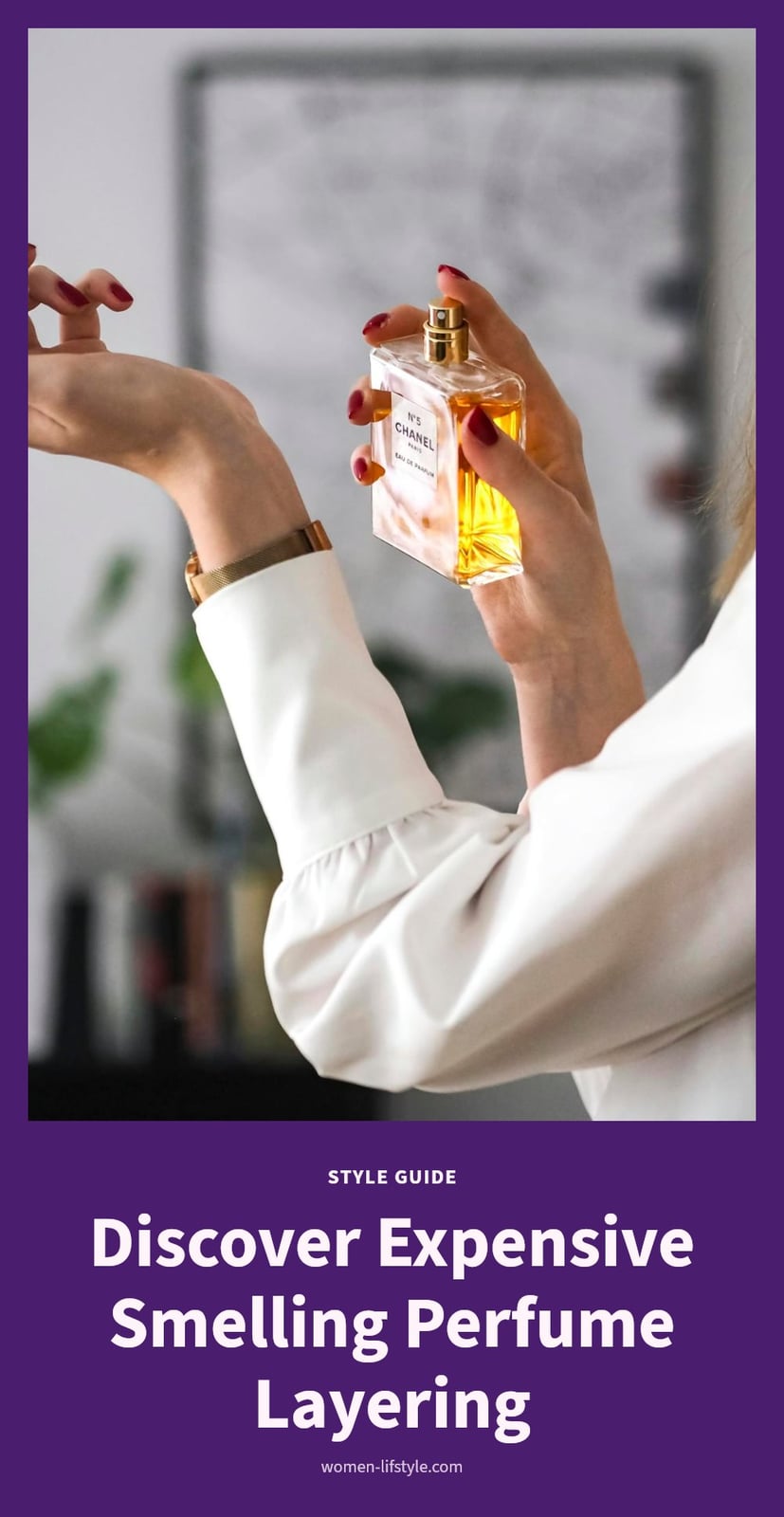
You know that feeling when you spray on a perfume and it just doesn’t last, or it smells a little flat? Perfume layering is the trick that changes all that. By combining two or more scents directly on your skin, you can create a unique fragrance that smells expensive, lasts longer, and feels completely yours. In this article, I’ll walk you through the simple steps, the best combinations, and the mistakes to skip, so you can start layering like a pro.
Key Takeaways
- Apply heavier, stronger scents first, then lighter ones on top.
- Start with unscented body lotion to help perfume last longer.
- Layer fragrances from the same family for easy harmony.
- Test combos on a blotter strip before applying to skin.
- Use solid perfume as a base to anchor lighter sprays.
What is Perfume Layering and Why Does It Smell So Good?
Perfume layering is simply combining two or more fragrances directly on your skin to craft a scent that’s entirely yours. It’s a trick I use daily: it makes your perfumes last longer, adds depth and complexity, and often results in a sophisticated, ‘expensive’ feel. The key is understanding how different fragrance families and notes interact, typically applying the heavier, more intense scent first so it anchors the lighter ones on top. Once you get the hang of it, you’ll never wear a single perfume the same way again.
Your Essential Tools for Perfume Layering
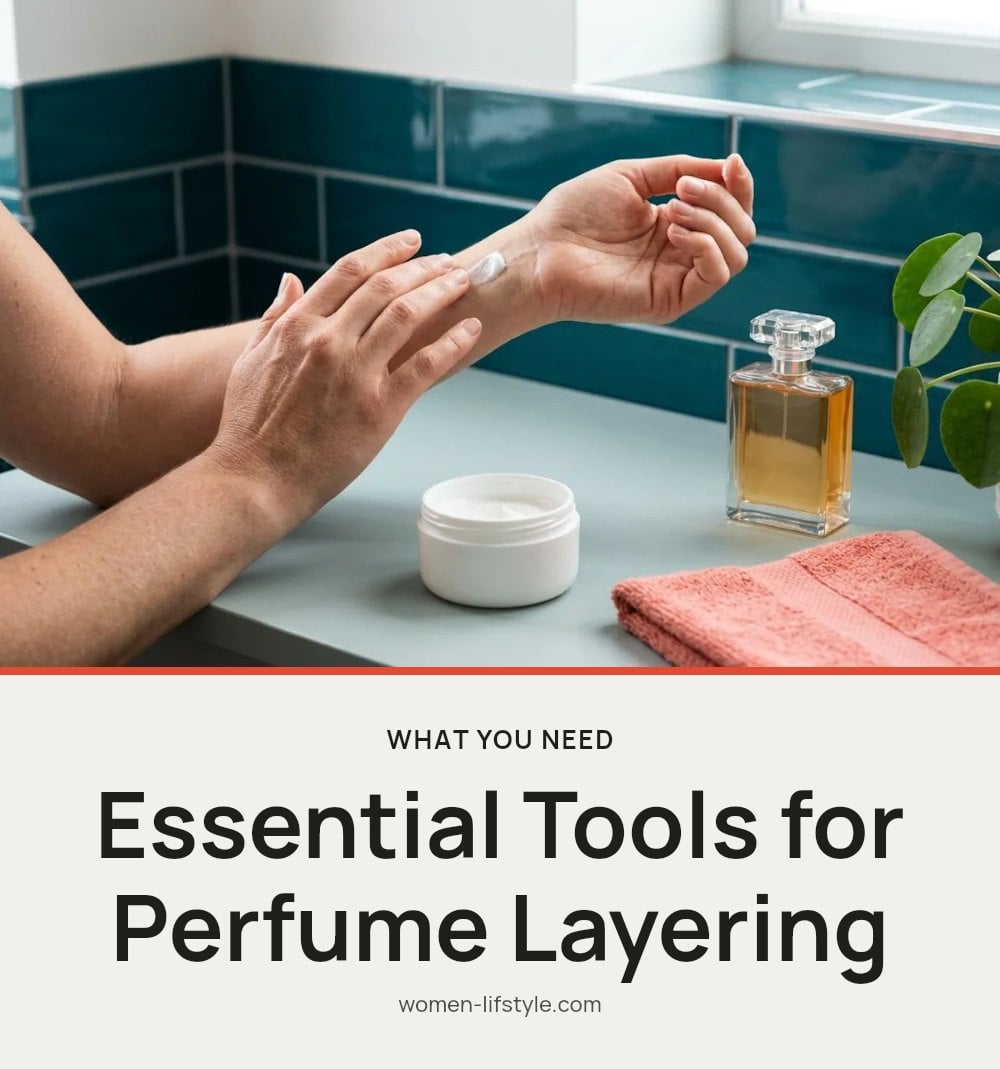
Before you start mixing, gather these essentials:
- Eau de Parfum (EDP) and Eau de Toilette (EDT): Your main scents. EDP is more concentrated and lasts longer, while EDT is lighter and perfect for layering on top.
- Unscented body lotion or oil: This creates a smooth, moisturized base that helps fragrance adhere to your skin and last longer.
- Solid perfume or fragrance mist: These add depth or a lighter layer. Solid perfume works great as a base, while a mist is ideal for a subtle finish.
Step-by-Step: How to Layer Perfumes for an Expensive Scent
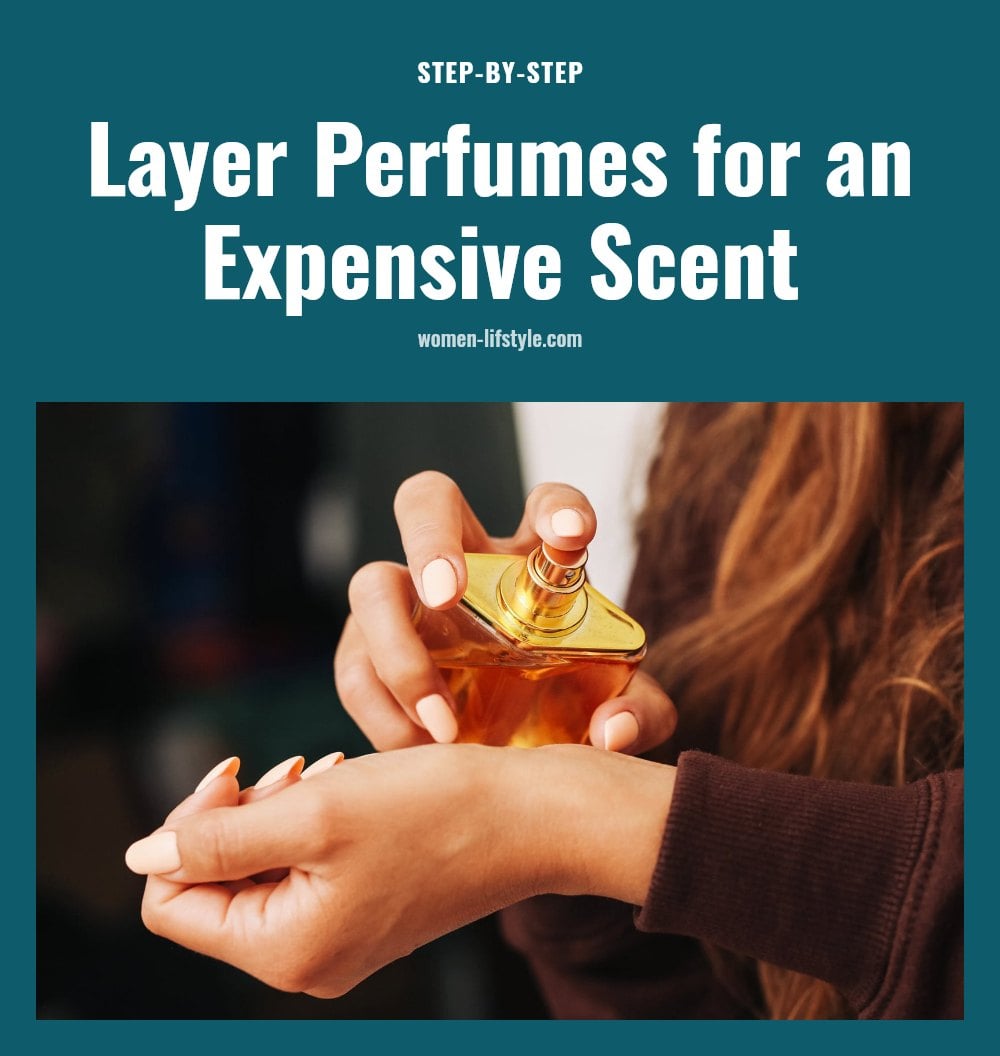
Layering perfume for that expensive scent is all about order and timing. Here’s my go-to routine:
- Prep your skin: Start with clean, moisturized skin. Apply an unscented body lotion or oil all over your pulse points and let it absorb for a minute. This gives the fragrance something to grip.
- Apply the heavy base: Spray your heavier, more intense fragrance (like an amber, oud, or woody scent) on your pulse points: wrists, neck, behind the ears. The warmth of these spots helps diffuse the scent.
- Let it dry: Wait 30 seconds for the first layer to settle. This prevents the scents from blending into a muddle.
- Layer the lighter scent: Apply your lighter fragrance (citrus, floral, or fresh) on top, but consider different pulse points. For example, spray the base on your wrists and the lighter scent on your neck or collarbone for a nuanced scent cloud.
- Test first: Before committing to a full application, test the combination on a small patch of skin or a blotter strip. This avoids surprises and lets you tweak the ratio.
Understanding Fragrance Families for Harmonious Layering
Understanding fragrance families is the secret to harmonious layering. Fragrances from the same family, like florals with florals or orientals with orientals, often blend seamlessly. That’s called monochromatic layering, which also means using different products from the same fragrance line, like a body wash, lotion, and perfume. On the other hand, contrasting layering mixes families, like a fresh citrus with a deep oud, to create something unexpected.
For an ‘expensive’ feel, start with a base of vanilla, woody notes (sandalwood or cedar), or amber. These add warmth and sophistication. Then, brighten them up with citrus top notes for a sparkling opening, or add elegance with white florals like jasmine or tuberose. The result is a layered scent that smells custom-made.
Expert Tips for Creating Unique and Lasting Layered Scents
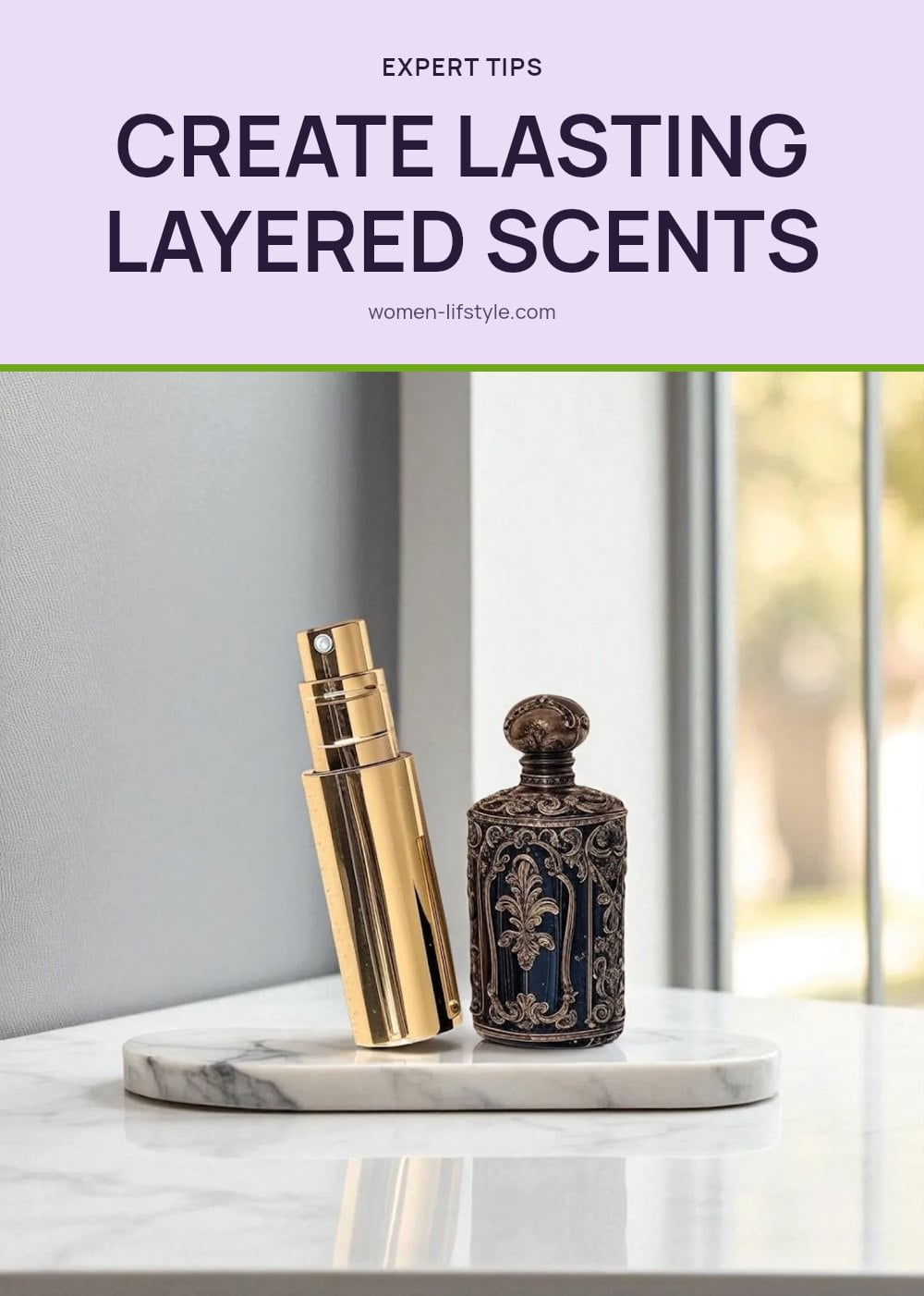
Start with just two fragrances you already love. That builds confidence without overwhelming your nose. My tip: Use a solid perfume or scented balm as a long-lasting base layer. It anchors lighter sprays and lasts hours on skin.
You can apply each fragrance to a different pulse point for a scent that shifts as you move, or layer both on the same pulse points for a more blended effect. Both methods work. If you go with separate points, spray one on your wrists and another behind your ears to create a nuanced scent cloud. If you use the same points, let the base dry first. One rule either way: never rub your wrists together after applying perfume. That friction breaks down scent molecules and flattens the blend.
Favorite ‘Expensive-Smelling’ Layering Combinations
These combinations consistently deliver that ‘expensive’ feel. Try each one on skin to find your signature.
- Amber + Bright Floral: Warm, inviting amber with a touch of sophisticated freshness from a floral like peony or freesia.
- Oud + Vanilla: Deep, resinous oud softened and sweetened by creamy vanilla. Rich and cozy.
- Sandalwood + Citrus: Earthy, woody depth uplifted by sparkling grapefruit or bergamot.
- Musk + White Floral: Clean, sensual musk paired with elegant jasmine or tuberose. Subtle and alluring.
- Patchouli + Rose: Rich, earthy patchouli complementing a classic, romantic rose. Balanced and timeless.
Common Perfume Layering Mistakes to Avoid
Even a great layering idea can go wrong with these common missteps. Here is what to avoid.
- Applying too much: Start with a light hand and one spray per layer. You can always add more, but you cannot take it away.
- Layering light then heavy: Always apply heavier, more intense fragrances first. A light scent applied first will be completely masked by a heavier one.
- Not allowing to dry: Give each layer 30 seconds to settle before the next. Rushing mixes them too much and muddles the scent.
- Ignoring body products: Scented lotions and oils from the same line as your perfume can enhance layering and boost longevity.
- Rubbing wrists: This breaks down the fragrance molecules and alters the intended scent. Just let them air-dry.
Frequently Asked Questions
What are the best base notes for layering?
Base notes like amber, musk, oud, sandalwood, and vanilla are excellent for layering. They provide a warm, lasting foundation that anchors lighter scents. Apply a perfume with these notes first, then top it with a brighter floral or citrus for an expensive feel.
Can I layer different brands of perfume?
Yes, you can absolutely mix perfumes from different brands. The key is to focus on scent families and notes rather than brand names. As long as the fragrances complement each other, you can create a unique blend. Test on a blotter strip first to ensure they work together.
How do I make my layered perfume last longer?
To boost longevity, start with unscented body lotion or oil on your pulse points, then apply the heavier fragrance first. Let each layer dry slightly before adding the next. Also, apply to warm areas like wrists, neck, and behind your ears, and avoid rubbing your wrists together.
Is it okay to layer more than two perfumes?
Layering more than two perfumes is possible, but it can get overwhelming if you overdo it. Start with two to build confidence, and only add a third if the scent remains balanced. Too many strong fragrances can muddle the blend, so keep it simple.
What’s the difference between monochromatic and contrasting layering?
Monochromatic layering uses different products from the same fragrance line, like body wash, lotion, and perfume, to intensify a single scent. Contrasting layering combines fragrances from different scent families, such as a floral with a woody, to create an unexpected, unique aroma. Both are valid, but contrasting offers more creative freedom.
Final Thoughts
For your next fragrance routine, start with just two scents you already love, and apply the heavier one first. That’s the easiest way to get a sophisticated, layered result without overwhelm. Expect the process to take only a few minutes, and the scent to last longer than a single perfume, though exact wear time varies by your skin and the fragrances. So pick your base, add a top note, and enjoy your custom creation.
