

Omega-3s are essential fats your body needs for brain and heart health, but since you can’t produce them on your own, getting them from your diet is key. This guide breaks down the best food sources, from fatty fish to plant-based options, so you can easily add more of these healthy fats to your meals.
Key Takeaways
- Eat fatty fish like salmon or mackerel twice a week for EPA and DHA.
- Include plant sources like flaxseeds and walnuts for ALA omega-3s.
- Algae oil is a great vegan source of EPA and DHA.
- Don’t rely solely on supplements; prioritize whole food sources first.
- Variety matters because ALA, EPA, and DHA have different roles in the body.
What Foods Are Rich in Omega-3s?
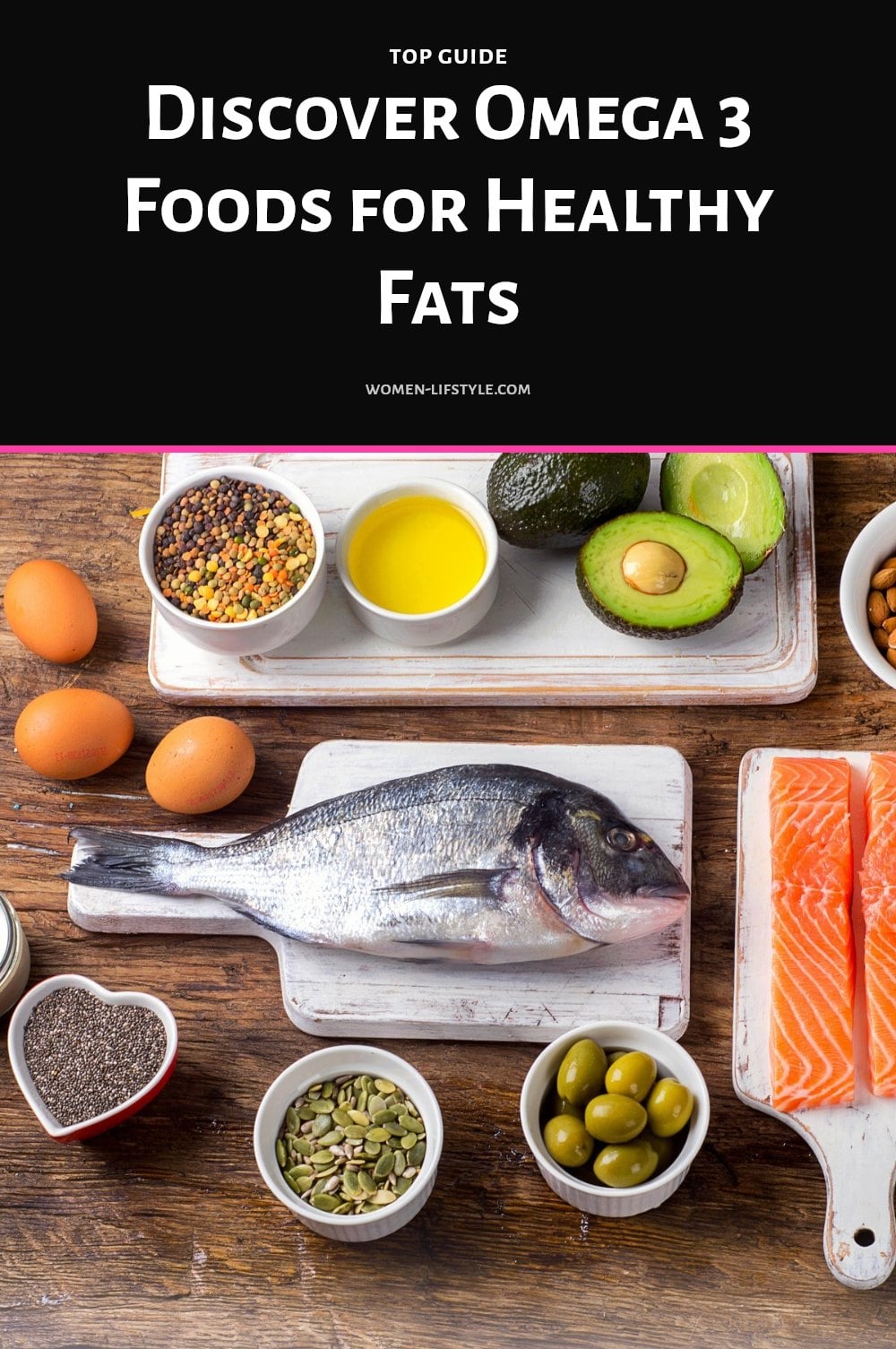
Omega-3s are essential fats your body needs but can’t produce on its own, so you have to get them from food. The best sources are fatty fish like salmon and mackerel, which provide EPA and DHA, and plant-based options like flaxseeds and walnuts, which offer ALA. Incorporating a variety of these foods into your diet is key to ensuring you get enough of these vital nutrients for heart and brain health.
1. Fatty Fish: Your Top Source of EPA and DHA

Fatty fish like salmon, mackerel, sardines, and tuna are packed with EPA and DHA, the most beneficial forms of omega-3s. I aim for at least two servings (about 3.5 ounces cooked per serving) of these fish each week, as recommended by the American Heart Association.
My tip: Grilled salmon or baked mackerel are delicious and easy ways to hit your weekly goal. Just be mindful of mercury levels in certain fish, especially if you’re pregnant or have young children.
2. Plant-Based Powerhouses: ALA Omega-3s
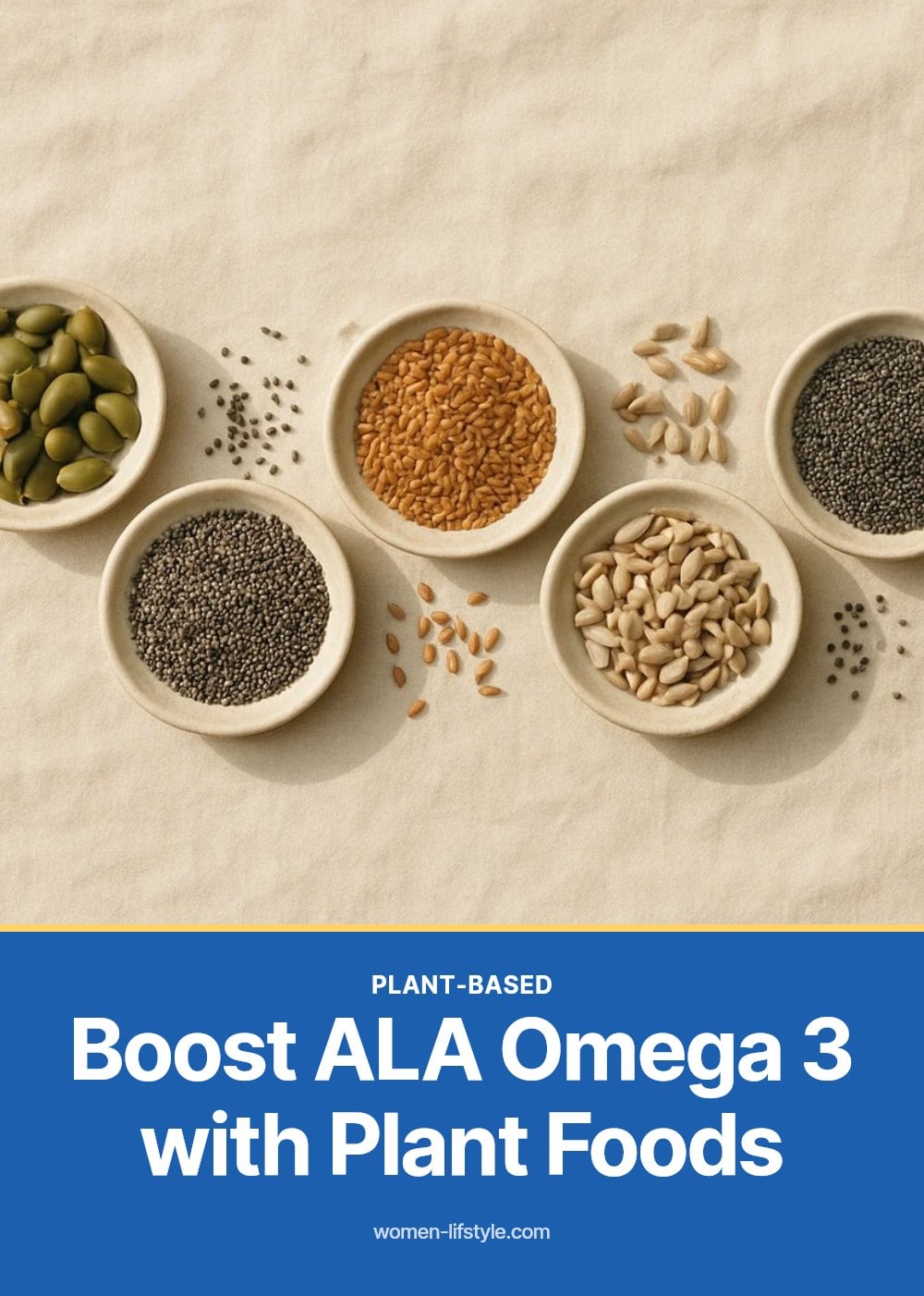
For those who prefer plant-based options, flaxseeds, chia seeds, and walnuts are fantastic sources of ALA, another important omega-3. While your body can convert ALA into EPA and DHA, the conversion rate isn’t super efficient, so it’s great to combine these with other sources if possible.
I love adding ground flaxseeds or chia seeds to my morning oatmeal or smoothies. Walnuts are also a perfect snack or addition to salads for an omega-3 boost.
3. Other Notable Omega-3 Sources to Consider
Beyond fish and common plant seeds, you can find omega-3s in other places. Algae oil is a fantastic direct source of EPA and DHA for vegetarians and vegans. Some foods are fortified with omega-3s, like certain eggs, yogurts, and milks. These can be a helpful way to sneak in extra omega-3s if you’re struggling to meet your needs.
Don’t forget about certain cooking oils. Canola oil and soybean oil contain ALA, making them good choices for everyday cooking.
Common Omega-3 Mistakes to Avoid
One of the biggest mistakes is treating all omega-3s as interchangeable. ALA, EPA, and DHA come from different sources and play different roles in your body, so variety matters more than just hitting a single number.
Supplements can fill gaps, but they shouldn’t be your first stop. Whole foods like fish, seeds, and oils bring along protein, fiber, and other nutrients that a capsule simply doesn’t offer. My tip: use supplements as a backup, not a replacement.
Many Western diets are heavy on omega-6s from processed foods and vegetable oils, which can throw off your balance. Adding more omega-3-rich foods helps even things out naturally.
And watch how you cook your fish. High heat from frying or broiling can degrade the delicate fats you’re trying to get. Baking, grilling, or steaming at moderate temperatures keeps those benefits intact.
Frequently Asked Questions
What are the main types of omega-3s?
The three main types are ALA, EPA, and DHA. ALA is found in plant sources like flaxseeds and walnuts, while EPA and DHA are mainly in marine sources like fatty fish. Your body can convert some ALA into EPA and DHA, but the process is not very efficient.
Can I get enough omega-3s from plant sources alone?
Plant sources provide ALA, which your body can convert to EPA and DHA, but the conversion rate is low. If you follow a vegan or vegetarian diet, consider including algae oil, which directly provides EPA and DHA, to ensure you’re meeting your needs.
How much fatty fish should I eat per week?
The American Heart Association recommends two servings of fatty fish per week, with each serving being about 3.5 ounces cooked. This helps you get enough EPA and DHA for heart and brain health.
Are there any risks with omega-3 supplements?
High doses of omega-3 supplements can interact with blood-thinning medications, so always consult your doctor before starting them. Some people may also experience mild digestive upset, like burping or nausea, from fish oil supplements.
What’s the difference between ALA, EPA, and DHA?
ALA is a plant-based omega-3 that your body uses for energy, while EPA and DHA are marine-based and more directly support heart, brain, and eye health. Your body can convert a small amount of ALA into EPA and DHA, but it’s best to get EPA and DHA from food sources like fish or algae oil.
Final Thoughts
To get the most out of omega-3s, aim for a mix of fatty fish and plant-based sources each week. Consistent intake over several weeks can help support your overall health, but remember that supplements should only fill gaps in your diet, not replace whole foods. Start with one or two changes, like adding chia seeds to your oatmeal or grilling salmon for dinner, and build from there.
This article provides general information about omega-3 fatty acids and is not a substitute for professional medical advice. If you have a specific health condition or are considering supplements, consult your doctor or a registered dietitian to determine what’s right for you.
