

Networking can feel like a chore when you’re not sure what to say or how to start a conversation without it being awkward. The good news is it doesn’t have to be that way. This article covers a simple, observation-based method that takes the pressure off and helps you build real connections instead of just collecting contacts.

Key Takeaways
- Shift your mindset from ‘what can I get’ to ‘how can I contribute’ to reduce pressure.
- Use specific observations instead of generic questions to start conversations.
- Follow up within 24-48 hours after meeting someone to reinforce the connection.
- Set small, achievable goals for each networking event to avoid feeling overwhelmed.
- Practice your networking skills regularly, as it’s an ongoing process, not a one-time event.
The Secret to Networking Without the Awkwardness
Networking feels awkward when you walk in thinking about what you can get out of the room. Flip that mindset to “how can I contribute?” and the pressure lifts for both you and the person you’re talking to. Instead of trying to be the most interesting person at the event, focus on making genuine observations about your surroundings and showing real interest in others. When you stop performing and start noticing, conversations become authentic and engaging. That shift is the whole secret: be interested, not interesting, and the awkwardness fades on its own.
Your Essential Networking Toolkit
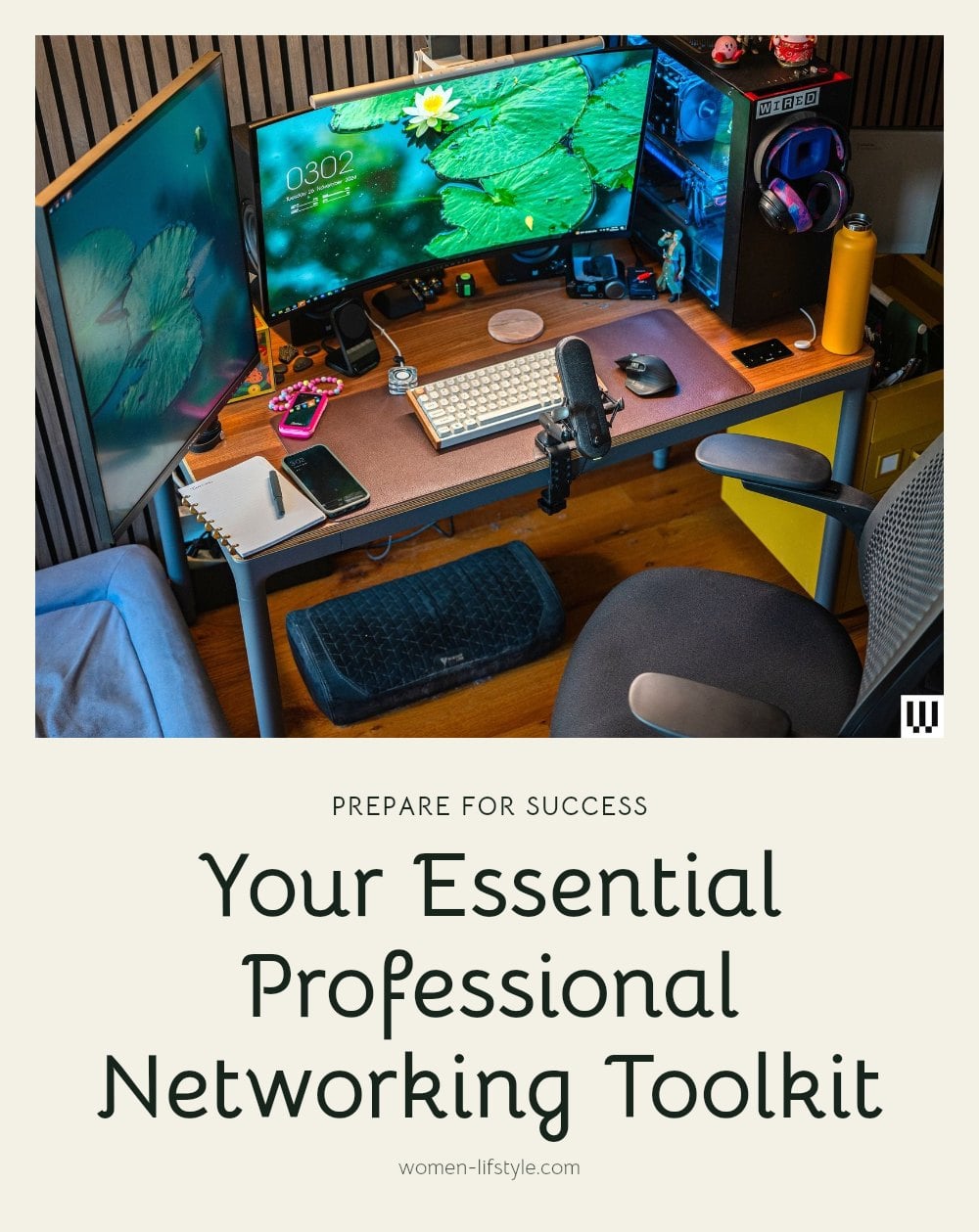
You don’t need much to network well, just a few essentials that keep the exchange smooth.
- Business cards: Optional, but handy for a quick contact swap when phones are awkward to pull out.
- Smartphone: Essential for digital contact exchange and discreetly jotting notes about someone after a chat.
- Notebook or note-taking app: Use it to record details like their kid’s name or the project they mentioned, so you remember them later.
- Professional attire: Match the event’s dress code to make a solid first impression before you say a word.
Keep your kit light, you want your hands free for handshakes and your mind free for the conversation.
Step-by-Step Guide to Confident Networking Conversations

Forget the generic “What do you do?” opener. The method that works is making observations, and it follows a specific order that builds on itself.
- Shift to observations: Instead of asking questions, notice something specific about the person or the room. Say “That notebook has a hiking brand logo” rather than “How’s your day?”
- Make it specific: Pick out details others would miss. A worn patch on a jacket, the way they organize their name tag, a unique pen. Specificity shows you’re actually paying attention.
- Add a playful twist: Give the observation a lighthearted, slightly exaggerated spin to add energy without going overboard. “You’ve clearly been to a hundred of these events” lands better than “You look experienced.”
- Imply a story: Craft the observation so it hints at something deeper. “That travel mug suggests you’re always on the move” invites them to share where they’ve been.
- Combine all three: The magic happens when you merge specificity, a playful twist, and implied story. “That’s an interesting pen, I’ve never seen one quite like it. I bet it has a story behind it.”
- Layer your observations: Build on their response. If they laugh and expand, go deeper. If they stay quiet, dial back and try a lighter observation. Match their energy as you go.
- Start with curiosity: Use phrases like “I noticed…” or “It seems like…” to prompt genuine curiosity. “I noticed you’re using a fountain pen, it seems like you appreciate the classics” naturally leads to a specific, engaging opener.
Each step trains you to notice more, so the conversation flows without you hunting for the “right” question.
Prefer to watch? ThatGuy walks through the whole method in this 8-minute video. The how-to part starts at 0:21.
Why This Approach Makes All the Difference
This observation-based approach works because it flips the pressure off you and onto genuine connection. When you stop trying to be interesting, you free yourself from the mental load of performing, and that ease shows in your body language and tone. The other person feels it too, they’re not being interviewed or sized up, they’re being seen.
Specific observations make people feel valued. When you notice the small stuff, you signal that they matter, and that encourages them to open up naturally. It’s not about mastering a small talk script; it’s about creating a comfortable, human exchange where both of you can relax. The goal isn’t to impress, it’s to make the other person feel interesting. That’s what turns a brief chat into a connection they’ll remember.
Common Networking Blunders (and How to Avoid Them)
Asking Generic Questions: “How’s your day?” and “What do you do?” put pressure on the other person to carry the conversation. Instead, make a specific observation about something you notice, like a book they’re holding or a detail in the room.
Making Boring Observations: Comments like “Nice weather” don’t invite engagement. Aim for observations that combine specificity, slight exaggeration, and an implied story, which naturally invites the other person to share more.
Treating People Like Input Commands: Don’t approach conversations as if you need to find the “right” question to unlock a response. Focus on human connection and genuine interest rather than a script.
Focusing Only on What You Can Gain: Networking is about building relationships, not collecting business cards. Offer help and share valuable information without expecting an immediate return.
Failing to Follow Up: Always follow up within 24-48 hours with a personalized message to reinforce the connection. A quick email or LinkedIn note referencing something you discussed works well.
Neglecting Your Existing Network: Don’t only chase new connections. Nurture the relationships you already have with regular check-ins and genuine interest in their lives.
Best Tips for Smooth Networking Interactions
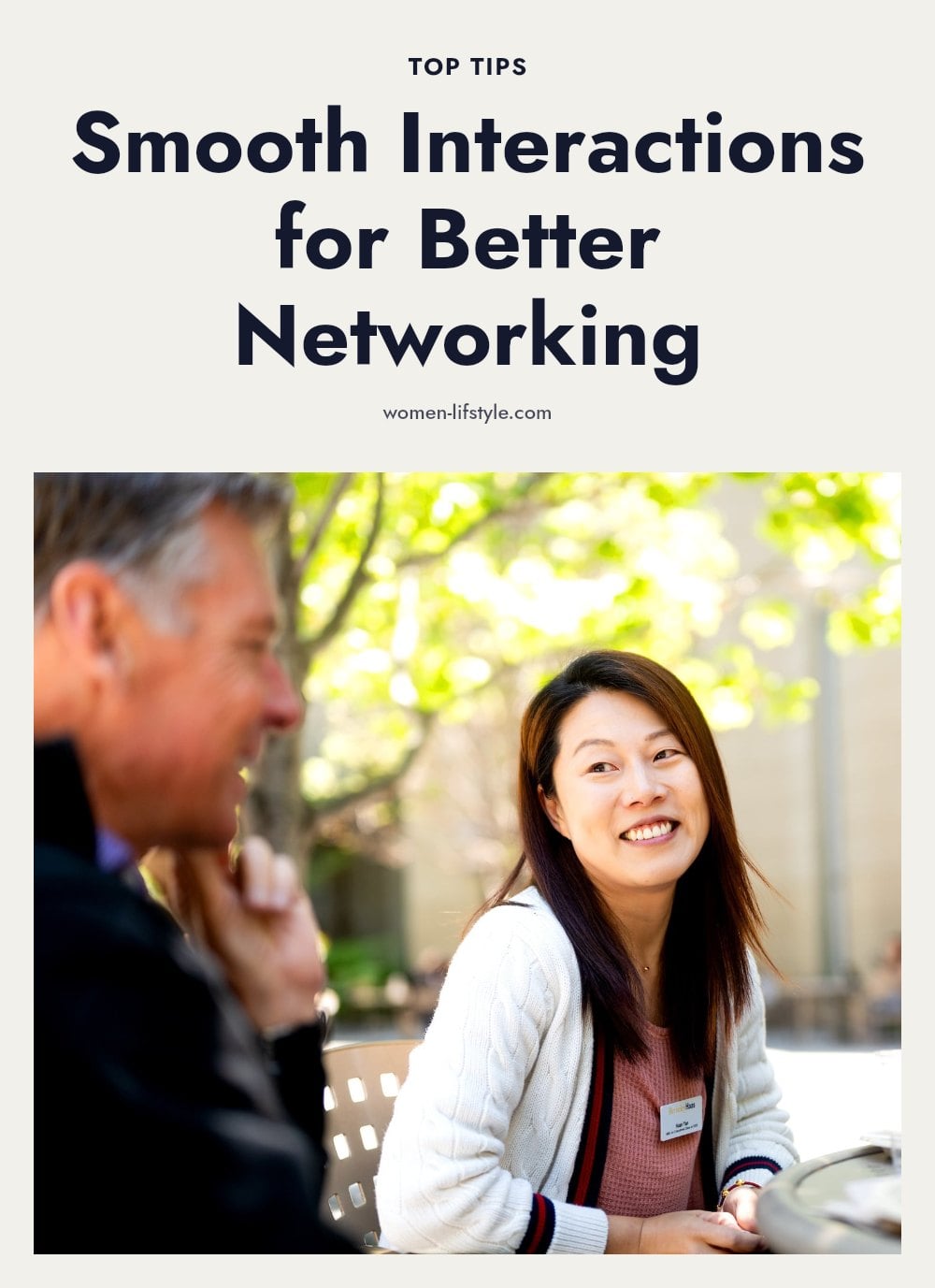
Practice Your Exit Strategy: Have a polite phrase ready, like “It was a pleasure speaking with you, I’m going to grab another drink.” This lets you move on without awkwardness.
Approach Groups Thoughtfully: Stand near the group first, listen for a natural pause, then make an observation about their discussion or a shared element. This feels organic rather than intrusive.
Handle Awkward Silences: If an observation doesn’t get a big response, follow up with another observation or politely pivot to a new person. Not every connection clicks, and that’s fine.
Set Small Goals: Before an event, decide to meet 2-3 new people or have one meaningful conversation. This reduces overwhelm and keeps you focused.
Be Authentic: Genuine interactions build trust and rapport more effectively than any scripted persona. People can sense when you’re being real, and they respond better to it.
Networking: An Ongoing Journey, Not a One-Time Event
Networking is an ongoing process, not a one-time event. Consistent effort over time yields the best results, so invest a few minutes each week to maintain and grow your network.
There’s no fixed cost to networking, though some events may have entrance fees or require travel. The real investment is your time and energy spent building genuine connections.
My tip: treat networking like a habit rather than a chore. A quick coffee chat, a thoughtful email, or a LinkedIn comment on a contact’s post keeps the relationship alive without feeling forced.
Frequently Asked Questions
How do I gracefully end a conversation at a networking event?
Have a polite exit phrase ready, such as ‘It was a pleasure speaking with you, I’m going to grab another drink.’ This lets you move on without awkwardness. You can also say you need to check in with someone else or excuse yourself to use the restroom. The key is to be brief and friendly.
What are good conversation starters for networking events?
Instead of asking generic questions like ‘What do you do?’, make a specific observation about the person or the room. For example, notice a unique notebook they’re holding or a detail in the event decor. Use the phrase ‘I bet that…’ to start an observation, which invites them to share without feeling interviewed.
How can I approach a group of people already talking?
Stand near the group first and listen for a natural pause in the conversation. Then make a brief observation or comment related to what’s being discussed. Avoid interrupting, and be ready to politely excuse yourself if the group doesn’t engage. It helps to have a friendly demeanor and make eye contact.
What if my observation doesn’t get a response?
If the other person doesn’t engage, don’t take it personally. You can follow up with a light, open-ended question or simply smile and move on. Sometimes people are distracted or shy. The key is to stay relaxed and not force the interaction. You can also try a different observation or approach someone else.
How often should I follow up after a networking event?
It’s generally recommended to follow up within 24-48 hours after meeting someone to reinforce the connection. After that, you can reach out periodically, such as every few weeks or months, depending on the relationship. The goal is to stay on their radar without being overwhelming, so focus on quality over frequency.
Is it okay to network online instead of in person?
Yes, networking can happen in various settings, including online platforms like LinkedIn or virtual events. The same principles apply: be genuine, listen actively, and offer help when appropriate. Online networking can be less intimidating for some people and allows you to connect with a wider range of professionals.
Final Thoughts
To make networking feel less awkward, try the observation-based approach next time you’re at an event. It shifts the focus from performing to genuinely connecting, which often leads to more meaningful conversations. Remember that networking is an ongoing process, so invest a few minutes each week to maintain your connections. You’ll build a stronger network over time without the stress.
