

When your nose feels completely blocked, it’s not just mucus to blame, it’s the swelling of the blood vessels in your nasal passages that makes breathing uncomfortable. Whether you’re dealing with a cold, allergies, or sinus trouble, you want relief that actually works without reaching for medication. This article covers the most effective natural remedies to help thin mucus, reduce inflammation, and moisten your nasal passages so you can breathe easier.

Key Takeaways
- Drink plenty of water, herbal tea, or clear broths to thin mucus and help it drain.
- Inhale steam from a warm shower or bowl of hot water for 5 to 10 minutes.
- Use a saline nasal rinse with distilled or sterile water to flush out irritants.
- Elevate your head with an extra pillow while sleeping to promote drainage.
- See a doctor if congestion lasts longer than 10 days or comes with a high fever.
Quick Relief for Your Stuffy Nose
Nasal congestion, or a stuffy nose, happens when blood vessels in your nasal passages swell, not just from mucus alone. Relief comes from thinning mucus, reducing that inflammation, and moistening the passages. Simple home remedies like drinking fluids, inhaling steam, and using saline rinses are often very effective for temporary comfort.
1. Stay Hydrated with Plenty of Fluids

Drinking plenty of water, herbal tea, or clear broths helps thin out mucus, making it easier for your body to drain. When mucus is thin, it flows more freely, which can significantly reduce that stuffy feeling.
My tip: Keep a water bottle handy and sip throughout the day. Warm liquids like ginger or peppermint tea can also be very soothing.
2. Inhale Steam to Loosen Mucus

Steam is a fantastic way to loosen thick mucus and soothe irritated nasal passages. You can take a warm shower, or for a more direct approach, lean over a bowl of hot water with a towel over your head, inhaling the steam for 5 to 10 minutes.
Caution: Always be careful not to use water that is too hot to avoid burns. Keep your face a safe distance from the water.
3. Use Saline Nasal Rinses
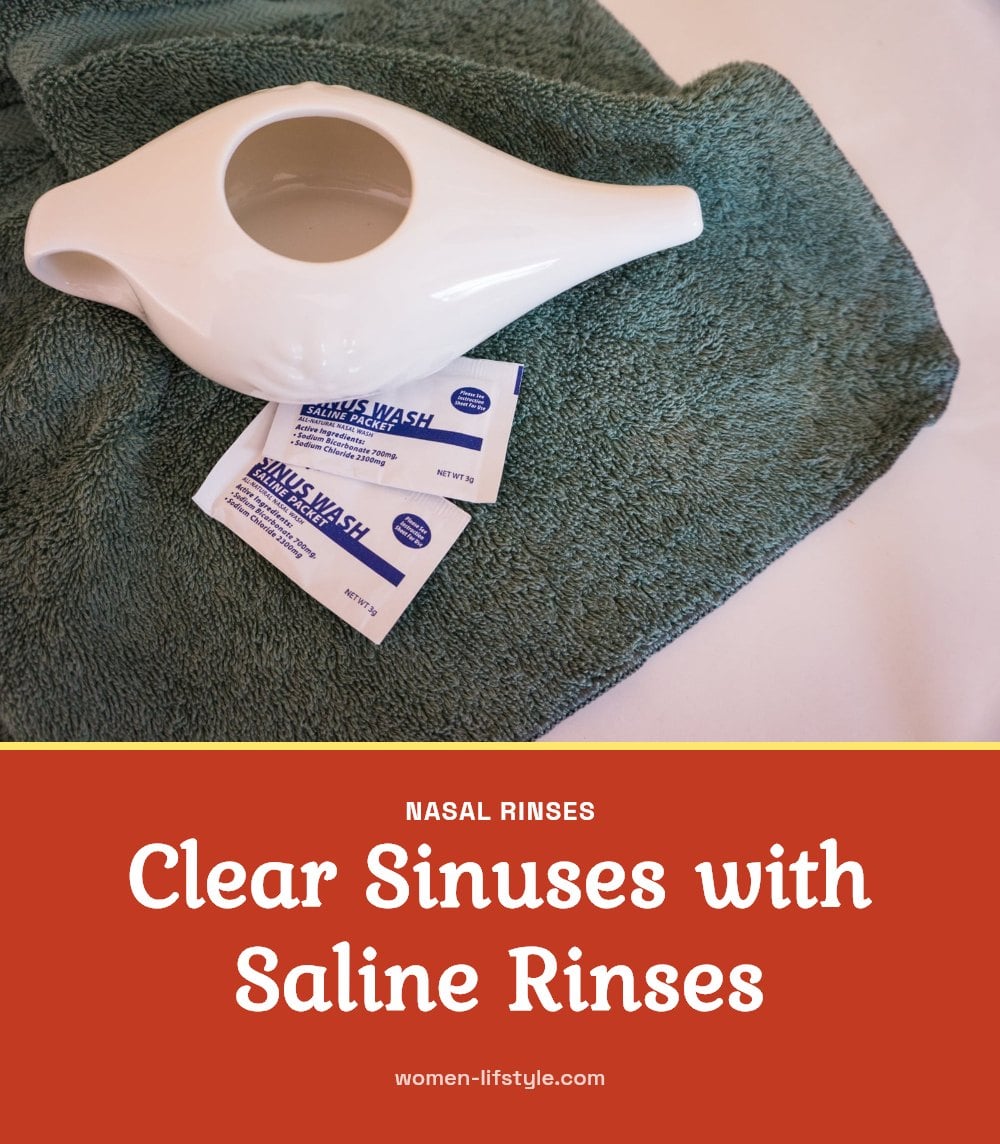
Saline nasal rinses, using a neti pot or saline rinse bottle, are incredibly effective for flushing out irritants and thinning mucus. This helps clear your nasal passages and reduce inflammation.
My tip: Always use distilled, sterile, or previously boiled and cooled water for your rinses to prevent serious infections. Never use tap water directly.
4. Elevate Your Head While Sleeping
Lying flat when you’re congested lets mucus pool in your nasal passages, making the stuffiness feel worse. Elevating your head with an extra pillow or two helps gravity promote drainage. This simple adjustment can reduce congestion and make it easier to breathe and sleep through the night.
5. Apply Warm Compresses to Your Face
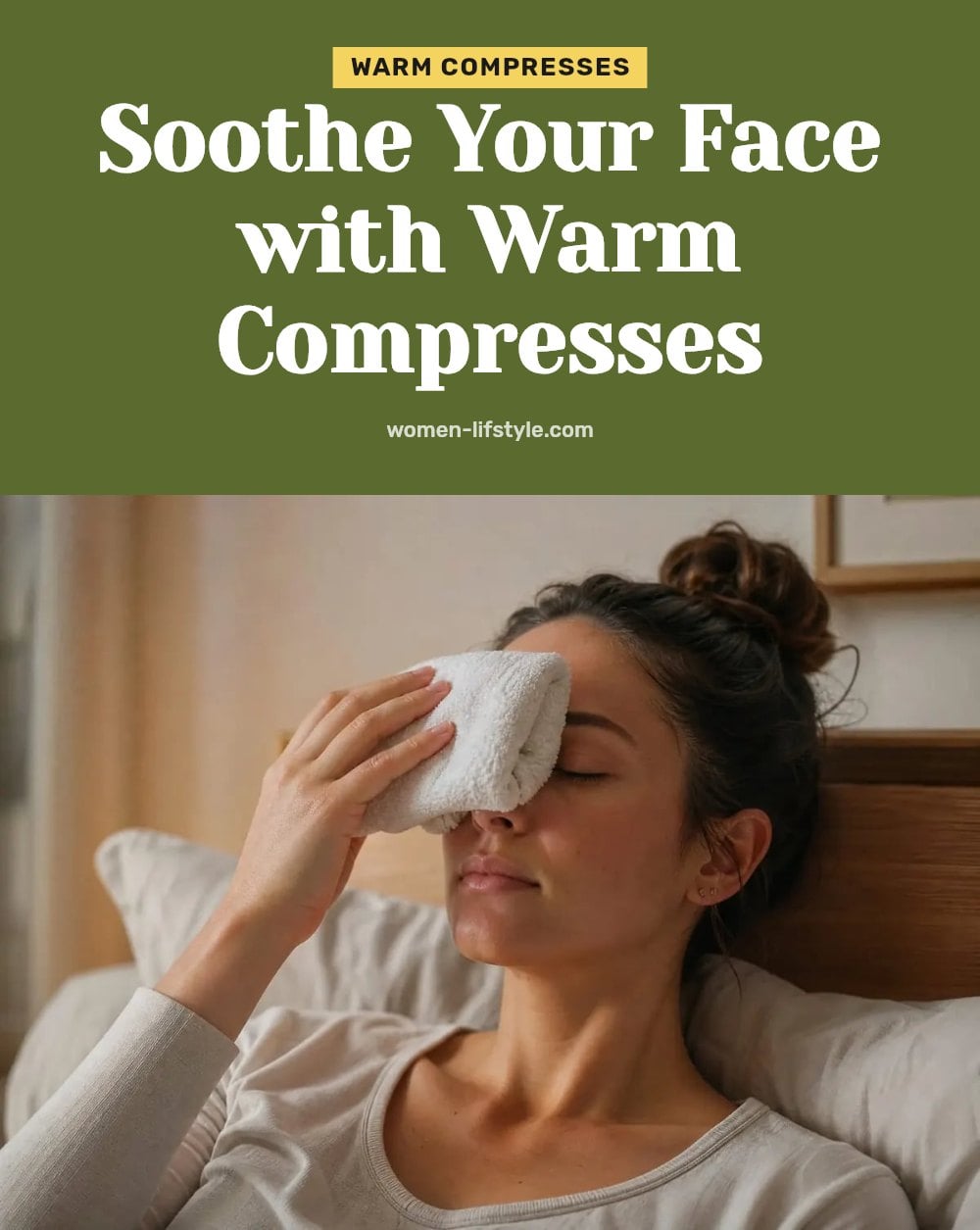
A warm, damp cloth placed over your face can relieve sinus pressure and soothe inflamed tissues. The gentle heat encourages mucus to loosen, providing noticeable comfort.
Tip: Wring out a washcloth in warm water and lay it over your nose and forehead for 5-10 minutes. Repeat as needed throughout the day.
6. Use a Humidifier in Your Room
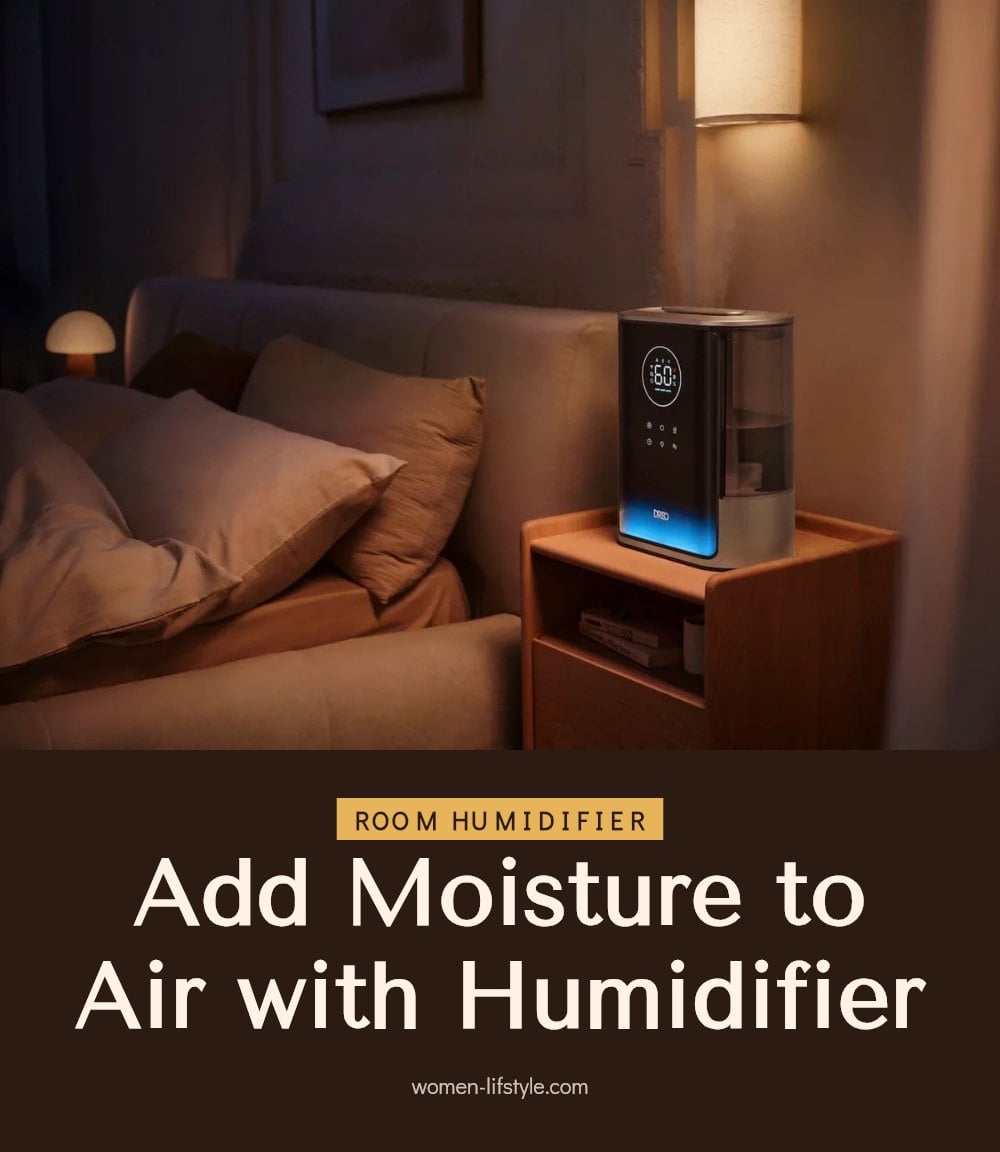
Adding moisture to your room’s air with a humidifier prevents nasal passages from drying out and helps thin mucus. This is especially useful in dry climates or during winter when indoor heating dries everything out.
Good to know: Place the humidifier in your bedroom, especially at night. Clean it regularly to prevent mold and bacteria growth, which can worsen congestion.
7. Try Over-the-Counter Saline Sprays
If a neti pot feels like too much, an over-the-counter saline spray is a simple alternative. It moistens nasal passages and thins mucus for quick, temporary relief.
Caution: Saline sprays are different from medicated decongestant sprays. Medicated sprays can cause rebound congestion if used too often, so stick with saline for regular use.
8. Consider Eucalyptus or Peppermint Oil
Adding a few drops of eucalyptus or peppermint essential oil to your steam bowl can make the session feel even more effective. Many people find the strong menthol-like aroma creates a sensation of clearer breathing, even though scientific evidence for a direct decongestant effect is limited.
Caution: Never apply essential oils directly to your skin without diluting them first in a carrier oil, and never ingest them. If you have asthma or another respiratory condition, check with your doctor before using essential oils in steam.
9. Gargle with Salt Water for Sore Throat
Gargling with warm salt water won’t unblock your nose, but it can soothe a sore throat that often accompanies congestion. It helps reduce throat irritation and may make you more comfortable overall.
Pro move: Dissolve half a teaspoon of salt in a glass of warm water and gargle for about 30 seconds, several times a day. Spit it out afterward, don’t swallow.
10. Explore Spicy Foods
Spicy foods containing capsaicin, like chili peppers or horseradish, can temporarily stimulate nasal drainage in some people. The effect is usually short-lived and varies a lot from person to person.
Quick tip: If you enjoy spicy food, try a small amount to see if it offers any temporary relief. Don’t rely on it as a main strategy, and avoid it if spicy foods upset your stomach.
11. Rest and Manage Your Energy
Rest is one of the most effective things you can do when you’re congested. Your body needs energy to fight off whatever is causing the inflammation, and pushing yourself only delays recovery.
Prioritize sleep and avoid overexertion. Even a short nap or taking it easy for a day can help your immune system work more efficiently.
Tip: Listen to your body. If you feel tired, rest. It’s a simple but powerful remedy that supports every other step you take.
When to See a Doctor for Congestion
If your congestion comes with a high fever or significant facial pain, see a doctor. Persistent green or yellow nasal discharge also warrants a professional opinion. My tip: If symptoms worsen or last longer than 10 days, don’t wait it out. For anyone with asthma or other respiratory conditions, check with your doctor before trying steam inhalation or essential oils.
Frequently Asked Questions
How long does congestion typically last?
Congestion from a common cold usually lasts about 7 to 10 days, while allergy-related congestion can linger as long as you’re exposed to the trigger. If your stuffy nose sticks around for more than 10 days without improving, or if it comes with a high fever or facial pain, you should see a doctor to rule out a sinus infection.
Can diet impact nasal congestion?
Yes, what you eat can play a role. Spicy foods containing capsaicin, like chili peppers or horseradish, may temporarily stimulate nasal drainage in some people. Staying hydrated with fluids like herbal tea and broth also helps thin mucus. On the flip side, dairy products can sometimes make mucus feel thicker for some individuals, though this varies from person to person.
Is it safe to use essential oils on children?
Essential oils like eucalyptus and peppermint should be used with caution around children. Never apply them directly to the skin or let children ingest them. For steam inhalation, only use a drop or two in a bowl of hot water, and keep children at a safe distance to prevent burns. If your child has asthma or another respiratory condition, check with a doctor first before using essential oils.
What’s the difference between a cold and allergy congestion?
Colds are caused by a virus and often come with additional symptoms like fever, body aches, and sore throat, lasting about a week. Allergy congestion, on the other hand, is triggered by allergens like pollen or dust, and it can last as long as you’re exposed, usually without fever. If you’re unsure, pay attention to whether your symptoms shift with seasons or environments.
Can I prevent nasal congestion?
You can’t always prevent congestion, but you can reduce your risk. For allergies, avoid known triggers like pollen or dust mites. Using a humidifier in dry conditions keeps nasal passages moist, and staying hydrated helps thin mucus before it becomes a problem. Washing your hands regularly and avoiding close contact with sick people can also help prevent cold-related congestion.
Why does my congestion get worse at night?
When you lie flat, gravity allows mucus to pool in your nasal passages instead of draining down your throat, making stuffiness feel more intense. This is why elevating your head with an extra pillow can help. Dry indoor air from heating or air conditioning can also dry out your nasal passages at night, so using a humidifier in your bedroom may make a big difference.
Final Thoughts
For quick relief, start with steam inhalation or a saline rinse, and keep your head elevated at night. Remember that these remedies provide temporary comfort, so you may need to repeat them several times a day for a few days to see real improvement. If your symptoms persist or worsen, it’s time to check in with a professional rather than trying to tough it out on your own.
This article is for general informational purposes only and does not constitute medical advice. Always consult a healthcare professional for any persistent or serious symptoms, especially if you have a pre-existing condition like asthma. Do not ignore professional medical advice or delay seeking it based on something you read here.
