

Dealing with mice can be frustrating, but you don’t have to reach for harsh chemicals right away. Natural repellents that rely on strong scents, like peppermint oil and cayenne pepper, can be a smart first step to keep these uninvited guests out. This article covers the most effective natural methods, how to apply them, and the common mistakes to avoid so you can protect your home without toxins.
Key Takeaways
- Seal all entry points as small as a quarter-inch with steel wool and caulk.
- Reapply essential oils like peppermint or clove every few days to a week.
- Store all food in airtight containers and clean up crumbs immediately.
- Use cotton balls soaked in essential oils near suspected entry points.
- Call a professional if you see multiple mice or droppings daily.
How to Naturally Deter Mice from Your Home
Natural mouse repellents rely on strong scents that irritate mice’s sensitive nasal passages, making them a good first line of defense. Peppermint oil, clove oil, and cayenne pepper are common options. For best results, pair these repellents with diligent home sealing and sanitation. Block entry points and remove food sources. Natural methods require consistent reapplication every few days to a week. They are not a standalone solution for severe infestations; if the problem persists, call a professional.
Why Mice Are Attracted to Your Home

Food, Shelter, and Warmth
Mice enter homes looking for food, shelter, and warmth, especially during colder months. Their excellent sense of smell helps them locate crumbs, spills, and improperly stored pantry items. They are primarily nocturnal, so you may not notice them until their population has grown. A female mouse can have 5 to 10 litters per year, each with 5 to 6 pups, so problems can escalate quickly.
Tiny Entry Points
Mice can squeeze through openings as small as a quarter-inch. That is about the width of a pencil. Common entry points include gaps around pipes, vents, and foundations. Check your home thoroughly and seal any cracks or holes with steel wool and caulk.
Effective Natural Mouse Repellents to Try

Peppermint Oil
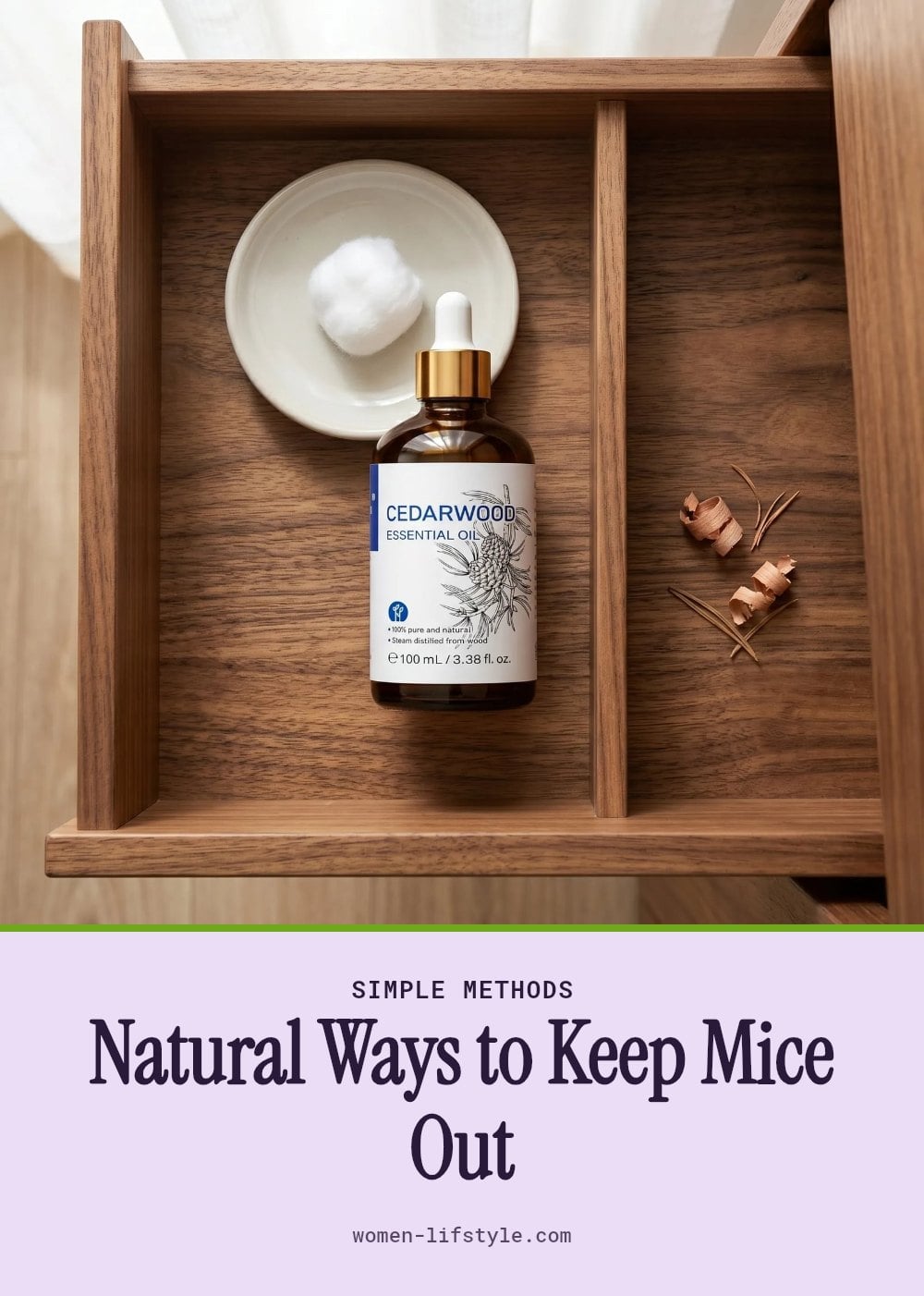
Peppermint oil is the most popular natural mouse repellent. Its strong scent irritates mice’s nasal passages. Soak a few cotton balls in peppermint oil and place them near entry points, along baseboards, and in cabinets. Tip: Reapply the oil every few days, as the scent fades quickly.
Clove Oil
Clove oil has a pungent aroma that mice reportedly dislike. Use it the same way as peppermint oil: on cotton balls placed in strategic locations. Caution: Clove oil can be strong, so keep it away from pets and children.
Cayenne Pepper or Chili Flakes
Cayenne pepper contains capsaicin, which is an irritant to mice. Sprinkle a light dusting in areas where you suspect mouse activity, but avoid using it where pets or kids might inhale it. Caution: Wash your hands thoroughly after handling cayenne, and avoid breathing in the dust.
Used Coffee Grounds
Used coffee grounds have a strong odor and an abrasive texture that some people find helpful. Place them in shallow dishes near entry points. Refresh the grounds weekly, as the smell fades over time.
Bay Leaves
Bay leaves are a traditional pantry pest deterrent. Tuck whole bay leaves into cabinets, drawers, and pantry shelves. Replace them every few weeks to maintain their scent.
Gathering Your Natural Mouse Repellent Supplies
Before you start, gather these supplies. Most are inexpensive and easy to find.
- Peppermint essential oil: Its strong scent is the top natural repellent.
- Cotton balls: Soak them in essential oils for easy placement.
- Clove essential oil: Another powerful aromatic deterrent.
- Cayenne pepper or chili flakes: Use for capsaicin-based irritation.
- Used coffee grounds: A strong-smelling, abrasive option.
- Bay leaves: A traditional pantry pest deterrent.
- Steel wool, caulk, or sealant: For blocking entry points permanently.
Common Mistakes When Using Natural Mouse Repellents
Natural repellents work best as a deterrent, not a solution for an active infestation. A common mistake is assuming a few cotton balls soaked in peppermint oil will solve a large-scale problem. If you see multiple mice or droppings daily, professional help is often needed.
My tip: Set a calendar reminder to reapply essential oils every three to four days. Their scent fades quickly, and mice will return once the smell is gone. Failing to block entry points or remove food sources undermines any repellent. Mice need less than a quarter-inch to enter, so seal cracks with steel wool and caulk. Also, keep cayenne pepper and oils away from areas where pets or children play, as they can cause irritation if touched or ingested.
Timeline and Cost for Natural Mouse Repellent Methods
Essential oils like peppermint and clove need reapplication every few days to a week, or as soon as the scent fades. Bay leaves and coffee grounds last longer but should be checked and refreshed weekly. The initial cost for a starter kit of oils and spices is usually under $30. Ongoing costs are minimal, mostly for replacing oils or spices every few months depending on how much you use.
Preventing Future Mouse Problems Naturally

Preventing future problems starts with cutting off what mice want. Here are the steps I follow:
- Clean immediately: Wipe up crumbs and spills in the kitchen and dining areas right away. Mice have an excellent sense of smell and will find even small traces.
- Store food in airtight containers: This includes pet food, birdseed, and pantry staples. A sealed container blocks the scent that attracts them.
- Seal all entry points: Fill cracks and holes in walls, foundations, and around pipes with steel wool and caulk. Mice can squeeze through a quarter-inch gap.
- Declutter basements and attics: Clutter gives mice hiding spots and nesting material. Keep these areas clean and organized.
- Don’t leave pet food out overnight: Mice are nocturnal, so a bowl of kibble is an open invitation.
When to Call a Professional for Mouse Infestations
Natural repellents have limits. If you see multiple mice regularly, find large amounts of droppings, or notice chewed wires and gnaw marks on walls, it is time to call a professional. Persistent problems despite consistent prevention also warrant expert help. A pest control service can identify hidden entry points and provide targeted treatments that natural methods cannot match.
Frequently Asked Questions
How long do natural mouse repellents last?
Essential oils like peppermint and clove need to be reapplied every few days to a week, or as soon as the scent fades. Bay leaves and coffee grounds can last longer but should be checked and refreshed weekly. The key is to keep the scent strong enough to deter mice.
Can natural repellents get rid of a large mouse infestation?
Natural repellents are best used as a deterrent, not a solution for a large infestation. If you see multiple mice or droppings daily, these methods alone are unlikely to solve the problem. In that case, it is time to call a professional pest control service.
Are natural mouse repellents safe for pets?
Some natural repellents, especially essential oils, can be irritating or toxic to pets if ingested or applied directly. Keep cotton balls and loose repellents like cayenne pepper out of reach of dogs and cats. If you are unsure about a specific oil, consult your veterinarian before use.
What scents do mice hate the most?
Mice are known to strongly dislike peppermint, clove, and cayenne pepper scents. These strong aromas irritate their sensitive nasal passages and disrupt their ability to find food. Peppermint oil is the most popular and widely recommended natural repellent.
Do coffee grounds really deter mice?
Used coffee grounds are sometimes suggested as a repellent because of their strong odor and abrasive texture, but the evidence is weak. They may offer some short-term deterrence if placed near entry points, but they are not as reliable as peppermint oil or cayenne pepper. Refresh them weekly for any potential effect.
Final Thoughts
For the best results, combine natural repellents with rigorous home sealing and sanitation. Realistically, you will need to reapply essential oils every few days and check your barriers weekly. If you stay consistent, these methods can help keep your home mouse-free without toxic chemicals.
This article is for informational purposes only and is not a substitute for professional pest control advice. If you have a persistent or severe mouse infestation, consult a licensed pest control professional. Always keep natural repellents out of reach of children and pets.
