

If you’re looking to soften your laundry without the synthetic chemicals in commercial fabric softeners, you have solid natural options. White vinegar, baking soda, and wool dryer balls each tackle stiffness and static in their own way, and they’re gentle on your wallet and the planet. In this article, I’ll walk you through how to use them, what to avoid, and how to get the best results.
Key Takeaways
- Add 1/2 cup white vinegar to the rinse cycle to dissolve detergent residue and soften fabrics.
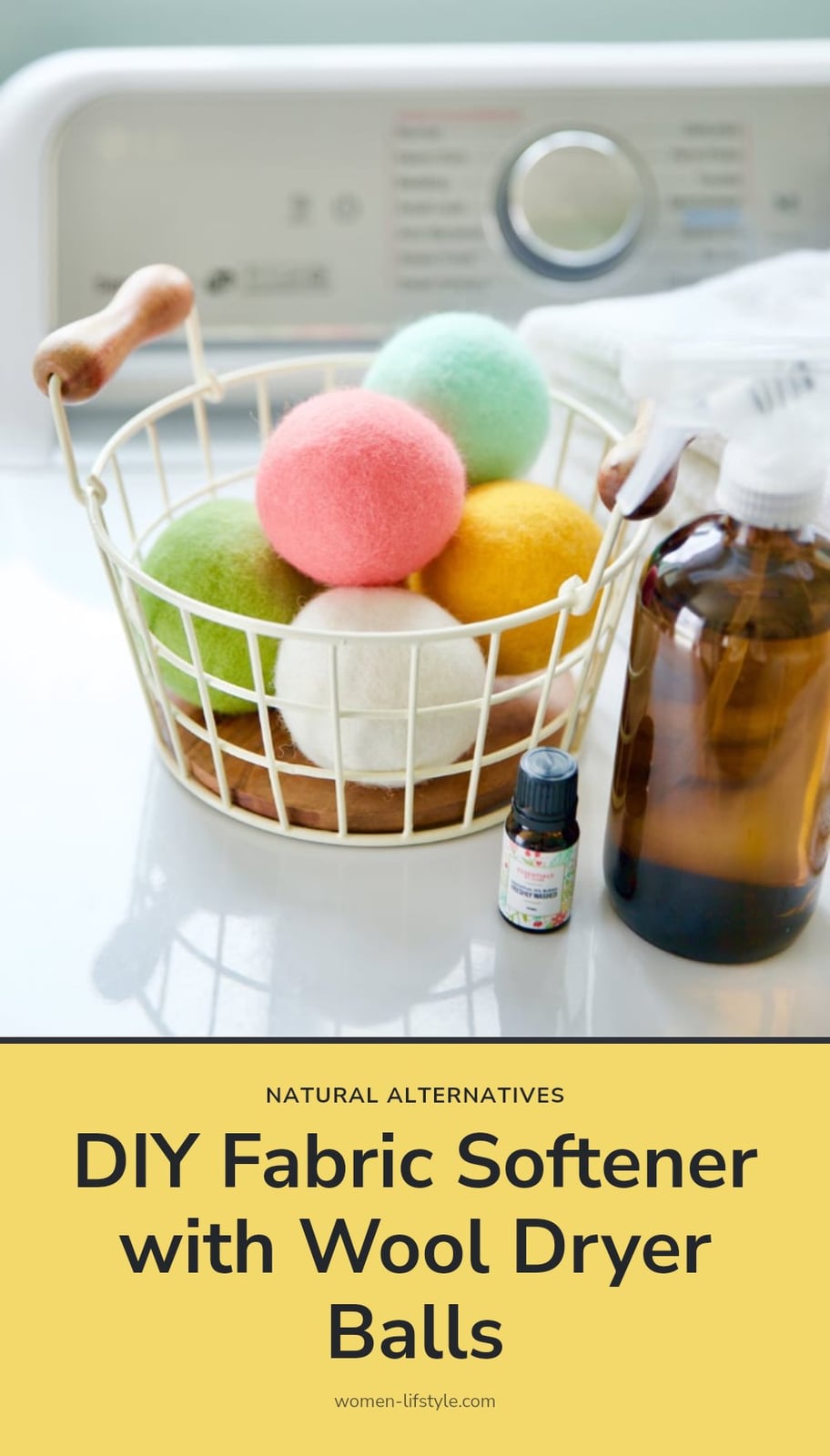
- Use 3-6 wool dryer balls per load to reduce static and drying time.
- Add baking soda directly to the wash drum to balance pH and soften clothes.
- Avoid essential oils in the wash water; put a few drops on dryer balls instead.
- Remove clothes promptly from the dryer to prevent stiffness and wrinkles.
Ditch the Chemicals: Your Guide to Natural Softener Alternatives
If you want softer laundry without synthetic chemicals, three natural alternatives deliver real results: white vinegar, baking soda, and wool dryer balls. White vinegar breaks down leftover detergent residue that makes fabrics feel stiff. Baking soda balances the pH in your wash water, which naturally softens fibers. Wool dryer balls physically separate clothes in the dryer, letting hot air circulate more freely to reduce static and drying time. These options are gentler on sensitive skin, better for the environment, and actually extend the life of your clothes and appliances by avoiding the waxy buildup commercial softeners leave behind.
Top Natural Fabric Softener Methods and How to Use Them
White Vinegar
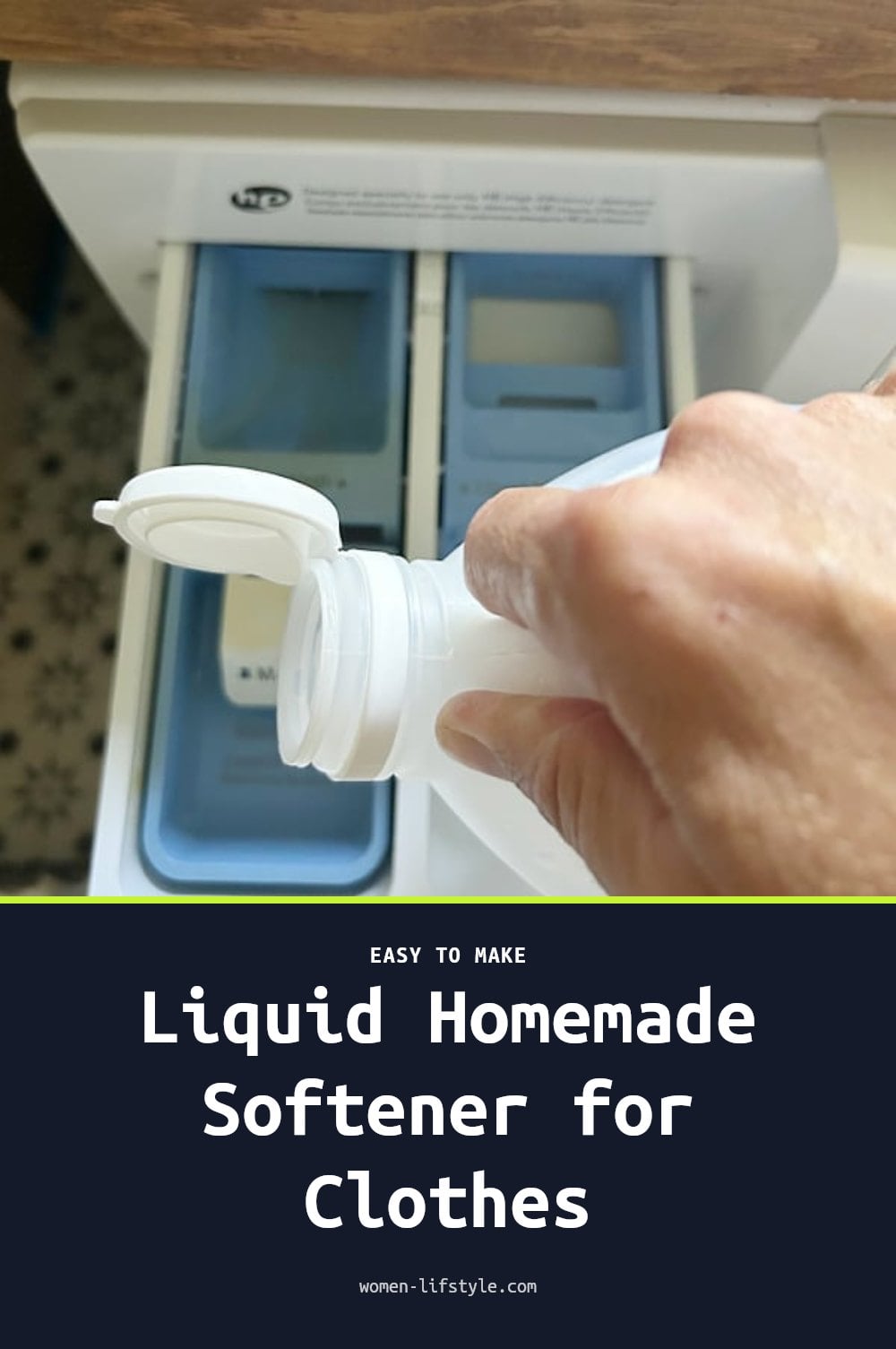
White distilled vinegar softens clothes by dissolving alkaline detergent residue trapped in fabric fibers. Add 1/2 cup to your machine’s fabric softener dispenser or pour it directly into the rinse cycle. The vinegar smell completely disappears once clothes are dry.
Baking Soda
Baking soda is alkaline, so it neutralizes pH in the wash water and helps loosen mineral deposits that cause stiffness. Add 1/2 cup directly into the wash drum with your detergent at the start of the cycle. It also boosts detergent performance on tough odors.
Wool Dryer Balls
Wool dryer balls tumble between wet clothes, creating space for hot air to circulate. This cuts drying time by 20 to 30 percent and prevents static buildup. Use 3-6 balls per load for best results. They last for hundreds of loads.
Essential Oils for Scent
Add 3 to 5 drops of essential oil to each wool dryer ball before tossing them in the dryer. Do not pour essential oils directly into the washing machine water. The oil can stain clothes and damage rubber seals. For a DIY liquid softener, always dilute essential oils first to avoid skin irritation.
Aluminum Foil Balls
Crumple a sheet of aluminum foil into a ball about the size of a tennis ball and toss it in the dryer. The foil discharges static electricity as it bounces around. The softening effect is minimal, but it works for static reduction at almost zero cost.
Gather Your Natural Softening Arsenal
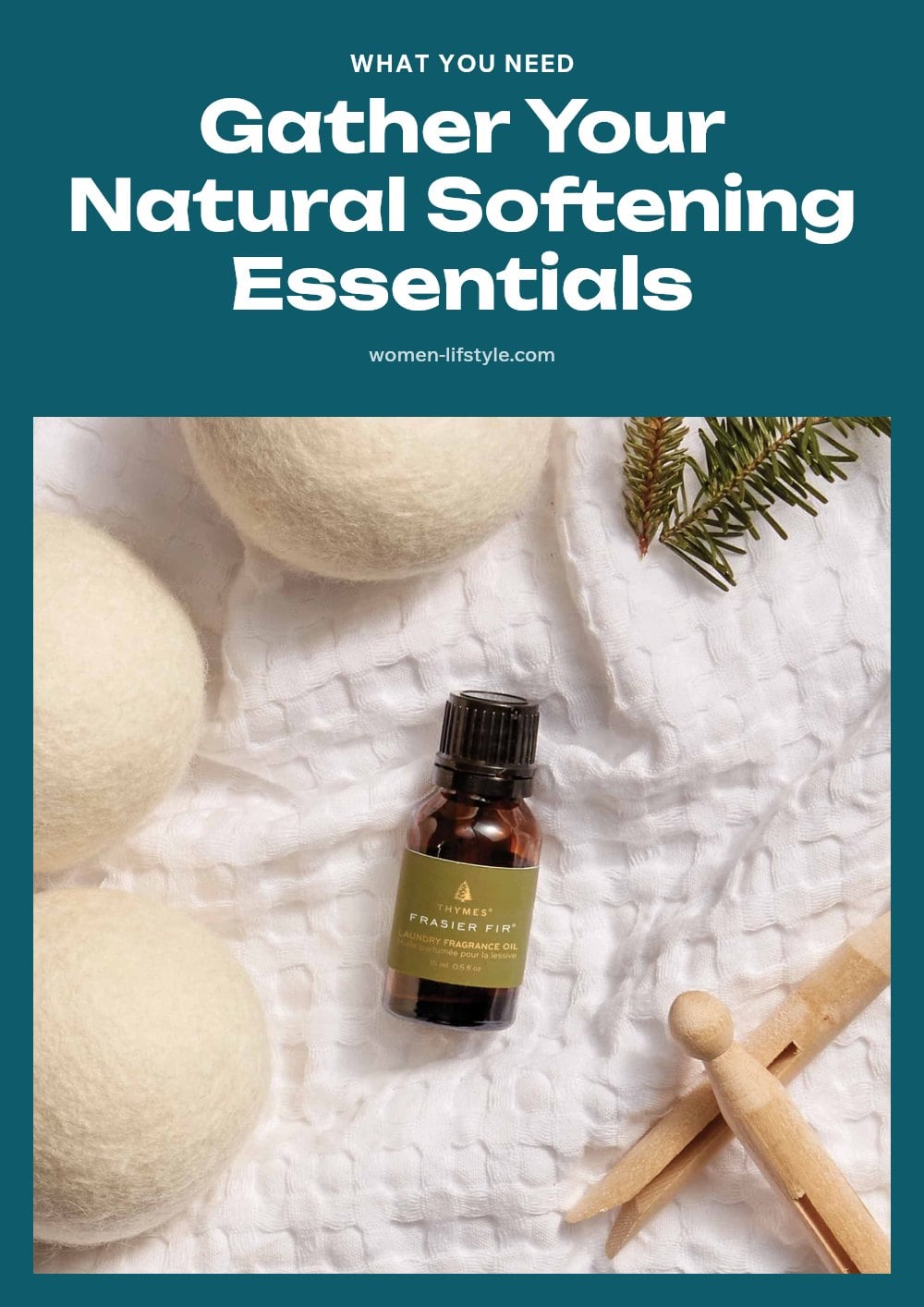
Stock your laundry area with these five items and you can skip commercial softeners entirely.
- White distilled vinegar: Breaks down detergent residue and removes odors. The scent vanishes after drying.
- Baking soda: Balances wash water pH and helps detergent work harder on tough loads.
- Wool dryer balls: Cut drying time, reduce static, and last for hundreds of uses.
- Essential oils: Add natural fragrance when dropped onto dryer balls or mixed into DIY softener solutions.
- Aluminum foil: A cheap, reusable option for zapping static cling in the dryer.
Choosing Your Best Natural Fabric Softener Option
Each natural option targets a different laundry problem. This table shows which one fits your goal best.
| Option | Best For | How to Use |
|---|---|---|
| White vinegar | Deep softening, odor removal, towel fluffiness | Add 1/2 cup to rinse cycle |
| Baking soda | General softening, boosting detergent | Add 1/2 cup to wash drum |
| Wool dryer balls | Static reduction, faster drying | Toss 3-6 balls in dryer |
| Essential oils | Natural scent | Drop on dryer balls or dilute in DIY softener |
| Aluminum foil balls | Static reduction only | Crumple and toss in dryer |
If your main goal is softness and odor removal, start with vinegar. For static and faster drying, wool dryer balls are the clear winner. Baking soda works well as an all-purpose helper alongside your regular detergent.
Common Mistakes to Avoid When Using Natural Softeners
Using too much: More vinegar or baking soda isn’t better. Overdosing can leave a white residue on dark clothes or a faint smell. Stick to the recommended amounts, generally 1/2 cup per load, but adjust slightly if needed for hard water conditions.
Direct essential oil use: Never pour essential oils straight into the wash water. They can stain fabrics and damage machine seals. Instead, add 3-5 drops to a wool dryer ball or dilute them in a DIY liquid softener.
Expecting strong scents: Natural softeners won’t leave your laundry smelling like a perfume aisle. The scent is mild and fades quickly. If you want fragrance, use essential oils sparingly on dryer balls.
Ignoring hard water: Hard water minerals can make clothes stiff even with natural softeners. If your tap water is hard, increase your vinegar or baking soda amount slightly, or consider a whole-house water softener.
Over-drying clothes: Running the dryer too long makes fabrics stiff, no softener can fix that. Remove clothes while they’re still slightly damp or use an auto-dry setting.
Pro Tips for Maximizing Softness and Reducing Static
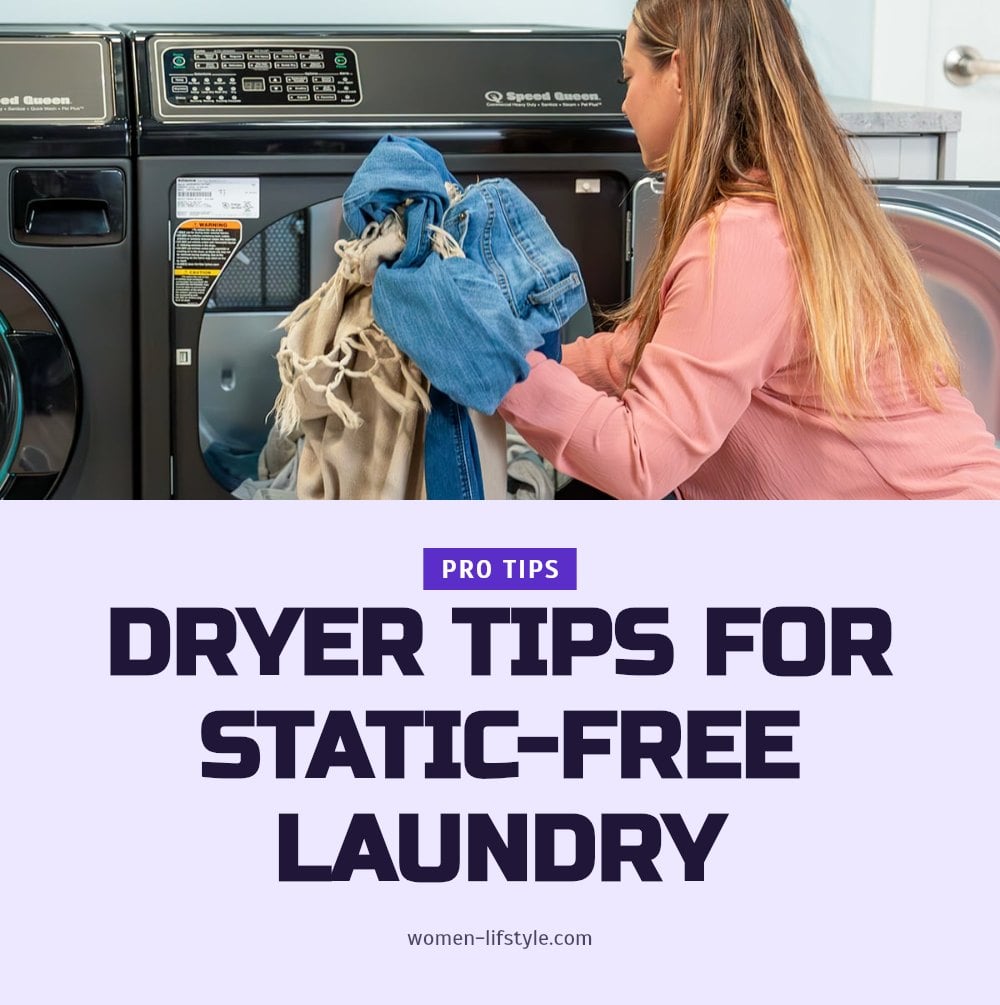
Don’t overfill: A crammed washer or dryer can’t circulate water or air properly, so softeners can’t reach all fibers. Leave enough space for clothes to move freely.
Prompt removal: Take clothes out of the dryer as soon as the cycle ends. Letting them sit creates stiffness and wrinkles that no softener can undo.
Target specific items: Never use commercial fabric softener on towels or athletic wear. The coating reduces absorbency and blocks moisture-wicking properties. Stick with natural alternatives like vinegar.
Address hard water: If you notice stiff laundry despite using natural softeners, hard water is likely the culprit. A water softener or a 1/4 cup extra vinegar per load can help.
Dilute essential oils: For a DIY liquid softener, mix essential oils with a carrier like vinegar or water first. Undiluted oils can irritate skin and damage fabrics.
Timeline and Cost of Natural Fabric Softening
Immediate results: You’ll notice softer clothes after the first wash with vinegar or baking soda. Static reduction from dryer balls starts immediately too.
Ongoing improvement: With continued use, residue from commercial softeners washes away, and fabric feels progressively softer.
Low initial cost: Vinegar and baking soda cost pennies per load and are sold at any grocery store. No special purchases needed to start.
One-time investment: Wool dryer balls cost more upfront but last for hundreds of loads. That replaces dozens of bottles of commercial softener over time.
Cost-effective: Switching to natural options saves money in the long run. You buy vinegar and baking soda infrequently, and dryer balls last for years.
Frequently Asked Questions
Can I use essential oils directly in my washing machine?
No, you should not pour essential oils directly into the wash water. They can stain fabrics and potentially damage machine parts. Instead, add a few drops to wool dryer balls or to a DIY liquid softener that’s properly diluted. Always test on a small patch of fabric first if you have sensitive skin.
Will vinegar make my clothes smell like salad?
No, the vinegar smell completely disappears once your clothes are dry. The acidic vinegar breaks down detergent residue and odors, leaving fabrics fresh and soft. If you’re still concerned, use the extra rinse cycle or let your laundry air out briefly after drying.
Are wool dryer balls safe for all fabrics?
Yes, wool dryer balls are generally safe for most fabrics, including delicates, because they are soft and gentle. They work by separating clothes to improve air circulation, which reduces static and drying time. For very delicate items, use a lower heat setting or remove them before the balls finish.
How often should I use natural fabric softeners?
You can use them every load if you like, but many people find that using vinegar or baking soda once a week is enough to maintain softness. Wool dryer balls can be used every time you dry. Overusing any softener, even natural ones, can leave residue, so stick to the recommended amounts.
Can natural softeners help with hard water issues?
Yes, baking soda can help balance pH in hard water, which may reduce mineral buildup on fabrics. Vinegar also helps dissolve mineral deposits, making clothes softer. However, if you have very hard water, you might need to address it at the source, such as with a water softener, for the best results.
Final Thoughts
For a simple start, try adding 1/2 cup of white vinegar to your next rinse cycle; you’ll likely notice softer towels and less odor right away. Keep in mind that natural softeners work gradually, so continue using them for a few weeks to see the full effect as residue from commercial products washes away. My tip: pair vinegar with wool dryer balls for the best combination of softness and static control.
