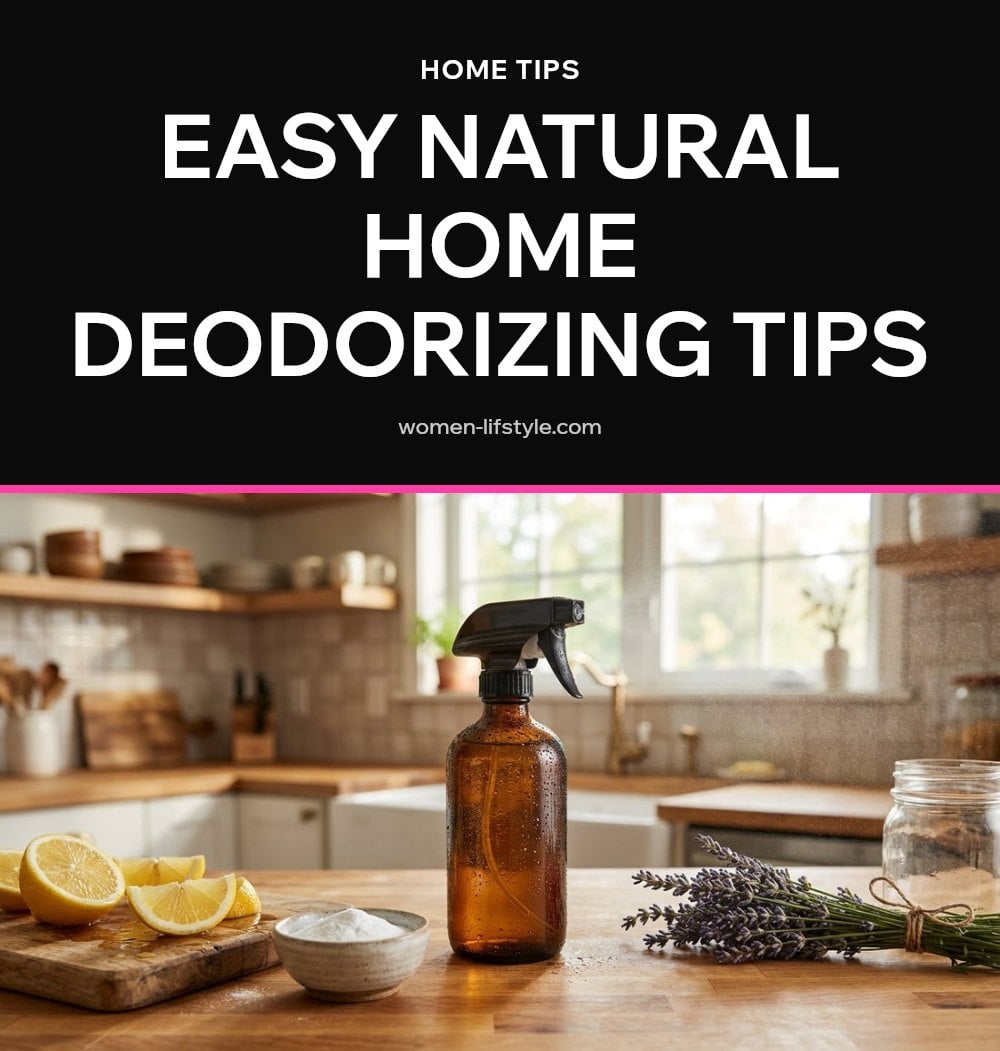
You’ve probably tried lighting a candle or spraying air freshener, only to have the smell return an hour later. That’s because real deodorizing means removing the source of the odor, not just covering it up. In this article, I’ll walk you through the simplest, most effective natural methods I rely on at home, from baking soda to sunlight, so you can finally get your house smelling truly fresh.
Key Takeaways
- Always identify and remove the odor source before applying any deodorizer.
- Baking soda absorbs odors; place open bowls in refrigerators, closets, and on carpets.
- White vinegar neutralizes alkaline smells like pet urine; use a 1:1 water solution on hard surfaces.
- Activated charcoal traps odors in enclosed spaces such as closets and gym bags.
- Good ventilation and sunlight are free, powerful deodorizing tools for everyday freshness.
What is Deodorizing and Why Does it Matter?
Deodorizing means getting rid of the source of a smell, not just covering it up with a spray. That’s why a true fresh home starts with elimination, not masking. Common household items like baking soda and vinegar are surprisingly effective because they absorb or neutralize odor molecules at a chemical level. The trick is knowing what type of odor you’re dealing with, grease, pet urine, mustiness, so you can pick the right method. And regular cleaning keeps smells from coming back.
1. Baking Soda for Absorption
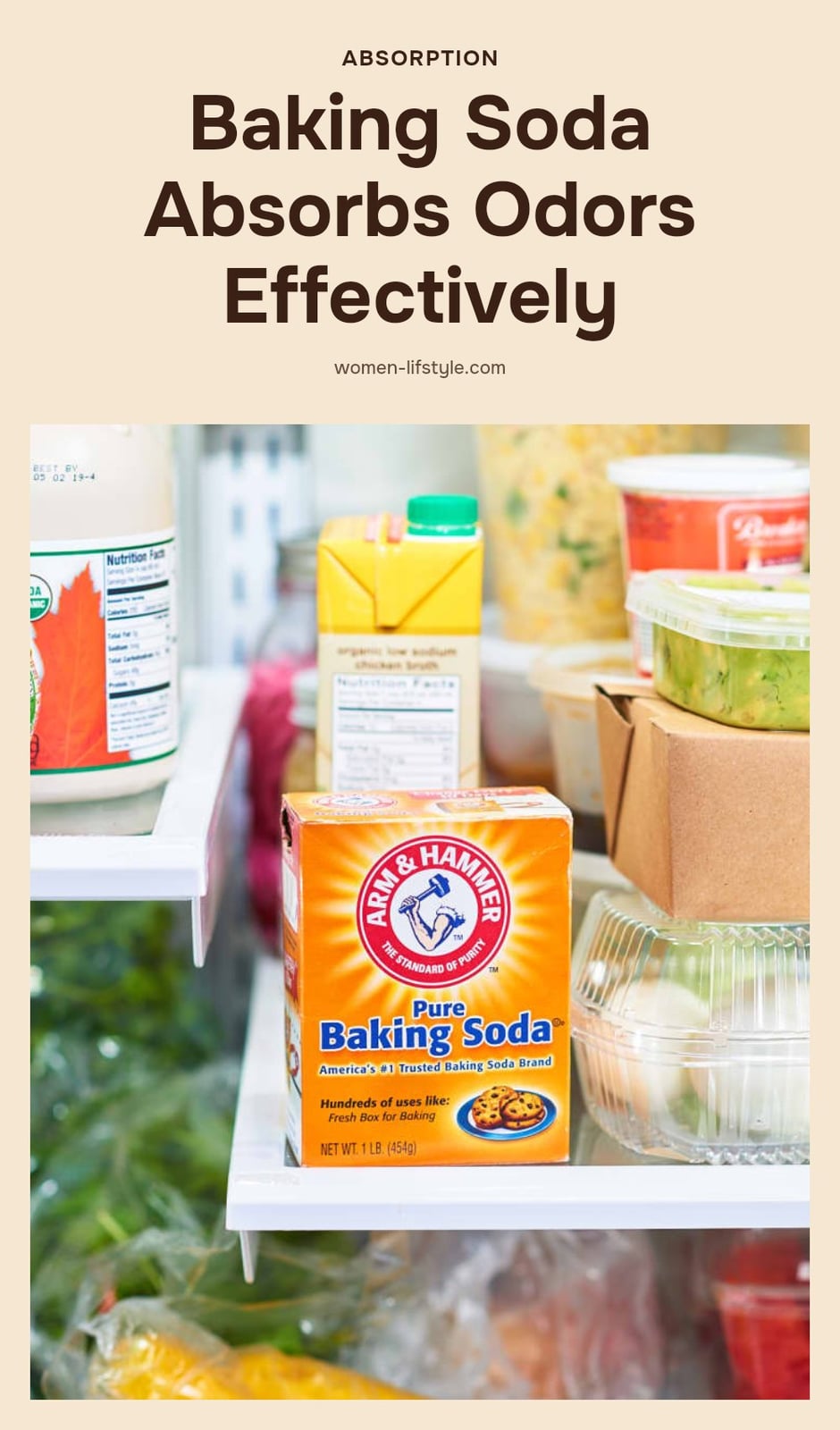
Baking soda (sodium bicarbonate) is a powerhouse because it absorbs both acidic and alkaline odor molecules, making it work on almost any smell. My tip: Place open bowls in your refrigerator, freezer, or closet to keep them fresh. For carpets, upholstery, or pet beds, sprinkle a generous layer, let it sit for 15-30 minutes (or overnight for tough odors), then vacuum thoroughly. For smelly shoes, sprinkle a tablespoon inside each shoe and let it sit overnight to absorb foot odors.
2. White Vinegar for Neutralization
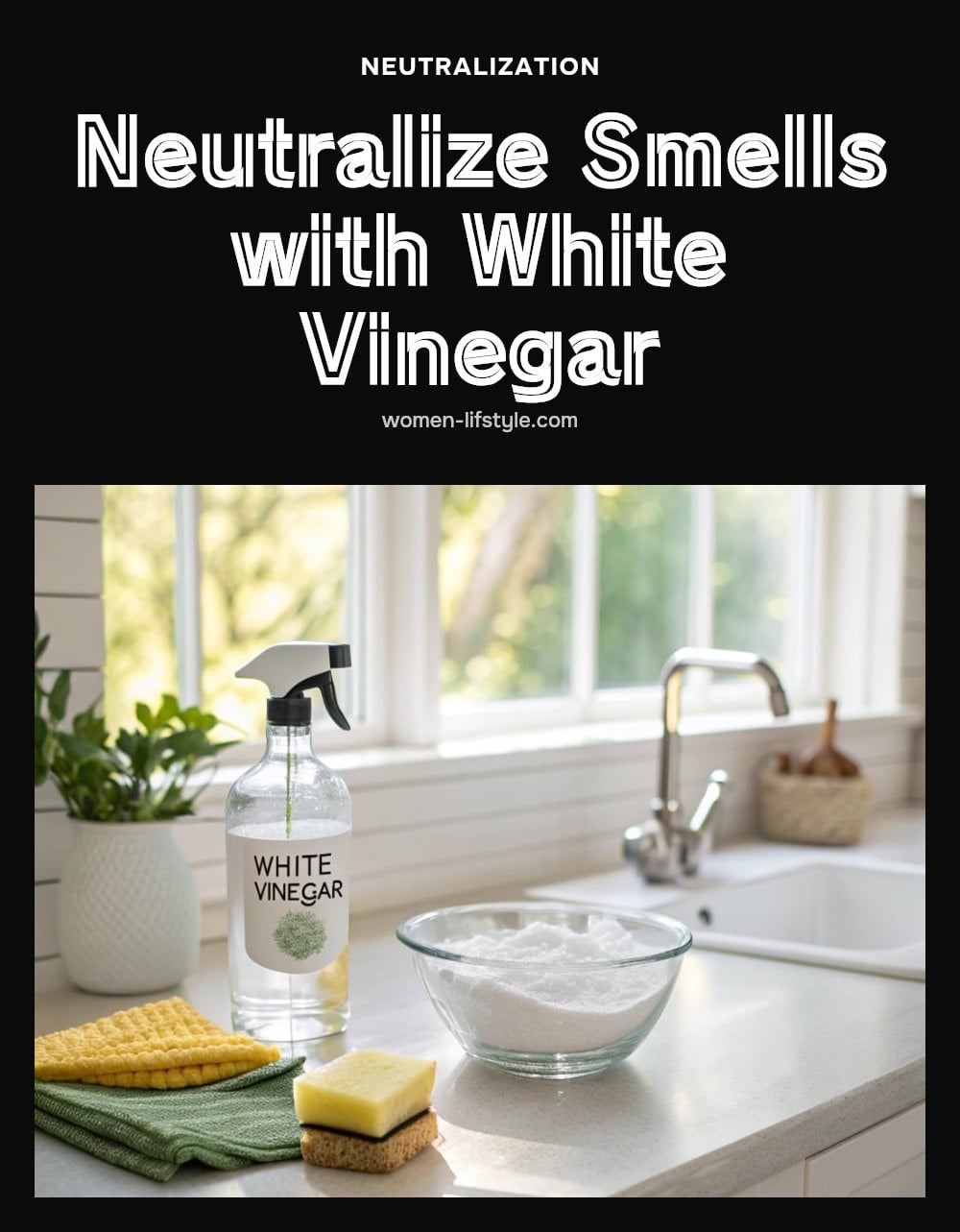
White vinegar (acetic acid) neutralizes odors by breaking down the compounds that cause them, especially alkaline smells like pet urine or cooking grease. I use it to wipe down hard surfaces, countertops, cutting boards, garbage cans, diluted 1:1 with water in a spray bottle. For musty laundry, add 1/2 cup to the rinse cycle. Caution: Avoid undiluted vinegar on natural stone surfaces like marble or granite, as it can etch them.
3. Activated Charcoal for Enclosed Spaces
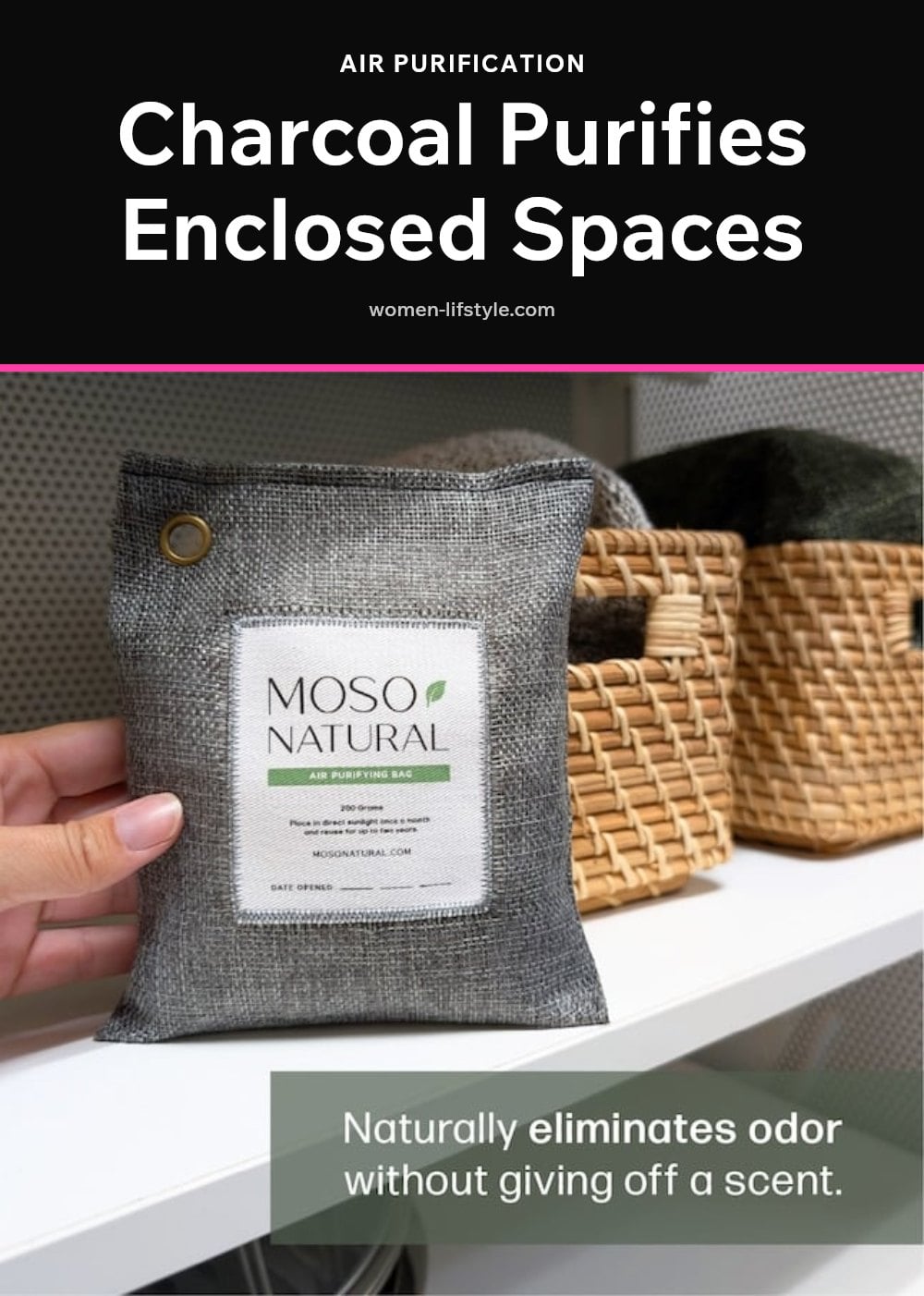
Activated charcoal is extremely porous, so it traps and absorbs odor molecules rather than just covering them up. It works best in enclosed spaces where air doesn’t circulate much. Place bags or containers in closets, gym bags, cars, or near litter boxes to soak up lingering smells. It’s a passive deodorizer, so give it time to work. Replace or recharge it by setting it in direct sunlight every few months.
4. Citrus Peels for Freshness

Citrus peels, like lemon or orange, contain d-limonene, a natural solvent and deodorizer that refreshes air and surfaces. Simmer a handful of peels in a pot of water on the stove for a natural air freshener that fills the room with clean scent. Toss peels down the garbage disposal while running cold water to clean and deodorize the blades and drain.
My tip: Rub a lemon peel directly on a cutting board after chopping onions or garlic. The d-limonene breaks down the oils that cause lingering smells, leaving the board fresh without soap.
5. Coffee Grounds for Strong Odors
Used coffee grounds absorb and neutralize strong odors surprisingly well, especially in confined spaces like a refrigerator or freezer. Spread dry, used grounds on a plate and place it inside the fridge to pull out food smells. For a quick closet refresh, set a small bowl of fresh grounds on a shelf.
They also work for shoes or gym bags. Fill an old sock or small sachet with dry grounds, tie it off, and tuck it inside to absorb foot or sweat odors overnight.
6. Essential Oils for Scent and Antimicrobial Boost
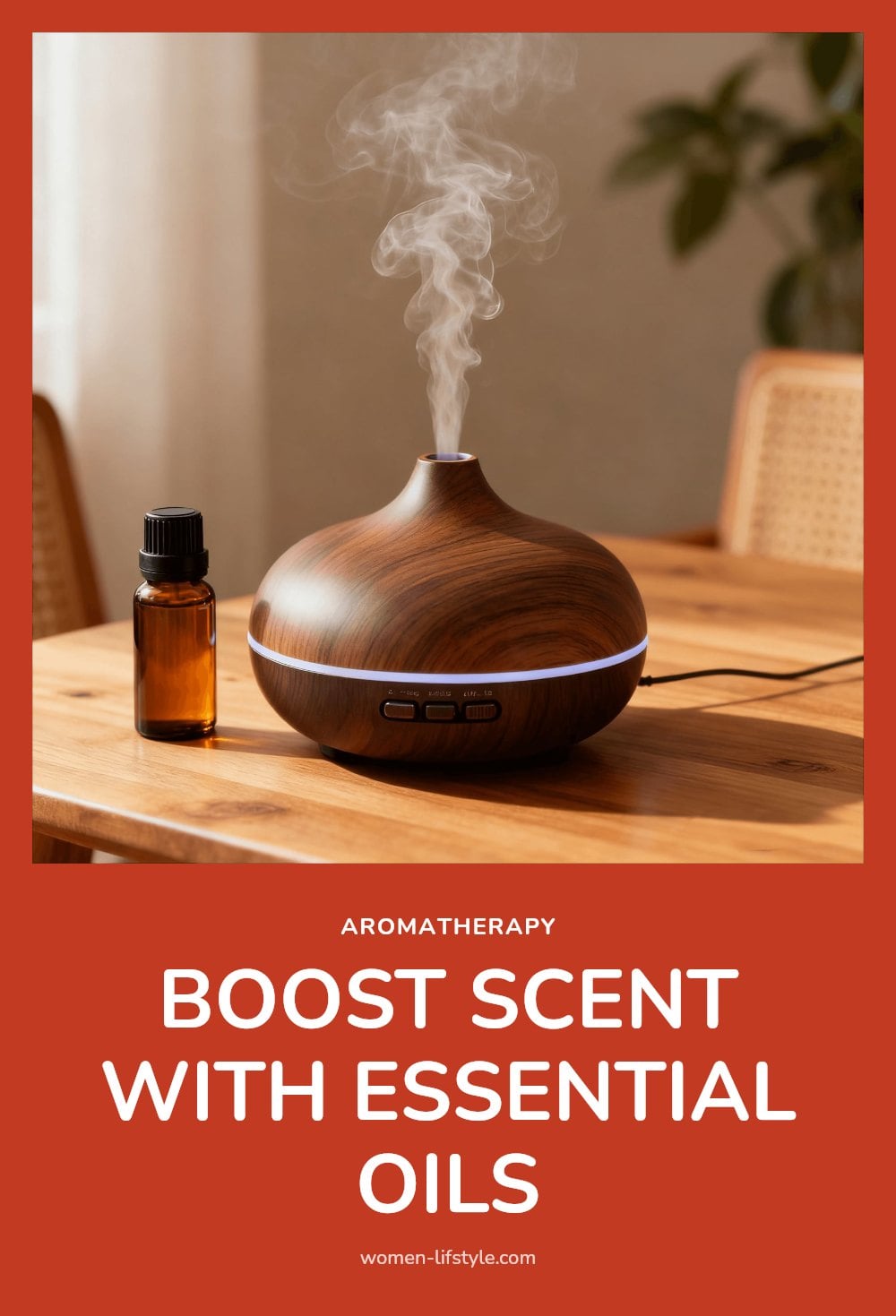
Essential oils like tea tree, lemon, or lavender are not true deodorizers, but they add a pleasant scent and offer some antimicrobial properties that can indirectly help with odor. Add a few drops to cotton balls and place them in discreet spots like drawers or closets. Mix 10-15 drops with water and a splash of witch hazel in a spray bottle for a DIY air freshener.
Caution: Keep essential oils out of reach of children and pets, and never ingest them. Always dilute before applying to surfaces to avoid damage or irritation.
7. Good Ventilation for Airflow
Good ventilation is a fundamental deodorizing step because it physically removes airborne odor molecules and replaces them with fresh air. Open windows and doors for at least a few minutes each day, even in cold weather, to let stale air escape. Use fans positioned to push air out of the room, especially after cooking or cleaning.
Make ventilation a habit after any activity that creates smells. Trapped air lets odors settle into fabrics and surfaces, so moving it out quickly prevents them from lingering.
8. Sunlight for Natural Sanitization
Sunlight is a powerful natural deodorizer because its UV rays kill odor-causing bacteria and refresh fabrics and surfaces. Hang blankets, pillows, rugs, or even shoes outside on a sunny day and let them air out for a few hours. For mattresses, strip the bedding and let the mattress sit near a sunny window, turning it once so both sides get exposure.
9. Enzymatic Cleaners for Organic Odors
Enzymatic cleaners use beneficial bacteria to break down the organic matter that causes odors, making them highly effective for pet accidents, vomit, or other biological spills. Saturate the affected area, let it sit for the time specified on the product instructions so the enzymes can work, then blot clean. Tip: These are a must-have if you have pets. They truly eliminate the odor source, preventing repeat accidents.
10. Hydrogen Peroxide for Disinfection
Hydrogen peroxide works as both a disinfectant and a deodorizer on certain surfaces, especially for mold or mildew smells. Use a 3% hydrogen peroxide solution directly on non-porous surfaces like bathroom tiles or plastic bins. Let it bubble for a few minutes, then wipe clean. Caution: Always test hydrogen peroxide on an inconspicuous area first, as it can bleach some materials. Avoid using it on delicate fabrics or dark-colored surfaces.
11. Regular Cleaning and Trash Management
The most fundamental step in preventing and eliminating odors is consistent regular cleaning and proper trash management. Empty trash cans daily, especially in the kitchen and bathroom. Wash trash cans regularly with soap and water, and consider sprinkling baking soda in the bottom. Clean up spills immediately, wipe down surfaces, and vacuum or mop floors frequently to prevent odor-causing bacteria and grime from building up.
Common Deodorizing Mistakes to Avoid
Mistake 1: Masking instead of eliminating. Air fresheners and scented candles only cover up smells for a short time. They don’t remove the source. Always identify the cause first, then clean the area before using any deodorizer.
Mistake 2: Skipping the clean step. Deodorizers like baking soda or vinegar work best on clean surfaces. If you apply them over dirt or grime, they can’t reach the odor molecules. Clean the spot with soap and water first, then treat it.
Mistake 3: Overusing the agent. Too much baking soda leaves a chalky residue. Too much vinegar leaves a strong sour smell that takes time to fade. Use the recommended amounts and open a window to let the space air out.
Mistake 4: Forgetting ventilation. Trapped air holds odor molecules in place. Even after you clean or apply a deodorizer, stale air keeps smells lingering. Open windows or run a fan for at least 10 minutes after treatment.
Mistake 5: Using one method for everything. Pet urine needs an enzymatic cleaner to break down the organic compounds. General mustiness might only need baking soda and a good airing out. Match the method to the odor type for real results.
Frequently Asked Questions
How long does it take for natural deodorizers to work?
Surface odors can disappear almost immediately after wiping with vinegar or sprinkling baking soda. For deeper smells trapped in carpets, upholstery, or mattresses, plan on leaving the deodorizer in place for several hours or overnight. Repeated applications may be needed for stubborn odors.
Can I mix baking soda and vinegar for deodorizing?
It’s not recommended to mix them for deodorizing because they neutralize each other, creating water and salt. Use them separately: baking soda for absorbing odors, then vinegar for cleaning and neutralizing. If you combine them, you’ll lose their individual deodorizing power.
Are essential oils true deodorizers?
No, essential oils are not true deodorizers because they don’t remove or neutralize odor molecules. They add a pleasant scent and have some antimicrobial properties that may indirectly help, but they mainly mask smells. For real odor removal, rely on baking soda, vinegar, or activated charcoal first.
What if the odor doesn’t go away with natural methods?
If a smell persists after thorough cleaning and multiple deodorizing attempts, it may indicate a deeper issue like mold, mildew, or a pest infestation. In that case, consult a professional to identify and address the root cause. Continuing to mask the odor won’t solve the underlying problem.
How often should I deodorize my home?
For prevention, incorporate deodorizing into your weekly cleaning routine: empty trash cans daily, sprinkle baking soda in the bottom, and air out rooms for a few minutes each day. For specific problem areas like the fridge or closet, refresh baking soda every month or when odors return.
Final Thoughts
My best advice is to start with the source: clean it, then choose your deodorizer based on what you’re dealing with. For most everyday smells, a bowl of baking soda or a vinegar wipe will work within hours. Expect deeper odors in carpets or fabrics to need a few rounds or a full day in the sun. Stick with a simple routine, air out rooms daily, empty trash cans often, and your home will stay fresh without harsh chemicals.