

Seeing a centipede skitter across your bathroom floor can be unsettling, but these many-legged visitors are more of a nuisance than a threat. The good news is you don’t need harsh chemicals to keep them out. This article covers practical, natural strategies that focus on the real reasons centipedes move in: moisture, easy entry points, and a steady supply of prey like spiders and silverfish. By making a few simple changes, you can create a home that’s far less inviting to them.

Key Takeaways
- Reduce indoor humidity below 50 percent with a dehumidifier in damp areas.
- Seal cracks in foundations, walls, windows, and doors to block entry.
- Remove clutter and vacuum regularly to eliminate hiding spots and food sources.
- Fix leaky pipes and avoid leaving wet towels or clothes on the floor.
- Use food-grade diatomaceous earth in cracks, wearing a mask when applying.
How to Naturally Get Rid of Centipedes
To naturally get rid of centipedes, focus on two things: reducing moisture and removing their food sources. These pests thrive in damp areas and hunt other insects like spiders and silverfish. Fix leaky pipes, run a dehumidifier in basements and bathrooms, and vacuum regularly to clear out their prey. Once your home feels less humid and less bug-filled, centipedes will move on to find a more hospitable spot.
Why Centipedes Are Drawn to Your Home

Moisture is their main draw
Centipedes are attracted to high humidity and moisture. You’ll most often find them in basements, bathrooms, and crawl spaces, where dampness lingers. They need that moisture to survive, so any area with standing water, condensation, or poor ventilation becomes a prime target.
They follow their food
These nocturnal predators feed on other household pests like spiders, silverfish, and cockroaches. If you have an insect problem, centipedes are likely showing up to take advantage of the buffet. Their presence often signals that you have other pests hiding in your home.
They get in through small gaps
Centipedes can squeeze through tiny openings. Common entry points include:
- Cracks in foundations
- Gaps around windows and doors
- Utility openings for pipes and wires
Once inside, they head straight for dark, damp spots where they can hunt undisturbed.
Essential Tools for Centipede Deterrence
Dehumidifier
This is your first line of defense. Running it in damp areas like basements and bathrooms brings indoor humidity down, making your home less inviting.
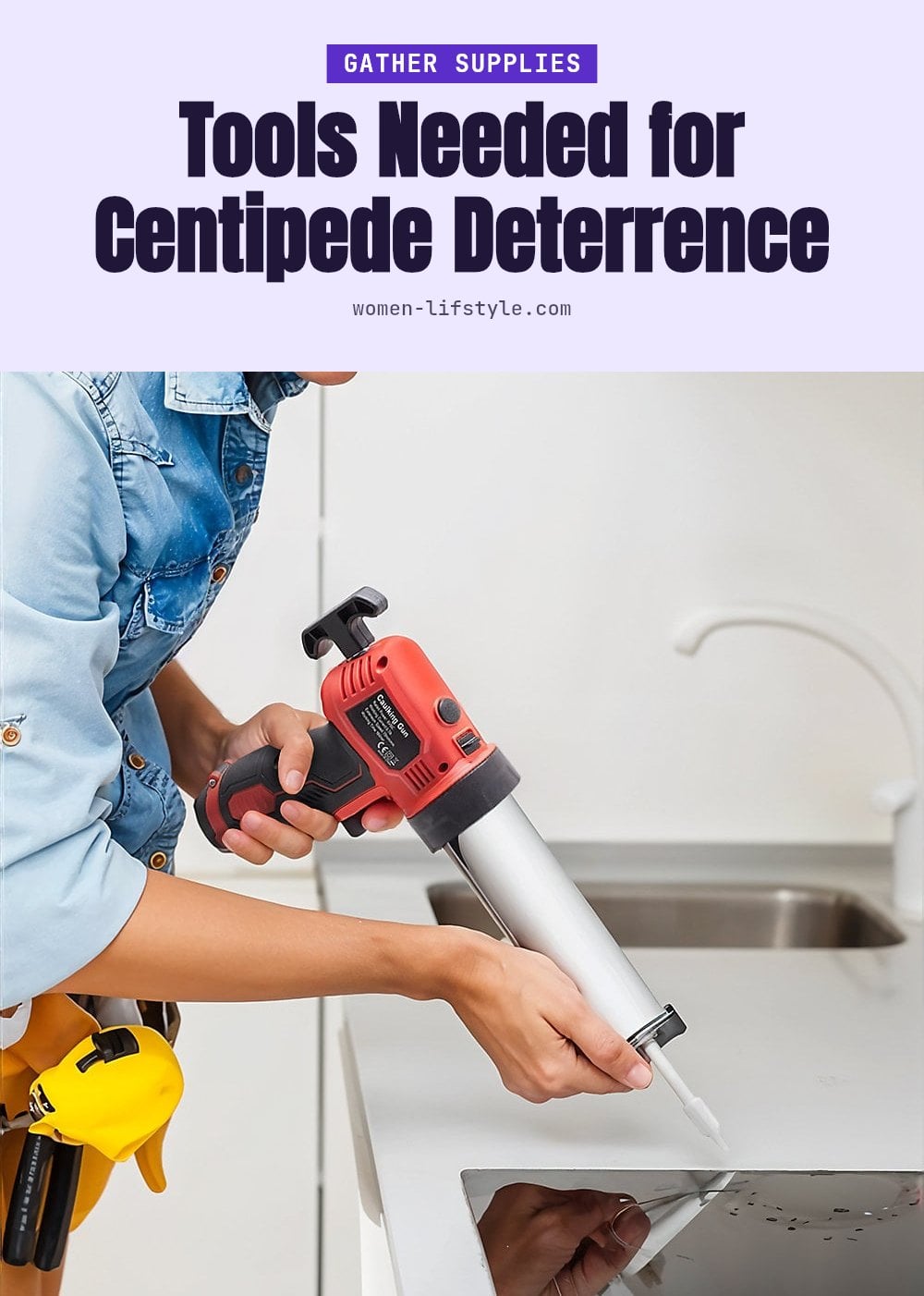
Caulk or sealant
Use this to close cracks in your foundation, walls, and around window and door frames. It blocks the small gaps centipedes use to enter.
Food-grade diatomaceous earth
This fine powder works as a natural desiccant, drying out centipedes and other insects that come into contact with it. Sprinkle it in problem areas like baseboards and under sinks.
Vacuum cleaner
Regular vacuuming removes centipedes, their eggs, and the small insects they feed on. Pay special attention to corners, baseboards, and storage areas.
Effective Natural Methods to Deter Centipedes
Reduce moisture
Start by fixing any leaky pipes and addressing condensation issues. Run a dehumidifier in basements, bathrooms, and crawl spaces to keep humidity levels low. Also, don’t leave wet towels or clothes on the floor, and make sure gutters are clean and direct water away from your foundation.
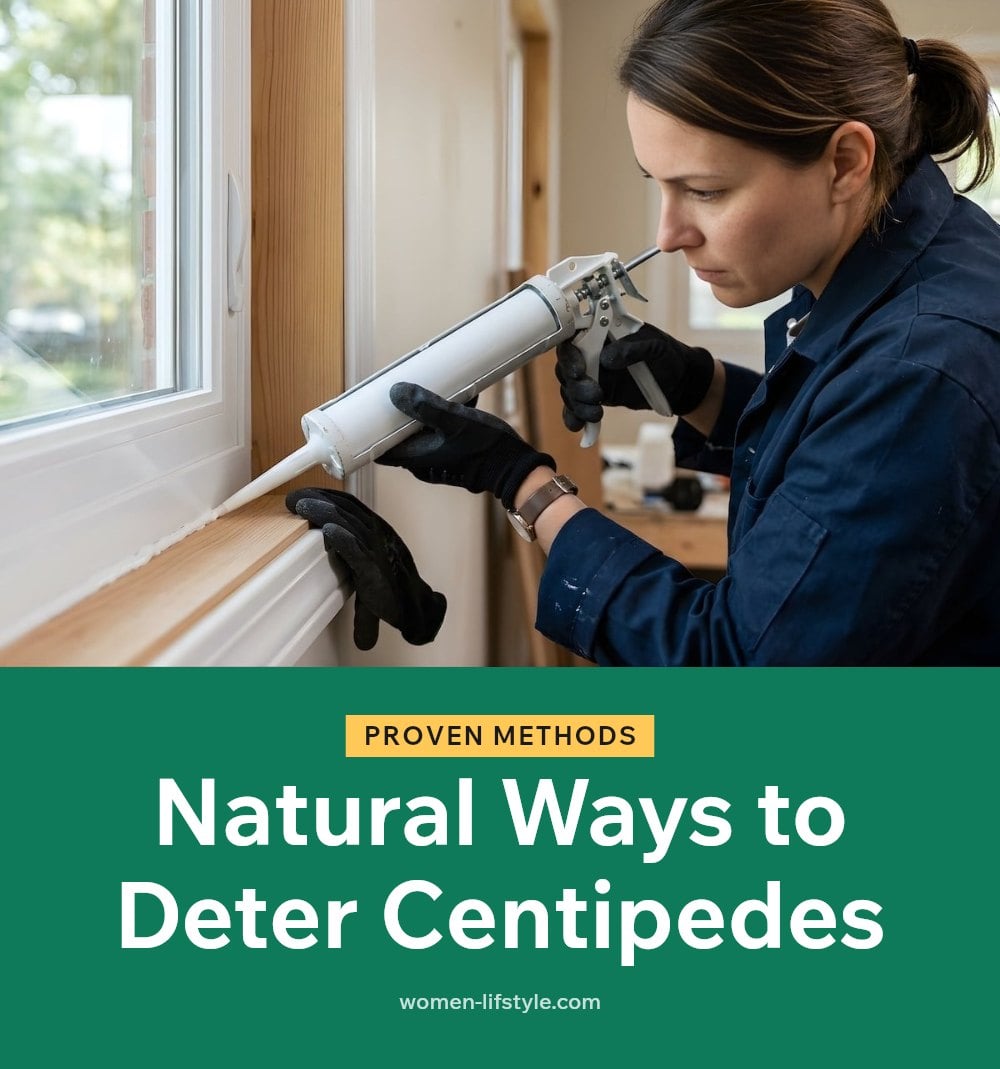
Seal entry points
Walk around your home’s exterior and interior and look for cracks, gaps, and openings. Use caulk or sealant to fill cracks in foundations and walls, and add weatherstripping around windows and doors. Don’t forget utility openings where pipes and wires enter, and consider mesh screens for drains.
Eliminate their food supply
Since centipedes eat other pests, cut off their food source. Vacuum regularly to remove spiders, silverfish, and cockroaches, and their eggs. Keep your home clutter-free, especially in damp storage areas, so both centipedes and their prey have fewer hiding spots.
Apply diatomaceous earth
Food-grade diatomaceous earth is a natural, non-toxic option. Sprinkle a thin layer along baseboards, behind appliances, and in other problem areas. It works by drying out the centipede’s exoskeleton when it crawls through the powder. Caution: Wear a mask when applying, as the fine powder can irritate your lungs if inhaled.
Common Mistakes When Dealing With Centipedes
Mistake: Thinking centipedes are dangerous. They are generally harmless and rarely bite. If they do bite, it’s usually only when threatened, and the result is mild, similar to a bee sting. Their alarming appearance makes them seem scarier than they are.
Mistake: Only killing the centipedes you see. This doesn’t solve the problem. You’re treating the symptom, not the cause. The real issues are the moisture and the other pests they’re feeding on in your home.
Mistake: Ignoring moisture problems. This is the primary attractant for centipedes. If you skip fixing leaks or running a dehumidifier, they will keep coming back no matter how many you squish.
Mistake: Reaching for harsh chemical pesticides. Natural methods like sealing cracks, reducing humidity, and using diatomaceous earth are often just as effective and much safer for your family and pets.
Long-Term Prevention for a Centipede-Free Home
Long-term prevention comes down to a few consistent habits that make your home permanently less inviting to centipedes.
Maintain low humidity: Keep dehumidifiers running in basements and bathrooms. Aim for indoor humidity below 50 percent. This alone removes the main reason centipedes move in.
Seal entry points: Inspect your home’s foundation, windows, and doors every few months. Re-caulk any new cracks and replace worn weatherstripping. This blocks their pathways inside.
Reduce clutter: Clear out boxes, piles of paper, and stored fabrics from damp basements and storage areas. Fewer hiding spots means fewer centipedes and fewer of the insects they hunt.
Improve ventilation: Install exhaust fans in bathrooms and ensure crawl spaces have proper airflow. Use a moisture barrier in crawl spaces if needed. Dry air is the best long-term deterrent.
What to Expect: Timeline and Cost
You can see initial results from moisture reduction and sealing efforts within a few days to a few weeks. Centipedes will start to disappear as their environment becomes less hospitable and their food sources dry up.
Costs are generally low. You’ll likely spend money on caulk, weatherstripping, and food-grade diatomaceous earth. A dehumidifier is the biggest potential expense, but it’s a one-time purchase that also protects your home from mold and mildew. Ongoing maintenance involves regular inspections and keeping humidity levels low.
Frequently Asked Questions
Are house centipedes dangerous to humans or pets?
House centipedes are not dangerous. They rarely bite, and when they do, it’s usually only if they feel threatened. The bite is mild, similar to a bee sting, and they don’t carry diseases or cause structural damage. Pets may be curious, but centipedes are not toxic to them, though a bite could cause minor irritation.
Why do I suddenly have so many centipedes?
A sudden increase in centipedes usually means there’s a food source nearby, like other insects such as spiders or silverfish, or a moisture problem that’s attracting them. Check for leaky pipes, condensation, or cluttered damp areas. Addressing these root causes will help reduce the population.
Can centipedes cause damage to my home?
No, centipedes do not damage your home. They don’t chew wood, fabric, or wiring. Their presence is more of a sign that you have other pests or excess moisture, which could lead to issues over time. Focus on the underlying conditions rather than the centipedes themselves.
How long does it take for natural methods to work?
You can see results within a few days to a few weeks after reducing moisture and sealing entry points. Centipedes will gradually disappear as their environment becomes less hospitable and their food sources dry up. For long-term prevention, keep up with humidity control and regular cleaning.
Do centipedes carry diseases?
There is no evidence that centipedes transmit diseases to humans. They are not known vectors for any illnesses. Their main role in your home is as predators of other insects, which can actually help reduce pest populations, though their appearance is often unwelcome.
Final Thoughts
The most reliable way to keep centipedes out is to combine moisture control with sealing entry points. Start by running a dehumidifier in your basement or bathroom and fixing any leaky pipes. Then, use caulk or weatherstripping to close gaps around windows, doors, and your foundation. Expect to see fewer centipedes within a few days to a few weeks as their environment becomes less hospitable. Keep up these habits for long-term prevention, and remember that centipedes are generally harmless, so there’s no need for panic if you spot one.
