

Finding moths in your closet or pantry is unsettling, but you can tackle them with the right approach. The key is to identify whether you’re dealing with clothes moths or pantry moths, since each requires a slightly different strategy. This article covers how to get rid of an active infestation and keep moths from coming back, using cleaning, proper storage, and natural deterrents.
I’ve been through this myself, and my tip is to act fast the moment you see the first signs. The sooner you start, the less damage you’ll have to deal with.
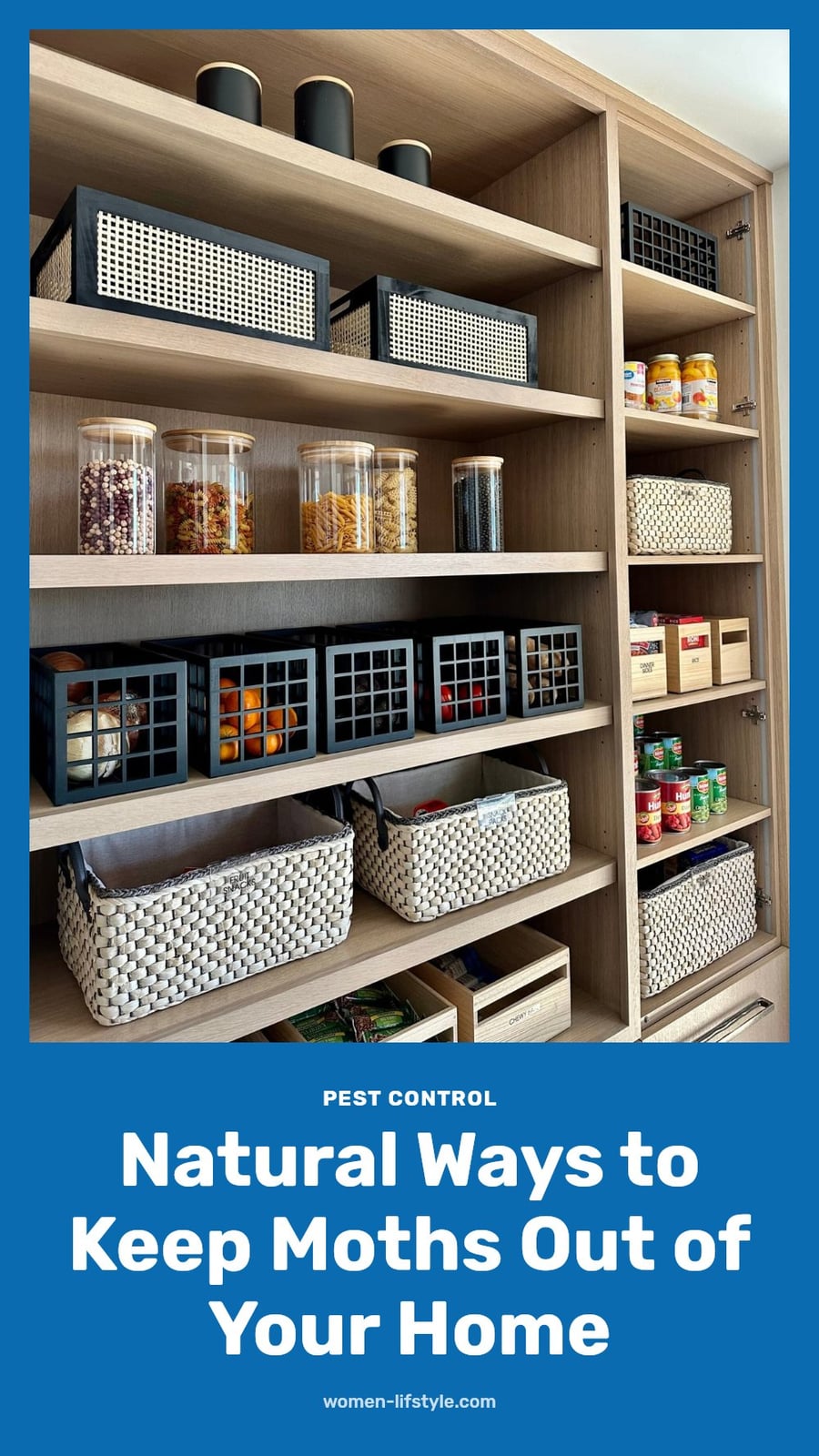
Key Takeaways
- Identify whether you have clothes moths or pantry moths before choosing a treatment.
- Thoroughly vacuum and wash infested items at 60°C (140°F) or higher to kill larvae and eggs.
- Store clothes and dry food in airtight containers to prevent re-infestation.
- Use essential oil sprays weekly as a natural deterrent, but never apply them directly to fabrics.
- Freeze items that can’t be washed at high heat for at least 72 hours at -18°C (0°F).
How to Get Rid of Moths in Your Home
To get rid of moths, you need a multi-step approach: deep cleaning, proper storage, and ongoing deterrents. Focus on both adult moths and their larvae, since larvae cause the real damage to clothes and food. First, identify whether you have clothes moths or pantry moths, as each requires a different treatment. Clothes moths target natural fibers, while pantry moths infest dry goods. Then, vacuum thoroughly, wash or freeze infested items, and use cedar or essential oils to keep them away.
Why Moths Invade Your Home and What They Like
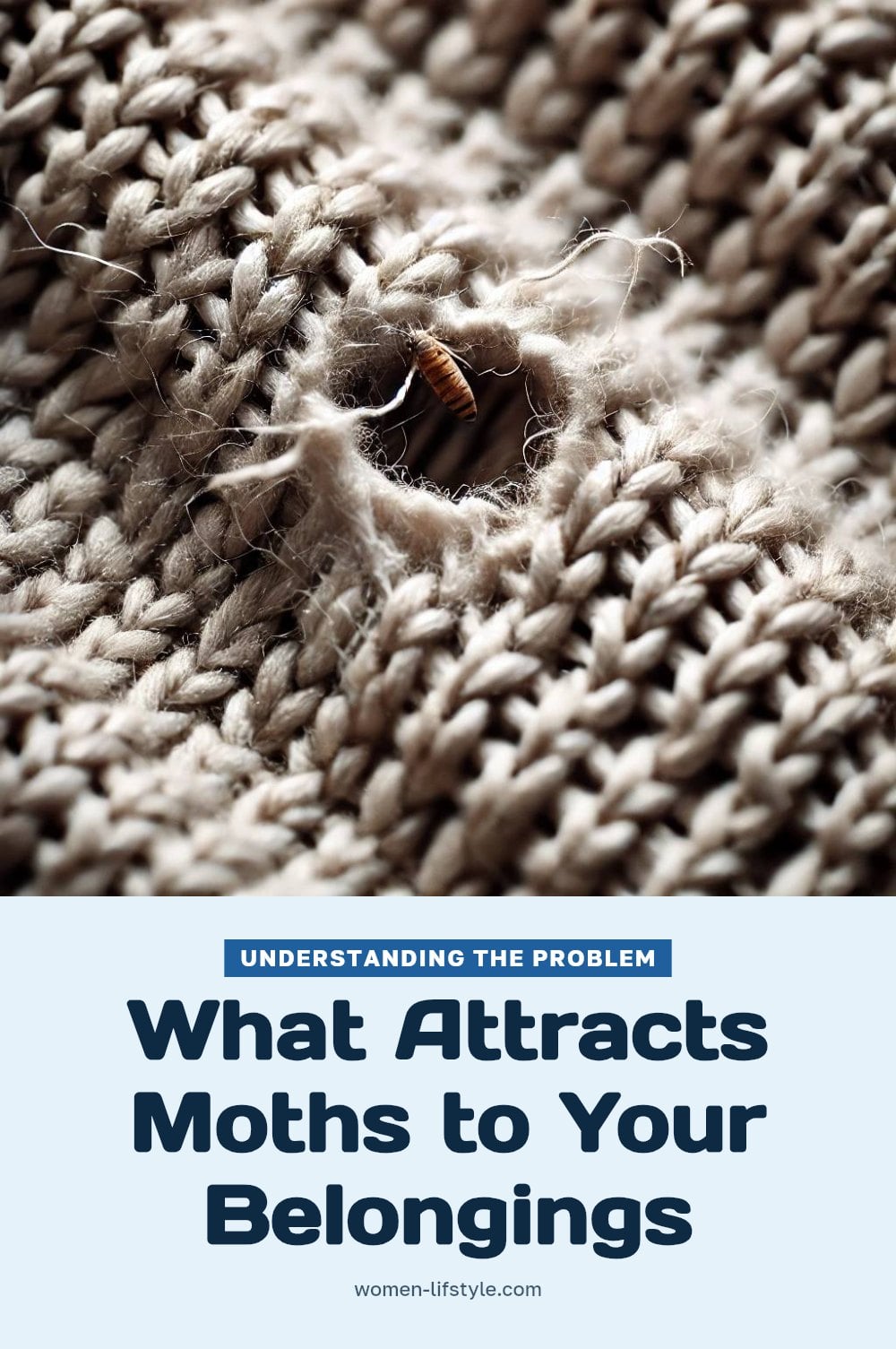
Clothes Moths vs. Pantry Moths
Moths invade your home because they find food and shelter. Clothes moths are attracted to natural fibers like wool, silk, cashmere, fur, and feathers, while pantry moths are drawn to dry food products such as grains, cereals, flour, pasta, dried fruit, nuts, and pet food. It’s the larvae, not the adult moths, that cause damage by feeding on these materials.
Clothes moths prefer dark, undisturbed areas like closets, drawers, and attics, where they can lay eggs on fabrics. Pantry moths, on the other hand, are drawn to food sources and often enter through infested packages. Humidity and dampness also attract moths, creating an ideal environment for larvae to thrive. Keeping your home dry and well-ventilated is key to making it less inviting.
Essential Tools for Moth Eradication and Prevention
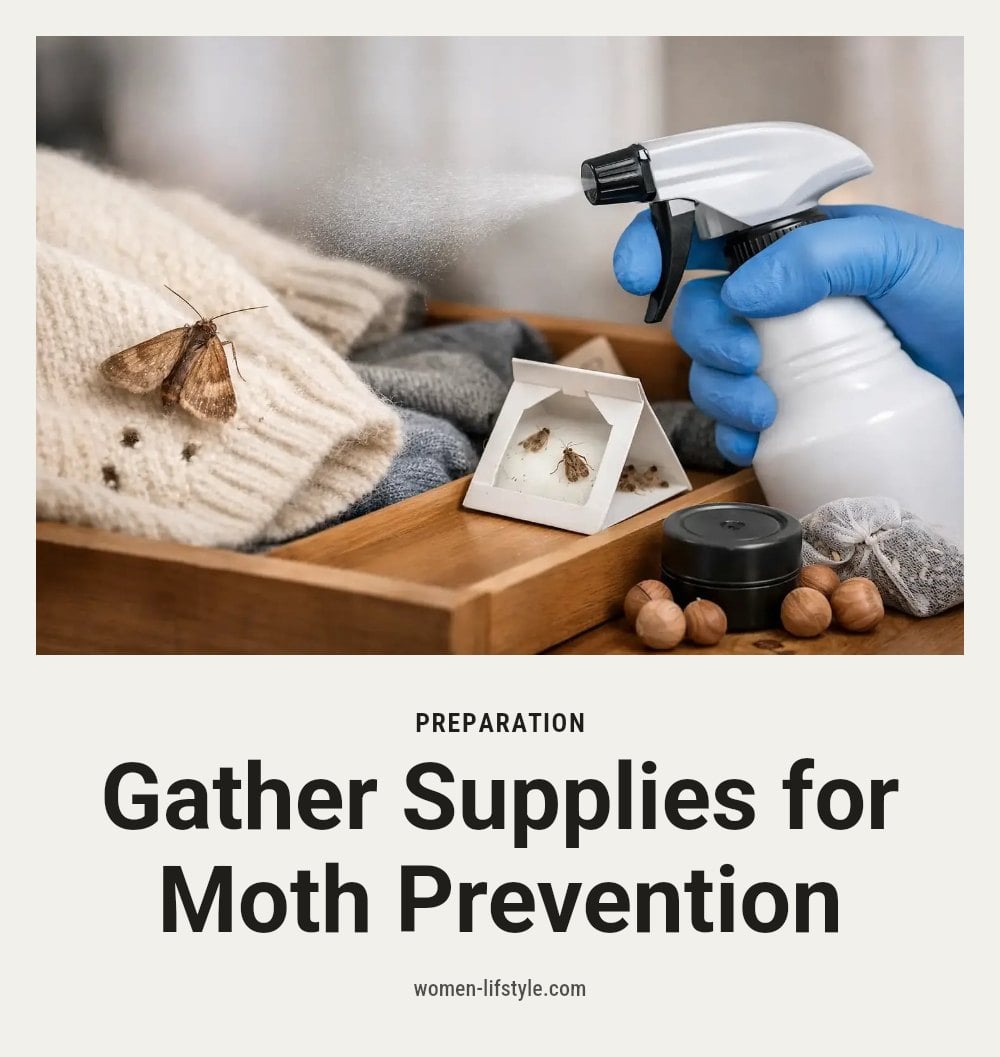
Before you start, gather these essentials for a comprehensive moth control plan:
- Airtight containers: For storing both clothes (garment bags, vacuum-sealed bags) and food (glass, metal, or thick plastic).
- Vacuum cleaner with attachments: To reach crevices, carpets, and upholstery where larvae hide.
- Cedar blocks or essential oils: Natural deterrents that repel moths, though their scent fades over time.
- Pheromone traps: Effective for monitoring and reducing adult male pantry moths, helping to break the breeding cycle.
Step-by-Step Guide to Eliminating Moths from Your Home
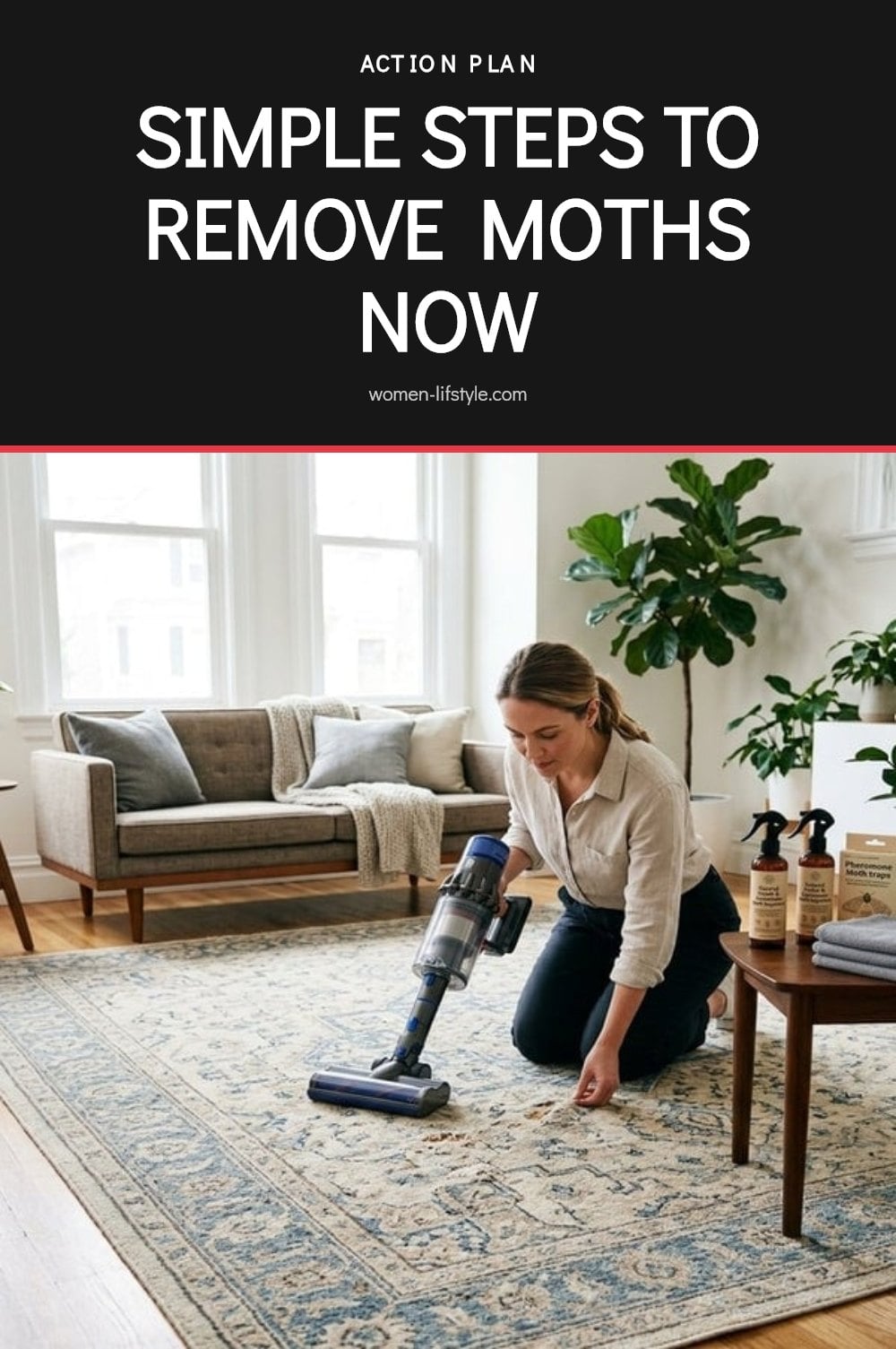
Follow this step-by-step method to eliminate moths from your home. Combine all steps for the best results.
- Clean thoroughly: Vacuum carpets, furniture, and all surfaces to remove larvae and eggs. Wipe down shelves and drawers with soap and water, and dry everything completely.
- Wash infested items: Wash all clothes and textiles at a minimum of 60°C (140°F) to kill larvae and eggs. If hot washing isn’t possible, use a washing powder with enzymatic properties.
- Freeze non-washable items: Place items that can’t be hot-washed in sealed bags and freeze at -18°C (0°F) for at least 72 hours. Note: freezing kills larvae but may not remove eggs, so hot washing is still preferred when possible.
- Apply essential oil spray: Mix 15-20 drops of tea tree, lavender, or cedarwood oil with 500 ml of water in a spray bottle. Shake well before each use and spray on carpets, curtains, and furniture weekly until the problem is resolved. Avoid applying directly to textiles to prevent stains.
- Store properly: Keep cleaned clothes and textiles in sealed bags or containers, especially items you don’t use often, to prevent moths from laying eggs.
- Control humidity: Keep your home dry and well-ventilated. Fix damp spots immediately, avoid storing items in damp areas like basements, and use dehumidifiers if needed. Don’t hang wet clothes indoors.
- Inspect food: Regularly check food and garbage for moths and larvae. Store dry food in sealed containers and remove garbage regularly in sealed bags.
- Install netting: Put insect netting on windows and doors to prevent new moths from entering. Consider chemical-treated screens for persistent problems.
- Check plants: Inspect houseplants and flowers for moths and avoid overwatering, as damp soil attracts them.
- Use chemicals as last resort: If the infestation persists, use insect sprays or mothballs following all safety instructions. Mothballs contain pesticides and should be used with caution and ventilation.
Prefer to watch? Natural Health Remedies walks through the whole method in this 8-minute video. The how-to part starts at 0:23.
Common Moth Control Mistakes to Avoid
Not identifying the moth type: Clothes moths and pantry moths require different treatments. Using a method meant for one on the other wastes time and lets the real problem grow.
Only treating visible adult moths: Adult moths don’t damage your belongings, their larvae do. Target the larvae and eggs by cleaning and washing, not just swatting the ones you see.
Incomplete cleaning: Infestations return if you skip areas like carpet edges, behind furniture, or inside pantry cracks. Vacuum and wipe every surface where moths could hide.
Storing items in cardboard: Moths easily chew through cardboard boxes. Use airtight containers made of glass, metal, or thick plastic instead.
Misusing mothballs: Mothballs are pesticides containing naphthalene or paradichlorobenzene. They require careful handling and good ventilation. Never place them directly on clothes or food, and keep them away from children and pets.
Preventing Future Moth Infestations
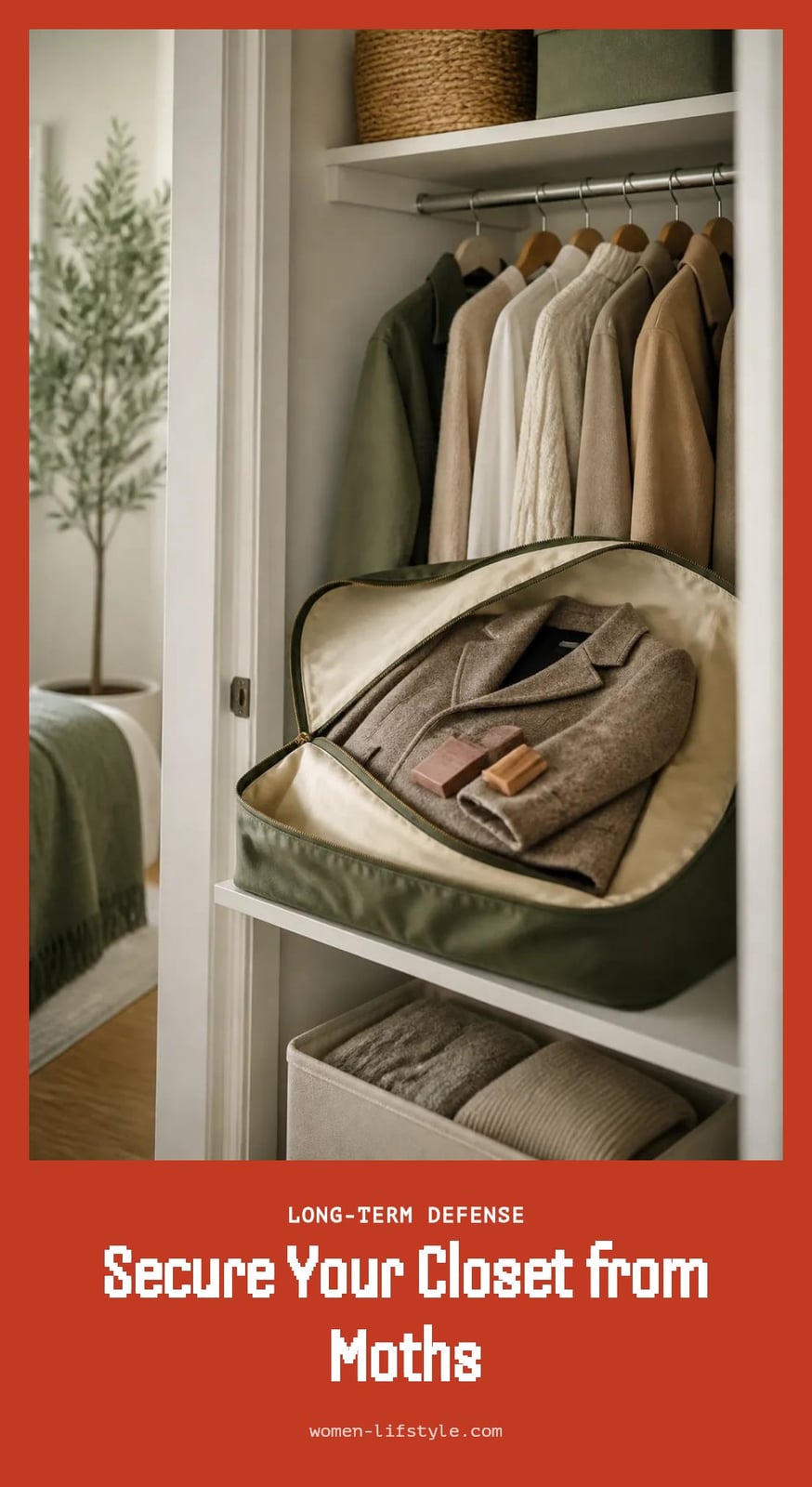
Prevention is an ongoing effort, not a one-time fix. Clean clothes thoroughly before storing them, especially seasonal items like wool sweaters and silk scarves. Store all dry food in airtight glass, metal, or thick plastic containers, moths can get through paper and cardboard. Inspect new dry food purchases for signs of infestation before you bring them into your pantry.
Regularly vacuum closets, carpets, and upholstered furniture to remove any eggs or larvae. Use cedar blocks or sachets in closets and drawers, but refresh them as their scent fades, cedar loses its repellent effect over time. Maintain good air circulation and low humidity in your home. Moths thrive in damp, still air.
My tip: Set a monthly reminder to rotate and inspect stored food items in your pantry. Catching a small problem early saves you from a full infestation later.
Expert Tips for Effective Moth Management
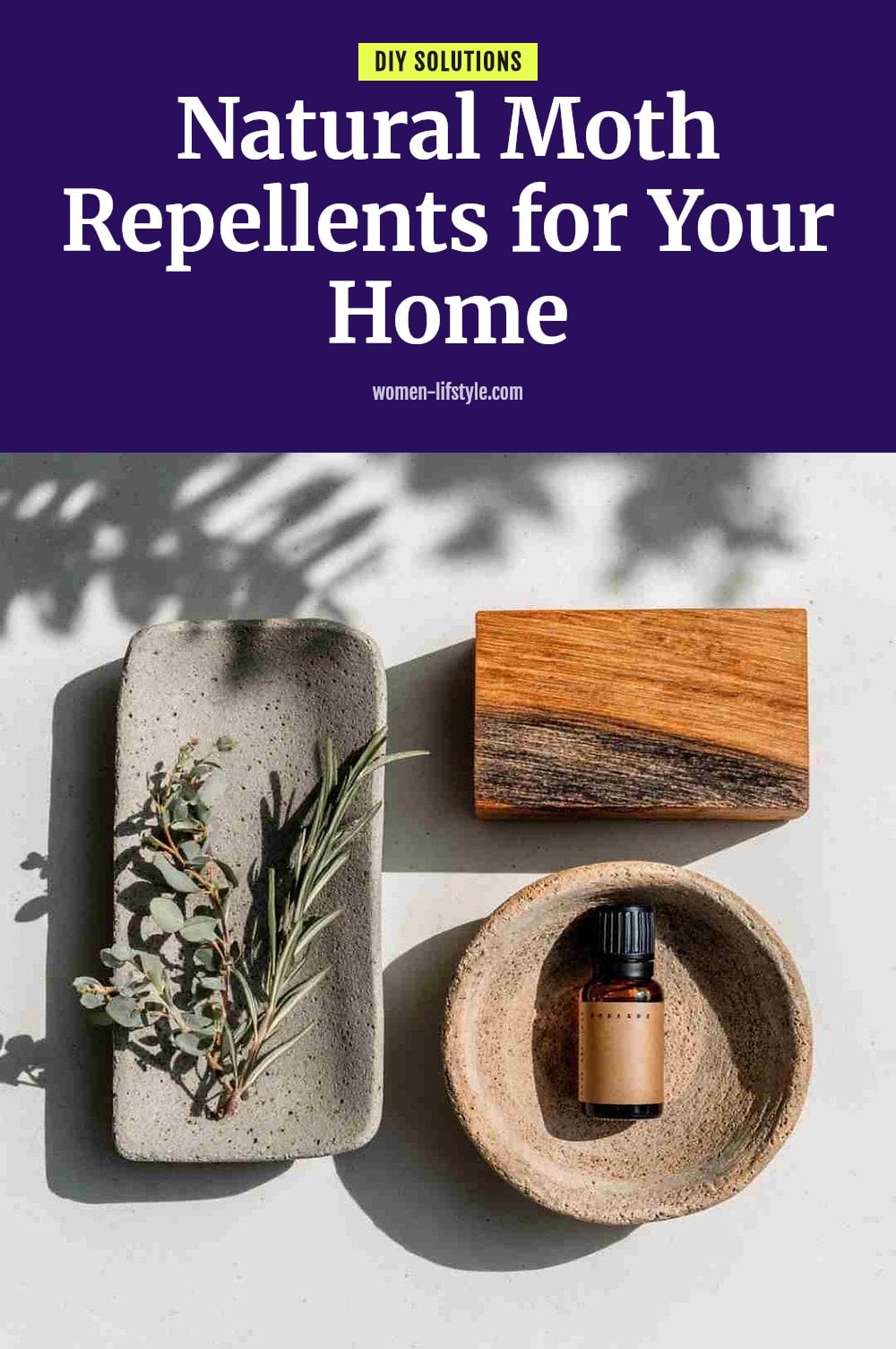
Combine multiple methods for the best results. A single approach rarely eliminates a moth problem, but layering cleaning, repellents, and proper storage works well.
Shake essential oil sprays: Shake the bottle before each use to ensure even distribution of the oil. This keeps the spray effective on carpets, curtains, and furniture.
Enhance mothballs: Add a few drops of tea tree oil to mothballs to boost their deterrent effect and reduce the strong odor. Use this combination only in well-ventilated areas and away from children and pets.
Rotate stored food: Regularly check and rotate pantry items to catch potential infestations early. Move older items to the front and use them first.
When to Call a Professional Pest Control Service
If the moth infestation is severe and widespread throughout your home, it may be time to call a professional. When you have tried multiple DIY methods consistently for several weeks without seeing improvement, expert help can break the cycle.
Persistent infestations in hard-to-reach areas like wall voids or attics often require professional equipment. For peace of mind and a thorough assessment, especially if you have valuable textiles or large food stores at risk, a pest control service can provide targeted treatment and long-term prevention advice.
Frequently Asked Questions
What is the best way to store clothes to prevent moths?
Store clean, dry clothes in airtight containers like garment bags, vacuum-sealed bags, or plastic bins with tight-fitting lids. Avoid cardboard boxes, which moths can easily chew through. For long-term storage, add cedar blocks or sachets to help deter moths.
Can I use cedar to get rid of an active moth infestation?
Cedar is more of a deterrent than a killer. Its natural oils can help repel moths, but it won’t eliminate an existing infestation. For active problems, focus on thorough cleaning, washing at high heat, and freezing infested items. Use cedar as a preventive measure after the infestation is gone.
How do I know if I have clothes moths or pantry moths?
Clothes moths are small, buff-colored, and avoid light, while pantry moths have reddish-brown forewings with lighter hindwings. Check where you find them: clothes moths are usually in closets or on natural fibers, while pantry moths are near dry food like flour, cereal, or pasta. The type determines your treatment.
Are mothballs safe to use around food or pets?
No. Mothballs contain pesticides that are toxic if ingested and can release harmful fumes. Never use them near food, children, or pets. If you choose to use them, follow all safety instructions, ensure good ventilation, and keep them in sealed containers away from living areas.
How often should I clean my pantry to prevent moths?
Clean your pantry thoroughly every few months, and do a quick check monthly. Wipe down shelves, inspect all dry food packages for signs of infestation, and rotate older items to the front. If you’ve had a past infestation, consider cleaning more frequently for the first year.
Final Thoughts
For the best results, combine deep cleaning with proper storage and regular monitoring. Realistically, expect to spend a few days to a couple of weeks of consistent effort to fully resolve an active infestation, especially if it has spread. My tip is to stay vigilant and make airtight storage a habit for both clothes and food. That one change alone can save you a lot of trouble down the road.
This article provides general information about moth control and is not a substitute for professional advice. If you have a severe or persistent infestation, or if you have health concerns about using chemical treatments, consult a pest control professional or your doctor.
