

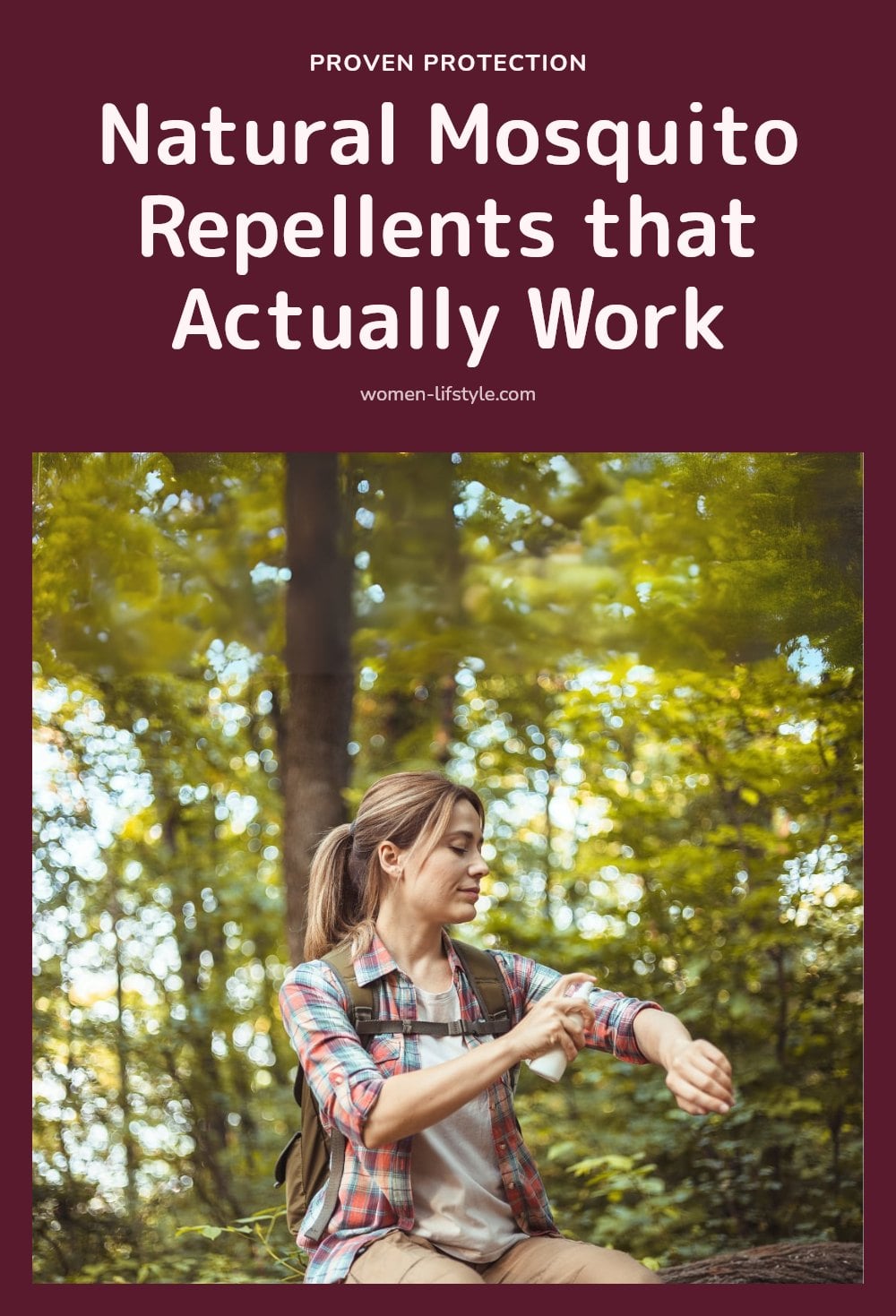
Mosquitoes are more than just a summertime nuisance; they can carry diseases, which makes protecting yourself a real priority. While DEET and picaridin are highly effective, many natural alternatives can also help, though they often need more frequent reapplication. In this article, I’ll walk you through the natural repellents that actually work, how to use them safely, and simple ways to keep mosquitoes away from your home and yard.
Key Takeaways
- Choose Oil of Lemon Eucalyptus (OLE) with PMD for CDC-recommended natural protection.
- Reapply natural repellents every 1-2 hours, or more often if sweating or swimming.
- Eliminate all standing water around your home weekly to reduce mosquito breeding.
- Wear light-colored, loose-fitting clothing during dawn and dusk when mosquitoes are most active.
- Always dilute essential oils with a carrier oil before applying to skin.
The Best Natural Mosquito Repellents for Effective Protection
When I want reliable natural protection, I reach for Oil of Lemon Eucalyptus (OLE) with PMD. It is the only natural repellent the CDC recommends, and it can last for several hours before needing reapplication. Other essential oils like citronella, peppermint, and lavender do repel mosquitoes, but their effect fades much faster, citronella typically needs reapplication every 20-30 minutes, while peppermint and lavender last about 1-2 hours. My tip: pair a good repellent with environmental controls, like removing standing water and using fans, to get the best coverage.
How to Use Natural Repellents for Maximum Effectiveness
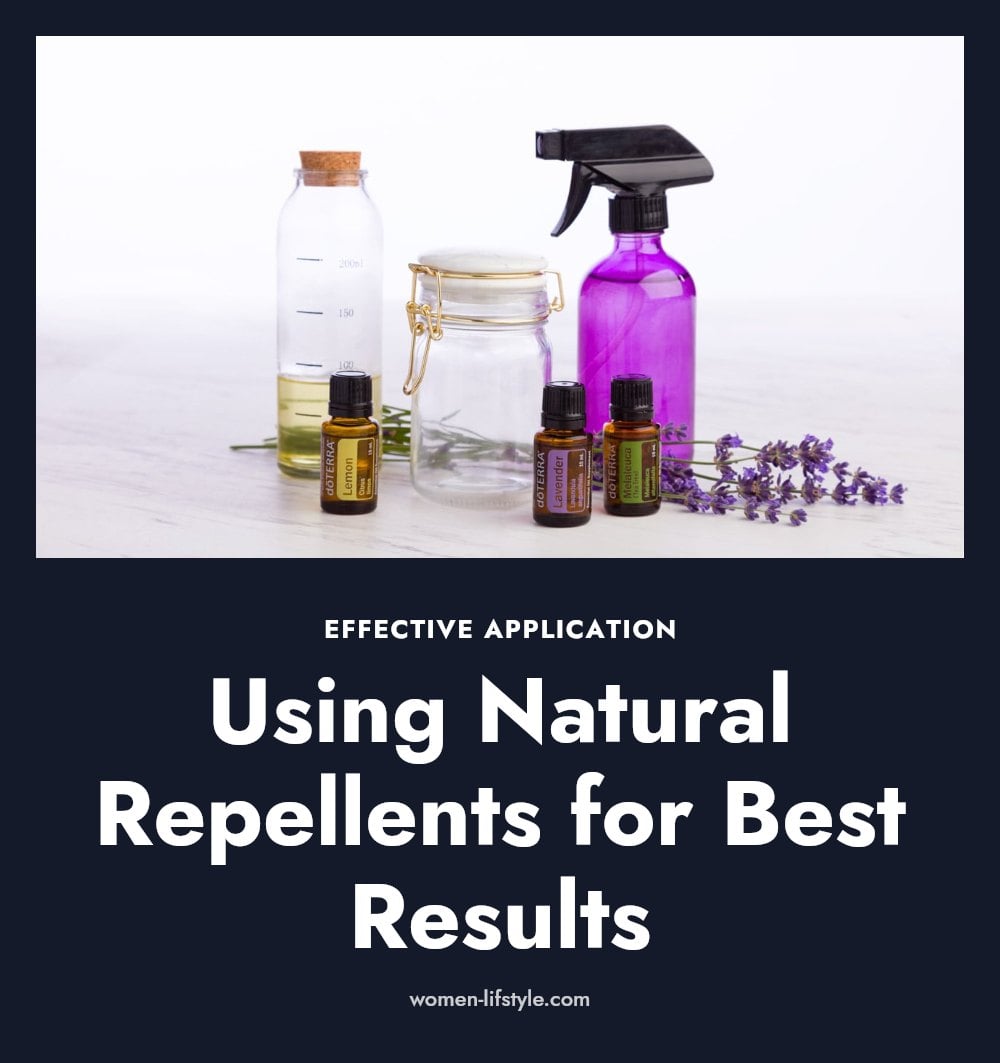
Oil of Lemon Eucalyptus (OLE) with PMD
Apply it directly to exposed skin following the product label. Reapply every few hours or after swimming or heavy sweating. This is your longest-lasting natural option.
Citronella Oil
Dilute citronella oil with a carrier oil (like jojoba or almond) at a ratio of about 5 drops per tablespoon of carrier. Apply to exposed skin and reapply every 20-30 minutes because it evaporates quickly. Caution: Citronella candles provide very limited area protection; stick to skin application.
Peppermint Oil
Mix 10-15 drops of peppermint oil with 2 tablespoons of carrier oil. Apply to pulse points and reapply every 1-2 hours. The strong scent is what deters mosquitoes, but it fades faster than synthetic repellents.
Lavender Oil
Combine 10 drops of lavender oil with 2 tablespoons of carrier oil. Apply to skin and reapply every 1-2 hours. Lavender also soothes existing bites; dab a diluted drop directly on a bite for relief.
Neem Oil
Neem oil has a strong smell, so I mix it into unscented lotion or a spray. Use 5-10 drops per tablespoon of carrier oil or lotion. Reapply every 2-3 hours. Tip: Do a patch test first, as neem can irritate sensitive skin.
Essential Supplies for Natural Mosquito Protection
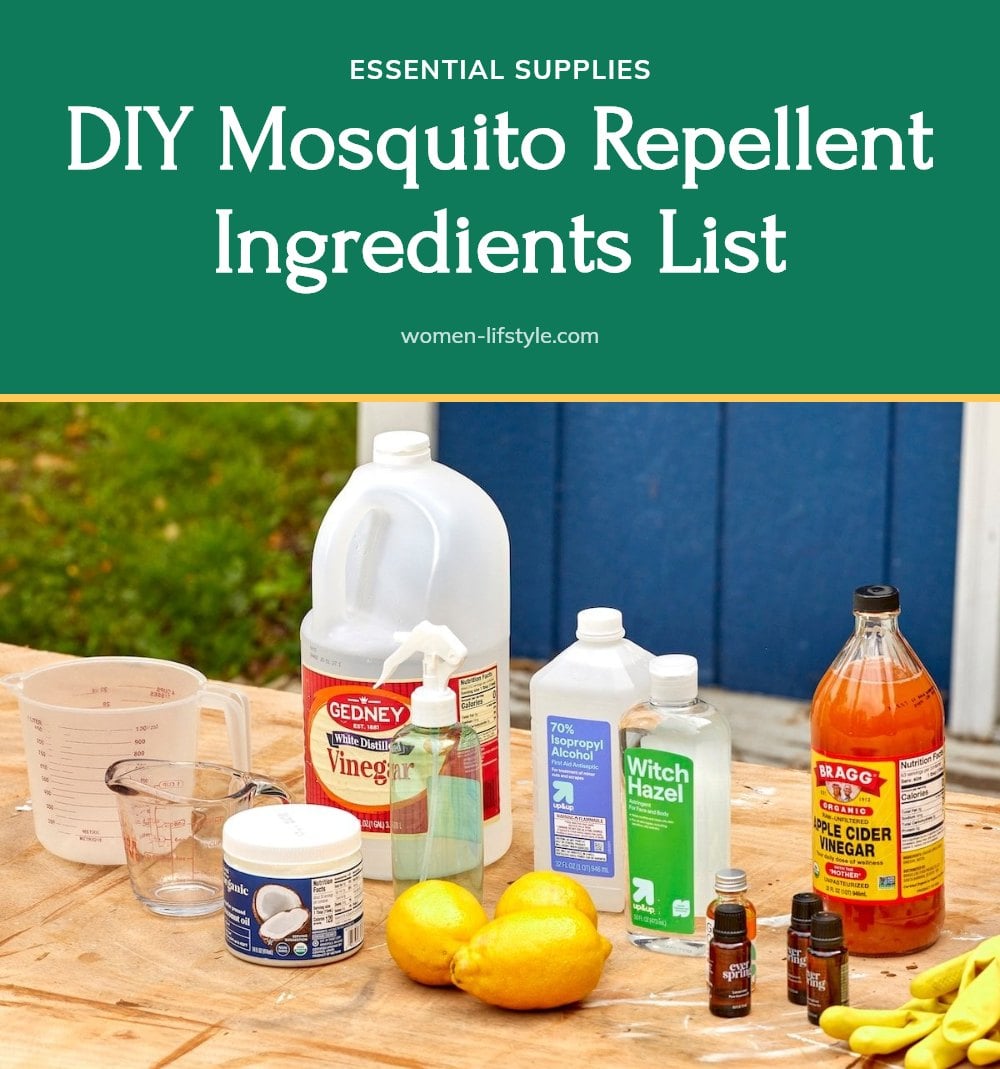
- Oil of Lemon Eucalyptus (OLE) with PMD: Look for products that list this ingredient for CDC-recommended efficacy.
- Essential Oils: Citronella, peppermint, lavender, and neem oils for varied repellent properties.
- Carrier Oils: Jojoba, almond, or coconut oil to dilute essential oils safely before skin application.
- Spray Bottles: Glass or plastic bottles for mixing and applying diluted oil mixtures easily.
- Window and Door Screens: Install or repair screens to physically block mosquitoes from entering your home.
- Outdoor Fans: Place on patios or decks to create air currents that deter weak-flying mosquitoes.
Preventing Mosquitoes Around Your Home and Yard
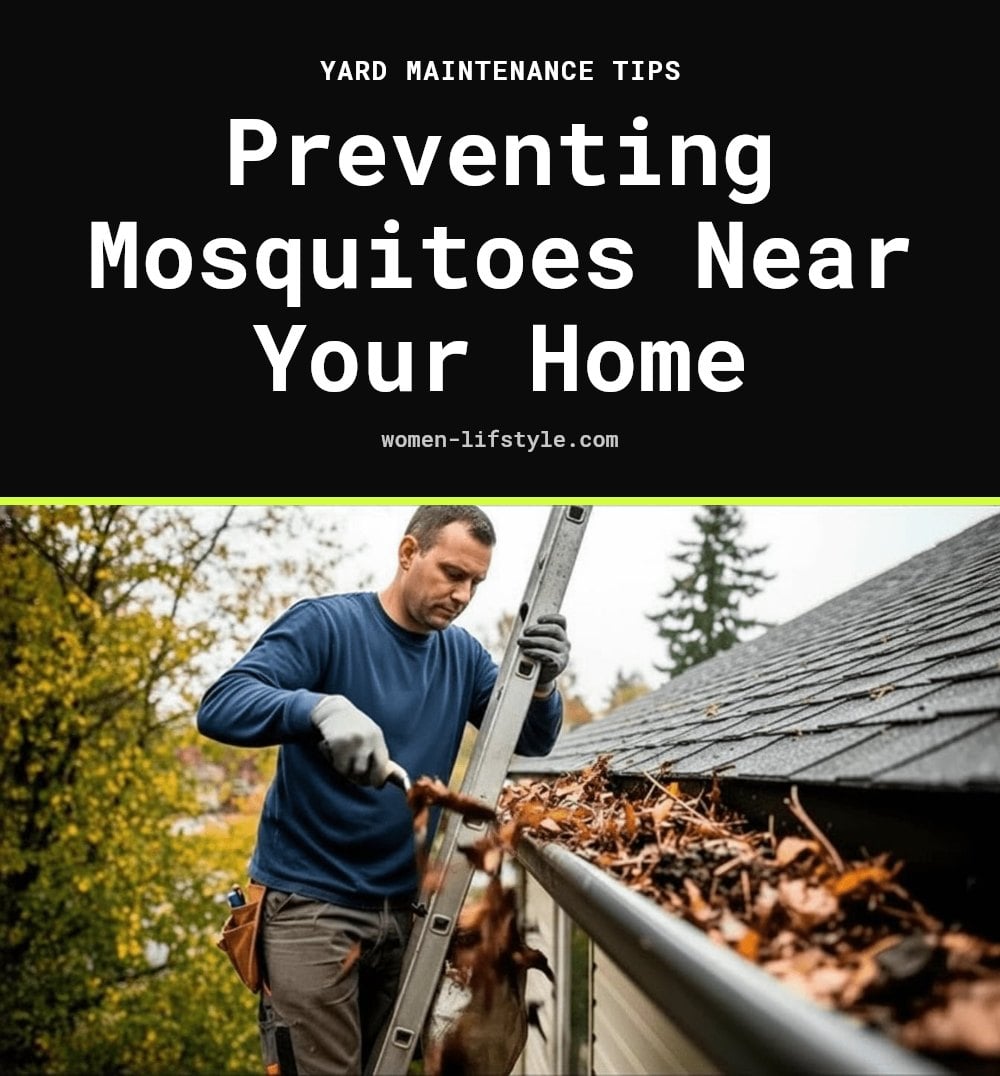
- Eliminate Standing Water: Empty bird baths, pet water bowls, and flower pot saucers weekly. Clear clogged gutters and check children’s toys for trapped water. Even a bottle cap can breed mosquitoes.
- Maintain Your Yard: Trim grass and shrubbery regularly. Mosquitoes rest in dense vegetation during the day, so keeping it short reduces their hiding spots.
- Use Screens: Ensure all windows and doors have intact, tight-fitting screens. Repair any tears or gaps to keep mosquitoes out.
- Wear Protective Clothing: Choose light-colored, loose-fitting long sleeves and pants during peak activity (dawn and dusk). Dark colors attract mosquitoes, and tight fabrics let them bite through.
- Utilize Fans: Place outdoor fans on patios, decks, or near seating areas. The moving air makes it hard for mosquitoes to fly and land on you.
Common Mistakes to Avoid When Using Natural Repellents
Relying on plants alone: Planting citronella grass or marigolds around the yard may help a little, but it won’t create a mosquito-free zone. Direct application of oils to your skin is far more effective.
Reapplying too infrequently: Natural repellents fade much faster than synthetic ones. Most need a fresh coat every 1-2 hours, and citronella can wear off in as little as 20-30 minutes.
Confusing eucalyptus oils: Only Oil of Lemon Eucalyptus (OLE) with PMD is CDC-recommended. Pure eucalyptus oil does not offer the same protection, so check the label before you buy.
Ignoring small water sources: Even a bottle cap or plant saucer can hold enough water for mosquito larvae. Check toys, tarps, and trash can lids weekly.
Skipping dilution: Applying essential oils straight to skin can cause irritation. Always mix them with a carrier oil like jojoba or almond, and do a patch test first.
Repellent Reapplication and General Timeline
Natural repellents generally need reapplication every 1-2 hours, and more often if you’re sweating or swimming. For a longer window, choose Oil of Lemon Eucalyptus (OLE) with PMD, which lasts longer than most other essential oils.
Mosquitoes are most active at dawn and dusk, so plan to apply repellents during those periods. Activity drops during the hottest part of the day, but it doesn’t disappear entirely.
Cost varies widely. DIY blends with essential oils and a carrier oil are budget-friendly, while commercial OLE products sit in the moderate range. Either way, you’ll likely use more product than you would with a synthetic repellent.
When to Seek Medical Attention for Mosquito Bites
Most mosquito bites are a minor annoyance, but some symptoms warrant a call to your doctor. Seek medical attention if you experience widespread rash, hives, difficulty breathing, or swelling of the face or throat, as these may signal a severe allergic reaction.
Watch for signs of infection too. If a bite becomes increasingly red, swollen, painful, warm to the touch, or develops pus, have it checked.
Fever, headache, body aches, joint pain, or a rash following mosquito bites can be signs of a mosquito-borne illness, especially if you’ve recently traveled to an area where such diseases are common. If symptoms persist or worsen despite home care, see a professional.
Frequently Asked Questions
Are natural repellents safe for children?
Some natural repellents may be safe for children, but caution is key. Always dilute essential oils properly and do a patch test first. Avoid applying to infants under six months, and consult a pediatrician before using any essential oil-based repellent on young children, as some oils are not recommended for them.
How often should I reapply natural mosquito repellents?
Natural repellents generally need reapplication every 1-2 hours, and more frequently if you’re sweating or swimming. Oil of Lemon Eucalyptus (OLE) with PMD lasts longer than most other essential oils, but still requires periodic reapplication to maintain effectiveness.
Can I make my own mosquito repellent spray at home?
Yes, you can make a simple spray by diluting essential oils like citronella, peppermint, or lavender with a carrier oil and water. However, homemade sprays may not last as long as commercial products and their efficacy can vary. Always do a patch test before use and reapply frequently.
Do mosquito repellent bracelets work?
Mosquito repellent bracelets are generally not very effective. They only protect a small area around the wrist and do not provide full-body coverage. For reliable protection, apply a repellent to exposed skin instead of relying on bracelets.
What scents do mosquitoes hate the most?
Mosquitoes are repelled by several plant-derived scents, including lemon eucalyptus, citronella, peppermint, and lavender. These oils can be applied to the skin when properly diluted, but their effects are short-lived, so reapplication is necessary.
Is it better to use natural or chemical mosquito repellents?
It depends on your priorities. Chemical repellents like DEET and picaridin are highly effective and last longer, while natural options like OLE with PMD are also effective but require more frequent application. Consider your activity level, duration outdoors, and any skin sensitivities when choosing.
Final Thoughts
For reliable natural protection, my top pick is Oil of Lemon Eucalyptus (OLE) with PMD, as it’s the only natural option the CDC recommends and lasts longer than other essential oils. Pair it with good environmental practices like clearing standing water and using fans outdoors, and you’ll notice a real difference. Remember, natural repellents require more frequent reapplication, so plan to reapply every couple of hours during outdoor activities. With these strategies, you can enjoy your time outside with fewer mosquito bites.
This article is for general informational purposes only and is not a substitute for professional medical advice. Always do a patch test before using any new repellent, and consult a doctor or dermatologist if you have concerns, especially for children, pregnant women, or if you experience any adverse reactions.
