

Microneedling might sound intimidating, but it’s really a smart way to nudge your skin into renewal mode. By creating tiny, controlled punctures, it sparks your body’s natural healing response, which can lead to smoother texture, fewer fine lines, and a more even tone. Whether you’re considering a professional session or an at-home roller, understanding the process and aftercare is key.
This article walks you through how microneedling works, what to expect during recovery, and the mistakes to avoid so you can get the most out of your treatment.
Key Takeaways
- Professional sessions are typically 4 to 6 weeks apart, with a series of 3 to 6 treatments.
- At-home devices use shorter needles (0.25mm to 0.5mm) for superficial concerns only.
- Wear SPF 30+ daily for at least two weeks post-treatment to prevent hyperpigmentation.
- Avoid harsh exfoliants, retinoids, and active ingredients for several days after.
- Results build over several weeks as collagen production increases, not overnight.
What is Microneedling and How Does it Work?
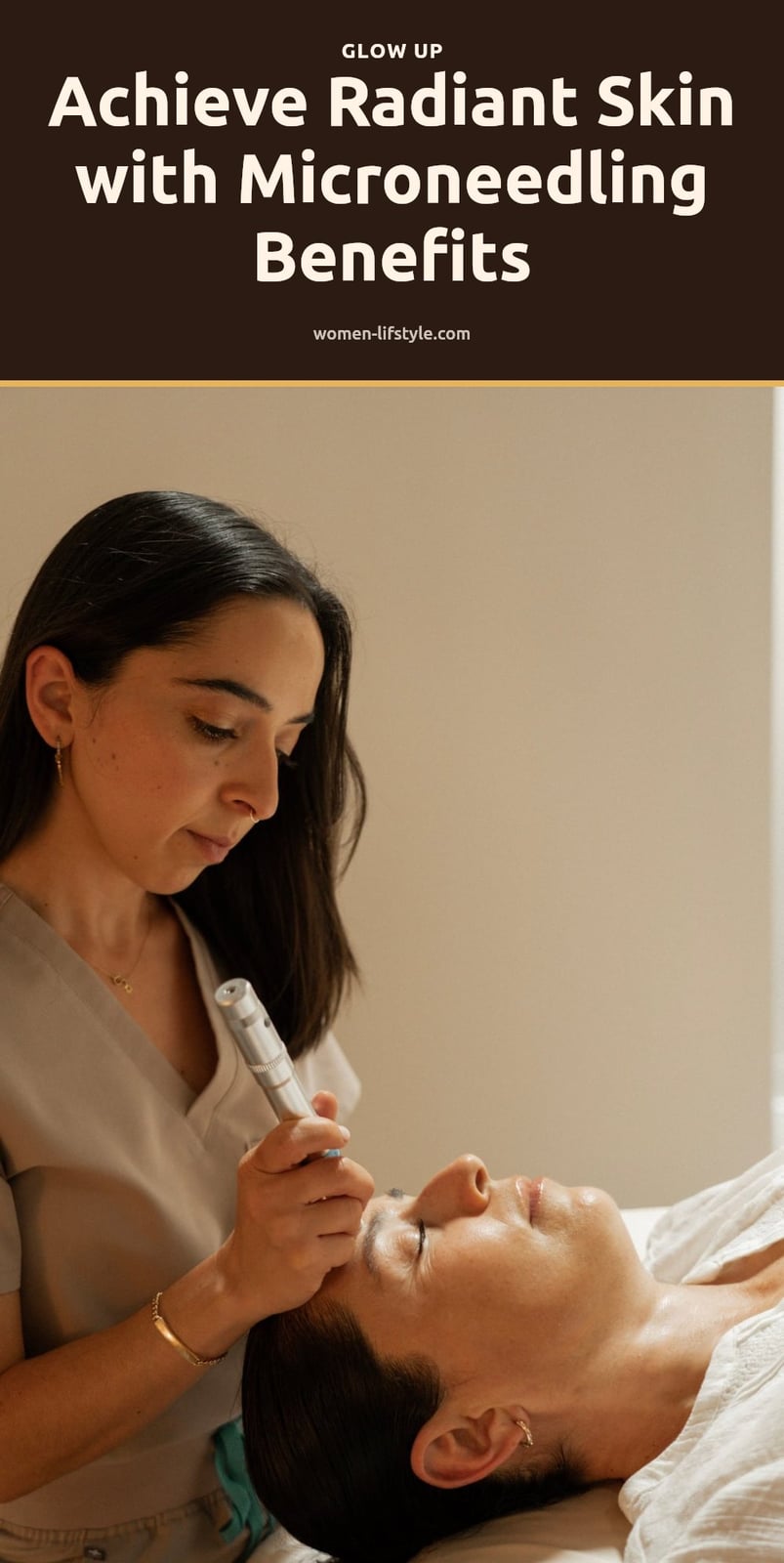
Microneedling, also called collagen induction therapy (CIT), uses a device with tiny, sterile needles to create controlled micro-injuries in your skin. Those microscopic punctures trigger your body’s natural healing process, which ramps up collagen and elastin production. The result is improved skin texture, fewer fine lines and wrinkles, less noticeable scars, and better absorption of your serums and creams.
The Science Behind Collagen Induction Therapy
The Science Behind Collagen Induction Therapy
When the needles penetrate your skin, your body treats each puncture as a tiny wound and sends repair signals to the area. Fibroblasts (the cells responsible for building new tissue) get to work producing collagen and elastin. Over the following weeks, this new structural protein plumps and firms the skin from the inside out.
Needle depth matters for the outcome. Depths range from 0.25mm (very superficial, for product absorption) up to 2.5mm (for deeper scars or significant texture issues). Deeper treatments reach the dermis where collagen lives, so they produce more dramatic changes but also require more healing time.
Professional vs. At-Home Microneedling: What’s the Difference?
Choosing between a professional treatment and an at-home device comes down to your goals, budget, and tolerance for downtime. Here is how they compare.
| Feature | Professional | At-Home |
|---|---|---|
| Needle length | Up to 2.5mm for deeper scars or texture issues | Typically 0.25mm to 0.5mm for superficial concerns |
| Who performs it | Trained dermatologist or aesthetician | You |
| Typical results | Noticeable improvement in scars, lines, texture | Subtle glow, better product penetration |
| Downtime | Redness for 24-48 hours | Minimal to none |
| Risk level | Low with a qualified pro | Higher if technique or hygiene is poor |
| Cost per session | Higher, varies by clinic | Lower, one-time device purchase |
My tip: If you want to tackle deep acne scars or significant aging, save for a professional series. Stick with at-home rollers only for maintenance and superficial texture work.
Essential Aftercare for Optimal Microneedling Results
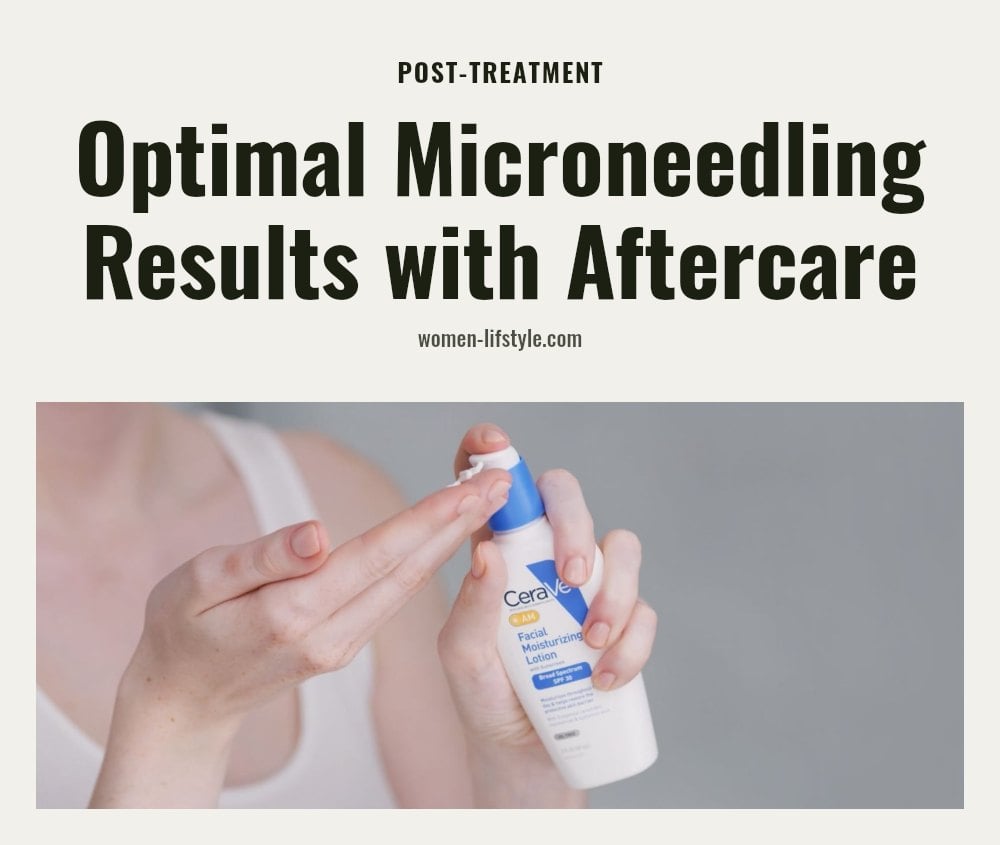
What you do in the days after microneedling determines how much your skin improves. The priority is protecting the healing barrier.
- Wear SPF 30+ daily: Your skin is extra vulnerable to UV damage for at least two weeks. Apply a broad-spectrum sunscreen every morning, even indoors.
- Keep it clean and hydrated: Use a gentle cleanser and a non-irritating moisturizer. A hyaluronic acid serum can help lock in moisture.
- Avoid actives for several days: Skip retinoids, AHAs/BHAs, and vitamin C until your skin feels normal again.
- Do not pick or scratch: Flaking or itching is normal, but picking can lead to scarring or infection.
- Follow your practitioner’s instructions: They may recommend a specific post-care serum or a wait time before applying makeup.
Common Microneedling Mistakes to Avoid
Improper Device Sterilization: Always clean your at-home device with 70% isopropyl alcohol or sterile saline before and after each use. Skipping this step raises the risk of infection and breakouts.
Ignoring Aftercare: Sun protection is non-negotiable after microneedling. Neglecting SPF 30+ sunscreen for at least two weeks can lead to hyperpigmentation, especially on healing skin.
Expecting Immediate Results: Collagen production takes time. You will not see changes overnight; improvements typically appear after several weeks and build over multiple sessions.
Using on Active Breakouts: Rolling over active acne can spread bacteria deeper into the skin and worsen inflammation. Wait until breakouts are fully healed before treating that area.
Excessive Pressure: Pressing too hard with at-home devices can cause scratches, scarring, or uneven results. Use gentle, even pressure, let the needles do the work.
What to Expect: Treatment Schedule and Results Timeline
Professional microneedling sessions are usually scheduled 4 to 6 weeks apart. Most people need a series of 3 to 6 treatments for noticeable, lasting results.
Do not expect a visible difference right after your first session. The collagen boost takes several weeks to build, and improvements in texture, firmness, and scar appearance continue over the following months.
Cost varies by location, provider expertise, and how many sessions you commit to upfront. A single session is not enough for significant change, think of it as a gradual process.
When to Consult a Professional About Microneedling
See a doctor before microneedling if you have a history of keloid scars, are pregnant or breastfeeding, or take blood-thinning medication. These conditions can affect how your skin heals.
Avoid the procedure entirely if you have active acne, eczema, psoriasis, cold sores, or any skin infection. Microneedling on compromised skin can spread the issue and delay healing.
Stop treatment and contact a professional if you experience severe pain, excessive swelling, pus, or redness that does not fade after a few days. These signs may indicate infection or an adverse reaction.
For deep wrinkles, significant scarring, or major anti-aging goals, professional treatment is the safer and more effective route. At-home devices cannot match the needle depth or precision of a trained practitioner.
Frequently Asked Questions
How many microneedling sessions are needed for best results?
Most people need a series of 3 to 6 professional treatments, spaced 4 to 6 weeks apart, to see noticeable, lasting improvements. The exact number depends on your skin concerns and how your skin responds. Your practitioner can tailor a plan to your needs during a consultation.
Can microneedling be done on all skin types?
Microneedling is generally considered safe for most skin types, but it’s not suitable for everyone. Avoid it if you have active acne, eczema, psoriasis, cold sores, or any skin infection. If you have a history of keloid scars, are pregnant, breastfeeding, or take blood thinners, consult a doctor first. A professional can assess your skin and medical history.
How long do microneedling results last?
Results are not permanent, but with a proper series and good skincare, improvements can last for several months to a year. Maintenance sessions may be needed to sustain collagen production. Following a good home routine with SPF and hydrating products can help extend your results.
Is microneedling painful?
Most people describe the sensation as mild discomfort, like a light scratching or prickling. Professional treatments often use a topical anesthetic cream to minimize pain. At-home devices with shorter needles are generally less uncomfortable. Afterward, your skin may feel sensitive and look red, similar to a sunburn, for 24 to 48 hours.
What is the difference between microneedling and dermaplaning?
Microneedling uses tiny needles to create micro-injuries that stimulate collagen, while dermaplaning uses a blade to gently scrape off dead skin cells and peach fuzz. Dermaplaning is purely exfoliating and doesn’t affect collagen production. Microneedling targets deeper concerns like scars and wrinkles, while dermaplaning smooths the surface for a glow.
Final Thoughts
If you’re ready to improve your skin’s texture and tone, microneedling can be a worthwhile addition to your routine. My tip: start with a professional consultation to assess your skin type and goals, especially if you have any underlying conditions. Expect to commit to a series of sessions, usually 3 to 6, spaced 4 to 6 weeks apart, and be patient for results to appear over several weeks.
With consistent aftercare, especially sun protection, you can help your skin heal beautifully and maintain the benefits for months to come.
This article is for general information only and is not a substitute for professional medical or dermatological advice. Always consult a qualified doctor or dermatologist before starting any new skin treatment, especially if you have underlying health conditions, are pregnant, or are taking medication. If you experience severe pain, swelling, or signs of infection, seek medical attention promptly.
