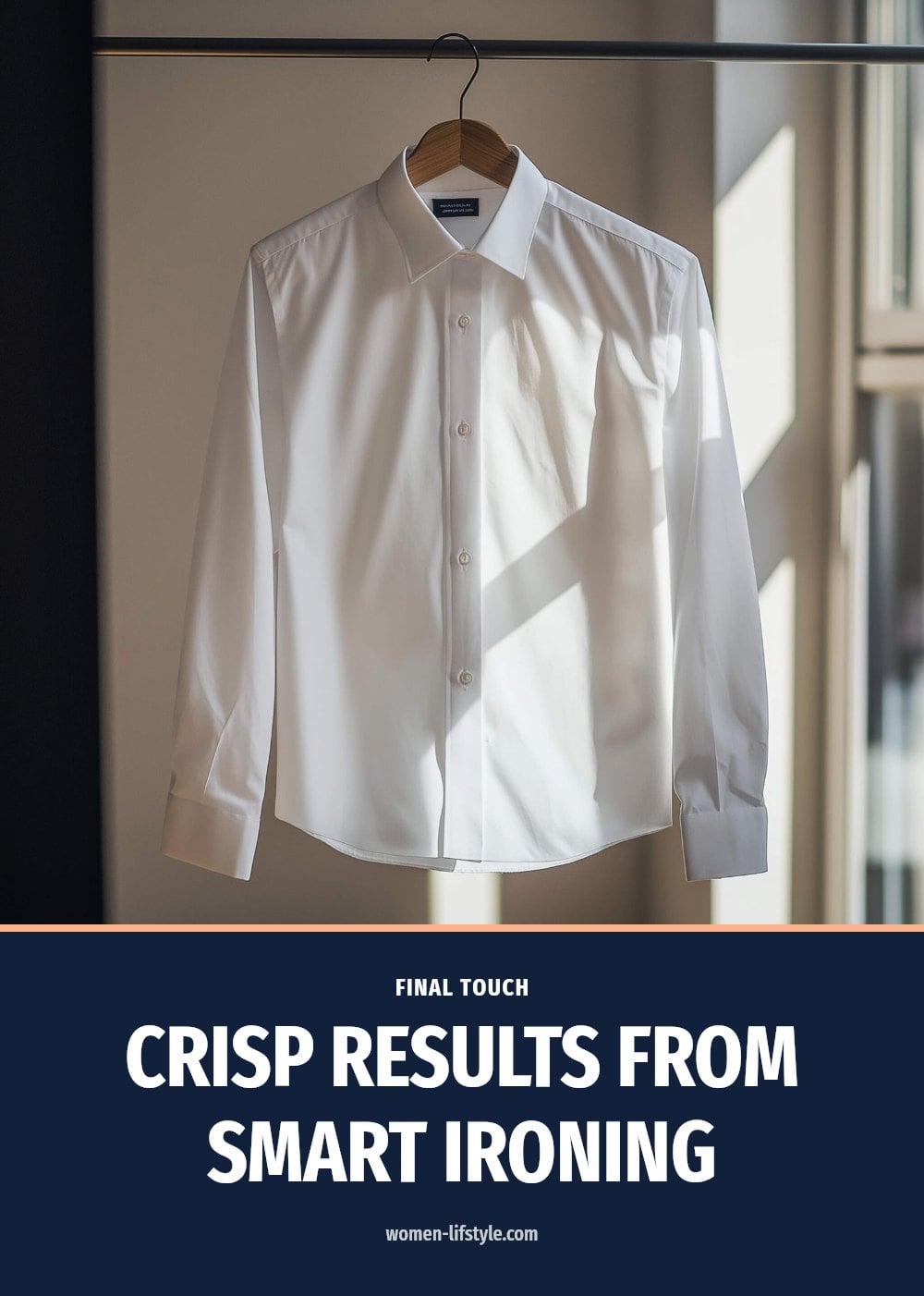
Ironing doesn’t have to be a dreaded chore that eats up your whole afternoon. With the right approach, you can get crisp, wrinkle-free clothes in a fraction of the time. This article covers the smartest hacks for faster ironing, from sorting by fabric to using the right tools and techniques.
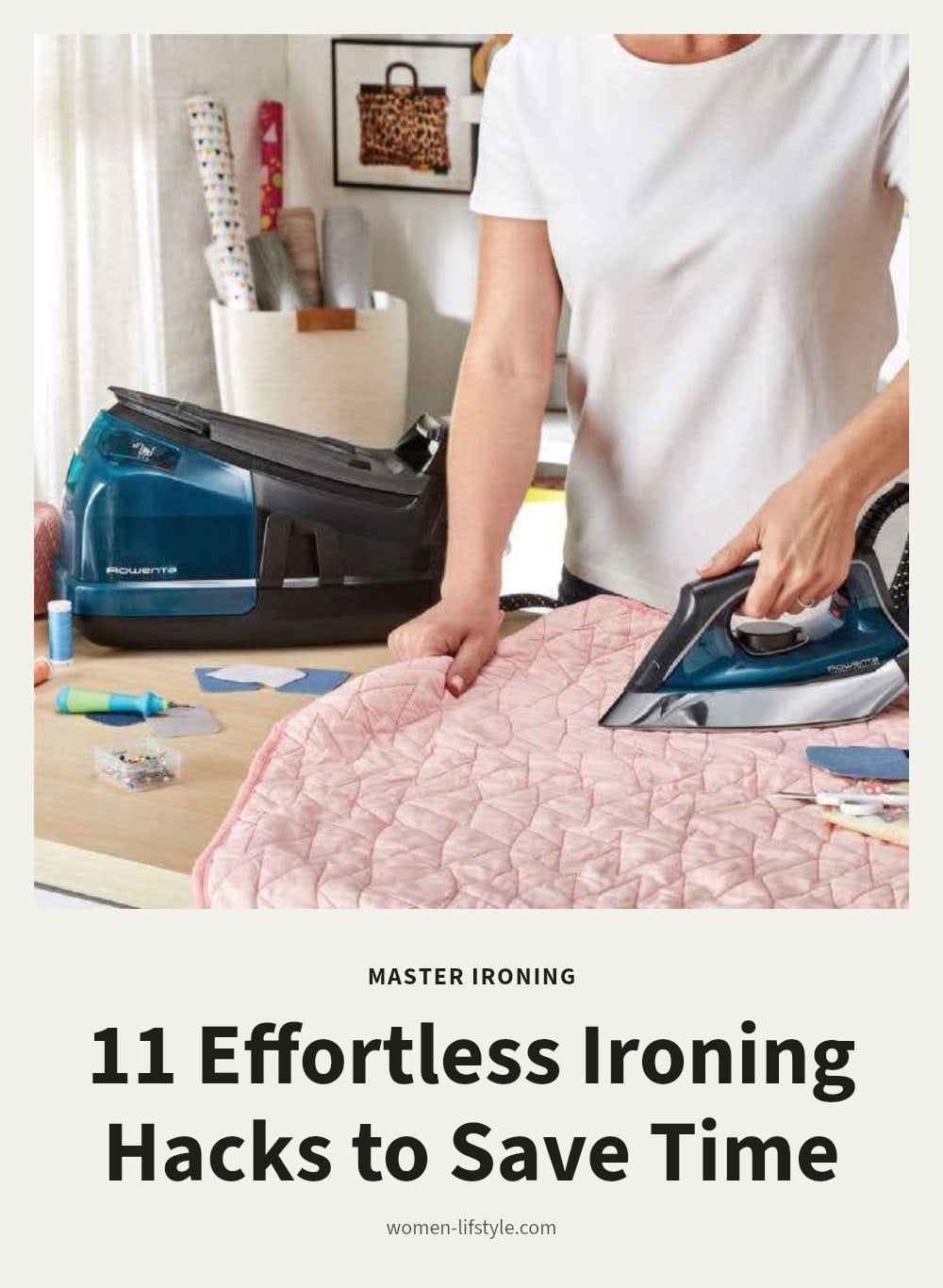
Key Takeaways
- Always check the care label for the correct ironing temperature before you start.
- Iron from the lowest temperature setting to the highest to avoid damaging delicate fabrics.
- Use distilled water in your iron to prevent mineral buildup and staining on clothes.
- Let freshly ironed clothes cool completely before wearing or folding to set the press.
- Clean your iron’s soleplate regularly to avoid transferring residue onto garments.
Unlock the Secret to Faster, Easier Ironing
The key to efficient ironing is smart preparation, understanding fabric needs, and using the right techniques. Sort clothes by fabric type, use steam effectively, and know when to reach for a pressing cloth. My tip: Always check care labels first. They are your best guide to preventing damage and getting the best finish.
1. Sort by Fabric Type and Temperature
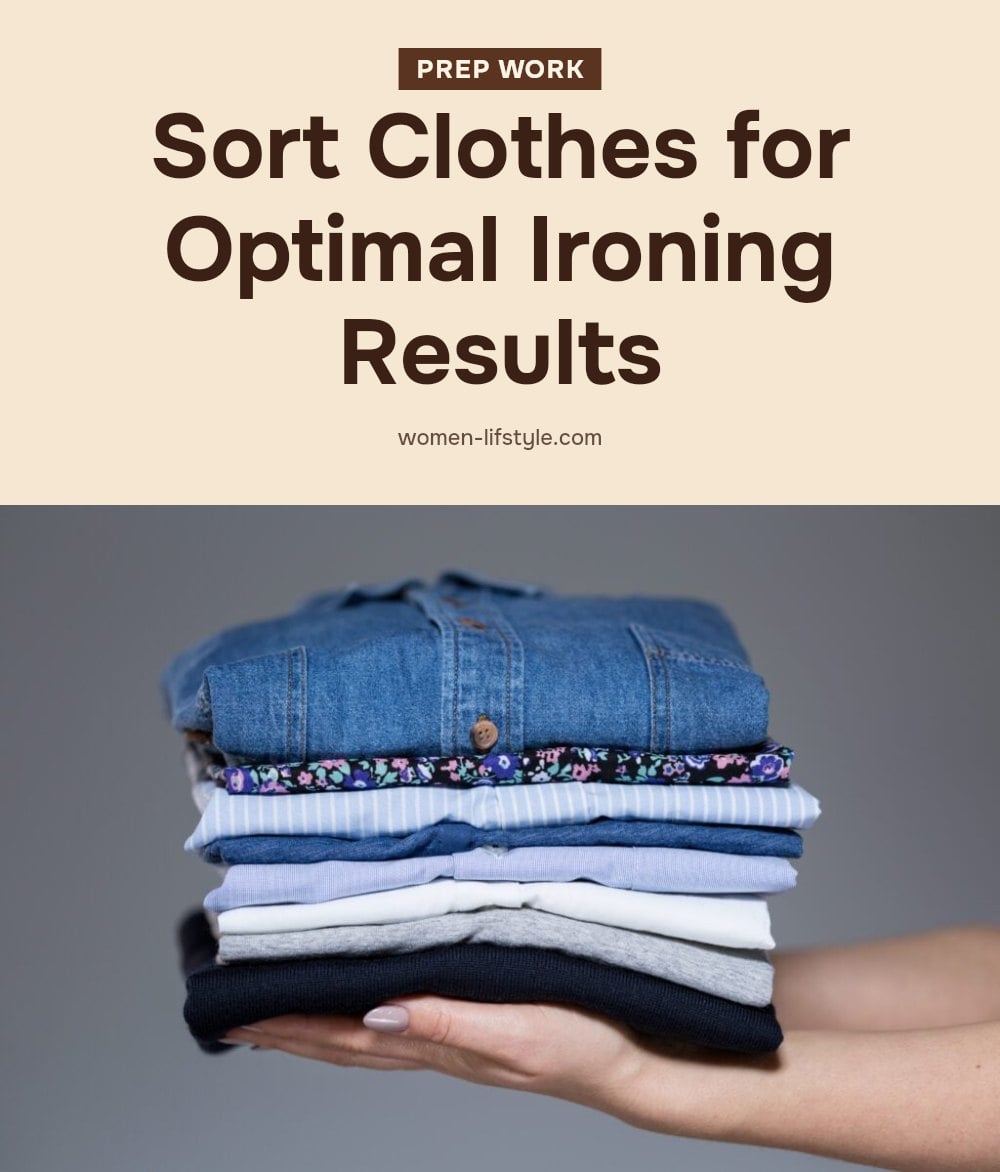
Always check the care label on each garment for the recommended temperature setting. Cotton and linen need high heat, synthetics like polyester need medium heat, and delicate fabrics like silk and rayon require low heat. Start with the lowest temperature and work your way up. This prevents damage and saves you from waiting for the iron to cool down between items.
2. Dampen Clothes for Easier Wrinkle Removal
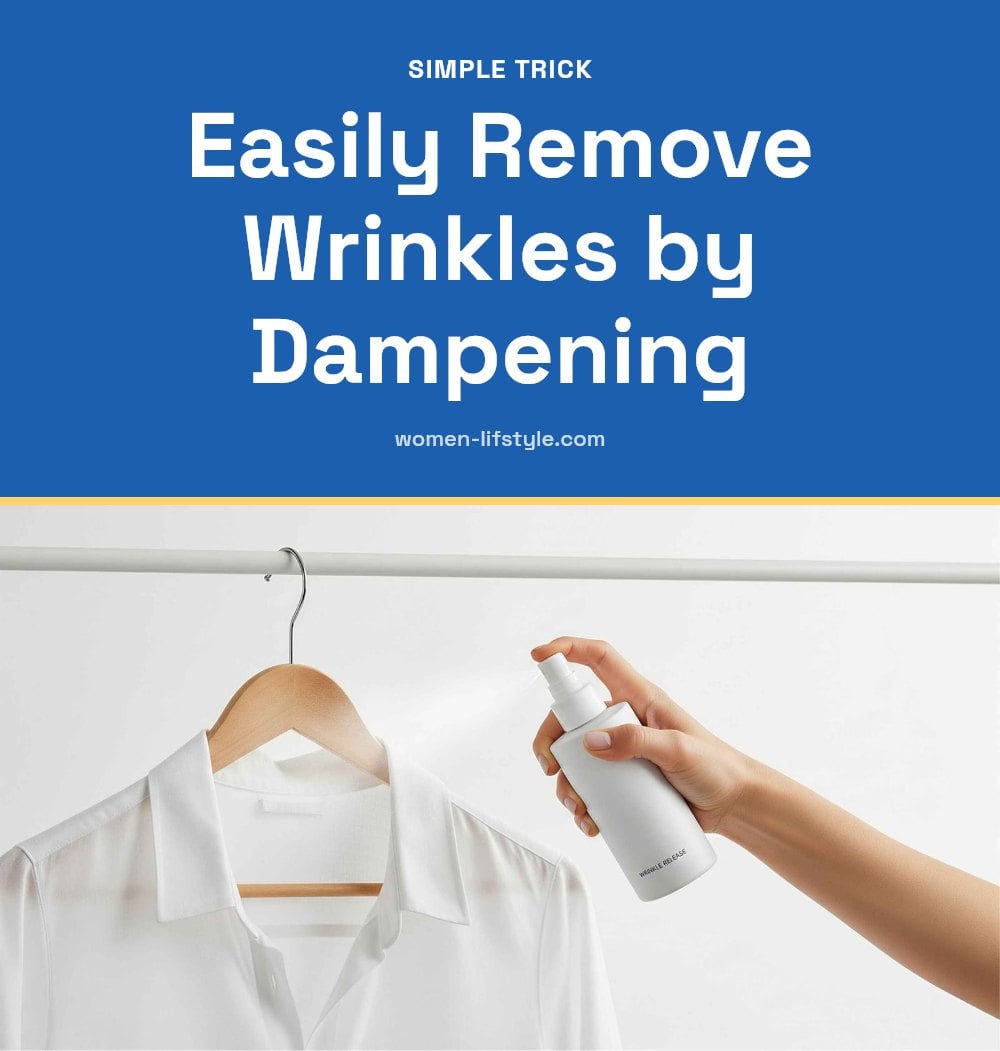
Slightly damp clothes release wrinkles much faster, especially natural fibers like cotton and linen. Use a spray bottle filled with distilled water, or pull items from the dryer while they are still a bit damp. My tip: For stubborn wrinkles, a quick spritz of water directly on the crease makes all the difference.
3. Use Distilled Water in Your Iron
Using distilled water in your steam iron prevents mineral buildup that can clog the steam vents and leave white stains on your clothes. This simple switch extends the life of your iron and keeps your garments spotless. If you have hard water at home, this is essential for maintaining your iron and your wardrobe.
4. Iron Dark Fabrics Inside Out
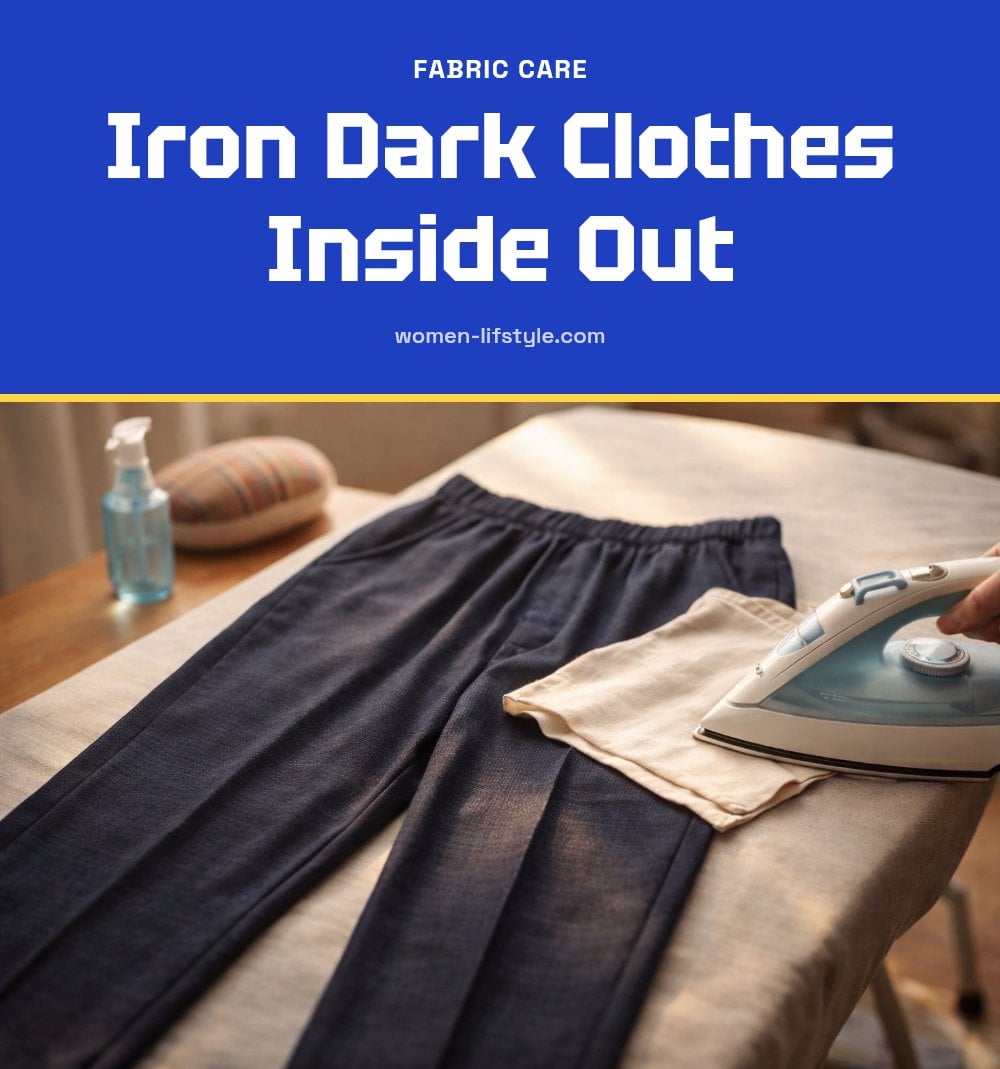
Iron dark fabrics inside out to prevent shiny marks or scorching on the outer surface. This simple step protects the garment’s original finish and keeps it looking new. My tip: focus on items like dark jeans, dress pants, and black shirts where shine is most noticeable.
5. Protect Delicates with a Pressing Cloth
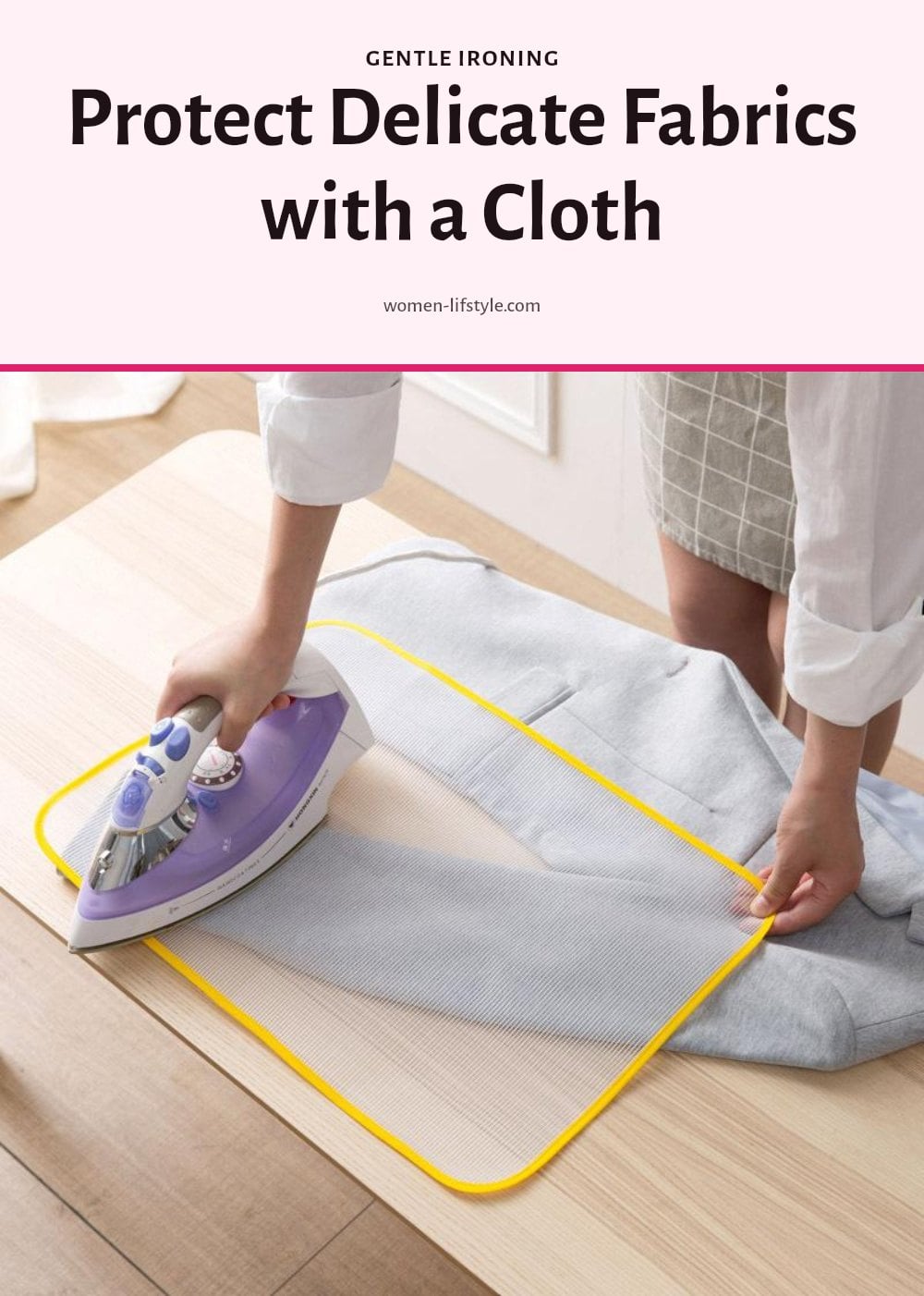
For delicate fabrics like silk, rayon, or items with prints or embellishments, place a pressing cloth between the iron and the garment. A thin, clean cotton cloth or even a pillowcase works perfectly to distribute heat evenly and prevent scorching or damage. My tip: this also helps prevent shine on certain fabrics.
6. Iron in Sections for Best Results
Instead of trying to smooth an entire garment at once, iron in smaller, manageable sections. This approach lets you focus on one area at a time, ensuring thorough wrinkle removal and a crisp finish. Start with collars, cuffs, and yokes, then move to larger body panels for a systematic result.
7. Keep the Iron Moving Constantly
A still iron is a dangerous iron. Always keep the base gliding over the fabric in a continuous, even motion. This distributes heat evenly and stops it from concentrating in one spot, which can scorch or burn the fibers.
Good to know: Pausing even for a few seconds on a synthetic fabric can melt it. For safety and a smooth finish, keep the iron moving from the moment it touches the garment until you lift it off.
8. Use Starch or Sizing for Crispness
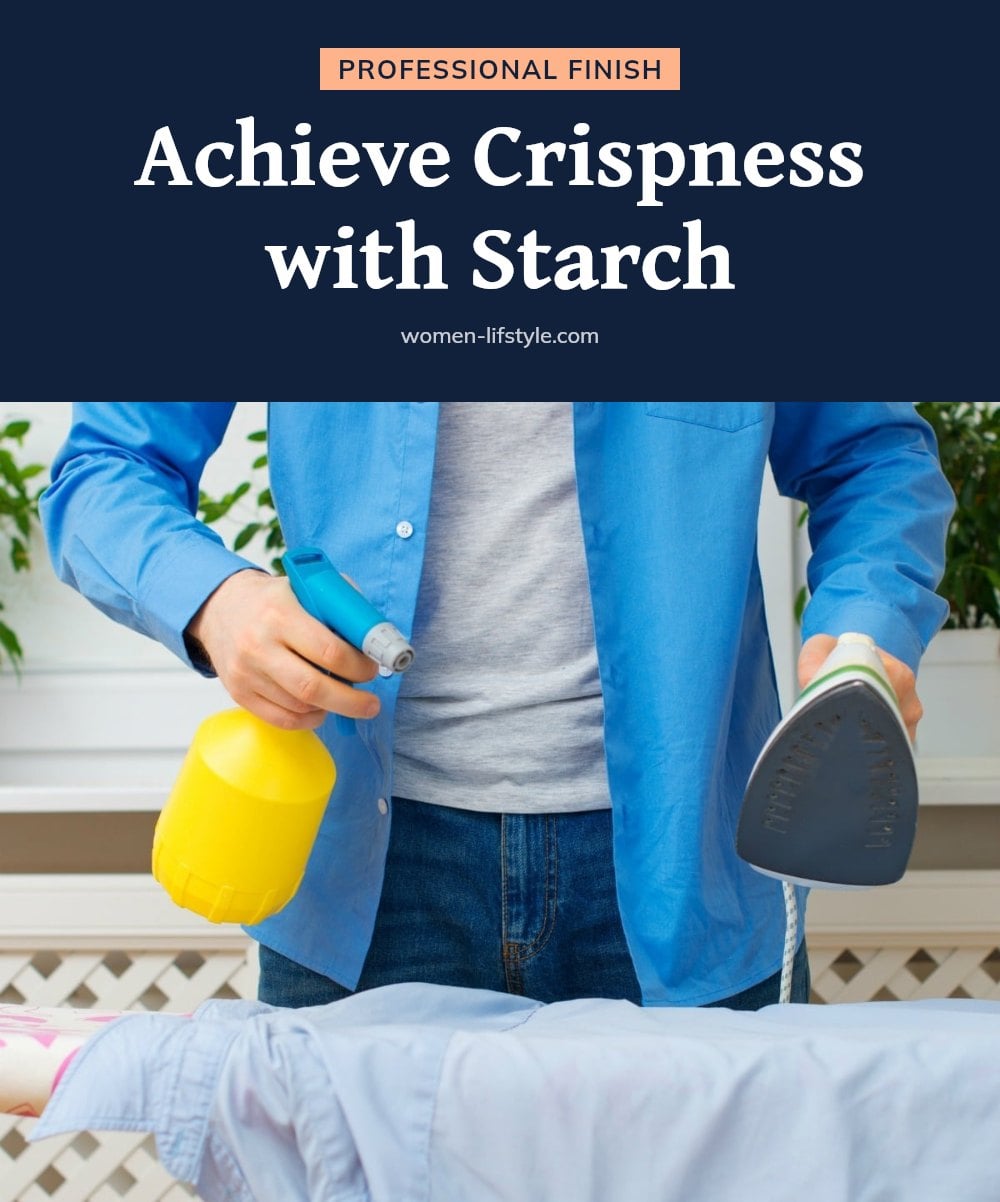
For a professional, crisp finish and added wrinkle resistance, reach for starch or sizing spray. Apply it evenly to the fabric before ironing, then let it sit for a few seconds to penetrate slightly. This makes a noticeable difference on dress shirts, linens, and cotton garments, giving them that just-pressed-from-the-cleaners look.
9. Allow Clothes to Cool Completely
After you finish ironing, let the garment cool completely before wearing, folding, or hanging it. This step sets the press and keeps new wrinkles from forming right away. Folding or hanging warm clothes is a common mistake that undoes all your work.
10. Clean Your Iron’s Soleplate Regularly
A clean soleplate prevents residue from transferring onto your freshly ironed clothes. Clean your iron regularly with a soleplate cleaner or a homemade paste of baking soda and water. Tip: A dirty soleplate can leave marks and make ironing less effective, so keep it sparkling.
11. Hang or Fold Immediately After Cooling
Once your clothes are completely cool, hang them on appropriate hangers or fold them neatly right away. This maintains the wrinkle-free state and stops new creases from forming. Don’t let freshly ironed items sit in a pile, or you will be ironing them again.
Common Ironing Mistakes to Avoid
Even with the best techniques, a few common mistakes can undo all your hard work. Ignoring care labels is the fastest way to damage a garment, so always read them first. Ironing dirty clothes is another misstep: heat can set stains permanently, making them impossible to remove.
- Ignoring care labels: Check every tag for temperature and instructions before you start.
- Ironing dirty clothes: Heat sets stains, so always iron clean garments.
- Leaving iron unattended: Never leave a hot iron face down or unattended. It’s a fire hazard and can damage your ironing board.
- Ironing over embellishments: Avoid zippers, buttons, and delicate decorations. They can melt, break, or scratch your iron’s soleplate.
- Using tap water with hard water: If your home has hard water, tap water causes mineral buildup that clogs vents and leaves white stains on clothes. Switch to distilled water.
Steering clear of these errors keeps your clothes safe and your iron working well for years.
Frequently Asked Questions
What’s the best way to clean my iron’s soleplate?
The easiest method is to make a paste of baking soda and water, apply it to the cool soleplate, and gently scrub with a soft cloth. Rinse with distilled water and wipe dry. Commercial soleplate cleaners also work well. Always check your iron’s manual first.
Can I iron clothes without an ironing board?
Yes, you can use a thick, heatproof surface like a wooden table or countertop, but protect it with a folded towel or a thick blanket. A sturdy ironing board is still best for even results and safety, but in a pinch, a flat, padded surface works.
How do I prevent shine marks on dark clothes?
Iron dark fabrics inside out to keep the outer surface protected from direct heat. This prevents the shiny marks that can appear on items like black dress pants and dark jeans. Also, use a lower heat setting and keep the iron moving steadily.
Is it better to iron wet or dry clothes?
Slightly damp clothes release wrinkles much faster than dry ones, especially for natural fibers like cotton and linen. Use a spray bottle with distilled water to mist them lightly before ironing, or pull items from the dryer while they are still a bit damp. Avoid ironing soaking wet clothes.
Final Thoughts
To make ironing truly faster, sort your clothes by fabric type and start with the lowest heat setting. Allow each garment to cool completely before hanging or folding, or you risk creating new wrinkles. With these habits, you can keep your wardrobe looking polished without spending extra time.