

Intermittent fasting is less about what’s on your plate and more about when you sit down to eat. For women, the most common approaches are the 16/8 method, the 5:2 diet, and Eat-Stop-Eat, and each one fits a different schedule and appetite. This article walks you through how these schedules work, how to ease in without burnout, and when to check with a healthcare professional first.
My tip: treat your first fast as a test run, not a challenge to win.

Key Takeaways
- Start with a 12-hour overnight fast, then build toward 14 or 16 hours.
- The 16/8 method means fasting 16 hours and eating within an 8-hour window.
- The 5:2 diet allows 500-600 calories on two non-consecutive days each week.
- Skip fasting entirely if you are pregnant, breastfeeding, or trying to conceive.
- Stop and see a doctor for severe dizziness, fainting, extreme fatigue, or persistent headaches.
What is Intermittent Fasting and How Does It Work?
Intermittent fasting (IF) isn’t a diet in the traditional sense. It’s an eating pattern that cycles between periods of voluntary fasting and non-fasting, focusing on when you eat rather than what you eat. Popular schedules include the 16/8 method or the 5:2 diet. For women, the key is finding a sustainable approach that supports your body without causing stress or hormonal disruption. My tip: start with curiosity, not pressure, and see how your energy responds.
Popular Intermittent Fasting Methods for Women
16/8 Method
This involves fasting for 16 hours each day and eating all meals within an 8-hour window. Most women find a window like 12 p.m. to 8 p.m. works well, skipping breakfast. Tip: start with a 14-hour fast if 16 feels too long, then gradually extend.
5:2 Diet
Eat normally for five days a week, then restrict calorie intake to 500-600 calories on two non-consecutive days. On those low-calorie days, choose lean protein, vegetables, and broth to stay satisfied. Caution: this method can be trickier for women with active lifestyles or hormonal sensitivities.
Eat-Stop-Eat
This involves a full 24-hour fast, once or twice a week. For example, you might finish dinner at 7 p.m. and not eat again until 7 p.m. the next day. I usually find this method too intense for a first attempt, so try a shorter window first.
Alternate-Day Fasting
Fast every other day, either completely or with a very low calorie intake (under 500 calories). This schedule is the most demanding and not typically recommended for women starting out. Pro move: if you try this, keep your eating days rich in protein and healthy fats to support energy levels.
Essential Tools for Your Fasting Journey
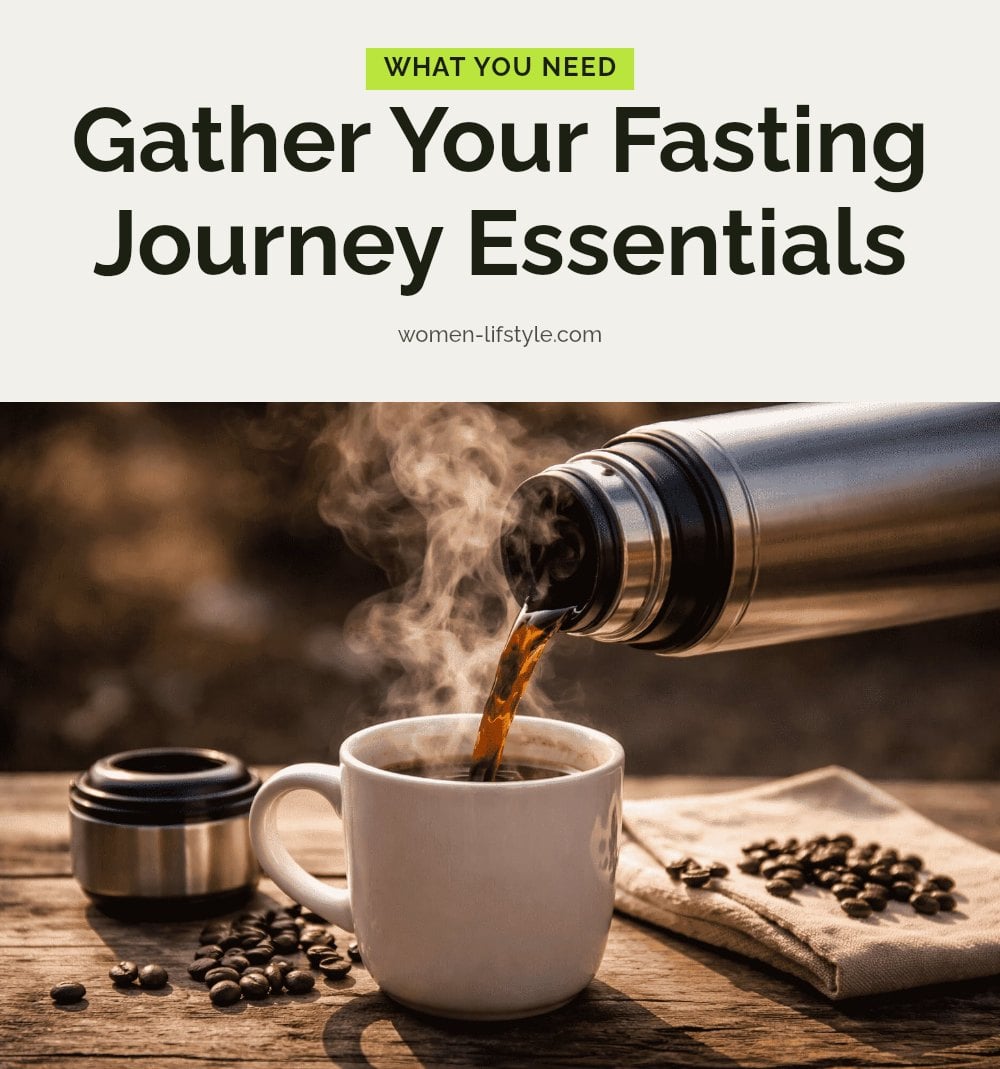
You don’t need much to start fasting, but a few items make the process smoother.
- Water bottle: Staying hydrated is crucial. A large, reliable bottle reminds you to sip throughout the day.
- Herbal tea and black coffee: These can help manage hunger during fasting periods without breaking your fast. Avoid adding sugar or cream.
- Journal or app: Tracking your fasting windows and food intake helps you notice patterns and adjust as needed.
How to Start Intermittent Fasting Safely and Effectively

- Consult a healthcare professional: Before starting any fasting regimen, especially if you have health conditions or take medication, get medical clearance.
- Start with a gentle window: Begin with a 12-hour overnight fast (like 7 p.m. to 7 a.m.) and gradually increase to 14 or 16 hours as your body adapts.
- Stay well-hydrated: Drink plenty of water, herbal tea, or black coffee during fasting periods to support energy and reduce hunger.
- Prioritize nutrient-dense foods: During your eating windows, focus on whole foods like vegetables, lean protein, healthy fats, and complex carbs to avoid deficiencies.
- Listen to your body: If you feel dizzy, extremely fatigued, or notice irregular periods, adjust your schedule or stop. Hormonal balance matters more than a strict schedule.
- Support sleep and stress: Ensure adequate sleep and manage stress, as these factors can impact hormonal balance and affect how your body responds to fasting.
Common Intermittent Fasting Mistakes to Avoid
Starting with an aggressive schedule: Jumping straight into a long fast often leads to burnout or negative side effects like fatigue and irritability. Begin with a shorter window, such as 12 hours, and gradually increase it.
Skipping nutrients during eating windows: Not eating enough calories or nutrients during your eating periods can cause deficiencies and slow your metabolism. Focus on whole foods like vegetables, lean proteins, and healthy fats.
Ignoring hunger cues: Women can be more sensitive to caloric restriction. If you feel dizzy, extremely hungry, or uncomfortable, break your fast early. Pushing through can disrupt your hormones.
Breaking the fast with processed foods: A sugary snack or processed meal right after a fast can spike blood sugar and undo potential benefits. Choose a balanced meal with protein, fiber, and healthy fats instead.
Forgetting to hydrate: Dehydration is a common fasting mistake. Drink water, herbal tea, or black coffee throughout the day to stay hydrated and manage hunger.
Overlooking health conditions: Fasting can interact with medications or health issues like diabetes or thyroid conditions. Always check with your doctor before starting any fasting plan.
When to Consult a Healthcare Professional About Fasting
Warning signs to stop fasting: If you experience severe dizziness, fainting, extreme fatigue, or persistent headaches, end your fast immediately and consult a doctor. These symptoms may indicate a serious issue.
Medical conditions requiring supervision: Individuals with diabetes, blood sugar regulation problems, or those on medication should only fast under strict medical guidance. Fasting can affect blood sugar levels and medication effectiveness.
Who should avoid fasting: Pregnant or breastfeeding women, those with a history of eating disorders, or women who are underweight should not attempt intermittent fasting. The nutritional demands of pregnancy, breastfeeding, or recovery are too high.
Hormonal and thyroid concerns: Women with existing hormonal imbalances or thyroid conditions should exercise extreme caution. Fasting can worsen these conditions, so seek medical advice before starting.
Frequently Asked Questions
Can I drink anything during my fasting window?
Water, black coffee, and plain tea are generally permitted during fasting periods. Skip drinks with sugar, cream, or milk, since those break the fast. Sipping steadily through the day also helps manage hunger and keeps you hydrated, so keep a bottle within reach.
How long does it take to see results from intermittent fasting?
Results vary, but some women may notice changes in energy or weight within a few weeks of consistent practice. Hormonal adjustments may take longer. Judge your progress over weeks rather than days, and adjust your schedule if you feel worse instead of better.
What should I eat during my eating window?
Prioritize nutrient-dense, whole foods during your eating windows. Breaking a fast with a balanced meal is generally recommended to avoid digestive upset, and reaching for processed or sugary foods first can undo the benefits. Make sure you eat enough overall, since undereating during your window is a common mistake.
Is intermittent fasting safe for all women?
No. Fasting is not recommended if you are pregnant, breastfeeding, or trying to conceive, or if you have a history of eating disorders or are underweight. Women with diabetes, blood sugar issues, thyroid conditions, or hormonal imbalances should only fast with medical guidance. When in doubt, ask a healthcare professional first.
Can intermittent fasting help with hormonal balance?
Some women may experience hormonal disruptions, such as irregular periods, if fasting is too extreme or prolonged, so it is not a reliable tool for balancing hormones. If your cycles change, treat it as a sign to ease off and speak with a doctor before continuing.
Final Thoughts
My recommendation: pick the gentlest schedule you can stick with, usually a 12-hour overnight fast that grows to 14 or 16 hours only when it feels easy. Realistic expectations matter more than ambition here. Some women notice changes in energy or weight within a few weeks of consistent practice, while hormonal adjustments may take longer, and individual responses vary a lot. If your cycles change, your sleep suffers, or you find yourself pushing through severe hunger, that is your signal to scale back rather than push harder.
Consistency beats intensity, so choose the window you can keep on an ordinary Tuesday.
This article offers general information and is not medical advice. Fasting affects women differently, and it is not appropriate for everyone. If you have a health condition, take medication, or notice persistent symptoms or cycle changes, consult a doctor or dietitian before starting or continuing.
