

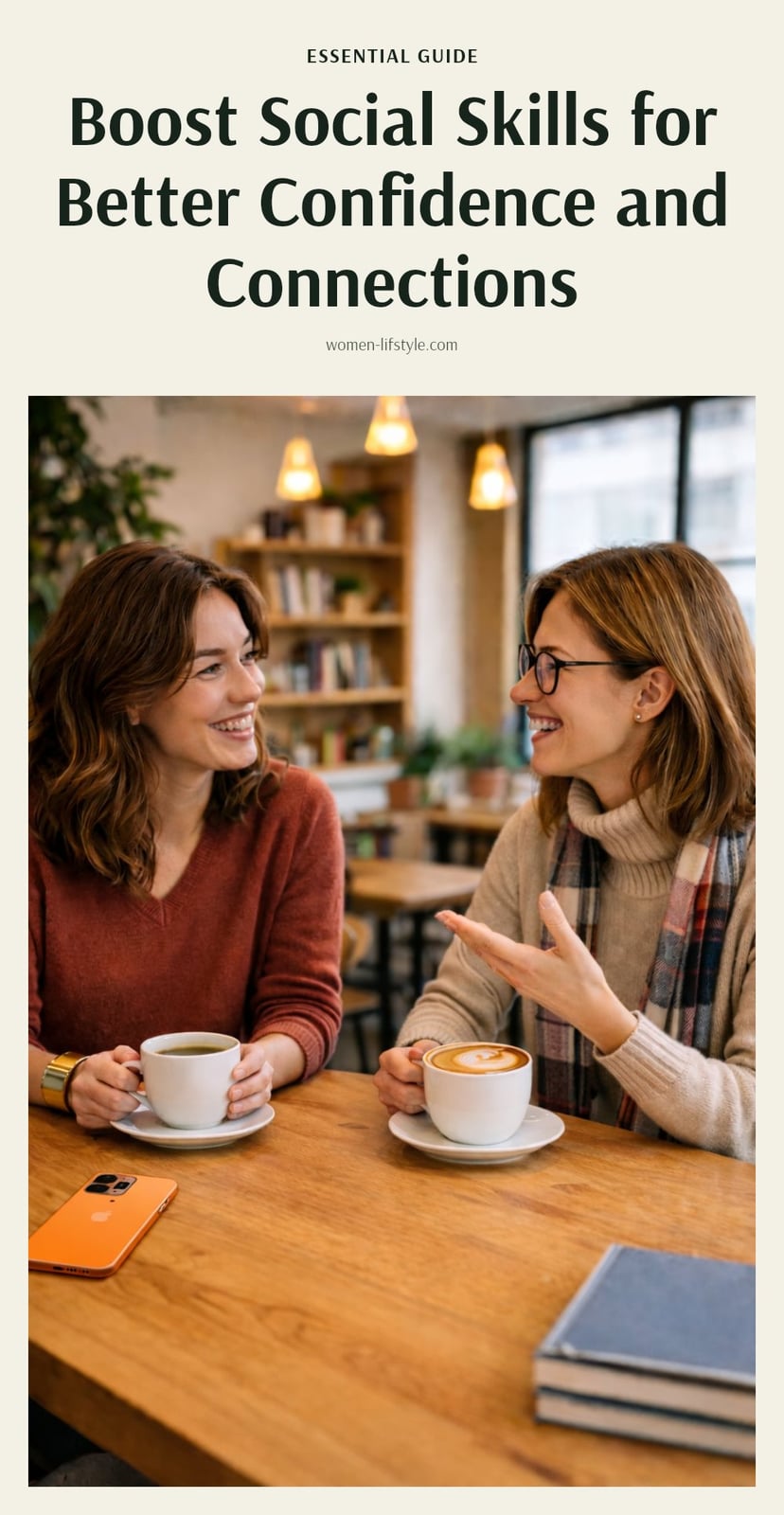
Feeling awkward in social settings is more common than you think, and the good news is that social skills are not something you’re born with. They’re learned behaviors, which means you can improve them at any age with a little practice and self-awareness. This article walks you through simple tools, step-by-step strategies, and common pitfalls to avoid, so you can start feeling more confident and connected in your everyday interactions.
Key Takeaways
- Social skills are learned, not innate, so improvement is possible at any age.
- Practice active listening by focusing entirely on the speaker without planning your response.
- Use open-ended questions to encourage deeper conversation and show genuine interest.
- Start small with low-pressure interactions, like one brief conversation per week.
- Seek professional support if social anxiety significantly impacts your daily life.
What Are Social Skills and Why Do They Matter?
Social skills are the learned abilities we use to communicate and interact with others effectively. They include verbal and non-verbal cues, active listening, and empathy. Because these skills are learned, not innate, anyone can improve them with practice. Strengthening your social skills leads to stronger relationships, increased confidence, and a greater sense of belonging in your personal and professional life.
Simple Tools for Your Social Skills Journey
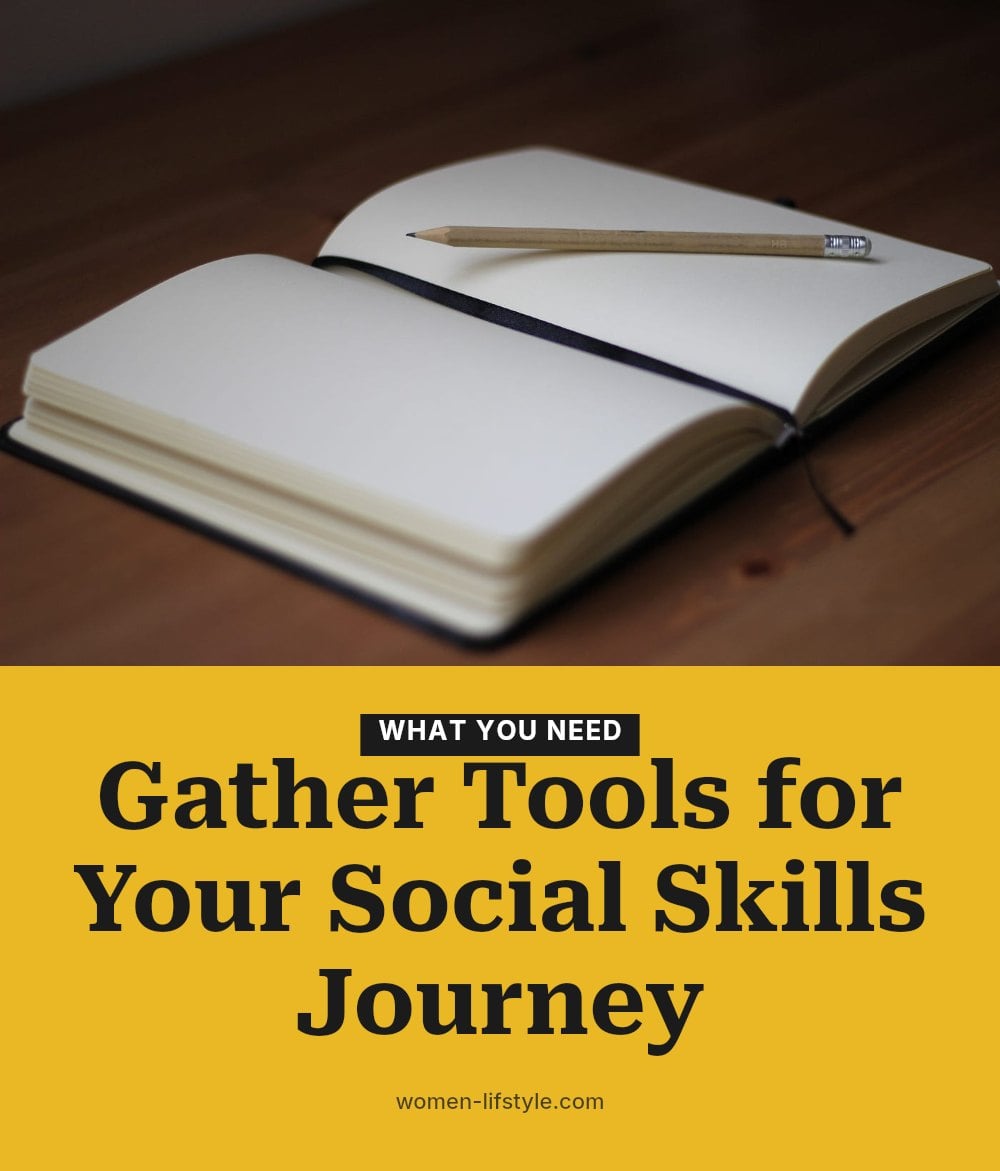
You don’t need much to start improving your social skills. A few simple tools can make a big difference.
- Journal: Use it to reflect on your interactions, note what went well, and track your progress over time.
- Books or online resources: Look for guides on communication, body language, and conversation techniques.
- Mirror: Practice your facial expressions, eye contact, and posture to become more aware of your non-verbal cues.
Step-by-Step: Building Your Social Superpowers
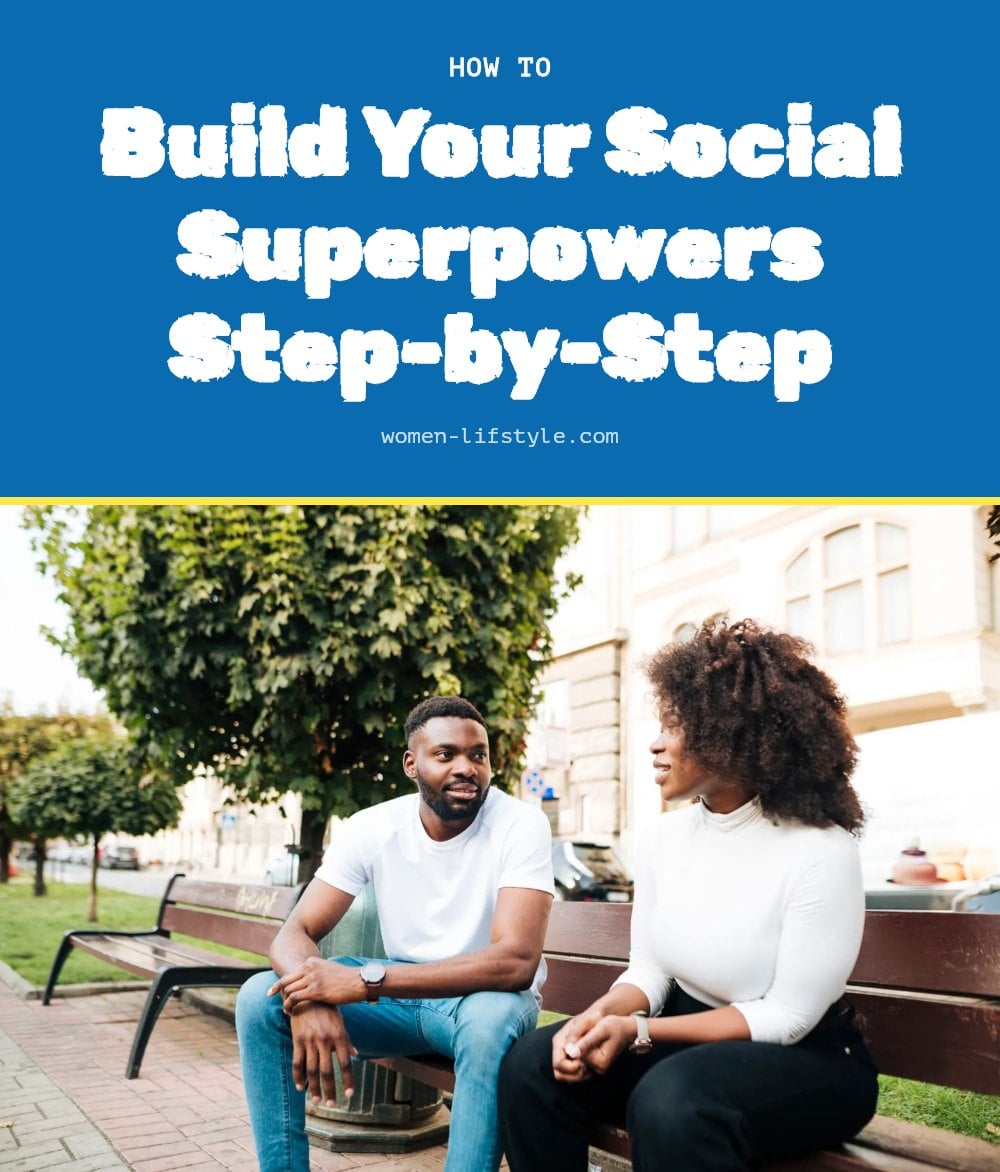
- Practice active listening: Focus completely on the speaker without planning your response. Nod and use brief verbal cues like “I see” to show you’re engaged.
- Make appropriate eye contact: Look at the speaker’s eyes in a natural rhythm, breaking away every few seconds to avoid staring. The goal is engagement, not a fixed percentage.
- Ask open-ended questions: Instead of “Did you have a good weekend?” try “What did you do over the weekend?” This invites longer, more meaningful answers.
- Remember details others share: Mention something they told you previously, like a hobby or an upcoming event. It shows you value them.
- Offer sincere compliments: Notice something specific, like “You handled that meeting really well,” and say it without expecting anything in return.
- Be aware of your body language: Keep your posture open, uncross your arms, and lean slightly forward to signal engagement.
- Practice empathy: Try to imagine how the other person feels. Say things like “That sounds frustrating” to validate their experience.
- Start small: Begin with brief, low-pressure interactions, like greeting a neighbor or thanking a barista, to build confidence gradually.
Common Social Blunders and How to Avoid Them
Many people stumble when working on social skills, but recognizing these common blunders helps you avoid them.
- Believing social skills are innate: They are learned behaviors that can be improved with practice, not fixed traits.
- Focusing on what to say next: Prioritize active listening over planning your response. You’ll miss cues and appear distracted.
- Misinterpreting or ignoring non-verbal cues: Pay attention to body language, tone, and facial expressions to understand the full message.
- Avoiding social situations: Start with low-pressure interactions to build confidence gradually rather than avoiding them entirely.
- Trying to be someone you’re not: Authenticity builds genuine connections. People can tell when you’re pretending.
- Expecting immediate mastery: Improvement takes consistent practice over time. Be patient with yourself.
Best Tips for Navigating Social Interactions
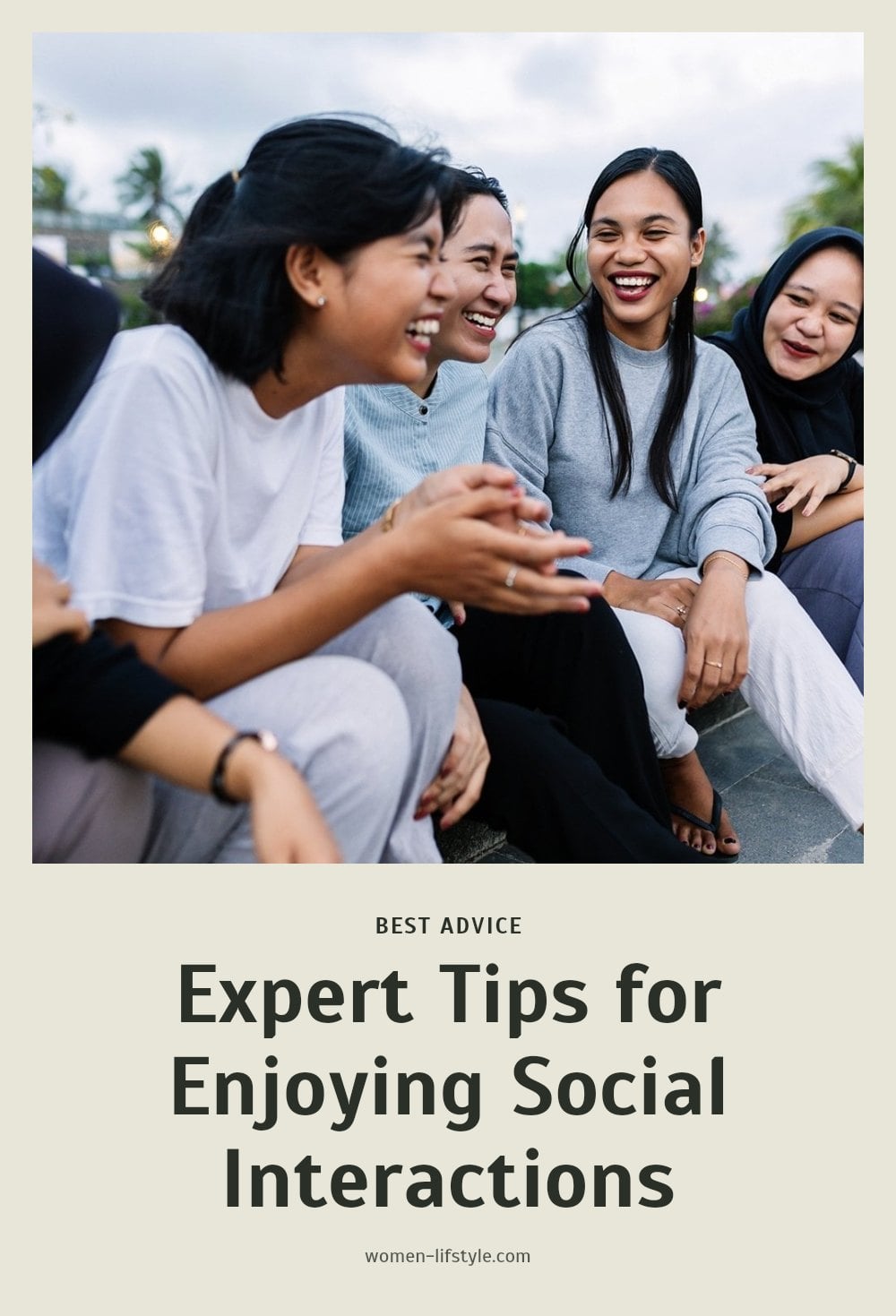
Initiate conversations: Start with a simple greeting or an observation about your shared environment. A comment like “This coffee shop has great lighting” works well.
Maintain conversations: Use open-ended questions that require more than a yes or no, and bring up topics you both seem to enjoy. My tip: keep a mental list of three safe topics, like recent movies or local events, to fall back on.
Gracefully exit: Have a polite phrase ready, such as “It was great talking with you, I need to check on something.” This prevents awkward endings.
Give and receive feedback: Offer sincere compliments on specific things, like “Your point about the project was really insightful.” When receiving a compliment, simply say “Thank you” without deflecting.
Understand social cues: Pay attention to tone of voice, gestures, and facial expressions. If someone looks at their watch or steps back, they may need to end the conversation.
Maintain appropriate personal space: Respect cultural norms for comfort by keeping a distance that feels natural for the setting. In most US contexts, this means not crowding the other person while staying close enough for easy conversation.
The Power of Empathy and Self-Awareness
The Power of Empathy and Self-Awareness
Empathy is the ability to understand and share the feelings of another person. It goes beyond just hearing words; it involves sensing the emotions behind them. This skill is crucial for building strong connections because it shows others you genuinely care about their experience.
Self-awareness works hand in hand with empathy. It means understanding your own social habits, triggers, and patterns. For example, do you tend to interrupt when excited, or avoid eye contact when nervous? Recognizing these tendencies is the first step to adjusting them.
Reflecting on your interactions can reveal patterns that guide your practice. After a conversation, ask yourself: What went well, and what could I do differently next time? This reflection turns everyday interactions into learning opportunities. Together, empathy and self-awareness form the foundation for authentic, meaningful social growth.
When to Seek Professional Support
If social anxiety or difficulty with social interactions significantly impacts your daily life, mood, or relationships, it may be time to seek professional support. This includes persistent feelings of isolation or trouble forming connections even after consistent effort.
A mental health professional, such as a therapist or counselor, can provide personalized strategies and support for underlying issues. They can help you develop coping mechanisms and build skills in a safe, structured environment. This article offers general guidance and is not a substitute for professional medical or psychological advice.
Your Timeline for Social Skill Improvement
Timeline: Consistent practice over weeks and months will show gradual improvement in social skills. Small, daily efforts, like starting one brief conversation per week, build momentum. Refinement continues throughout life as you encounter new situations and people.
Cost: Most resources for social skill improvement are free. You can access online articles, library books, and practice with friends at no cost. Professional support, such as therapy or coaching, will incur costs but can offer targeted help for specific challenges.
Frequently Asked Questions
How long does it take to improve social skills?
Improvement typically happens gradually over weeks and months of consistent practice. Small, daily efforts, like starting one brief conversation per week, build momentum. You’ll likely notice changes in your comfort level and interactions within a few weeks, but refinement continues throughout life as you encounter new situations.
Can social skills be learned at any age?
Yes, social skills are learned behaviors, not fixed traits. This means you can develop and improve them at any point in life, whether you’re a teenager or in your 60s. The brain remains adaptable, and with deliberate practice and self-awareness, you can strengthen your social abilities at any stage.
What is the most important social skill?
While many skills matter, active listening is often considered foundational. It involves fully concentrating on the speaker rather than planning your next response. This skill shows genuine interest, builds trust, and naturally leads to better conversations and stronger connections.
How can I overcome shyness in social situations?
Start small with low-pressure interactions, like greeting a barista or commenting on your shared environment. Practice self-awareness to notice your habits and gradually push your comfort zone. If shyness or anxiety significantly impacts your life, consider talking to a mental health professional for personalized strategies.
Is it okay to be an introvert and still have good social skills?
Absolutely. Introversion is a personality trait, not a lack of social ability. Many introverts excel at active listening and empathy, which are key social skills. You can develop strong social skills while honoring your need for alone time; it’s about quality of interactions, not quantity.
Final Thoughts
My tip: pick one small goal for your next social interaction, whether it’s making eye contact for 60-70% of the conversation or asking an open-ended question. Don’t expect overnight changes; consistent practice over weeks and months will gradually build your confidence and ease. Remember, every expert was once a beginner, and each conversation is a step forward.
This article is for general informational purposes only and is not a substitute for professional advice. If social anxiety or difficulty with social interactions significantly impacts your daily life, mood, or relationships, consider seeking support from a qualified mental health professional.
