

Feeling overwhelmed by clutter in your home and calendar is more common than you think, but the path to a calmer life doesn’t require a marathon cleaning session. The secret is to start small, build simple systems, and stick to routines that keep things tidy. In this article, you’ll find practical steps to declutter your space, organize your schedule, and maintain order without the stress.
Key Takeaways
- Start with one drawer or shelf to build momentum.
- Declutter before buying any storage containers.
- Give every item a designated home and label it.
- Use the two-minute rule for quick tasks.
- Schedule a 15-minute daily reset to prevent buildup.
Start Small: How to Tackle Disorganization
Feeling overwhelmed by clutter is normal, but you don’t have to tackle it all at once. Start with one small area, like a single drawer or a corner of your kitchen counter. Remove everything from that space, then sort items into piles: keep, donate, and trash. Only put back what you truly need or love, and give each kept item a designated ‘home’. Group similar things together, such as all cleaning supplies or all office tools, so you can find them quickly. To keep the order, adopt daily habits. Use the ‘two-minute rule’: if a task takes less than two minutes, do it immediately. End each day with a 15-minute ‘reset’ to return stray items to their homes. This small start builds momentum and creates a visible difference fast.
Your Organizing Toolkit: Essential Supplies
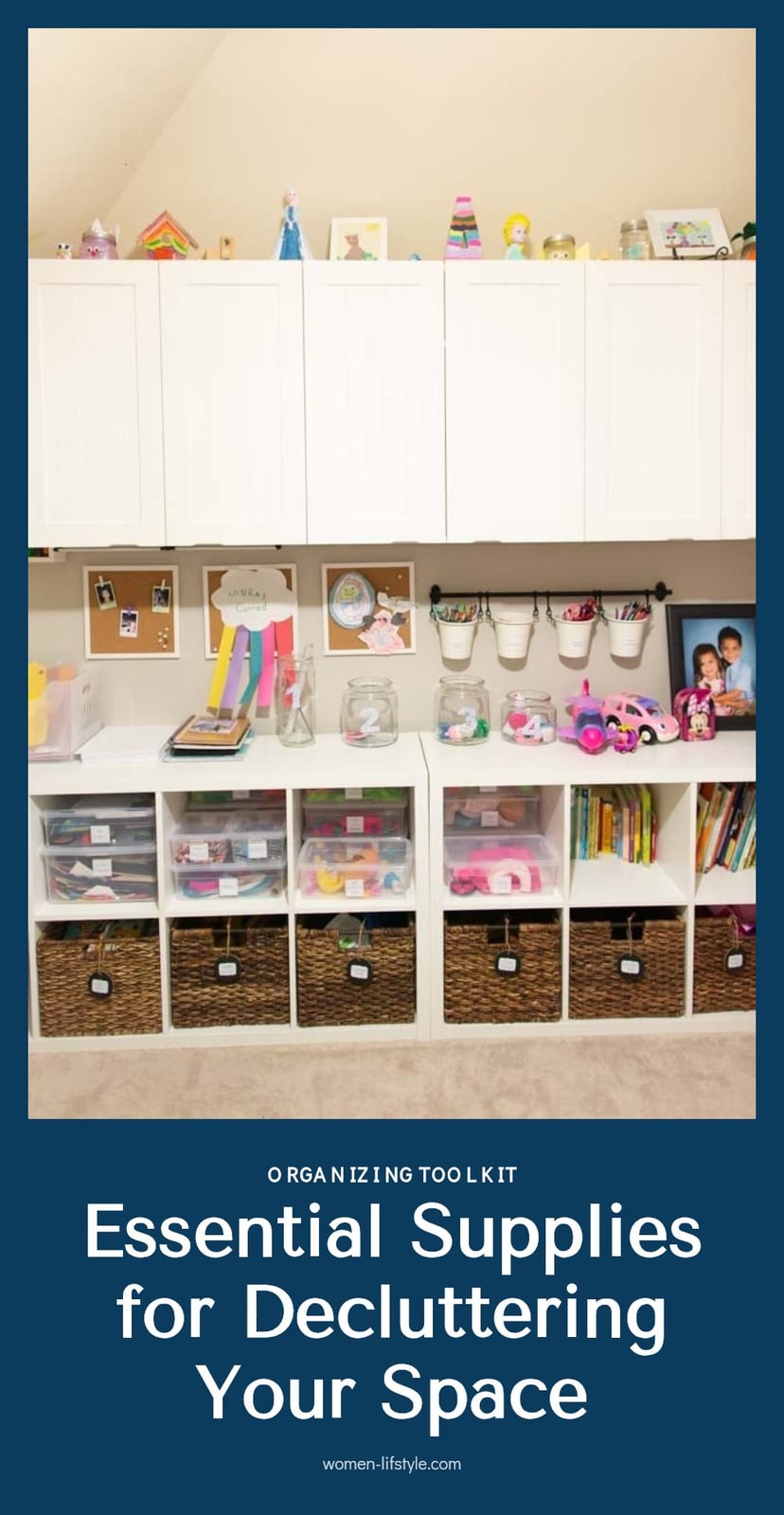
Having the right supplies makes the process smoother, but don’t buy anything until you have decluttered and know exactly what you need to store. Here is your core toolkit:
- Storage bins and baskets: Use them to contain and categorize items by type or room. Clear bins let you see contents at a glance.
- Drawer dividers: They maximize drawer space and keep small items like utensils, office supplies, or accessories from shifting around.
- Label maker or permanent labels: A clear label on every container and shelf ensures everyone knows where things belong and where to return them.
- Calendar or planner: Choose a digital app or a physical book to schedule appointments, tasks, and time blocks. This is essential for schedule organization.
- Trash bags and donation boxes: Keep these on hand during every decluttering session so you can immediately remove what you discard or give away.
Step-by-Step: Organizing Your Home
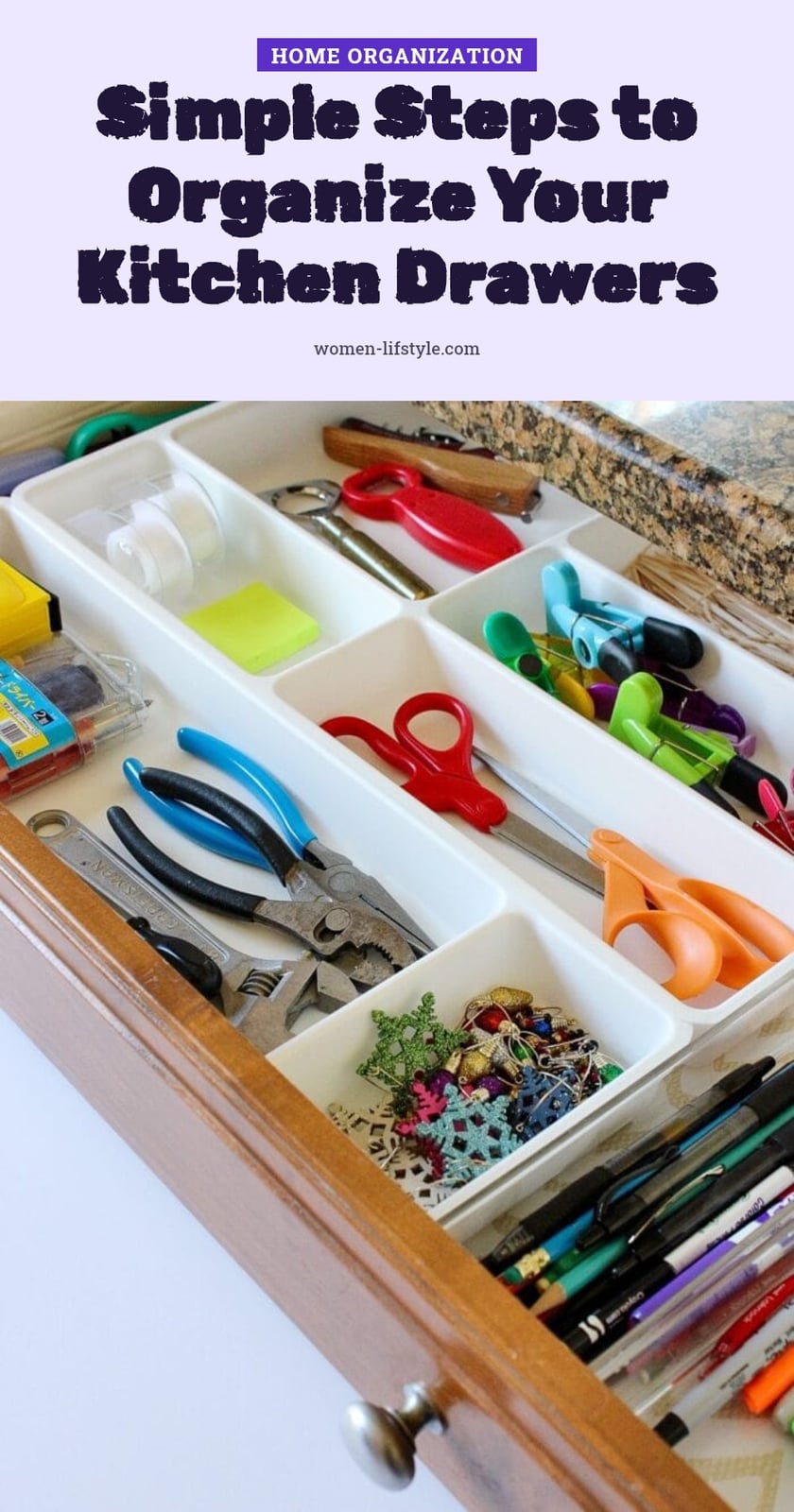
Start with one small area, such as a single drawer, a shelf, or a cabinet. This prevents overwhelm and gives you a quick win that builds motivation. Here is the process I use every time:
- Empty the space completely: Take everything out and place it on a clean surface. You need to see every single item to make clear decisions.
- Sort into three piles: Keep, donate, and trash. Be honest with yourself. If you haven’t used something in a year, it is likely a candidate for donation.
- Apply the KonMari test as you sort: For the keep pile, hold each item and ask if it sparks joy. If it does not, move it to the donate pile. This emotional check helps you part with guilt or obligation items.
- Assign a home for every item: Decide exactly where each kept item will live. Group similar items together, such as all baking tools or all charging cables, so you can find them at a glance.
- Use vertical storage: Install shelves or use stackable bins and drawer dividers. Vertical solutions double your usable space in small cabinets and closets.
- Label everything clearly: Write on the container or shelf with a label maker or permanent marker. Labels make it easy for you and everyone in your household to put things back correctly.
Break large projects into one drawer or one shelf per day. This steady pace prevents burnout and keeps the process sustainable.
Step-by-Step: Organizing Your Schedule

An organized home works best with an organized schedule. The same principle of starting small applies here. Begin by identifying where your time actually goes. For one week, note your commitments, daily tasks, and any time you waste scrolling or procrastinating. Then follow these steps:
- Use a single calendar: Choose a digital app or a physical planner and put every appointment, deadline, and recurring task in one place. This gives you a clear picture of your week.
- Implement time blocking: Dedicate specific blocks of time to distinct activities, such as 9-10 a.m. for deep work, 10-11 a.m. for emails, and 7-8 p.m. for family time. This structure improves focus and reduces decision fatigue.
- Apply the two-minute rule: If a task appears and takes less than two minutes, do it immediately. Reply to that short email, put away the dish, or hang up the coat right now. This prevents small tasks from piling up.
- Schedule regular reset times: Block 15 minutes each evening to review what you accomplished and prepare for the next day. Also schedule a weekly 30-minute reset on Sunday to plan the week ahead.
- Review weekly: Every Sunday, look at your calendar and task list. Adjust time blocks based on what worked, remove tasks that are no longer needed, and refine your system. This keeps your schedule responsive, not rigid.
Start with just one or two of these habits. Once they feel automatic, add the next. This gradual approach prevents burnout and builds lasting time management skills.
Common Organizing Mistakes to Avoid
Organizing before Decluttering: It is tempting to buy bins and start sorting, but you trap clutter inside if you skip the purge. Remove everything from the space first, then sort into keep, donate, and trash piles.
Buying Too Many Containers: Wait until you have decluttered and know exactly what you need to store. Measure your shelves and drawers before shopping, or you will end up with mismatched bins that waste space.
No Maintenance System: Without a daily or weekly reset, clutter creeps back. The two-minute rule and a quick evening tidy keep your system working.
Trying to Do Too Much at Once: Tackling the whole house in one weekend leads to burnout. Start with one drawer or one shelf to build momentum.
Not Involving Others: If your household does not know where things go or why the system matters, they will not follow it. Explain the system and assign simple tasks so everyone participates.
Pro Tips for Lasting Organization
The ‘One In, One Out’ Rule: For every new item you bring into the home, remove one similar item. This prevents accumulation without a major purge later.
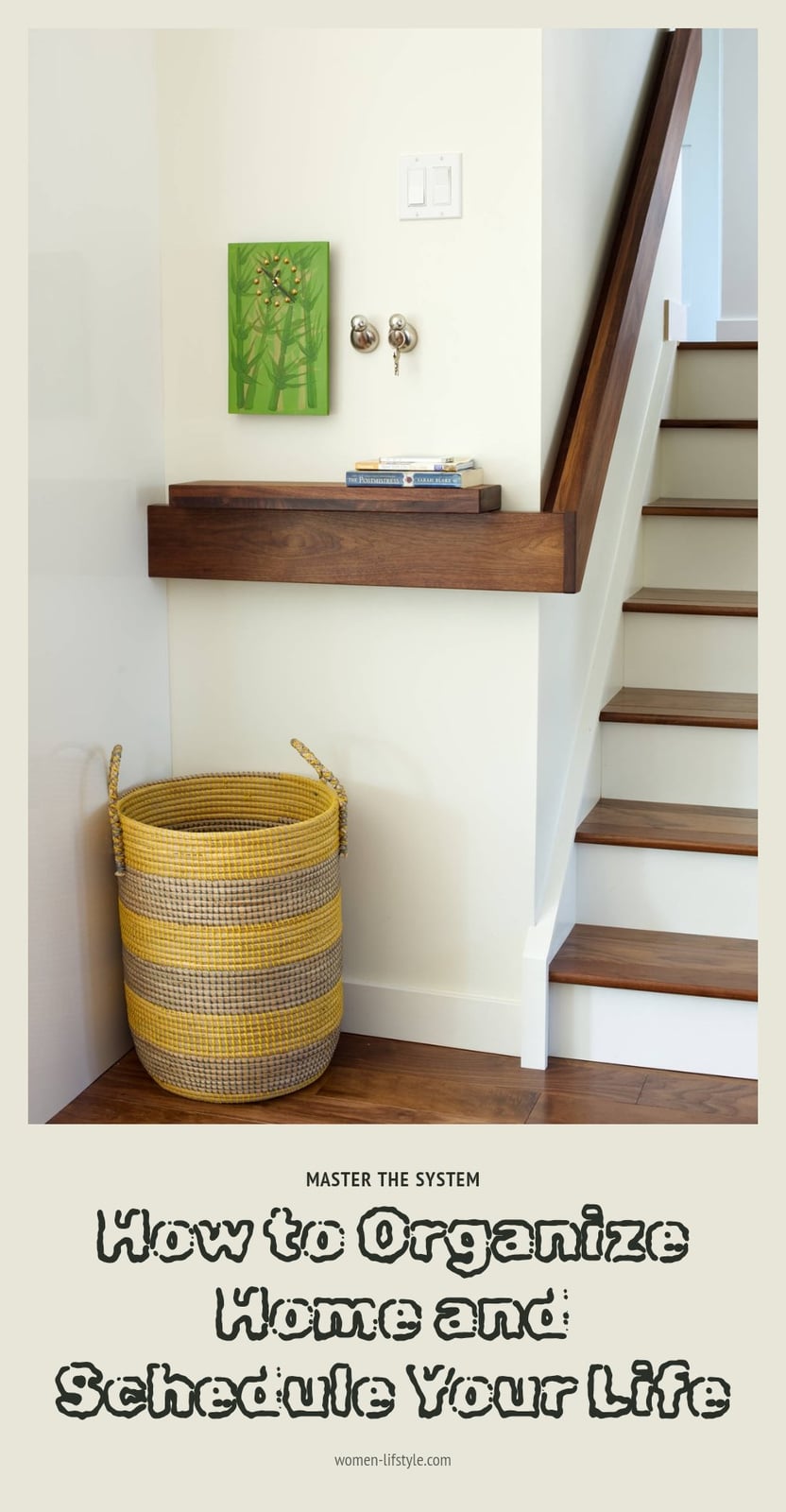
Create a Landing Strip: Designate a spot near the entry for keys, mail, bags, and shoes. A small tray or a set of hooks stops daily clutter from spreading through the house.
Categorize Like Items: Keep all cleaning supplies together, all office supplies together, all baking tools together. Grouping by type makes retrieval quick and storage logical.
Don’t Ignore Digital Clutter: Schedule time each month to delete old files, organize photos into folders, and unsubscribe from emails you never open. A clean digital space supports a clear mind.
Regular Reset Times: Dedicate 15 minutes each evening or one 30-minute block on the weekend to put things back in their homes. This habit stops clutter from building up.
Maintaining Order: Preventing Future Clutter
Daily Mini-Declutter: Spend 5-10 minutes each day tidying up. Put away items that have strayed from their homes, wipe down surfaces, and toss mail you do not need.
Weekly Reset: Block 30 minutes on the weekend to reset common areas like the kitchen, living room, and entryway. Return items to their designated spots and clear out any new piles.
Seasonal Purge: Once a season, tackle larger categories such as clothing, kitchen gadgets, or holiday decorations. Donate or discard anything you have not used since the last purge.
Mindful Shopping: Before you buy, ask: Do I truly need this? Where will it live? If you cannot answer both questions, leave it on the shelf.
Teach the System: Ensure everyone in your household knows where items belong and how to maintain the routines. Label shelves and containers so no one has to guess.
Timeline and Investment for Organization
Initial Setup: A single room can take a few days; an entire home may take several weeks. The more clutter you have, the longer the decluttering phase will be.
Daily Maintenance: Plan for 5-15 minutes each day to tidy up and put things away. This prevents small messes from growing.
Weekly Maintenance: Budget 30 minutes for a deeper reset and schedule planning. Use this time to review what is working and adjust your systems.
Cost Tiers: Minimal: use existing containers and DIY labels. Moderate: add a few bins, drawer dividers, and a label maker. Higher: invest in custom shelving or hire a professional organizer.
Ongoing Process: Organization is not a one-time event. Treat it as a continuous practice of refining your routines and letting go of what no longer serves you.
Frequently Asked Questions
What is the KonMari method for organizing?
The KonMari method, created by Marie Kondo, encourages you to declutter by category, not location, and to keep only items that ‘spark joy.’ You hold each item and ask if it brings you happiness; if not, you thank it and let it go. It’s a mindful approach that helps you surround yourself with things you love.
How often should I declutter my home?
There’s no one-size-fits-all schedule, but a good rule is to do a mini-declutter daily for 5 to 10 minutes and a deeper session weekly. For larger purges, consider doing one room every few months. The key is to maintain the systems you set up so clutter doesn’t accumulate.
Can organizing really reduce stress?
Yes, for many people. A cluttered space can feel chaotic and overwhelming, while an organized environment promotes calm and focus. By creating a home for everything and following routines, you reduce the mental load of searching for items and managing mess, which can lower stress levels.
What is the ‘one in, one out’ rule?
The ‘one in, one out’ rule is a simple habit: for every new item you bring into your home, you remove one similar item. This prevents accumulation and keeps your belongings in check. For example, if you buy a new pair of shoes, donate an old pair. It’s an easy way to maintain balance.
How do I get my family to help organize?
Start by involving everyone from the beginning. Assign each person a zone or task, like putting away their own items. Use clear labels so everyone knows where things go. Make it a game or play music to keep it fun. Consistency and a positive attitude help build cooperation.
Final Thoughts
My tip: pick one small area today, like a single drawer, and follow the declutter-and-categorize process. Expect the initial setup of a room to take a few days, with daily 5 to 15 minute maintenance to keep things in order. The goal isn’t perfection; it’s a system that works for you and reduces daily stress. Start now, and you’ll see the difference.
