

If you have been feeling off lately with low energy, mood swings, or stubborn weight changes, your hormones might be sending you signals. Hormones are the chemical messengers that regulate everything from your metabolism and sleep to your mood and reproductive health, and even small shifts can affect how you feel day to day. This article covers the practical lifestyle habits that can support your body’s natural hormone function, from sleep and nutrition to stress management and movement, so you can start making small, sustainable changes that work for you.

Key Takeaways
- Aim for 7 to 9 hours of quality sleep each night to keep cortisol and hunger hormones in check.
- Focus on whole, unprocessed foods and include healthy fats from sources like avocados and nuts.
- Manage chronic stress with daily practices like meditation or time in nature to lower cortisol levels.
- Stay hydrated with plenty of water to help transport hormones and flush out waste.
- Get about 150 minutes of moderate activity per week, mixing cardio with strength training.
What Are Hormones and Why Do They Matter?
Hormones are chemical messengers your endocrine system produces. They travel through your bloodstream to regulate nearly every bodily process, from your metabolism and mood to reproduction and sleep cycles. When people talk about ‘hormone balance,’ they mean these messengers are working optimally, which supports your overall well-being. Imbalances can show up as fatigue, weight changes, or mood swings, so understanding how to support your hormonal health through lifestyle choices matters.
1. Prioritize Quality Sleep

Aim for 7 to 9 hours of quality sleep each night. Sleep deprivation directly raises cortisol, the stress hormone, and disrupts ghrelin and leptin, the hormones that control hunger and fullness. That can leave you feeling hungrier and more stressed the next day.
My tip: Build a consistent bedtime routine. Dim the lights, put away screens 30 minutes before bed, and try a calming activity like reading or gentle stretching. This signals your body it is time to wind down.
2. Eat a Whole Foods Diet

Focus on whole, unprocessed foods: fruits, vegetables, lean proteins, and healthy fats. This approach supplies the nutrients your body needs to produce and regulate hormones effectively. Processed foods can spike blood sugar and promote inflammation, which works against hormonal harmony.
My tip: Think colorful plates. The more variety you eat, the better for your gut health, and a healthy gut is directly linked to better hormone function. Aim for at least three different colors per meal.
3. Manage Chronic Stress

Chronic stress keeps cortisol levels high, which can throw off estrogen and progesterone. Over time, that may affect your cycle, mood, and energy. The fix is not to eliminate stress entirely but to build daily practices that lower your baseline.
My tip: experiment with a few options to find what fits your life. Meditation, yoga, deep breathing, or a walk outside all work, but consistency matters more than the method. Even 10 minutes a day of focused breathing or nature time can help your body reset its stress response.
4. Stay Hydrated with Water

Drinking plenty of water keeps your blood volume up, which your body needs to transport hormones to their target tissues and flush out metabolic waste. Even mild dehydration can drag down your energy and slow metabolic processes, and that indirect strain can show up in how you feel day to day.
My tip: keep a reusable water bottle on your desk, in your bag, or next to your couch so sipping becomes automatic. Aim for steady intake through the day rather than chugging large amounts at once, which your kidneys will simply excrete.
5. Move Your Body Regularly

Aim for about 150 minutes of moderate activity per week, mixing cardio with strength training. Cardio improves insulin sensitivity so your cells respond better to the hormone, and strength work helps manage cortisol by giving your body a healthy outlet for stress. Both support blood flow, which carries hormones where they need to go.
Physical activity also triggers endorphins, the mood-regulating hormones that can ease anxiety and low energy.
Caution: over-exercising to the point of exhaustion can backfire. Intense training without recovery raises cortisol and may disrupt your cycle, so treat rest days as part of the plan, not a failure.
6. Include Healthy Fats
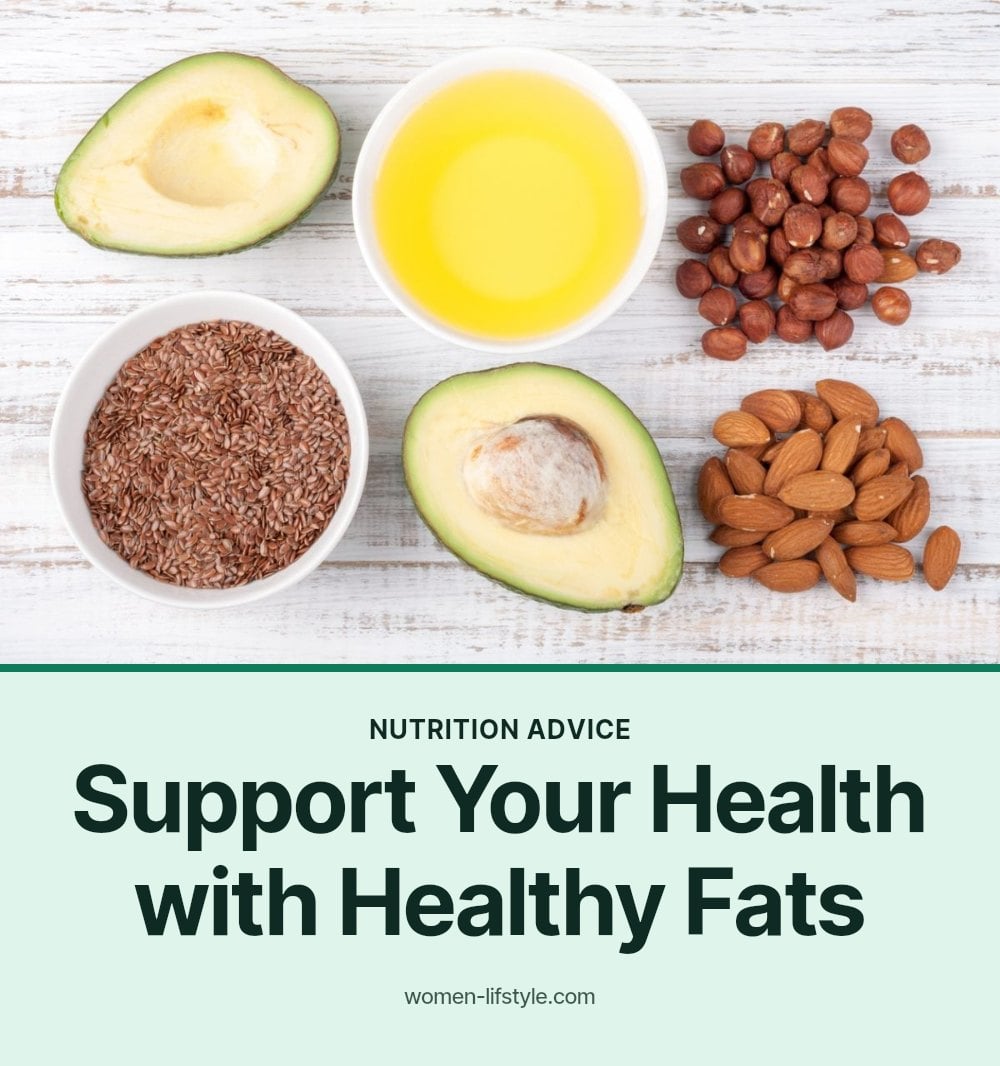
Healthy fats from avocados, nuts, seeds, and olive oil are the raw materials your body uses to build hormones, including estrogen and progesterone. Without enough dietary fat, production can slow down. These fats also reduce inflammation, and chronic inflammation can interfere with how hormones signal through your body.
My tip: don’t shy away from fats. A handful of walnuts or a quarter of an avocado at meals keeps you fuller longer and supports steady hormone output, so you get satiety and endocrine support in one move.
7. Boost Your Fiber Intake
Fiber from whole grains, fruits, and vegetables keeps your digestion moving and binds to excess hormones, especially estrogen, so your body can eliminate them through stool instead of reabsorbing them. That removal process helps prevent the buildup that can lead to imbalances. Fiber also feeds your gut bacteria, which play a role in hormone metabolism.
My tip: increase fiber gradually, by about 5 grams every few days, to avoid bloating and cramps. And always pair it with extra water, since fiber needs fluid to do its job effectively.
8. Limit Endocrine Disruptors
Certain environmental chemicals, called endocrine disruptors, can interfere with your natural hormone function. They are found in plastics, pesticides, and some personal care products, and they may mimic or block hormones in your body.
Tip: Choose glass containers for food storage, pick organic produce when your budget allows, and scan ingredient lists on cosmetics for known disruptors like parabens and phthalates.
9. Support Your Thyroid
Thyroid hormones, T3 and T4, regulate your metabolism, energy levels, and body temperature, so they influence your whole hormonal picture. To support them, get enough iodine and selenium from foods like seaweed, fish, and Brazil nuts.
Caution: If you suspect a thyroid issue, always see a doctor for proper testing. Blood tests are the only reliable way to check thyroid function, and treatment should be guided by a professional.
10. Balance Blood Sugar
Stable blood sugar keeps insulin working properly, and insulin imbalances can ripple into other hormones like estrogen and testosterone. Cut back on highly processed foods, sugary drinks, and refined carbs, which cause rapid glucose spikes.
Good to know: Pair carbohydrates with protein and healthy fats at meals. That combo slows glucose absorption, so your insulin response stays even and you avoid the energy crash.
11. Listen to Your Body
Your body sends signals about what works and what does not. Notice how different foods, activities, and stressors affect your energy, mood, and digestion, since hormonal imbalances can show up as fatigue, weight changes, mood swings, skin issues, or irregular periods.
Pro move: Keep a symptom journal for a few weeks. Note what you ate, how you slept, and how you felt, then bring those patterns to your healthcare provider for a more informed conversation.
When to Talk to a Healthcare Professional
If you notice persistent or worsening changes in your menstrual cycle, mood, weight, or energy levels, it is time to talk to a doctor. These symptoms can have many causes, and only proper testing can tell you what is actually going on. Never try to diagnose a hormonal imbalance on your own, a healthcare provider can order blood, saliva, or urine tests and interpret the results with medical expertise.
Before you start any new supplement or make drastic dietary changes for hormonal health, check with your healthcare provider first. This matters even more if you have an existing medical condition or take medications, since interactions are possible. Your doctor can help you separate helpful lifestyle shifts from risky quick fixes.
Frequently Asked Questions
Can diet really affect my hormones?
Yes, what you eat directly influences your hormone production and regulation. A diet rich in whole foods, fiber, and healthy fats provides the raw materials your body needs to build hormones and helps remove excess hormones through digestion. On the other hand, processed foods and refined sugars can spike blood sugar and promote inflammation, which can throw off hormone signaling.
How long does it take to see results from lifestyle changes?
Lifestyle changes usually take several weeks to months to show noticeable effects on your overall well-being and potential hormonal regulation. The timing depends on the specific change, your starting point, and how consistently you stick with the habit. Be patient and focus on progress rather than quick fixes.
Are ‘hormone balancing’ supplements safe?
Not all supplements are safe or effective, and many are unverified. Always consult a healthcare provider before starting any new supplement, especially if you have existing medical conditions or take medications. Relying on a single pill to balance your hormones is a common mistake, and some products can be ineffective or even harmful.
What is the endocrine system?
The endocrine system is a network of glands that produce and release hormones, including the thyroid, adrenal glands, ovaries (in women), and pituitary gland. These glands work together to regulate processes like metabolism, growth, mood, and reproduction by sending hormones through your bloodstream to target tissues.
What are hormones and what do they do?
Hormones are chemical messengers produced by your endocrine glands that travel through your bloodstream to tissues and organs, influencing nearly every bodily process. They regulate metabolism, growth and development, mood, sexual function, and reproduction. When they are working optimally, your body functions smoothly.
Final Thoughts
The most effective way to support your hormonal health is to build consistent, simple habits around sleep, food, movement, and stress management. Expect noticeable changes in your energy, mood, and cycle after several weeks to months of sticking with these practices. Trust your body’s signals and give yourself time, your hormones respond best to patience and steady care.
This article provides general information for educational purposes and is not a substitute for professional medical advice. If you are experiencing persistent or worsening symptoms related to your menstrual cycle, mood, weight, or energy, please consult a qualified healthcare provider or endocrinologist. Always talk to your doctor before starting new supplements or making significant dietary changes.
