

There’s nothing like a warm bath after a long day, and making your own bath salts lets you control exactly what goes into it. This simple recipe combines Epsom and sea salts with your favorite essential oils for a custom soak that’s both relaxing and kind to your skin. I’ll walk you through the ingredients, steps, storage tips, and a few creative variations so you can whip up a batch in minutes.
Key Takeaways
- Mix 1 cup Epsom salt with 1 cup sea salt for mineral benefits and a pleasing texture.
- Add 5-10 drops of pure essential oil per cup of salt to avoid skin irritation.
- Always dilute essential oils in a carrier oil before mixing into the salts.
- Store bath salts in an airtight glass jar in a cool, dry place away from humidity.
- Consult a doctor before use if pregnant, breastfeeding, or managing a medical condition.
Why This Homemade Bath Salts Recipe Works
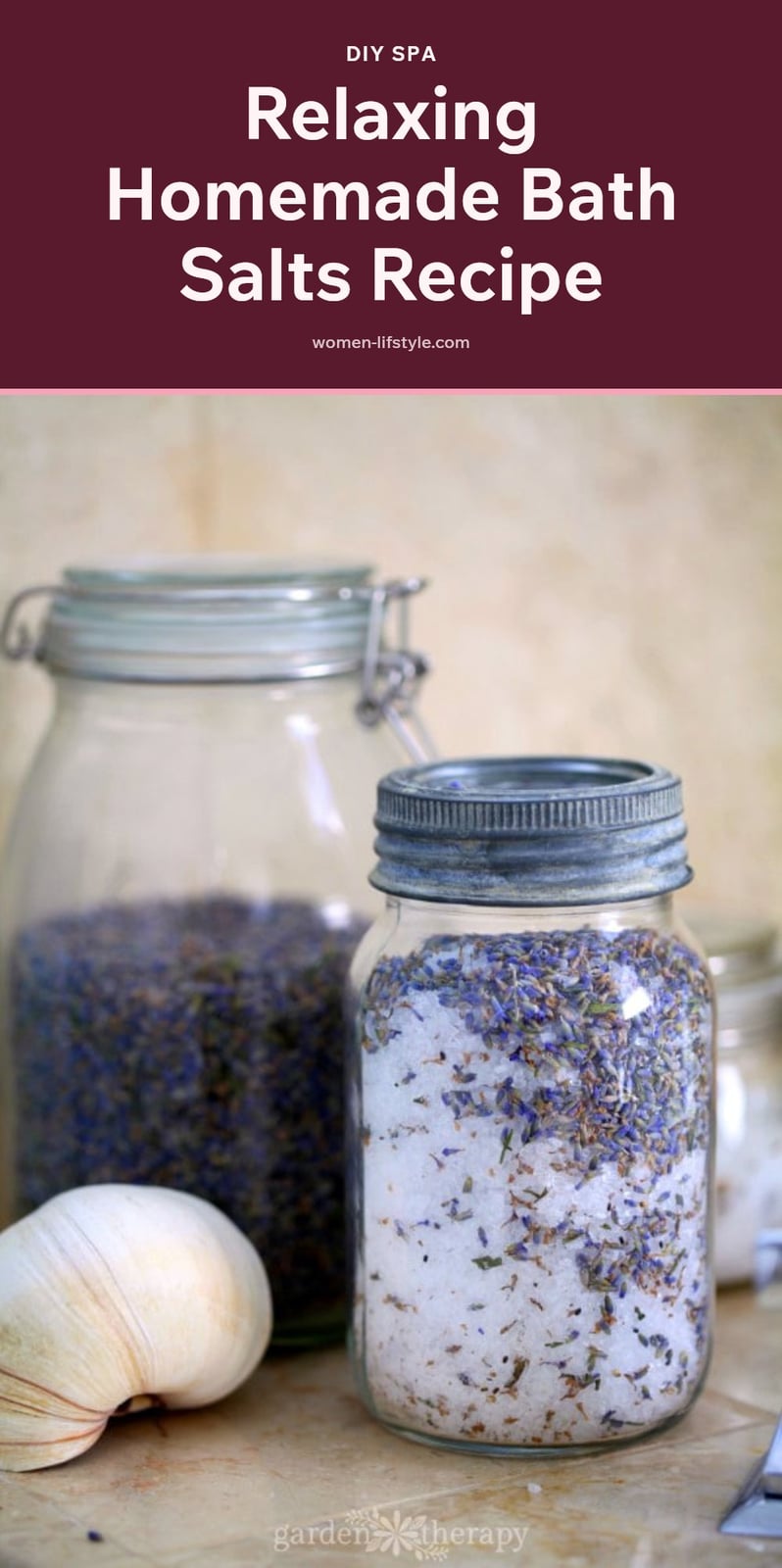
This recipe uses both Epsom and sea salts to give you the mineral benefits of magnesium sulfate from the Epsom salt along with trace minerals like calcium and potassium from the sea salt. The combination also creates a pleasing texture that dissolves at different rates. Essential oils provide natural fragrance and aromatherapy without synthetic additives. A carrier oil helps the essential oils disperse evenly in the bath water and adds moisture to your skin.
Ingredients for Your DIY Bath Salts
For a standard batch that fills a 16-ounce jar, you will need:
- 1 cup Epsom salt provides magnesium sulfate for muscle relaxation.
- 1 cup sea salt adds a variety of minerals for skin health.
- 10-15 drops essential oil choose lavender for relaxation or eucalyptus for clarity.
- 1 tablespoon carrier oil jojoba or almond oil helps dilute essential oils and moisturizes skin.
- 1/4 cup baking soda softens bath water and soothes irritated skin.
Step-by-Step: Crafting Your Own Bath Salts
- Combine dry ingredients: In a large mixing bowl, stir together the Epsom salt, sea salt, and baking soda until evenly blended. Make sure there are no clumps.
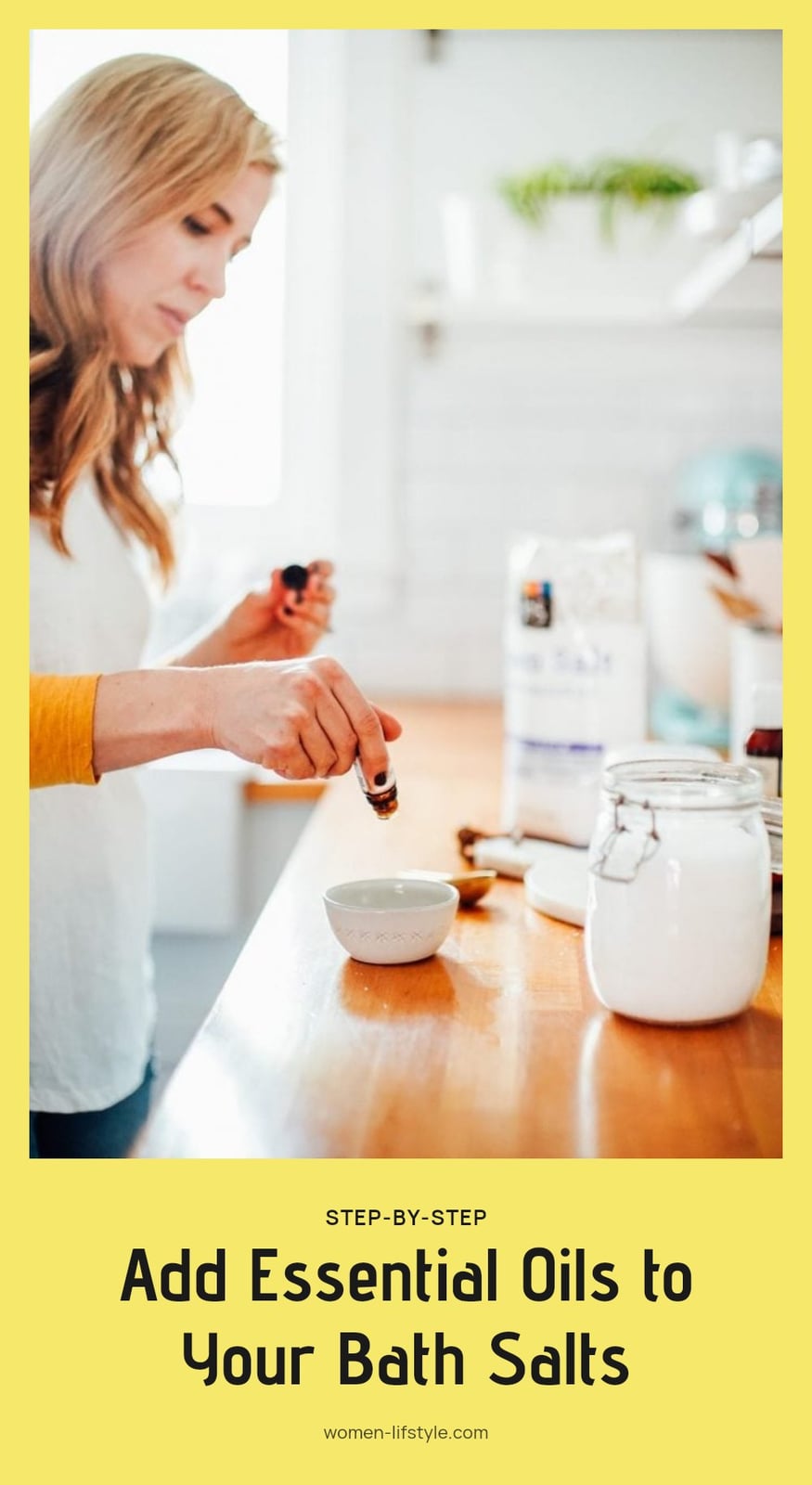
- Add essential oils: Drip the essential oils over the dry mixture while stirring continuously. This helps distribute the oils evenly and prevents pockets of concentrated scent.
- Mix in carrier oil: Pour the carrier oil into the bowl and stir thoroughly. The carrier oil coats the salt crystals so the essential oils mix into the bath water instead of floating on top.
- Incorporate botanicals or colorants: If using dried botanicals like lavender buds or rose petals, sprinkle them in and stir gently. For color, add a few drops of food coloring or a pinch of mica powder and mix until the color is uniform. Test a small amount in water to check for staining before adding to the whole batch.
- Transfer to storage: Spoon the finished bath salts into an airtight glass jar. Seal tightly and let the scents meld for 24 hours before using for the best aroma.
Expert Tips for Perfect Homemade Bath Salts
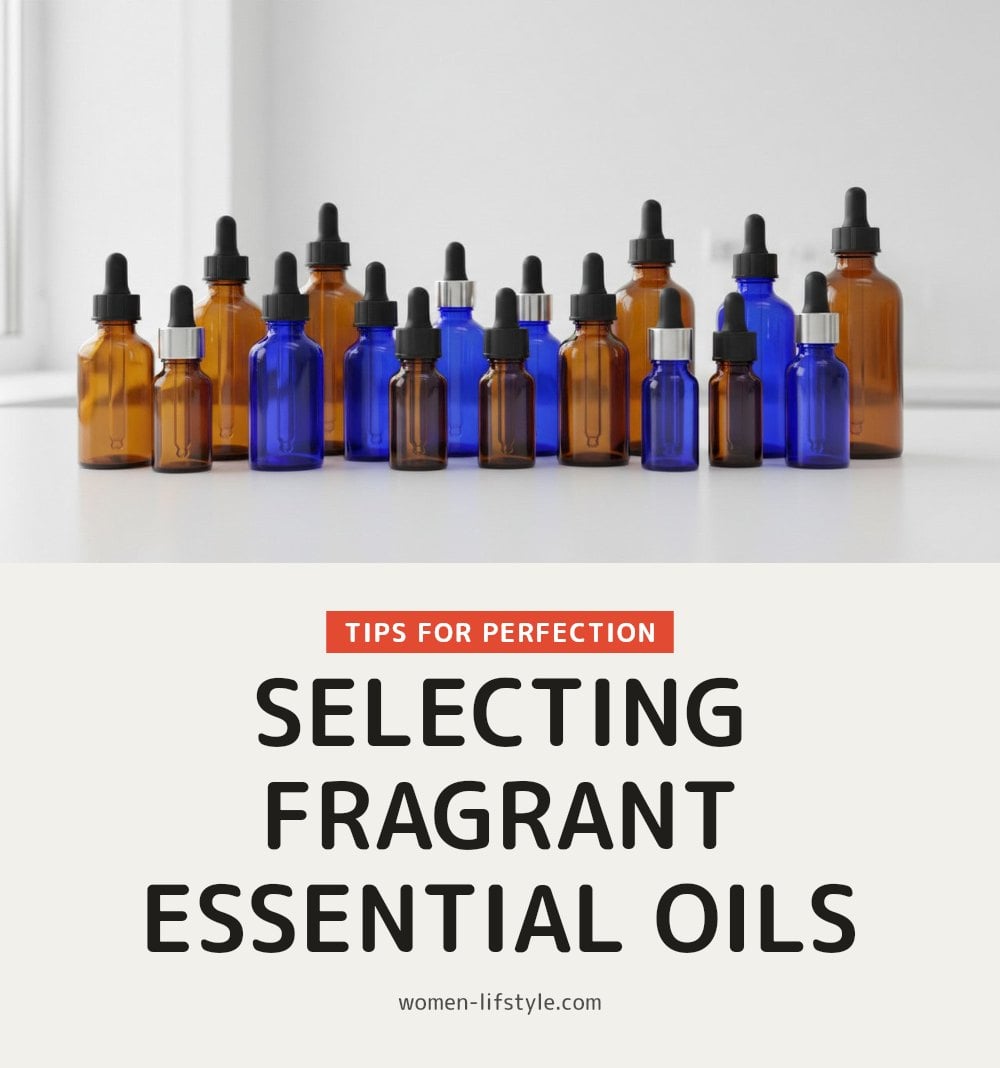
Choose pure essential oils: Always buy high-quality, pure essential oils from reputable suppliers. Synthetic fragrance oils lack natural benefits and may irritate skin.
Start with less oil: Begin with 5-6 drops of essential oil per cup of salt and add more if you want a stronger scent. Too much can cause skin irritation or an overpowering aroma.
Patch test for sensitive skin: If you have allergies or sensitive skin, apply a diluted drop of essential oil to your inner arm and wait 24 hours before using the bath salts.
Ventilate the bathroom: Open a window or turn on the exhaust fan when using essential oils, especially in a small bathroom. Strong aromas can be overwhelming in enclosed spaces.
Clean the tub after use: Oils and botanicals can leave residue. Wipe down the bathtub with warm soapy water after each bath to prevent stains or slippery surfaces.
Creative Variations for Your Bath Salts
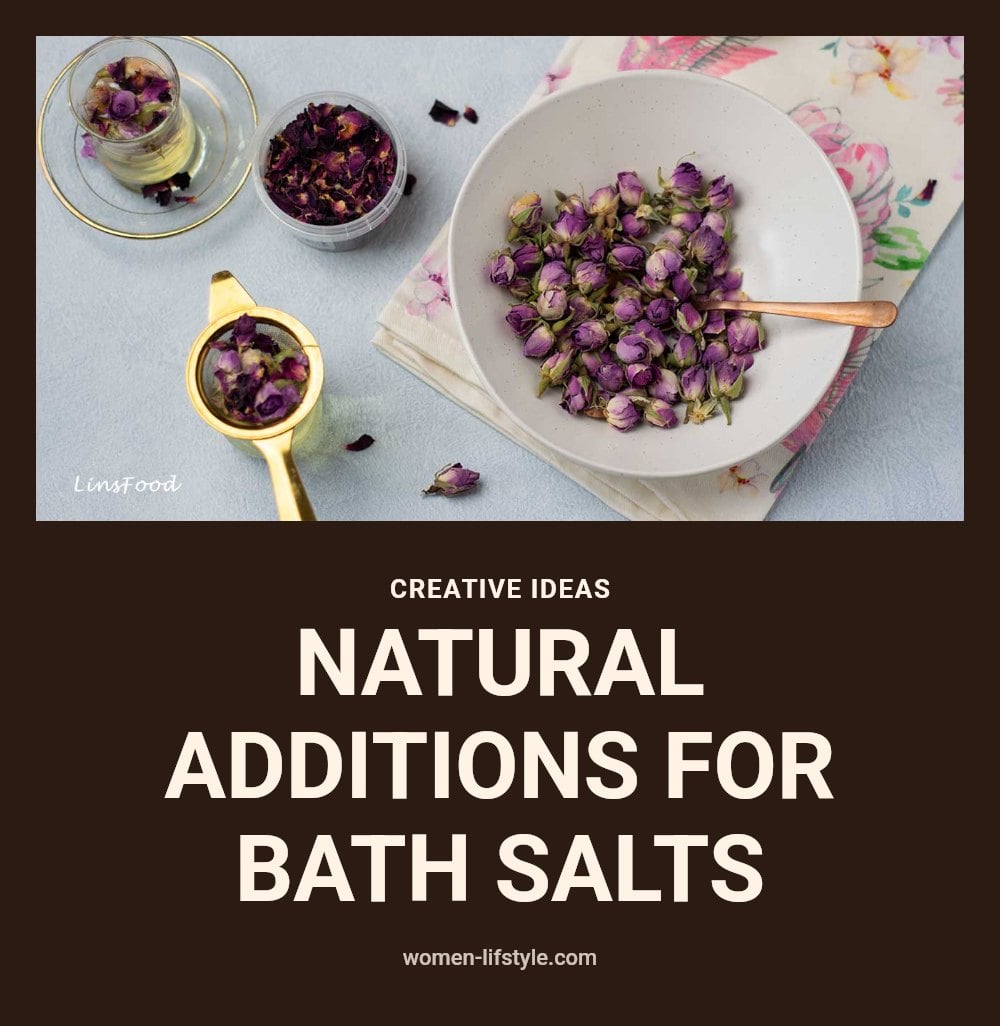
Once you have the basic recipe down, try swapping essential oil blends to match your mood. For a calming soak, combine 4 drops lavender with 3 drops chamomile. An invigorating morning blend uses 5 drops peppermint and 3 drops grapefruit. Dried botanicals like rose petals or chamomile flowers add visual appeal and a mild natural scent. For a fizzing effect, mix in 1 tablespoon of citric acid with your dry ingredients; it reacts with the baking soda in the water. To add color, use a few drops of food coloring or a pinch of mica powder. Test any colorant in a small jar first to make sure it does not stain your tub or skin.
Storing Your Homemade Bath Salts Properly
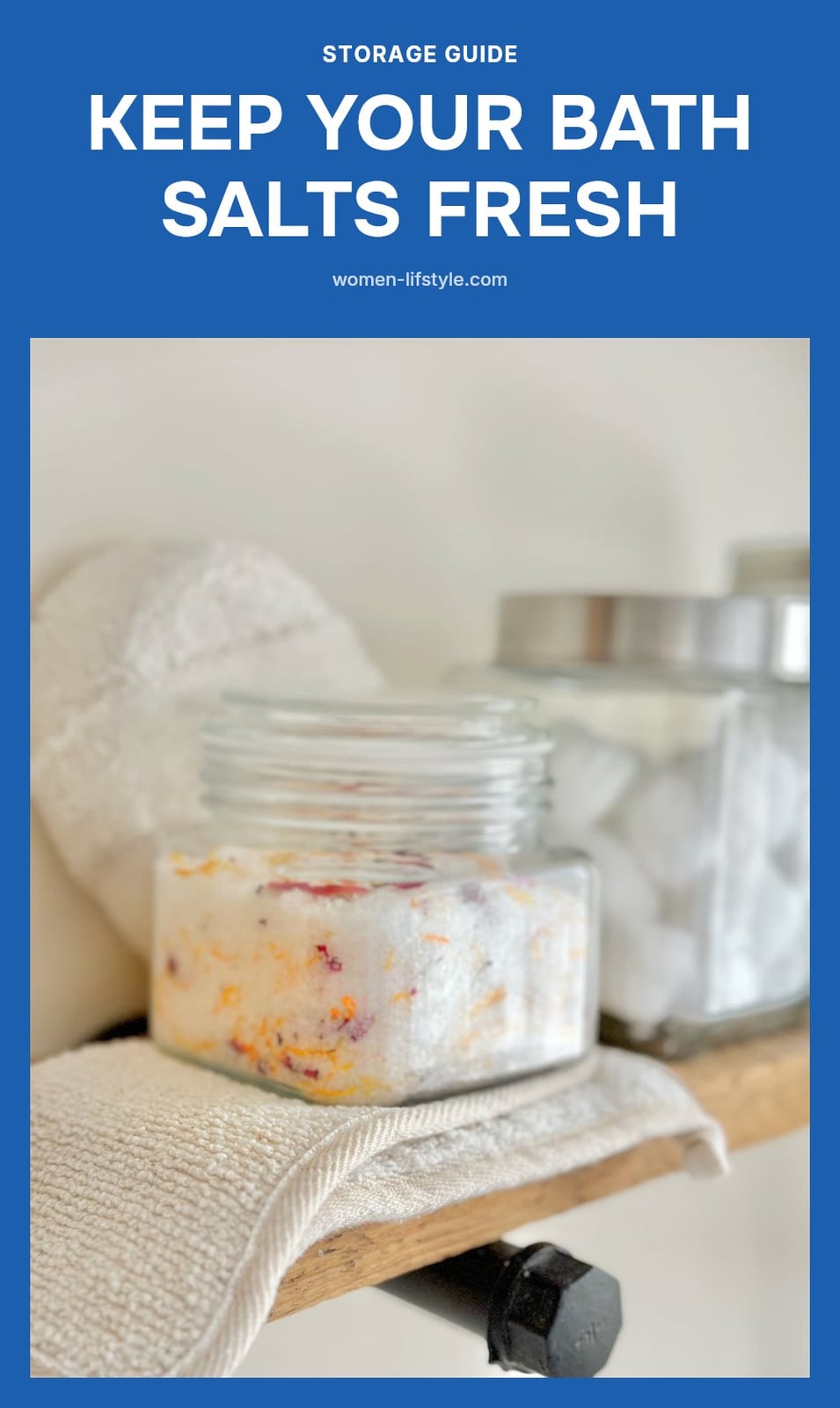
Store your finished bath salts in an airtight container, ideally a glass jar with a tight lid. Keep it in a cool, dry place away from direct sunlight and humidity. Do not store it directly next to a shower or in a steamy bathroom. Moisture causes the salts to clump and essential oils to fade. When stored properly, homemade bath salts stay fresh and effective for several months.
Common Mistakes to Avoid When Making Bath Salts
Using too much essential oil is the most common mistake. Stick to the ratio of 5 to 10 drops per cup of salt to avoid skin irritation and an overpowering scent. Always dilute essential oils with a carrier oil before mixing them into the salts; skipping this step can cause skin sensitivity. Never store bath salts in an open jar or a container without a seal. Exposed to air, they absorb moisture, clump together, and lose their fragrance. Choose pure essential oils over synthetic fragrance oils if you want natural aromatherapy benefits. Finally, avoid adding fresh botanicals or herbs. They introduce moisture and spoil quickly, leading to mold or bacterial growth.
When to Consult a Healthcare Professional About Bath Salts
Talk to your doctor before using bath salts if you are pregnant, breastfeeding, or have high blood pressure, heart conditions, or diabetes. Do not use bath salts on open wounds or severe skin conditions without medical advice. If you develop any skin irritation, redness, or discomfort during or after a bath, stop using the salts and consult a healthcare professional.
Frequently Asked Questions
Can I use regular table salt for bath salts?
Table salt is fine in a pinch, but it lacks the mineral content of Epsom or sea salts and may dissolve too quickly. It also doesn’t offer the same muscle-relaxing or skin-softening benefits. For the best soak, stick with Epsom salt or coarse sea salt.
How much bath salt should I use per bath?
A typical amount is 1/2 to 1 cup of homemade bath salts per bath. Start with 1/2 cup and add more if you want a stronger mineral or scent experience. Using too much can make the water overly oily or cause skin irritation.
How long do homemade bath salts last?
Stored in an airtight container in a cool, dry place, homemade bath salts stay fresh for 6 to 12 months. The essential oils may slowly fade over time, but the salts themselves remain effective. If you notice clumping or a musty smell, it’s time to make a new batch.
Can I add fresh flowers or herbs to my bath salts?
No, fresh botanicals can introduce moisture and lead to mold or bacterial growth in storage. Stick with dried botanicals like lavender buds or rose petals. If you want fresh flowers, add them directly to the bathwater just before you soak.
What if I don’t have carrier oil for essential oils?
Carrier oil helps disperse the essential oil and reduces the risk of skin irritation. If you don’t have jojoba, almond, or fractionated coconut oil, you can use a small amount of olive or grapeseed oil. Even a teaspoon of milk or honey can work as a substitute, though it won’t moisturize as well.
Are bath salts safe for children?
Some essential oils are not safe for children under certain ages, so research each oil before use. For young kids, skip the essential oils entirely and use just the salts and dried botanicals. Always supervise children during bath time and check with a pediatrician if you have concerns.
Final Thoughts
For your first batch, start with a simple lavender and chamomile blend using the basic recipe. It’s hard to go wrong. Expect the scents to meld and deepen after a day or two, so make the salts ahead if you can. Homemade bath salts make a thoughtful gift or a small daily ritual that costs pennies per soak.
This content is for informational purposes only and is not a substitute for professional medical advice, diagnosis, or treatment. Always consult a healthcare provider before using bath salts, especially if you are pregnant, nursing, have a medical condition, or experience skin irritation. Discontinue use if discomfort occurs.
